
To choose the best truck bumper, you must evaluate your vehicle’s specific utility needs, the typical terrain you navigate, and the material durability required for long-term protection. You depend on your vehicle for more than just transportation; it is an essential tool for your business and personal adventures. Standard factory components often fail to withstand the rigors of heavy-duty work or rugged trails, leaving your investment vulnerable to costly damage.
Imagine the frustration of a minor collision on a job site or a stray animal on a dark highway resulting in weeks of downtime and thousands in repair bills. These flimsy OEM parts are designed for mass production rather than maximum protection. By upgrading to premium pickup bumpers, you transform your vehicle into a resilient asset capable of handling the most demanding environments.
Why are heavy-duty pickup bumpers essential for work vehicles?
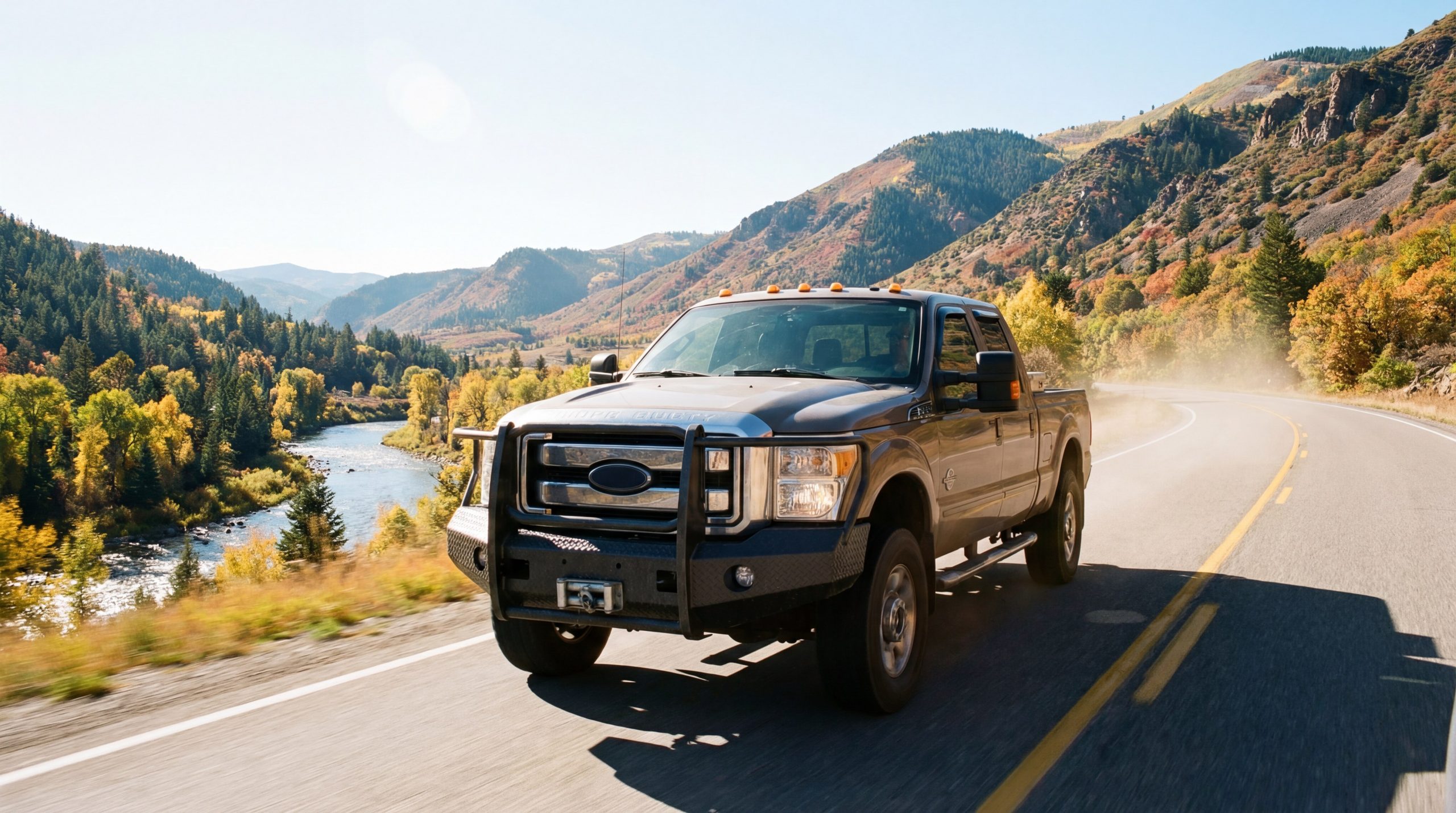
Heavy-duty pickup bumpers provide structural reinforcement against job site hazards and potential collisions that would otherwise total a standard vehicle. These components act as the first line of defense, absorbing impact energy and protecting the critical engine components located directly behind the grille.
Work trucks frequently operate in high-risk zones where debris, heavy equipment, and unpredictable terrain are daily challenges. Professional pickup bumpers are engineered to withstand these stresses while providing additional utility features like tow points.
Protecting Vital Engine Components
Your engine’s radiator and cooling system are incredibly vulnerable to front-end impacts. A heavy-duty steel guard prevents these delicate parts from being crushed during a low-speed incident.
Here is the deal:
- Steel plating blocks flying debris.
- Full-grille guards stop branches and brush.
- Reinforced mounts prevent frame twisting.
This level of protection ensures your fleet stays on the road instead of in the shop.
Enhancing Fleet Longevity and Value
Fleet managers prioritize assets that maintain their value and functionality over several years of hard service. Upgrading to aftermarket hardware reduces the frequency of cosmetic repairs and structural maintenance.
Think about it: a truck that avoids front-end damage maintains a much higher resale value. You are not just buying a part; you are investing in the long-term viability of your commercial equipment.
| Protection Level | Benefit | Durability |
|---|---|---|
| Full Guard | Maximum Engine Protection | Extremely High |
| Pre-Runner | High Clearance | High |
| Base Bumper | Structural Strength | Moderate |
Evaluating the specific hazards of your daily route helps determine which coverage level is necessary.
Key Takeaway: Heavy-duty protection is a strategic investment that prevents operational downtime and expensive mechanical repairs caused by environmental hazards.
What materials offer the most durability for pickup bumpers?
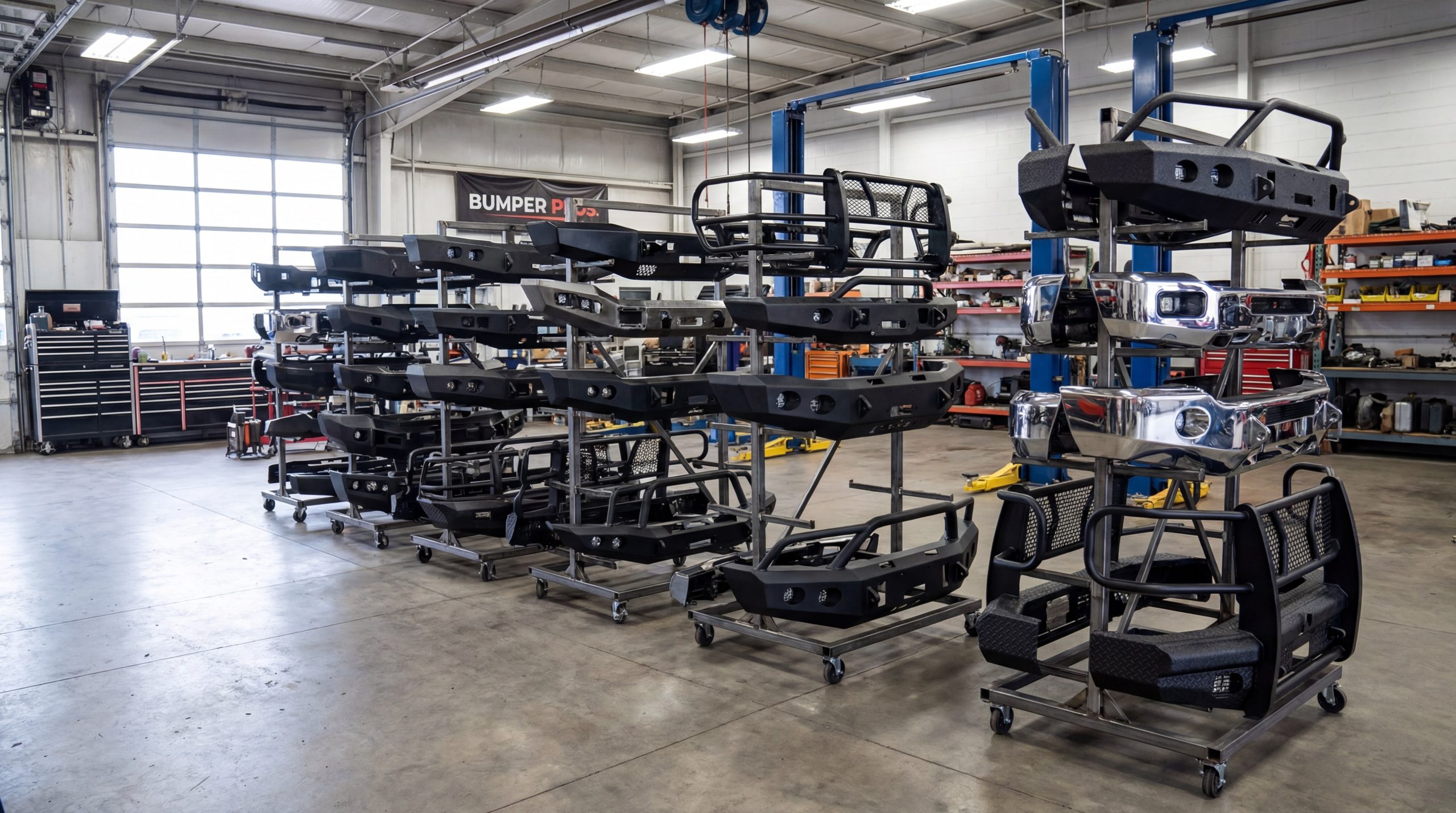
High-grade steel is the industry standard for maximum impact resistance and structural longevity in the aftermarket world. When you are looking for pickup bumpers that can survive a significant collision, steel remains the undisputed champion due to its high tensile strength.
Manufacturers typically use plate steel ranging from 3/16-inch to 1/4-inch in thickness. This provides a rigid shield that does not easily deform under pressure or stress.
The Strength of Plate Steel
Plate steel is favored for its ability to be welded into complex, high-strength shapes. This allows for internal gusseting which adds even more rigidity to the overall structure.
But wait, there’s more:
- Steel is easily repairable if dented.
- It provides the weight needed for front-end stability.
- Modern coatings prevent rust for decades.
You will find that the heaviest workloads require the densest materials.
Lightweight Aluminum Alternatives
Aluminum is gaining popularity for drivers who want protection without the significant weight penalty of heavy steel. It offers excellent corrosion resistance and keeps the front-end suspension from sagging.
Let’s face it: not every truck needs three hundred pounds of steel on the nose. Aluminum is perfect for lighter-duty trucks or those concerned with maximizing fuel efficiency.
| Material | Weight | Impact Resistance |
|---|---|---|
| Carbon Steel | High | Maximum |
| Aluminum | Low | Moderate |
| Stainless Steel | Moderate | High |
Comparing material properties is essential for balancing vehicle performance with necessary protection levels.
Key Takeaway: Selecting the right material ensures that your vehicle remains protected without overstressing the suspension or compromising fuel economy.
How do pickup bumpers improve your vehicle’s safety profile?
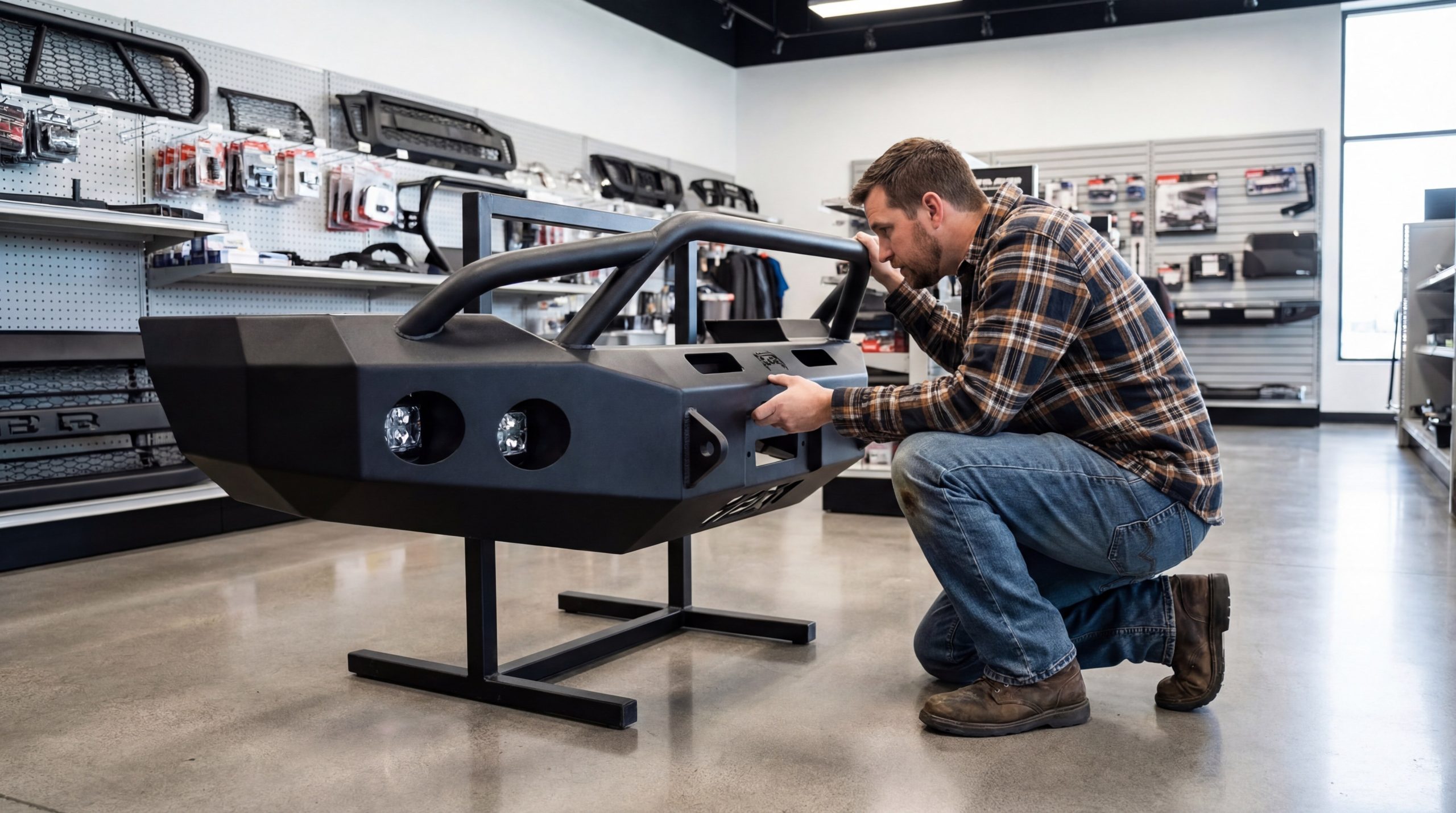
Aftermarket pickup bumpers dissipate kinetic energy more effectively than plastic OEM parts during a serious collision. This increased structural integrity protects the cabin and its occupants by preventing the engine block from being pushed into the firewall.
While factory bumpers are designed for pedestrian safety and low-speed “fender benders,” professional pickup bumpers are built for real-world survival. They provide a rigid frame-mounted solution that holds up when things go wrong.
Collision Mitigation Benefits
In the event of an animal strike or a collision with another vehicle, the heavy steel acts as a battering ram. It pushes the obstacle away rather than allowing it to crumble into your headlights and hood.
Consider these safety benefits:
- Reduced risk of engine fires.
- Shielding for the battery and electrical.
- Preventing cabin intrusion.
Keeping the core of the truck intact can often be the difference between driving home and being stranded.
Integrating Airbag Sensors
Modern engineering ensures that these heavy-duty units do not interfere with your vehicle’s sophisticated safety systems. Engineers test the mounting brackets to ensure they trigger airbags at the correct force intervals.
The bottom line is:
You get the benefits of steel without sacrificing the electronic safety features you rely on. It is a win-win scenario for any safety-conscious truck owner.
| Safety Feature | OEM Bumper | Aftermarket Bumper |
|---|---|---|
| Impact Absorption | Low (Crumples) | High (Deflects) |
| Grille Protection | Minimal | Total Coverage |
| Sensor Support | Standard | Fully Integrated |
Safety profiles shift significantly when you move from decorative plastic to structural steel components.
Key Takeaway: Enhanced safety comes from a combination of material strength and intelligent engineering that works with your vehicle’s existing safety systems.
Why should you upgrade your stock pickup bumpers for off-roading?
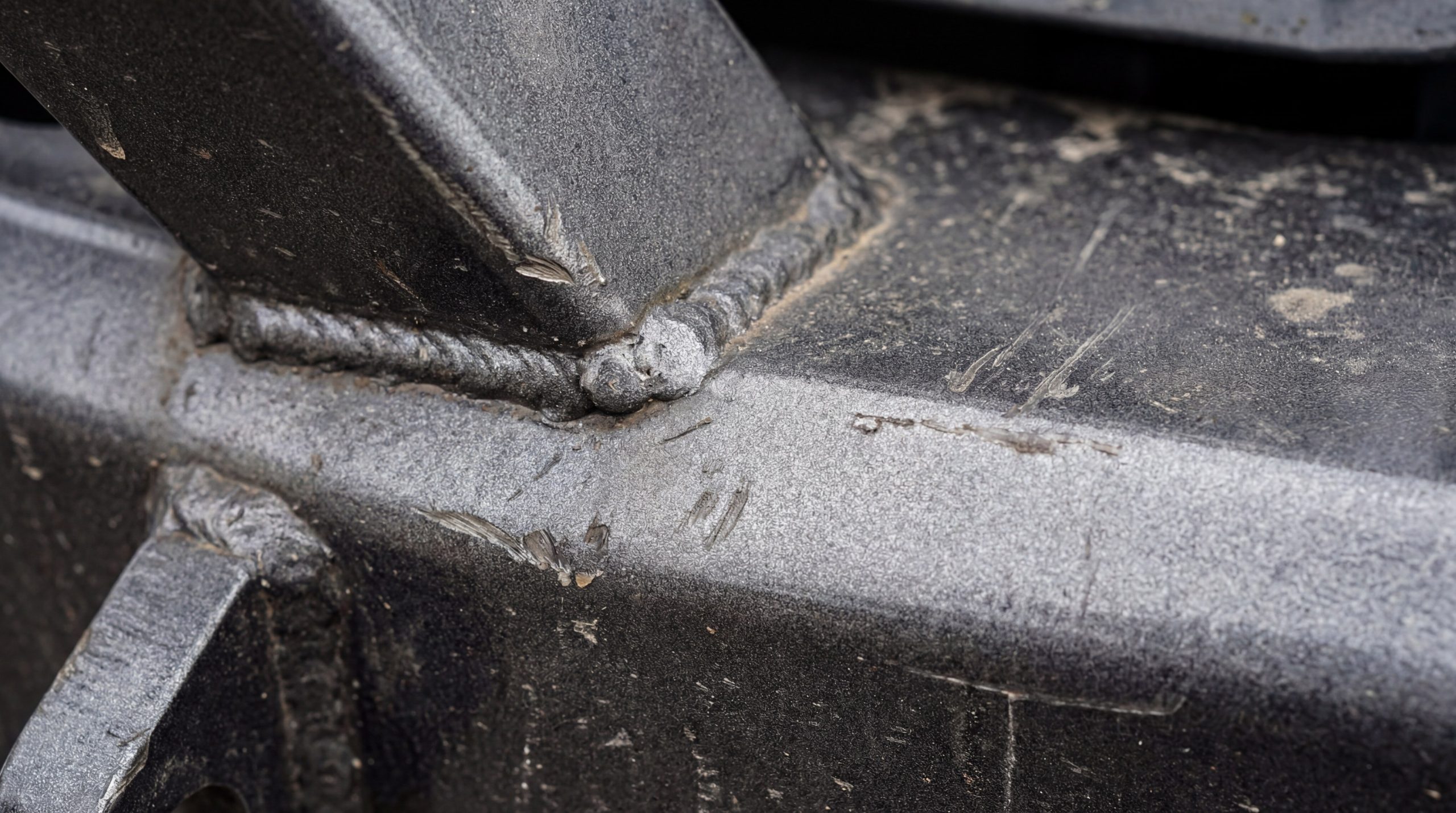
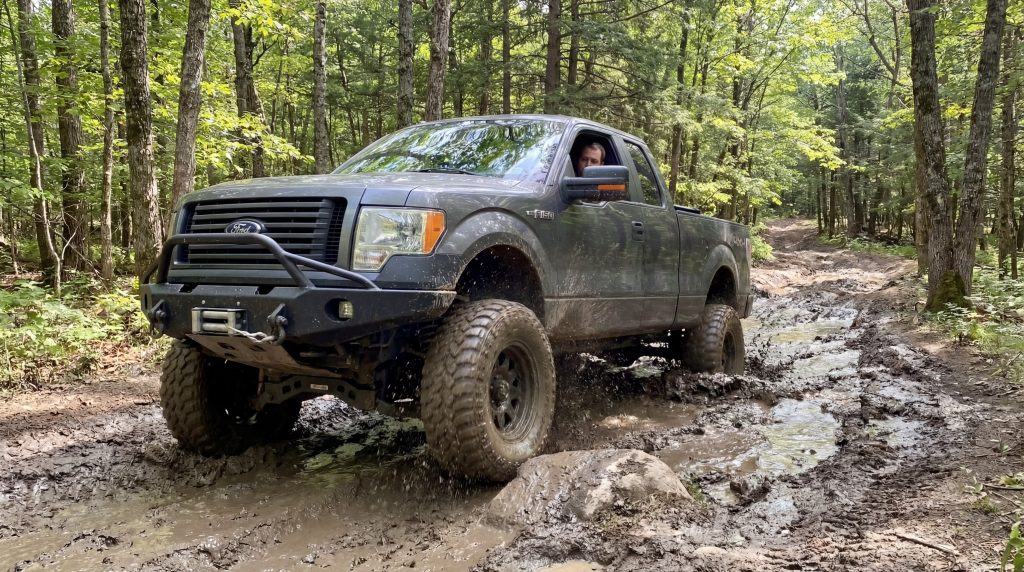
Upgraded pickup bumpers offer better approach angles and integrated winch mounts that are critical for navigating off-road trails. Factory pickup bumpers often hang too low, causing them to scrape on rocks or get caught in deep mud.
When you take your vehicle off the pavement, you need hardware that clears obstacles rather than creating them. A high-clearance design allows your tires to reach the obstacle first, providing the traction you need.
Improving Clearance and Approach Angles
Tapered edges and high-cut designs significantly increase the angle at which you can approach a steep incline. This prevents the nose of the truck from digging into the dirt or slamming into boulders.
Here is the secret:
- Shorter overhangs mean more agility.
- Tapered wings allow for larger tires.
- Skid plates protect the steering box.
These design choices make your truck much more capable in technical terrain.
Winch Integration Features
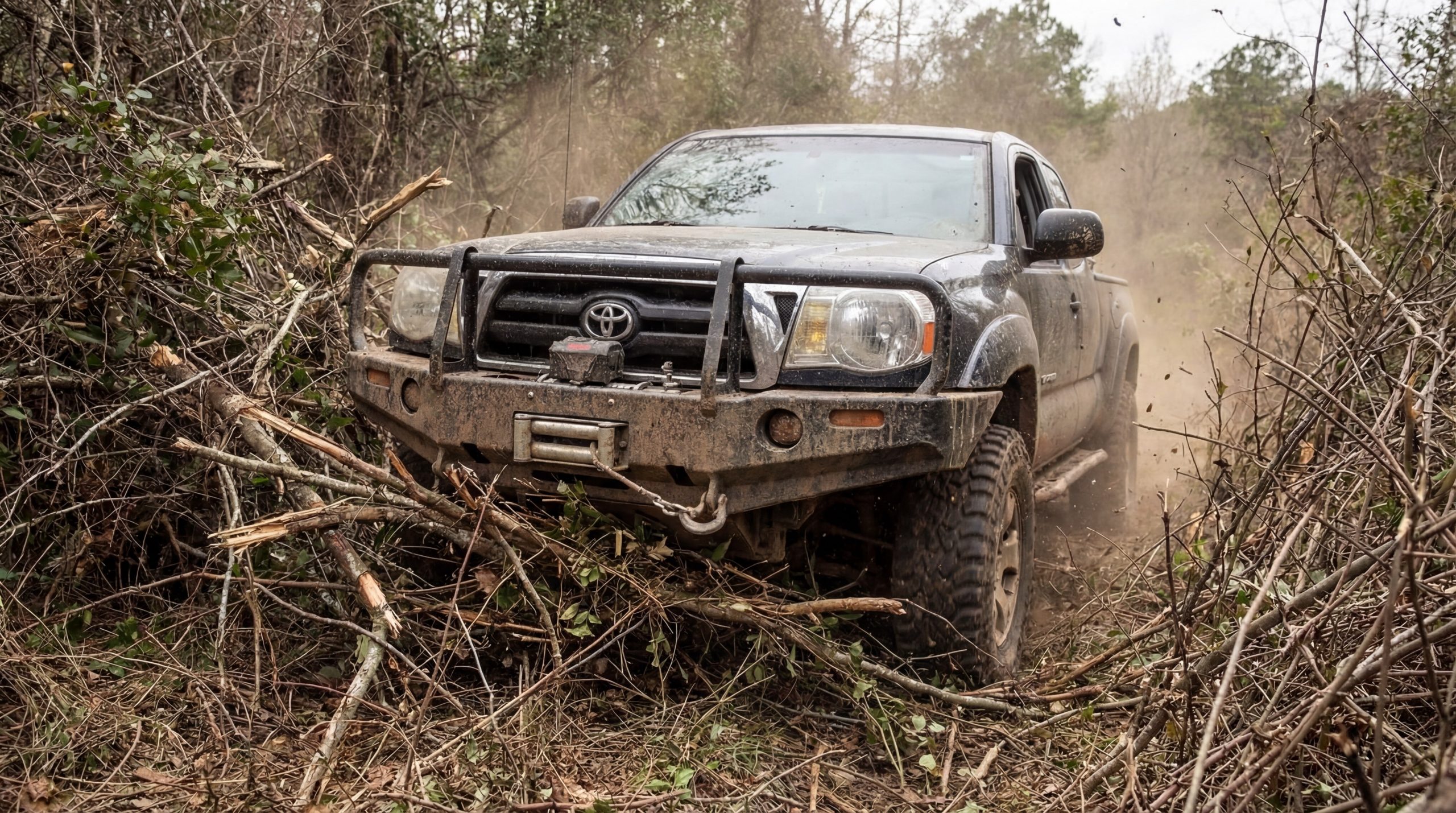
A winch is the ultimate insurance policy when traveling solo through remote areas. Custom bumpers provide a reinforced cradle that can handle the immense pulling force of a 12,000-pound winch.
The reality is:
- Stock bumpers cannot support a winch.
- Internal mounts keep the winch protected.
- Easy access points simplify recovery.
Having a dedicated winch mount turns your truck into a self-rescue machine.
| Off-Road Factor | Stock Limit | Aftermarket Advantage |
|---|---|---|
| Approach Angle | 20-25 Degrees | 35-45 Degrees |
| Winch Capacity | 0 lbs | 16,500+ lbs |
| Tire Clearance | 31-inch | 35-inch+ |
Maximizing off-road capability requires removing the physical barriers imposed by factory bodywork.
Key Takeaway: Off-road success depends on clearance and recovery options that only purpose-built aftermarket bumpers can provide.
What lighting options are compatible with custom pickup bumpers?
Most aftermarket pickup bumpers feature pre-cut ports and mounting tabs specifically designed for high-output LED bars and pods. This allows you to vastly improve nighttime visibility without having to drill into your vehicle’s body or frame.
Visibility is a primary safety concern for anyone working late shifts or traveling through rural corridors where wildlife is active. Custom pickup bumpers give you a stable, vibration-free platform for the most powerful lighting setups available.
Integrated Fog Light Ports
Many designs allow you to reuse your factory fog lights or upgrade to high-performance LED pods in the same location. These ports are usually recessed to protect the glass from rocks and flying debris.
Check this out:
- Recessed lights stay cleaner longer.
- Precision cutouts ensure a factory look.
- Plug-and-play wiring simplifies the job.
Integrated lighting looks cleaner and performs better than light bars simply bolted to the roof.
Mounting Auxiliary Light Bars
For those who need maximum illumination, many bumpers offer a “bull bar” or “center hoop” with tabs for 20-inch or 30-inch light bars. This places the light at the perfect height to cut through dust and fog.
You see:
You can customize the light spread to match your specific driving conditions. Whether you need a broad flood or a narrow spot, the bumper provides the necessary foundation.
| Light Type | Placement | Primary Purpose |
|---|---|---|
| LED Pods | Corner Ports | Fog/Ditch Lighting |
| 30″ LED Bar | Center Grille | Distance/Spot |
| Rock Lights | Underneath | Technical Maneuvering |
Strategic lighting placement is easily achieved through the modular design of modern steel bumpers.
Key Takeaway: Integrated lighting solutions improve safety and utility while maintaining a sleek, professional appearance for your truck.
How do rear pickup bumpers enhance towing and recovery tasks?
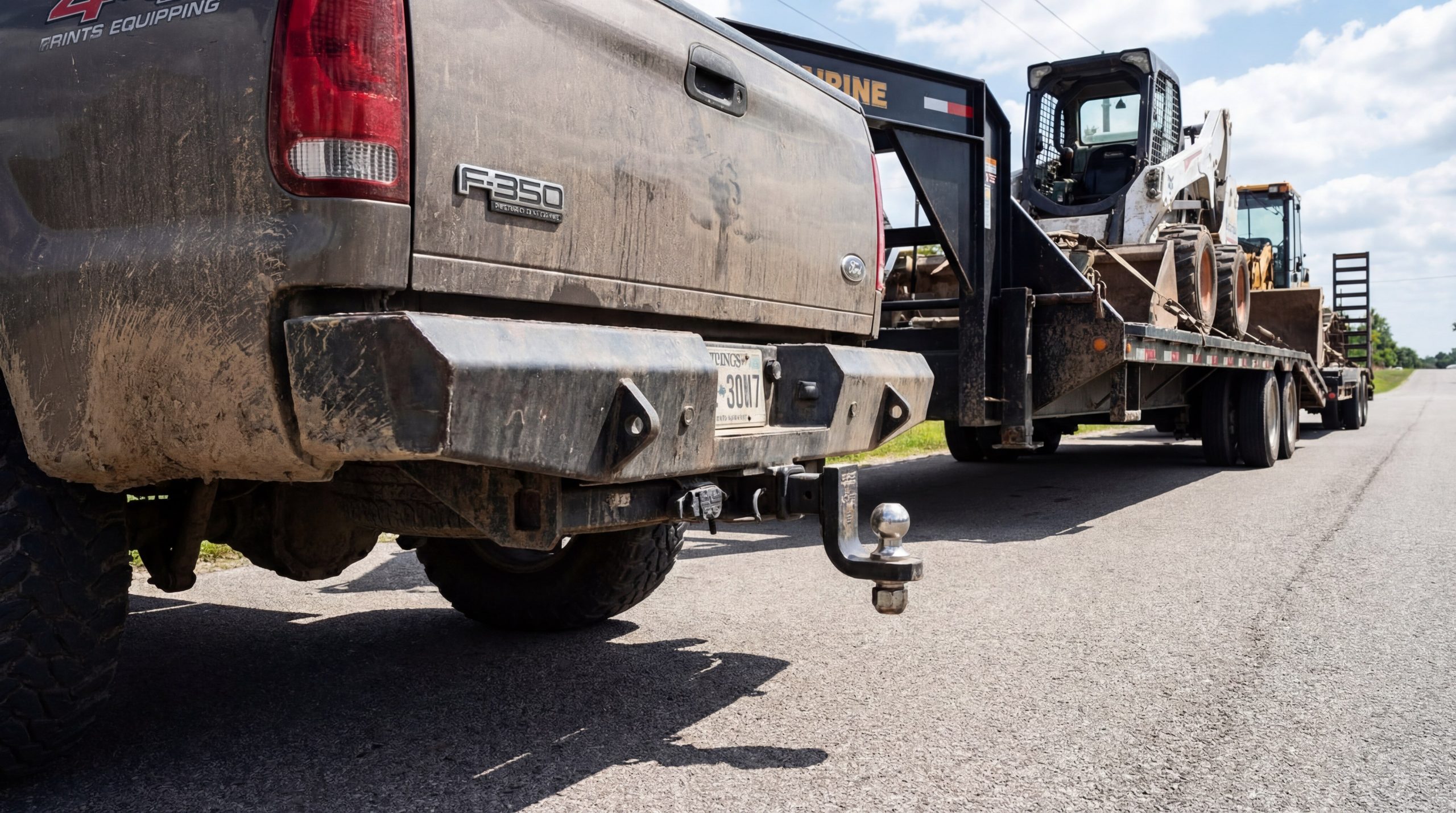
Rear pickup bumpers enhance towing and recovery by providing reinforced shackle mounts and integrated access to your trailer hitch. While front protection is vital, the rear pickup bumpers are often where the heaviest work occurs during towing operations.
Upgrading the rear ensures that you have solid recovery points that are tied directly into the truck’s frame. This eliminates the risk of ripping off a plastic bumper while trying to pull a trailer out of a soft spot.
Heavy-Duty Recovery Points
Clevis mounts or D-ring shackles are essential for safe recovery operations in mud, snow, or sand. These mounts are typically welded through the face of the bumper and into the frame brackets for maximum strength.
The deal is:
- D-rings offer a secure snatch point.
- They won’t bend like factory hooks.
- Dual points allow for bridle pulls.
Safety during a recovery starts with having a connection point you can actually trust.
Improving Trailer Connections
Many custom rear units include integrated steps to help you reach the trailer tongue or climb into the bed. They also feature pre-cut holes for 7-way trailer plugs and backup sensors to keep everything organized.
Think about it:
- Side steps make bed access easier.
- Recessed plugs prevent cable damage.
- Improved departure angles prevent dragging.
Every detail is designed to make the act of towing more efficient and less stressful for the operator.
| Feature | Standard Rear | Aftermarket Rear |
|---|---|---|
| Tow Point Strength | Minimal | Frame-Integrated |
| Access | No Steps | Built-in Side Steps |
| Sensor Mounting | Plastic Clips | Secure Steel Ports |
Rear-end upgrades focus on utility and accessibility, turning the back of the truck into a functional workstation.
Key Takeaway: Professional rear bumpers provide the structural confidence and accessibility required for heavy-duty towing and safe vehicle recovery.
Which finishes provide the best protection for pickup bumpers?
Two-stage powder coating offers the highest resistance to corrosion and UV damage for heavy-duty pickup bumpers. This process involves a zinc-rich primer followed by a thick topcoat of durable polyester or epoxy powder.
Steel is prone to rust if left exposed to the elements, so the finish is just as important as the metal itself. Quality pickup bumpers use advanced coating technologies to ensure your investment looks good for the life of the truck.
Textured vs. Gloss Finishes
Textured black powder coat is the most popular choice because it hides scratches and trail rash exceptionally well. It also provides a non-slip surface if you ever need to stand on the bumper to reach the engine bay.
Here is why it works:
- Texture masks minor imperfections.
- It provides a rugged, tactical look.
- Maintenance is as simple as a wash.
Gloss finishes are available for those who want a show-quality look, but they require more care to prevent swirls.
Corrosion Resistance Standards
Salt and road chemicals can destroy a cheap paint job in a single winter. High-end manufacturers use a multi-step cleaning and blasting process to ensure the coating bonds perfectly to the steel.
Believe it or not:
A properly coated bumper can withstand over 1,000 hours of salt spray testing. That is the kind of durability you need if you live in the “salt belt” or near the coast.
| Finish Type | Durability | Aesthetic |
|---|---|---|
| Textured Powder | Extremely High | Rugged/Matte |
| Gloss Powder | High | Sleek/OEM+ |
| Bedliner Coating | Maximum | Very Rough |
The longevity of your bumper is directly tied to the quality of the chemical bond between the steel and the finish.
Key Takeaway: A high-quality finish prevents structural rot and maintains the professional appearance of your vehicle in harsh environments.
How do you ensure the proper fitment for your pickup bumpers?
You must match the bumper specifications to your specific year, make, and model to ensure all mounting holes and sensors align perfectly. There is no such thing as a “universal” fit when it comes to high-quality pickup bumpers.
Each truck manufacturer changes frame widths and sensor locations every few years. Even a slight variation in the trim level (like a parking sensor package) can determine which model of pickup bumpers you need to order.
Measuring Frame Widths
The mounting brackets must slide precisely over your truck’s frame horns. Professional-grade bumpers use laser-cut brackets that are specific to your vehicle’s chassis code to prevent any “play” in the hardware.
The fact is:
- Precise fitment prevents rattling.
- It ensures maximum energy transfer.
- No drilling is required for most.
Checking your VIN or production date is the best way to confirm you are buying the right part.
Checking Sensor Compatibility
Modern trucks are loaded with Adaptive Cruise Control (ACC) and parking sensors. You need a bumper that includes specific cutouts and mounting brackets for these sensitive electronic components.
Let’s be clear:
You don’t want to lose your safety tech just to get a steel bumper. Look for designs that explicitly mention “sensor compatible” to keep your dashboard free of error lights.
| Compatibility Check | Required Info | Why it Matters |
|---|---|---|
| Vehicle Trim | Lariat, Denali, etc. | Determines sensor types |
| Engine Type | Diesel vs. Gas | Impacts cooling airflow |
| Camera System | Front/360 View | Affects grille guard bars |
Fitment is a technical process that requires attention to detail before the order is placed to avoid return shipping hassles.
Key Takeaway: Proper fitment guarantees a seamless installation and ensures that all factory safety and comfort electronics continue to function.
What is the typical cost of high-quality pickup bumpers today?

Premium steel units generally range between $1,200 and $2,500 depending on the complexity of the design and included features. While this may seem high, the cost of replacing multiple plastic pickup bumpers over the years often exceeds the price of one steel unit.
You are paying for American engineering, heavy-duty materials, and the specialized labor required for precision welding and coating. High-quality pickup bumpers are a “buy once, cry once” investment that pays for itself through protection and utility.
Budget-Friendly Base Models
Base bumpers provide the same structural strength as full guards but without the extra tubing over the headlights. These are perfect for those who want a sleek look and a winch mount without the bulk of a full-grille guard.
Here is the deal:
- You save on initial purchase price.
- Shipping costs are often lower.
- Installation is usually faster.
These models provide the best “bang for your buck” for the average daily driver or light-duty worker.
High-End Full-Guard Systems
Full-grille guards offer the ultimate level of protection, covering everything from the bottom of the frame to the top of the hood. These are essential for rural drivers who face a high risk of deer strikes or for extreme off-roaders.
The truth is:
You are buying total peace of mind for the most vulnerable parts of your truck. When you calculate the cost of a new grille, radiator, and headlights, the extra investment makes perfect sense.
| Price Range | Bumper Style | Included Features |
|---|---|---|
| $800 – $1,300 | Base Bumper | D-rings, light mounts |
| $1,400 – $2,100 | Pre-Runner | High clearance, skid plate |
| $2,200 – $3,500+ | Full-Guard | Maximum coverage, winch ready |
Understanding the price tiers allows you to budget correctly for the specific level of risk you face on the road.
Key Takeaway: Price is a reflection of material volume and engineering complexity; choose the tier that matches your actual protection needs.
Why is professional installation vital for new pickup bumpers?
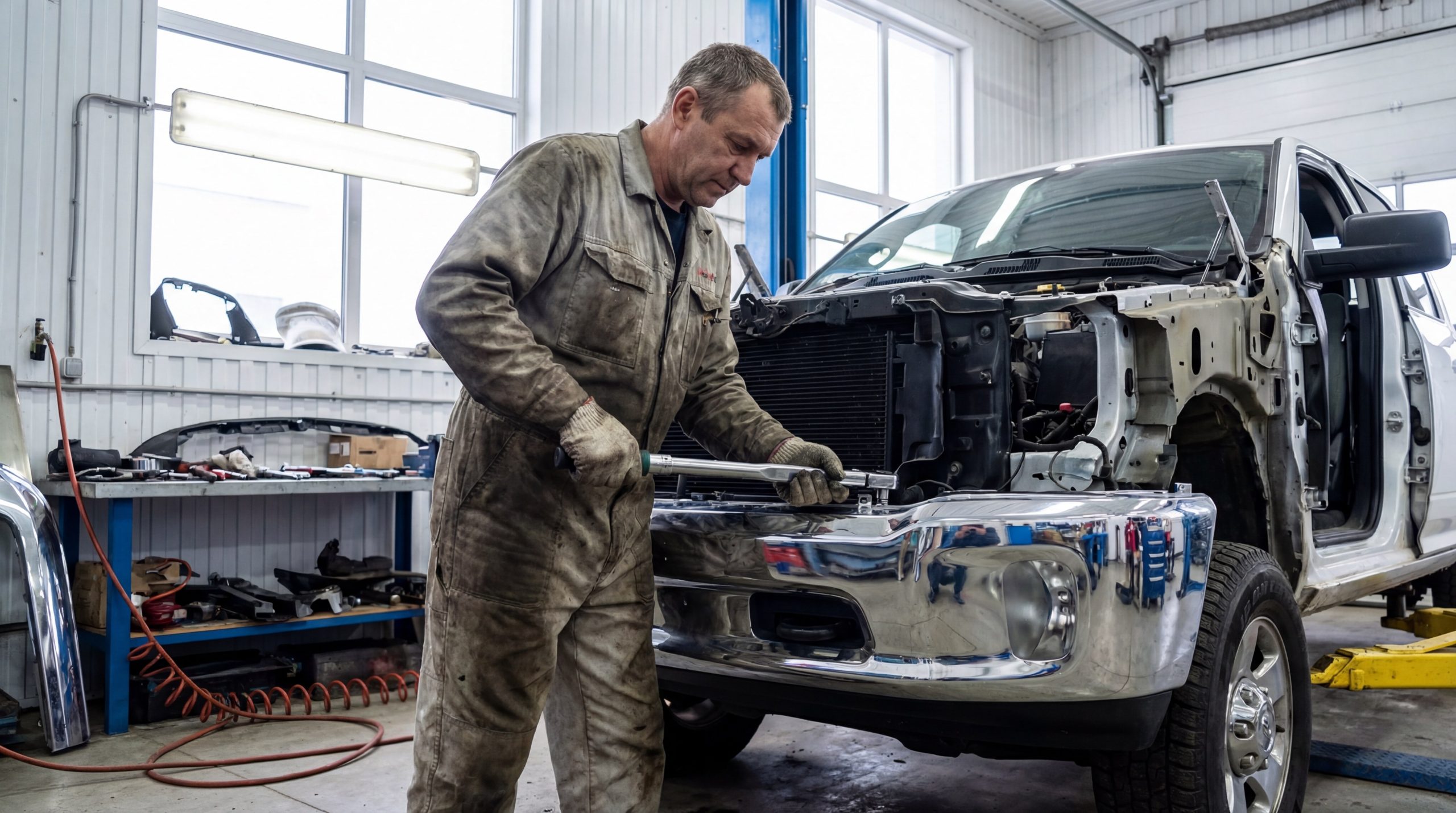
Experts ensure that frame mounts are torqued correctly and sensors are recalibrated so that your vehicle remains safe and compliant. Installing heavy-duty pickup bumpers is not a simple “bolt-on” job for a single person in a driveway.
These units often weigh over 200 pounds and require specialized lifting equipment to position correctly. Professional shops have the tools to align the pickup bumpers perfectly with the body lines of your truck.
Complex Sensor Re-integration
Relocating parking sensors and cruise control modules requires a steady hand and an understanding of automotive electronics. Professionals can ensure that the sensors are “seeing” correctly through the new steel face.
Think about it:
- Improper mounting causes false alerts.
- Exposed wires can corrode quickly.
- Calibration might require a scanner.
Letting a pro handle the electronics prevents a major headache down the road.
Ensuring Structural Integrity
The way a bumper is attached to the frame determines how it will perform during an impact. Mechanics use Grade 8 hardware and specific torque settings to ensure the bumper becomes a permanent part of the chassis.
The bottom line is:
You want the bumper to stay attached when you are winching a heavy load or hitting a deep ditch. Professional installation provides the mechanical confidence that DIY attempts often lack.
| Installation Step | DIY Risk | Professional Benefit |
|---|---|---|
| Heavy Lifting | Injury/Body Damage | Hydraulic Hoists Used |
| Torque Specs | Loose Hardware | Calibrated Tools |
| Wiring | Short Circuits | Weatherproof Looms |
A professional touch ensures that your new hardware performs exactly as the engineers intended during an emergency.
Key Takeaway: Professional installation protects your warranty and ensures that all safety systems and structural mounts are functioning at 100% capacity.
Conclusion
Choosing the right truck bumper solves the problem of vehicle vulnerability and inadequate utility. Throughout this guide, we have explored how moving away from fragile factory parts to heavy-duty alternatives protects your engine, improves your safety, and enhances your truck’s working capabilities. Whether you are navigating a muddy job site or towing heavy equipment on the highway, the right hardware transforms your pickup into a more resilient tool.
At the core of the trucking industry is a vision of reliability and strength. We believe that every driver deserves the confidence that their vehicle can handle the unexpected. By investing in quality components and professional installation, you are taking a stand for durability over convenience. If you are ready to upgrade your vehicle’s defense and utility, contact us today to find the perfect fit for your specific truck.
FAQs
Can I install a heavy-duty bumper by myself?
No, it is highly discouraged unless you have professional lifting equipment and a secondary assistant. These components are extremely heavy and require precise alignment that is difficult to achieve without shop tools.
What’s the best material for a daily driver that doesn’t off-road?
Aluminum is often the best choice for daily drivers who want improved looks and minor protection. It provides excellent corrosion resistance and doesn’t significantly impact your fuel economy or tire wear.
How do I know if a bumper is compatible with my parking sensors?
Yes, you must check the product specifications for “sensor-ready” or “sensor-compatible” labels. Most modern high-quality bumpers will include rubber grommets or brackets specifically designed to house your factory sensors.
Can I paint a powder-coated bumper to match my truck?
Yes, but it requires specific preparation to ensure the paint adheres to the powder coat. You will need to scuff the surface and use a high-quality primer before applying your vehicle’s color-matched paint.