
OEM manufacturing is a strategic partnership where one company produces components or finished products based strictly on the technical designs and requirements of another brand. You likely face the constant pressure of rising overhead costs and the technical complexity required to maintain a full-scale machine shop in-house. This operational burden often distracts you from high-level innovation and market growth, leaving your team reactive instead of proactive in an aggressive industry. By partnering with a specialized build-to-print truck parts manufacturer , you can offload production complexities while ensuring your heavy-duty equipment meets the rigorous standards required for North American highways.
What is a build-to-print truck parts manufacturer?
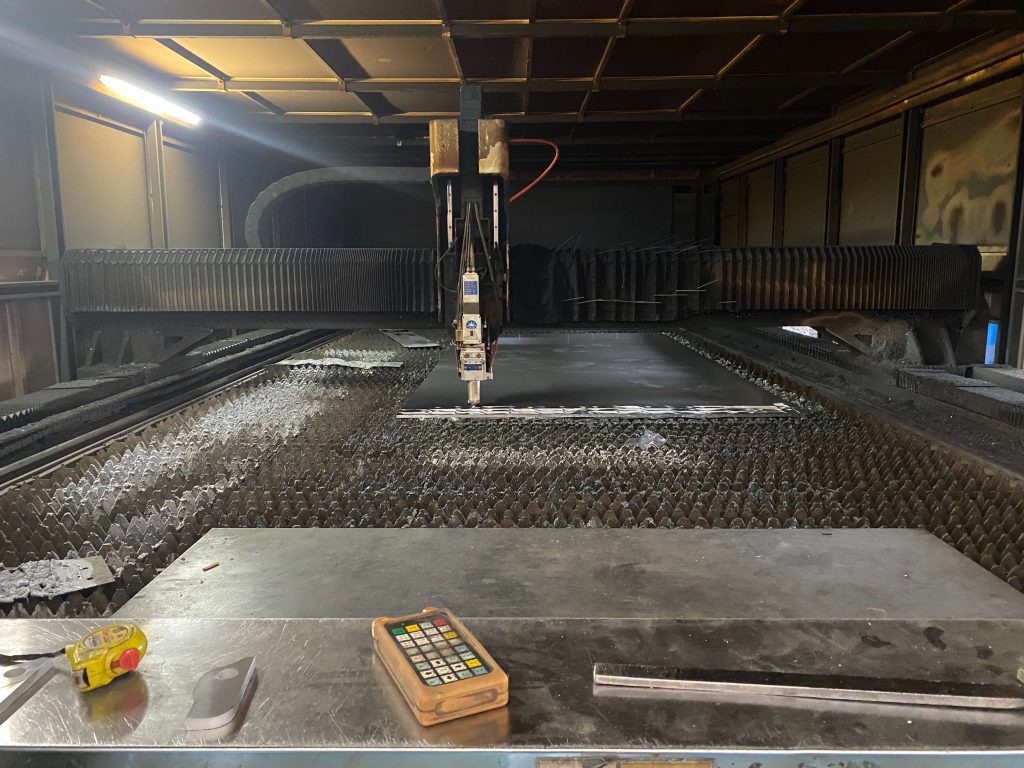
A build-to-print truck parts manufacturer is a specialized industrial producer that creates components or assemblies based entirely on your proprietary technical drawings. This model ensures that the manufacturer does not alter your design, but rather focuses on executing your engineering vision with high-precision equipment.
Is design control maintained?
Here’s the deal: when you work with a specialist, you keep 100% of the intellectual property. The manufacturer acts as your production arm, utilizing their specialized tooling to hit your exact tolerances without you needing to own the machinery.
- Full IP ownership remains with your brand.
- Precision tolerances are met through CNC machining.
- Material certifications are provided for every batch.
| Feature | OEM Build-to-Print Benefit | |
|---|---|---|
| Design Lead | Customer Engineering | |
| Execution | Factory Production | |
| IP Status | Strictly Protected |
The build-to-print model is the most effective way to maintain high design standards while leveraging external manufacturing expertise.
Key Takeaway: Using a specialist allows you to focus on the “what” while the factory focuses on the “how,” ensuring a perfect translation from CAD to physical part.
How does a build-to-print truck parts manufacturer work?
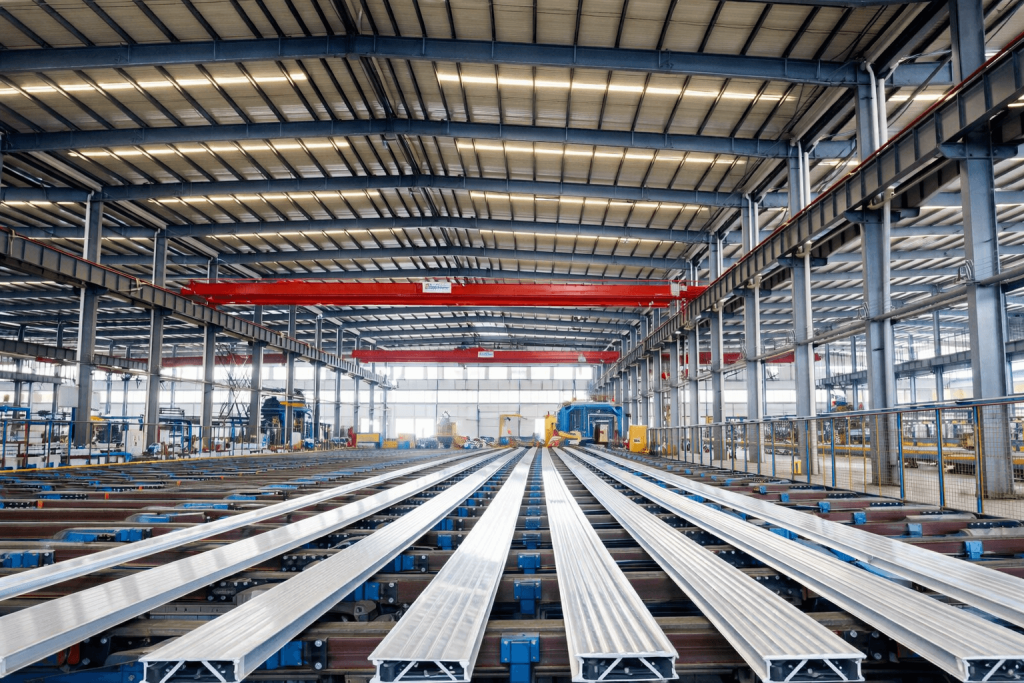
A build-to-print truck parts manufacturer works by integrating your finalized engineering files into a repeatable industrial production workflow that prioritizes dimensional accuracy. This process usually begins with a feasibility review where the manufacturer identifies potential production bottlenecks before the first cut is made.
What are the standard production stages?
Think about it: a structured process eliminates the guesswork that usually leads to costly field failures. The manufacturer moves from technical review to prototyping and then into full-scale batch production with locked-in quality checkpoints at every stage.
- Technical Review: Ensuring drawings match manufacturing capabilities.
- Prototype Build: Validating fitment on actual vehicle chassis.
- Mass Production: Scaled manufacturing using precision fixtures.
| Stage | Primary Objective | |
|---|---|---|
| Review | Feasibility Verification | |
| Sampling | Fitment Approval | |
| SOP | Batch Consistency |
Industrial workflows are designed to minimize variance and maximize the service life of heavy-duty structural components.
Key Takeaway: A structured manufacturing process ensures that the thousandth part you receive is identical to the first approved sample.
Why hire a build-to-print truck parts manufacturer?
You should hire a build-to-print truck parts manufacturer to gain immediate access to advanced technical labor and high-precision CNC equipment without massive capital investment. This partnership allows your internal team to focus on core business development and market innovation rather than the daily management of a shop floor.
Can you focus on core growth?
But wait: there is a secondary advantage in project management. By outsourcing the physical production, you streamline your supply chain and reduce the number of internal touchpoints required to bring a new truck accessory to market.
- Reduced capital expenditure on machinery.
- Access to AWS-certified welding expertise.
- Optimized raw material procurement.
| Advantage | Business Impact | |
|---|---|---|
| Labor Access | Skilled fabricators on demand | |
| Asset Light | No expensive machinery to maintain | |
| Innovation | More time for product R&D |
Strategic outsourcing transforms your manufacturing department from a cost center into a flexible, scalable competitive advantage.
Key Takeaway: Hiring a specialist allows you to scale your product line rapidly without the traditional burdens of facility expansion.
Can a build-to-print truck parts manufacturer scale up?
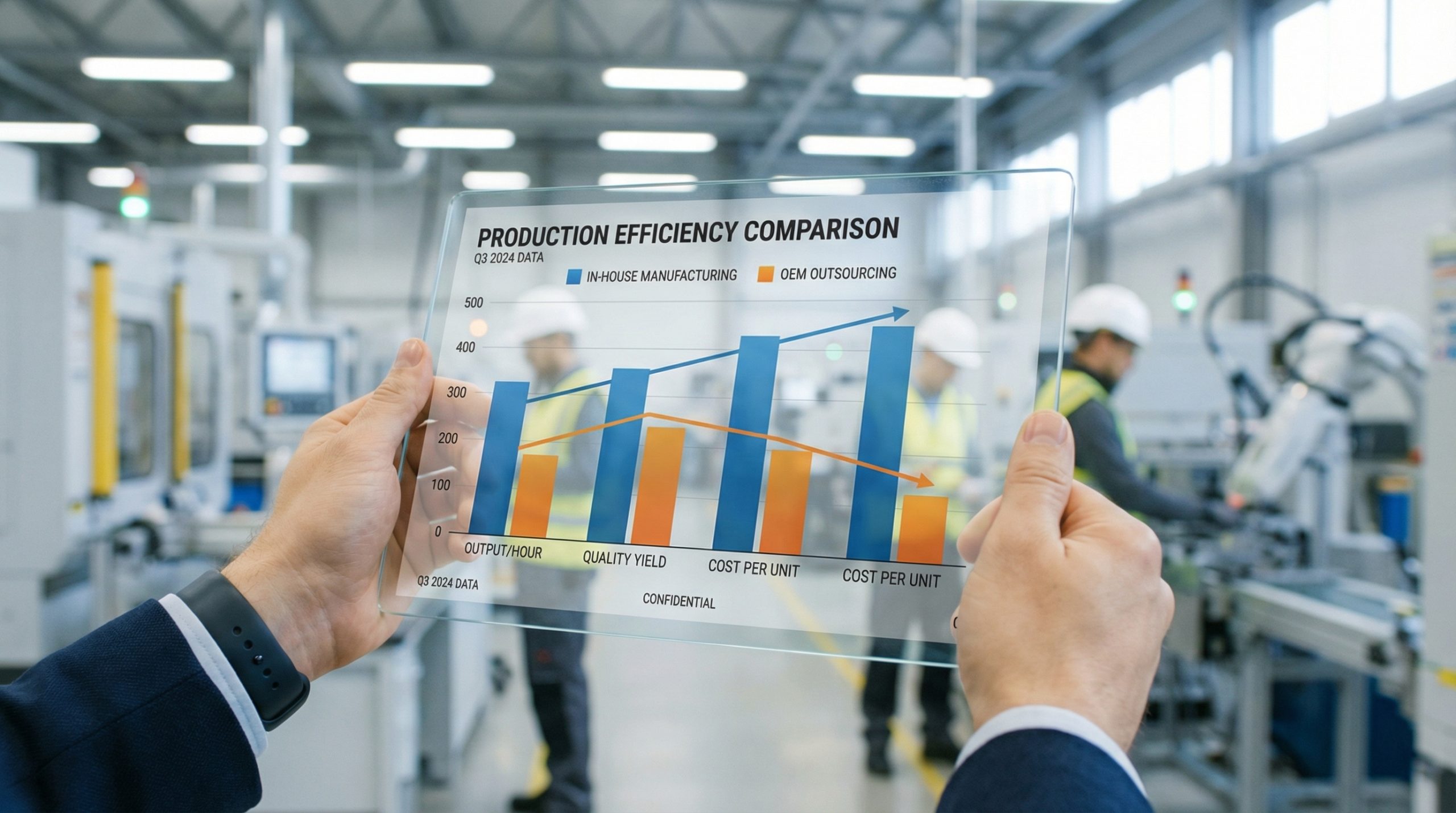
A build-to-print truck parts manufacturer can rapidly scale production by utilizing modular manufacturing cells and established global logistics networks. This flexibility is critical for North American fleets that often deal with seasonal demand spikes or sudden contract wins that require immediate vehicle deployment.
How is high volume managed?
You see, the secret lies in capacity planning. A professional factory manages its floor space to accommodate both small-batch prototype runs and multi-thousand unit annual contracts without losing dimensional precision.
- Modular production lines for rapid setup.
- Multi-shift operations for urgent lead times.
- Standardized quality control across all batches.
| Scalability Metric | Capability | |
|---|---|---|
| Prototyping | 1-5 Units | |
| Batch Runs | 50-500 Units | |
| Annual Programs | 1,000+ Units |
Managing volume requires a balance of automated machinery and a highly organized workforce that understands North American fleet standards.
Key Takeaway: Scaling up with an OEM partner ensures your supply chain remains elastic enough to handle market volatility.
Does a build-to-print truck parts manufacturer save money?
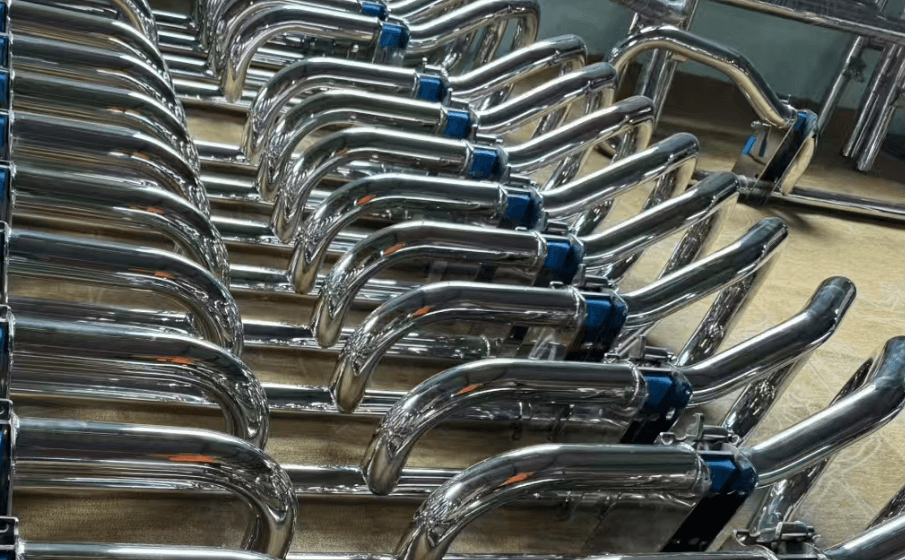
Working with a build-to-print truck parts manufacturer saves significant money by transforming fixed overhead costs into variable production expenses. Instead of paying for machine maintenance and idle labor during slow periods, you only pay for the specific units you order.
Are overhead costs reduced?
It gets better: the manufacturer’s volume buying power often results in lower costs for high-grade materials like 304 stainless steel and 6061-T6 aluminum. This “economy of scale” is passed down to you, lowering your per-unit cost while maintaining premium material quality.
- Lower machine maintenance costs.
- Reduced raw material waste through CNC optimization.
- Elimination of internal specialized labor training costs.
| Cost Category | Internal Shop | Build-to-Print | |
|---|---|---|---|
| Machinery | High CapEx | Zero | |
| Material | Standard Pricing | Bulk Discount | |
| Labor | Fixed Salary | Per Unit |
Outsourcing production creates a more predictable budget and protects your company from the hidden costs of machine downtime.
Key Takeaway: Financial efficiency in manufacturing comes from maximizing machine utilization, which an OEM partner does across multiple clients.
Is a build-to-print truck parts manufacturer more precise?
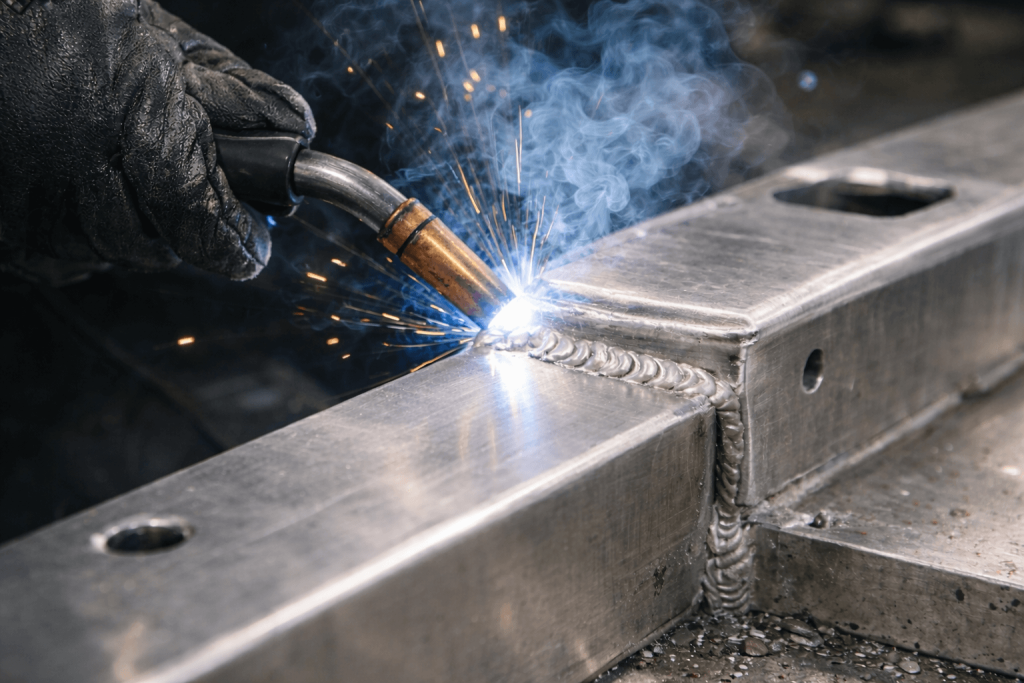
A build-to-print truck parts manufacturer typically delivers higher precision because they utilize dedicated fixtures and AWS-certified welding procedures for every single part. By focusing exclusively on execution, these manufacturers eliminate the “close enough” mentality that can sometimes plague general-purpose internal shops.
What is the role of quality control?
Listen: consistency is the primary metric of a high-end manufacturer. Using Coordinate Measuring Machines (CMM) and laser scanning, these shops verify every mounting point and hole position to ensure a 100% fitment guarantee on your truck frames.
- AWS-certified structural welding.
- CMM-verified dimensional accuracy.
- Rigorous batch-to-batch testing protocols.
| Precision Tool | Industry Use Case | |
|---|---|---|
| Fiber Laser | Clean, burr-free edges | |
| CNC Bending | Exact ±0.5mm angles | |
| CMM | Hole position verification |
Precision manufacturing prevents field rework and ensures that every part your team receives is ready for immediate installation.
Key Takeaway: Specialist precision reduces your total cost of ownership by eliminating the need for modifications at the dealership level.
Which sectors need a build-to-print truck parts manufacturer?
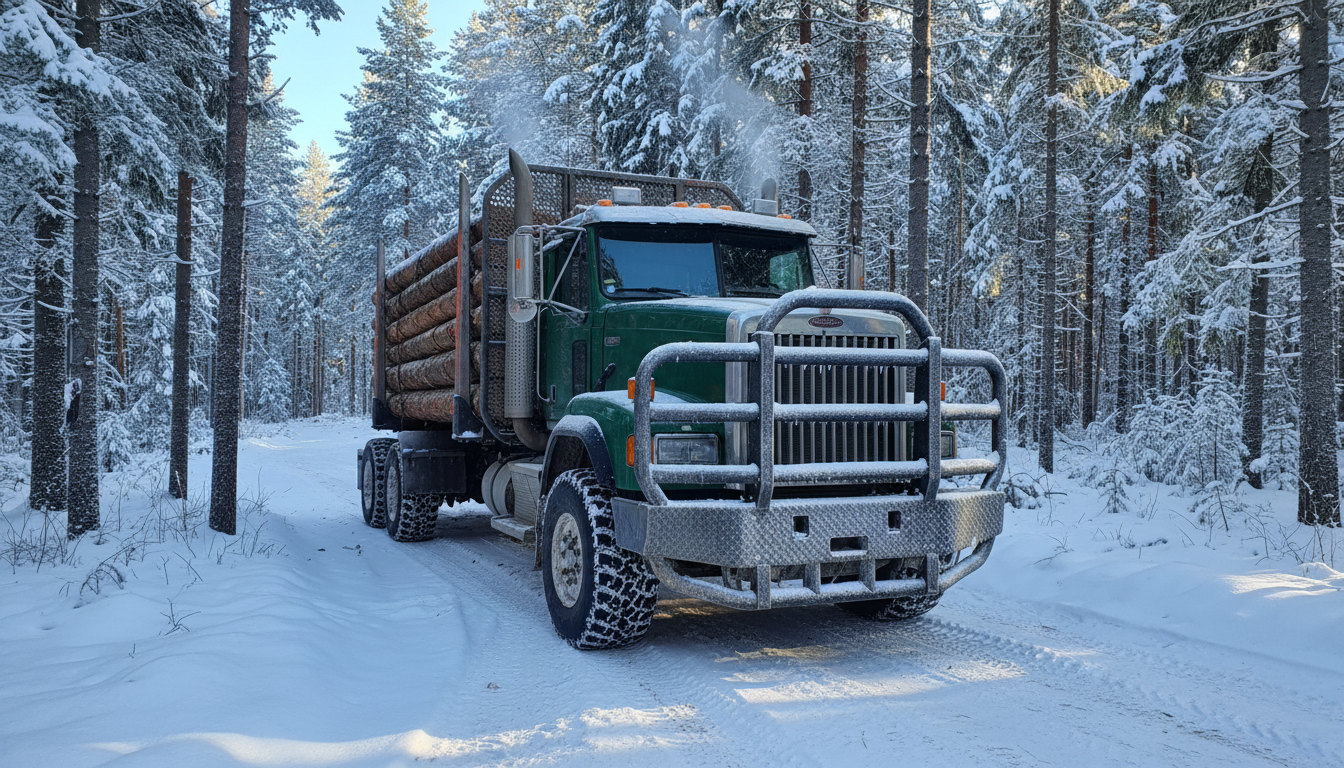
Sectors like logging, mining, and long-haul logistics rely on a build-to-print truck parts manufacturer to produce protection gear that can survive extreme impacts. These industries operate in environments where a single wildlife strike or falling debris can sideline a quarter-million-dollar asset.
Is mining equipment supported?
In fact: any industry with a high risk of “downtime” needs structural-grade OEM parts. From heavy-duty moose bumpers to custom aluminum truck bodies, specialized manufacturing ensures that equipment keeps moving in sub-zero temperatures and remote locations.
- Logging and forestry fleets.
- Mining and oilfield service vehicles.
- Long-haul highway transport.
| Industry Sector | Critical Component | |
|---|---|---|
| Logging | Moose Bumpers | |
| Logistics | Stainless Grille Guards | |
| Service | Aluminum Truck Bodies |
Heavy-duty sectors require components that are engineered for impact resistance, not just for aesthetic appeal.
Key Takeaway: When equipment safety is non-negotiable, a build-to-print specialist provides the structural integrity required for field reliability.
What services does a build-to-print truck parts manufacturer do?
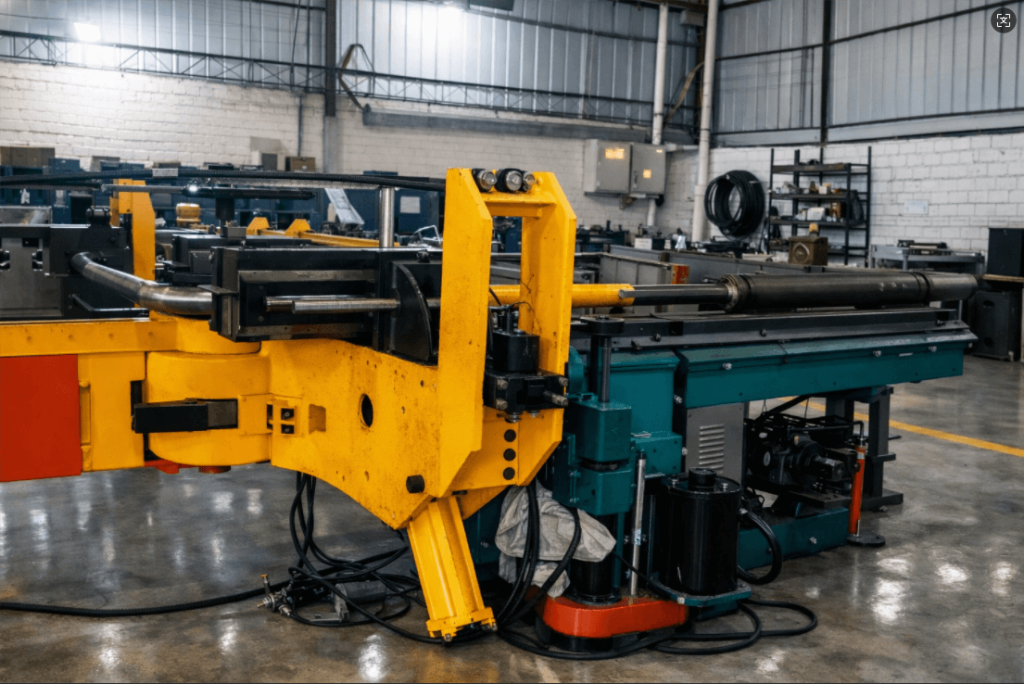
A build-to-print truck parts manufacturer provides a comprehensive suite of metal fabrication services including fiber laser cutting, precision CNC bending, and robotic welding. They offer end-to-end solutions where a raw sheet of aluminum is transformed into a finished, polished, and palletized truck bumper.
Is assembly part of the package?
The best part: many specialists offer turnkey assembly services. They can install hardware, sensors, and lighting brackets according to your specifications, allowing you to receive a component that is truly ready for the showroom floor.
- Custom metal fabrication (Steel/Aluminum/Stainless).
- Structural-grade TIG and MIG welding.
- Premium polishing and powder coating.
| Service Category | Technical Capability | |
|---|---|---|
| Fabrication | Fiber Laser & CNC Press | |
| Finishing | Mirror Polish & Powder Coat | |
| Assembly | Full hardware integration |
Turnkey services simplify your logistics by consolidating multiple production steps into a single, high-quality manufacturing partner.
Key Takeaway: Full-service OEM partners reduce your supply chain complexity by acting as a “one-stop shop” for metal fabrication.
How to find a build-to-print truck parts manufacturer?
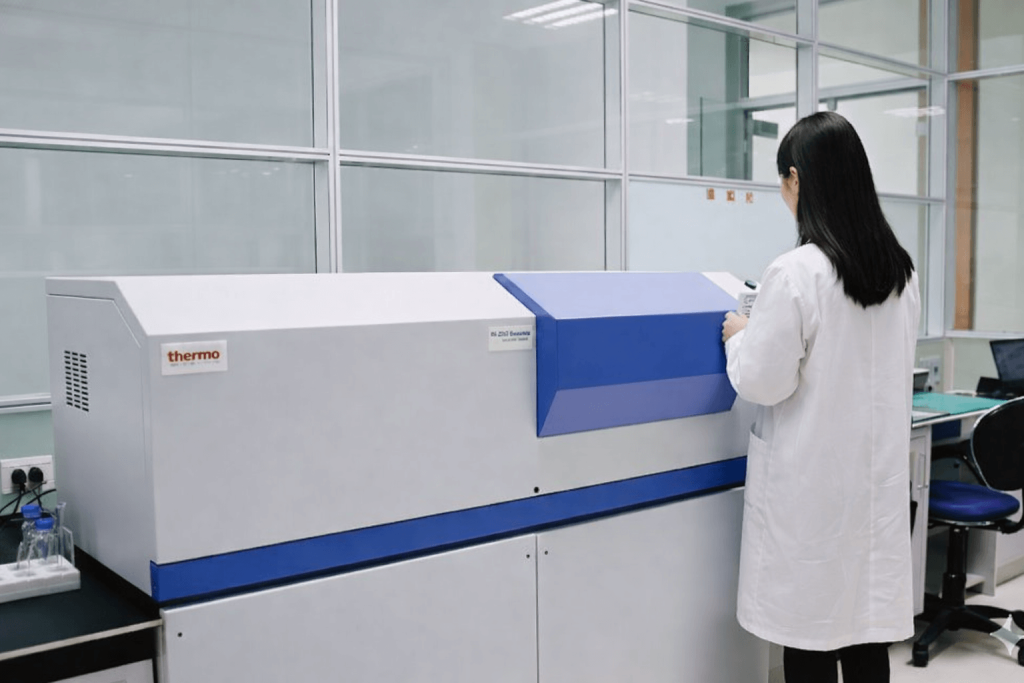
To find a reliable build-to-print truck parts manufacturer , you must evaluate their technical capacity, industry certifications, and track record with North American Class 8 platforms. You should look for a partner who offers transparent communication and a structured approach to prototype validation.
Are certifications important?
Truth is: without the right certifications, you are taking a massive risk on structural safety. Always verify that the manufacturer uses AWS-certified welders and maintains ISO-compliant quality management systems to protect your brand’s reputation.
- Check for ISO 9001 certification.
- Verify AWS welding standards.
- Review fitment validation databases.
| Criteria | Why It Matters | |
|---|---|---|
| Capacity | Can they handle your peak? | |
| Tolerance | Will it fit the first time? | |
| IP Protection | Is your design secure? |
The right partner is one who views your success as their own and prioritizes long-term supply stability over short-term orders.
Key Takeaway: Quality documentation and clear communication are the two biggest indicators of a trustworthy manufacturing partner.
What is the future for a build-to-print truck parts manufacturer?
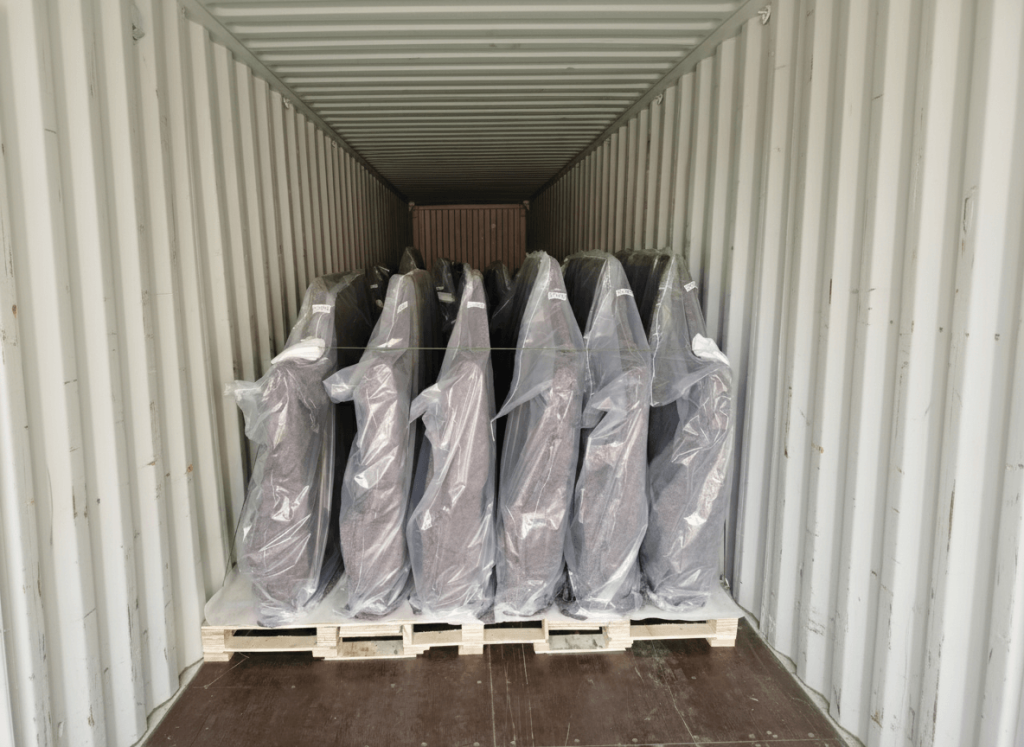
The future for a build-to-print truck parts manufacturer involves the heavy integration of smart factory technology and a renewed focus on domestic supply chain resilience. As global logistics become more complex, manufacturers that can provide predictable lead times and consistent quality will become the backbone of the industry.
Is technology driving change?
Looking ahead: the use of fiber laser scanning and automated quality reporting will become standard requirements. These tools allow you to receive real-time data on your production batches, ensuring every part meets your evolving safety standards.
- Integration of AI in capacity planning.
- Smart tracking for batch traceability.
- Sustainability through optimized material use.
| Future Trend | Impact on You | |
|---|---|---|
| Smart Tech | Real-time batch data | |
| Resilience | Stable lead times | |
| Sustainability | Reduced material waste |
The manufacturers of tomorrow will be those who combine old-world craftsmanship with high-speed digital precision.
Key Takeaway: Choosing a forward-thinking partner ensures your supply chain is ready for the technical demands of the next decade.
Selecting the right manufacturing partner is a pivotal decision for your industrial fleet’s longevity. By leveraging a specialist’s technical expertise, high-precision equipment, and rigorous quality standards, you can accelerate your time-to-market and ensure your heavy-duty gear meets the demands of the field. At Brontec, we are dedicated to transforming your technical blueprints into the most durable protection gear on the road. We invite you to contact us today to discuss your specific requirements and see how our build-to-print expertise can strengthen your supply chain.
Frequently Asked Questions (FAQ)
Can I provide my own CAD drawings for production?Yes. The build-to-print model is specifically designed to execute production based on your proprietary technical specifications and 3D models.
What is the best way to ensure batch-to-batch consistency?Strict process control is the answer. Use a manufacturer that employs dedicated fixtures and automated laser cutting to ensure every part is identical to the approved sample.
How do I know if a manufacturer can scale with my growth?Ask for a capacity assessment. A reliable partner should be able to provide clear monthly production ranges and have a phased plan for handling high-volume surges.
Can I request a trial order before committing to a full program?Certainly. Most professional manufacturers encourage a pilot batch or trial order to validate fitment and quality before moving into full-scale mass production.