
Long-Haul Front-End Cost Reduction Case
Minimize long-term repair costs & downtime losses through systematic front-end protection.
Discover how standardized heavy-duty protection solutions help fleets achieve predictable maintenance schedules, reduce unplanned repairs, and maximize operational uptime.
The Long-Haul Operational Reality
Front-end damage isn't an occasional accident—it's a systemic cost issue that affects fleet profitability across North America. Understanding the scale of this challenge is the first step toward effective solutions.

Cumulative Wear & Exposure
High mileage means constant exposure to road debris, wildlife, and weather extremes. Every mile adds stress to front-end components that protect critical systems.
Normal Wear vs. Unexpected Damage
Routine maintenance is budgetable, but unexpected front-end damage creates unpredictable repair costs that can exceed $15,000 per incident including lost revenue.
Hidden Costs Compound Quickly
Downtime, logistics delays, emergency towing, and return-to-depot costs add up. A single major front-end incident can cost 3-5x the repair bill in operational losses.
Front-end wear isn't an occasional accident—it's a systematic operational cost that requires systematic solutions.
Ready to understand the true cost impact on your fleet operations?
Calculate Your Fleet RiskWhat Drives Lifecycle Costs
Three critical factors consistently elevate front-end maintenance costs for long-haul fleets. Addressing these drivers is essential for predictable budgeting and reduced downtime.
Unpredictable Repair Outcomes
Inconsistent component quality means the same type of damage produces wildly different repair results. One bumper bends on impact while another cracks—creating budget uncertainty and inventory headaches.
Part Specification Inconsistency
When replacement parts don't match original specs, technicians waste hours on fitment issues. Drill new holes, modify brackets, adjust mounting points—all adding labor costs and extending downtime.
Non-Standardized Repair Processes
Without standardized procedures, every repair becomes a custom job. Technician A uses one approach, Technician B another—inconsistent quality, unpredictable timelines, and training nightmares.
Identify which cost drivers are affecting your fleet the most.
Request Cost AnalysisStories From the Field
These scenarios represent the daily challenges faced by fleet operators, maintenance teams, and procurement professionals across North America.
Fleet Manager
Fleet A: Regional Carrier
The Challenge
Same Minor Damage, Different Repair Bills
A 45-truck fleet experiences similar front-end impacts monthly. Yet repair costs swing from $800 to $4,500 for nearly identical damage—making budgeting nearly impossible.
- Budget variance exceeds 400% on similar repairs
- Inconsistent component quality from suppliers
- Unable to forecast annual maintenance spend
Parts Manager
Fleet B: Distribution Center
The Challenge
Inventory Chaos: Wrong Parts, Wrong Time
The parts warehouse has become a graveyard of incompatible bumpers and brackets. Different suppliers, different specs—finding the right replacement takes longer than the actual repair.
- $50K+ tied up in non-matching parts inventory
- 2-3 hours spent matching parts per repair
- Emergency orders at premium prices weekly
Lead Technician
Fleet C: Maintenance Shop
The Challenge
Every Repair Becomes a Custom Job
Senior technicians spend more time problem-solving fitment issues than actually repairing. New hires can't follow procedures because there aren't any—every bumper is different.
- Repair time varies 50-200% for same job
- Training new techs takes 3x longer than expected
- Quality depends entirely on who's working
Recognize these challenges? Let's discuss solutions tailored to your operation.
Share Your ChallengeThe Brontec Solution Framework
We address the root causes of front-end cost volatility through manufacturing consistency, specification stability, and process standardization.
Traditional Approach Problems
-
Manufacturing Variability
Different batches, different suppliers, different results. Each component is a gamble that creates unpredictable repair outcomes.
-
Specification Drift
Parts that "should fit" don't. Hole positions shift, dimensions vary, and mounting points change between orders.
-
Ad-Hoc Repair Methods
Every technician develops their own workarounds. No documented procedures, no quality benchmarks, no scalable training.
Brontec's Systematic Solution
-
Manufacturing Consistency
Precision jig systems and CMM verification ensure every unit performs identically. Predictable damage response means predictable repair outcomes.
-
Specification Stability
Locked specifications across all production runs. Replacements match originals perfectly—guaranteed dimensional accuracy for drop-in installation.
-
Standardized Repair Paths
Documented SOPs for every repair scenario. Train once, replicate everywhere. Consistent quality regardless of which technician performs the work.
See how our systematic approach can transform your fleet maintenance operations.
Schedule Technical ConsultationProducts That Solve This Case
Our front-end protection products are specifically engineered to address the cost drivers identified in this case. Each solution delivers measurable ROI through reduced repair frequency and standardized maintenance.
Moose Bumpers
Aluminum heavy-duty front protection engineered for maximum impact absorption. Designed to deflect wildlife collisions and protect components in harsh conditions.
- Addresses unpredictable repair outcomes
- Consistent manufacturing tolerances
- Drop-in replacement guaranteed
Grille Guards
Stainless steel structural protection for front grille and headlight areas. Provides edge protection against road debris while maintaining vehicle aesthetics and airflow.
- Solves specification inconsistency
- Locked specs across all batches
- Corrosion-resistant finish
Protection Accessories
Complementary components including fenders, chain hangers, and mounting hardware. All designed to work seamlessly with our primary protection products.
- Enables standardized repair processes
- Interchangeable across fleet
- Simplified inventory management
Need help selecting the right products for your fleet configuration?
Get Product RecommendationsWhere This Case Applies
This cost reduction framework extends across multiple fleet types and operational environments. See how the principles apply to your specific application.
Long-Haul Highway Fleets
Interstate carriers covering 100,000+ miles annually face the highest exposure to front-end damage. Wildlife corridors, weather extremes, and road debris create constant protection demands.
Why This Case Applies
High mileage amplifies the cost impact of unpredictable repairs. Standardized protection delivers maximum ROI for long-haul operations.
Logging & Northern Fleets
Forestry operations and northern routes encounter extreme conditions—wildlife, unpaved roads, and severe weather. Heavy-duty protection is not optional, it's essential.
Why This Case Applies
Harsh environments demand maximum durability. Manufacturing consistency ensures every bumper performs under extreme stress.
OEM & Fleet Standardization
Large fleet operators and OEM partners seeking to standardize protection across vehicle platforms. Consistent specs enable fleet-wide maintenance protocols and training.
Why This Case Applies
Specification stability is critical for fleet-wide standardization. Our locked specs enable true SOP-driven maintenance.
Not sure which application category fits your operation?
Discuss Your ApplicationEngineering & Manufacturing Rationale
Our manufacturing processes are specifically designed to eliminate the cost drivers identified in this case. Here's how we engineer consistency into every component.
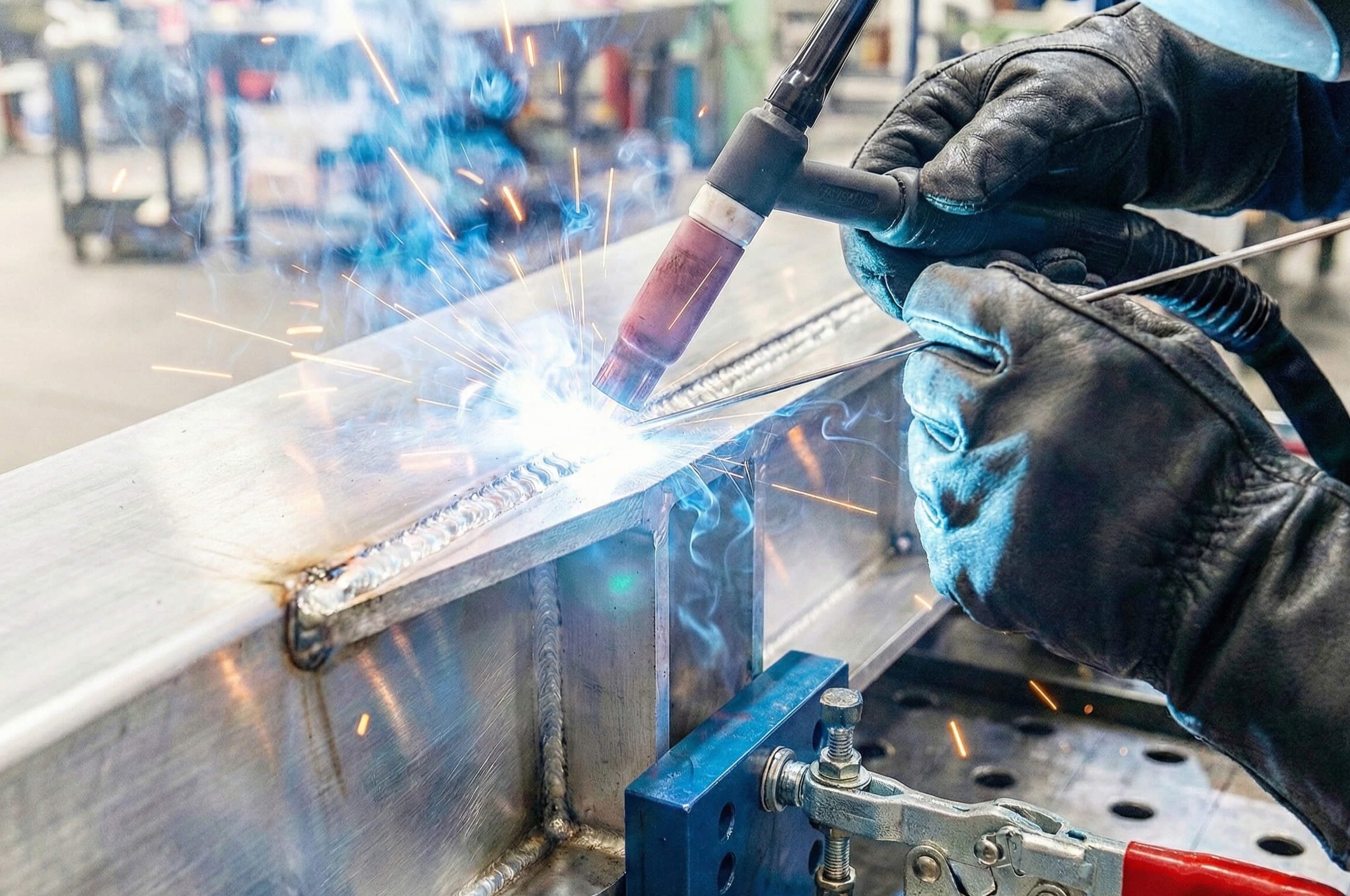 Precision Jig Welding
Precision Jig Systems
Custom welding jigs ensure every mounting point aligns precisely. This eliminates the fitment variations that cause extended labor times.
CMM Verification
Coordinate Measuring Machine verification on critical dimensions. Every batch is validated against master specifications before shipping.
Fit & Interface Policy
Documented interface specifications for every vehicle model. Our engineering team maintains compatibility databases for precise fitment.
Modular Design Philosophy
Components designed for easy replacement and minimal complexity. Reduces repair time and simplifies technician training.
Need detailed technical specifications for your engineering team?
Request Technical DocumentationOperational Results & Benefits
Implementing standardized front-end protection delivers measurable improvements across both cost and operational metrics. Here's what fleets can expect.
Cost Direction Benefits
Reduced Repair Frequency
Fewer major repairs due to superior impact absorption
Shortened Repair Time
Drop-in fitment eliminates modification labor
Lower Downtime Rates
Faster repairs mean trucks back on the road sooner
Operational Benefits
Standardized Process Establishment
Document once, apply fleet-wide
Stable Parts Inventory Planning
Predictable consumption enables JIT stocking
Replicable Repair SOPs
New technicians trained faster with consistent procedures
Ready to see what these results could mean for your fleet?
Calculate Your Potential SavingsReady to Reduce Your Fleet Front-End Costs?
Whether you need a detailed cost assessment, technical consultation, or want to explore OEM partnership opportunities, our team is ready to help you build a more predictable maintenance operation.