
Investing in front-end protection is the most effective way to safeguard your truck against catastrophic mechanical failure, high repair costs, and prolonged operational downtime. In the high-stakes world of commercial logistics, a single wildlife strike or minor traffic incident can instantly transform a profitable route into a $25,000 liability. You face unpredictable road hazards every day, from heavy debris to wandering livestock, all of which threaten the integrity of your radiator, headlights, and engine. Without a structural shield, your vehicle is vulnerable to “crumple zone” damage that can sideline your rig for weeks. By installing a heavy-duty guard, you convert your front end into a fortified barrier, ensuring that your equipment stays on the road and your business remains profitable.
1. Why use front-end protection for repair costs?
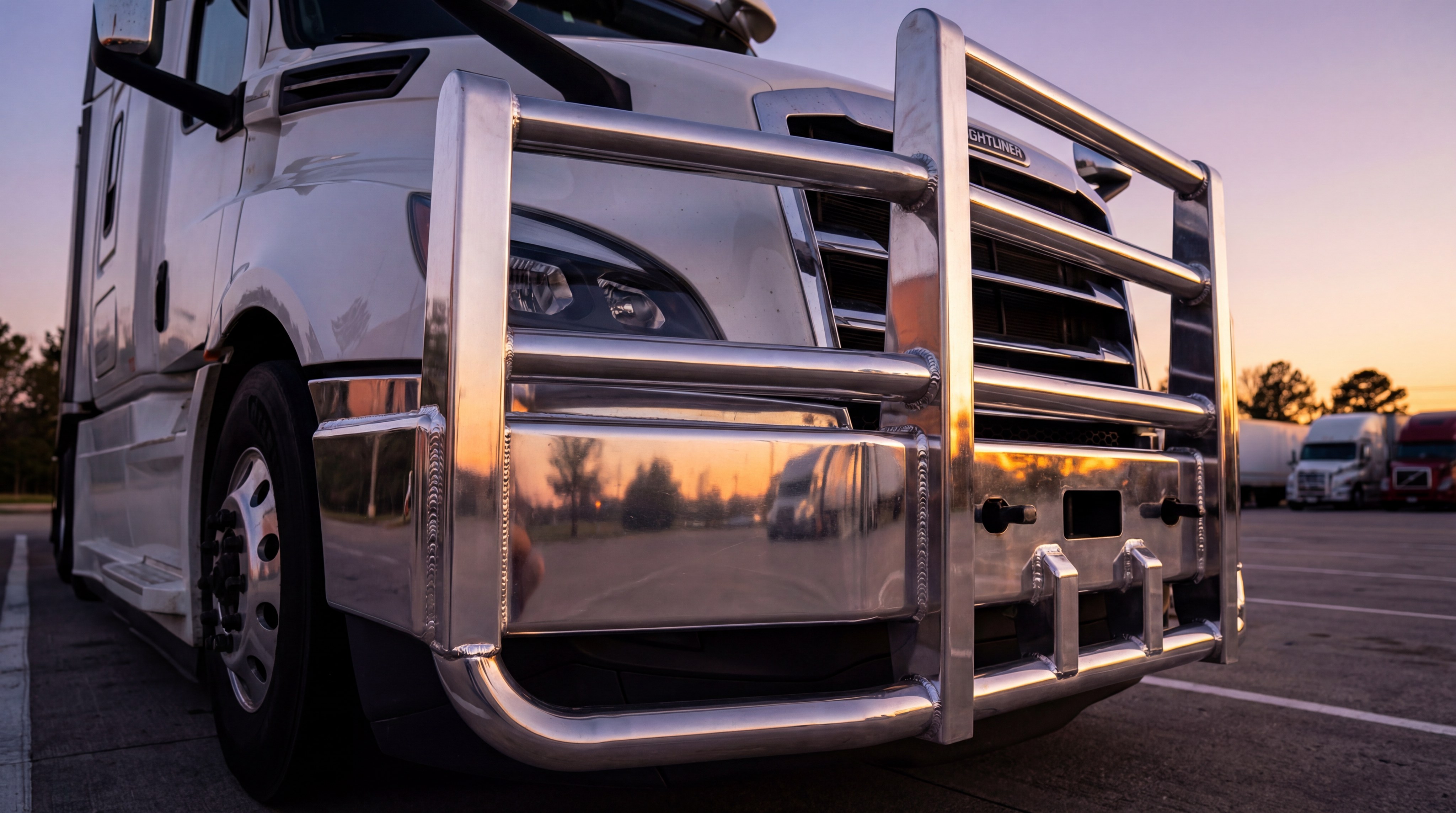
Utilizing front-end protection directly minimizes out-of-pocket repair expenses by absorbing the kinetic energy that would otherwise destroy expensive OEM components. Modern truck parts, particularly LED headlight assemblies and specialized grilles, are increasingly costly to replace and often require extensive labor.
Think about it: a standard radiator puncture from a small deer can lead to engine overheating and secondary internal damage. High-quality front-end protection serves as a physical insurance policy that pays for itself after the very first impact.
How much can you save on repairs?
A reinforced guard prevents the cascading costs associated with front-end collisions. Instead of replacing the entire hood and cooling system, you may only need to buff or straighten the guard itself.
Can it prevent a total loss?
In many cases, a structural guard keeps a collision from reaching the frame rails or the engine block. This preservation of the vehicle’s core can be the difference between a simple repair and a total vehicle write-off.
Key Takeaway: By acting as a sacrificial barrier, these guards prevent minor accidents from turning into five-figure financial disasters.
| Cost Element | With Protection | Without Protection | |
|---|---|---|---|
| Radiator Replacement | $0 (Protected) | 3,500−5,000 | |
| Headlight Assemblies | $0 (Shielded) | 2,000−4,000 | |
| Body Work/Paint | Minimal | $10,000+ |
This data indicates that the upfront cost of a guard is negligible compared to the average cost of a single unprotected strike.
2. How does front-end protection affect downtime?
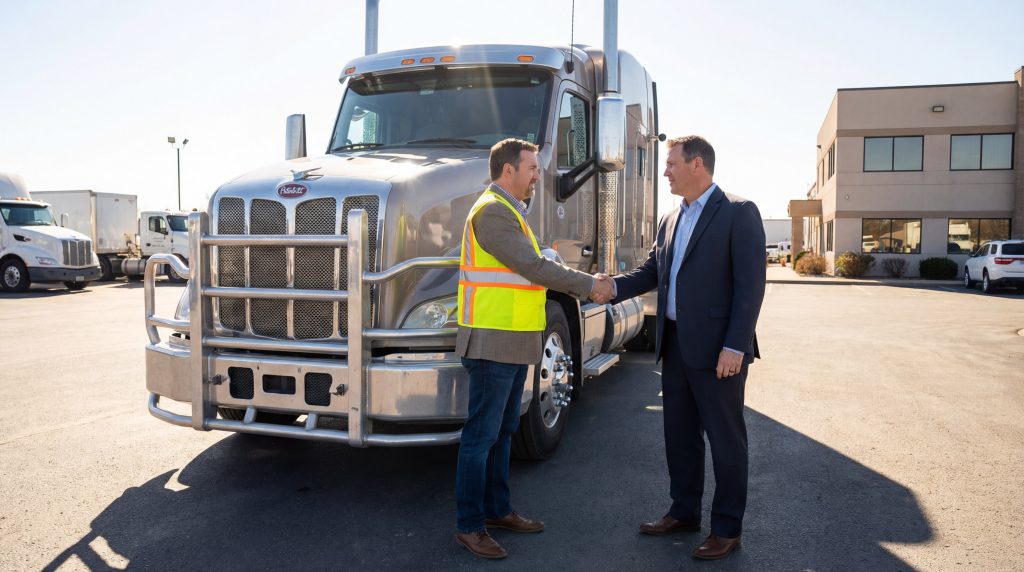
Implementing professional front-end protection ensures that your truck remains roadworthy after a collision, effectively eliminating the weeks of lost revenue typically spent in a repair shop. When a rig is sidelined, you aren’t just paying for parts; you are losing the daily income generated by that asset, which can exceed $2,500 per day.
Here is the bottom line: a truck equipped with front-end protection can often finish its scheduled route even after a moderate animal strike. This reliability is crucial for maintaining contract fulfillment and client trust.
Why is immediate mobility important?
If your cooling system remains intact, you can drive to a service center on your own terms. This avoids expensive emergency towing fees and the logistical nightmare of stranded cargo in remote areas.
Does it speed up insurance claims?
When damage is limited to the guard, the claims process is significantly simplified and faster to resolve. You spend less time waiting for adjusters and more time moving freight across the country.
Key Takeaway: High uptime is the primary driver of fleet profitability, and structural guards are the most reliable tool for preventing unplanned maintenance.
| Factor | Protected Rig | Unprotected Rig | |
|---|---|---|---|
| Towing Requirement | Rare | High Probability | |
| Route Completion | Usually Possible | Highly Unlikely | |
| Average Downtime | 0-2 Days | 7-21 Days |
The reduction in downtime alone often covers the investment of the guard within the first year of operation.
3. Does front-end protection stop wildlife damage?
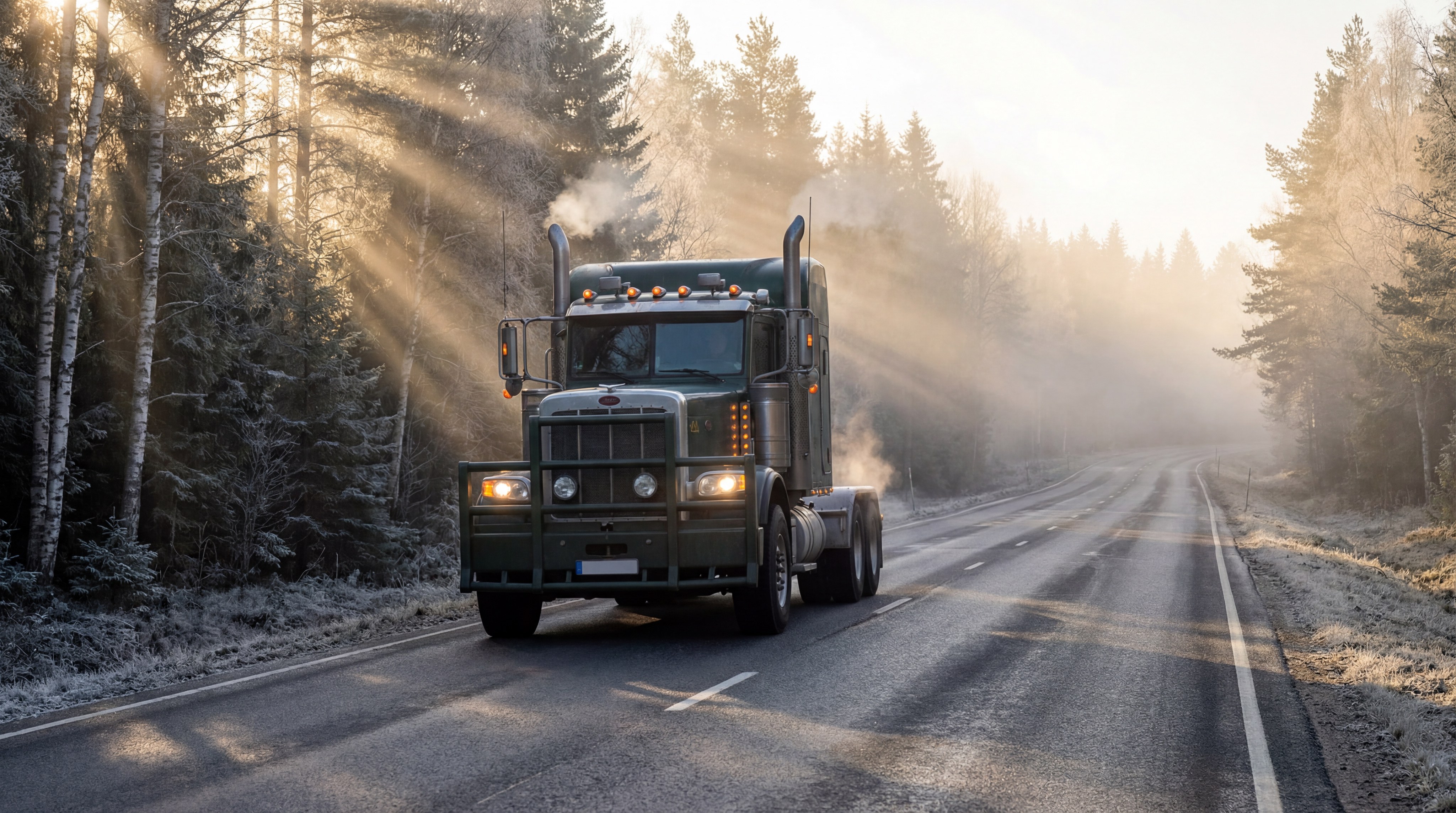
Heavy-duty front-end protection is specifically engineered to deflect large wildlife, such as moose and deer, away from the vehicle’s critical cooling systems and windshield. Wildlife strikes are an unavoidable reality for northern fleets and long-haul drivers operating during dawn or dusk.
The truth is, a 1,000-pound moose can easily penetrate a standard plastic grille and enter the engine bay. Professional front-end protection creates a rigid shield that manages these high-mass impacts through structural deflection.
How does it protect the driver?
A guard prevents the animal from being pushed up into the windshield or down under the steering tires. This helps the driver maintain control of the vehicle and avoid secondary rollovers or ditch accidents.
What about smaller animals?
Even small game can cause enough damage to trigger “limp mode” in modern trucks. The guard provides a dense mesh or bar structure that keeps small debris and animals away from the delicate intercooler.
Key Takeaway: For drivers in high-risk wildlife corridors, a moose bumper is not an accessory—it is a mandatory safety requirement for survival and equipment preservation.
- Deflects high-mass animals away from the hood.
- Protects the radiator from punctures and leaks.
- Maintains steering control by keeping debris out of the wheel wells.
- Reduces the risk of glass breakage from animal impacts.
The structural integrity of a dedicated wildlife guard far exceeds that of any factory-installed bumper.
4. Is front-end protection worth the investment?
Calculating the ROI of front-end protection reveals that the equipment pays for itself by preventing a single moderate collision event over the vehicle’s lifespan. While the initial capital expenditure may seem significant, you must weigh it against the $25,000+ cost of a totaled front end.
Look at it this way: front-end protection is a tangible asset that retains value and protects the much larger investment of the truck itself. It is a proactive financial decision that mitigates the most common risks in the trucking industry.
What is the break-even point?
Most operators find that preventing just one “near-miss” or minor animal strike justifies the purchase. The savings in insurance deductibles and premium stability provide an ongoing financial benefit.
Many commercial insurers recognize the value of collision-mitigation hardware. Fleets that invest in safety equipment may qualify for lower deductibles, improved claim handling, or more favorable policy terms, depending on the insurer and operating risk profile.
More importantly, reducing claim frequency helps stabilize long-term insurance costs and protects your loss history.
Why insurers value front-end protection
- Reduces severity of collision claims
- Helps prevent total-loss incidents
- Improves fleet risk profile
- Demonstrates proactive safety management
Investment vs. Risk Exposure
| Investment Metric | Estimated Value |
|---|---|
| Initial Cost | $2,500 – $5,000 |
| Prevented Loss (Per Strike) | $15,000 – $25,000 |
| Resale Value Addition | $1,000 – $2,000 |
Key Takeaway: Viewing a guard as an investment rather than a cost reflects a sophisticated, risk-aware fleet strategy. Strategic protection reduces claim severity, stabilizes insurance costs, and buffers against high accident-related expenses.
5. How is front-end protection engineered for safety?
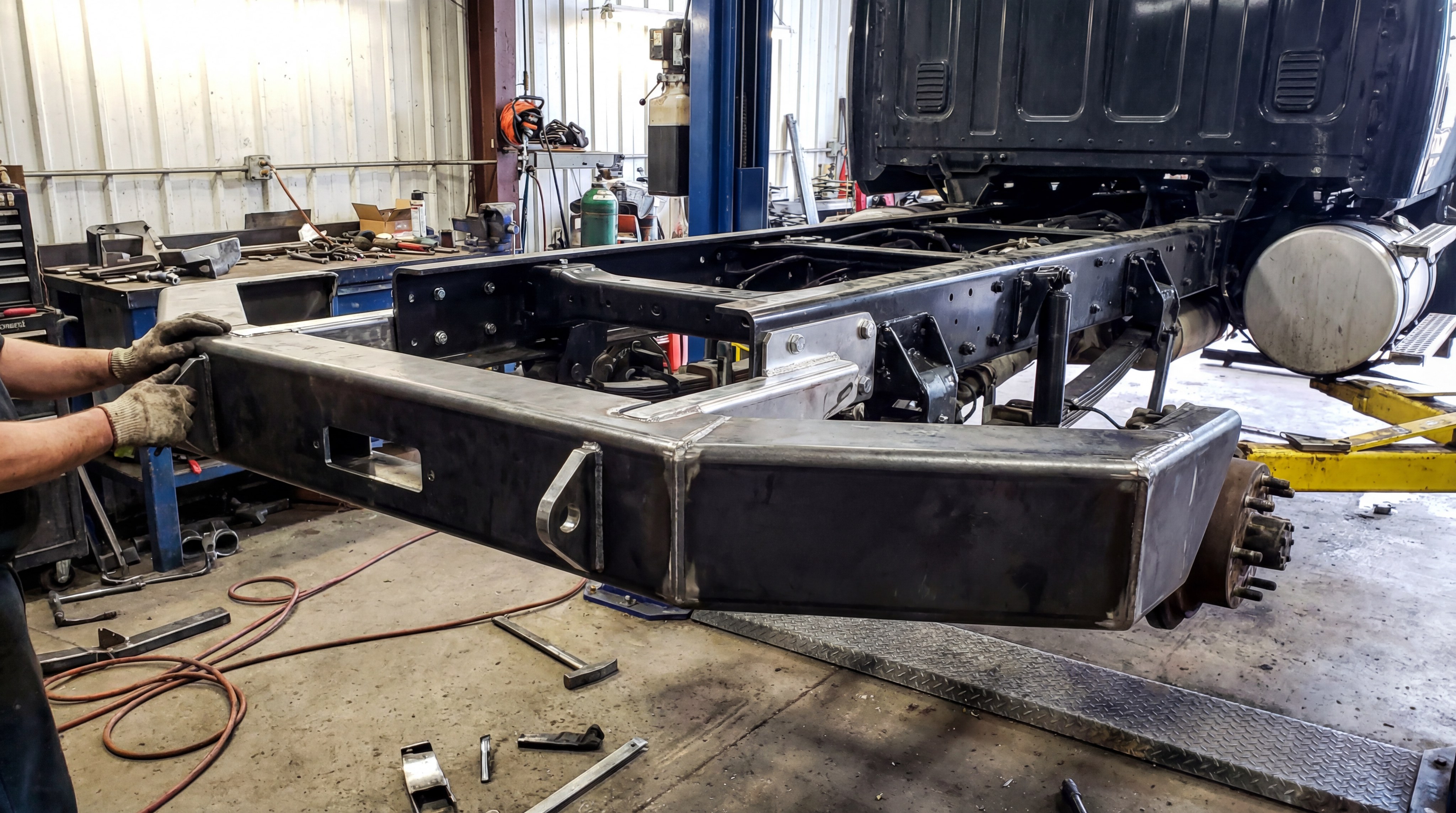
Professional front-end protection is engineered using advanced CAD modeling and high-tensile materials to ensure the guard integrates perfectly with the truck’s chassis. Unlike generic accessories, these guards are designed to transfer impact forces directly to the strongest parts of the frame.
The best part? This precision engineering ensures that front-end protection does not interfere with the vehicle’s natural safety systems or airflow. Every weld and mounting point is tested to withstand extreme vibrational and impact stresses.
Why is frame-mounting critical?
A frame-mounted guard uses the structural backbone of the truck to provide resistance. This prevents the guard itself from being pushed back into the hood during a high-speed collision.
Does it interfere with cooling?
Engineers utilize airflow-optimized designs that allow the engine to “breathe” normally. You get the protection you need without risking engine overheating or reduced cooling efficiency.
Key Takeaway: Rigorous engineering standards ensure that the guard enhances the vehicle’s safety profile without compromising its mechanical performance.
- Uses 6061-T6 aluminum or high-grade stainless steel.
- Employs CNC precision for ±0.5mm fitment accuracy.
- Features AWS-certified structural welds.
- Maintains factory-standard airflow to the radiator.
Modern engineering allows for a “bolt-on” installation that requires no permanent modifications to the truck’s original frame.
6. Can front-end protection improve resale value?
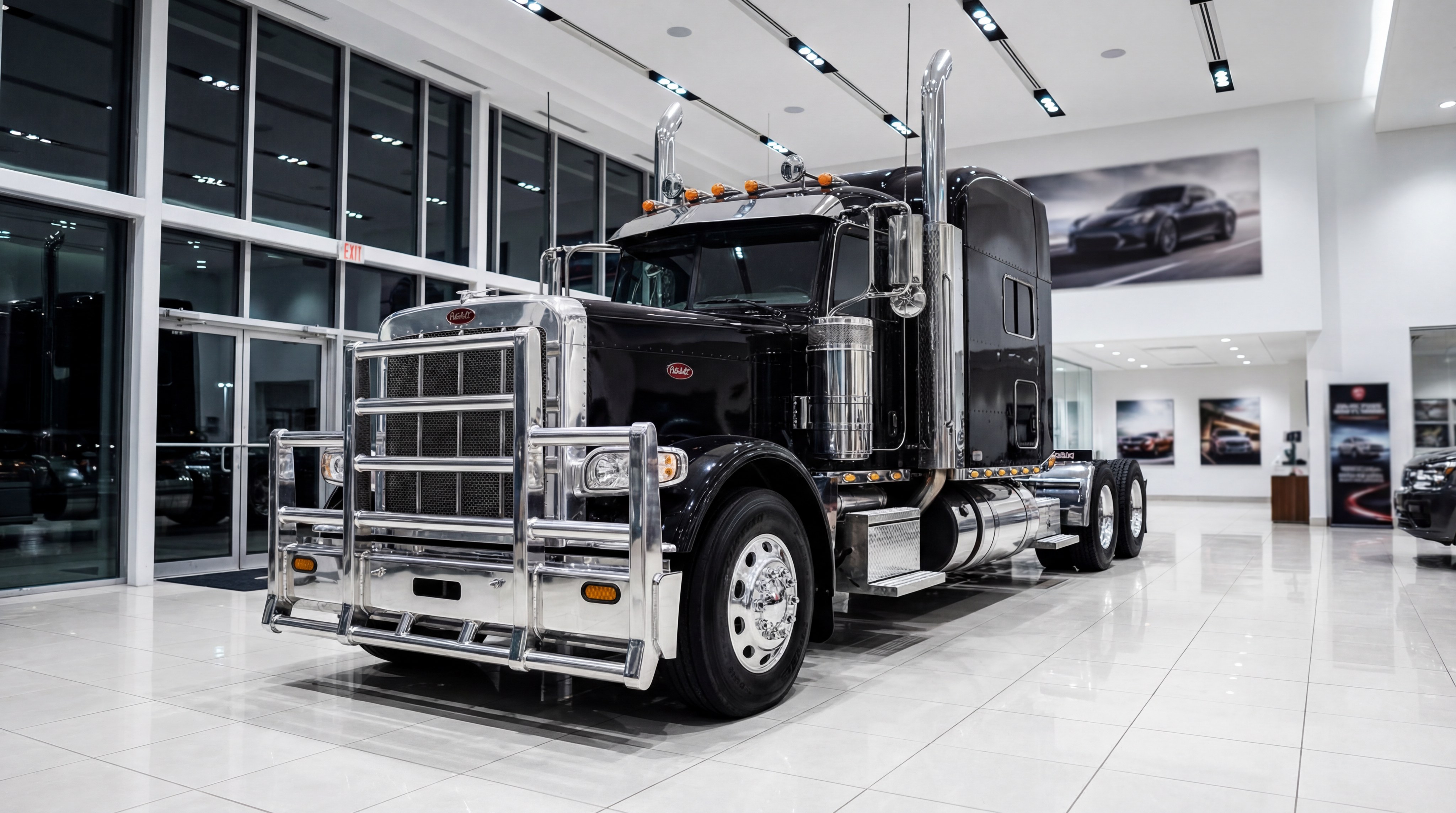
Installing premium front-end protection significantly boosts a truck’s resale value by preserving the aesthetic and structural condition of the front end. When it comes time to trade in or sell your rig, buyers look for vehicles that have been well-maintained and protected from road rash.
It gets even better: a truck with a pristine, chip-free hood and clear headlights suggests to the buyer that the vehicle was operated with a high level of care. Front-end protection prevents the “pitted” look common on high-mileage highway trucks.
Is the hardware itself valuable?
High-quality guards made from stainless steel or polished aluminum retain their own value on the secondary market. They are often viewed as a “premium” upgrade that sets your truck apart from standard listings.
Does it show preventative maintenance?
Buyers equate the presence of a structural guard with a owner who takes preventative maintenance seriously. This visual cue can lead to faster sales and higher closing prices.
Key Takeaway: The cost of the guard is partially recovered during resale, making the true “cost of ownership” much lower than the sticker price.
| Vehicle Condition | Protected | Unprotected | |
|---|---|---|---|
| Hood Integrity | No chips/dents | Common road rash | |
| Headlight Clarity | Excellent | Potential cracks | |
| Buyer Perception | Premium Asset | Standard Fleet |
A well-protected truck maintains a professional appearance that translates directly into higher financial returns at the end of its service life.
7. Does front-end protection impact fuel efficiency?
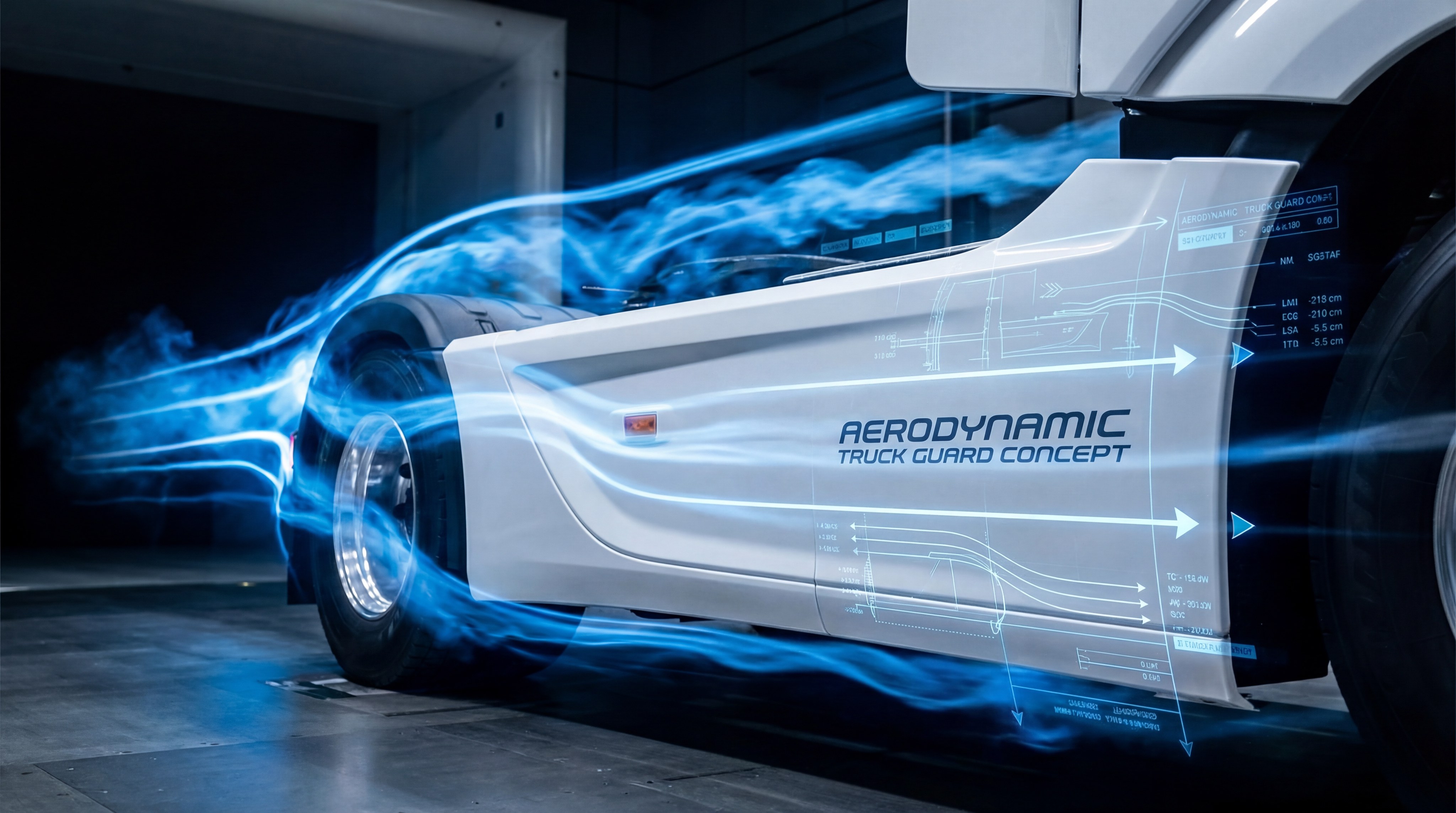
Modern front-end protection is designed with aerodynamic profiles and lightweight materials to ensure there is minimal impact on your truck’s fuel economy. Historically, heavy steel guards were a burden on fuel, but today’s aluminum alloys offer the same strength at a fraction of the weight.
Believe it or not, the right front-end protection can even improve airflow in some configurations. By choosing lightweight 6061-T6 aluminum, you gain impact resistance without sacrificing your miles-per-gallon (MPG).
Does weight matter for payload?
Aluminum guards are up to 40% lighter than steel equivalents. This weight savings allows you to carry more payload while still enjoying maximum protection against road hazards.
How do they handle wind resistance?
Engineers use wind-tunnel testing to create rounded, low-profile bars. This minimizes drag and ensures the truck remains as aerodynamic as the OEM intended.
Key Takeaway: You don’t have to choose between safety and efficiency; modern materials provide a high-protection, low-drag solution for every fleet.
- Lightweight aluminum saves 1-2% in fuel compared to heavy steel.
- Aerodynamic shaping reduces wind noise and drag.
- High strength-to-weight ratio maximizes payload capacity.
- Corrosion-resistant finishes require less maintenance and weight-adding coatings.
The evolution of material science has made heavy, fuel-draining guards a thing of the past for professional operators.
8. Is front-end protection compatible with sensors?
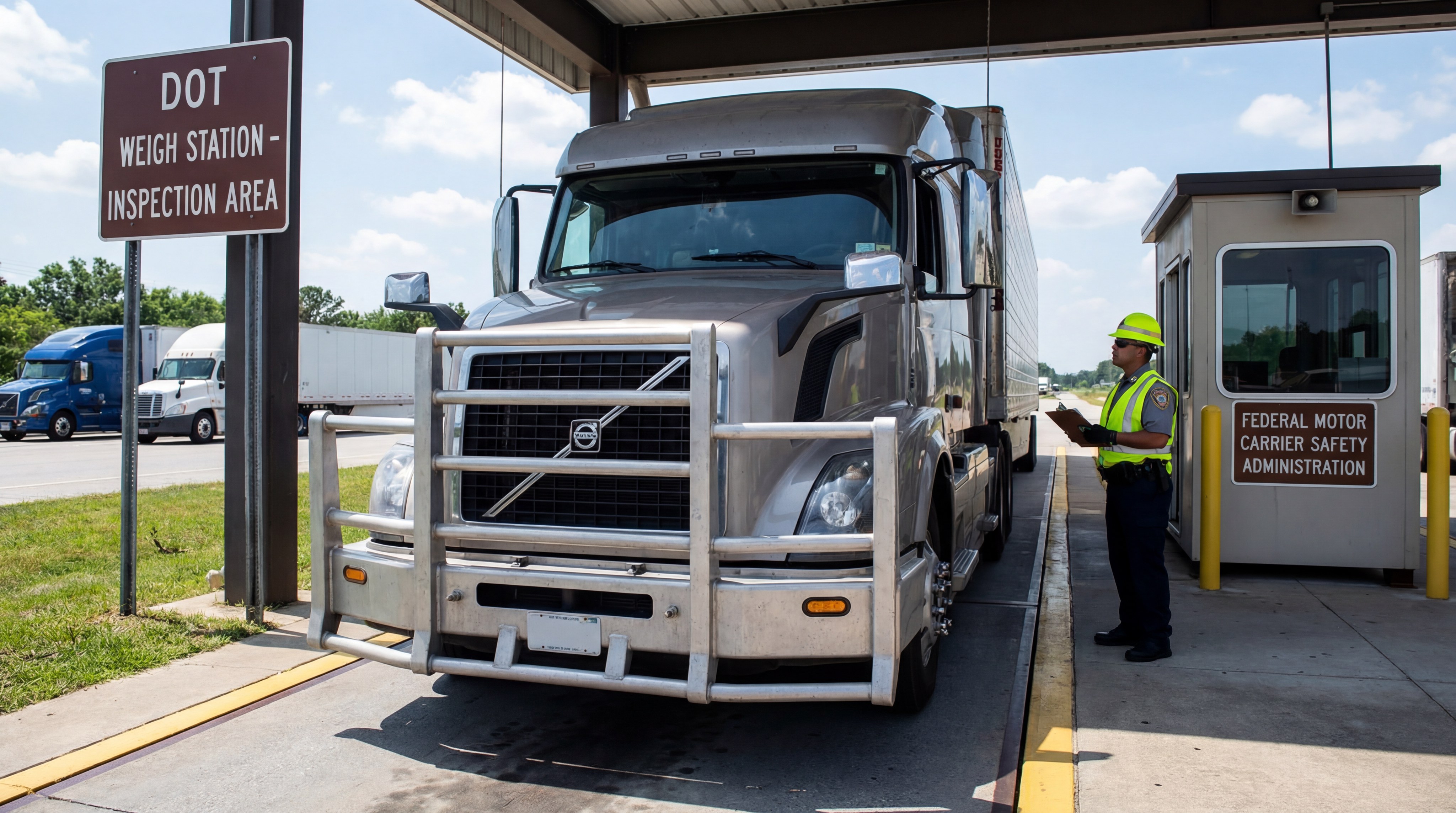
Advanced front-end protection systems are specifically designed to be 100% compatible with modern collision-avoidance radar and adaptive cruise control sensors. Manufacturers utilize precision cut-outs and sensor-relocation brackets to ensure all factory safety features function perfectly.
Let’s dive in. Many drivers worry that a bar will block their radar, but professional front-end protection is built around the specific sensor locations of each truck model, from Freightliners to Volvos.
What about adaptive cruise control?
Custom guards feature “windows” or specialized mounting plates that allow radar signals to pass through unobstructed. Your adaptive cruise and emergency braking systems will continue to keep you safe.
Is it easy to calibrate?
Most professional guards are designed as “bolt-on” solutions that do not require sensor recalibration. They follow the exact factory geometry to maintain the sensor’s field of view.
Key Takeaway: Safety hardware should never compromise safety software; professional guards ensure both work in harmony.
| Feature | Compatibility Status | |
|---|---|---|
| Adaptive Cruise Radar | Fully Functional | |
| Lane Departure Cameras | Unobstructed | |
| Proximity Sensors | Relocated/Integrated |
This compatibility ensures that you can enjoy the structural security of a guard without losing the technological advantages of your modern truck.
9. Why choose aluminum for front-end protection?
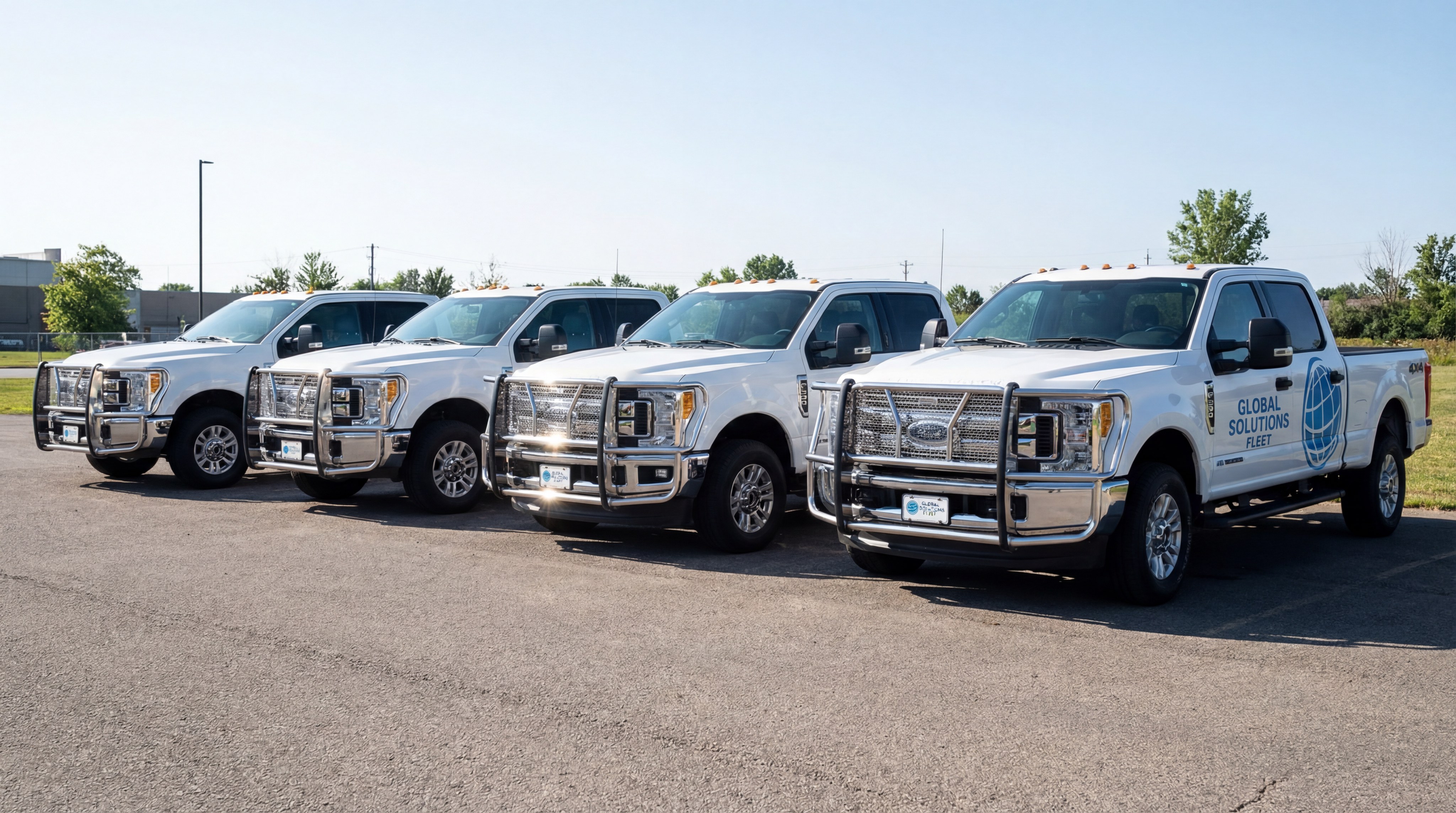
Choosing aluminum for front-end protection provides the optimal balance of high impact resistance, corrosion protection, and weight savings for commercial vehicles. Unlike steel, aluminum does not rust or require frequent repainting, even in harsh winter environments where road salt is prevalent.
The best part? Front-end protection made from 6061-T6 aluminum is incredibly resilient. It can absorb significant impacts by deforming slightly to manage energy, often protecting the truck’s more brittle components.
Does it last longer?
Aluminum naturally forms a protective oxide layer that prevents deep-seated corrosion. This ensures the guard remains structurally sound and visually appealing for many years, even in coastal or northern climates.
Is it easy to maintain?
A simple wash and occasional polish are all that’s needed to keep an aluminum guard looking like new. This reduces the long-term maintenance labor for your fleet’s appearance.
Key Takeaway: Aluminum is the “gold standard” material for long-haul trucks due to its durability, low weight, and natural resistance to the elements.
- 100% rust-proof and corrosion-resistant.
- High strength-to-weight ratio for better payload.
- Maintains a mirror-like shine with minimal effort.
- 100% recyclable at the end of the vehicle’s life.
Investing in aluminum hardware is a commitment to a “low-maintenance, high-performance” fleet strategy.
10. How does front-end protection help fleet managers?
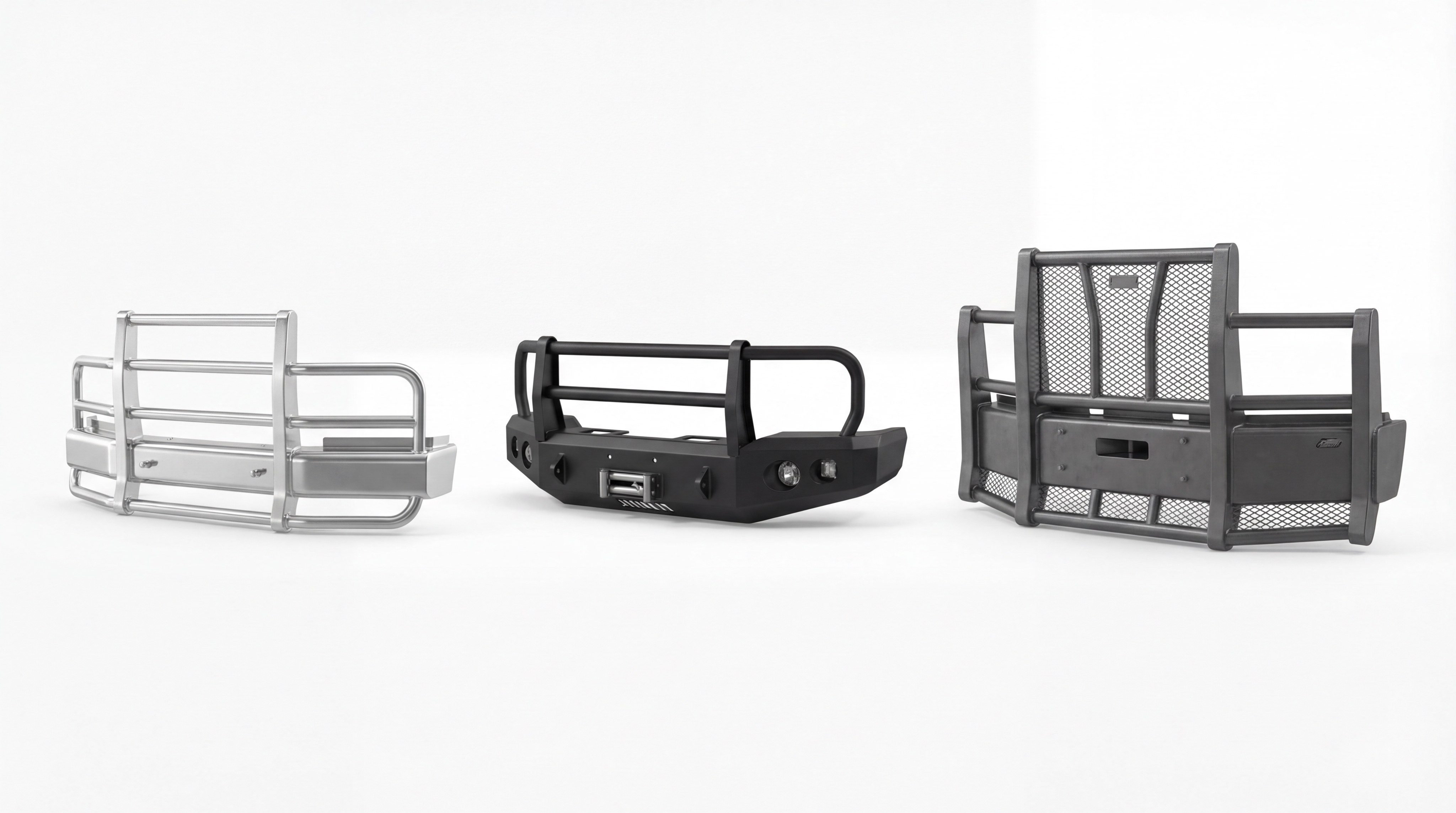
Implementing a standardized front-end protection program across a fleet allows managers to stabilize insurance costs and reduce the unpredictability of collision-related downtime. For a fleet of 50 or 100 trucks, the cumulative savings from preventing animal strikes can reach hundreds of thousands of dollars annually.
Believe it or not, front-end protection also serves as a visual indicator of a fleet’s commitment to safety and professional standards. This can help in recruiting high-quality drivers who want to operate the safest equipment available.
Does it simplify parts management?
By standardizing on a specific guard model, you can stock a small number of replacement parts that fit your entire fleet. This simplifies logistics and speeds up minor repairs across the board.
Can it improve driver retention?
Drivers feel more secure and valued when their employer invests in hardware that protects them from night-driving anxiety and remote breakdowns. This boost in morale is a hidden but powerful benefit.
Key Takeaway: Fleet-wide protection is a strategic management move that scales the benefits of safety and financial predictability.
| Fleet Benefit | Operational Impact | | :— | :— | :— | | Downtime Predictability | Higher scheduling accuracy | | Insurance Leverage | Potential for better terms | | Asset Longevity | Higher average trade-in value |
When every truck is protected, the “average cost of operation” drops as the frequency of major front-end repairs is virtually eliminated.
Collision Repair Costs: The Financial Reality
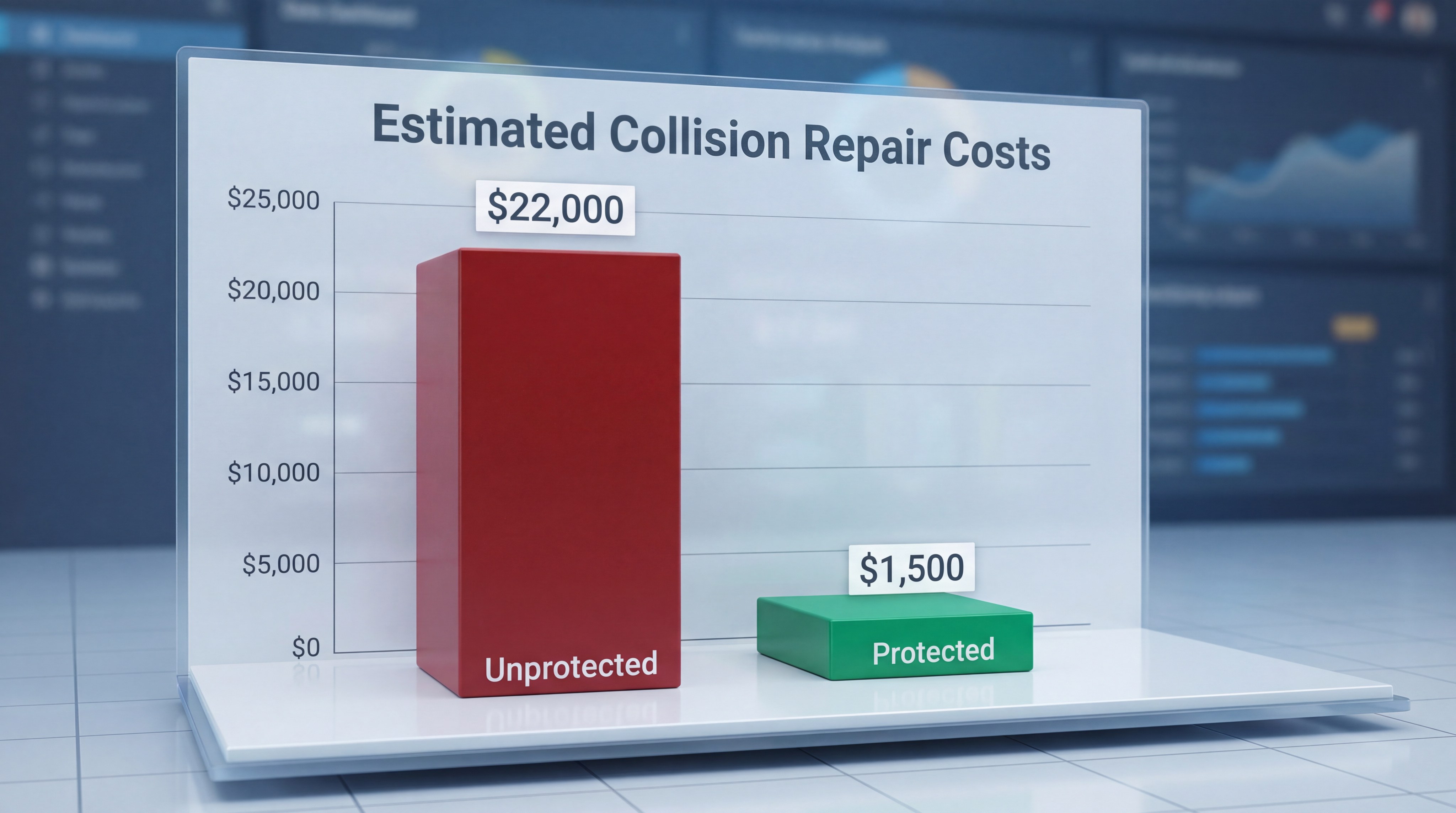
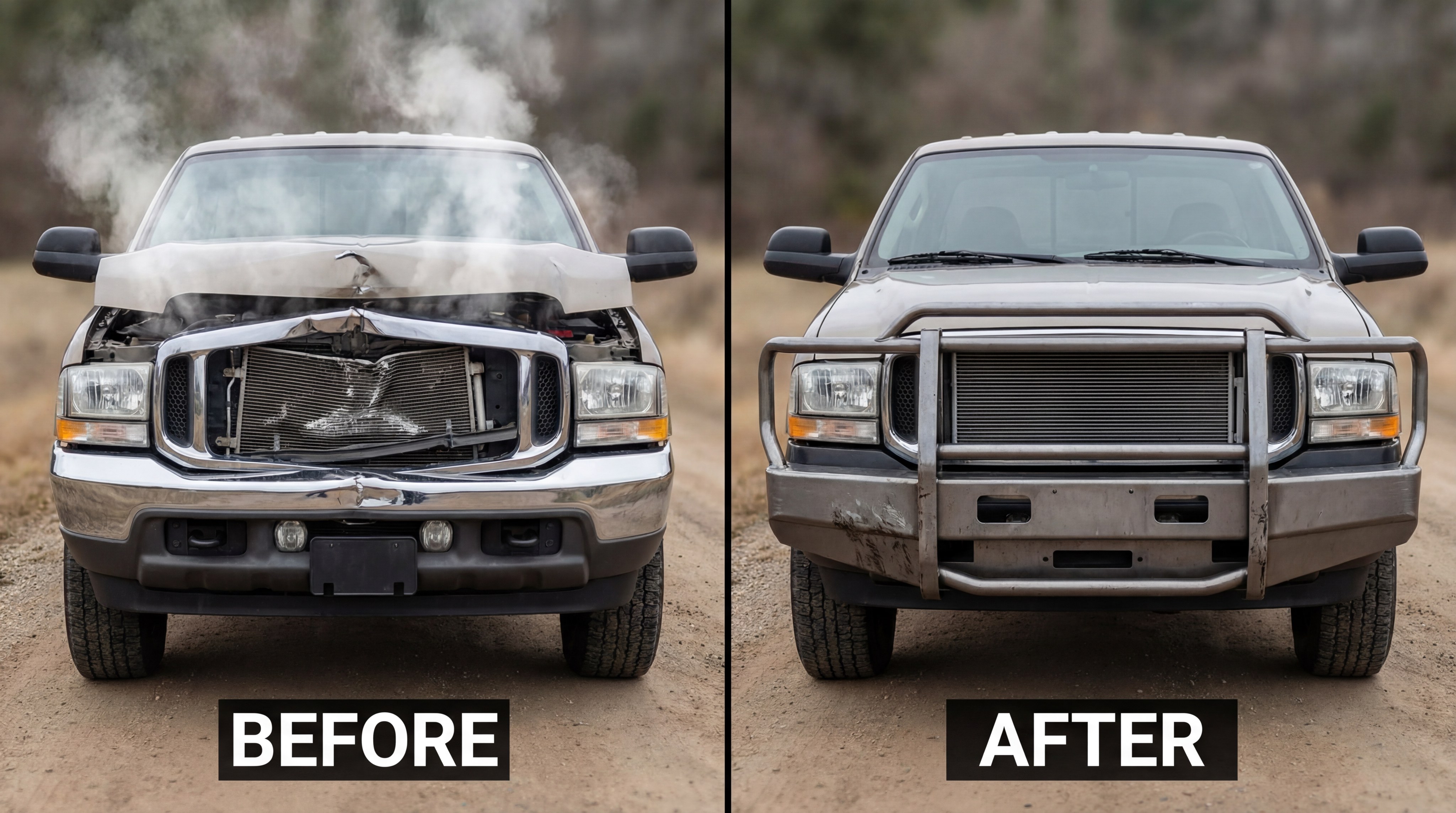
The chart above demonstrates the stark contrast between an unprotected wildlife strike and one where a professional guard was in place. By spending a small amount upfront, you effectively cap your financial liability for the most common types of highway accidents.
Conclusion
Front-end protection is not just an accessory; it is a critical component of a professional trucking operation. From preventing $25,000 repair bills to ensuring your drivers remain confident and safe on night routes, the benefits far outweigh the initial investment. By fortifying your rig with engineered aluminum or stainless steel guards, you protect your revenue, your equipment, and your peace of mind.
Are you ready to fortify your fleet? To find the perfect high-impact solution for your specific vehicle platform, contact us today for a custom quote and professional consultation.
Frequently Asked Questions
Can I install front-end protection without drilling into the frame?Yes, most professional guards are designed as “bolt-on” systems that utilize the factory-provided mounting points on your truck’s frame. This ensures a secure fit without compromising the structural integrity or the warranty of the original chassis.
What is the best material for a moose bumper?The industry standard is 6061-T6 aluminum due to its exceptional strength-to-weight ratio. It provides the necessary impact resistance to deflect a 1,000-pound animal while remaining light enough to maximize fuel efficiency and payload capacity.
Will a front-end guard interfere with my truck’s adaptive cruise control?High-quality guards are specifically engineered to accommodate radar and camera sensors. They typically feature specialized windows or relocation brackets that allow the signals to pass through, maintaining 100% of your factory safety technology.
How much does a heavy-duty moose bumper weigh?Depending on the model and coverage level, an aluminum moose bumper typically weighs between 80 and 160 pounds. This is a minimal addition to a Class 8 truck’s total weight and does not negatively impact steering or suspension components.
Can I still access my engine easily with a guard installed?Yes, professional-grade truck guards feature slam-latches or tilt-down mechanisms. These allow the guard to be quickly and easily folded forward, providing full, unobstructed access to the engine compartment for routine maintenance and inspections.