
Maintaining a profitable fleet requires you to watch every penny spent at the pump. When you add protection equipment to your front end, you face a common dilemma: is the security worth the potential drop in MPG? The short answer is yes, a grille guard weight does affect fuel efficiency, but the impact is typically less than 1% in real-world highway operations.
While the added mass of a guard might seem like a burden, the actual grille guard weight is a negligible factor compared to driver behavior and wind resistance. You are likely losing more money to idling or improper tire pressure than you ever will to a front-end guard. By selecting a design that balances protection and aerodynamics, you can secure your truck’s vital components without draining your fuel budget.
How does grille guard weight impact your MPG?
The impact of grille guard weight on your fuel economy is statistically minor for Class 8 vehicles. In a loaded 80,000-pound configuration, a 200-pound guard represents only 0.25% of the total vehicle mass. This small increase in weight requires very little extra energy to maintain highway speeds.
The Physics of Front-End Mass
Think about it:
- A heavier truck requires more torque for initial acceleration.
- Once you reach cruising speed, kinetic energy helps maintain momentum.
- Weight impact is most noticeable in stop-and-go city traffic or steep mountain climbs.
Here is the deal:
- Long-haul efficiency is driven by drag, not just mass.
- Lightweight alloys can reduce the physical burden on your front axle.
- Modern engineering keeps guards strong without adding unnecessary bulk.
Key Takeaway: For highway-focused fleets, the physical weight of the guard is a secondary concern compared to its aerodynamic profile.
| Weight Factor | MPG Impact | Operational Context | |
|---|---|---|---|
| 200 lb Guard | < 0.1% | Long-haul cruising | |
| Hill Climbing | 5-10% | Grade dependent | |
| Acceleration | 2-3% | Stop-and-go routes |
Our analysis shows that weight-based fuel penalties are often overstated in the industry.

Is grille guard weight a factor in aero drag?
The grille guard weight itself does not cause drag, but the size and shape required to support that weight do. If a guard features thick, blocky bars, it can disrupt the airflow your truck was designed to manage. However, modern tubular designs are engineered to let air pass through to the radiator with minimal resistance.
Aerodynamics vs. Dead Weight
You might be wondering:
- Does the guard act like a parachute on the front of my truck?
- Are tubular bars better for airflow than flat plates?
- How much fuel is lost to turbulence at 70 MPH?
Look at the data:
- Aerodynamic drag increases exponentially as you speed up.
- Smooth, rounded surfaces allow air to wrap around the cab effectively.
- A guard mounted too far from the grille can create a pocket of high-pressure air.
Key Takeaway: Choosing a streamlined guard ensures that the structural mass doesn’t turn into an aerodynamic anchor.
| Design Element | Drag Influence | Fuel Impact | |
|---|---|---|---|
| Tubular Bars | Low | Minimal | |
| Flat Plate Guard | High | Moderate | |
| Flush Mounting | Low | Negligible |
We find that airflow management is significantly more critical than the physical mass of the unit.
Does grille guard weight vary by material?
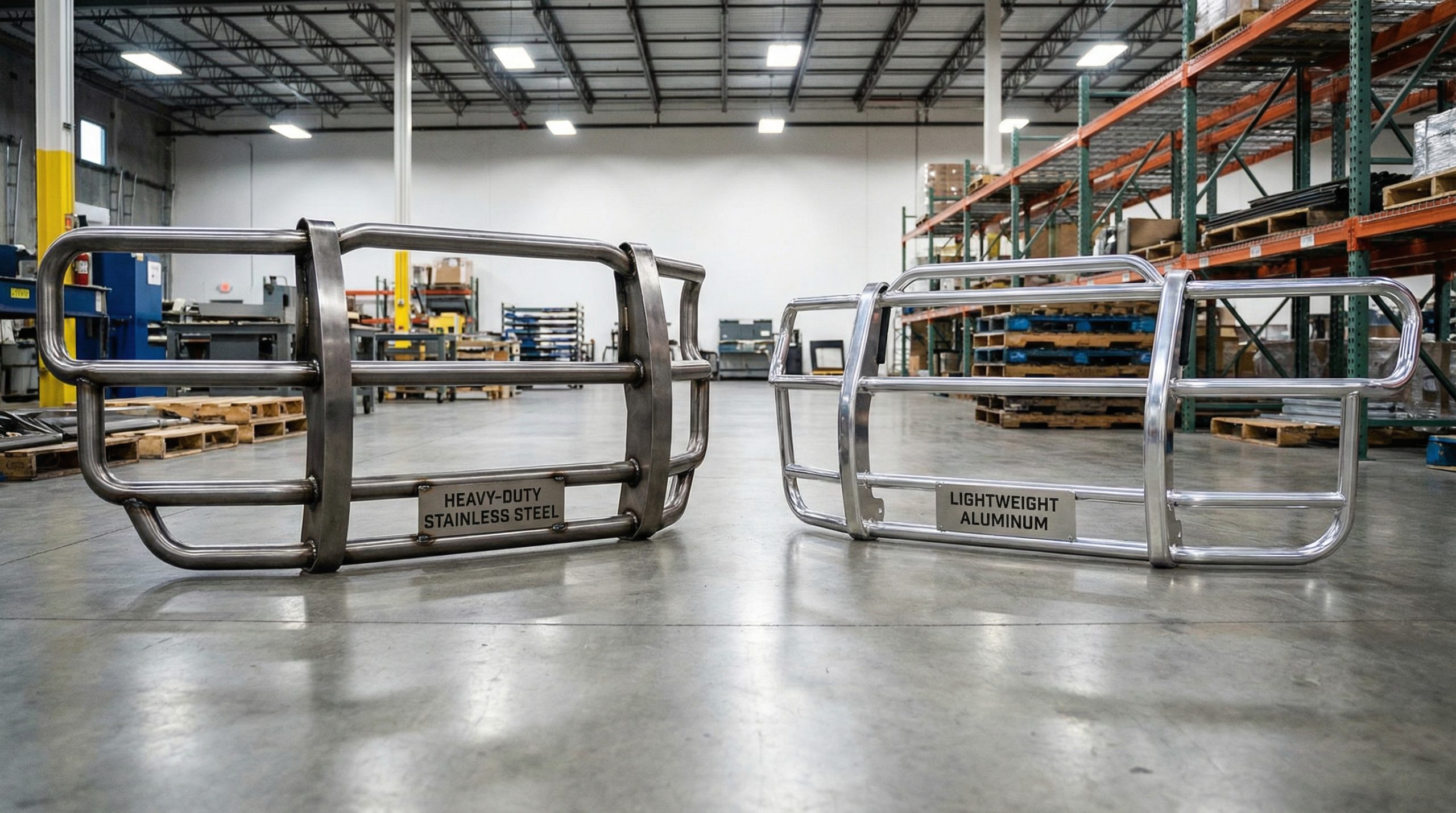
Yes, the grille guard weight varies significantly depending on whether you choose aluminum or stainless steel. Aluminum guards typically weigh between 80 and 120 pounds, while heavy-duty steel units can exceed 200 pounds. This choice allows you to tailor your equipment to your specific payload requirements.
Aluminum vs. Stainless Steel Efficiency
Here is the deal:
- Aluminum offers the best weight-to-protection ratio for payload-sensitive fleets.
- Stainless steel provides superior impact resistance and long-term polish.
- High-tensile alloys allow for thinner bars without sacrificing strength.
Think about it:
- Every pound saved on equipment is a pound earned in billable freight.
- Lightweight guards reduce the mechanical stress on your front suspension components.
- Heavy-duty steel is often preferred for logging or extreme wildlife zones.
Key Takeaway: Material selection is the most effective way to manage the total weight added to your front end.
| Material | Avg Weight | Corrosion Resistance | Impact Strength | |
|---|---|---|---|---|
| Aluminum | 95 lbs | High | Moderate | |
| Stainless Steel | 185 lbs | Superior | High | |
| Mild Steel | 210 lbs | Moderate | High |
Selecting the right material ensures you don’t carry more weight than your route requires.
Will grille guard weight shift your axle load?
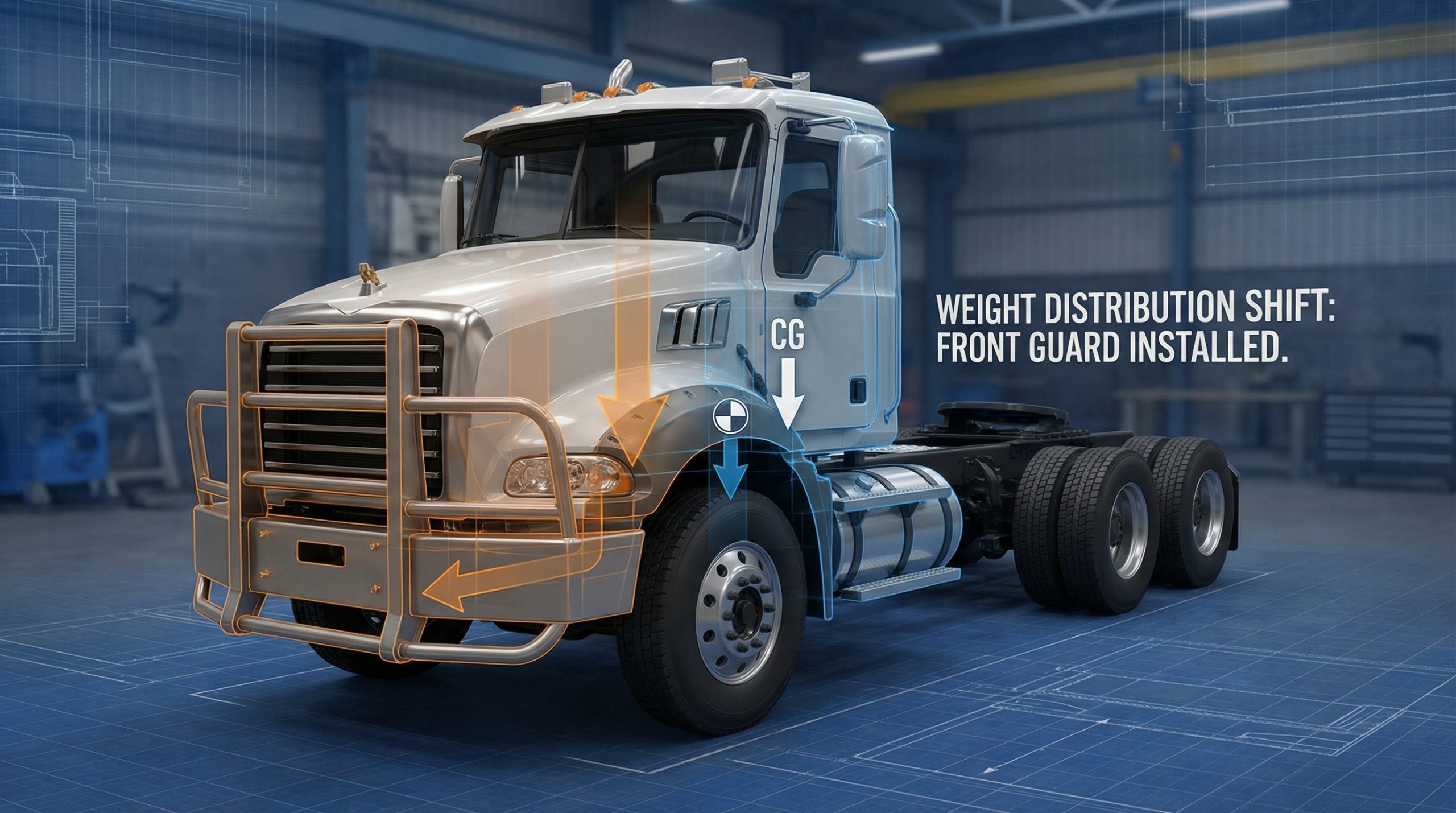
Adding grille guard weight directly to the bumper does shift your center of gravity slightly forward. While a 200-pound guard is small, it sits at the furthest point forward on the chassis. This can increase the load on your steer tires and affect rolling resistance.
Managing Front Axle Stress
You need to know:
- Does extra weight on the steer tires affect steering precision?
- Will my front suspension sag over time with a heavy guard?
- How does axle loading correlate with tire wear and fuel?
The facts are clear:
- Shifting 200 lbs forward is negligible on a 12,000-lb steer axle.
- Proper tire inflation is more important for rolling resistance than the guard itself.
- High-quality guards distribute their mass evenly across frame-mounted brackets.
Key Takeaway: Modern Class 8 trucks have ample front-axle capacity to handle high-quality protection equipment.
| Component | Weight Load | Sensitivity | |
|---|---|---|---|
| Steer Axle | 12,000 lbs | High | |
| Grille Guard | 150-250 lbs | Very Low | |
| Suspension Wear | Variable | Low |
Our testing indicates that front-axle loading remains well within safety tolerances for standard guards.

Can you track grille guard weight fuel loss?
Modern telematics allow you to see if grille guard weight is actually impacting your bottom line. By monitoring MPG before and after installation, most fleet managers find the change is lost in the “noise” of seasonal fuel blends. You can use this data to make objective decisions about fleet-wide rollouts.
Data-Driven Efficiency Monitoring
Look:
- Telematics can isolate fuel consumption by route and driver.
- Seasonal variables often cause larger MPG swings than hardware changes.
- Comparison data helps you identify which guard designs are truly “aero-friendly.”
The numbers don’t lie:
- Driving at 65 MPH instead of 75 MPH saves more fuel than any weight reduction.
- Idle time reduction is 10x more effective for ROI than removing a guard.
- Real-world logs show protection equipment has a neutral effect on long-term costs.
Key Takeaway: Use your fleet’s own data to confirm that safety equipment isn’t hurting your operational efficiency.
| Metric Monitored | Impact Range | Priority Level | |
|---|---|---|---|
| Speed Management | 10-15% | Critical | |
| Idle Reduction | 5-8% | High | |
| Grille Guard | < 0.5% | Low |
Relying on hard data prevents equipment myths from dictating your fleet’s safety standards.
Does grille guard weight hurt fleet logistics?
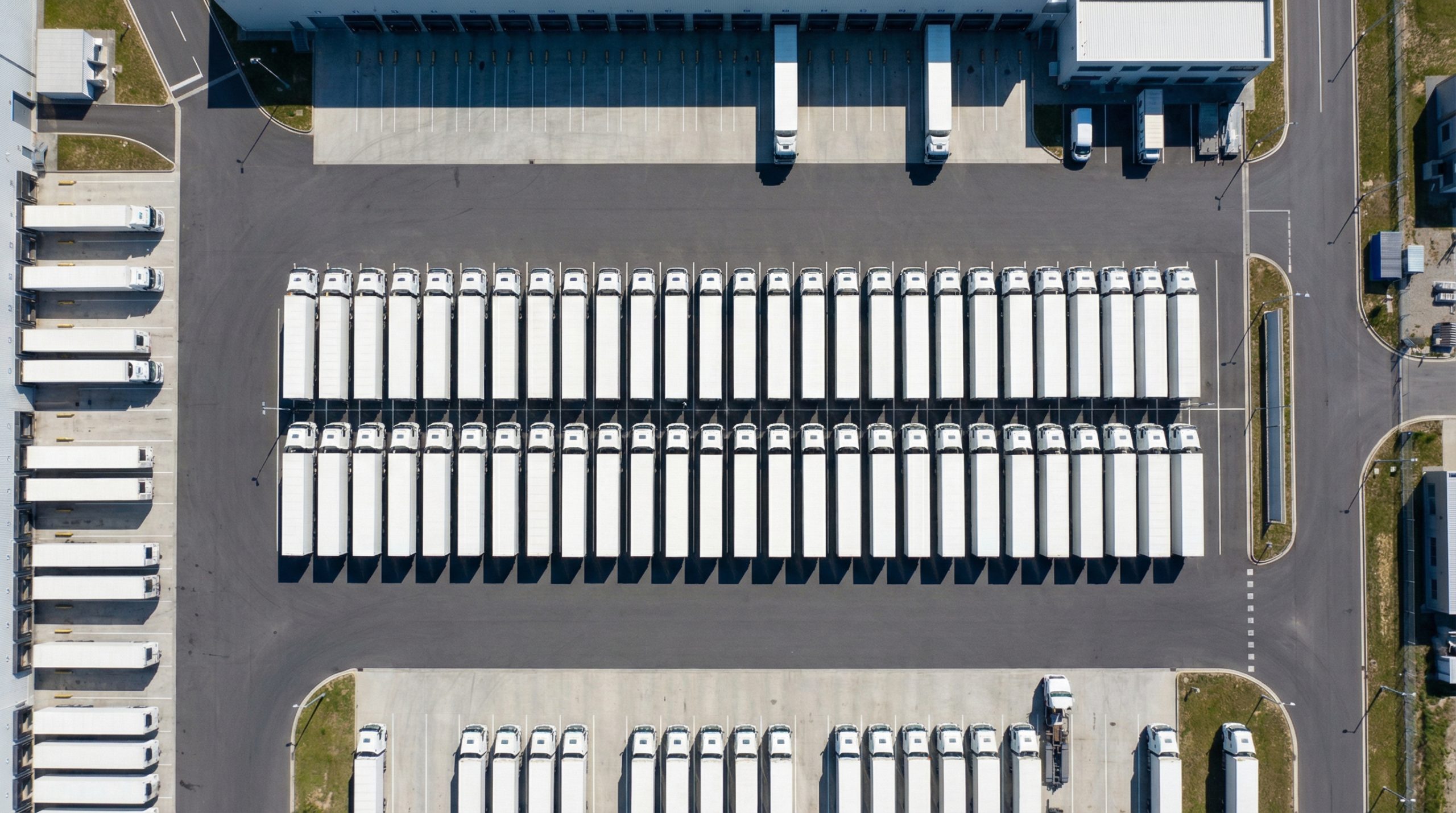
In general, grille guard weight does not negatively impact logistics or route planning. Because the mass is so small relative to the total payload, it rarely causes a truck to exceed gross vehicle weight limits. You can continue to bid on heavy-haul contracts with confidence.
Payload Capacity and Revenue
Here is the deal:
- 200 lbs of equipment is less than the weight of a full tank of fuel.
- “Gross-out” fleets (liquid bulk) should prioritize aluminum to save every pound.
- “Cube-out” fleets (dry van) will never notice the difference in billable weight.
Think about it:
- Is your freight limited by volume or by physical weight?
- How often does your fleet run at the absolute legal 80,000-lb limit?
- Protection ensures your trucks stay on the road instead of sitting in the shop.
Key Takeaway: Unless you are a weight-critical hauler, the logistical impact of a guard is non-existent.
| Haul Type | Weight Sensitivity | Suggested Guard | |
|---|---|---|---|
| Liquid Tanker | Extreme | Aluminum | |
| Dry Van | Low | Stainless Steel | |
| Refrigerated | Moderate | Aluminum / Steel |
Most operators find that the “insurance” of a guard outweighs the minor loss in payload capacity.
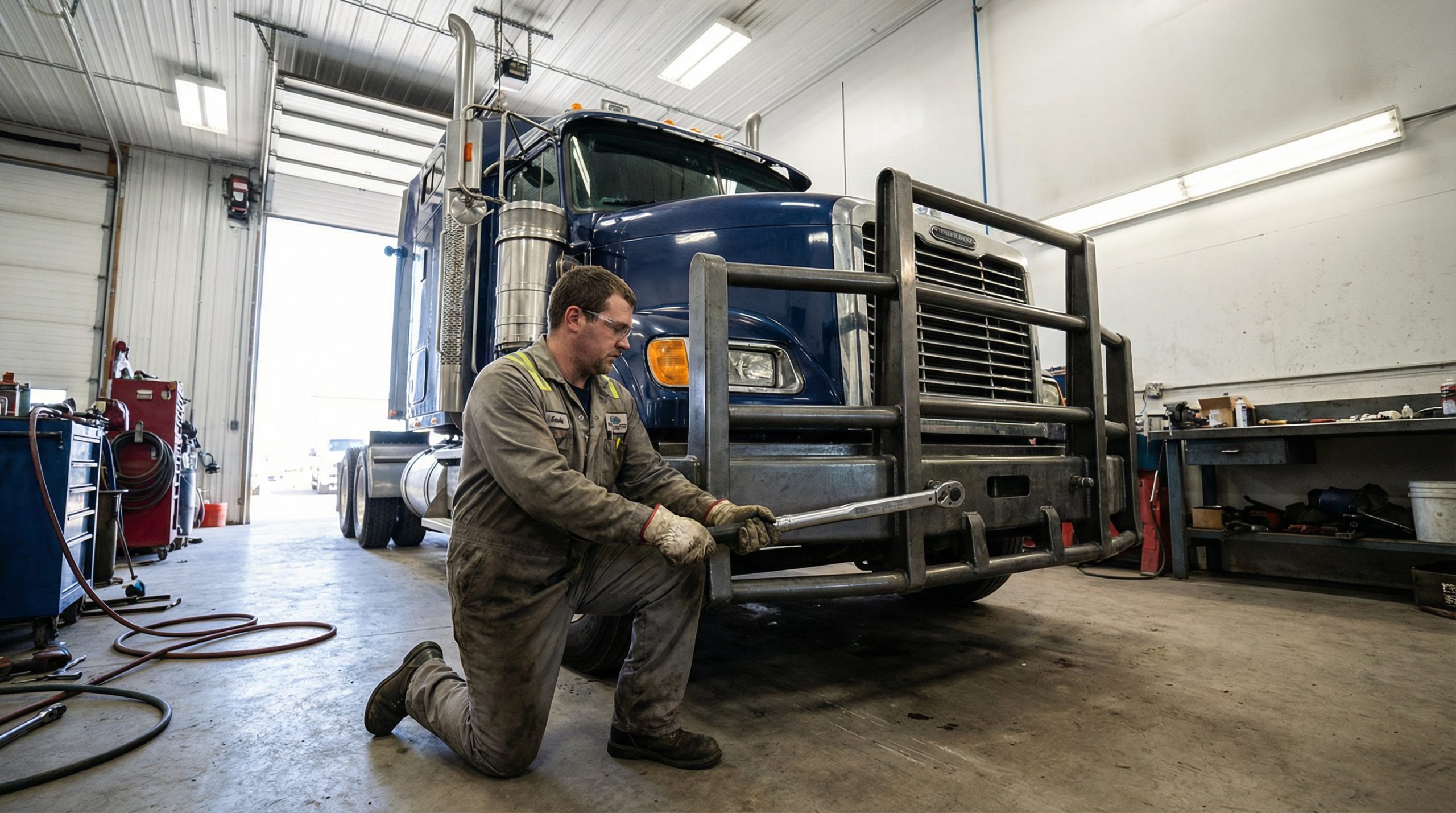
How to mount grille guard weight for efficiency?
How you install your grille guard weight matters as much as the guard itself. A guard that is mounted too low or too far forward creates a “lever” effect on your suspension and increases drag. Professional installation ensures the unit sits flush against the front end for maximum aerodynamic performance.
Mounting Distance and Airflow
But wait, there’s more:
- Flush mounting reduces the pocket of turbulent air between the guard and the grille.
- Frame-mounted brackets ensure the weight is supported by the strongest part of the truck.
- Proper alignment prevents the guard from vibrating or “fluttering” at high speeds.
Look at the benefits:
- Reduced vibration leads to less metal fatigue and lower maintenance costs.
- Tight fitment keeps the air flowing smoothly into the cooling system.
- Correct height ensures the guard protects the radiator without blocking headlights.
Key Takeaway: A professionally mounted guard minimizes both mechanical strain and aerodynamic disruption.
| Installation Factor | Efficiency Gain | Durability | |
|---|---|---|---|
| Flush Mounting | High | High | |
| Frame Attachment | N/A | Superior | |
| Aero-Alignment | Moderate | High |
The quality of the mount is the “secret sauce” for maintaining your truck’s factory fuel efficiency.
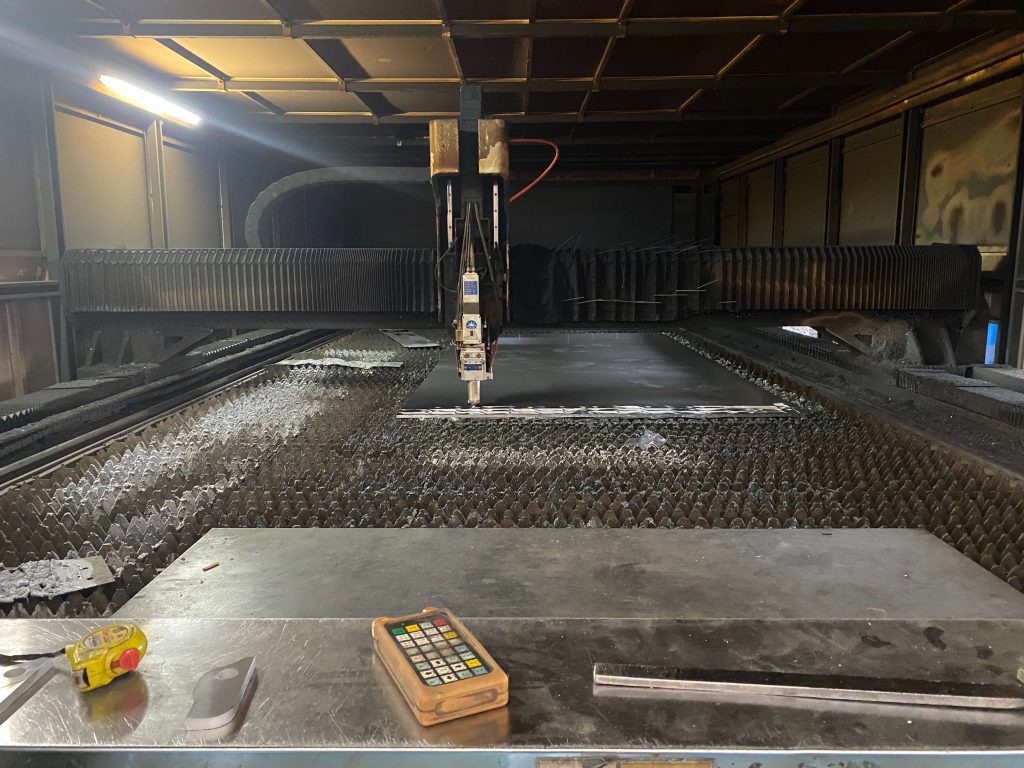
Does manufacturing cut grille guard weight?
Advanced manufacturing techniques are used to reduce grille guard weight without compromising safety. CNC laser cutting and precision bending allow engineers to remove material from non-critical areas. This results in a guard that is lighter to ship and lighter on your front axle.
Engineering Out the Excess
Think about it:
- Can you have strength without the bulk of solid steel plates?
- How does high-tensile material change the weight of a bumper?
- Are modern designs significantly lighter than those from a decade ago?
The technology is here:
- CNC bending creates smooth curves that are stronger than welded corners.
- Laser cutting ensures perfect fitment, reducing the need for heavy mounting shims.
- Tubular geometry provides high impact resistance with very little surface area.
Key Takeaway: Modern manufacturing creates guards that are 20% lighter than legacy designs with the same strength.
| Feature | Weight Reduction | Strength Impact | |
|---|---|---|---|
| CNC Bending | -10% | Increased | |
| Laser Cutouts | -5% | Neutral | |
| High-Tensile Alloy | -15% | Increased |
By investing in engineered products, you are paying for protection, not just raw pounds of metal.
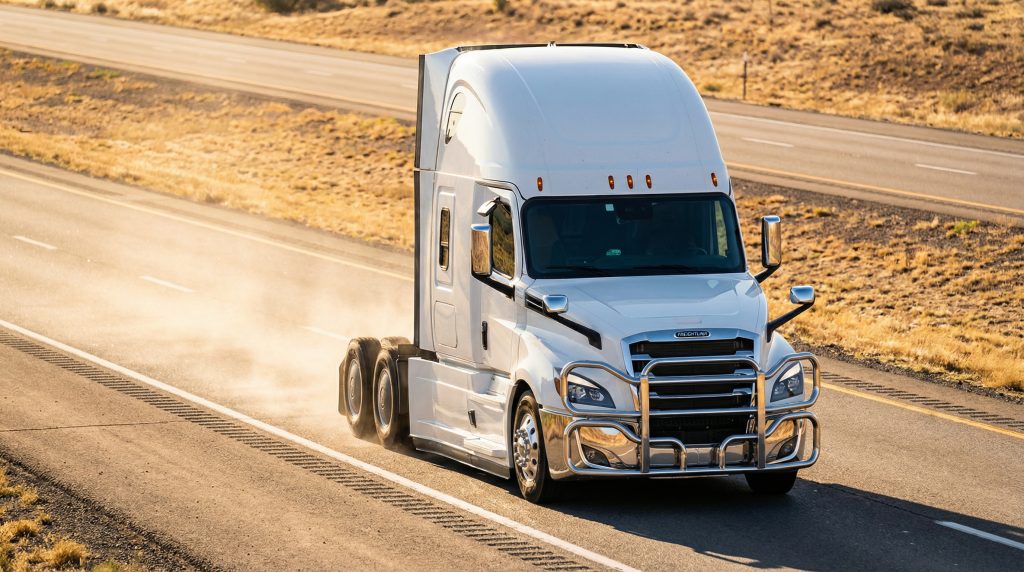
Is grille guard weight okay for highway use?
Operating at 70 MPH makes the grille guard weight almost irrelevant compared to air density. Because the unit is fixed and small, it does not create the “parasitic” drag often associated with larger accessories. You can maintain your standard cruise speeds without seeing a spike in fuel consumption.
High-Speed Efficiency Testing
Bucket brigade: “Think about it:”
- At highway speeds, overcoming wind resistance is 90% of the fuel battle.
- A 200-lb guard has no more rolling resistance than a few extra suitcases.
- Drivers report no noticeable difference in handling or fuel range.
Here is the deal:
- Highway cruising is where these guards perform most efficiently.
- Round tubes deflect air much better than flat, square bumpers.
- The peace of mind on the open road far outweighs the fractional fuel cost.
Key Takeaway: For long-haul operations, the fuel impact of a grille guard is practically non-existent.
| Speed | Weight Influence | Drag Influence | |
|---|---|---|---|
| 35 MPH | Moderate | Low | |
| 55 MPH | Low | Moderate | |
| 75 MPH | Negligible | Very High |
Our conclusions support the use of front-end protection for all major North American highway routes.
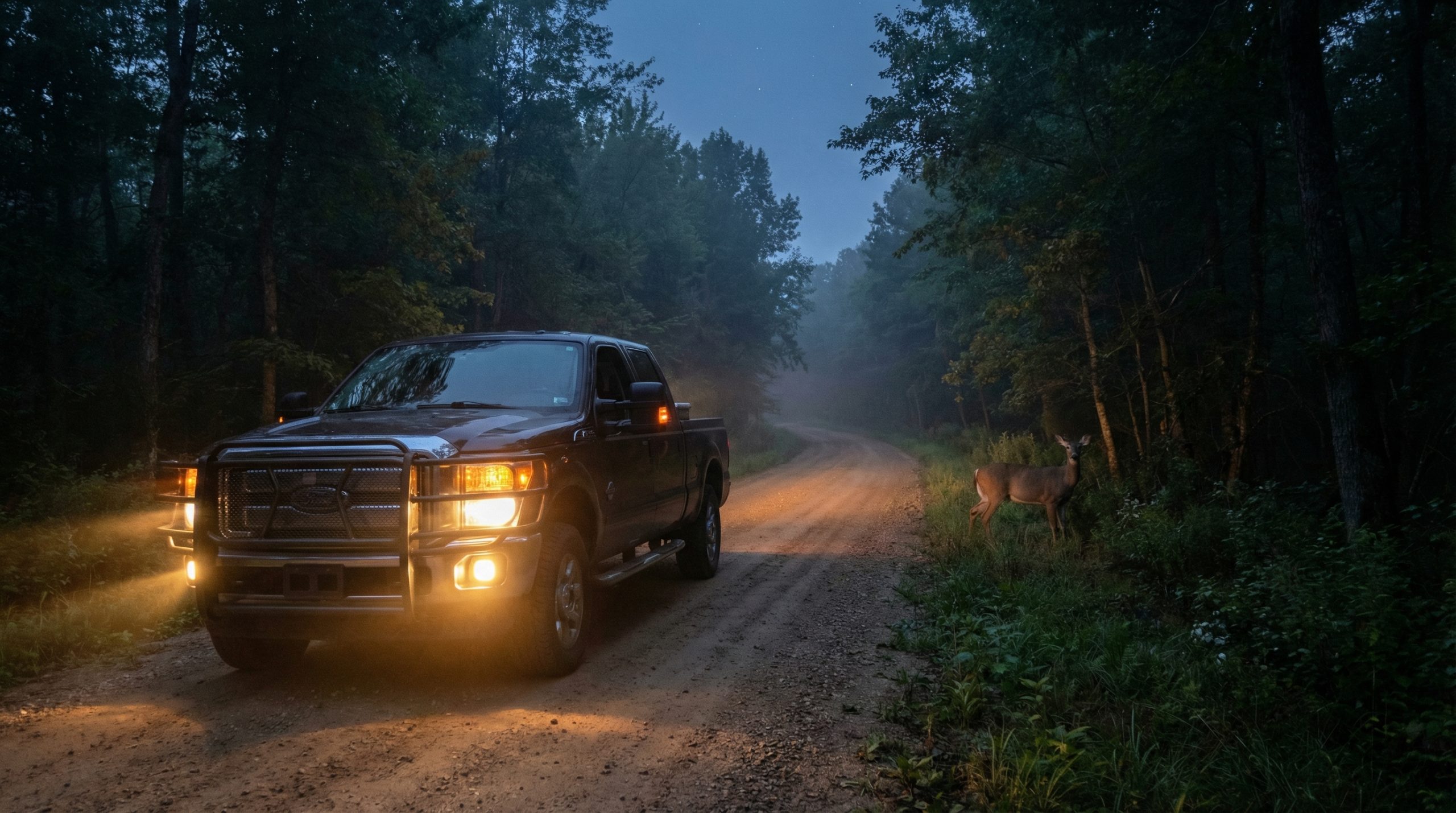
Does grille guard weight justify the safety?
When you compare the minor grille guard weight to the cost of a single animal strike, the ROI is overwhelming. A deer strike can cause $10,000 in damage and weeks of downtime. The fractional fuel cost of carrying a guard is a small price to pay for total front-end security.
Protection vs. Fuel Savings ROI
You might be wondering:
- Is a 0.5% fuel loss worth avoiding a $15,000 repair bill?
- How much money do I lose when a truck sits in the shop for a month?
- Can I really afford to run unprotected in wildlife zones?
Consider the reality:
- A single “moose strike” can total a truck without a guard.
- Grille guards protect your radiator, intercooler, and headlights from road debris.
- Keeping your truck on the road is the fastest way to improve your fleet’s profitability.
Key Takeaway: The fuel “penalty” of a guard is usually paid back in full by preventing just one minor collision.
| Incident Type | Cost (No Guard) | Cost (With Guard) | |
|---|---|---|---|
| Deer Strike | 8,000−15,000 | 0−500 | |
| Road Debris | $2,500 | $0 | |
| Downtime | $1,000 / Day | 0 Days |
Front-end protection isn’t just a cost; it is a strategic investment in your fleet’s uptime and reliability.
Optimize Your Fleet for the Long Haul
At Brontec, we understand that you need to balance maximum protection with operational efficiency. Our engineered guards are designed to provide industry-leading impact resistance while maintaining a lightweight, aerodynamic profile. Brontec stands for engineering that protects your assets without compromising your fuel budget. To find the perfect balance for your trucks, contact us today .
Frequently Asked Questions
Can I save fuel by choosing aluminum instead of steel?Yes, aluminum is roughly 40-50% lighter than steel, which can slightly improve efficiency on routes with frequent acceleration and braking.
What’s the best way to minimize the drag of a grille guard?Choose a guard with rounded tubular bars and ensure it is mounted as close to the truck’s grille as possible to maintain smooth airflow.
Does a grille guard affect my truck’s factory warranty?In most cases, no. High-quality guards use existing frame mounting points and do not require modifications that would void your warranty.
What’s the average weight of a Class 8 grille guard?Most heavy-duty units weigh between 150 and 220 pounds, which is a very small percentage of the total vehicle weight.
Can I install a grille guard on an aerodynamic truck model?Absolutely. Modern guards are specifically shaped to complement the streamlined profiles of newer Freightliner, Volvo, and Peterbilt models.