
The definitive framework for selecting heavy-duty protection ensures your fleet maintains maximum uptime while safeguarding drivers and critical mechanical assets against unpredictable road hazards. Every year, you face the staggering financial burden of wildlife collisions and road debris damage that can instantly sideline a vehicle and jeopardize your strict delivery schedules. A single impact with a large animal often leads to expensive radiator repairs, shattered headlight assemblies, and lengthy shop stays that drain your profitability and disrupt your supply chain logistics. By implementing a standardized protection strategy through this semi truck grille guard selection guide, you can transform vulnerable front ends into rugged, engineered barriers that minimize repair costs and maximize the operational lifespan of your entire fleet.
Why is a semi truck grille guard selection guide vital for safety?
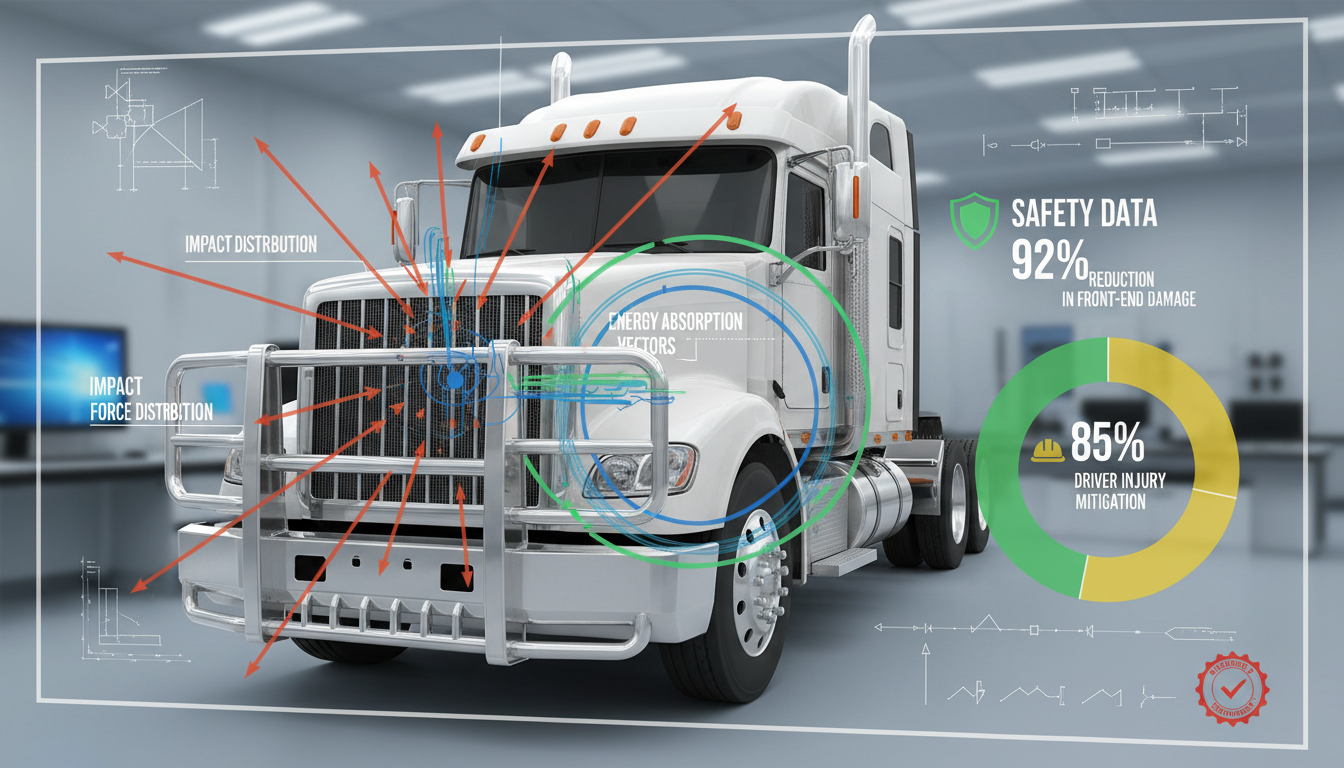
A comprehensive selection guide is vital because it establishes the technical benchmarks for kinetic energy absorption and structural deflection during high-velocity impacts. This semi truck grille guard selection guide prioritizes the creation of a physical buffer that preserves the integrity of the cooling pack and steering components. Without these standards, fleets risk installing purely cosmetic bars that offer no real protection against 500kg animal strikes.
Ensuring driver confidence is a secondary but equally important benefit of following these rigorous safety protocols. When your operators know they have a reinforced shield between them and the hazards of remote routes, their mental fatigue decreases and their focus on the road improves significantly. This guide ensures every guard meets or exceeds the structural requirements needed for extreme long-haul environments.
Mitigating the Force of Wildlife Collisions
The primary goal of a heavy-duty guard is to redirect the energy of an impact away from the most fragile parts of the engine. High-performance guards are engineered to distribute force across the truck’s frame rails rather than concentrating it on the radiator or intercooler.
But that’s not all:
- Energy absorption prevents the guard from being pushed into the hood.
- Reinforced uprights protect the vital electrical systems and headlight clusters.
- Proper height coverage prevents smaller hazards from sliding under the chassis.
Preserving Critical Engine Cooling Systems
When a collision occurs, the most common point of failure is the radiator, which can cause immediate engine overheating and permanent damage. A guide-approved guard acts as a primary shield that prevents punctures and ensures the truck can often remain operational post-impact.
Think about it:
- Radiator replacement costs can exceed $5,000 in parts alone.
- Intercooler damage leads to significant loss of fuel efficiency and power.
- Preventing a “tow-away” scenario saves thousands in emergency recovery fees.
Key Takeaway: Investing in a safety-first selection guide ensures that your fleet is equipped with barriers capable of handling extreme impact forces, thereby protecting both the driver and the vehicle’s mechanical core.
| Safety Feature | Operational Impact | Benefit for Fleets |
|---|---|---|
| Force Distribution | Prevents localized frame stress | Protects structural integrity |
| Energy Absorption | Reduces shock to the cab | Enhances driver safety |
| Component Shielding | Keeps the radiator intact | Eliminates “tow-away” costs |
The integration of advanced safety analysis into your procurement process ensures that every guard serves as a functional insurance policy against the most common causes of vehicle downtime.
Premium materials like high-tensile steel and aerospace-grade aluminum alloys are the fundamental building blocks of an effective semi truck grille guard selection guide. Selecting the right material involves balancing the need for maximum impact resistance with the strict weight requirements of modern commercial hauling. This guide emphasizes that the chemical composition of the metal determines how well the guard will resist deformation and cracking over years of heavy vibration.
Using inferior metals often leads to premature fatigue and structural failure in the field. You must verify that your manufacturer uses certified mill-run materials that meet specific hardness and tensile strength ratings. This ensures that the guard doesn’t just look tough but actually performs when a real-world collision occurs on the highway.
The Superiority of High-Strength Steel
Heavy-gauge steel is the gold standard for fleets operating in logging, mining, or extreme northern environments where animal impacts are a nightly occurrence. This material offers the highest possible energy absorption for impacts involving large wildlife weighing 500kg or more.
Think about it:
- Steel guards provide the maximum structural rigidity for off-road use.
- Powder-coated finishes offer excellent resistance to gravel and road debris.
- Modern high-tensile variants reduce weight without sacrificing any durability.
Lightweight Aluminum for Long-Haul Efficiency
Aluminum alloy guards are the ideal choice for intercity and long-haul highway fleets that must stay within strict gross vehicle weight ratings. These guards are typically 30% lighter than their steel counterparts while still offering substantial protection against smaller debris and light animal strikes.
But that’s not all:
- Aluminum is naturally resistant to corrosion from winter road salts.
- High-polish finishes maintain a premium brand image for your fleet.
- Weight savings contribute directly to lower fuel consumption across thousands of miles.
Key Takeaway: Material selection should be dictated by your specific operating environment, choosing steel for maximum impact resistance or aluminum for weight-sensitive highway applications.
| Material Type | Tensile Strength | Weight Impact | Best Application |
|---|---|---|---|
| Reinforced Steel | >450 MPa | High (+150 lbs) | Logging / Extreme Wildlife |
| Aluminum Alloy | >310 MPa | Low (+90 lbs) | Long-Haul Highway |
| Stainless Steel | >500 MPa | Moderate | Coastal / High-Salt Roads |
The choice of material serves as the foundation of your protection strategy, determining the long-term durability and ROI of your front-end equipment.
How does the semi truck grille guard selection guide improve ROI?
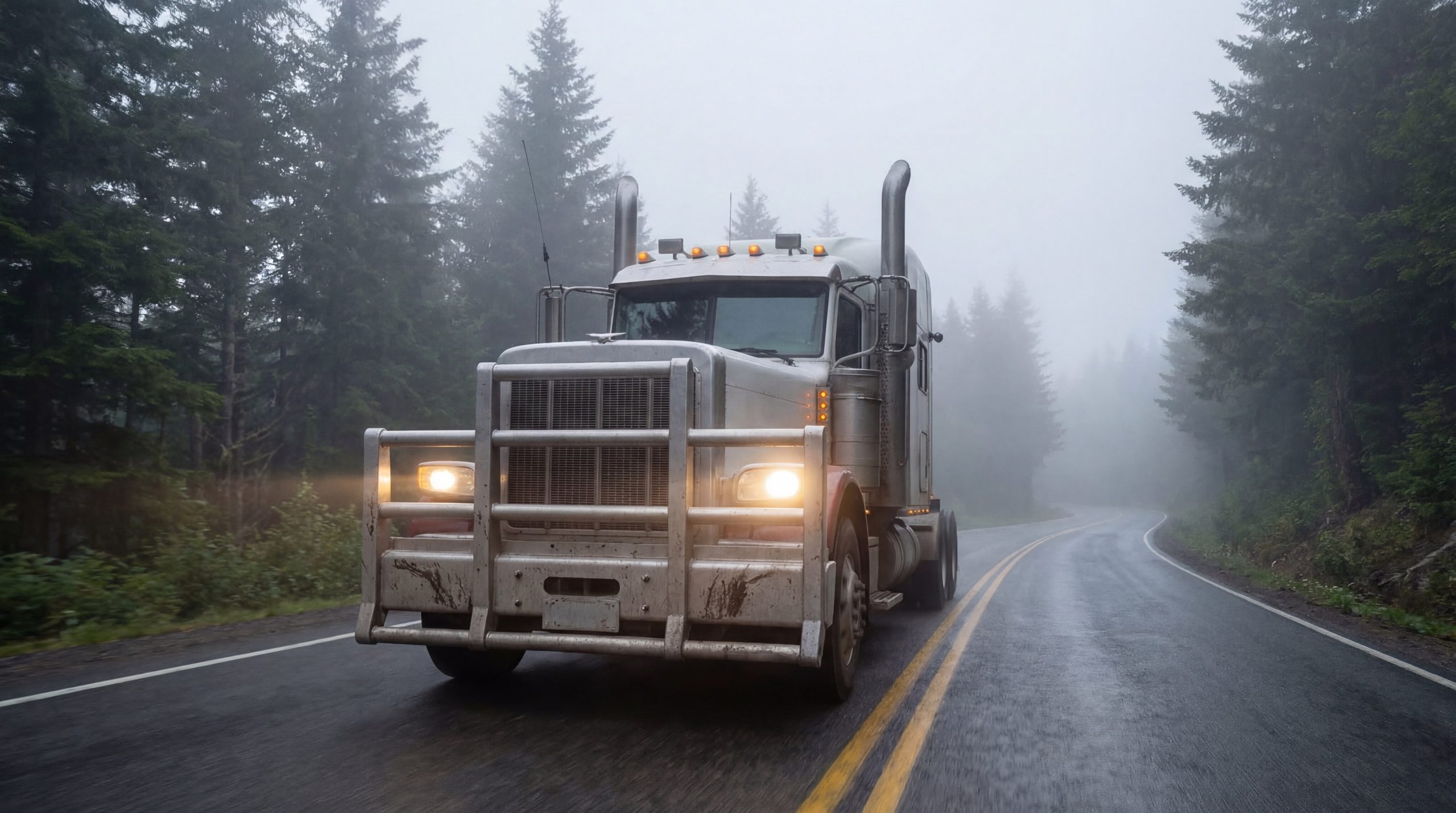
Return on investment improves by significantly reducing the frequency of emergency repairs and the associated costs of vehicle downtime. A semi truck grille guard selection guide helps you calculate the “saved days” of revenue that would otherwise be lost while a truck sits in the repair shop. When a guard prevents a radiator puncture, you avoid not only the repair bill but also the missed delivery penalties and rental truck costs.
Let’s face it, the upfront cost of a guard is a fraction of the expense incurred during a single major front-end collision. By standardizing this protection across your entire fleet, you create a predictable maintenance budget and lower your insurance liability over time. This guide provides the metrics needed to justify the initial expenditure to your procurement department.
Calculating the Cost of Avoided Downtime
Every day a truck is out of service, your fleet loses between $800 and $1,200 in potential revenue. A high-quality guard can reduce a three-week repair window for a smashed front end down to zero days if the truck remains drivable after the impact.
Here is the deal:
- Guards eliminate the need for costly emergency towing services.
- Protection prevents damage to expensive adaptive cruise control sensors.
- Maintaining schedule consistency improves your reputation with high-value clients.
Long-Term Value and Resale Considerations
Trucks equipped with front-end protection tend to maintain better aesthetic condition, which directly impacts their trade-in or resale value. A guide-approved guard protects the expensive hood and grille assemblies from the pitting and chips caused by road gravel and winter debris.
But that’s not all:
- Well-maintained guards can be transferred to new trucks in the same series.
- Polished finishes resist tarnishing, keeping the truck looking newer for longer.
- Modular guard designs allow you to replace small parts rather than the whole unit.
Key Takeaway: The ROI of a grille guard is measured through a combination of avoided repair costs, eliminated towing fees, and the preservation of revenue-generating uptime.
| Expense Category | Without Grille Guard | With Grille Guard | Savings |
|---|---|---|---|
| Radiator Repair | $5,500+ | $0 | $5,500 |
| Emergency Towing | $1,200 | $0 | $1,200 |
| Downtime Loss | $14,000 (14 days) | $0 | $14,000 |
Strategic fleet managers view front-end protection as a capital investment that pays for itself after the very first minor incident.
What mounting options should your semi truck grille guard selection guide include?
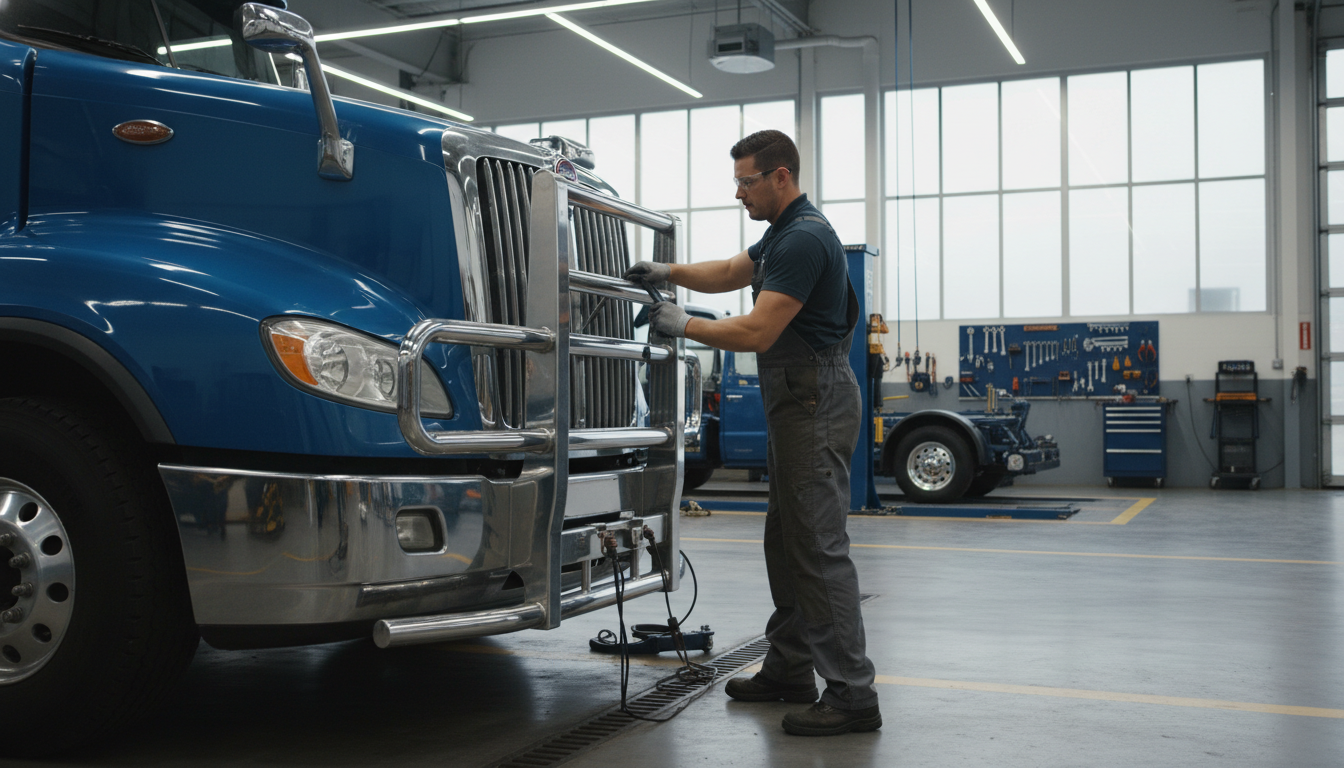
Mounting options must prioritize a “bolt-on” installation process that utilizes existing factory holes to ensure the truck’s frame integrity is never compromised. Your semi truck grille guard selection guide should strictly avoid any designs that require drilling or welding, as these can void the manufacturer’s warranty. Precision-engineered brackets are essential for distributing the force of an impact across the chassis’ strongest points.
Here is the deal: if the mounting system is weak, the guard itself becomes a hazard that can be pushed back into the engine during a collision. This guide focuses on high-tensile mounting hardware and CNC-machined brackets that guarantee a ±0.5mm tolerance for a perfect fit every time. Easy-access features are also crucial for ensuring that regular maintenance can be performed without removing the entire guard.
The Benefits of Tilt-Down Hinge Systems
For modern aerodynamic trucks, a guard must be able to tilt forward to allow the hood to open fully for engine inspections. This guide recommends high-quality hinge systems that can be operated by a single person in seconds without the use of specialized tools.
Think about it:
- Tilt-down designs reduce labor time during routine oil and fluid checks.
- Locking pins must be vibration-resistant to prevent rattling at highway speeds.
- Heavy-duty hinges must be able to support the guard’s weight without sagging.
Ensuring Frame-Mounted Structural Stability
The most effective guards are attached directly to the main frame rails of the tractor. This guide explains how this configuration ensures that the energy from a 500kg impact is absorbed by the truck’s skeletal structure rather than the plastic bumper or thin radiator supports.
But that’s not all:
- Frame mounting prevents the guard from vibrating and fatiguing over time.
- High-grade (Grade 8) bolts are required to handle extreme shear forces.
- Custom brackets ensure compatibility with various bumper styles and sensor arrays.
Key Takeaway: A superior mounting system preserves vehicle warranties, simplifies maintenance through tilt-down functionality, and ensures maximum energy distribution during a collision.
| Mounting Criteria | Requirement | Technical Outcome |
|---|---|---|
| Installation Type | No-drill bolt-on | Preserves frame warranty |
| Access Feature | One-person tilt hinge | Efficient engine maintenance |
| Hardware Grade | High-tensile Grade 8 | Maximum shear resistance |
Precision mounting is the “hidden” engineering that determines whether a grille guard succeeds or fails when put to the ultimate test.
How does aerodynamics fit into a semi truck grille guard selection guide?
Aerodynamics is a critical factor because fuel costs represent one of the largest ongoing expenses for any commercial fleet. A modern semi truck grille guard selection guide emphasizes sleek, tubular designs that allow air to pass through with minimal resistance. Believe it or not, an improperly designed guard can create significant drag, leading to a noticeable drop in miles per gallon across a large fleet.
Engineers now use Computational Fluid Dynamics (CFD) to optimize the shape and placement of every bar on the guard. This guide ensures that you select a product that complements the aerodynamic profile of modern Class 8 tractors. When air flows smoothly around the guard and into the radiator intake, you maintain both protection and peak fuel efficiency.
Minimizing Drag with Tubular Engineering
The use of rounded, low-profile tubes significantly reduces the surface area that catches the wind. This guide recommends guards that utilize 3-inch or 4-inch diameter tubing with smooth bends to ensure the smallest possible aerodynamic footprint.
Look at the facts:
- Airflow is directed into the grille to maintain optimal engine cooling.
- Reduced wind noise in the cab improves the driver’s environment.
- Sleek designs prevent air turbulence that can affect trailer stability.
Balancing Protection and Airflow Efficiency
While a solid plate offers maximum debris protection, it can starve the engine of the air needed for cooling, especially in high-load climbing scenarios. This guide helps you find the “sweet spot” where the guard provides a rugged barrier without obstructing the radiator’s primary air intake.
But that’s not all:
- Mesh inserts must be gauged to allow high-volume air transfer.
- Strategic spacing of horizontal bars prevents excessive air blockage.
- Lightweight materials reduce the rolling resistance of the vehicle.
Key Takeaway: Aerodynamic optimization ensures that adding front-end protection does not come at the expense of your fleet’s fuel economy or engine cooling performance.
| Aero Component | Design Goal | Resulting Benefit |
|---|---|---|
| Tubular Shape | Minimize frontal drag | Maintained fuel efficiency |
| Strategic Spacing | Maximize radiator airflow | Optimal engine temperature |
| Low-Profile Brackets | Reduce under-truck turbulence | Improved vehicle handling |
By choosing an aerodynamically tested guard, you protect your engine from impacts and your bottom line from rising fuel costs.
What safety standards apply to a semi truck grille guard selection guide?
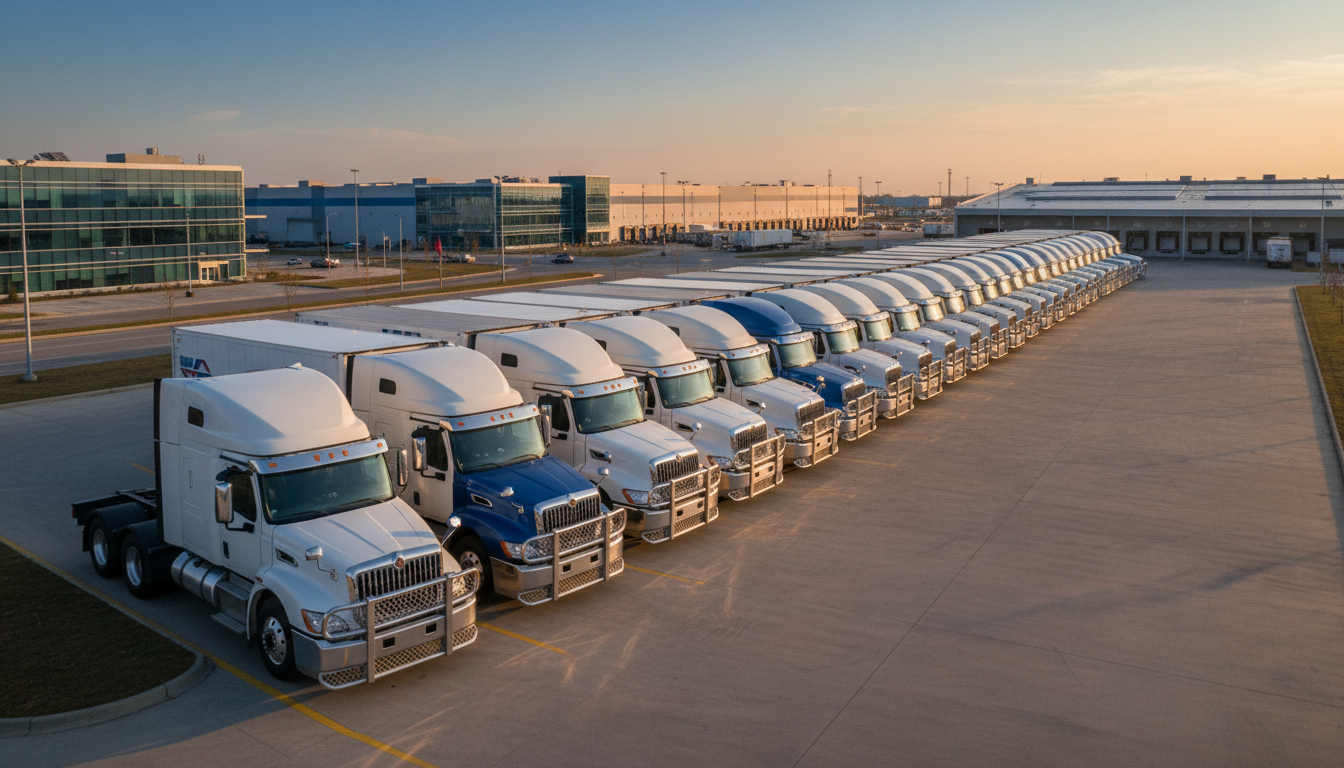
Compliance with established safety standards is the only way to guarantee that a guard will perform reliably in emergency situations. Your semi truck grille guard selection guide must include references to international benchmarks such as North America’s DOT FMVSS 223. These standards define the requirements for front underrun protection and structural integrity during high-velocity collisions.
Keep in mind that using uncertified equipment can lead to regulatory fines and increased liability in the event of an accident. This guide helps you verify that your manufacturing partner follows ISO 9001 quality protocols and conducts regular impact simulations. Standardizing certified equipment across your logistics hub ensures a consistent level of safety for every driver in your fleet.
Understanding North American DOT Standards
The Department of Transportation sets specific guidelines for front-end equipment to ensure it does not interfere with the vehicle’s primary safety systems. This guide explains how to identify guards that meet these strict requirements for height, width, and mounting security.
But that’s not all:
- Guards must not obstruct the driver’s view of the road or signage.
- Reflective markings are often required for nighttime visibility.
- Proper clearance must be maintained for license plates and headlights.
International Quality Control Protocols
For global fleets, understanding ISO and AWS (American Welding Society) standards is essential for ensuring long-term product durability. This guide emphasizes that every weld bead should be inspected for porosity and penetration to prevent structural failure under extreme vibration.
Think about it:
- Certified welders ensure that joints won’t crack in sub-zero temperatures.
- Material certifications verify the actual strength of the steel or aluminum.
- Third-party testing provides unbiased proof of impact performance.
Key Takeaway: Adhering to national and international safety standards protects your fleet from regulatory issues and ensures the guard functions as a reliable safety device.
| Standard Body | Focus Area | Requirement for Guards |
|---|---|---|
| DOT / FMVSS | Public safety & visibility | Non-obstructing designs |
| ISO 9001 | Manufacturing consistency | Rigorous quality tracking |
| AWS | Structural integrity | Certified weld penetration |
Verified safety standards transform a simple metal bar into an OEM-grade safety component that meets the highest professional expectations.
How to customize a semi truck grille guard selection guide for fleets?
Customization allows you to tailor protection to your specific operational needs while maintaining a consistent brand identity across your entire vehicle lineup. A semi truck grille guard selection guide should offer options for integrated lighting, sensor cut-outs, and custom branding. You might be wondering how to balance these additions without compromising the guard’s primary protective function.
Modern manufacturers use 3D CAD modeling to integrate your fleet’s specific requirements into the guard’s design phase. This guide ensures that all custom features, such as laser-cut logos or specialized fog light mounts, are structurally sound and do not interfere with the truck’s radar-based safety systems. Whether you operate ten trucks or a thousand, customization ensures your fleet stands out on the road.
Integrating Advanced Safety Sensors
Newer trucks come equipped with sophisticated radar and camera systems for adaptive cruise control and collision avoidance. This guide provides the framework for selecting guards that include precision cut-outs to keep these high-tech sensors fully functional post-installation.
Look at the facts:
- Sensors require an unobstructed field of view to operate correctly.
- Misaligned guards can cause false “emergency braking” events.
- Custom mounting plates protect these expensive sensors from debris.
Branding and Aesthetic Finish Options
Your trucks are mobile billboards for your company, so the finish of your grille guard should reflect your professional standards. This guide covers the pros and cons of various surface treatments, from high-polish “mirror” finishes to rugged black powder coating.
But that’s not all:
- Laser-cut company logos can be integrated directly into the center plate.
- Custom colors can be matched to your fleet’s specific paint scheme.
- Anti-corrosion treatments ensure the guard looks new for years.
Key Takeaway: Strategic customization allows fleets to maintain advanced safety technology while reinforcing their brand presence through unique design elements.
| Custom Option | Functional Benefit | Branding Impact |
|---|---|---|
| Sensor Cut-outs | Maintains cruise control | High-tech professional look |
| Integrated LED Bars | Improves nighttime visibility | Modern, high-end appearance |
| Laser-Cut Logos | Protects the center grille | Permanent brand recognition |
Tailoring your grille guards ensures that your protection strategy is as unique as your business operations.
Why is maintenance part of a semi truck grille guard selection guide?
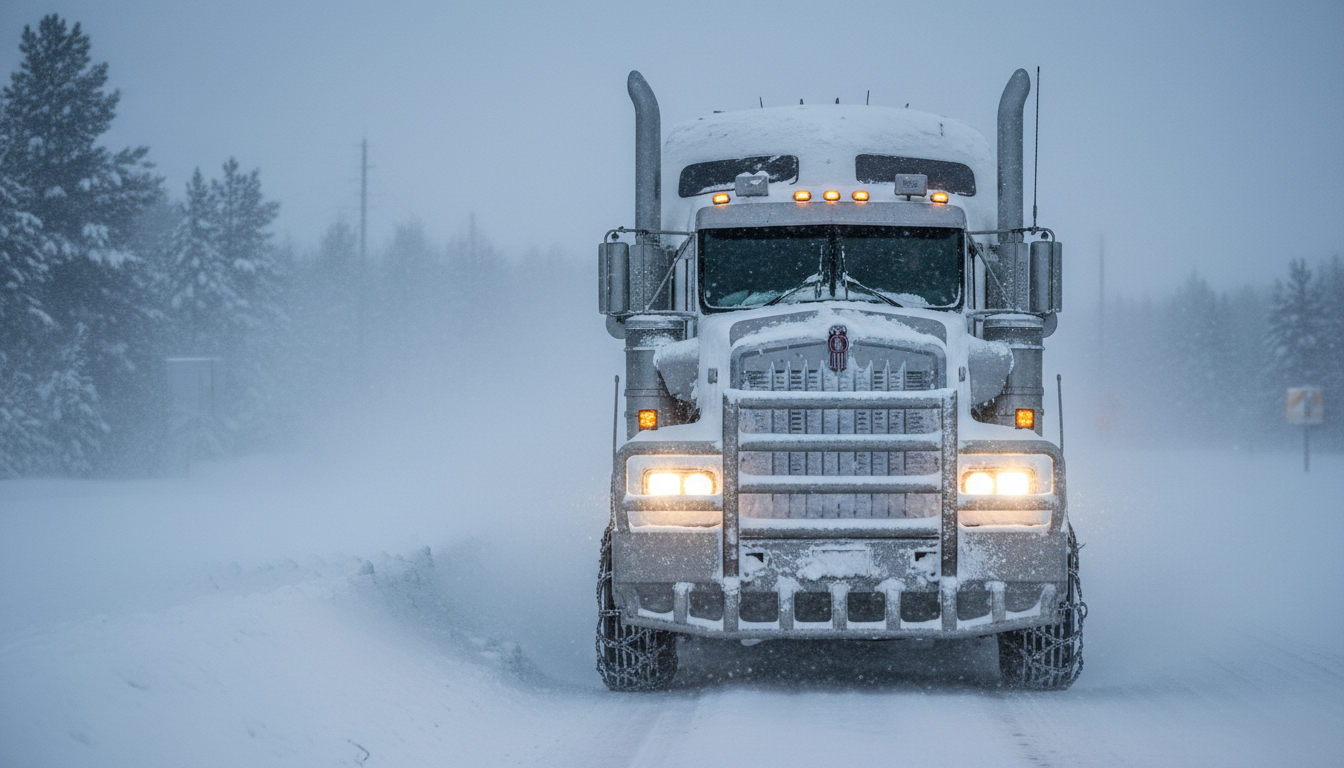
Maintenance is a critical component because even the strongest guard can fail if its mounting hardware is loosened by constant road vibration or corroded by winter salts. Your semi truck grille guard selection guide must establish a routine inspection schedule to ensure every bolt remains torqued to manufacturer specifications. Look at the facts: the harsh chemicals used to clear ice from highways can eat through unprotected metal and weaken structural joints over time.
This guide recommends a “preventative maintenance” approach, where guards are inspected during every oil change or safety check. By identifying small issues like surface scratches or loose pins early, you prevent them from becoming major safety hazards during a collision. A well-maintained guard is a reliable guard, ready to perform when the unexpected happens.
Inspecting for Vibration and Stress Fatigue
Thousands of miles on uneven highways create constant micro-vibrations that can fatigue even high-grade steel over several years. This guide explains how to look for hairline cracks in welds or stress marks around mounting brackets before they lead to a full structural failure.
Think about it:
- Tightening mounting bolts every 10,000 miles is a cheap insurance policy.
- Inspecting the hinge mechanism ensures smooth operation during inspections.
- Replacing worn locking pins prevents annoying and damaging rattles.
Corrosion Prevention in Harsh Environments
Winter road maintenance relies on aggressive salts and liquid de-icers that are highly corrosive to many metals. This guide provides instructions on how to properly clean and treat your guards to ensure they remain structurally sound and aesthetically pleasing through multiple winter seasons.
But that’s not all:
- Stainless steel guards require periodic polishing to maintain their finish.
- Powder-coated surfaces should be touched up immediately if chipped by rocks.
- Aluminum guards benefit from specialized cleaners that remove road film.
Key Takeaway: A formal maintenance protocol extends the life of your investment and ensures the guard’s structural integrity is never compromised by environmental factors.
| Maintenance Task | Frequency | Objective |
|---|---|---|
| Bolt Torque Check | Every 10,000 miles | Prevent mounting failure |
| Weld Inspection | Bi-annually | Detect fatigue cracks early |
| Salt Neutralization | Weekly (in winter) | Prevent deep metal corrosion |
Regular care ensures that your front-end protection remains as effective on year five as it was on day one.
Where do you find a reliable semi truck grille guard selection guide partner?
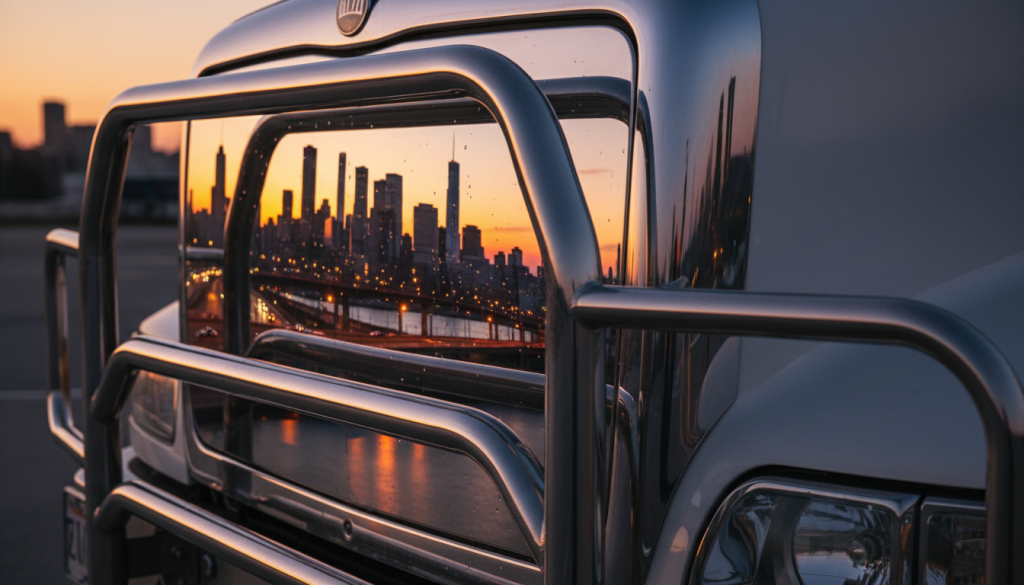
Finding a reliable partner involves evaluating their manufacturing capabilities, their commitment to quality standards, and their ability to handle large-scale OEM orders. A professional semi truck grille guard selection guide should point you toward manufacturers that possess ISO certifications and have a proven track record in the North American market. The best part? A true partner offers more than just a product; they provide technical consultation and fitment guarantees that eliminate your procurement risk.
You should look for a manufacturer with a vertically integrated facility that handles everything from laser cutting to final surface finishing in-house. This guide helps you vet potential suppliers by checking their quality control protocols and their ability to provide technical CAD drawings for your fleet’s specific models. A reliable partner ensures that every unit delivered meets your exact specifications.
Evaluating Manufacturing Precision and Scale
A manufacturer must be able to scale production to meet your fleet’s rollout schedule without compromising on the precision of individual units. This guide recommends visiting or virtually touring the facility to verify they use CNC machining and robotic welding for consistent quality.
Here is the deal:
- Large-scale facilities offer 20-30% faster lead times for bulk orders.
- In-house testing labs allow for rapid prototyping of custom designs.
- Dedicated account managers provide clear communication through the production cycle.
Global Logistics and Door-to-Door Delivery
For fleets operating across North America, reliable shipping and customs handling are just as important as the product itself. This guide emphasizes partnering with suppliers who have extensive experience in global logistics and can guarantee that products arrive undamaged and on time.
But that’s not all:
- Robust export packaging prevents scratches during ocean or rail freight.
- Transparent tracking allows you to plan your fleet’s installation schedule.
- Local support teams can assist with any installation questions that arise.
Key Takeaway: Choosing the right partner means selecting a manufacturer with the engineering depth, production capacity, and logistical expertise to support your fleet’s long-term growth.
| Partner Attribute | Why It Matters | Procurement Benefit |
|---|---|---|
| ISO Certification | Guaranteed quality systems | Reduced defect rates |
| In-House R&D | Custom fitment solutions | Perfect vehicle integration |
| Global Shipping | Managed door-to-door logistics | Simplified supply chain |
The right partnership transforms your procurement process into a seamless, high-value extension of your fleet management team.
Is a semi truck grille guard selection guide worth the investment today?
The investment is unequivocally worth it today because the costs of vehicle parts, skilled labor, and logistical downtime are at an all-time high. Following a semi truck grille guard selection guide allows you to stay ahead of these rising costs by preventing the damage before it happens. It gets even better when you consider that a single wildlife strike can now cost a fleet over $20,000 when factoring in towing, parts, and the loss of revenue-generating days.
In a competitive market where every penny of margin counts, protecting your assets is no longer optional—it is a strategic necessity. This guide has shown that modern guards are aerodynamically efficient, aesthetically pleasing, and structurally superior to anything previously available. Investing in high-quality front-end protection is the most effective way to ensure your fleet remains resilient in the face of unpredictable road hazards.
Future-Proofing Your Fleet Against Rising Costs
As truck technology becomes more complex, the cost to repair even a minor front-end impact continues to skyrocket. This guide provides the long-term vision needed to protect expensive sensors, LED lighting arrays, and high-efficiency cooling systems from unnecessary destruction.
Think about it:
- Avoiding one major accident can pay for guards on an entire small fleet.
- Insurance premiums are increasingly influenced by your fleet’s safety record.
- Reliable protection reduces the stress on your maintenance teams.
Maintaining Competitive Edge Through Reliability
Clients reward reliability, and a fleet that avoids “emergency downtime” is one that keeps its promises. By using this guide to select the best protection, you ensure that your trucks stay on the road, your drivers stay safe, and your company maintains its reputation for on-time delivery.
But that’s not all:
- Consistent uptime leads to higher driver retention and satisfaction.
- Protected vehicles have higher resale value at the end of their service life.
- Standardized safety equipment simplifies your fleet’s training and repair needs.
Key Takeaway: The ultimate value of a grille guard lies in its ability to turn a potentially catastrophic collision into a minor, non-interruptive event, securing your fleet’s financial future.
| Investment Factor | 5-Year Cost Impact | Strategy Result |
|---|---|---|
| Repair Prevention | High Savings ($50k+) | Budget stability |
| Asset Preservation | Maintained Resale Value | Better capital recovery |
| Downtime Mitigation | Increased Total Revenue | Enhanced client trust |
A small investment in front-end protection today prevents massive financial losses tomorrow, making it one of the smartest decisions a fleet manager can make.
*
Frequently Asked Questions
Can I install these grille guards with my own maintenance team?
Yes. Most high-quality guards feature a “bolt-on” design that utilizes existing factory mounting holes, allowing your fleet mechanics to complete the installation with standard tools in about one to two hours.
What’s the best material for trucks operating in the deep North?
High-strength steel is the recommended material for extreme northern routes where impacts with large animals like moose or elk are common, as it provides the highest level of kinetic energy absorption.
How do I know if the guard will fit my specific truck model?
Professional manufacturers maintain extensive databases for all major North American platforms including Freightliner, Peterbilt, Kenworth, and Volvo, and will provide CAD drawings to verify fitment before you order.
Does a grille guard negatively impact my truck’s fuel mileage?
Modern guards are engineered with aerodynamic tubular designs that minimize drag. Most fleets report that any minor change in fuel efficiency is negligible compared to the thousands of dollars saved in collision repairs.
How do I maintain the polish on my stainless steel guard?
Concise answers: Regular washing with non-abrasive soap followed by a periodic application of a high-quality metal polish will keep the stainless steel looking like new and prevent the buildup of road film.
*
Secure Your Fleet’s Operational Future
Protecting your assets requires more than just a metal bar; it requires a precision-engineered solution tailored to the grueling realities of the modern road. At Brontec, we combine twenty years of manufacturing expertise with a relentless commitment to North American safety standards. From our custom prototyping capabilities to our high-volume fleet programs, we provide the rugged barriers your trucks need to stay operational, profitable, and safe.
Don’t wait for the next collision to prove the value of protection. To safeguard your investments and reduce your downtime, contact us today for a technical consultation and a custom quote designed for your fleet’s specific needs.