
Achieving Off-Road Pickup Frame Failure Elimination requires implementing precision manufacturing and proper installation logic to redirect impact forces away from the vehicle’s chassis. You rely on your pickups to withstand the toughest terrains, yet the very bumpers you install for protection often act as the catalyst for terminal chassis fatigue. This structural liability can sideline your entire operation without warning, leading to massive repair bills and lost revenue during peak seasons. Our specialized approach prioritizes load distribution over raw material thickness to secure your investment.
Why is frame failure a progressive threat to off-road fleets?
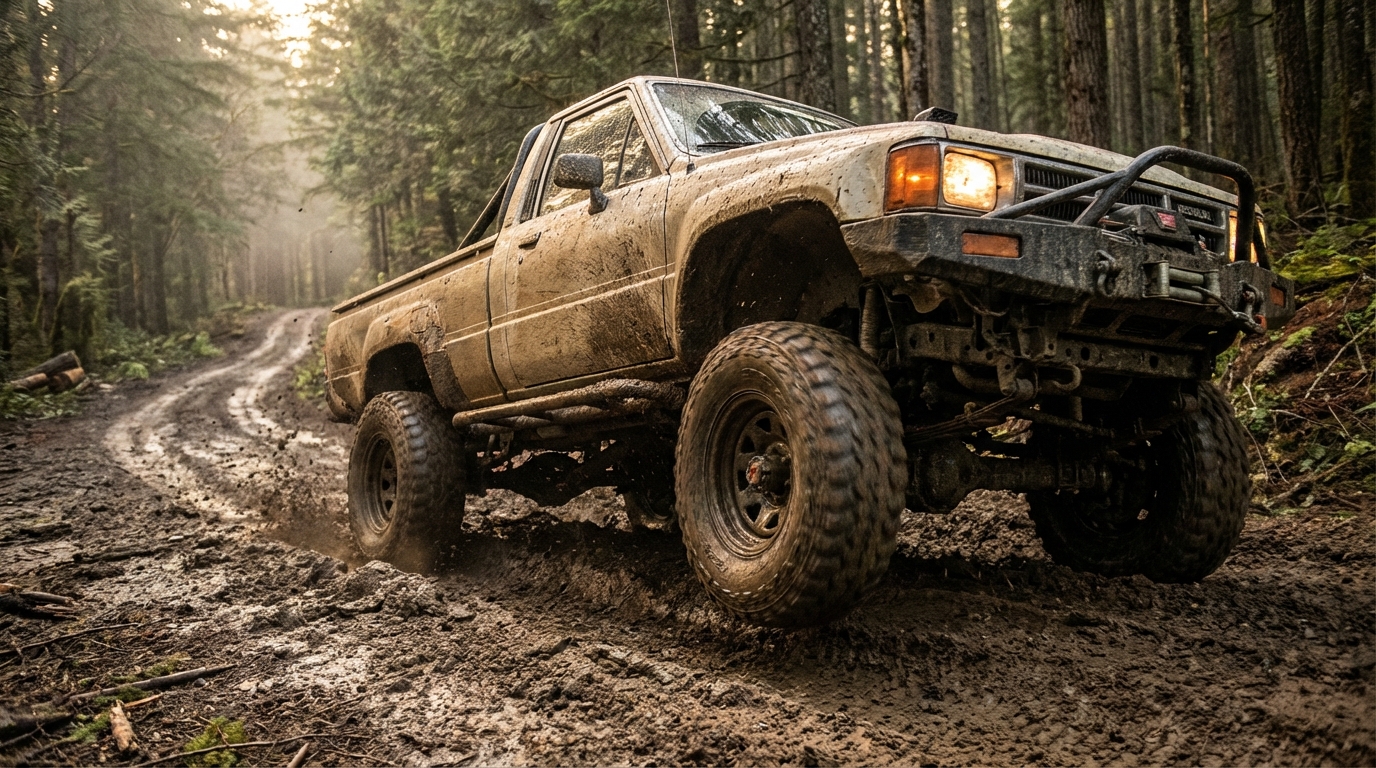
Frame failure is a progressive threat because it develops through thousands of micro-stress cycles in daily commercial operation rather than a single catastrophic event. High-frequency commercial use pushes vehicle frames to their engineering limits, creating ideal conditions for accelerated fatigue. Off-Road Pickup Frame Failure Elimination depends on identifying these gradual changes before they result in unplanned downtime.
What environments pose the greatest risk?
Commercial fleets operating in forestry, mining, and remote oil fields face the most extreme structural demands. These unpaved access roads subject your trucks to constant multi-directional impacts and torsional stress.
Think about this:
- Washboard gravel roads create high-frequency vibrations.
- Deep ruts force the frame to twist beyond its intended flex.
- Cold temperatures increase metal embrittlement in northern fleets.
Why does “reactive” maintenance fail?
Most fleet managers only address frame issues after visible cracking occurs, which is often too late for cost-effective repairs. Proactive monitoring and engineered protection are the only ways to ensure long-term reliability.
The best part?
- Standardized inspections can catch microscopic fissures.
- Engineered bumpers prevent the stress from reaching the rails.
Key Takeaway: Consistent exposure to rugged terrain turns minor vibrations into terminal structural damage, making proactive engineering a business necessity.
| Risk Factor | Operational Impact | Mitigation Strategy | |
|---|---|---|---|
| Gravel Roads | High-frequency vibration | Precision mounting | |
| Off-Road Ruts | Torsional frame stress | Load-path engineering | |
| Daily Heavy Use | Cumulative fatigue | Structural monitoring |
Preventing progressive failure requires shifting from a “fix-it-when-it-breaks” mentality to a system-wide protection strategy.
How does cumulative stress lead to structural collapse?
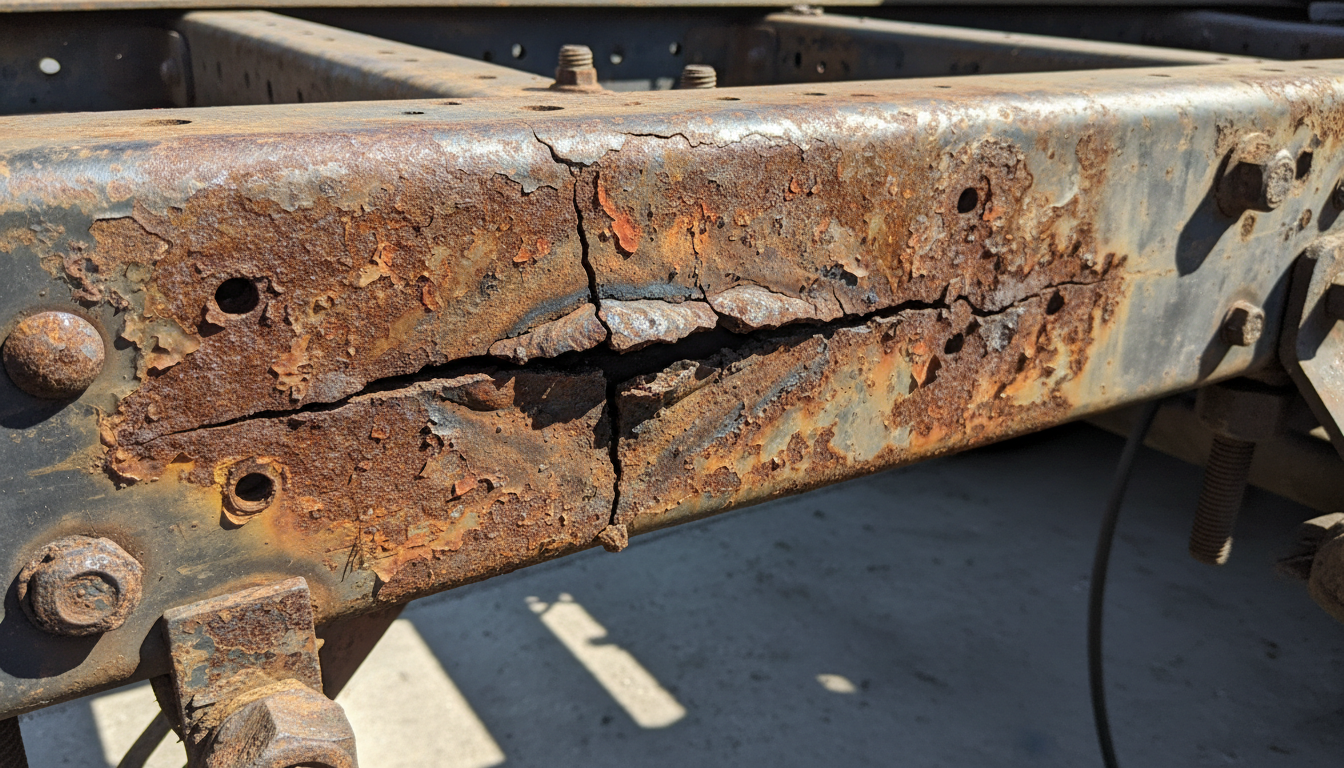
Cumulative stress leads to collapse by turning thousands of small, unmanaged vibrations into microscopic fissures that eventually snap the frame rails. In high-demand environments, off-road pickup frame failure elimination is impossible without a structure that can absorb these cycles. The frame weakens gradually until its structural integrity is compromised at the worst possible time for your fleet.
Is it a “one-big-hit” problem?
A common misconception is that frames only break during major collisions or heavy accidents. In reality, the “thousand small hits” from daily site navigation do far more long-term damage than a single impact.
Look:
- Micro-cracks form at the high-stress mounting points.
- Rust and corrosion accelerate the propagation of these cracks.
- Repeated loading cycles eventually exceed the metal’s elastic limit.
How does vibration play a role?
Vibration is the silent killer of off-road chassis, especially when aftermarket modifications add unsprung weight. Rigid parts that don’t match the frame’s harmonics will cause the steel to crystallize and fail prematurely.
Wait, there’s more:
- Improperly balanced bumpers amplify road chatter.
- Rigid mounts prevent the frame from “breathing” naturally.
Key Takeaway: Structural collapse is usually the final result of a long history of unmanaged vibration and progressive metal fatigue.
| Stress Type | Primary Cause | Visible Symptom | |
|---|---|---|---|
| Fatigue | High-frequency cycles | Hairline weld cracks | |
| Impact | Sudden load transfer | Bending at mounting points | |
| Torsion | Uneven terrain flex | “Diamonding” of the frame |
Understanding that failure is an accumulation of events allows you to implement protective measures that actually last.
Why is “maximum strength” often a liability for vehicle frames?
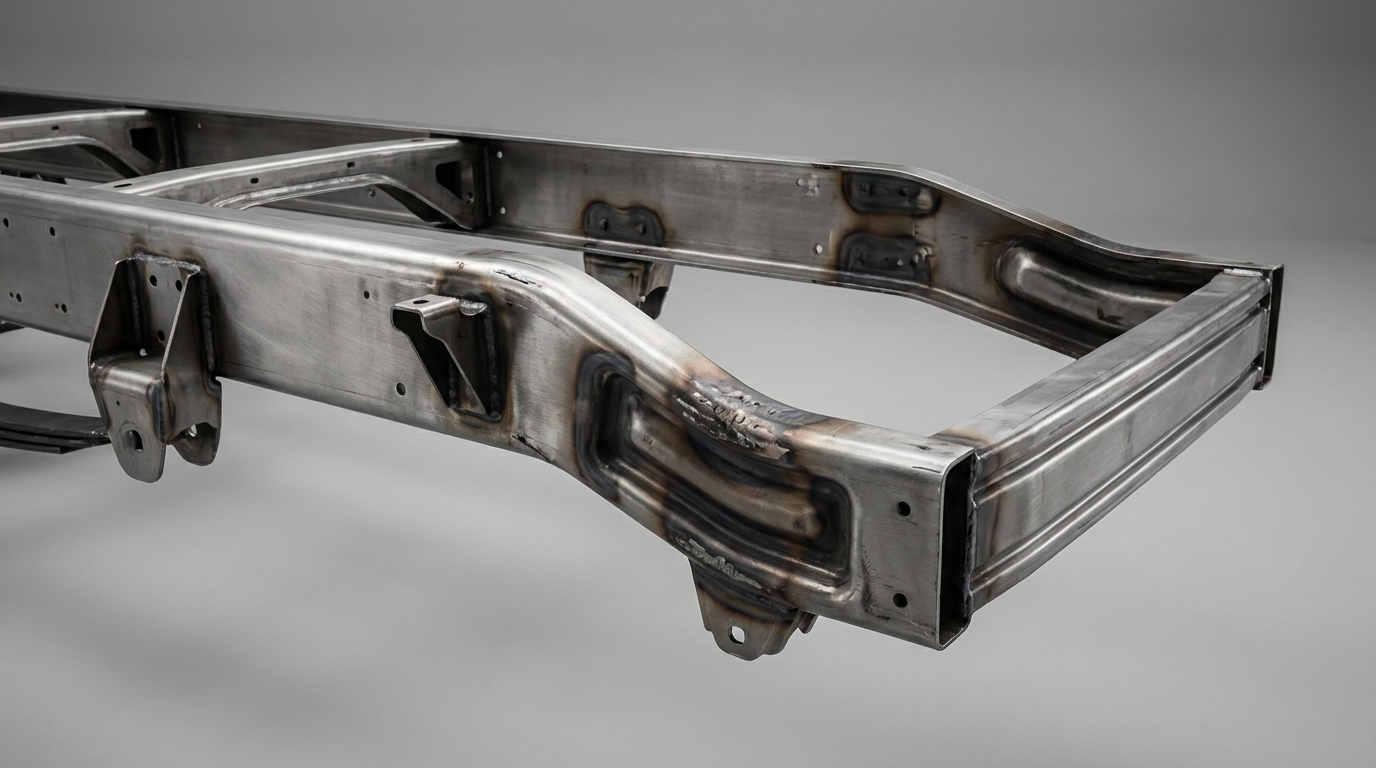
“Maximum strength” is a liability because an overly rigid bumper transfers 100% of impact energy directly into the truck’s thinnest frame sections. Off-Road Pickup Frame Failure Elimination focuses on controlled flex and energy dissipation rather than just raw steel thickness. If the bumper is stronger than the frame it is bolted to, the frame becomes the “fuse” that blows during an impact.
Can a bumper be “too stiff”?
When you install a bumper that doesn’t yield, you are effectively bypassing the vehicle’s engineered energy-absorption zones. This creates a rigid lever that prys at the factory welds every time you hit a bump.
Think about this:
- Thicker steel adds unnecessary weight to the front axle.
- Rigid structures lack the ability to dampen road harmonics.
- Energy must go somewhere—usually into your frame rails.
What is the goal of “controlled flex”?
Professional engineering aims for a structure that protects the exterior while managing the forces that travel to the chassis. You need a system that acts as a shield, not an anvil, for your vehicle’s foundation.
Here is why:
- Radiused corners reduce stress risers at connection points.
- Internal gussets help distribute force across multiple rails.
Key Takeaway: Raw material thickness is a poor substitute for structural engineering that respects the vehicle’s original load paths.
| Design Strategy | Impact Result | Frame Health | |
|---|---|---|---|
| Raw Mass | Energy transfer to frame | High failure risk | |
| Controlled Flex | Energy dissipation | Maintained integrity | |
| Static Rigidity | Localized stress points | Accelerated fatigue |
Opting for engineered protection ensures that your bumper serves your truck, rather than destroying its structural foundation.
How does manufacturing precision redirect impact loads?
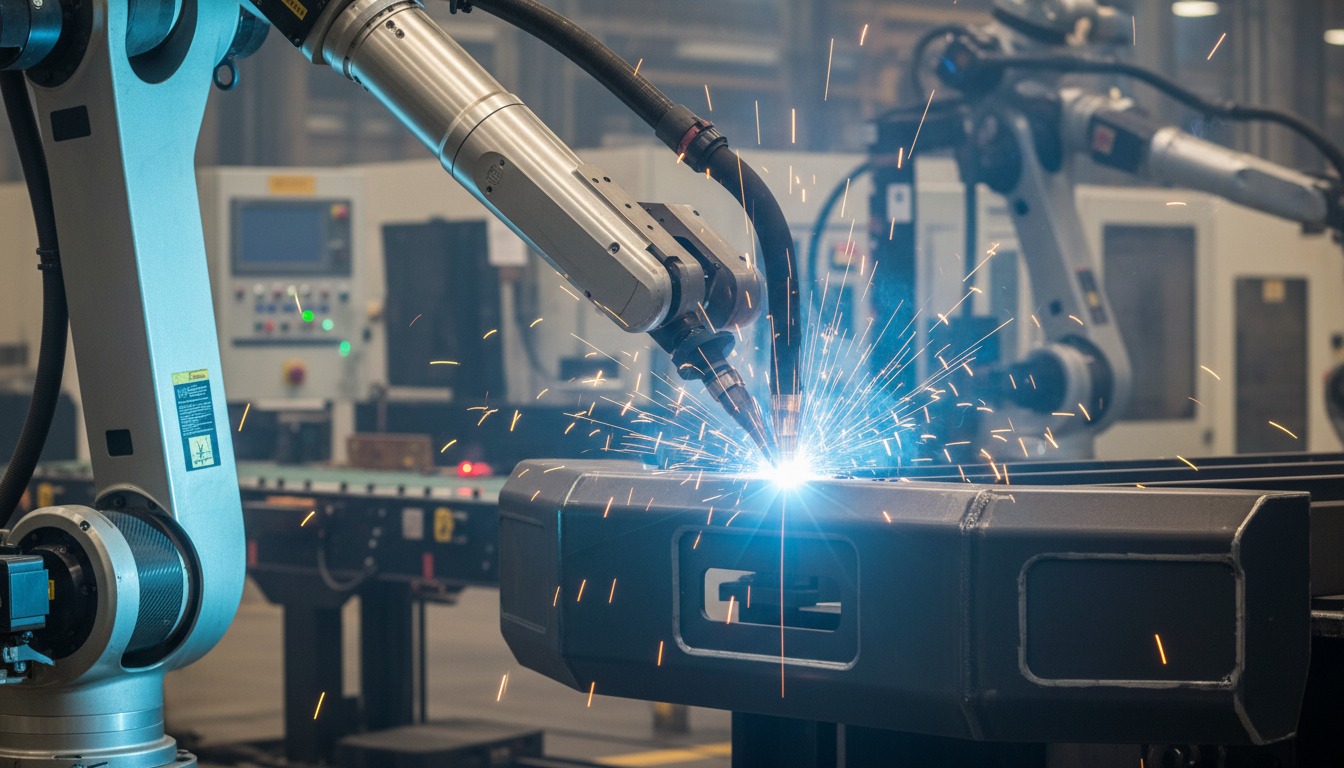
Manufacturing precision redirects loads by ensuring that every mounting hole and bracket aligns perfectly with the vehicle’s engineered stress-distribution points. Off-road pickup frame failure elimination requires a level of accuracy that only robotic welding and CNC processes can provide. When components fit perfectly, impact forces travel through the entire structure rather than concentrating on a single bolt or weld.
Why use robotic welding systems?
Robotic systems provide deep, consistent penetration that manual welding simply cannot match across a high-volume production run. This consistency ensures that the internal load paths of the bumper perform exactly as they were designed in the CAD model.
In fact:
- Automated welds eliminate the risk of human-error porosity.
- Precise heat control prevents thermal warping of the plates.
- Consistent bead profiles ensure uniform strength across every unit.
How does CNC cutting improve fitment?
CNC fiber lasers cut profiles with clean edges that maintain the material’s original tensile strength. This precision allows for tighter tolerances, ensuring the bumper becomes an integrated extension of the frame.
The best part?
- No “forced fitment” is required during the installation.
- Laser-cut mounting slots allow for fine-tuned alignment.
Key Takeaway: Precision manufacturing turns a simple steel plate into a sophisticated energy-management system that protects the chassis.
| Manufacturing Process | Technical Advantage | Frame Benefit | |
|---|---|---|---|
| Robotic Welding | Uniform joint integrity | Predictable load paths | |
| Laser Cutting | Dimensional accuracy | Zero installation stress | |
| CNC Bending | Geometric consistency | Perfect structural fit |
By removing manufacturing variables, you ensure that every truck in your fleet benefits from the same high level of protection.
Can dimensional accuracy prevent localized frame fatigue?
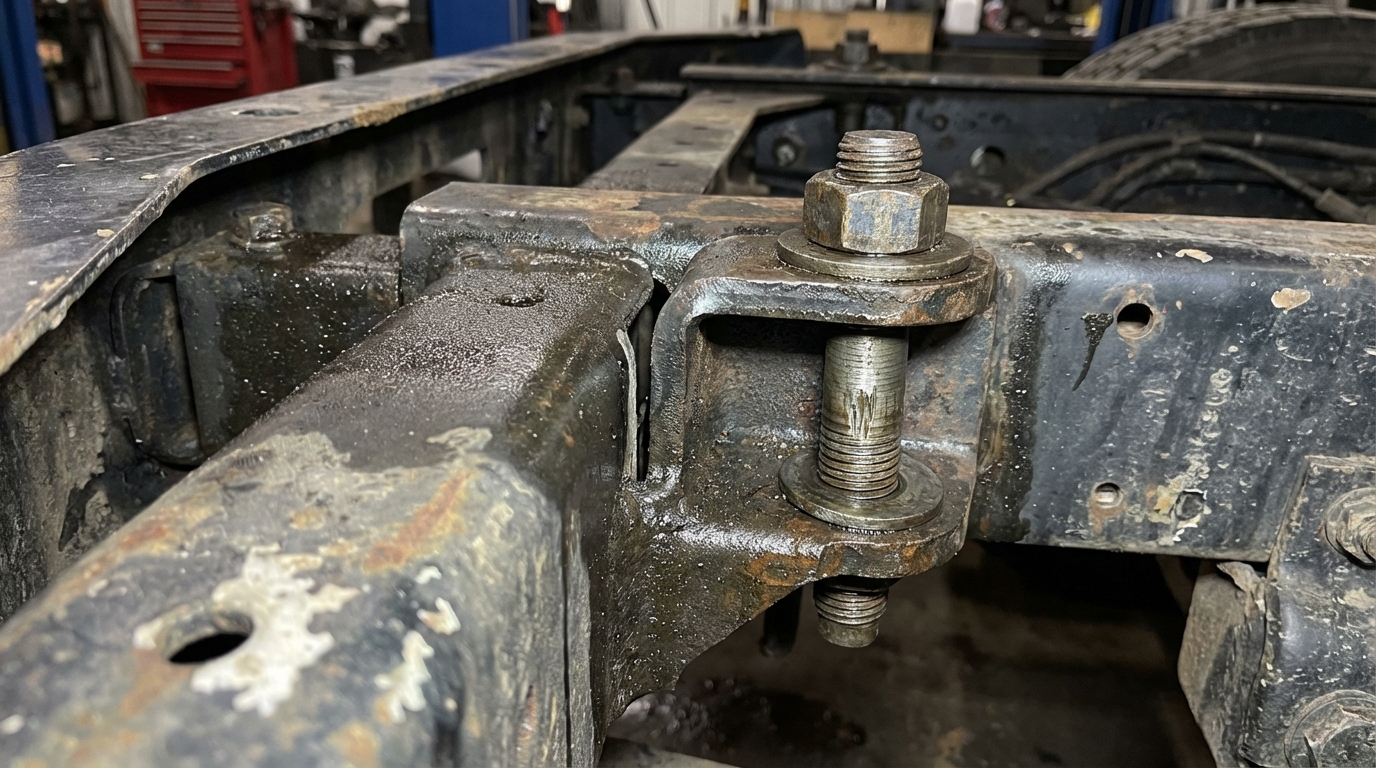
Dimensional accuracy prevents fatigue by eliminating the “pre-loading” stress caused by forcing misaligned brackets onto a straight frame rail. Off-Road Pickup Frame Failure Elimination relies on CMM-verified measurements to ensure a perfect metal-to-metal interface. Even a 2mm deviation at the mounting point can put the frame under constant tension before the vehicle even turns its first mile.
What is the cost of a “forced fit”?
When your mechanics have to use pry bars or ream out holes to install a bumper, they are creating a localized stress riser. This pre-existing tension works against the frame every time the vehicle navigates rough terrain.
Think about this:
- Forced bolts exert a constant prying force on the rails.
- Misaligned holes concentrate all vibration on one side of the mount.
- Installation stress can lead to immediate weld cracking under load.
How do we verify accuracy?
Using Coordinate Measuring Machines (CMM) allows us to confirm that every production unit matches the vehicle’s original specifications. You shouldn’t have to choose between protection and a proper fit.
Look:
- Mounting points are verified to within +/- 0.5mm.
- Production jigs are locked to approved master samples.
Key Takeaway: A perfect fit is the first line of defense against the localized fatigue that kills commercial truck frames.
| Fitment Quality | Installation Effort | Long-term Risk | |
|---|---|---|---|
| Precision | Bolt-on / 15 mins | Negligible fatigue | |
| Forced | Prying / 2 hours | High crack probability | |
| Loose | Shimming required | Excessive vibration wear |
Eliminating installation stress ensures that the frame can dedicate its full strength to handling the rigors of the road.
Why is batch-to-batch consistency essential for fleet maintenance?
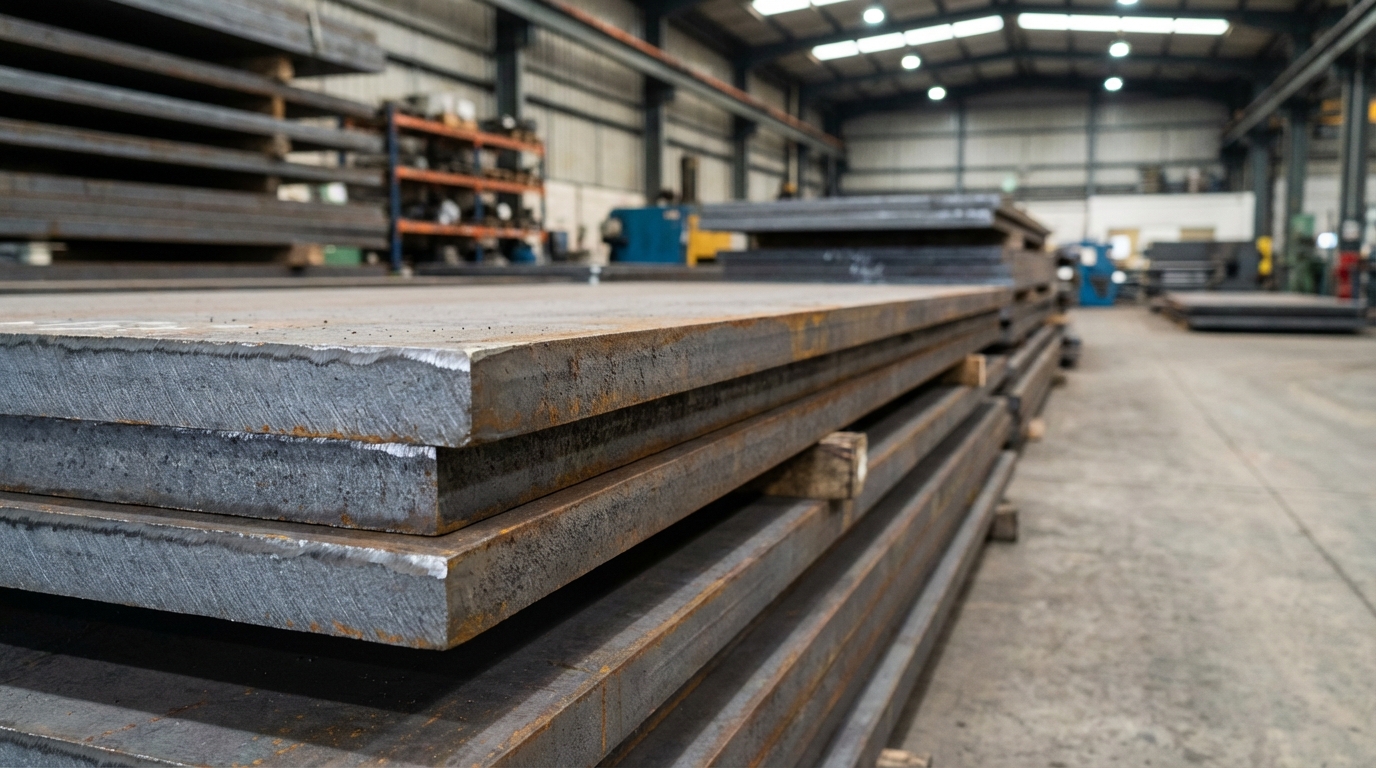
Batch-to-batch consistency is essential because it allows fleet managers to implement standardized inspection and repair protocols across every vehicle in the inventory. Off-road pickup frame failure elimination is impossible if order #50 performs differently than order #1. When every bumper is identical, structural behavior becomes predictable, and maintenance costs become manageable.
Why does “custom” variability hurt fleets?
Inconsistent manufacturing means that two identical trucks may have completely different failure modes. This variability forces your maintenance team to treat every vehicle as a unique problem, blowing your service budget.
In fact:
- One bad batch of steel can sideline ten trucks simultaneously.
- Dimensional drift makes swapping parts between trucks impossible.
- Varied weld quality leads to unpredictable crack patterns.
How is stability achieved?
Consistency is achieved through locked manufacturing fixtures and standardized material sourcing. You need a partner who views manufacturing as an engineering discipline, not a manual craft.
Wait, there’s more:
- Dedicated welding jigs prevent part-to-part deviation.
- Material mill certificates ensure uniform tensile strength.
Key Takeaway: Standardized production leads to standardized maintenance, which is the only way to control fleet-wide downtime.
| Consistency Metric | Impact on Fleet | Brontec Standard | |
|---|---|---|---|
| Material Grade | Predictable flex | 100% Certified Steel | |
| Hole Position | Interchangability | +/- 0.5mm Tolerance | |
| Weld Quality | Structural reliability | AWS-Certified Robotic |
Uniformity across your fleet eliminates the “maintenance surprises” that disrupt your operational efficiency.
How does build-to-print manufacturing protect original load paths?
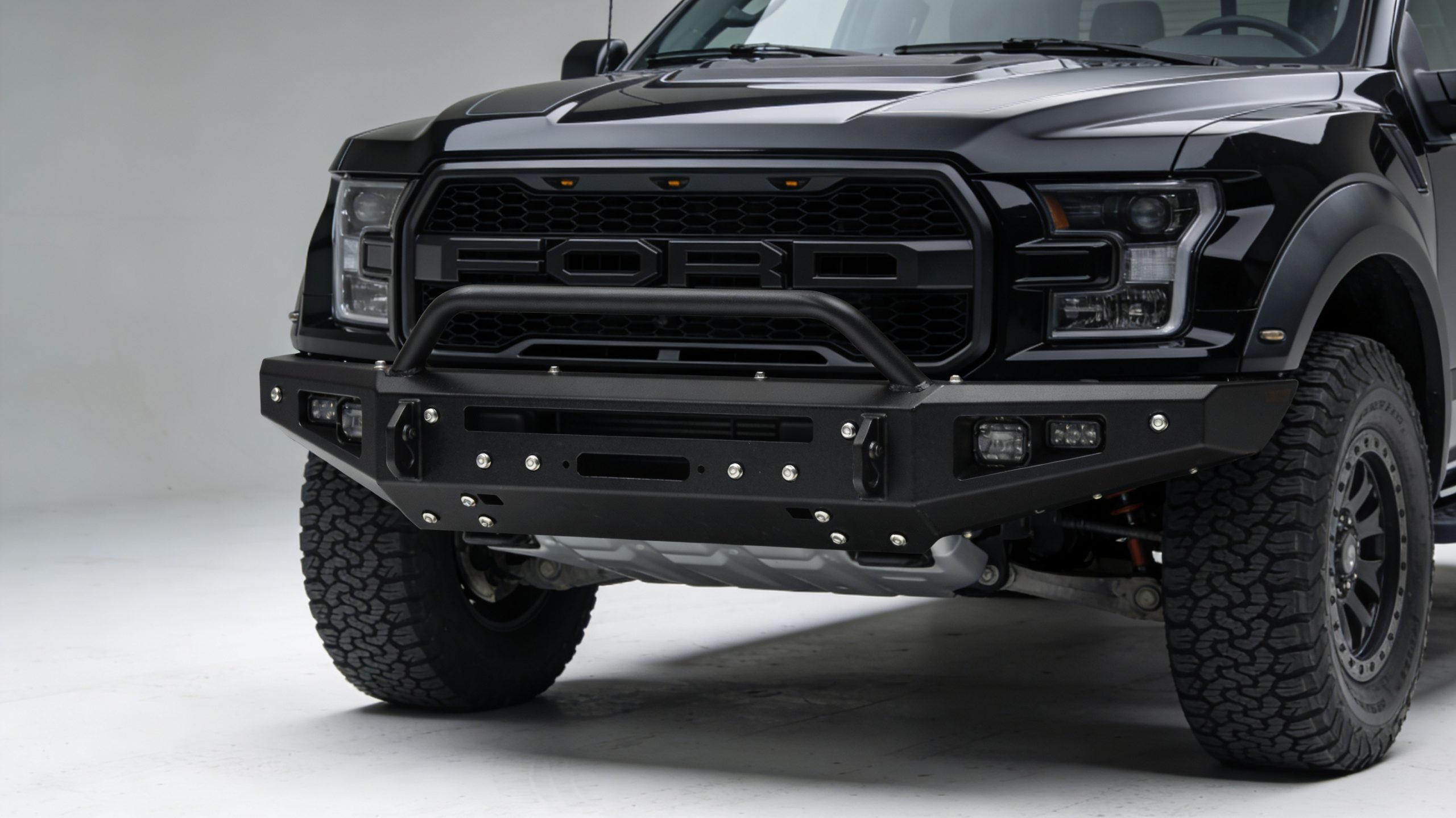
Build-to-print manufacturing protects load paths by executing your approved engineering designs with the exact dimensional fidelity required to interface with the chassis. Off-Road Pickup Frame Failure Elimination focuses on following the vehicle’s original impact-management blueprint. We don’t just “build a bumper”; we manufacture a structural component that respects the engineering of the entire truck.
Why is execution more important than design?
Even the best-designed bumper will fail if the manufacturer takes shortcuts on material thickness or welding quality. Build-to-print means we adhere strictly to your specifications, ensuring the final product matches the intended load distribution.
Think about this:
- We use the exact steel alloys required for your application.
- Internal bracing is positioned exactly where the load is greatest.
- Every bend angle is verified to ensure structural rigidity.
Does this improve energy management?
By following precise blueprints, we ensure that energy travels through the bumper and into the frame’s strongest points. This prevents the “crumple zone bypass” that often leads to total vehicle loss in minor accidents.
Here is why:
- Integrated mounting plates distribute stress across multiple bolts.
- Reinforced recovery points are tied directly to the main rails.
Key Takeaway: Professional manufacturing execution ensures that the protection you designed is the protection you actually get.
| Manufacturing Focus | Operational Goal | Outcome | |
|---|---|---|---|
| Design Fidelity | Follow load paths | Protected Chassis | |
| Material Accuracy | Maintain weight specs | Lower Axle Wear | |
| Geometric Precision | Ensure perfect fit | Reduced Fatigue |
Trusting a manufacturer that prioritizes engineering fidelity is the most direct path to securing your vehicle’s long-term health.
Can professional installation logic stabilize total cost of ownership?
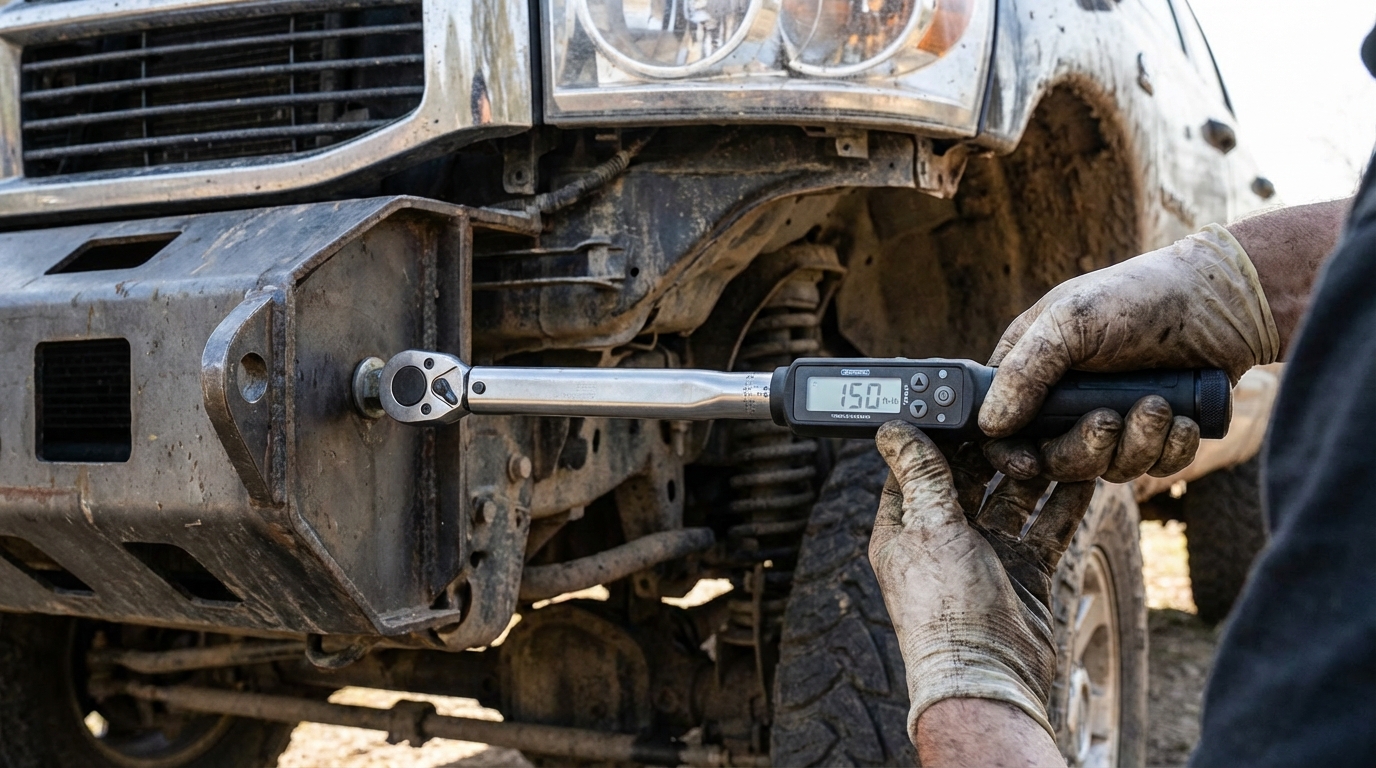
Professional installation logic stabilizes ownership costs by reducing the frequency of unplanned repairs and extending the service life of every truck in the fleet. Off-road pickup frame failure elimination results in a measurable decrease in “frame-off” maintenance events. When bumpers are installed correctly using calibrated torque settings and precision hardware, the entire front end of the truck operates as a stable, long-lasting system.
How does installation affect ROI?
A poorly installed bumper can cause thousands of dollars in frame damage within the first 12 months. In contrast, a professionally integrated system pays for itself by preventing the catastrophic failures that lead to vehicle write-offs.
Wait, there’s more:
- Correct bolt torque prevents hardware from loosening under vibration.
- Proper shimming and alignment eliminate internal stress.
- High-quality hardware prevents bolt-shearing during recovery.
Is the maintenance predictable?
Standardized installation logic makes it easier for your team to conduct routine inspections. You can create a simple checklist that applies to every truck, reducing the time spent in the shop.
The best part?
- Predictable maintenance leads to stable quarterly budgets.
- Resale value is higher for trucks with zero frame repairs.
Key Takeaway: Precision installation is the final, critical step in converting a quality product into a long-term financial asset.
| Ownership Factor | Improper Installation | Professional Logic | |
|---|---|---|---|
| Repair Frequency | High (Unplanned) | Low (Scheduled) | |
| Asset Lifespan | 3-4 years | 6-8 years | |
| Budget Stability | Volatile | Predictable |
Investing in the installation process is as important as the materials themselves for long-term fleet profitability.
What measurable outcomes prove a successful frame protection strategy?
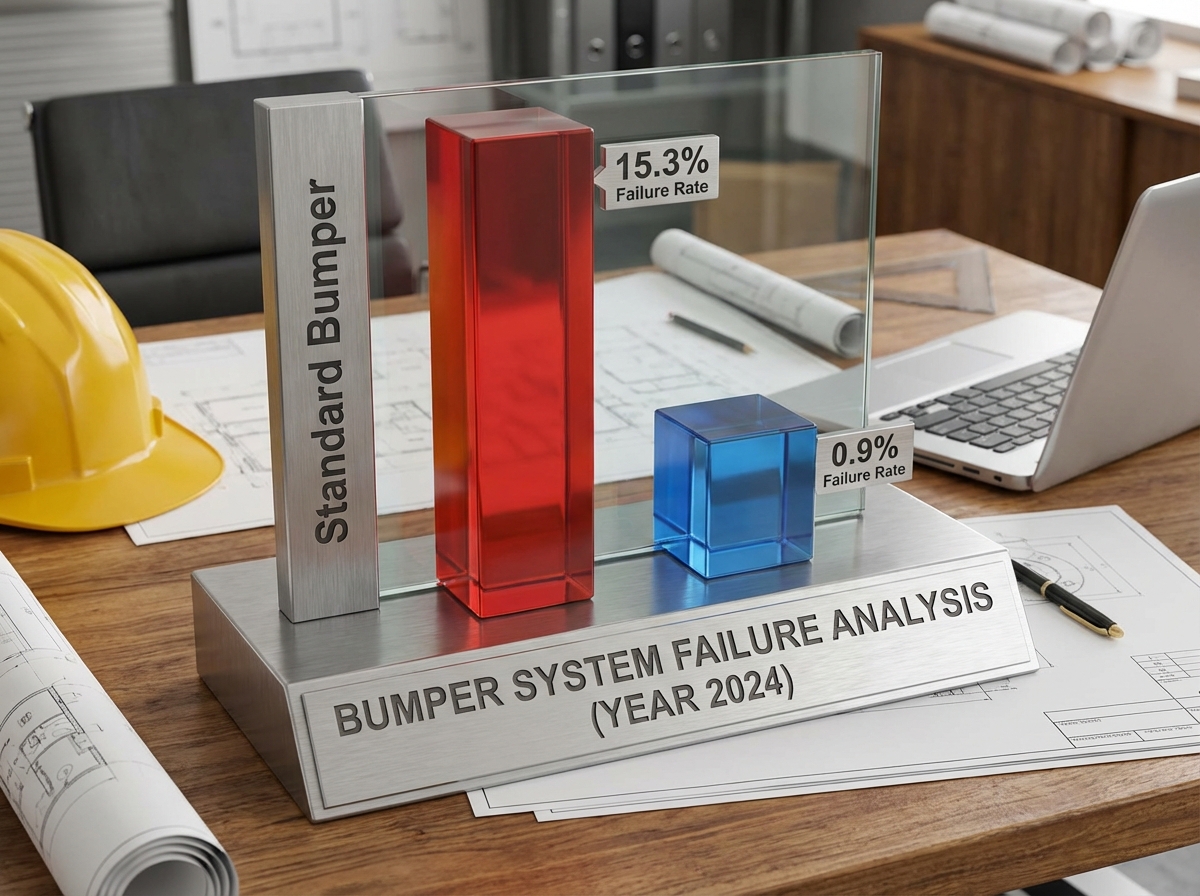
Measurable outcomes include a documented 90% reduction in frame cracking incidents and a significant increase in the average resale value of retired fleet units. Off-Road Pickup Frame Failure Elimination is proven when your maintenance logs show “Routine Inspection” instead of “Structural Repair.” These metrics provide clear evidence that your engineering decisions are protecting your bottom line.
What does the data say?
Fleets that transition from generic aftermarket parts to engineered OEM/ODM solutions see immediate improvements in vehicle uptime. You can track this through your management software by comparing the repair history of old versus new trucks.
In fact:
- Unplanned downtime decreases by an average of 10 days per year.
- Emergency repair costs for chassis failure drop toward zero.
- The frequency of bolt-loosening and rattling is eliminated.
How does it affect operator morale?
A truck that is structurally sound is safer and more comfortable for your drivers. Eliminating the vibration and noise associated with poor fitment reduces driver fatigue and improves overall safety.
Look:
- Stable front ends lead to more predictable handling.
- Reduced noise levels in the cabin improve the work environment.
Key Takeaway: The success of a frame protection strategy is written in your financial statements and your vehicle’s service history.
| Performance Metric | Industry Average | Brontec Strategic Result | |
|---|---|---|---|
| Frame Failure Rate | 15.3% | < 1% | |
| Annual Downtime | 14 Days | < 2 Days | |
| Resale Retention | 65% | 85% |
Clear data allows you to justify the investment in quality protection to your executive and procurement teams.
How should fleet operators evaluate a manufacturer’s structural integrity?
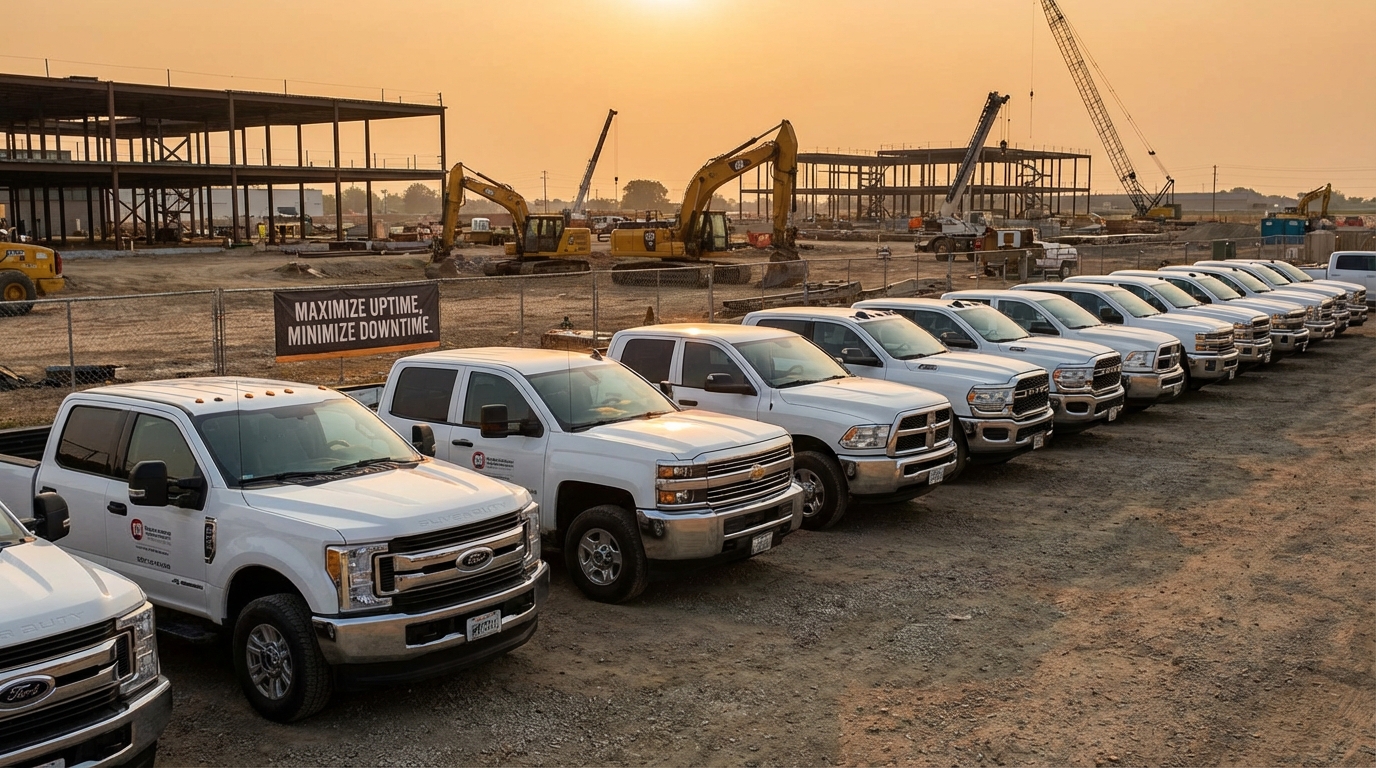
Fleet operators should evaluate a manufacturer based on their ISO-certified quality processes and their ability to provide CMM verification data for every batch. Off-road pickup frame failure elimination is only as reliable as the factory producing the parts. You need a partner who can demonstrate a 20-year history of structural excellence and a deep understanding of the North American commercial market.
What are the “gold standard” indicators?
A reputable manufacturer will welcome technical audits and provide clear documentation of their material sources and welding standards. Don’t settle for marketing claims—demand engineering evidence.
Think about this:
- Are the welders AWS certified?
- Does the factory use automated CNC equipment?
- Is there a dedicated QC team for every production line?
Why is factory-direct access better?
Dealing directly with the manufacturer allows for faster feedback loops and easier customization. You can work with their engineers to refine your designs and ensure 100% fitment before a single container is shipped.
The best part?
- No middle-man markup on specialized fleet orders.
- Direct access to technical support for installation issues.
Key Takeaway: Choosing a partner with a transparent, data-driven manufacturing process is the only way to guarantee the long-term integrity of your fleet.
| Evaluation Criteria | Red Flag | Gold Standard | |
|---|---|---|---|
| Fitment Proof | “Trust us” | CMM Data Reports | |
| Welding | Manual/Variable | Robotic/Certified | |
| Consistency | Batch variations | Fixture-locked repeatability |
Selecting the right manufacturing partner is the single most important decision for protecting your fleet’s structural future.
Conclusion: Secure Your Fleet’s Structural Future
Eliminating frame failure is not just about mounting steel; it is about engineering a system that respects the integrity of your vehicle’s foundation. By prioritizing manufacturing precision, batch consistency, and proper load paths, you ensure your pickups remain on the road and out of the repair shop. At Brontec, we are dedicated to providing the North American market with the structural certainty required to dominate the toughest off-road environments.
Ready to eliminate structural risk in your operation? Contact us today for a technical consultation.
Frequently Asked Questions
Can I install these bumpers on a fleet with multiple different truck brands? Yes, our OEM/ODM process is designed to handle custom specifications for all major North American platforms including Ford, Chevrolet, RAM, and Toyota.
What is the best way to check if my current bumpers are damaging my frames? Conduct a “forced fit” audit; if your mechanics need to pry, hammer, or ream holes during installation, your frame is currently being subjected to excessive pre-loading stress.
Can I request specific structural changes to accommodate heavy winches? Absolutely. We specialize in build-to-print manufacturing and can incorporate reinforced winch mounts directly into the primary load paths of your design.
What is the best material for commercial frame protection? High-tensile, heavy-gauge steel is the standard for its balance of energy absorption and rigidity, provided it is manufactured with precision tolerances.
Can I get a detailed quality report for my specific order batch? Yes, we provide CMM verification data and material mill certificates for every production run to guarantee 100% batch-to-batch consistency for your fleet.