
Selecting the right bumper requires matching your specific Freightliner model’s frame patterns with a guard designed for maximum kinetic energy absorption. Wildlife collisions, particularly with large animals like moose, cause devastating damage to cooling systems and can lead to weeks of costly downtime. By installing a precision-engineered heavy duty moose bumper , you provide a critical shield between your truck’s expensive front-end components and the hazards of the road. This guide breaks down the essential factors for choosing a solution that balances protection, weight, and operational efficiency for your fleet.
Why invest in a heavy duty moose bumper for Freightliner?
Investing in a heavy duty moose bumper is the most effective way to eliminate the financial risk of a “total loss” animal collision. Without this protection, a single moose strike can easily bypass the plastic factory bumper and crush the radiator, charge air cooler, and engine fan. You might be wondering if the initial cost is worth it, but the reality is that the expenses of a single tow and engine rebuild far exceed the price of a high-quality guard.
Analyzing the Real Cost of Wildlife Collisions
The expenses associated with a collision go far beyond just the visible bodywork damage. When a Class 8 truck is sidelined, the lost revenue from missed loads and potential cargo spoilage can reach thousands of dollars per day.
- Towing fees for heavy-duty recovery.
- Freight delay penalties and missed delivery windows.
- Rapidly rising insurance deductibles and premiums.
Protecting Your Freightliner’s Cooling System
Maintaining the integrity of the cooling stack is vital for preventing engine overheating and long-term structural fatigue. A reinforced bumper ensures that impacts are distributed across the frame rails rather than the fragile radiator.
- Protection for the charge air cooler.
- Shielding for the air conditioning condenser.
- Prevention of coolant leaks in remote northern routes.
Reducing Insurance Premiums and Fleet Liability
Insurance providers often look favorably on fleets that proactively install safety and protection equipment. Look: reducing the frequency of claims can lead to lower annual premiums and a better safety score for your entire operation.
- Potential for lower insurance “safety equipment” discounts.
- Improved driver morale by prioritizing cabin safety.
- Enhanced vehicle resale value with a “front-end protected” status.
Key Takeaway: A heavy duty moose bumper acts as a physical insurance policy that pays for itself by preventing catastrophic mechanical failure during an animal strike.
| Protection Category | Component Coverage | Financial Impact | Risk Level | |
|---|---|---|---|---|
| Factory Standard | Plastic shroud only | High repair cost | Extreme | |
| Basic Grille Guard | Grille and lights | Moderate savings | High | |
| Heavy Duty Bumper | Full cooling & frame | Maximum ROI | Low |
Investing in a structural bumper is a strategic move to secure the operational longevity of your Freightliner assets.
Which Freightliner models fit a heavy duty moose bumper?
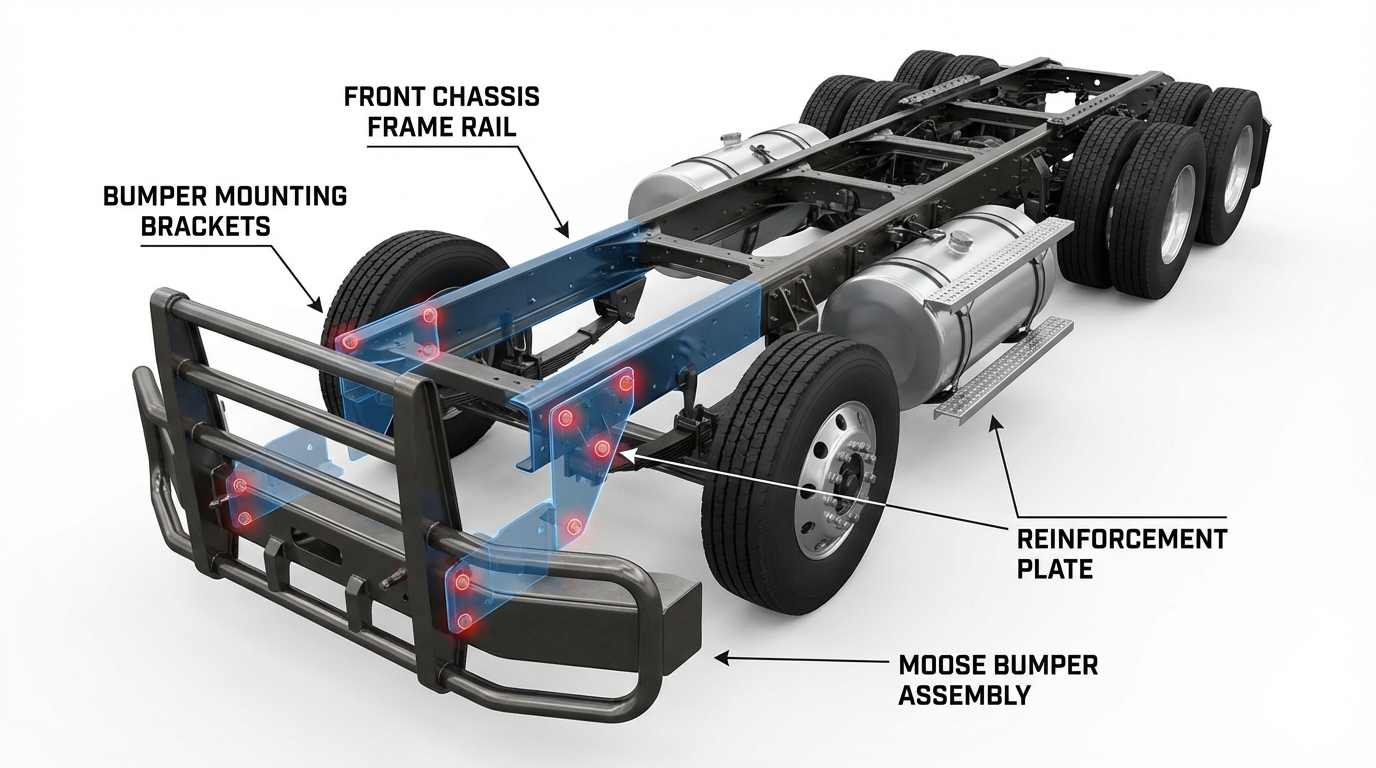
Most modern Freightliner platforms, including the Cascadia, M2 vocational series, and legacy Columbia models, are compatible with a heavy duty moose bumper . Each of these models features specific mounting hole patterns on the chassis frame rails that require a custom-fitted bracket system. Here’s the deal: trying to use a universal mount often results in poor energy distribution, which can damage the frame instead of protecting it.
Cascadia Series: Aerodynamic Compatibility
The Cascadia is built for fuel efficiency, which means any bumper must align with its sleek profile to minimize wind resistance. Manufacturers design these specific guards to hug the front of the truck while leaving enough space for the hood to open fully.
- Supports Collision Mitigation Systems (CMS).
- Integrated fog light mounting options.
- Mirror-polished finishes to match the Cascadia aesthetic.
M2 Vocational Models: Mounting Specifications
Vocational trucks like the M2 often operate in tighter spaces where turning radius and ground clearance are paramount. These bumpers must be rugged enough for work sites but compact enough not to interfere with the truck’s maneuverability.
- High-clearance designs for off-road use.
- Simple bolt-on installation for easy fleet maintenance.
- Durable powder-coat finishes for harsh environments.
Legacy Models: Columbia and Coronado Fitment
Even with older models like the Coronado or Columbia, professional-grade protection is readily available to keep these workhorses on the road. Mounting jigs for these platforms have been perfected over decades to ensure a perfect bolt-on fit.
- Heavy-gauge steel options for maximum durability.
- Traditional “Texas Style” aesthetics available.
- Direct replacement for factory bumper assemblies.
Key Takeaway: Every Freightliner model has a unique frame rail footprint, making it essential to choose a bumper verified for your specific year and series.
| Freightliner Model | Ideal Material | Installation Type | Primary Use Case | |
|---|---|---|---|---|
| Cascadia | T6 Aluminum | CMS-Compatible Bolt-on | Long-Haul Highway | |
| M2 | High-Tensile Steel | High-Clearance Bolt-on | Regional / Vocational | |
| Coronado | Polished Stainless | 4-Post Pivot Mount | Heavy Haul / Custom |
Each model-specific design ensures that the weight of the bumper is safely carried by the truck’s main structural members.
How does a heavy duty moose bumper improve truck safety?
A heavy duty moose bumper improves safety by transforming the front of the vehicle into a rigid impact shield that redirects force away from the driver. Think about it: when a 1,000-pound animal hits a moving truck, the kinetic energy has to go somewhere. By using structural vertical uprights and a thick chin tube, these bumpers absorb the initial shock and transfer it through the frame, preventing the animal from entering the windshield or crushing the engine bay.
Energy Absorption and Impact Distribution
Precision welding and structural geometry allow the bumper to bend slightly under extreme force, acting like a crumple zone for the truck’s front end. This controlled deformation ensures that the energy doesn’t travel directly into the cab or the engine’s vital sensors.
- Thick-walled tubular construction.
- Reinforced boxed uprights.
- Strategic weld placement for structural integrity.
Shielding the Driver and Cabin Integrity
The primary goal of any moose guard is to stop a large animal from rolling over the hood and hitting the glass. By maintaining a high vertical profile, the guard pushes the animal down and away from the driver’s line of sight.
- Full-width coverage across the entire front end.
- Height extensions for maximum grille protection.
- Reduced risk of secondary collisions after an animal strike.
Protecting Critical Engine Components
In many cases, a truck is “dead in the water” after a strike because the cooling system is breached. A heavy duty moose bumper prevents this by creating a physical barrier for the radiator and air coolers.
- Protection for expensive headlight assemblies.
- Shielding for the steering gear and lines.
- Prevention of turbocharger and intake damage.
Key Takeaway: Safety isn’t just about preventing scratches; it’s about preserving the structural integrity of the cab and ensuring the truck remains steerable after an impact.
| Impact Feature | Benefit to Driver | Protection Level | |
|---|---|---|---|
| Reinforced Vertical Ribs | Prevents hood penetration | Maximum | |
| 4-Post Design | Wide-area force distribution | High | |
| Under-Ride Support | Directs animal downward | Essential |
The combination of thickness and geometry determines how well the system performs in high-speed northern wildlife corridors.
What materials are best for a heavy duty moose bumper?
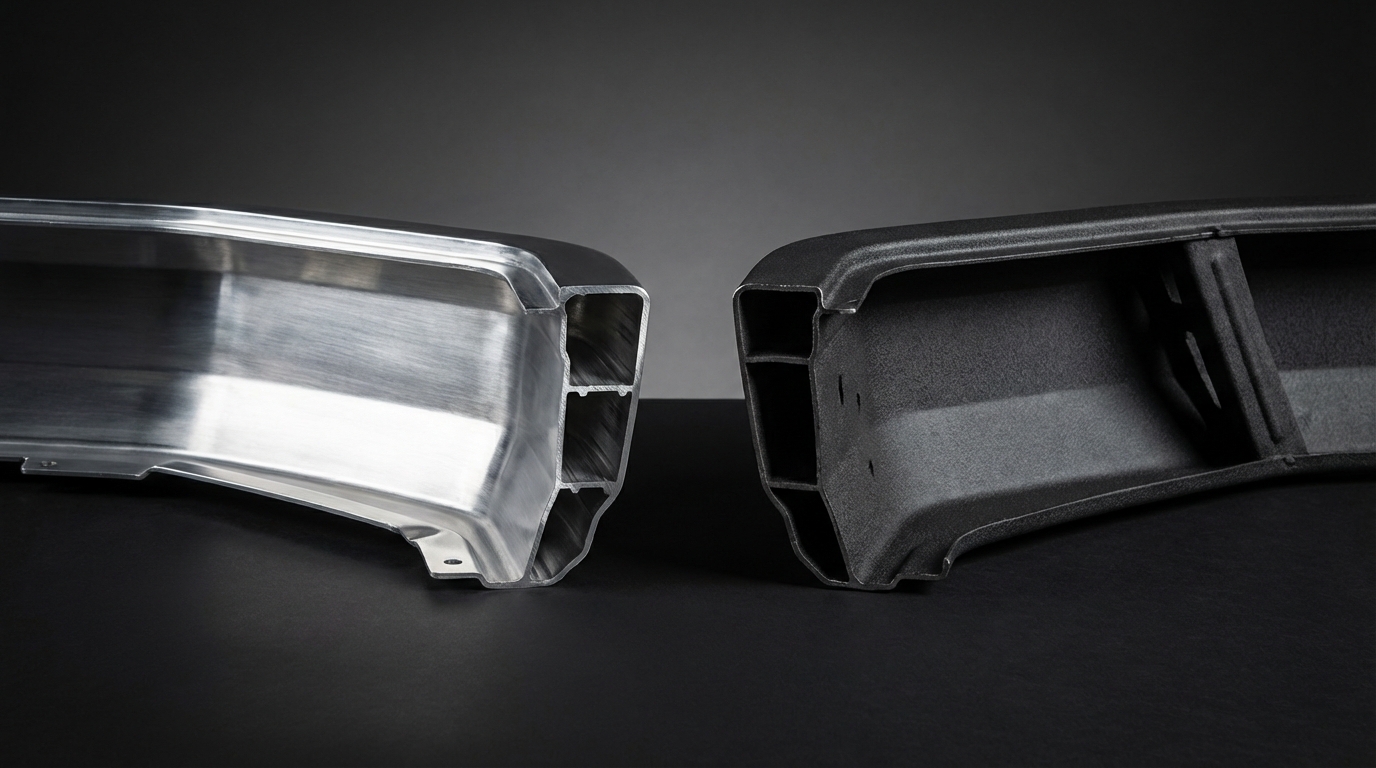
The best material for a heavy duty moose bumper depends on whether you prioritize weight savings or absolute impact resistance. High-grade T6 aluminum is the industry standard for long-haul fleets because it provides excellent strength while weighing 40% less than steel. However, for specialized logging or off-road applications, powder-coated high-tensile steel remains the undisputed king of durability.
Lightweight Aluminum vs. High-Tensile Steel
Aluminum guards are rust-resistant and keep your steering axle weight low, which is crucial for remaining legal under strict DOT weight scales. Steel is heavier but offers a higher yield strength for trucks frequently operating in the most extreme moose-populated areas.
- Aluminum: Best for MPG and corrosion resistance.
- Steel: Best for maximum impact and extreme environments.
- Hybrid: Strategic use of Both materials for balanced performance.
Corrosion Resistance in Northern Climates
Trucks operating in Canada or the Northern US face a constant barrage of road salt and magnesium chloride. Choosing a material that resists oxidation will prevent the heavy duty moose bumper from looking weathered and losing structural strength over time.
- Polished aluminum naturally forms a protective oxide layer.
- Stainless steel offers a mirror finish with zero rust.
- Multi-stage powder coating provides a barrier for steel units.
Evaluating Wall Thickness and Tube Diameter
The “thickness” of the metal is often what separates an aesthetic grille guard from a true moose bumper. Professional units typically utilize 3/8-inch plate or 4-inch diameter tubing to ensure the structure doesn’t buckle under load.
- Heavy-gauge structural plate for vertical posts.
- Schedule 40 or 80 pipe for horizontal bars.
- Precision CNC-cut components for exact tolerances.
Key Takeaway: Materials should be selected based on your operating climate and weight sensitivity, with aluminum usually winning for highway use.
| Material | Weight (Approx) | Strength Rating | Corrosion Resistance | |
|---|---|---|---|---|
| T6 Aluminum | 125 – 180 lbs | High | Excellent | |
| High-Tensile Steel | 250 – 450 lbs | Extreme | Good (Cote Dependent) | |
| Stainless Steel | 220 – 350 lbs | Very High | Excellent |
Detailed material science ensures that your bumper holds up to both the elements and the impacts.
Will a heavy duty moose bumper impact your fuel economy?
Contrary to popular belief, a well-designed heavy duty moose bumper has a negligible impact on fuel economy if it is engineered with aerodynamics in mind. Modern guards are wind-tunnel tested to ensure they don’t break the laminar airflow around the Cascadia’s sleek front end. Here’s the deal: the cost of a 1% drop in MPG is much smaller than the $20,000 repair bill from a single animal strike.
Aerodynamic Design and Wind Resistance
Manufacturers use curved tubing and “air-flow” gaps to allow oxygen to reach the radiator without creating excessive drag. By following the natural contours of the Freightliner hood, the bumper allows air to slip past rather than acting like a sail.
- Contoured wings that match cab width.
- Low-profile horizontal bars.
- Strategic spacing to maintain factory airflow specs.
Weight Management and Front Axle Loading
Adding weight to the very front of the truck can shift the center of gravity and affect tire wear. Using a heavy duty moose bumper made of aluminum minimizes this effect, keeping the steer axle comfortably within legal limits.
- Precise weight distribution calculations.
- Lightweight mounting brackets to reduce overhang mass.
- Minimized impact on suspension longevity.
Balancing Protection Levels with MPG Goals
If you are an owner-operator chasing every tenth of a mile per gallon, a low-profile aluminum guard is your best bet. It provides the “peace of mind” of moose protection without the heavy fuel penalty associated with older, boxy steel designs.
- Use of aerodynamic “wing” designs.
- Integration of louvered panels.
- Comparison of open vs. closed tube designs.
Key Takeaway: Modern aerodynamic guards provide near-transparent fuel performance while offering total front-end security.
| Bumper Design | Est. MPG Impact | Protection Level | Weight Class | |
|---|---|---|---|---|
| Ultra-Aero Aluminum | < 0.5% | High | Lightweight | |
| Traditional 4-Post | 0.8% – 1.2% | Maximum | Heavyweight | |
| Compact Grille Guard | Negligible | Moderate | Light |
The trade-off between fuel and protection is heavily skewed toward protection in high-wildlife zones.
Is installation of a heavy duty moose bumper difficult?
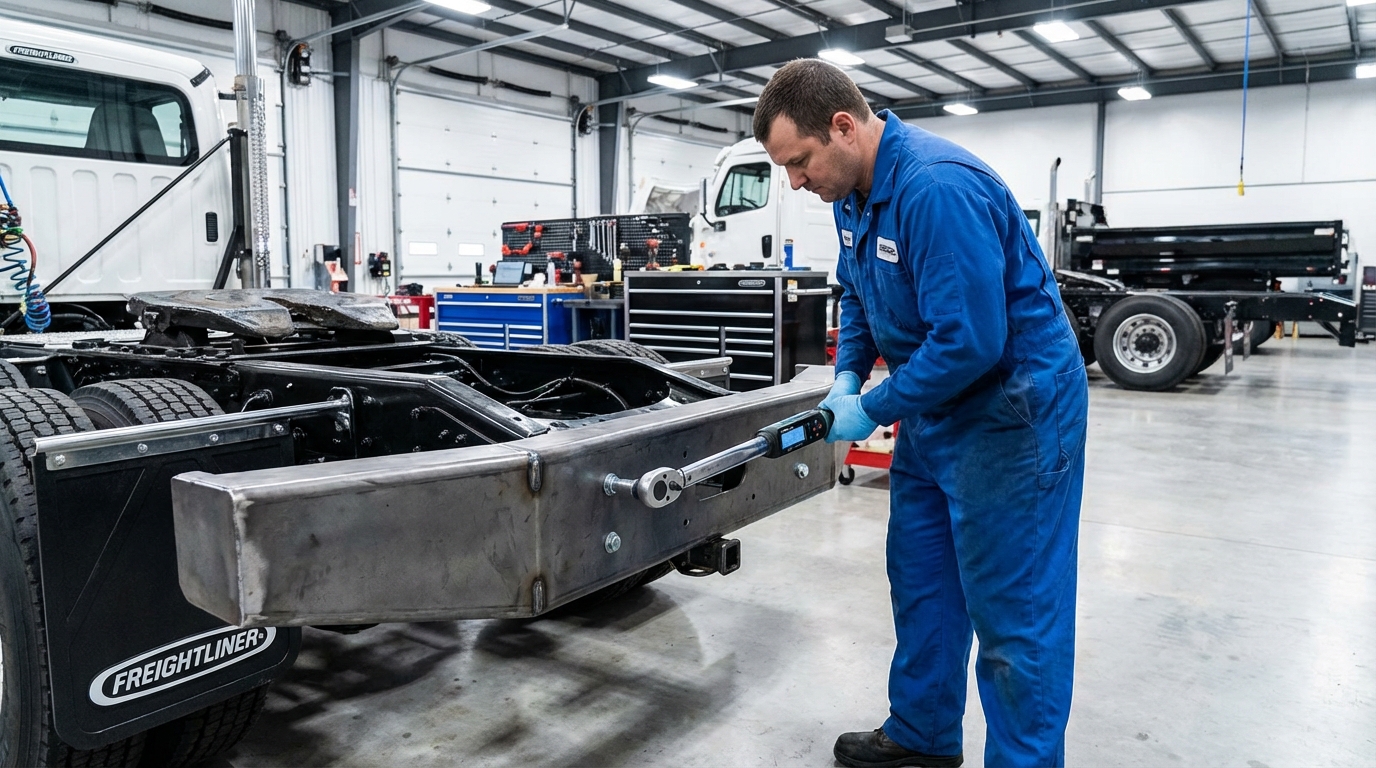
Installation of a heavy duty moose bumper on a Freightliner is generally a straightforward bolt-on process that requires two people and a few hours of work. Look: most modern guards use factory-drilled holes, meaning you won’t have to drill into the high-strength steel of your truck’s frame. The most technical part of the job involves ensuring that the guard is perfectly leveled and that the mounting bolts are torqued to the manufacturer’s specific foot-pound requirements.
Bolt-On Installation vs. Frame Drilling
Professional bumpers are engineered to utilize the existing tow hook mounts or bumper bracket holes. This preserves the structural integrity of the Freightliner frame and ensures that the bumper can be removed or swapped easily if the truck is traded in.
- Utilization of Grade 8 mounting hardware.
- No welding required for Cascadia or M2 models.
- Step-by-step instructions provided by the OEM.
Integrating Collision Mitigation Systems (CMS)
Modern Freightliners are packed with radar and camera sensors that must have a clear line of sight to the road. A quality heavy duty moose bumper includes a “CMS window” or a relocation bracket to ensure your Detroit Assurance or Bendix systems keep working flawlessly.
- Brackets for radar sensor relocation.
- Mesh openings that don’t trigger false alerts.
- Verified compatibility with cruise control and emergency braking.
Wiring and Lighting Package Integration
Many drivers choose to add extra LED driving lights to their bumper for better night visibility. Professional guards come with pre-drilled holes and internal wire routing channels to keep your setup clean and protected from road debris.
- Pre-drilled mounting tabs for 6-inch or 9-inch lights.
- Rubber grommets to prevent wire chafing.
- Easy access for fog light harness connection.
Key Takeaway: If your guard doesn’t offer a direct bolt-on fit or CMS compatibility, it wasn’t truly designed for a modern Freightliner.
| Installation Step | Difficulty Level | Tools Required | Time Estimate | |
|---|---|---|---|---|
| Bracket Mounting | Moderate | Torque Wrench, Sockets | 45 Minutes | |
| Bumper Alignment | Low | Floor Jack, Level | 30 Minutes | |
| CMS Relocation | Moderate | Precision bits, zip ties | 60 Minutes |
Proper installation is the foundation of the bumper’s ability to protect the truck during an actual impact.
Does a heavy duty moose bumper meet DOT regulations?
Every heavy duty moose bumper must comply with Department of Transportation (DOT) standards regarding vehicle width, lighting visibility, and safety protrusions. You might be wondering if adding a massive guard will get you pulled over at a weigh station. The answer is simple: as long as the bumper does not exceed the overall legal width of 102 inches and does not obstruct your headlights or turn signals, it is fully DOT compliant.
Understanding Width and Height Restrictions
The bumper wings must stay within the legal width limit to avoid requiring “oversize” permits. Furthermore, the guard should not sit so high that it blocks the driver’s view of the road directly in front of the hood.
- Maximum width of 102 inches.
- Ground clearance matched to factory height.
- Proper approach angles for curb and ramp navigation.
Maintaining Headlight and Signal Visibility
DOT law requires that your primary illumination source is not obscured by bars or mesh. High-quality moose guards are designed with “light cutouts” or spaced horizontal bars that provide protection without blocking the beam pattern.
- Verified beam path clarity.
- No obstruction of amber side markers.
- Accommodation for factory fog lights.
Compliance with Under-Ride Protection Laws
In the event of a collision with a smaller vehicle, the bumper must not create an unsafe “under-ride” situation. Professional bumpers are engineered to deflect force and maintain a safety profile consistent with FMVSS standards.
- Structural testing for impact safety.
- Smooth outer edges to prevent snagging.
- Standardized heights for multi-vehicle safety.
Key Takeaway: Choosing a manufacturer that understands North American DOT standards ensures you stay on the road without unnecessary inspections or fines.
| Regulation Category | Requirement | Compliance Check | |
|---|---|---|---|
| Overall Width | < 102 Inches | Measure wing-to-wing | |
| Light Path | 100% Unobstructed | Night-time wall test | |
| Sharp Edges | None Allowed | Rounded corner radius |
Adhering to these standards is vital for fleet-wide safety and regulatory peace of mind.
How to maintain your new heavy duty moose bumper properly?
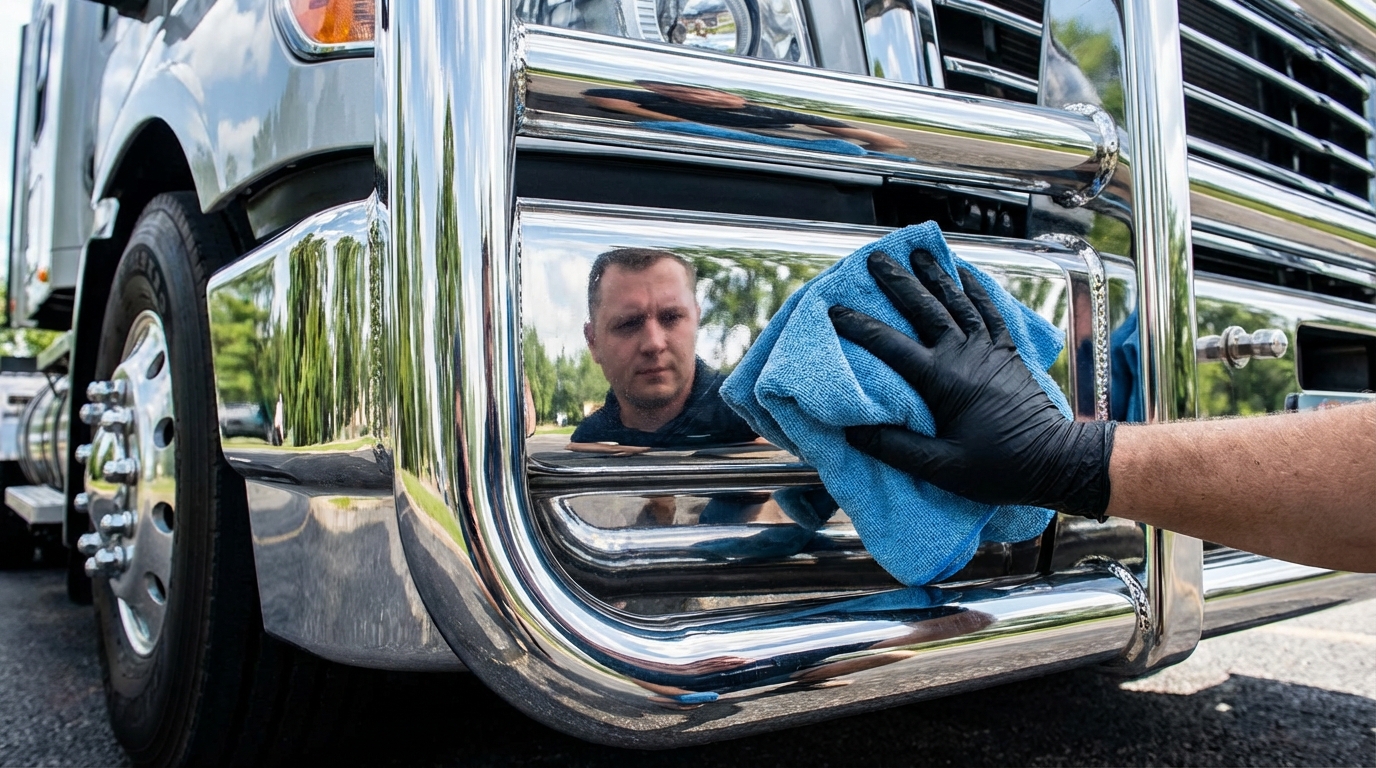
Maintaining your heavy duty moose bumper is essential for preserving its structural integrity and its mirror-like finish over hundreds of thousands of miles. Here’s the deal: even the toughest aluminum or steel will eventually succumb to road salt and vibration if neglected. Periodic inspections and simple cleaning routines are the best way to ensure your heavy duty moose bumper remains road-ready and looks professional.
Cleaning Techniques for Polished Finishes
For aluminum and stainless steel guards, a non-acidic soap and a soft microfiber cloth are your best friends. Avoid using harsh degreasers that can cloud the finish and leave permanent streaks on the metal.
- Use dedicated aluminum polish for oxidized areas.
- High-pressure rinse to remove road salt from crevices.
- Seasonal waxing to provide a moisture barrier.
Periodic Torque Checks on Mounting Bolts
Heavy-duty trucks endure constant vibration, which can slowly loosen even the toughest Grade 8 bolts. It is best practice to re-torque your mounting hardware every few months to ensure the bumper remains tightly coupled to the frame.
- Check bolts after the first 500 miles of installation.
- Verify torque settings during every oil change.
- Inspect mounting brackets for any signs of shifting.
Inspecting for Stress Fractures or Rust
On steel bumpers, check for any chips in the powder coating where moisture can penetrate and cause rust. For aluminum units, a quick visual scan for “hairline” stress fractures near the weld joints is a smart safety habit.
- Look for bubbling paint on steel guards.
- Inspect weld integrity after any minor “nudge” or impact.
- Check hinge points if you have a tilt-style bumper.
Key Takeaway: Five minutes of inspection during your pre-trip can prevent a loose bolt or a rust spot from becoming a major issue.
| Maintenance Task | Frequency | Items Needed | |
|---|---|---|---|
| Surface Cleaning | Weekly | Warm water, mild soap | |
| Bolt Torque Check | Every 10k Miles | Torque wrench, socket set | |
| Structural Inspection | Monthly | Flashlight, visual scan |
Routine care keeps your investment looking sharp and performing as intended for years.
Where can you buy a custom heavy duty moose bumper?
Finding a reliable source for a heavy duty moose bumper means looking for manufacturers who specialize in the North American Class 8 market. You shouldn’t settle for a generic guard when your livelihood depends on the performance of a custom-fit Freightliner solution. Think about it: a direct-from-manufacturer partner like Brontec provides the best balance of factory-level precision and aftermarket durability.
OEM Manufacturers vs. Aftermarket Retailers
Buying directly from an OEM/ODM manufacturer ensures you are getting a bumper built to the original vehicle’s CAD specifications. Aftermarket “universal” guards often require modifications that can compromise the safety of the truck’s frame.
- Guaranteed fitment for Cascadia, M2, and more.
- Access to replacement parts and hardware.
- High-volume fleet discounts for larger operations.
Evaluating Manufacturer Lead Times and Quality
In the trucking world, “time is money,” so you need a supplier that offers consistent lead times and verified quality certifications like ISO 9001. Look: receiving a bumper late or with misaligned holes can cause a chain reaction of missed hauls and frustrated drivers.
- 20-30% faster production cycles.
- Multi-stage quality control inspections.
- Reinforced packaging for damage-free shipping.
Ordering Custom Fleet Branded Solutions
For large companies, having a consistent look across the fleet is a key part of brand identity. Choosing a manufacturer that offers custom powder-coat colors or logo integration allows you to protect your trucks while looking professional.
- Custom color matching for fleet branding.
- Integration of specific light mounting points.
- Private labeling for large-scale procurement.
Key Takeaway: Partnering with a specialized manufacturer ensures you receive a bumper that aligns perfectly with your Freightliner’s technical requirements.
| Supplier Type | Pros | Cons | |
|---|---|---|---|
| Direct Manufacturer | Best pricing, custom fit | Higher MOQ | |
| Local Dealer | Fast pickup, easy returns | Higher markup | |
| Online Retailer | Convenient browsing | Shipping risks, lower QC |
Building a direct relationship with a manufacturer offers the best long-term value for fleet protection.
What is the ROI on a heavy duty moose bumper purchase?
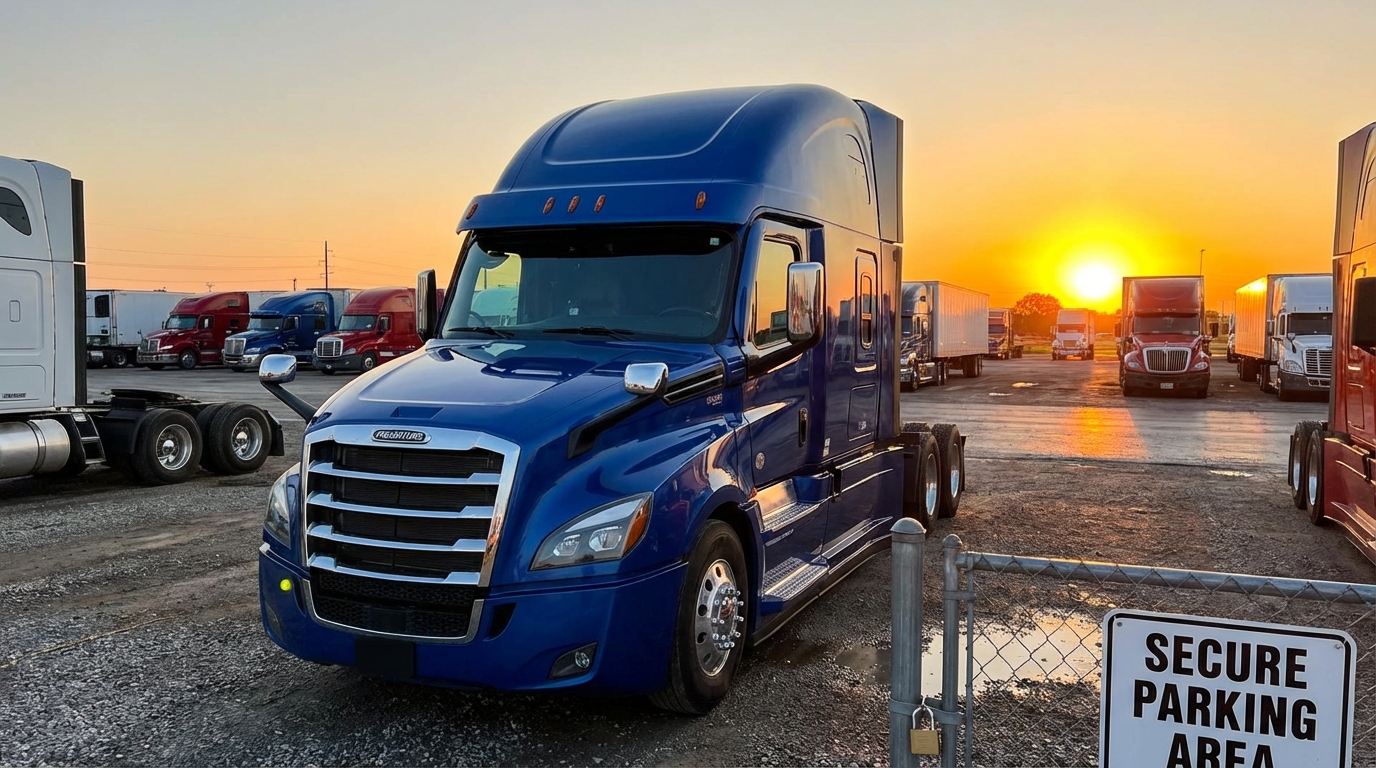
The return on investment (ROI) for a heavy duty moose bumper is typically realized after the very first wildlife encounter. When you calculate the cost of a modern Freightliner radiator, intercooler, headlights, and hood—not to mention the labor—you are looking at
15,000to
25,000 in damages. Here’s the deal: a guard that costs $2,500 pays for itself ten times over by allowing you to drive away from an accident that would have otherwise totaled your truck.
Calculating Avoided Repair Costs and Labor
Front-end parts for a Cascadia are expensive, and technician labor rates continue to rise. A structural bumper eliminates the need for expensive bodywork and cooling system repairs in over 90% of medium-to-large animal strikes.
- Eliminates hood replacement costs ($6,000+).
- Saves radiator and CAC units ($4,000+).
- Prevents headlight assembly replacement ($1,500+).
Preventing Freight Delay Penalties and Loss
Downtime is the silent killer of trucking profitability. A protected truck can often complete its delivery after an impact, avoiding the massive penalties associated with late arrivals or “dead” loads.
- Avoids load spoilage for reefer units.
- Maintains contract compliance with shippers.
- Keeps drivers earning miles instead of sitting in a motel.
Resale Value and Vehicle Longevity Benefits
A truck with a “clean” front end and no history of major accidents will always command a higher price on the used market. Additionally, drivers prefer operating vehicles that they know are equipped with the best possible safety gear.
- Higher trade-in value at the dealership.
- Evidence of proactive fleet maintenance.
- Enhanced driver recruitment and retention.
Key Takeaway: The decision to buy a moose bumper isn’t an “expense”—it is a capital investment in uptime and asset protection.
| Event Factor | Without Bumper | With Bumper | Savings | |
|---|---|---|---|---|
| Moose Strike | Towing + $20k Repair | Drive-away + $0 Repair | ~$21,500 | |
| Downtime | 3 – 6 Weeks | 0 Days | ~$15,000 Revenue | |
| Total Impact | High Financial Stress | Business as Usual | Massive |
Securing your Freightliner with a professional moose guard is the smartest financial move for any northern fleet operator.
Frequently Asked Questions
Can I install a moose bumper on a Freightliner with a radar sensor?Yes, modern bumpers are designed with specific mounting slots or relocation brackets that allow radar and Collision Mitigation Systems (CMS) to function perfectly. It is essential to ensure the guard is verified as “CMS-compatible” to avoid triggering emergency braking errors.
Can I reuse my heavy duty moose bumper after a major impact?It depends on the severity of the strike. While these bumpers are designed for multiple minor-to-moderate impacts, a high-speed strike with a moose may cause structural fatigue or bending. You should always have the mounting brackets and weld joints inspected by a technician after any significant collision.
Can I order a bumper with a custom powder-coat color?Yes, most manufacturers offer custom powder-coating to match your specific fleet branding or truck color. This provides a durable finish that resists rock chips and corrosion while maintaining a high-end professional appearance.
Can I expect a weight increase that affects my payload?Directly, yes, but the impact is minimal if you choose aluminum. An aluminum guard typically weighs between 150-180 lbs, which rarely pushes a truck over its steer axle limit, whereas a steel guard may require more careful weight distribution planning.
Can I get a custom fitment for an older Freightliner model?Yes, fitment parts are still widely manufactured for legacy models like the Columbia, Coronado, and Classic XL. Because the frame rail dimensions on these trucks are well-documented, you can easily find a bolt-on solution that provides modern protection for your classic rig.
Protect Your Fleet with Industry-Leading Innovation
Choosing the right protection for your Freightliner is about more than just metal; it’s about securing your journey and your bottom line. At Brontec, our vision is to provide world-class, OEM-standard protection that stands up to the harshest environments on earth. Whether you are an owner-operator or an OEM fleet manager, we are committed to delivering the reliability you need. Contact us today to find the perfect fitment for your Freightliner.