
Buying aftermarket semi-truck parts is a strategic process of selecting high-quality components from a specialized semi truck bumper supplier to ensure long-term durability, exact fitment, and significant cost-efficiency compared to OEM alternatives. Managing a commercial fleet today means facing soaring maintenance costs and unpredictable original equipment manufacturer (OEM) lead times. When your rig is out of commission due to a front-end collision or simple wear and tear, every hour of downtime actively erodes your profit margins.
You can’t afford to wait weeks for a dealership to source a branded component that carries a heavy “name-brand tax” without offering superior protection. By partnering with a reputable semi truck bumper supplier, you gain the ability to armor your fleet with heavy-duty moose bumpers and grille guards that often exceed factory specifications. This guide provides the technical roadmap you need to navigate the aftermarket landscape, ensuring you invest in components that safeguard your drivers and your bottom line.
1. What Are Aftermarket Parts and How Do Suppliers Define Them?
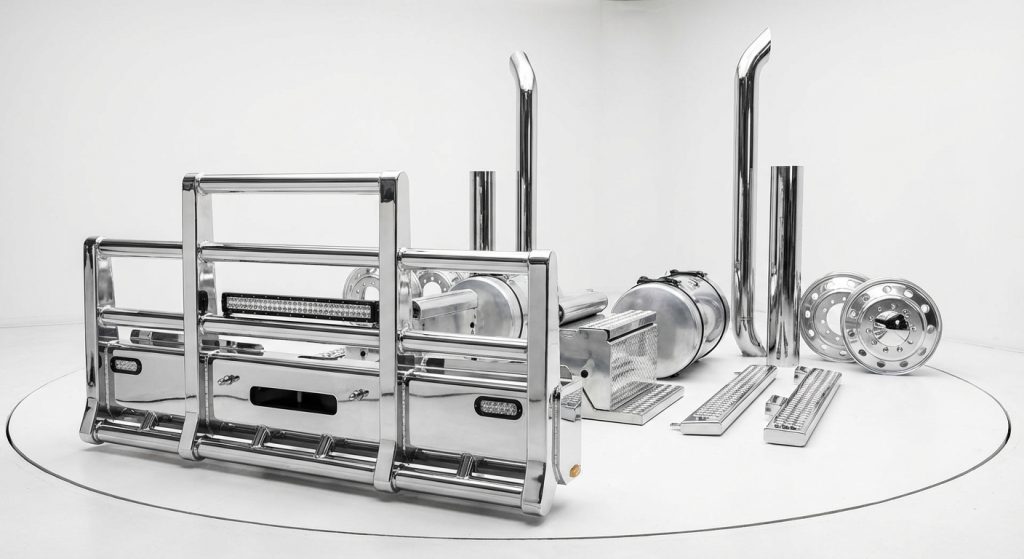
Aftermarket components are parts manufactured by companies other than the original vehicle maker, often serving as high-performance replacements provided by a semi truck bumper supplier. These parts are designed to be functionally identical or superior to the pieces that originally came with your Kenworth, Peterbilt, or Freightliner. While some view them as “generic,” top-tier manufacturers use advanced engineering to address the specific weaknesses found in factory-standard components.
Understanding the Aftermarket vs. OEM Divide
Aftermarket parts offer a versatile alternative for fleet owners who need specialized protection that dealerships often do not provide in-house. While OEM parts focus on mass-market standardization, independent manufacturers can pivot toward high-tensile materials and custom dimensions.
- Engineering Focus: Aftermarket builds often prioritize specific regional threats like moose or deer strikes.
- Production Speed: Independent foundries typically maintain better stock levels for common heavy-duty models.
Look:
A reliable supplier focuses on the “perfect fit” to ensure your installation time is measured in minutes, not hours.
Key Takeaway: Aftermarket parts are specialized alternatives designed to provide high-performance solutions for professional drivers in demanding environments.
| Feature | OEM Parts | Aftermarket Parts |
|---|---|---|
| Price Point | Premium/High | Competitive/Value-Driven |
| Material Choice | Standard Grade | Often Upgraded (High-Tensile) |
| Availability | Dealer Network Restricted | Global Distribution & Direct |
This comparison highlights why fleet managers are increasingly shifting toward specialized manufacturers to maintain their equipment’s structural integrity.
The Role of Custom Fabrication
Many operators require more than a standard replacement, leading them to seek custom solutions that factory lines cannot accommodate. Specialized manufacturers allow you to modify dimensions or add integrated lighting mounts that improve night-time visibility on logging roads.
- Bespoke Dimensions: Custom widths for oversized loads or specific aerodynamic needs.
- Added Reinforcement: Extra bracing for trucks operating in extreme off-road conditions.
Here is the kicker:
Customization allows you to tailor your rig’s defense system to the exact terrain it travels every day.
Key Takeaway: Choosing custom-fabricated aftermarket parts ensures your vehicle is equipped for its specific operational reality rather than a generic highway standard.
| Customization Type | Benefit | Operational Impact |
|---|---|---|
| Light Bar Mounts | Enhanced Visibility | Reduced night-driving fatigue |
| Reinforced Bars | Superior Impact Resistance | Lower repair costs after animal strikes |
| Finish Options | Corrosion Resistance | Extended component lifespan in salt areas |
Custom fabrication represents the pinnacle of aftermarket value by delivering a product that perfectly matches your specific fleet requirements.
2. Why Should Owners Consider an Aftermarket Supplier for Their Fleet?
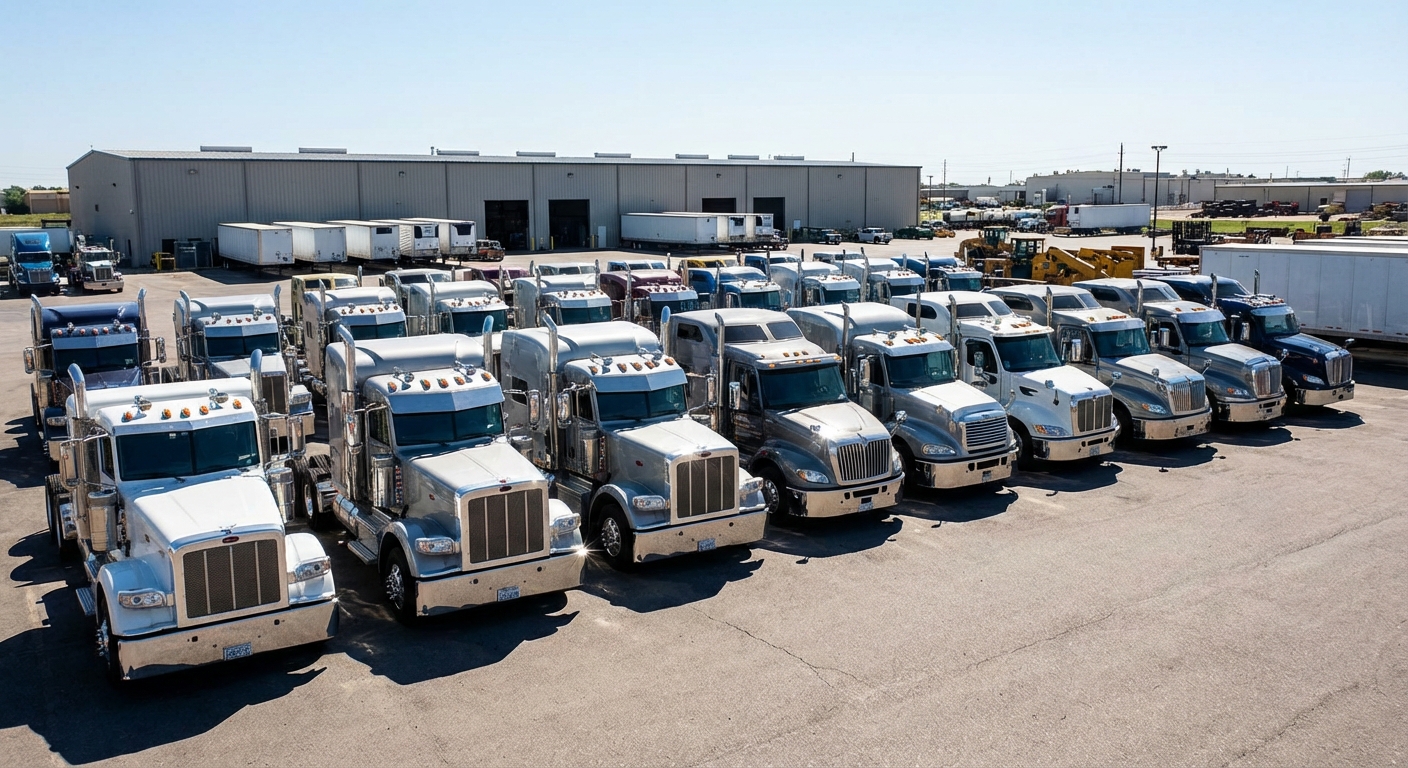
Every fleet manager knows that a semi truck bumper supplier can be the difference between a profitable quarter and an expensive one plagued by equipment failure. The primary motivation for making the switch involves bypassing the slow, expensive, and often rigid supply chains maintained by traditional truck dealerships. When you choose an independent manufacturer, you are choosing a partner that prioritizes your uptime over their own brand-name prestige.
Solving the Availability and Lead Time Crisis
OEM supply chains have become notoriously fragile, often leaving rigs sitting in the yard for weeks awaiting a simple front-end assembly. Aftermarket suppliers typically maintain a more agile manufacturing process, allowing them to fill orders for both current and discontinued models quickly.
- Stock Availability: Direct manufacturers keep high-demand bumpers in stock for immediate freight shipping.
- Legacy Support: You can find high-quality parts for 15-year-old rigs that dealerships have stopped supporting.
Believe it or not:
Sourcing direct from a manufacturer can cut your repair turnaround time by more than fifty percent in many cases.
Key Takeaway: Faster lead times and better support for older truck models make aftermarket suppliers the more reliable choice for maintaining fleet continuity.
| Availability Factor | Dealer Experience | Aftermarket Experience |
|---|---|---|
| Lead Time | 4-8 Weeks (Average) | 1-2 Weeks (Direct) |
| Older Models | Limited/No Support | High Availability |
| Direct Shipping | Rarely Available | Standard Practice |
The agility of independent manufacturers ensures that your fleet remains mobile regardless of global supply chain fluctuations at the OEM level.
Improving Vehicle Aerodynamics and Weight
Think about it:
Modern aftermarket bumpers are often lighter than their factory counterparts because they utilize high-grade aluminum alloys rather than heavy steel plates. This weight reduction directly impacts your fuel economy and front-axle load capacity over hundreds of thousands of miles.
- Aerodynamic Contouring: Specialized designs reduce drag, which can save thousands in fuel costs annually.
- Weight Optimization: Reducing front-end weight allows for more cargo capacity within legal weight limits.
You see:
Saving just a few hundred pounds on the front end can significantly improve your truck’s handling and overall tire wear.
Key Takeaway: Aftermarket suppliers offer innovative designs that improve fuel efficiency and optimize axle weight distributions for better hauling capacity.
| Efficiency Metric | Potential Improvement | Long-term Value |
|---|---|---|
| Fuel Savings | 1-3% (Aerodynamic models) | Significant annual ROI |
| Weight Reduction | 150-300 lbs | Higher legal payload |
| Tire Wear | Reduced front-axle strain | Lower maintenance frequency |
Strategic weight reduction through aftermarket parts is a proven method for increasing the overall profitability of long-haul operations.
3. What Specific Benefits Can You Expect from a Reliable Supplier?
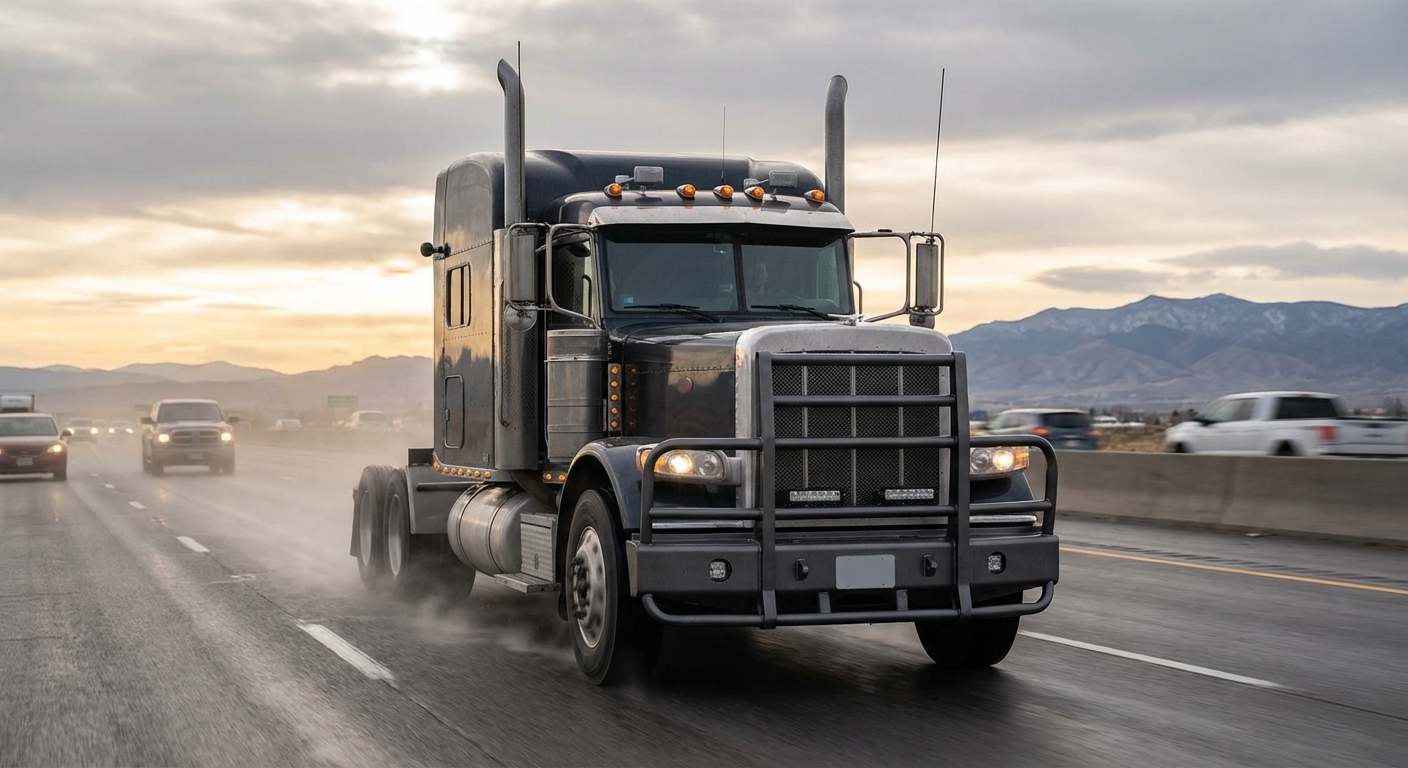
The primary advantage of working with a semi truck bumper supplier is the balance between high-strength protection and affordable pricing. You aren’t just buying a piece of metal; you are investing in a structural shield that protects the engine, radiator, and cooling systems from catastrophic damage. Reliable suppliers use precision robotic welding and high-tensile alloys to ensure that every part meets a consistent standard of excellence.
Superior Cost Savings Without Quality Loss
The most immediate benefit of shifting your procurement to the aftermarket is the dramatic reduction in the “brand tax” usually charged by dealerships. By purchasing directly from the manufacturer, you eliminate the middleman markup while still receiving a part that meets SAE safety standards.
- Lower Initial Cost: Purchase prices are typically 30% to 50% lower than comparable OEM units.
- Insurance Impact: High-strength guards can prevent “total loss” claims by protecting the engine during minor collisions.
Let’s be honest:
Spending less on a part that performs better is the smartest financial decision an owner-operator can make.
Key Takeaway: Cost savings in the aftermarket world reflect better engineering and lower corporate overhead rather than a reduction in material quality.
| Financial Benefit | Estimated Savings | Context |
|---|---|---|
| Unit Price | $500 – $1,500 | Per bumper assembly |
| Repair Prevention | $10,000+ | Estimated engine/radiator save |
| Downtime Costs | $800 – $1,200 | Per day saved from waiting |
Working with a dedicated manufacturer provides a high Return on Investment (ROI) by protecting both your cash flow and your equipment.
Reliable Quality and Material Innovation
The secret is out:
Many aftermarket manufacturers actually fix the design flaws found in original parts, resulting in a product that lasts longer than the factory version. Using materials like 6061-T6 aluminum or high-strength steel ensures your bumper can withstand environmental corrosion and physical impacts.
- Corrosion Resistance: Marine-grade alloys prevent the pitting and “white rust” common in harsh winter climates.
- Impact Dispersion: Engineered crumple zones protect the truck chassis while absorbing the energy of an animal strike.
Make no mistake:
A bumper that doesn’t rust and can take a hit is worth far more than a shiny, thin OEM replacement.
Key Takeaway: Quality aftermarket suppliers utilize superior materials to fix factory weaknesses and provide long-lasting environmental protection.
| Quality Indicator | OEM Standard | Aftermarket Premium |
|---|---|---|
| Material Thickness | 1/8″ to 3/16″ | Up to 1/4″ reinforced |
| Welding Method | Manual/Mixed | Precision Robotic |
| Testing | Standard Highway | Extreme Impact/Moose Strike |
Investing in high-grade materials ensures your front-end protection remains functional for the entire life of the vehicle.
4. Are There Any Potential Drawbacks to Using an Aftermarket Supplier?
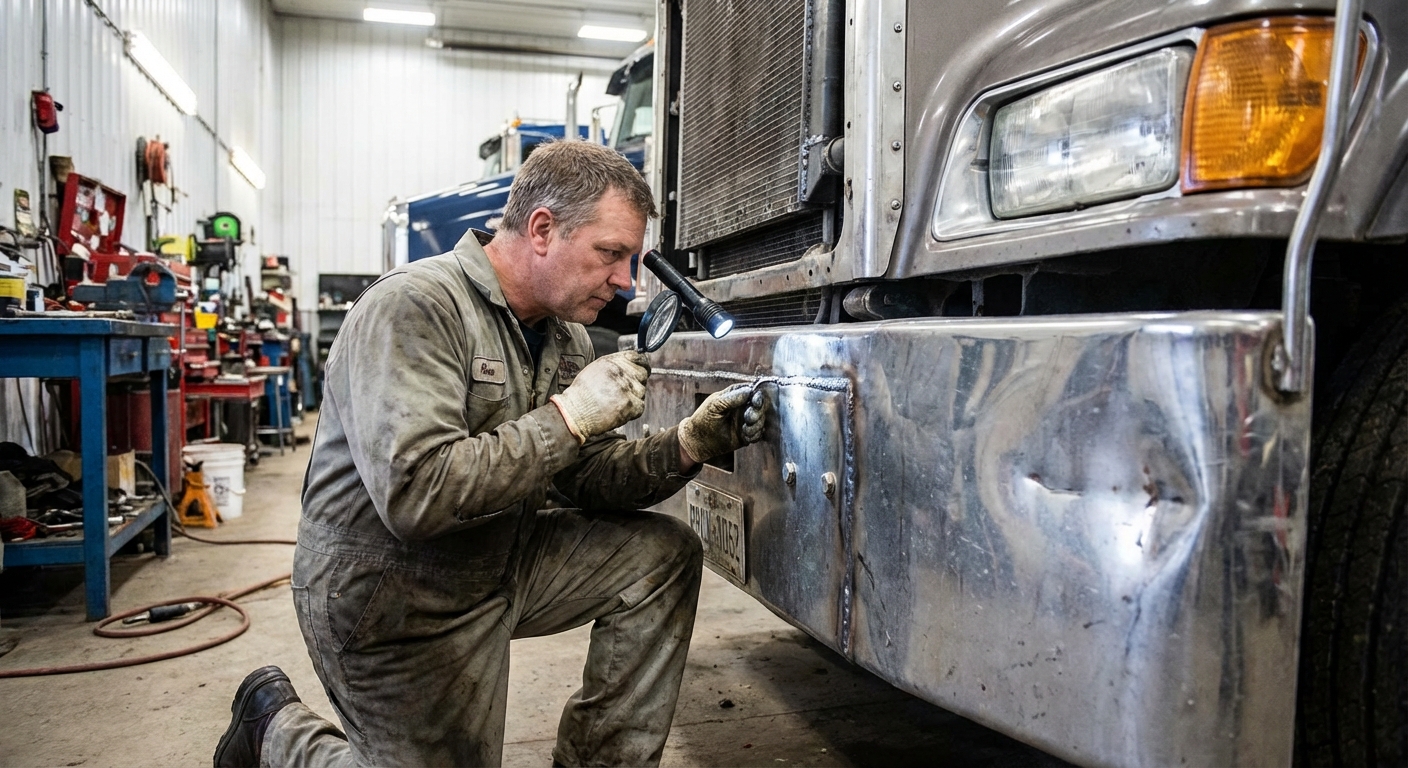
While there are many pros, a semi truck bumper supplier should also be vetted for potential consistency issues before you sign a large fleet contract. Not every manufacturer operates at the same level of precision, and the market is occasionally flooded with “budget” parts that look great but lack structural integrity. You must be diligent in verifying that the supplier uses certified materials and has a history of successful field performance.
Quality Variance and Material Standards
In the aftermarket world, “cheap” can be very expensive if a bumper fails to protect the radiator during a low-speed impact. Some low-cost providers use thinner gauges of metal or inferior welding techniques to lower their price point, which can lead to cracking over time.
- Thin Materials: Verify that the aluminum or steel thickness matches your operational requirements.
- Poor Finish: Low-quality powder coating or polishing can peel, leading to rapid corrosion in salt-heavy regions.
Look:
A bumper that cracks from road vibration is a liability, not an asset, for your long-haul operation.
Key Takeaway: Rigorous due diligence is required to ensure that the low-cost part you buy today doesn’t fail prematurely on the road.
| Potential Risk | Impact on Rig | Prevention Strategy |
|---|---|---|
| Structural Cracking | Falling off during transit | Demand material certifications |
| Corrosion/Rust | Visual degradation/Weakening | Check salt-spray test results |
| Weld Failure | Zero impact protection | Inspect for robotic weld patterns |
Selecting a supplier with documented quality control processes is the only way to mitigate the risks of substandard manufacturing.
Compatibility and Fitment Hurdles
Make no mistake:
A “universal” part rarely fits perfectly, and forcing a bumper onto a chassis can lead to structural stress on both the part and the truck. You must ensure the supplier uses precision laser cutting to match the mounting holes of your specific year, make, and model.
- Mounting Alignment: Improperly aligned holes can lead to loose bolts and excessive vibration.
- Sensor Interference: Modern trucks have radar and collision-avoidance systems that must remain unobstructed by the bumper.
Think about it:
If your new bumper triggers a “collision warning” error every five miles, your driver will quickly lose their mind.
Key Takeaway: Precision measurement and specific fitment guides are essential for avoiding costly installation delays and electronic sensor errors.
| Fitment Issue | Result | Solution |
|---|---|---|
| Hole Mismatch | Drilled frame (Bad) | Use VIN-verified mounts |
| Sensor Blockage | Safety system failure | Precision laser cutouts |
| Frame Stress | Chassis damage | Engineered bracket kits |
Ensuring perfect compatibility at the point of purchase prevents the hidden costs of mechanical modification and safety system recalibration.
5. How Can You Choose the Best Supplier for Your Specific Needs?
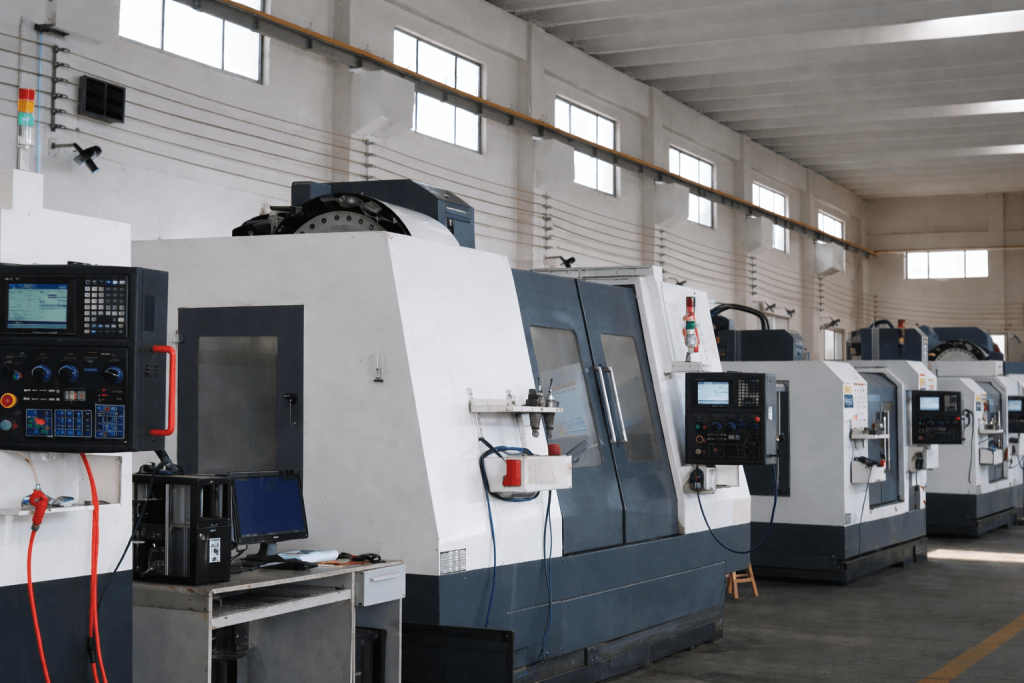
When evaluating a semi truck bumper supplier, you must look beyond the glossy catalog and assess their true manufacturing expertise. A supplier that excels at making light-duty pickup accessories might not have the engineering depth required to build a 200-pound moose guard for a Class 8 tractor. You need to identify a partner that understands the specific stresses of commercial trucking and has the capacity to support your fleet’s growth.
Identifying Your Operational Environment
Does your truck stay on the Interstate, or are you hauling logs in the deep bush of Northern Canada? Your environment dictates whether you need a sleek aerodynamic bumper or a heavy-duty “moose” guard with multi-post protection.
- Highway Hauling: Focus on polished finishes and aerodynamic shapes to maximize fuel efficiency.
- Off-Road/Logging: Prioritize structural rigidity, high-clearance designs, and heavy-duty steel or aluminum thickness.
The truth is:
Buying a highway bumper for a logging truck is a recipe for a very expensive disaster in the first week.
Key Takeaway: Matching your supplier choice to your specific driving environment ensures the level of protection matches the actual perils of the road.
| Driving Environment | Bumper Priority | Recommended Material |
|---|---|---|
| Interstate/Highway | Aerodynamics/Fuel | High-Polish Aluminum |
| Construction/Local | Durability/Utility | Powder-Coated Steel |
| Logging/Northern | Max Impact Defense | Heavy-Duty Moose Guard |
Selecting the right bumper “class” ensures your investment provides the maximum possible protection for your specific route.
Researching Manufacturing and Brand Reputation
Believe it or not:
User reviews from fellow owner-operators are the most honest data sheets you will ever find in the trucking industry. A reputable manufacturer will be transparent about their facility’s location, their quality control protocols, and their history of serving large-scale distributors.
- Facility Transparency: Look for suppliers who own their manufacturing equipment rather than just outsourcing to the lowest bidder.
- Fleet Experience: Ask for references or case studies from other commercial fleets that use their products.
Here is the kicker:
A supplier that stands behind their work will always offer a clear, written warranty on structural integrity and finish.
Key Takeaway: Evaluating a supplier’s reputation and manufacturing origin provides the security that your fleet’s protection is built to professional standards.
| Reputational Metric | High Quality Signal | Red Flag |
|---|---|---|
| Warranty Length | 1-2 Year Structural | “All Sales Final” |
| Technical Support | Engineer Access | No phone support |
| Industry Standing | OEM Partner/Distributor | Online Marketplace only |
Choosing a manufacturer with a proven track record ensures you have technical support if a fitment or maintenance issue arises.
6. What Is the Best Way to Check Compatibility with a Supplier?
Before placing an order, a semi truck bumper supplier must confirm that the mounting points match your chassis perfectly to avoid drilling. Compatibility isn’t just about the truck’s brand; it’s about the specific sub-model and the year the chassis was manufactured. A professional supplier will use advanced databases to cross-reference your vehicle’s specs, ensuring the bumper arrives ready for a “bolt-on” installation that requires no modification.
Using the VIN and OEM Part Numbers
The Vehicle Identification Number (VIN) is your best friend when sourcing aftermarket parts because it contains the exact blueprints of your truck’s front end. A professional supplier can use this number to determine which bracket kit you need and whether your rig has specific factory options that might interfere with a standard bumper.
- VIN Verification: Guarantees that the bumper’s mounting plates align with your specific frame rails.
- Part Cross-Referencing: Allows you to find an aftermarket equivalent to a specific OEM part number with 100% accuracy.
It’s a simple truth:
Taking five minutes to check the VIN saves you five hours of frustration in the shop later.
Key Takeaway: Using VIN-based verification is the only foolproof method for guaranteeing a perfect “bolt-on” installation for aftermarket bumpers.
| Information Needed | Why It Matters | Where to Find It |
|---|---|---|
| Full VIN | Chassis blueprints | Door jamb or title |
| Truck Model Year | Design changes | Registration |
| OEM Part Number | Precise matching | Stamped on old part |
Accurate data entry during the quoting process is the first step toward a successful equipment upgrade.
Inspecting Sensor and Light Cutouts
Modern trucks are essentially mobile computers, and your new bumper must accommodate various radar and lighting systems without causing software errors. You need to confirm that the supplier has designed specific cutouts for your fog lights, tow hooks, and collision-avoidance radar sensors.
- Radar Alignment: Ensuring the Bendix or WABCO sensors have a clear, unobstructed “view” of the road ahead.
- Lighting Integration: Confirming that factory fog lights or turn signals can be re-mounted using provided brackets.
Don’t ignore it:
A bumper that blocks your safety sensors will disable your truck’s emergency braking system, creating a massive safety risk.
Key Takeaway: Verification of sensor and accessory cutouts is critical for maintaining the functionality of your vehicle’s safety and lighting systems.
| Accessory Type | Checkpoint | Requirement |
|---|---|---|
| Collision Radar | Center Cutout | Unobstructed view |
| Fog Lights | Side Mounts | OEM connector reach |
| Tow Hooks | Lower Openings | Full access for recovery |
Confirming these technical details ensures your aftermarket upgrade doesn’t compromise the truck’s modern safety features.
7. Where Can You Find a Trusted Supplier Online or Locally?
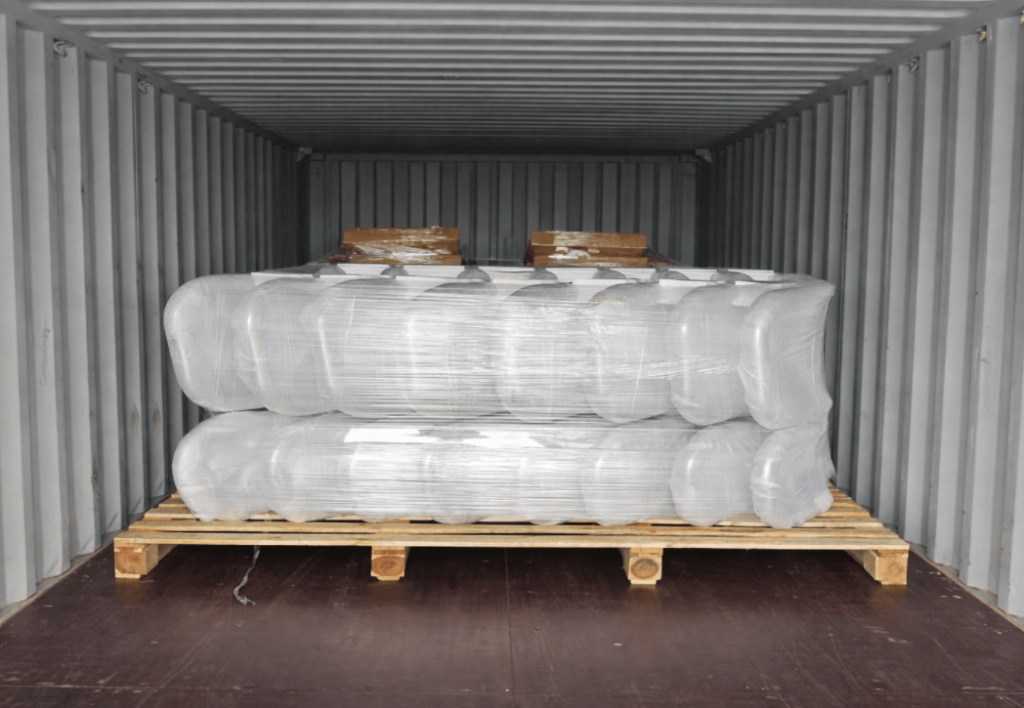
The search for a semi truck bumper supplier often leads to a choice between local retail stores and direct-to-consumer manufacturers. Both options have their merits, but for fleet managers looking for the best price and technical knowledge, buying direct from the manufacturer is often the superior route. Online platforms have evolved to allow for detailed customization and direct freight shipping, making high-end protection accessible regardless of your location.
Buying Online vs. In-Person Retail
Local parts stores offer the benefit of immediate pickup, but they often have limited stock and significant middleman markups that drive up the price. Online manufacturers provide a massive selection and the ability to order custom-spec guards that are built exactly to your fleet’s requirements.
- Online Direct: Better pricing, custom options, and direct access to the engineers who designed the part.
- Local Retail: No shipping fees, but higher base prices and limited selection for specialized heavy-duty needs.
Here is the real secret:
Most local stores are just buying from the same online manufacturers and adding a 30% markup for their shelf space.
Key Takeaway: Buying directly from a manufacturer online typically provides the best balance of technical expertise, customization, and cost-efficiency.
| Channel | Pros | Cons |
|---|---|---|
| Manufacturer Direct | Best Price/Customization | Requires Freight Shipping |
| Local Dealer | Instant Pickup | High Price/Low Variety |
| Online Marketplace | Easy Comparison | Variable Quality Control |
Direct manufacturing access ensures you receive the most up-to-date engineering improvements without the retail inflation.
The Value of Specialized Fleet Manufacturers
For operators in the logging, mining, or northern hauling industries, a “general” parts supplier isn’t enough; you need a manufacturer that specializes in extreme environments. These suppliers understand the specific structural reinforcements needed for trucks that spend half their time on unpaved roads and face constant debris.
- Northern Fleet Focus: Designs specifically tested against 1,000+ lb animal strikes in cold climates.
- Heavy-Duty Materials: Use of high-yield alloys that won’t become brittle in sub-zero temperatures.
Believe it or not:
A bumper built by a company that understands northern logging is a completely different animal than a chrome “show” bumper.
Key Takeaway: Specialized fleet manufacturers provide the heavy-duty engineering required for the harshest operational environments in North America.
| Specialization | Key Feature | Best For |
|---|---|---|
| Logging Defense | Multi-Post Guards | Remote Forest Roads |
| Northern Fleet | Thermal-Resistant Alloys | Alaska/Canada Routes |
| Urban Delivery | Tight Radius Corners | City Maneuverability |
Targeting a specialized supplier ensures that your equipment is over-engineered for the specific challenges your drivers face daily.
8. How Does a Supplier Ensure Quality, Durability, and Performance?
The manufacturing process used by a semi truck bumper supplier determines whether a bumper can withstand a high-energy animal strike or simply crumble. Quality control begins with the selection of raw materials and continues through precision fabrication and rigorous stress testing. When you buy a high-performance guard, you are buying the result of thousands of hours of material science and engineering simulations designed to keep your driver safe.
Heavy-Duty Materials and Stress Testing
Top-tier suppliers utilize high-tensile strength aluminum and steel alloys that offer the best strength-to-weight ratio in the industry. These materials undergo salt-spray testing to ensure corrosion resistance and vibration testing to simulate millions of miles of highway travel.
- High-Tensile Alloys: Metals that can bend and absorb energy without snapping or cracking the truck’s frame.
- Robotic Welding: Ensures every weld is deep, consistent, and free of the human error common in manual fabrication.
It’s simple:
A bumper is only as strong as its weakest weld, which is why robotic precision is the gold standard for heavy-duty parts.
Key Takeaway: The combination of high-grade alloys and robotic fabrication ensures a bumper can survive extreme impacts while maintaining its structural integrity.
| Quality Process | Benefit | Result |
|---|---|---|
| Robotic Welding | Consistency | Zero weld-void failures |
| Salt-Spray Testing | Corrosion Proofing | 5+ years of visual clarity |
| Impact Simulation | Safety Planning | Predicted energy absorption |
Advanced testing protocols guarantee that the component will perform exactly as expected during a critical road event.
Warranty-Backed Assurance and Fleet Support
A manufacturer who won’t stand behind their product for at least a year clearly doesn’t trust their own engineering or material selection. A structural warranty is your guarantee that the supplier has performed the necessary quality checks to ensure the part won’t fail due to manufacturing defects.
- Structural Warranty: Covers the integrity of the welds and the metal itself under normal operating conditions.
- Finish Guarantee: Protects against premature peeling or oxidation of the chrome or powder-coated finish.
Look:
A strong warranty is the ultimate signal that a manufacturer is confident in their product’s ability to survive the road.
Key Takeaway: Robust structural and finish warranties are essential indicators of a supplier’s commitment to long-term component quality.
| Warranty Type | Standard Duration | What It Protects |
|---|---|---|
| Structural | 12-24 Months | Welds/Mounting Plates |
| Finish | 6-12 Months | Polishing/Powder Coating |
| Hardware | Lifetime (on some) | Mounting Bolts/Brackets |
Warranty coverage provides the financial peace of mind necessary when investing in high-end front-end protection for an entire fleet.
9. What Are the Best Installation and Maintenance Tips from a Supplier?
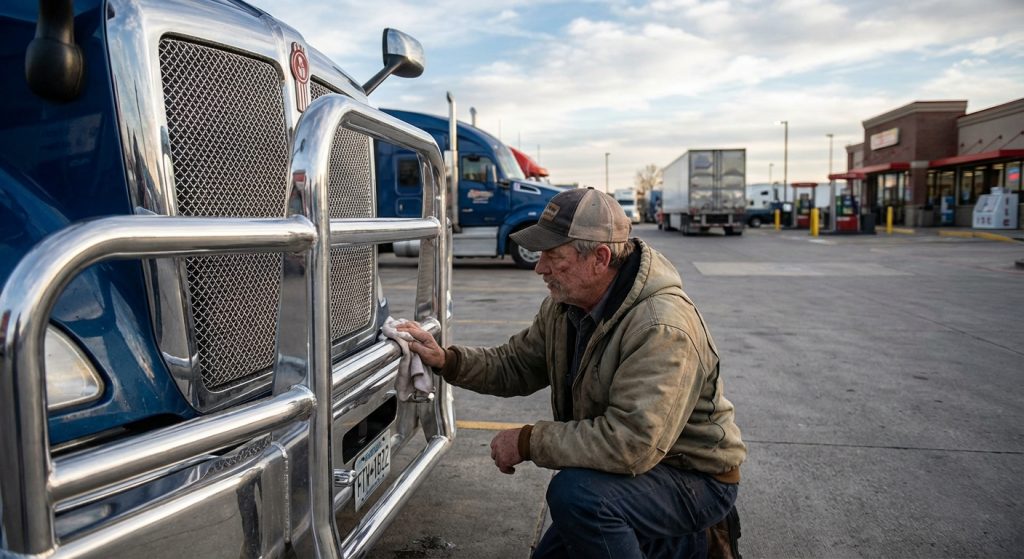
Properly mounting a part from a semi truck bumper supplier is just as important as the quality of the part itself. Even the strongest moose guard will fail if it is attached with substandard hardware or if the mounting bolts aren’t torqued to the correct specifications. Regular maintenance, including cleaning road salt and checking for loose fittings, will ensure your aftermarket investment lasts for the life of the truck.
Professional vs. DIY Installation Considerations
While many aftermarket bumpers are marketed as “bolt-on,” the sheer weight of heavy-duty guards (often over 200 lbs) requires specialized lifting equipment for a safe installation. If your truck has complex radar or sensor systems, professional installation is highly recommended to ensure everything is recalibrated correctly.
- Professional Install: Best for fleet rigs with advanced driver-assistance systems (ADAS) that require sensor alignment.
- DIY Install: Possible for basic chrome or plastic replacements if you have a forklift or several sets of hands.
Believe it or not:
Most installation “failures” are actually just loose bolts that weren’t torqued down to the manufacturer’s recommended foot-pounds.
Key Takeaway: Professional installation is the best way to ensure complex sensor integration is handled safely and mounting hardware is correctly torqued.
| Installation Path | Pros | Cons |
|---|---|---|
| Professional Shop | Sensor calibration/Lifting gear | Higher labor cost |
| In-House/DIY | Lower cost/Schedule control | Risk of sensor misalignment |
| Mobile Service | Convenience | Limited heavy equipment |
Choosing the right installation method protects both the technician’s safety and the truck’s operational integrity.
Routine Maintenance for Long-Term Durability
Even the toughest bumper needs regular care, especially if you operate in northern climates where road salt is used heavily during the winter months. Salt and road grime can pit even the best polished aluminum over time, and the constant vibration of the highway can slowly loosen even the most secure mounting hardware.
- Bolt Torque Check: Every 50,000 miles, use a torque wrench to ensure all mounting hardware is still tight.
- Visual Cleaning: Monthly cleaning with pH-neutral soap prevents corrosive chemicals from eating into the finish.
You see:
Spending thirty minutes a month on maintenance can add three years to the visual life of your bumper.
Key Takeaway: Regular hardware inspections and consistent cleaning are the most effective ways to extend the lifespan of your front-end protection.
| Maintenance Task | Frequency | Purpose |
|---|---|---|
| Hardware Check | Every 50k Miles | Prevent vibration loosening |
| Deep Cleaning | Monthly | Prevent salt pitting/corrosion |
| Impact Inspection | Post-Collision | Check for hidden stress cracks |
Proactive maintenance ensures that your bumper remains both structurally sound and visually impressive for the long haul.
10. How Should You Handle Cost Considerations and Budgeting with a Supplier?
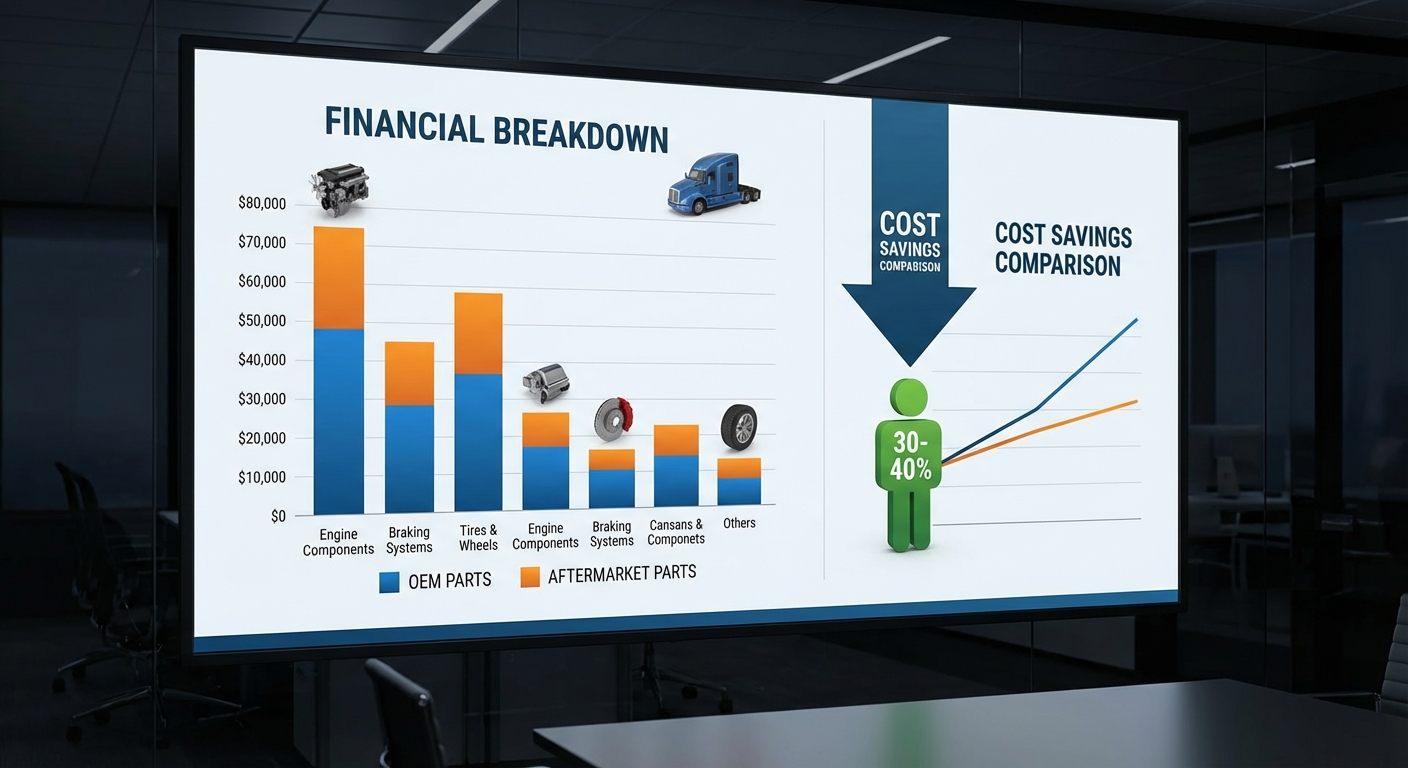
Budgeting for a semi truck bumper supplier involves calculating the total cost of ownership, not just the initial sticker price you see on an invoice. You must factor in freight costs for heavy items, potential installation labor, and the long-term fuel savings associated with aerodynamic or lightweight designs. A smart buyer looks at the “price per mile” of a component rather than just trying to find the cheapest piece of metal available.
Accounting for Hidden Costs and Logistics
Shipping a 250-pound heavy-duty guard isn’t cheap, and if you aren’t careful, freight costs can eat up all the savings you gained by avoiding the dealership. Always ask for a “landed cost” quote that includes shipping, handling, and any potential customs duties if you are ordering from an international manufacturer.
- Freight and Handling: Oversized items require LTL (Less Than Truckload) shipping, which varies based on your proximity to the warehouse.
- Installation Labor: Factor in 2 to 4 hours of shop time if you aren’t performing the installation in-house.
Let’s be honest:
A “cheap” bumper with $500 in shipping costs isn’t actually a bargain anymore.
Key Takeaway: Always calculate the total “landed cost” including freight and labor to get an accurate picture of your procurement savings.
| Budget Line Item | Estimated Impact | Variable Factors |
|---|---|---|
| Unit Price | 70% | Material/Customization |
| Freight/Shipping | 15% | Weight/Distance |
| Install/Finish | 15% | Shop rate/Powder coating |
Understanding the full financial picture prevents budget overruns and ensures you are getting true value for your fleet investment.
Balancing Initial Price Against Price-Per-Mile
The cheapest bumper on the market might require replacement twice as often as a mid-priced, high-quality guard due to structural cracking or poor corrosion resistance. When budgeting, consider how many miles you expect to get out of the part before it needs to be refurbished or replaced.
- Longevity Value: A $2,000 guard that lasts 500,000 miles is cheaper than a $1,000 guard that fails at 100,000 miles.
- Resale Value: Quality aftermarket guards can often be refurbished and moved to a new truck, retaining their value better than OEM plastic.
Think about it:
In the trucking industry, the cheapest option is almost always the most expensive in the long run.
Key Takeaway: Investing in high-quality aftermarket parts lowers your long-term “price-per-mile” by reducing replacement frequency and downtime.
| Component Tier | Initial Cost | Expected Life | Price Per 100k Miles |
|---|---|---|---|
| Standard Plastic | $400 | 150k Miles | $266 |
| Budget Chrome | $800 | 250k Miles | $320 |
| Premium HD Guard | $2,200 | 750k+ Miles | $293 |
The financial breakdown clearly shows that high-durability guards provide the best long-term value for professional fleet operations.
Conclusion
Selecting the right aftermarket components is about more than just finding a lower price; it is about finding a partner who understands the rigors of the road. At Brontec Trailer, we specialize in high-performance protection designed for the harshest environments in North America, ensuring your fleet remains safe and efficient. By choosing a dedicated semi truck bumper supplier, you gain access to precision engineering that safeguards your drivers and your equipment from the unpredictable nature of long-haul trucking. We take immense pride in our commitment to heavy-duty durability and our ability to deliver custom solutions that standard dealerships simply cannot match. To see how our moose bumpers and grille guards can protect your investment and keep your rigs on the road, contact us today.
Frequently Asked Questions
Can I install an aftermarket bumper without voiding my truck’s factory warranty?
Generally, yes. The Magnuson-Moss Warranty Act protects you, meaning a manufacturer cannot void your warranty just because you used an aftermarket part, unless they can prove the specific part caused a mechanical failure.
What is the best material for a heavy-duty moose-country bumper?
High-grade aluminum is often preferred for moose country because it provides extreme impact strength while weighing significantly less than steel, helping you stay within front-axle weight limits.
How do I know if an online semi truck bumper supplier is reputable?
Look for a clear physical manufacturing address, detailed material specifications (like alloy grades), a structured warranty policy, and positive reviews from other commercial fleet operators.
Will an aftermarket bumper fit my collision-avoidance radar system?
Reputable suppliers design their products with specific laser-cut windows and mounting brackets for radar systems like Bendix or WABCO, but you must always confirm sensor compatibility before finalizing your order.
Can I customize an aftermarket bumper with specialized lighting?
Yes, many high-quality manufacturers offer custom-cut versions of their bumpers to accommodate specific LED light bars or auxiliary fleet lighting, often providing pre-drilled mounts for a cleaner installation.