
The primary difference between a moose bumper vs grille guard is that a moose bumper is a heavy-duty, frame-mounted full replacement unit built for maximum impact survival, while a grille guard is typically a bolt-on accessory designed to protect the central cooling area. Fleet managers and owner-operators frequently grapple with the high costs of vehicle downtime and repair bills after a wildlife collision. You cannot afford to have a primary mover sidelined for weeks because of a radiator puncture that could have been prevented. Choosing the right moose bumper vs grille guard is a strategic decision that safeguards your fleet’s operational efficiency and bottom line.
Why compare moose bumper vs grille guard for your heavy truck?
Comparing a moose bumper vs grille guard is essential because your choice directly dictates whether your truck remains driveable or requires a tow after an animal strike. You need to evaluate the products available to ensure your safety equipment matches the specific hazards of your North American routes.
How do you identify the risks on your specific routes?
You must analyze the wildlife density and road conditions of your lanes to select hardware that matches your actual exposure level.
The truth is:
- Standard deer guards often buckle under the weight of larger elk or moose.
- Heavy-duty bumpers are designed to keep the truck driveable after a hit.
- Your safety record depends on having the right equipment for the terrain.
Here is the kicker:
A single moose strike can write off a truck that lacks frame-integrated protection.
Key Takeaway: Identifying regional wildlife hazards allows you to select between lighter grille protection and full-scale industrial bumpers.
| Factor | Moose Bumper | Grille Guard |
|---|---|---|
| Main Target | Moose and Large Elk | Deer and Road Debris |
| Material Strength | High-Grade Aluminum/Steel | Polished Stainless Steel |
| Mounting | Direct Frame Integration | Tow Receiver Brackets |
Selecting equipment based on route risk ensures you don’t overspend on weight or underspend on safety.
What is the main moose bumper vs grille guard structural difference?
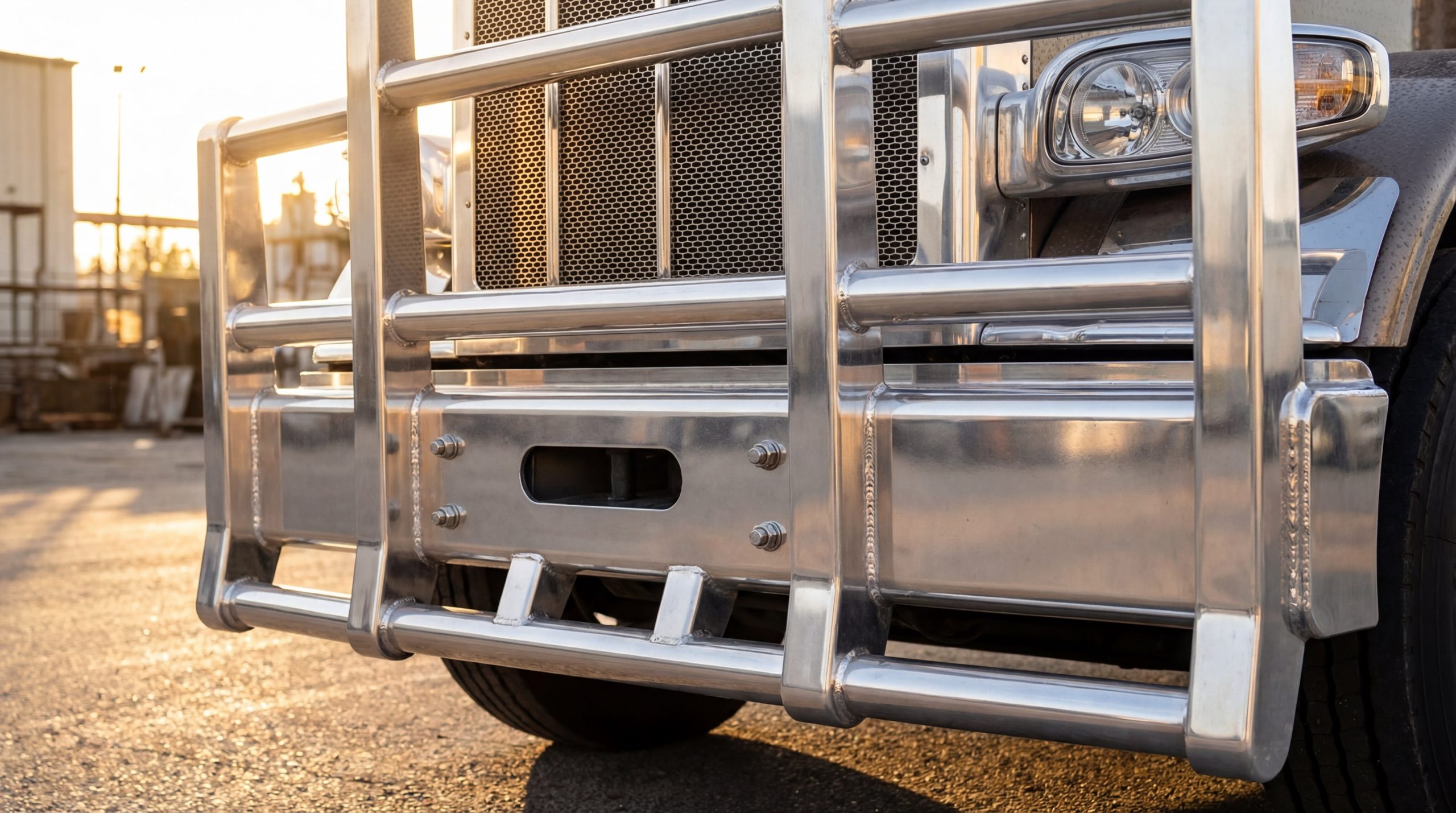
The main structural difference in a moose bumper vs grille guard lies in the mounting method and the thickness of the materials used in the chassis connection. You will find that while both offer a barrier, the engineering behind their impact absorption varies significantly to handle different force loads.
Does the mounting system define the guard’s strength?
Mounting systems are the primary differentiator, with full bumpers integrating directly into the chassis frame for superior stability. You should prioritize frame-integrated systems if you are operating in high-vibration environments or remote areas.
Think about it:
- Frame-mounted units distribute force across the entire truck chassis.
- Tow-point mounts are easier to install but can pivot during heavy hits.
- Structural integrity depends entirely on the quality of the mounting brackets.
But wait, there is more:
The material gauge of the mounting plate often determines if a guard survives a secondary impact.
Key Takeaway: Structural superiority is found in frame-integrated mounting and the use of heavy-gauge materials for impact tolerance.
| Feature | Moose Bumper | Grille Guard |
|---|---|---|
| Material Thickness | 5mm+ Heavy Gauge | 2mm – 3.5mm Standard |
| Impact Surface | Full Width Protection | Centered Grille Focus |
| Frame Connection | Permanent/Structural | Bolt-on/Removable |
Understanding these structural tiers helps you invest in the correct level of hardware for your truck’s application.
How does moose bumper vs grille guard impact collision safety?
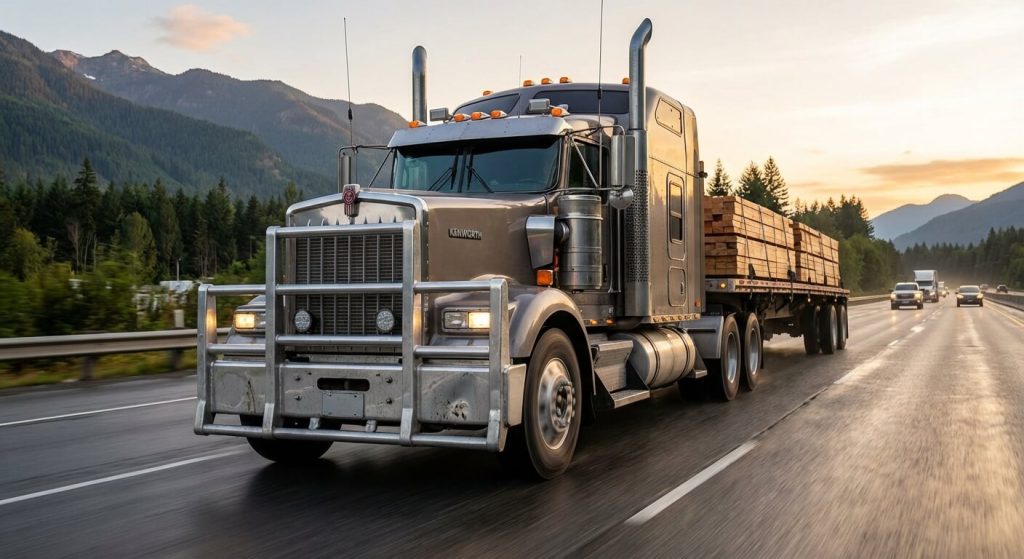
A moose bumper vs grille guard impacts collision safety by determining how much kinetic energy is transferred to the truck’s cooling system versus the ground. Selecting the right moose bumper vs grille guard ensures that large animals are deflected away from the cab and windshield.
Can these guards prevent a total loss accident?
Strategic front-end protection prevents terminal engine damage, effectively saving the truck from being declared a total loss by insurance. You can avoid the massive expense of vehicle replacement by utilizing a guard that acts as a sacrificial shield.
The reality is:
- A totaled truck leads to months of lost revenue and logistical gaps.
- Structural guards deflect animal mass down and away from the driver.
- Protective barriers keep vital fluids contained within the cooling pack.
Believe it or not:
A well-placed bumper can turn a $50,000 repair into a simple $2,000 guard replacement.
Key Takeaway: Collision safety is maximized when the guard manages impact energy to protect the driver and keep the engine intact.
| Safety Metric | Moose Bumper | Grille Guard |
|---|---|---|
| Energy Absorption | High (Controlled Deformation) | Moderate (Surface Shield) |
| Driver Protection | Maximum (Cab Deflection) | Standard (Component Shield) |
| Post-Strike State | Driveable in Most Cases | Likely Requires Towing |
Safety hardware should be viewed as an immediate insurance payout that triggers the moment a strike occurs.
When is a moose bumper vs grille guard better for fuel economy?
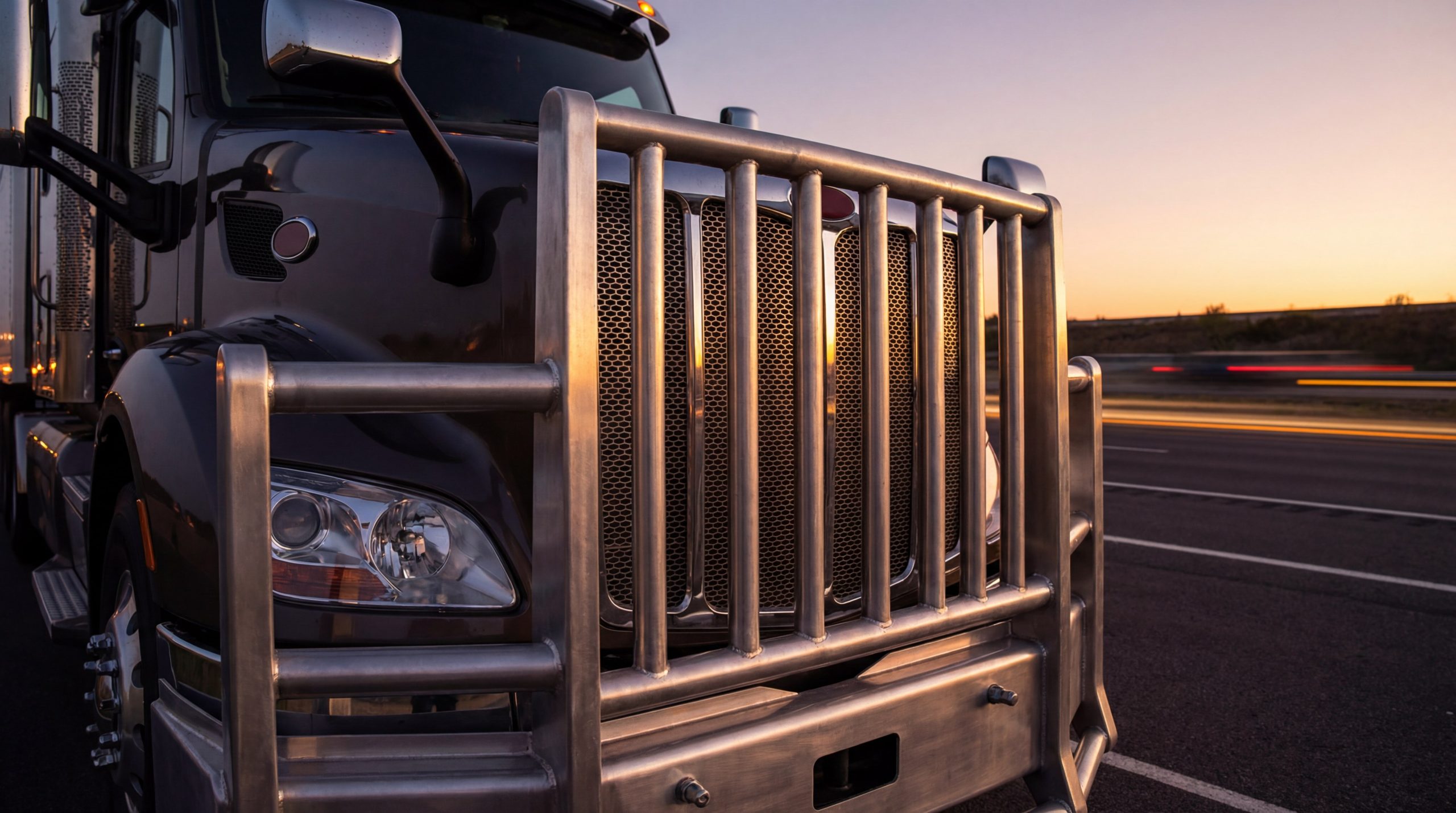
Determining when a moose bumper vs grille guard is better for fuel economy requires balancing the aerodynamic profile against the added weight on the front axle. You should consider that while heavy-duty protection adds mass, modern aerodynamic designs help maintain your miles-per-gallon (MPG) targets.
How does aerodynamic design mitigate drag?
Aerodynamic profiles on modern bumpers allow air to flow smoothly around the front end rather than creating a parachute effect. You will notice that swept-back designs are superior for high-speed highway hauling where wind resistance is a major factor.
Look at it this way:
- Aluminum guards provide high strength without a heavy weight penalty.
- Swept-back profiles reduce the coefficient of drag significantly.
- Properly balanced weight lowers the fatigue on your steering components.
Here is the kicker:
Saving weight with aluminum can allow for higher payload capacity while maintaining elite protection.
Key Takeaway: Fuel economy is best maintained by choosing high-strength aluminum construction and aerodynamic, swept-back profiles.
| Economy Factor | Moose Bumper | Grille Guard |
|---|---|---|
| Average Weight | 300 – 500 lbs | 150 – 250 lbs |
| Aero Profile | Swept-Back/Optimized | Vertical Tube/Standard |
| Payload Impact | Moderate | Negligible |
Efficiency does not have to be sacrificed for safety if you select hardware designed with wind-tunnel tested geometry.
Are moose bumper vs grille guard mounting systems interchangeable?
No, moose bumper vs grille guard mounting systems are generally not interchangeable because they use different attachment points on the truck’s chassis. By reviewing the moose bumper vs grille guard specifications, you can see how precision engineering is required for every specific truck model.
Why is frame integration superior to tow mounts?
Frame integration involves bolting directly to the truck’s main rails, which provides the foundation needed to stop a massive wildlife strike. You should avoid relying on simple tow receiver mounts if your routes involve extreme environments with large animals.
The truth is:
- Tow points are designed for pulling, not high-speed lateral impacts.
- Light-duty mounts can vibrate loose over thousands of highway miles.
- A pivoting guard can actually cause more damage to the hood.
Make no mistake:
The mounting hardware is the most critical link in your front-end protection system.
Key Takeaway: Mounting systems must be matched to the expected impact force; only frame-integrated systems offer true heavy-duty defense.
| Mounting Spec | Frame Integrated | Tow Receiver Mount |
|---|---|---|
| Installation | 2-4 Hours (Professional) | 30-60 Minutes (DIY-able) |
| Stability | Maximum (No Vibration) | Moderate (Potential Flex) |
| Application | Heavy-Duty Bumpers | Light-Duty Guards |
Precision fitment ensures that your safety equipment performs as engineered during a real-world emergency.
Which moose bumper vs grille guard style protects your radiator best?
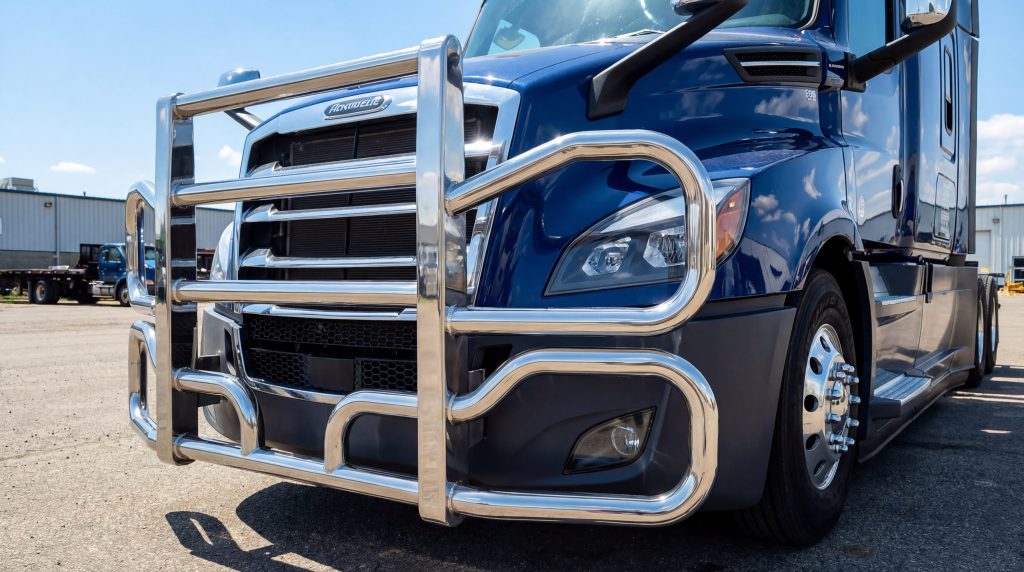
The style of moose bumper vs grille guard that protects your radiator best is one featuring a full-width lower rake and reinforced mesh screens. Radiators are highly vulnerable to small debris and bird strikes, so your choice must focus on the density of the coverage area.
How do you ensure airflow remains unobstructed?
You must select a guard that provides maximum protection without choking the airflow your engine needs to stay cool during heavy climbs. High-performance guards use angled slats that catch debris while funneling air directly into the cooling intake.
Think about it:
- Punctured radiators are the leading cause of engine overheating on the road.
- Vertical slats deflect rocks that would pass through horizontal gaps.
- Full-width coverage protects the vulnerable corners of the cooling pack.
But wait, there is more:
Mesh screens can stop smaller projectiles that round tubes might miss entirely.
Key Takeaway: The best radiator protection combines heavy-duty impact tubes with specialized mesh to block projectiles without limiting airflow.
| Protection Style | Full Bumper Mesh | Open Tube Guard |
|---|---|---|
| Debris Blocking | Excellent (Small Objects) | Poor (Large Objects Only) |
| Airflow Path | Engineered Vents | Maximum Open Space |
| Reliability | 95% Coverage | 40% Coverage |
A radiator failure hundreds of miles from a service center is a costly lesson in why surface coverage matters.
What is the moose bumper vs grille guard ROI for large fleets?
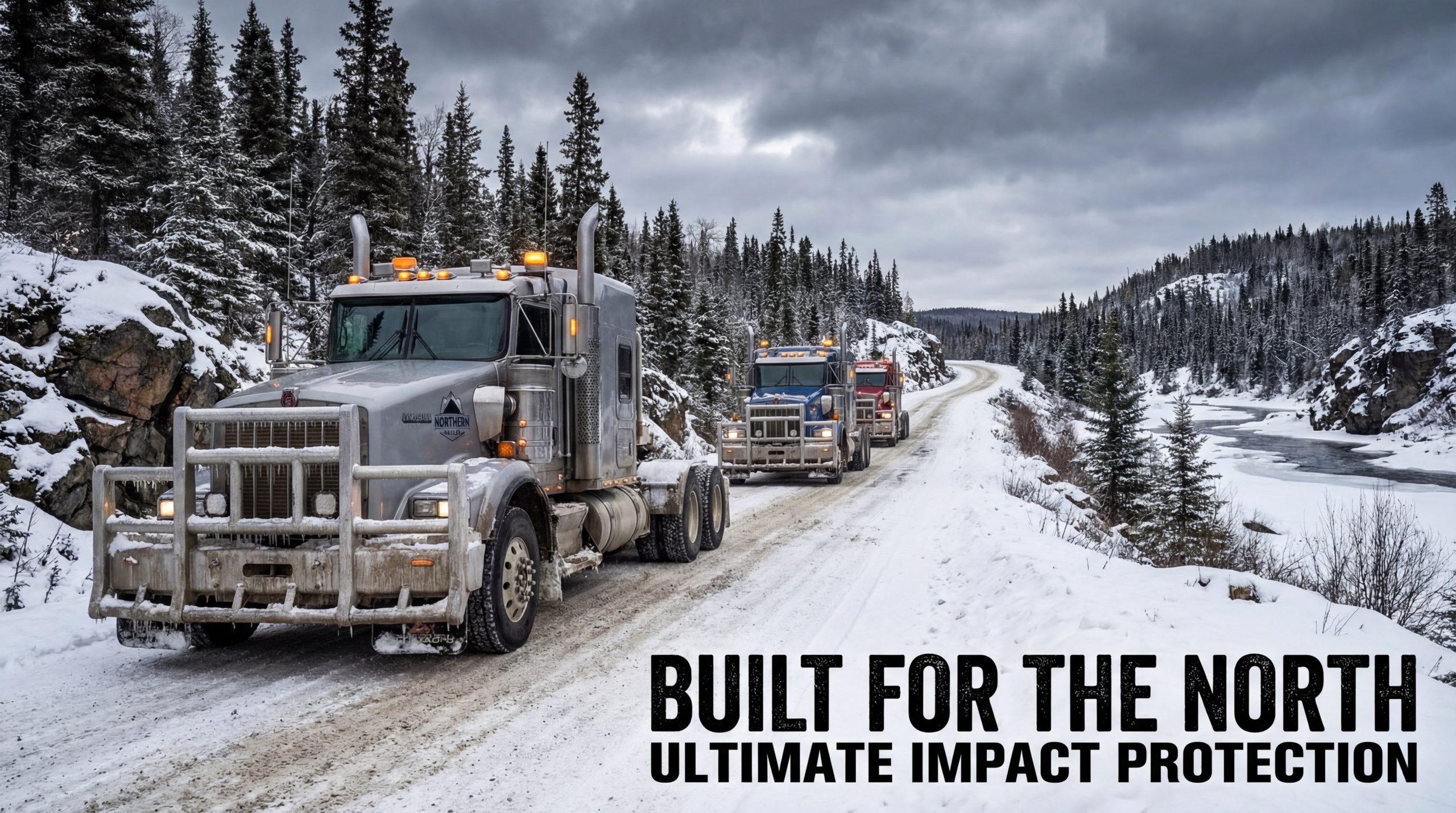
The ROI for a moose bumper vs grille guard in large fleets is measured by the reduction in insurance claims and the elimination of downtime for critical assets. Our moose bumper vs grille guard solutions are designed to pay for themselves after a single avoided collision.
How do you calculate the cost of downtime?
Downtime costs include missed delivery penalties, driver layover pay, and the rental cost of replacement units while your truck is in the shop. You will find that the price of a premium bumper is often less than three days of lost revenue.
The reality is:
- Daily revenue loss can exceed $1,000 per Class 8 vehicle.
- Towing fees for disabled semis often start at several hundred dollars.
- Delayed shipments can damage your reputation with key logistics clients.
Look at it this way:
Standardizing your fleet’s protection simplifies your maintenance inventory and reduces overall risk.
Key Takeaway: ROI is realized quickly through avoided repair costs and the preservation of fleet uptime across all routes.
| Investment Metric | Individual Truck | Fleet Program |
|---|---|---|
| Unit Cost | Standard MSRP | Volume Discounted |
| Payback Period | One Major Strike | 12-18 Months (Avg Claims) |
| Resale Value | Higher (Guard Included) | Standardized Asset Value |
Investing in front-end protection is a proactive move that stabilizes your annual maintenance and repair budget.
Can moose bumper vs grille guard options be customized for style?
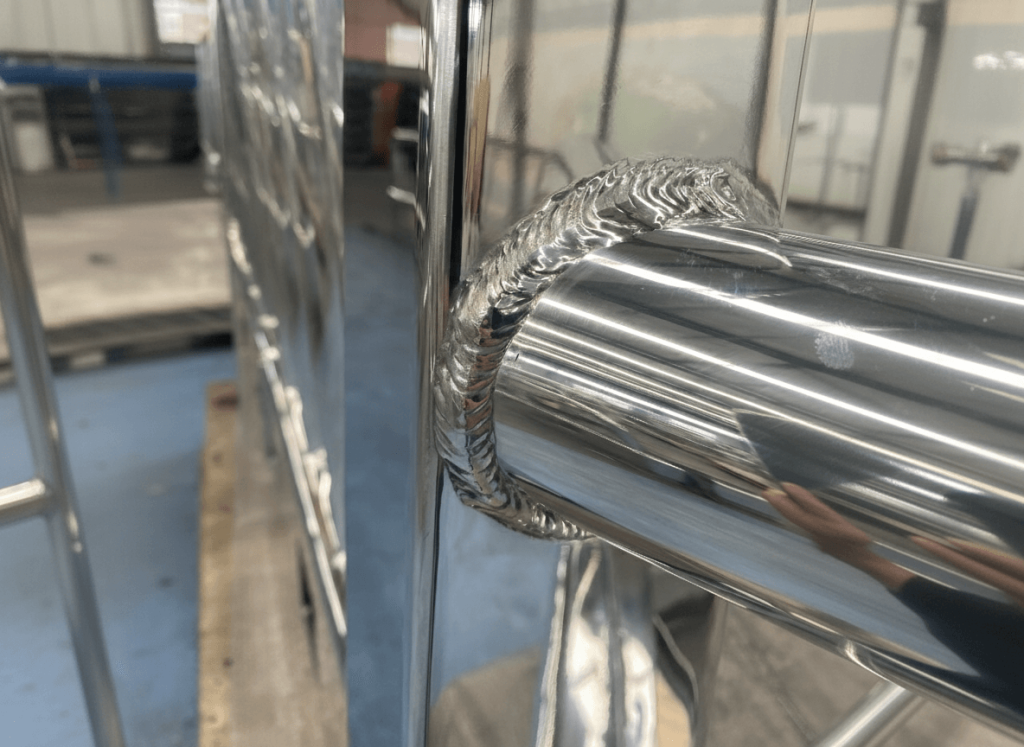
Yes, both moose bumper vs grille guard options can be customized with various finishes, lighting mounts, and branding to match your company’s aesthetic. You do not have to sacrifice the professional look of your fleet to gain industrial-grade safety benefits.
Are powder coatings better than polished finishes?
Powder coatings offer extreme durability and color-matching options, while polished stainless steel provides a classic mirror finish that resists corrosion. You should choose the finish that best handles the environmental stressors of your specific operating region.
Believe it or not:
- Black powder coat hides minor scratches and road rash effectively.
- Polished finishes can be buffed back to a shine after years of use.
- Custom branding turns your safety gear into a rolling billboard.
Here is the kicker:
High-quality finishes prevent the rust streaks that can make a fleet look neglected.
Key Takeaway: Customization allows you to maintain brand consistency while utilizing different levels of protection for different truck models.
| Style Option | Powder Coat | Polished Stainless |
|---|---|---|
| Durability | High (Chip Resistant) | Moderate (Scratches Visible) |
| Maintenance | Low (Soap and Water) | High (Requires Polishing) |
| Visual Appeal | Modern/Industrial | Classic/High-End |
A great-looking truck builds driver pride and projects a professional image to your customers and the public.
Why do logging teams debate moose bumper vs grille guard specs?
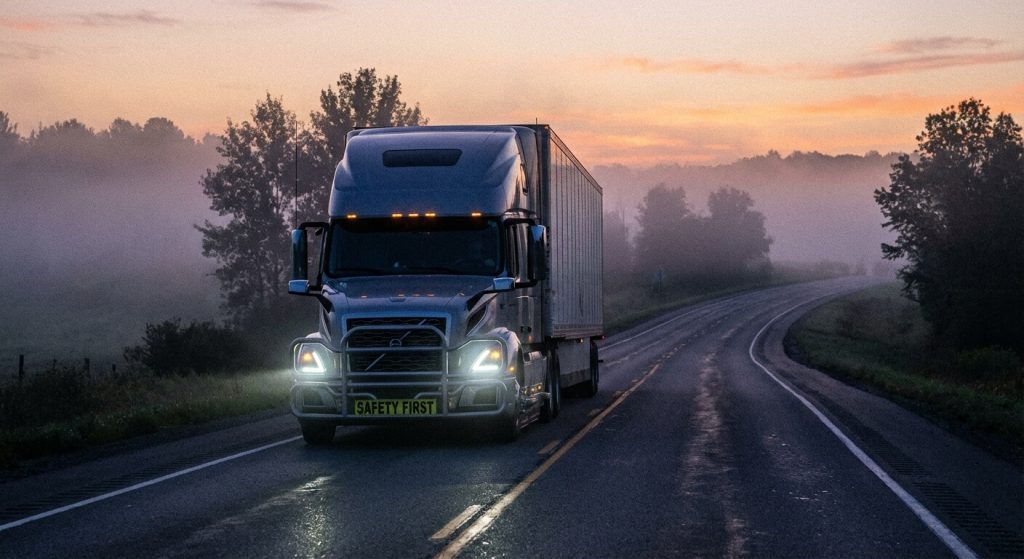
Logging teams debate moose bumper vs grille guard specs because their off-road environment involves high-vibration trails and the constant risk of brush-ins. For logging and northern fleets, the hardware must survive more than just animal strikes—it must survive the forest itself.
Is ruggedness more critical than weight in the woods?
In the logging industry, the ability to push through brush or survive a low-speed impact with a crane is more valuable than saving weight. You need a moose bumper vs grille guard that acts as a structural extension of the truck’s heavy-duty persona.
Think about it:
- Vibration-resistant mounts are mandatory for washboard logging roads.
- Lower rakes must clear stumps and deep ruts without catching.
- Steel is often preferred for its ease of field-welding and repair.
Look at it this way:
The woods will find the weakest point in your equipment, so over-engineering is necessary.
Key Takeaway: Logging and off-road environments demand the most rugged moose bumpers available, focused on vibration resistance.
| Spec Priority | Logging Fleet | Highway Fleet |
|---|---|---|
| Mounting | Reinforced/Anti-Vibe | Standard Aerodynamic |
| Clearance | High (Stump Clearance) | Low (Air Dam Support) |
| Material | Heavy Steel/Aluminum | Lightweight Aluminum |
Using logging-grade specs on highway trucks might be overkill, but using highway guards in the woods is a recipe for failure.
How to decide on the best moose bumper vs grille guard for you?
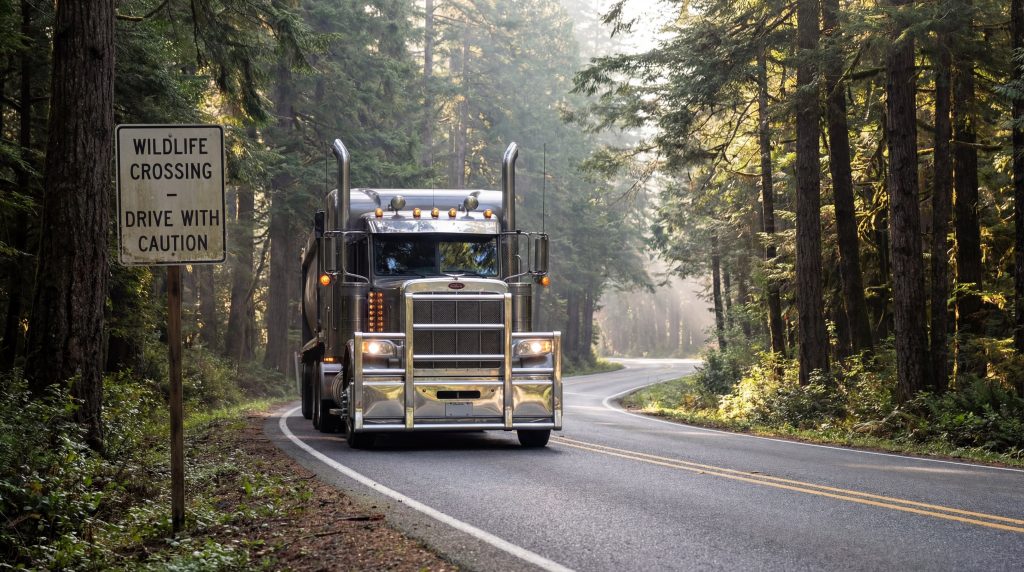
Deciding on the best moose bumper vs grille guard requires a thorough analysis of your budget, your truck’s make and model, and your historical accident data. You must balance the upfront purchase price against the long-term savings generated by reduced repairs and lower insurance risks.
What is your primary operating environment?
If you spend most of your time on well-lit interstates in the South, a lighter grille guard might be sufficient for debris and deer. However, if you are crossing the Canadian border or the Rockies at night, a full-scale moose bumper is a non-negotiable safety tool.
The reality is:
- Night driving increases wildlife strike probability by over 300%.
- Northern routes have significantly larger and more dangerous animals.
- Your decision should always be based on the worst-case scenario.
Believe it or not:
Consulting with an OEM-certified manufacturer ensures your guard is compatible with modern radar sensors.
Key Takeaway: The best decision is one based on your specific route risks, operating environment, and an expert consultation.
| Decision Matrix | Choose Moose Bumper If: | Choose Grille Guard If: |
|---|---|---|
| Animal Density | High (Moose/Elk/Bears) | Low to Moderate (Deer) |
| Truck Use | Logging/Heavy Haul | Long-Haul Highway |
| Budget Focus | Total Asset Protection | Component Shielding |
Choosing the right hardware today prevents the logistical and financial headaches of a front-end collision tomorrow.
Selecting the appropriate front-end protection is more than a simple purchase—it is a strategic decision for the longevity of your trucking business. Whether you choose the streamlined protection of a grille guard or the uncompromising defense of a moose bumper, your goal remains the same: keeping your drivers safe and your trucks moving. As an industry leader, Brontec is committed to providing engineering excellence that stands up to the toughest conditions in North America. To find the perfect fit for your fleet, contact us today and let our experts guide you toward a safer, more profitable future.
Frequently Asked Questions
Can I install a moose bumper on a truck with Collision Avoidance Systems?
Yes, modern moose bumpers are engineered with specific cutouts and brackets that allow your radar and camera sensors to function without interference. You must verify compatibility with your specific truck model to ensure these safety systems remain 100% active.
What’s the best material for a moose bumper in salt-heavy regions?
High-grade aluminum or 304 stainless steel are the best choices for regions using heavy road salt. These materials naturally resist corrosion, ensuring your guard maintains its structural integrity and professional appearance through many winter seasons.
Can I transfer my grille guard to a different truck model?
Generally, no. Because guards are designed to fit the specific contours and mounting points of a particular chassis, they are not universal. You should consult the manufacturer to see if a bracket kit is available, but a new unit is usually required for a perfect fit.
What’s the best way to maintain the finish on a polished bumper?
You should regularly wash the guard with soap and water to remove road salt and grime. For polished stainless steel, using a dedicated metal polish once or twice a year will restore the mirror-like shine and help protect the surface from oxidation.
Can I get a moose bumper for a medium-duty pickup truck?
Absolutely. While often discussed in the context of Class 8 semis, there are heavy-duty, frame-integrated options available for pickups that provide elite protection for work sites, ranches, and off-road applications.