
The primary difference between moose and deer truck bumpers is the level of impact resistance and structural height, with moose bumpers offering heavy-duty, full-hood protection while deer bumpers focus on light-duty lower-grille defense. You are driving down a remote northern highway at dusk when a 1,500-pound moose suddenly steps into your path. The sheer terror of the impact is only the beginning, as you soon realize your vehicle is immobilized, your radiator is crushed, and your cargo is now indefinitely delayed. This single collision can cost you upwards of $30,000 in repairs and lost revenue, but equipping your rig with specialized truck bumpers provides a life-saving shield that keeps your business moving even after a strike.
Why are specialized truck bumpers essential for wildlife?
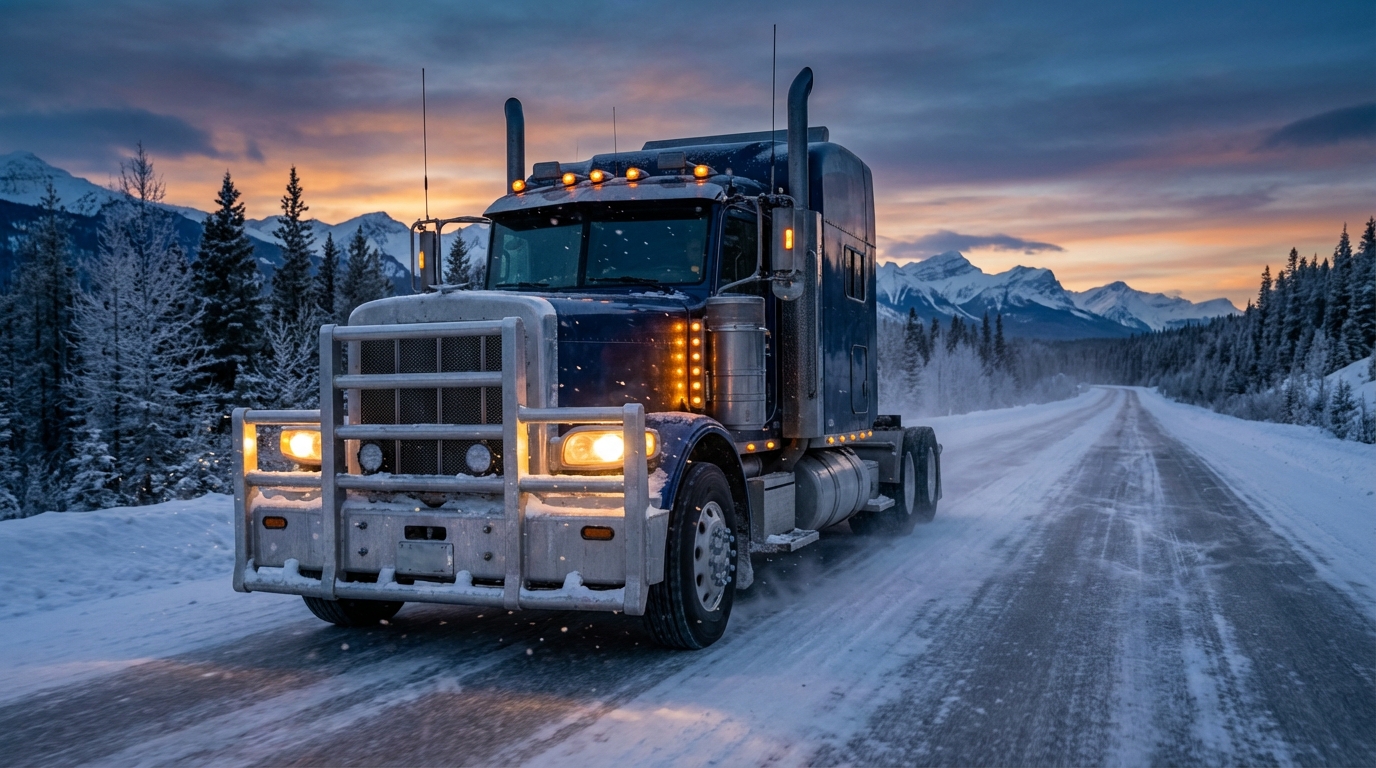
Specialized truck bumpers are critical because they are engineered to absorb and redistribute the massive kinetic energy generated during a high-speed animal strike. Relying on factory-installed plastic or thin-steel truck bumpers leaves your most vulnerable engine components exposed to catastrophic failure.
Can standard bumpers handle large animal strikes?
Standard OEM bumpers are designed primarily for aerodynamics and low-speed parking lot bumps rather than wilderness survivability. When hitting a large animal, these basic components often fold inward, pushing the metal directly into your radiator or intercooler.
- OEM bumpers frequently utilize thin materials.
- They lack the internal bracing needed for heavy impacts.
- Most use plastic mounting clips that shatter on contact.
Think about it:
Standard equipment is built for a different world than the one you drive in every day.
What are the real costs of a wildlife collision?
The financial impact of a collision goes far beyond the price of a few replacement parts. You have to account for towing fees, the loss of cargo delivery bonuses, and the massive cost of a rental truck while your rig sits in the shop for weeks.
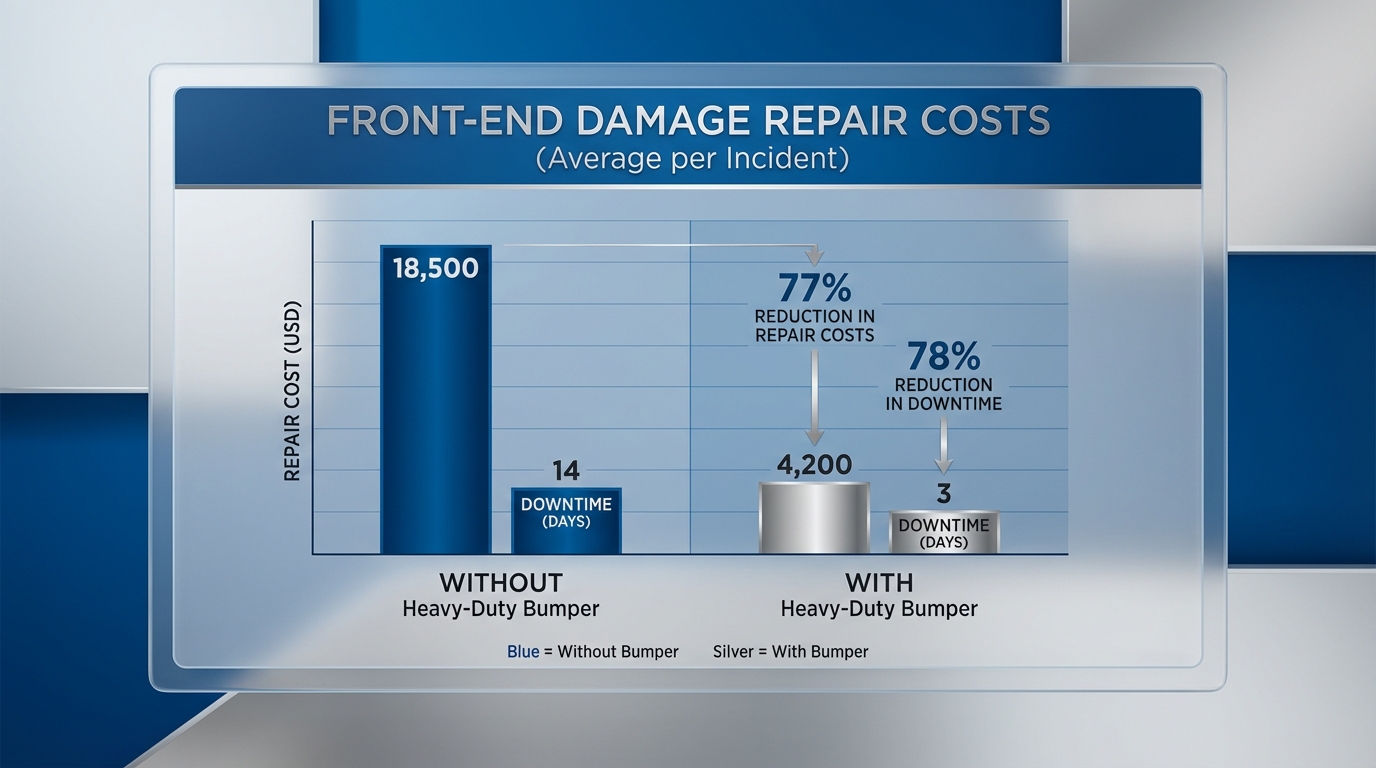
- Average front-end repair costs exceed $15,000.
- Mechanical downtime can last 14 to 30 days.
- Insurance premiums often spike after a total-loss claim.
The best part?
Investing in a high-quality guard acts as an insurance policy that pays for itself in a single incident.
| Impact Variable | OEM Bumper | Wildlife Bumper |
|---|---|---|
| Core Protection | None | Reinforced Steel/Aluminum |
| Energy Transfer | To Engine | To Frame |
| Post-Strike Result | Towed | Driven |
Analytical Insight: Operators using heavy-duty protection reduce their total recovery costs by over 75% compared to those using stock components.
How do deer-rated truck bumpers protect your vehicle?
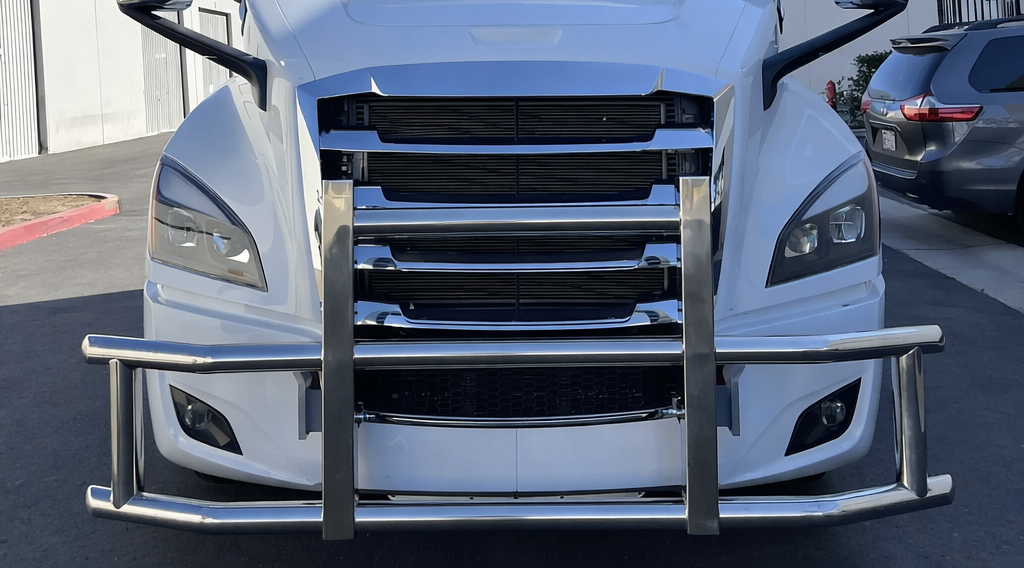
Deer-rated truck bumpers protect your vehicle by providing a rigid barrier against medium-sized wildlife strikes, specifically focusing on the lower half of the front end. These truck bumpers are an excellent middle-ground solution for drivers who frequent areas where deer are the primary threat.
Are these bumpers effective against white-tail deer?
These guards are specifically tuned to the weight and height of deer-sized animals to ensure the body is deflected away from the wheels. By maintaining a lower center of gravity, they prevent the animal from being sucked under the chassis where it can damage the steering linkage.
- Designed for strikes between 150-300 lbs.
- Focuses on lower grille and fog light preservation.
- Offers high-strength protection without excessive weight.
But here is the kicker:
A deer-rated guard might save your headlight, but it won’t survive a moose strike.
What makes them a popular choice for light fleets?
Fleet managers often choose these models because they offer a significant upgrade over stock without impacting fuel economy heavily. They provide enough protection to prevent the “nuisance” damage that typically sidelines a truck for minor strikes.
- Lightweight aluminum construction is standard.
- Easier to install than massive moose guards.
- Lower initial purchase price for large fleet rollouts.
The best part?
You get a custom look that also serves as a functional safety feature for your drivers.
| Feature | Range | Benefit |
|---|---|---|
| Wall Thickness | 1/8″ – 3/16″ | Balanced Protection |
| Weight Impact | Minimal | Saves Fuel |
| Coverage | Lower Grill | Protects Radiator |
Analytical Insight: Deer bumpers are the optimal choice for southern and midwestern routes where smaller wildlife is far more statistically prevalent.
What makes moose-rated truck bumpers heavy-duty?
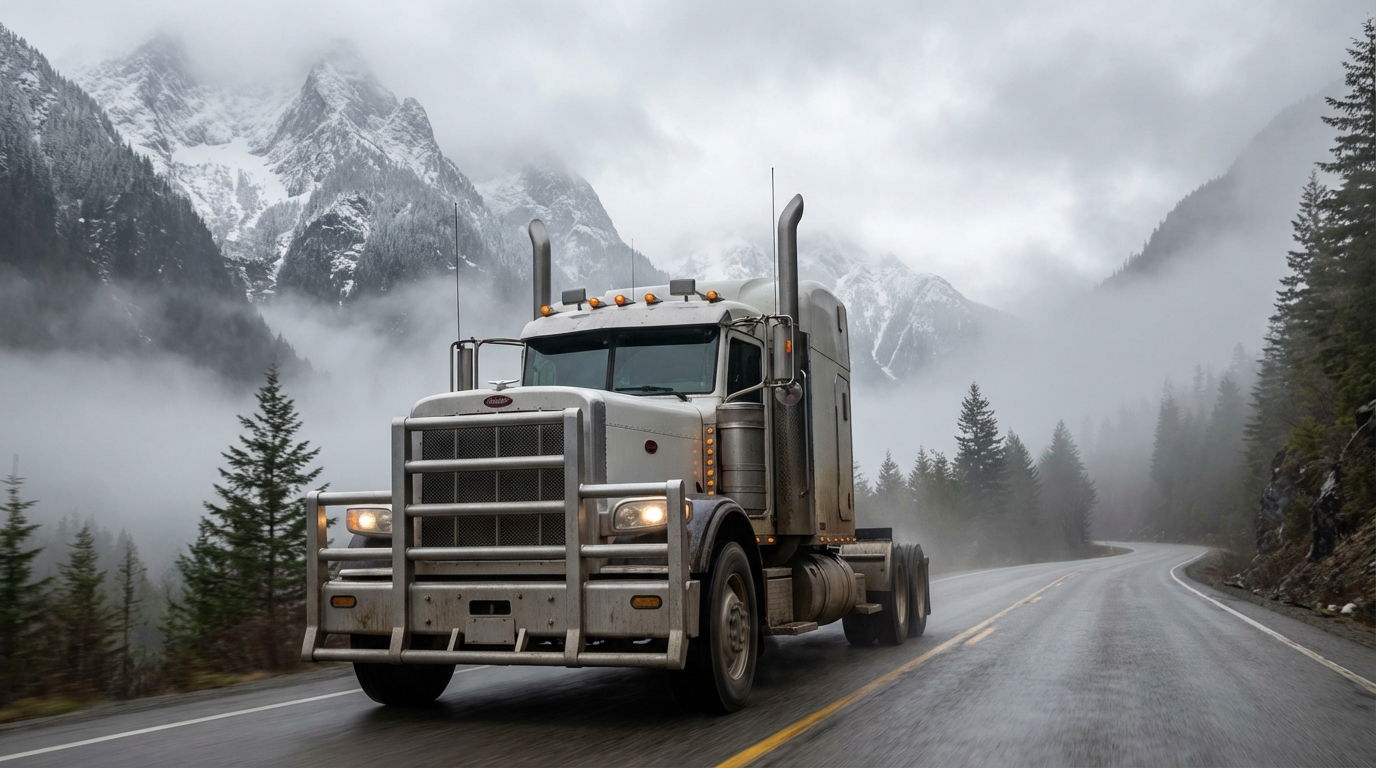
Moose-rated truck bumpers are considered heavy-duty because they utilize extreme material thicknesses and full-height vertical bars to stop a high-standing animal from rolling over the hood. Advanced moose truck bumpers are engineered for the most unforgiving environments on the planet.
Why is vertical height so important?
Because moose stand so tall, a standard bumper will often go right under their legs, causing the entire body of the animal to smash through the windshield. Moose bumpers feature high-rising “cathedral” bars that catch the animal’s weight and push it forward and away.
- Vertical bars protect the upper grille and hood.
- Prevents animal entry into the cab.
- Protects roof-mounted air deflectors.
Think about it:
You aren’t just protecting the engine; you are protecting the driver’s life.
What materials are used for moose protection?
Manufacturers use high-tensile 6061 or 5052 aluminum or tempered steel to create a structure that can withstand forces exceeding 100,000 lbs. The mounting brackets are typically reinforced with gussets to ensure the bumper doesn’t fold under pressure.
- Often feature 1/4″ to 3/8″ wall thickness.
- Include multi-point frame mounting.
- Welded by certified MIG/TIG professionals.
The best part?
These materials are rated for the sub-zero temperatures found in northern logging and haul routes.
| Specification | Standard | Moose-Rated |
|---|---|---|
| Mounting Points | 2 Points | 4-6 Reinforced Points |
| Impact Force | 5k – 10k lbs | 100k+ lbs |
| Total Coverage | 40% of Front | 95% of Front |
Analytical Insight: The architectural design of moose guards transforms the front of the truck into a rigid cage, shifting the impact focus from “repair” to “survival.”
Are aluminum or steel truck bumpers better for impacts?
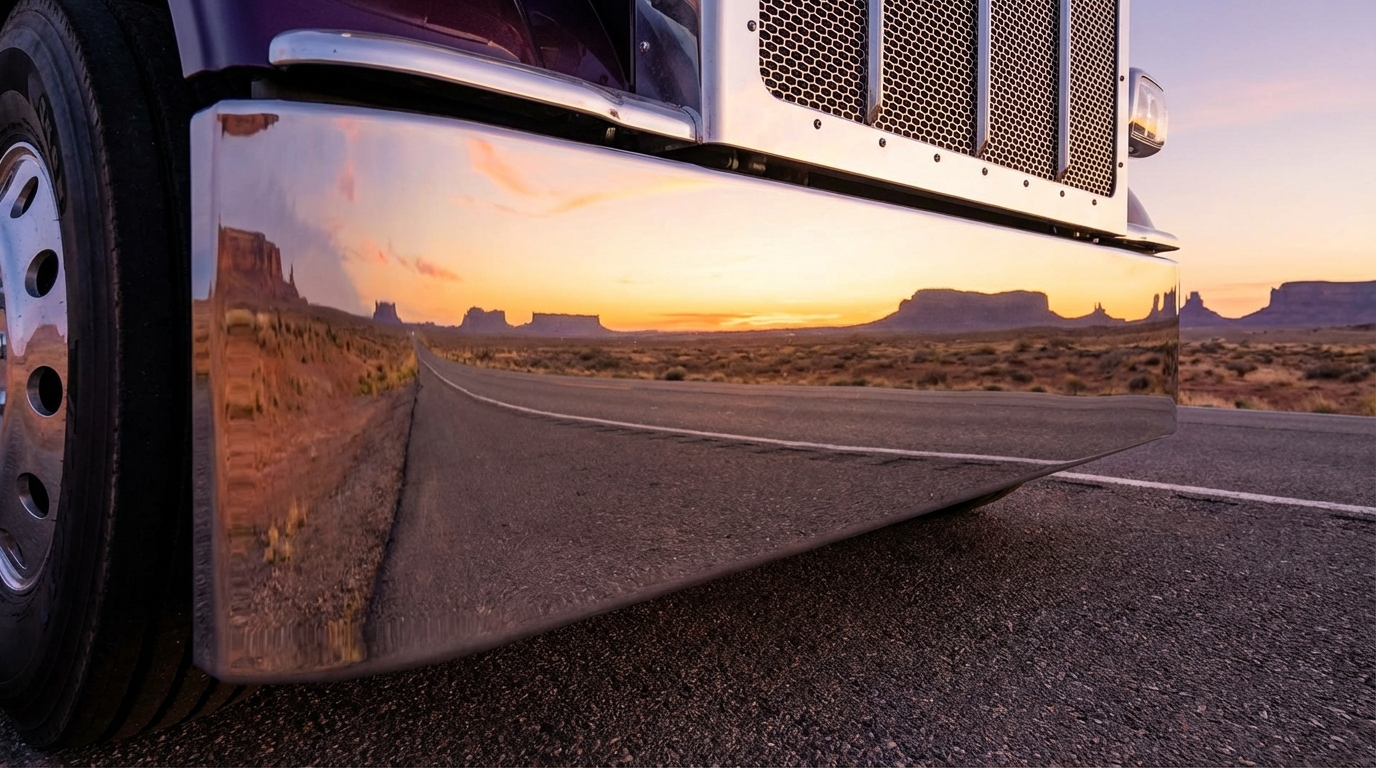
Determining whether aluminum or steel truck bumpers are better depends on your specific balance of weight requirements and corrosion resistance needs. While steel is traditionally thought of as stronger, high-grade aluminum truck bumpers have become the industry standard for their superior strength-to-weight ratio.
Is aluminum strong enough for a moose strike?
Modern high-tensile aluminum alloys are engineered to flex and absorb energy, which can actually be safer for the truck’s frame than a rigid steel bumper. Because aluminum doesn’t become brittle in extreme cold, it remains reliable in northern winter conditions.
- Absorbs energy through controlled deformation.
- Reduces front-axle weight by 50% vs steel.
- Prevents premature suspension and tire wear.
Does it hold up?
Yes, provided you choose a thickness rated specifically for moose-heavy regions.
Does steel offer a significant advantage?
Steel is often preferred for off-road or construction applications where scratching and minor dents are frequent. However, the heavy weight of steel can negatively impact your fuel mileage and cargo payload capacity over long distances.
- Easier to repair in rural welding shops.
- Provides a very rigid, unyielding surface.
- Requires heavy powder coating to prevent rust.
But here is the kicker:
The cost of the extra fuel burned due to steel’s weight can exceed the cost of the bumper in just one year.
| Characteristic | Aluminum | Steel |
|---|---|---|
| Corrosion Resistance | High (Natural) | Low (Needs Coating) |
| Weight (Avg) | 185 lbs | 450 lbs |
| Finish | Polished / Mirror | Powder Coat / Chrome |
Analytical Insight: Aluminum is the superior long-term investment for highway fleets, while steel remains a niche choice for local vocational trucks.
How do moose and deer truck bumpers differ in design?
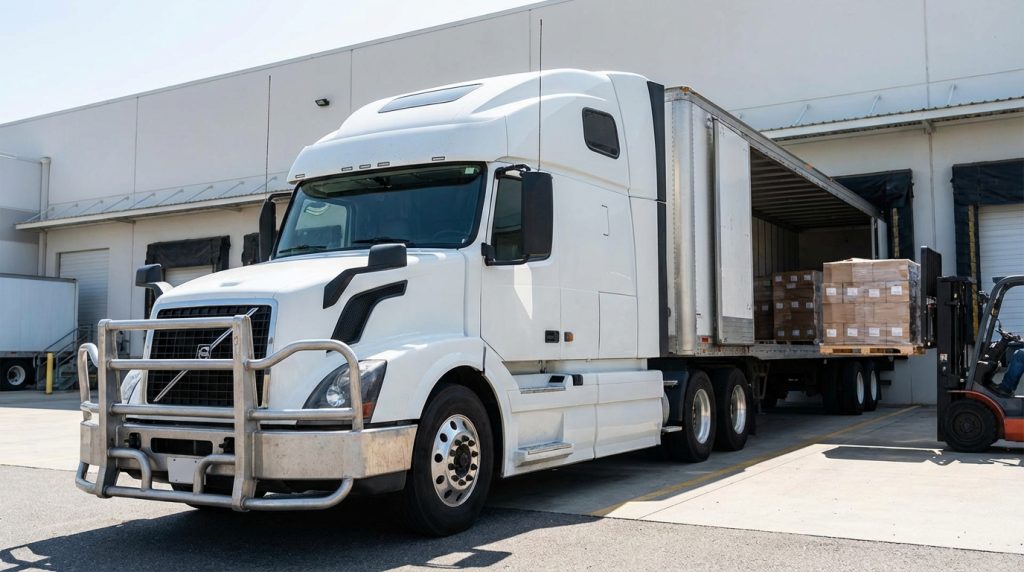
Moose and deer truck bumpers differ in design mainly through their physical profile and the number of horizontal cross-members included. Higher-tier truck bumpers utilize CAD-driven designs to ensure that these heavy-duty structures do not block essential airflow to the radiator.
What is the “cow-catcher” design?
Moose bumpers often feature a distinctive forward-leaning or tiered appearance that is designed to scoop an animal away from the truck. This design ensures that the most substantial part of the protection meets the animal’s center of mass before the hood is reached.
- Forward rake angle for animal deflection.
- Extra wide tubes for corner protection.
- Enhanced lighting mounts for night visibility.
Think about it:
The shape of the bumper is just as important as the material it is made of.
How do they affect the truck’s aerodynamics?
Deer bumpers are generally much sleeker and follow the factory lines of the truck more closely to maintain fuel efficiency. Advanced moose guards use perforated plates or vertical slits to ensure the engine stays cool under heavy load.
- Vented plates maintain factory CFM air levels.
- Contoured edges reduce wind drag.
- Recessed openings for tow hooks and sensors.
The best part?
You don’t have to sacrifice cooling performance for high-level structural safety.
| Design Element | Deer Bumper | Moose Bumper |
|---|---|---|
| Cross Bars | 1 – 2 | 3 – 5 |
| Height | Mid-Grille | Over-Hood |
| Approach Angle | Standard | High / Sloped |
Analytical Insight: Design evolution has allowed for “full-gate” protection that maintains the aerodynamic profile required for modern Tier-4 diesel efficiency.
Can custom truck bumpers reduce fleet repair costs?
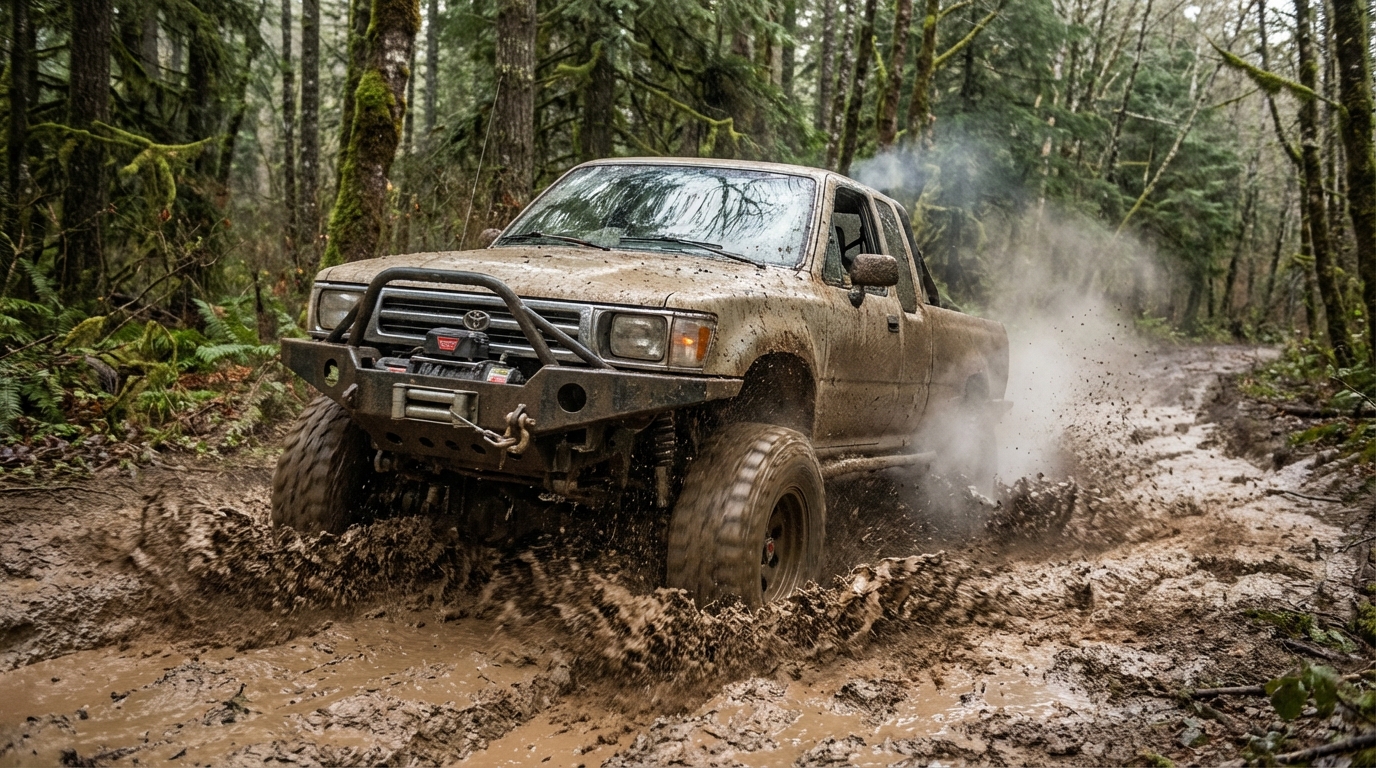
Custom truck bumpers significantly reduce fleet repair costs by eliminating the high expenses associated with mechanical downtime and emergency towing. Every truck bumpers installation serves as a physical firewall between your capital assets and the unpredictable nature of the road.
What is the average ROI on a heavy-duty bumper?
Most operators find that if a bumper prevents just one “totaling” event or even a major radiator repair, it has paid for itself several times over. The return is seen not just in parts saved, but in the retention of high-value transport contracts.
- Reduces insurance claim frequency.
- Eliminates $2,000+ towing bills.
- Protects the resale value of the power unit.
Think about it:
Is saving two thousand dollars today worth losing forty thousand dollars tomorrow?
How does downtime impact B2B operations?
For a commercial carrier, a truck in the shop is a truck losing money every hour. Custom guards ensure that after a strike, you can usually limp the truck to a terminal rather than waiting for a heavy-duty wrecker at the side of a dangerous highway.
- Ensures cargo is delivered on schedule.
- Reduces the need for “deadhead” replacement trucks.
- Keeps drivers on the road and earning.
The best part?
Drivers feel safer and more valued when they are behind a high-quality protective guard.
| Cost Category | With Stock Bumper | With Custom Bumper |
|---|---|---|
| Towing Charge | $2,500 | $0 |
| Parts & Labor | $18,000 | $500 (Inspection/Polish) |
| Lost Revenue | 14 Days ($14k) | 0 Days |
Analytical Insight: Strategic fleet managers view high-tensile bumpers as a capital investment in operational continuity rather than a simple accessory purchase.
What is the impact force rating for truck bumpers?
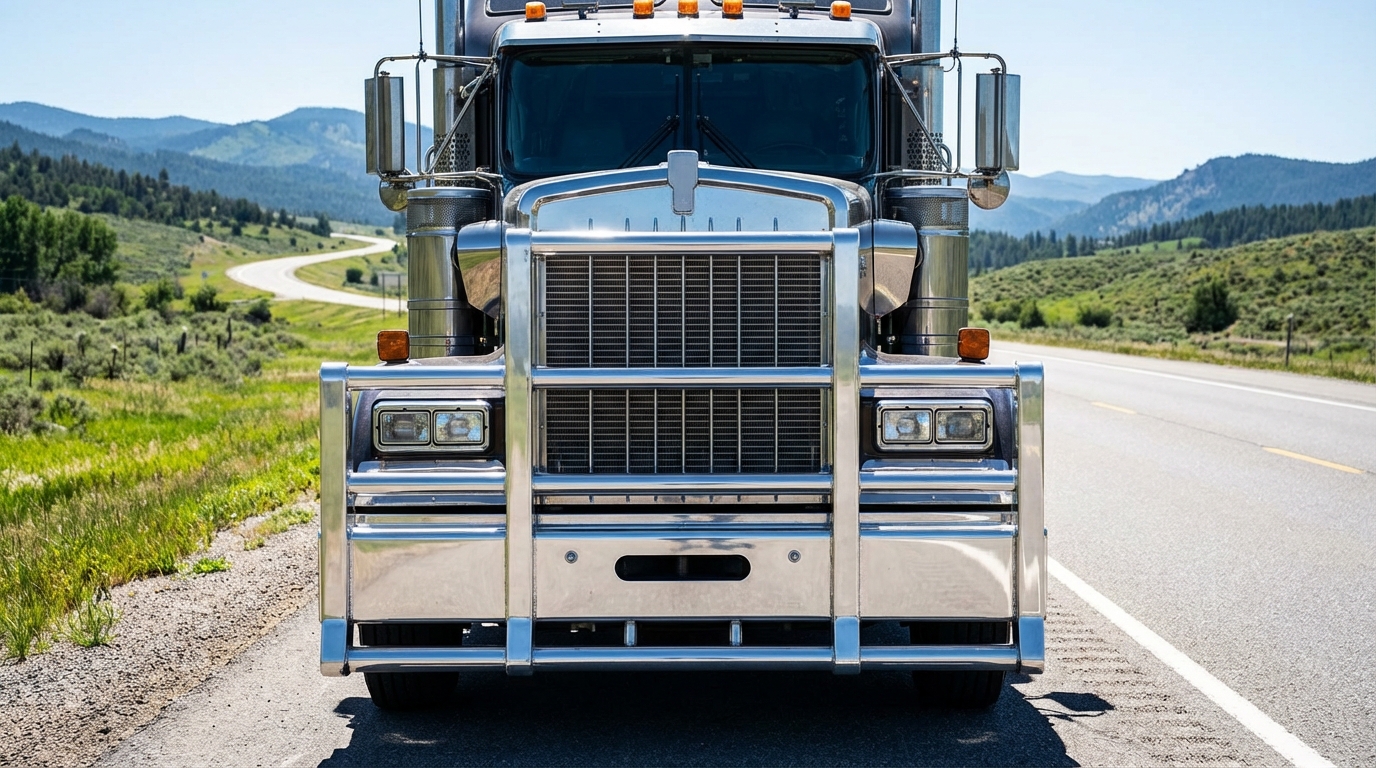
The impact force rating for truck bumpers quantifies the amount of kinetic energy the guard can dissipate without failing structurally. High-quality truck bumpers are tested to withstand the forces of a high-speed collision with animals weighing up to 1,600 pounds.
How is impact force distributed?
When an animal hits the bumper, the energy travels through the guard and into the frame-mounted brackets. A well-designed rating ensures that this force is spread across the entire chassis rather than being concentrated on a single bolt or weld.
- Utilizes Finite Element Analysis (FEA) testing.
- Ratings include static and dynamic load tests.
- Focuses on shear strength of mounting hardware.
But here is the kicker:
A bumper is only as strong as the bolts holding it to the frame.
Should you look for specific safety certifications?
While there is no single universal “rating” system, looking for manufacturers that use structural engineers to sign off on designs provides peace of mind. High-quality guards will often specify the gauge of metal and the grade of mounting hardware provided.
- Look for Grade 8 mounting hardware.
- Ensure weld penetration meets AWS standards.
- Verify compatibility with SRS and ADAS systems.
Think about it:
In a collision, you want physics on your side, not just luck.
| Animal Type | Impact Speed | Force Generated |
|---|---|---|
| Whitetail Deer | 65 MPH | 40,000 lbs |
| Bull Moose | 55 MPH | 180,000 lbs |
Analytical Insight: Force ratings prove that a moose bumper requires nearly 4.5 times the structural integrity of a standard deer guard to ensure vehicle survival.
How do you install heavy-duty truck bumpers correctly?
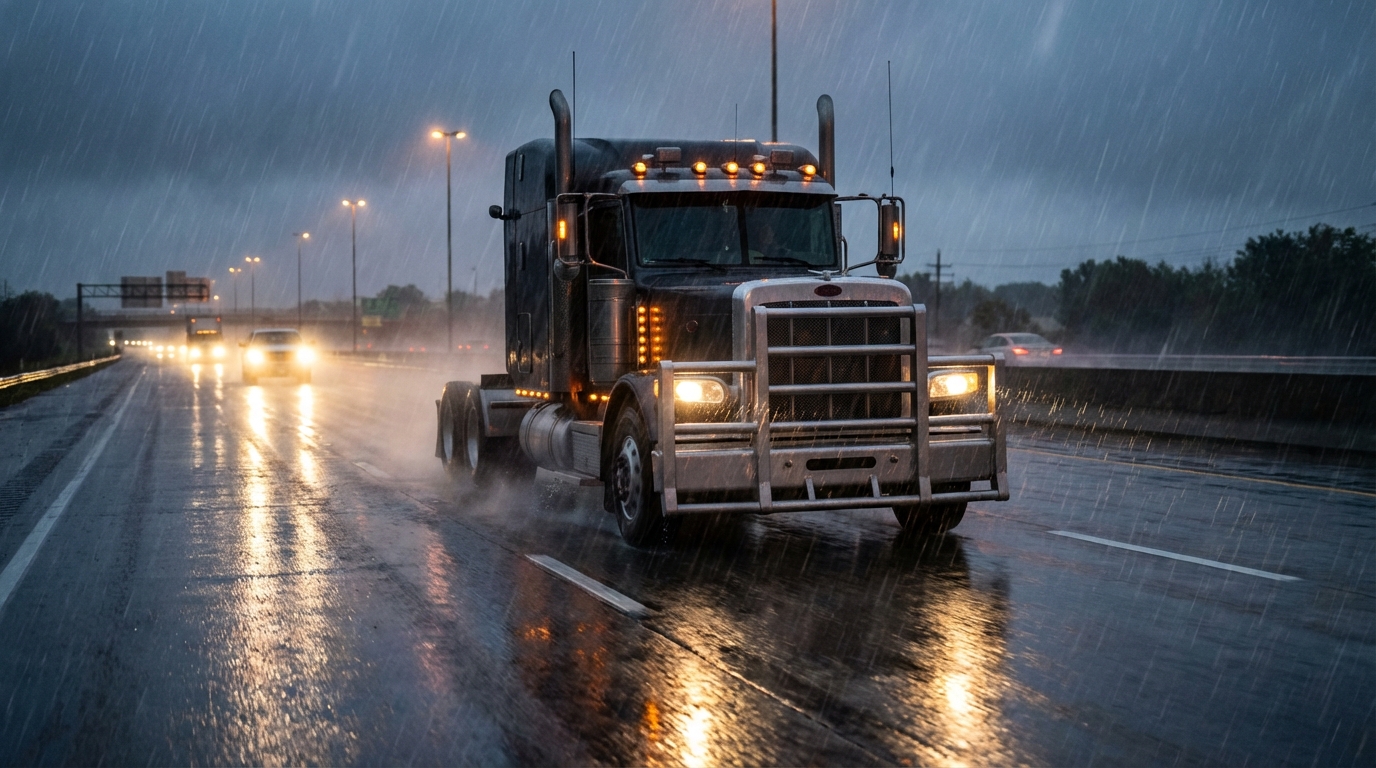
Installing heavy-duty truck bumpers correctly requires a precision bolt-on process that aligns with the factory mounting points on the vehicle’s frame. For most semi-trucks, professional truck bumpers installation is recommended to ensure all collision-avoidance sensors are recalibrated properly.
Is specialized equipment needed for installation?
Because moose bumpers can weigh nearly 200 lbs, you typically need a mechanical lift or a second set of hands to align the brackets. Every bolt must be torqued to the manufacturer’s specific foot-pound rating to prevent loosening under road vibration.
- Socket sets with heavy-duty extensions.
- Calibrated torque wrench for frame bolts.
- Floor jack or engine hoist for positioning.
Does the fit matter?
Yes, even a 1/2 inch misalignment can cause the bumper to vibrate or rub against the hood.
How do you handle modern truck sensors?
Newer trucks are equipped with radar-based collision mitigation and adaptive cruise control. Installation must include the proper mounting plates or cutouts to ensure these safety features still have a clear line of sight.
- Requires radar-compatible mesh or openings.
- May need sensor extension harnesses.
- Final testing should verify adaptive cruise functionality.
The best part?
A professional-grade bumper is designed to work with your truck’s technology, not against it.
| Installation Step | Critical Action | Tool Required |
|---|---|---|
| Bracket Mounting | Align with Frame Holes | Spud Wrench |
| Torque Sequence | Cross-pattern tightening | Torque Wrench |
| Clearance Check | Full hood tilt test | Visual / Manual |
Analytical Insight: Precision installation is the only way to ensure that the bumper’s force-distribution engineering works as intended during a real-world strike.
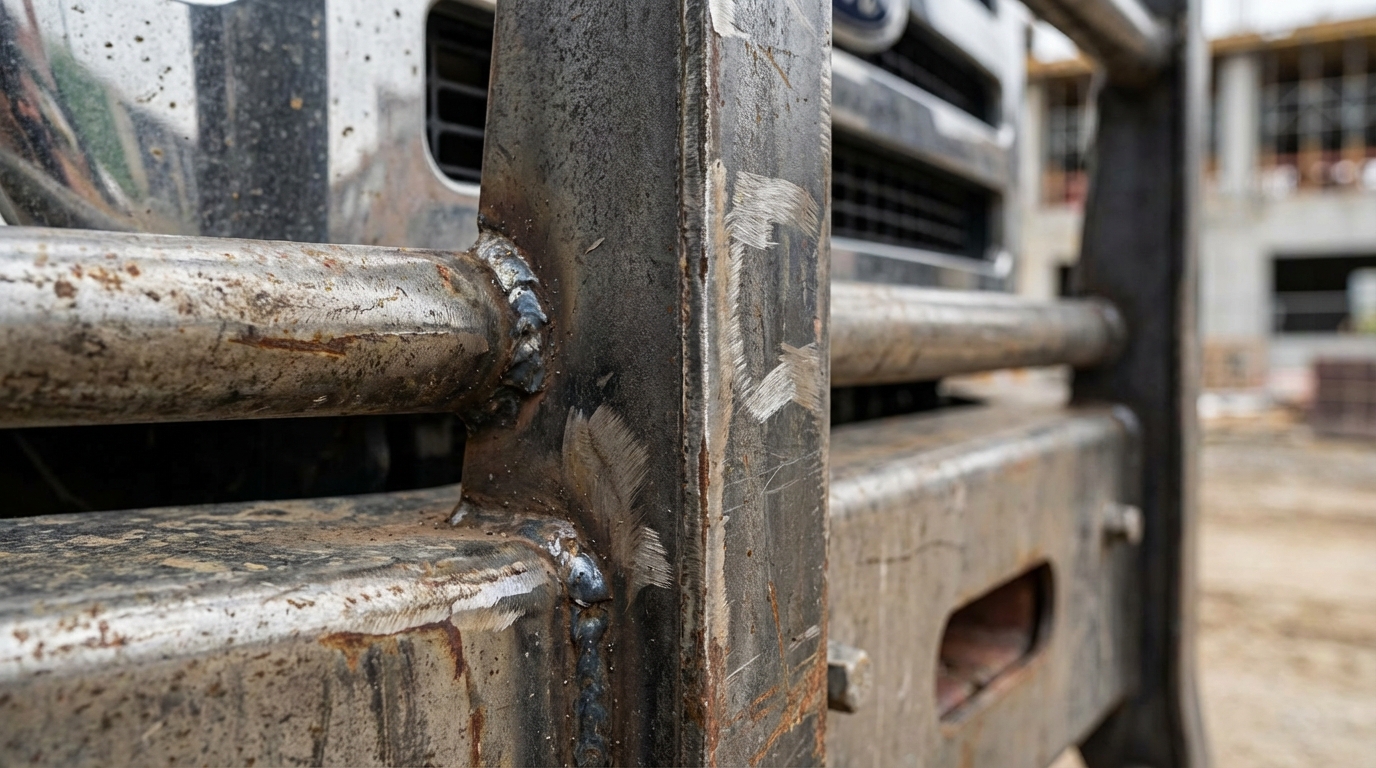
Premium truck bumpers require minimal but regular maintenance, consisting of periodic polishing and bolt-torque inspections to ensure long-term structural integrity. High-end truck bumpers are designed to survive the harshest road salts and chemicals, but they still need care to stay in top visual condition.
How do you clean mirror-finish aluminum?
To keep that “show truck” shine, you should wash the bumper with pH-neutral soap and water to remove corrosive road salts. For deeper oxidation, a orbital polisher and a high-quality aluminum cutting compound will restore the mirror finish.
- Wash frequently during winter months.
- Use microfiber towels to prevent scratches.
- Apply a sealant coat twice a year.
Think about it:
A clean bumper isn’t just about pride—it’s about spotting hairline cracks before they become failures.
What should you look for during a safety inspection?
Every 50,000 miles, you should physically check the mounting bolts to ensure they haven’t loosened due to harmonic vibration. Inspect the weld joints for any signs of “spidering” or stress marks, especially if you have recently had an encounter with an animal.
- Check for bent or twisted mounting brackets.
- Verify lock-nuts are still fully seated.
- Inspect for pitting in areas where salt accumulates.
The best part?
Quality aluminum guards won’t rust from the inside out, unlike cheap steel alternatives.
| Task | Frequency | Estimated Time |
|---|---|---|
| Salt Removal | After every storm | 15 Minutes |
| Torque Check | Every oil change | 10 Minutes |
| Full Polish | Bi-Annually | 2 Hours |
Analytical Insight: Consistent maintenance extends the aesthetic life of the bumper, ensuring it remains an asset rather than an eyesore on your vehicle.
How to choose the right truck bumpers for your route?
To choose the right truck bumpers for your route, you must evaluate the size of the wildlife in your specific geographic region and your tolerance for potential downtime. Custom-built truck bumpers allow you to tailor the protection level to your exact vehicle model and hauling requirements.
Do you need extra lighting or accessories?
If you drive primarily at night in moose country, adding high-output LED bars to your bumper is a smart move. Choose a guard that has pre-drilled mounting tabs or integrated light pockets for a clean, secure installation.
- Improves reaction time for wildlife spotting.
- Protects the lights themselves from debris.
- Maintains electrical harness security.
But here is the kicker:
Brighter lights mean you might avoid the hit entirely, making the bumper your final line of defense.
Is weight a deal-breaker for your operations?
If you are constantly running at maximum GVW (Gross Vehicle Weight), every pound matters. In these cases, choosing a light-weight aluminum moose guard over a steel one is essential to keep your payload capacity high.
- Aluminum saves up to 300 lbs per truck.
- Reduces wear on front steering components.
- Better for long-haul fuel economy.
Think about it:
The right bumper is the one that protects your rig without compromising your profit margins.
| Scenario | Recommended Type | Key Reason |
|---|---|---|
| Northern Canada / Alaska | Heavy-Duty Moose | Maximum Survability |
| Southern U.S. Highways | Aerodynamic Deer | Fuel Efficiency |
| Off-Road / Logging | Reinforced Steel | Impact Rigidity |
Analytical Insight: Choosing the correct protection is a data-driven decision based on animal density maps and fleet weight-limits.
Conclusion
Navigating the risks of wildlife on North American highways is a significant challenge for any B2B fleet or owner-operator. This article has detailed how specialized moose and deer bumpers serve as critical investments that prevent catastrophic repair costs, eliminate weeks of downtime, and protect the lives of drivers. By choosing the right materials, such as high-tensile aluminum, and ensuring a professional, custom fit, you transform your truck into a fortified asset capable of withstanding the harshest conditions.
Protect your livelihood and ensure your cargo always reaches its destination. To explore our full line of heavy-duty protection or to get a custom quote for your fleet, contact us today.
FAQ
- Can I install a moose bumper on a standard pickup truck?
Yes. While moose bumpers are famous on Class 8 trucks, many manufacturers offer heavy-duty versions specifically for the 2500/3500 pickup series used in northern agriculture and mining. - What’s the best way to tell if a bumper is truly moose-rated?
Look for a wall thickness of at least 1/4″ and a design that covers the hood and headlights entirely, as these animals often roll upward during a collision. - How do I know if the bumper will block my engine sensors?
You should only purchase guards from manufacturers that provide CAD-verified fitment data for your specific truck year and model to ensure radar and cruise sensors remain functional. - Can heavy bumpers void my vehicle warranty?
Generally, no. As long as the bumper is a “bolt-on” application and doesn’t require permanent modification to the frame or engine, it should not impact your factory warranty. - When is it time to replace a bumper after a collision?
You must replace the guard if there is any visible cracking in the aluminum, shearing of mounting bolts, or significant twisting of the frame brackets that prevents proper re-alignment.