
The most important safety tips for truck drivers include route planning, regular vehicle inspections, defensive driving, distraction control, and proper wildlife protection. These practices help commercial drivers reduce accident risks, prevent costly downtime, and maintain safer fleet operations.
Operating a Class 8 truck in heavy traffic or extreme weather creates a high-pressure environment where even a small mistake can lead to serious accidents or expensive repairs. Drivers also face rising insurance costs, unpredictable road conditions, and frequent wildlife hazards on many North American highways.
By following proven safety tips for truck drivers, fleets can protect their equipment, improve driver awareness, and maintain consistent operational efficiency on long-haul routes.
1. How do I plan routes using safety tips for truck drivers?

You plan routes effectively by evaluating traffic patterns, weather forecasts, and terrain challenges before your engine even starts. Utilizing specific safety tips for truck drivers during the pre-trip phase prevents unexpected delays and hazardous detours.
Modern GPS systems provide real-time data that is essential for heavy-duty logistics. These tools allow you to account for bridge heights and weight restrictions that standard consumer maps might ignore.
Think about it:
- GPS avoids low-clearance obstacles.
- Real-time updates bypass sudden congestion.
- Lane guidance assists in complex interchanges.
Identifying safe rest stops in advance
Fatigue is a leading cause of accidents, making scheduled rest non-negotiable. Finding secure, well-lit parking areas ensures you can recover without compromising the safety of your cargo or vehicle.
Key Takeaway: Proactive route mapping reduces driver stress and prevents the risky “last-minute” maneuvers often caused by being lost or running out of hours.
| Route Planning Element | Primary Safety Benefit |
|---|---|
| GPS Navigation | Avoidance of restricted routes |
| Traffic Monitoring | Reduced stop-and-go wear |
| Pre-set Rest Stops | Effective fatigue management |
Effective planning serves as the foundational layer of a successful and accident-free delivery schedule.
2. Why is maintenance one of the key safety tips for truck drivers?

Maintenance is critical because it identifies mechanical failures before they manifest as dangerous on-road emergencies. Consistently applying maintenance-focused safety tips for truck drivers ensures that every component, from the engine core to the tires, functions at peak performance.
Implementing preventative repair schedules
Scheduled maintenance cycles prevent minor wear from escalating into expensive roadside breakdowns. By tracking mileage and engine hours, you can replace parts like belts and hoses before they snap.
Here is the deal:
- Prevents catastrophic engine failure.
- Keeps braking systems responsive.
- Extends the lifespan of the chassis.
Maintaining 6061-T6 aluminum components
Using high-grade 6061-T6 aluminum for protection equipment offers a superior strength-to-weight ratio. Keeping these surfaces clean and inspecting welds ensures your front-end protection remains structurally sound.
Key Takeaway: A well-maintained truck provides the driver with a reliable tool, reducing the likelihood of mechanical surprises during critical maneuvers.
| Maintenance Category | Inspection Frequency |
|---|---|
| Tire Pressure/Tread | Every pre-trip |
| Brake Systems | Every 10,000 miles |
| Aluminum Protection | Monthly structural check |
Rigorous mechanical oversight directly correlates with lower long-term repair costs and higher driver confidence.
3. Can distractions ruin these safety tips for truck drivers?

Distractions can absolutely ruin even the most advanced safety strategies by delaying your reaction time during a crisis. Ignoring fundamental safety tips for truck drivers regarding cabin focus puts everyone on the highway at extreme risk.
The 23x risk of texting while driving
Data proves that texting while operating a heavy vehicle increases collision risks by twenty-three times. Looking away for just five seconds at 55 mph means you have traveled the length of a football field blind.
But wait, there’s more:
- Hands-free devices are the only legal option.
- Phone docking keeps your eyes on the horizon.
- Texting causes lane-drifting and speed instability.
Establishing a distraction-free cockpit
Your workspace should be organized to keep essential controls within easy reach without searching. Clearing the dashboard of loose items prevents objects from sliding and causing a momentary loss of focus.
Key Takeaway: Eliminating in-cab distractions ensures that your cognitive resources are entirely dedicated to navigating the complex road environment safely.
| Distraction Type | Mitigation Strategy |
|---|---|
| Mobile Devices | Secure docking/Bluetooth only |
| Loose Objects | Organized storage bins |
| Navigation Adjustments | Set routes while parked |
Total focus in the cockpit is the primary defense against the unpredictable behavior of smaller passenger vehicles.
4. How does defensive driving apply safety tips for truck drivers?

Defensive driving applies by requiring you to anticipate the mistakes of others and maintain a “space cushion” around your rig. Mastering defensive safety tips for truck drivers allows you to react calmly when cars cut into your following distance or merge aggressively.
Predicting unpredictable passenger car behavior
Most highway accidents involving trucks are actually caused by the erratic movements of smaller cars. You must watch for signs of driver indecision, such as drifting or frequent braking, to avoid a collision.
Think about it:
- Cars often linger in blind spots.
- Sudden lane changes are common near exits.
- Drivers frequently underestimate truck stopping distance.
Maintaining safe following distances
A loaded semi-truck requires significantly more distance to stop than a standard passenger vehicle. Increasing your gap during rain or dusk provides the extra seconds needed to apply brakes safely without locking them.
Key Takeaway: Defensive habits provide a safety margin that protects you when other motorists ignore the basic rules of the road.
| Defensive Tactic | Recommended Action |
|---|---|
| Following Distance | 7-10 seconds of lead time |
| Mirror Checks | Every 5-8 seconds |
| Lane Changes | Signaling 100 feet in advance |
Adapting your speed and position to the surrounding traffic flow is a hallmark of a professional operator.
5. Are moose bumpers essential safety tips for truck drivers?
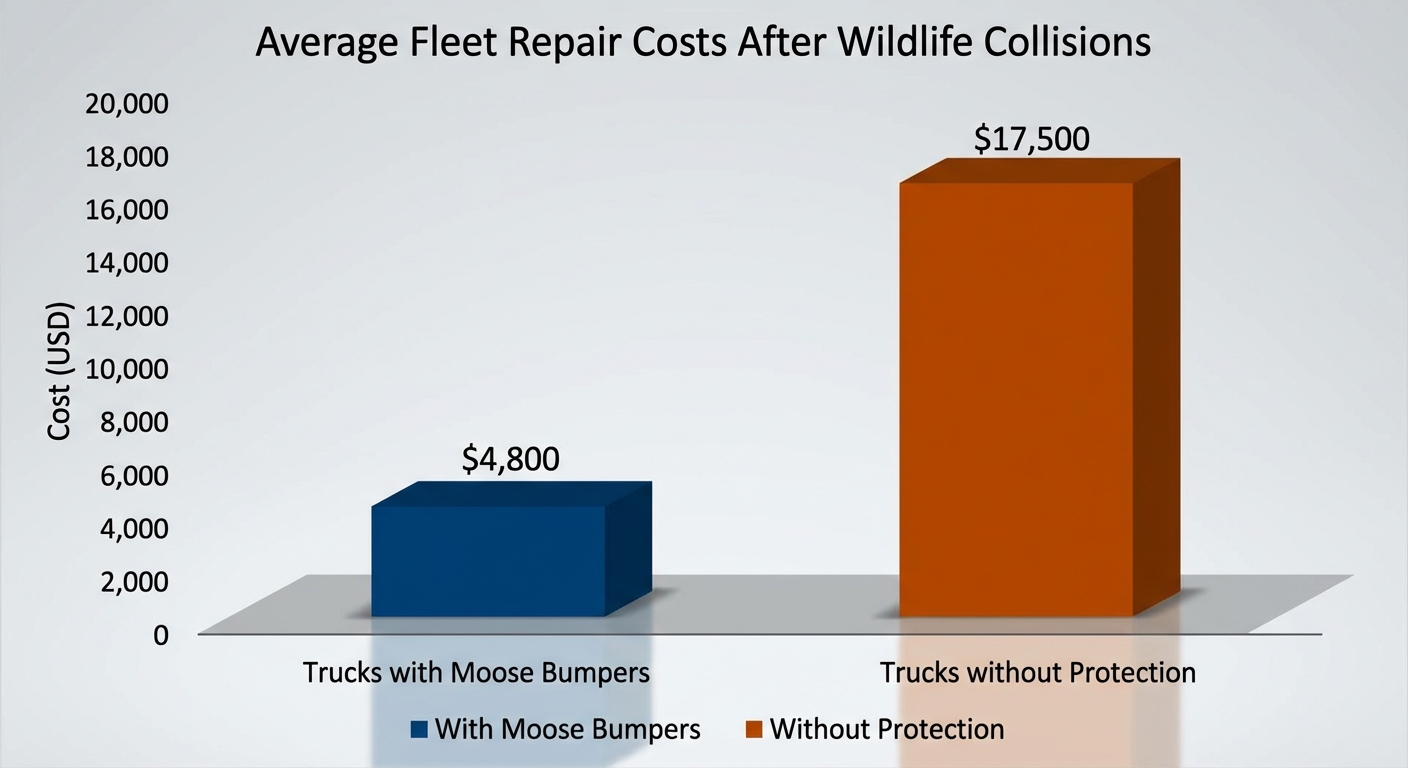
Moose bumpers are essential because they prevent a wildlife strike from totaling your truck or causing a front-end structural failure. Incorporating heavy-duty front protection into your safety tips for truck drivers is a calculated investment in vehicle survival.
Absorbing high-energy wildlife impacts
A collision with a large animal can generate thousands of pounds of force directly into the radiator. Specialized bumpers are engineered to deflect this energy, protecting the sensitive engine components behind the grille.
Here is the deal:
- Aluminum guards absorb shock effectively.
- Steel options provide maximum rigid strength.
- Protection prevents radiator punctures and leaks.
Reducing catastrophic front-end failure
Without a guard, a strike often pushes the bumper into the tires or steering linkage. This can lead to a total loss of control, turning a simple animal strike into a multi-vehicle highway accident.
Key Takeaway: Front-end protection acts as an insurance policy that keeps your truck driveable even after a significant impact with wildlife.
| Impact Protection | Result Without Guard | Result With Guard |
|---|---|---|
| Radiator Integrity | Immediate coolant loss | Engine core protected |
| Steering System | Possible loss of control | Structural path maintained |
| Repair Costs | $15,000+ average | Minor cosmetic fixes |
The data clearly demonstrates that the cost of a bumper is a fraction of the cost of a major collision repair.
6. Which inspection habits follow safety tips for truck drivers?

Inspection habits follow the rule of “trust but verify” by checking critical systems like brakes and tires during every shift change. Adhering to these safety tips for truck drivers ensures that a loose bolt or a leaking air line is caught before it fails on a steep grade.
Rigorous pre-trip brake and tire checks
Your brakes are the most important safety system on the truck, especially when hauling maximum weight. Verifying air pressure and looking for “S-cam” issues during your walk-around prevents brake fade or failure.
Think about it:
- Low tire pressure causes heat buildup.
- Cracked air lines lead to emergency locking.
- Worn pads increase stopping distance dangerously.
Verifying mounting point fitment accuracy
When you have aftermarket protection installed, you must regularly check the mounting points for tightness. Precision-engineered guards with ±0.5mm tolerances stay secure, but vibration can eventually loosen even the best hardware.
Key Takeaway: Thorough inspections eliminate the “unknown” factors, ensuring your equipment is physically capable of handling the rigors of the road.
| Inspection Zone | Key Checkpoint |
|---|---|
| Fifth Wheel | Proper locking and lubrication |
| Tires | Sidewall integrity and PSI |
| Lights/Signals | Full visibility and functionality |
Spending fifteen minutes on a walk-around can save hours of downtime and prevent life-threatening accidents.
7. How does weather affect critical safety tips for truck drivers?
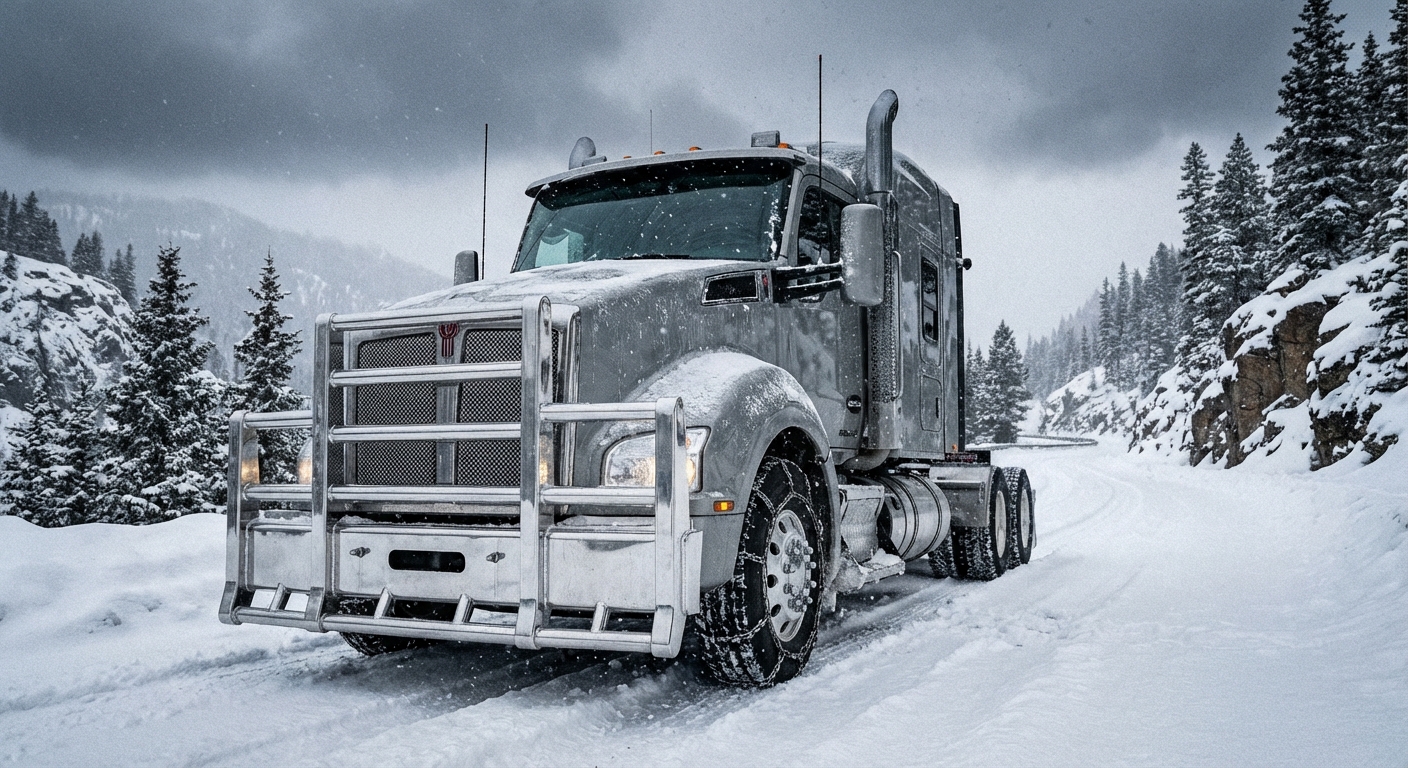
Weather affects safety by drastically reducing traction and visibility, necessitating a slower and more deliberate driving style. Modern safety tips for truck drivers emphasize the use of real-time alerts to avoid getting trapped in severe northern blizzards.
Driving in extreme northern fleet conditions
Ice and heavy snow require a total shift in how you apply brakes and steer. Northern fleets often rely on heavy-duty guards to protect the truck from both the elements and the road debris kicked up by snowplows.
But wait, there’s more:
- Black ice is often invisible to the eye.
- Engine braking can cause jackknifing on ice.
- Increased visibility through LED lighting is vital.
Utilizing real-time mobile weather alerts
Relying on old-fashioned radio reports is no longer sufficient for professional long-haulers. Mobile apps provide radar overlays that show exactly where a storm cell is moving, allowing you to find a safe haven before conditions peak.
Key Takeaway: Respecting the power of the environment ensures that you never outdrive your visibility or your truck’s mechanical limits.
| Weather Condition | Driver Adjustment |
|---|---|
| Heavy Snow | Reduce speed by 50% |
| Fog/Mist | Increase gap; use low beams |
| High Winds | Watch for trailer sway/leaning |
Preparedness is the only way to navigate mountain passes safely when the winter season arrives.
8. Why is awareness among the best safety tips for truck drivers?

Awareness is the best safety tool because it allows you to process visual information quickly and identify hazards before they become imminent threats. Practicing awareness-based safety tips for truck drivers keeps you mentally sharp and ready for sudden lane closures or debris.
Mastering blind spot monitoring techniques
Even with high-quality mirrors, “No Zones” around a semi-truck remain a major hazard. Using a “swivel-head” method—constantly moving your eyes between mirrors and the road—minimizes the chance of a side-swipe.
Here is the deal:
- Mirrors must be adjusted for every driver.
- Blind spots exist directly behind the trailer.
- The right-side blind spot is the most dangerous.
Recognizing and managing driver fatigue
Mental awareness drops significantly when you are tired, leading to “highway hypnosis.” Recognizing early signs like heavy eyelids or missed exits is a signal that you must park and rest immediately.
Key Takeaway: Maintaining high situational awareness ensures that you are an active participant in road safety rather than a passive observer.
| Awareness Level | Driver Behavior |
|---|---|
| High Awareness | Scanning 15 seconds ahead |
| Medium Awareness | Reacting to immediate traffic |
| Fatigued | Delayed response/tunnel vision |
A sharp mind is more valuable than any electronic sensor when navigating tight urban environments.
9. Does protective gear support safety tips for truck drivers?
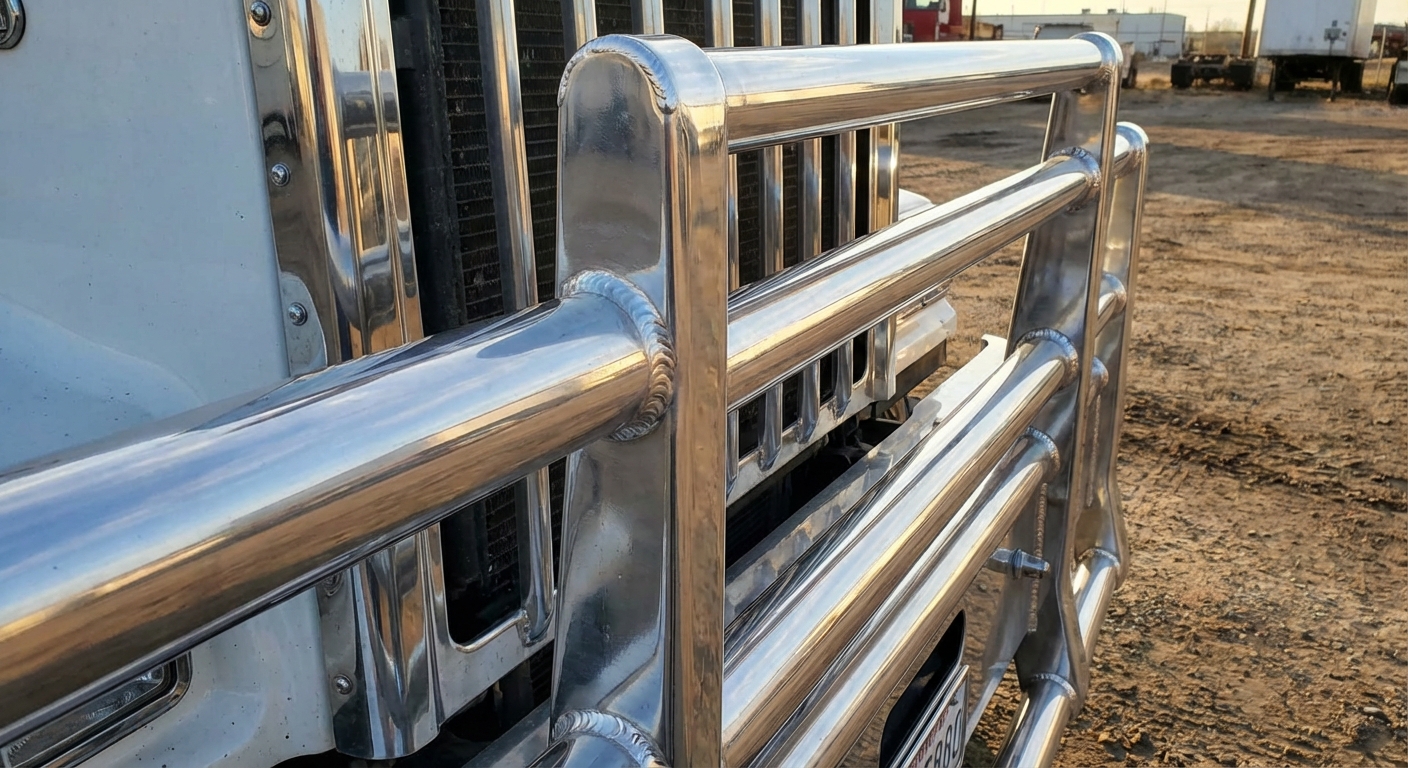
Protective gear supports safety by providing a physical barrier that guards the truck’s most vulnerable systems during a collision. Investing in high-gauge safety tips for truck drivers equipment like aluminum grille guards significantly increases driver confidence and vehicle uptime.
Integrating collision avoidance systems
Modern trucks use radar-based sensors to detect objects in front of the vehicle and apply emergency braking. Ensuring your grille guard is compatible with these sensors is vital for maintaining the truck’s high-tech safety net.
Think about it:
- Sensors detect sudden stops ahead.
- Adaptive cruise control maintains gaps.
- Lane departure warnings prevent drifting.
Benefits of heavy-gauge steel grille guards
While aluminum is lightweight, heavy-gauge steel offers the ultimate in impact resistance for extreme off-road or logging environments. These guards are designed to take a hit and keep the truck moving to its destination.
Key Takeaway: Quality protective equipment ensures that a minor accident remains minor, protecting the driver’s life and the company’s bottom line.
| Protection Gear | Material Advantage |
|---|---|
| Aluminum Guards | Fuel efficiency + Impact strength |
| Steel Guards | Maximum rigidity for off-road |
| Sensor Brackets | Ensures electronic safety stays active |
Every piece of protective hardware serves as a critical layer in your overall fleet safety strategy.
10. What is the ROI of following safety tips for truck drivers?

The ROI is measured in thousands of dollars saved through reduced insurance premiums, fewer repairs, and the elimination of costly vehicle downtime. Standardizing these safety tips for truck drivers across your entire fleet creates a culture of reliability and professionalism that attracts better clients.
Minimizing expensive fleet downtime
When a truck is in the shop for repairs after a collision, it isn’t generating revenue. Preventing even one wildlife strike through proper equipment and training can save a fleet over $17,000 in immediate repair costs.
But wait, there’s more:
- Safe drivers have fewer legal liabilities.
- Fleet reputation improves with safety records.
- Vehicle resale value remains higher.
Insurance companies reward fleets that demonstrate a commitment to safety with lower annual rates. Proactive collision avoidance and driver training programs are the most effective ways to lower your operational overhead.
Key Takeaway: Safety is not just a moral obligation; it is a financial strategy that directly increases the profitability and longevity of your trucking business.
| ROI Factor | Financial Impact |
|---|---|
| Collision Avoidance | Saves $10k-$20k per incident |
| Insurance Rating | Potential 10-15% premium drop |
| Driver Retention | Lower turnover costs |
Investing in safety today ensures the financial stability of your fleet for years to come.
*
Maintaining high safety standards requires a commitment to both driver training and the installation of superior front-end protection. We solve the problem of high-cost collisions by providing precision-engineered guards that keep your trucks on the move regardless of highway hazards. From moose bumpers to custom grille guards, we build the equipment that protects your drivers and your bottom line.
Our vision is a future where every North American fleet can operate with the confidence that their vehicles are shielded by the best engineering in the industry. Whether you are navigating snow-covered mountain passes or busy interstate corridors, our products are designed to withstand the most extreme conditions.
To learn more about how we can protect your fleet and reduce your repair costs, contact us today for a professional consultation.
*
Frequently Asked Questions (FAQ)
Can I customize grille guards for my specific fleet brand?
Yes, custom engineering is available to ensure perfect fitment for all major North American truck models. We use precision CNC machining to match the specific mounting points of your vehicle.
What’s the best material for impact-resistant bumpers?
6061-T6 aluminum is generally the best choice for a balance of impact absorption and fuel efficiency. For heavy-duty off-road use, high-gauge steel offers the maximum level of rigid protection.
How do I know if my truck’s safety equipment is DOT-compliant?
All professional-grade protection equipment is designed to meet or exceed DOT standards for lighting and visibility. We verify every design against current regulatory requirements before production.
Can I reduce repair costs by installing moose bumpers?
Yes, moose bumpers are proven to reduce front-end damage by over 70% during a wildlife strike. This prevents radiator failure and keeps the truck driveable, eliminating the need for expensive towing and downtime.
What’s the best way to train drivers on defensive techniques?
Implementing a structured safety program that focuses on awareness and following distances is the most effective approach. Regular “toolbox talks” and digital safety dashboards help keep these tips top-of-mind for every driver.