
A single deer or moose strike can turn a fully operational semi truck into a $20,000 repair bill—and 10 to 14 days of lost revenue. For fleets and owner-operators, the real risk isn’t the impact itself, but choosing the wrong protection or supplier before it happens. This semi truck bumper sourcing guide explains how to choose front-end protection that actually prevents failures, protects critical components like the radiator and inter cooler, and keeps trucks on the road. From material selection and mounting strength to ADAS compatibility and OEM manufacturing capability, this guide helps you make a sourcing decision that directly impacts uptime, cost control, and long-term reliability.
Why use a semi truck bumper sourcing guide for fleet safety?
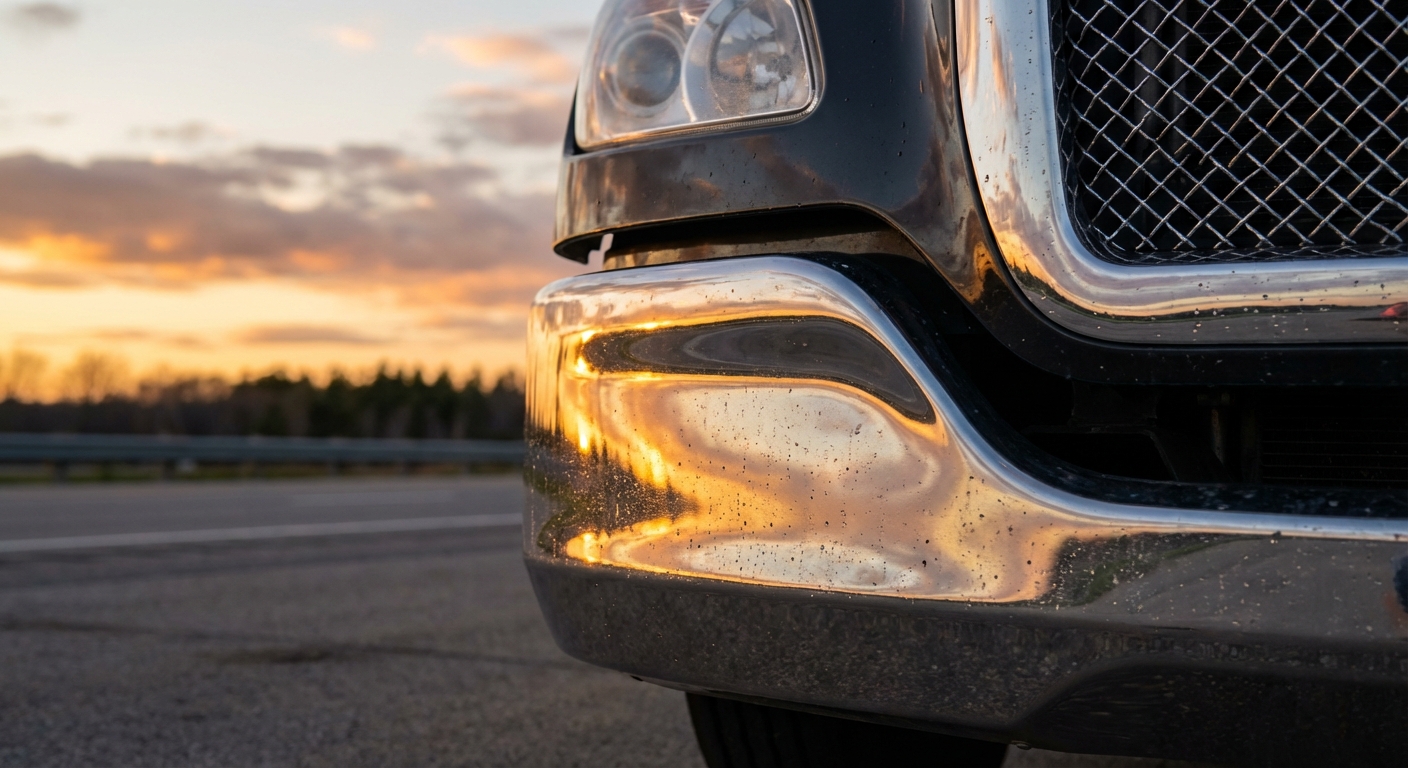
A professional semi truck bumper sourcing guide is essential because it helps you identify the structural vulnerabilities of your Class 8 vehicle before a collision occurs. By understanding how different guards absorb energy, you can protect the core engine components that are most susceptible to impact damage. This semi truck bumper sourcing guide serves as a blueprint to help maximize vehicle uptime and reduce unplanned downtime across your entire operation.
Do you value vehicle uptime?
Protecting your engine from wildlife strikes is the most effective way to prevent unplanned maintenance stops and expensive towing fees. When a truck is sidelined, you aren’t just losing time; you are losing freight contracts and driver trust.
- Prevents radiator punctures from road debris.
- Shields expensive headlight assemblies from breakage.
- Maintains the structural integrity of the front frame.
- Reduces the risk of long-term engine vibration issues.
Think about it:
If your rig is out of service for just one week, how much revenue vanishes from your bottom line? A small investment in protection today stops a massive loss tomorrow.
Is component protection a priority?
The most expensive parts of your truck sit directly behind the front grille, making them prime targets for even minor animal strikes. Using a guide ensures you select a guard that offers the specific coverage required for your radiator and intercooler.
- Protects the Charge Air Cooler (CAC).
- Guards the Air Conditioning condenser.
- Secures the power steering reservoir.
- Buffers the hood from fiberglass cracking.
More importantly…
A well-placed guard ensures that even if you hit a deer at 60 mph, the damage is contained to the bumper rather than the engine block. You keep moving while others wait for a tow.
Key Takeaway: Prioritizing component-level protection through a structured sourcing strategy significantly reduces the severity of front-end repair costs and operational downtime.
Safety Comparison Table
| Feature | Standard OEM Bumper | Heavy-Duty Guard |
|---|---|---|
| Impact Resistance | Low (Plastic/Thin Steel) | High (Tubular/Solid Plate) |
| Radiator Shielding | None | Full Coverage |
| Repair Downtime | High (14+ Days) | Low (0-2 Days) |
Analysis: Moving from OEM parts to heavy-duty guards shifts your fleet from a reactive repair cycle to a proactive protection model.
How do routes affect your semi truck bumper sourcing guide?
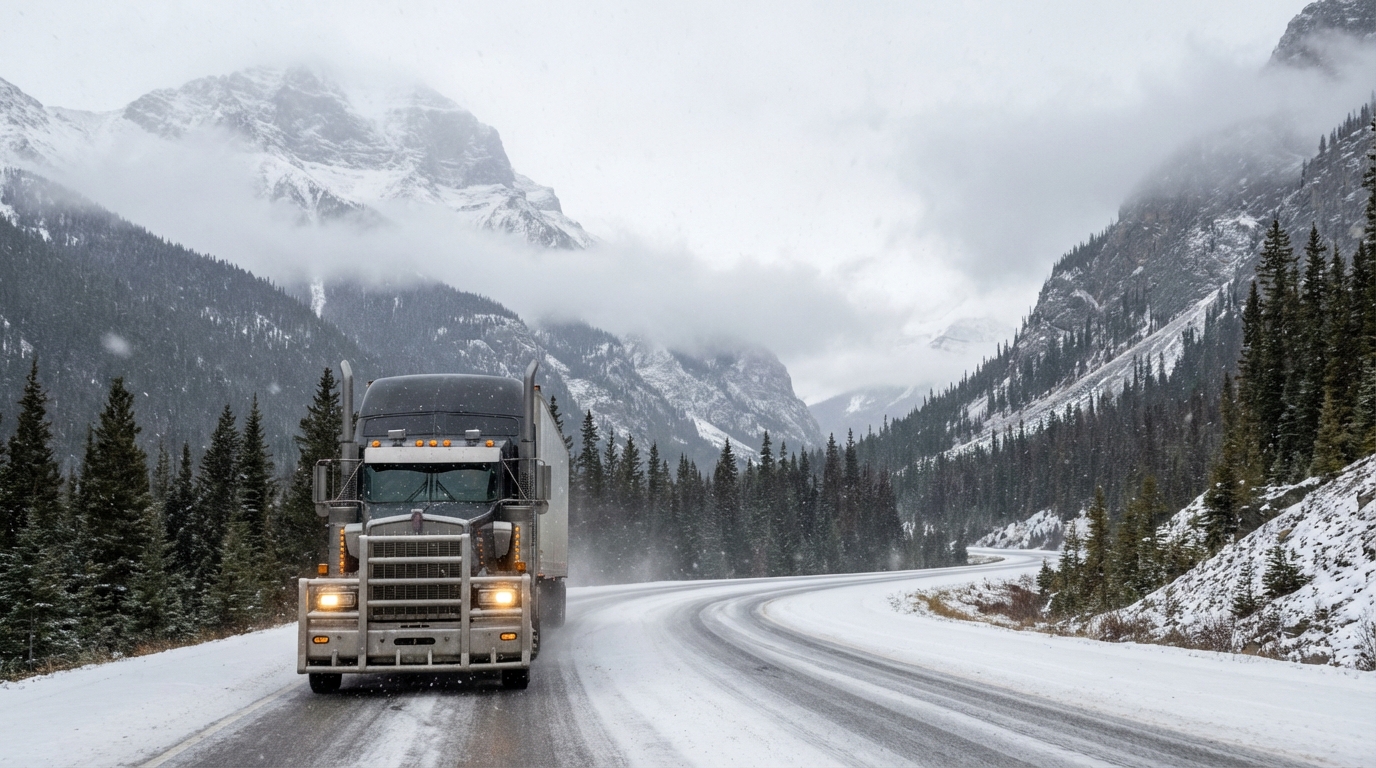
Your specific operating environment dictates the thickness and coverage area required in your semi truck bumper sourcing guide. Trucks traversing the Canadian Rockies require vastly different protection than those moving freight through urban Florida corridors. Every semi truck bumper sourcing guide must prioritize environmental factors like road salt, animal size, and terrain to be effective.
Are you hauling in remote areas?
Operating in remote northern regions means you are often hours away from the nearest service bay or repair facility. In these zones, a “minor” accident becomes a major logistical nightmare that can strand a driver in dangerous conditions.
- Heavy-gauge steel is required for logging road hazards.
- High ground clearance prevents damage on unpaved trails.
- Reinforced tow pins are essential for self-recovery.
- Rust-resistant coatings handle extreme road chemicals.
The key point is:
In the deep woods, a broken radiator isn’t just a repair bill; it is a survival situation. You need the heaviest armor available to ensure the truck can always limp home.
Does urban traffic pose risks?
Urban hauling involves a higher frequency of low-speed impacts, loading dock “love taps,” and tight maneuvering through congested city streets. Your protection needs to be compact enough to allow for tight turning radiuses while being tough enough to handle daily wear and tear.
- Vertical uprights protect against dock height variances.
- Flush-mount designs maintain original vehicle length.
- Anti-rattle hardware reduces driver fatigue in traffic.
- Lightweight alloys prevent front-axle weight violations.
Most urban damage happens during parking and docking, not on the open road. A sleek guard prevents these small incidents from becoming unsightly and expensive body shop visits.
Key Takeaway: Tailoring your bumper selection to your primary route hazards ensures you are neither under-protected in the wilderness nor over-burdened in the city.
Route-Based Selection Matrix
| Environment | Key Hazard | Recommended Spec |
|---|---|---|
| Mountain/Logging | Large Wildlife/Rocks | 4-Post Heavy Steel |
| Regional/Urban | Dock Strikes/Debris | 2-Post Aluminum |
| Cross-Country | Deer/Highway Debris | 3-Inch Tubular Stainless |
Analysis: Specialized route matching ensures the bumper’s weight and strength profile align perfectly with the highest-risk factors of the journey.
Does wildlife density impact the semi truck bumper sourcing guide?
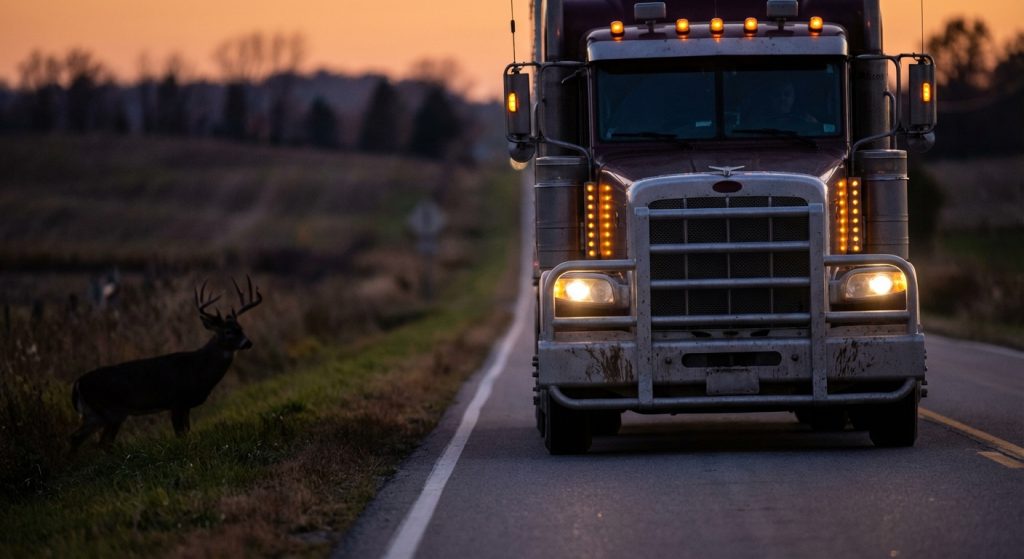
Wildlife density is the primary driver for choosing the vertical height and bar spacing in your semi truck bumper sourcing guide. If you operate in “Moose Alley,” your semi truck bumper sourcing guide must focus on tall, frame-integrated guards that protect the entire hood. You can find specialized semi truck bumper sourcing guide options that focus specifically on these high-risk wildlife zones.
What size wildlife are you facing?
The kinetic energy of a moose is ten times that of a whitetail deer, necessitating a total shift in material thickness and mounting rigidity. Standard grille guards might stop a bird or a small deer, but they will fold into the radiator when hitting an elk.
- Moose guards require 4-post frame integration.
- Deer guards can utilize 2-post or tow-receiver mounts.
- Lower rakes prevent hogs from sliding under the axle.
- Mesh inserts stop small animals from entering the grille.
Check this out:
Hittting a moose without a bumper is like driving into a brick wall suspended at windshield height. You need a guard that deflects that mass away from the cab entirely.
Is strike frequency high?
In areas where drivers report weekly “near misses,” you need a bumper that can survive multiple impacts without requiring a total replacement. Choosing 304 stainless steel allows for post-impact polishing, keeping the fleet looking professional even after a rough season.
- Polished stainless resists “impact spidering” better than paint.
- Removable tubes allow for individual part replacement.
- Reinforced gussets prevent the guard from shifting over time.
- Spring-loaded latches survive vibration from frequent strikes.
The best part?
When you invest in a reusable, high-durability guard, this significantly reduces the cost per incident over time after the first saved radiator. It is the smartest insurance you can buy.
Key Takeaway: High-density wildlife zones require maximum coverage guards that protect not just the radiator, but the entire front clip and headlight assembly.
Wildlife Impact Requirements
| Target Animal | Guard Height | Material Gauge |
|---|---|---|
| Moose/Elk | Full Hood Coverage | 3/8″ Steel Plate |
| Whitetail Deer | Grille Coverage | 11-Gauge Tubing |
| Wild Hogs | Lower Rake Coverage | Reinforced Base |
Analysis: Matching the guard’s vertical profile to the local wildlife’s height prevents “over-the-top” or “under-the-axle” component damage.
Which alloys fit your semi truck bumper sourcing guide?

Material selection is the most significant technical hurdle in any semi truck bumper sourcing guide, as it balances weight against absolute strength. Your semi truck bumper sourcing guide should clearly distinguish between the high-gloss durability of 304 stainless steel and the weight-saving benefits of high-tensile aluminum. Selecting the wrong metal can lead to premature corrosion or axle weight penalties that hurt your bottom line.
Why choose 304 stainless steel?
Stainless steel is the gold standard for long-haul owner-operators who want a bumper that lasts the entire life of the truck. This material provides the ultimate combination of impact resistance and permanent, mirror-like aesthetics that never fade or peel.
- Superior resistance to winter road salts and brines.
- High tensile strength for major wildlife collisions.
- Easy to polish back to a mirror finish after scuffing.
- Adds front-end weight for better steering traction in snow.
Think about this:
If you are planning to keep your truck for five years or more, stainless steel is often preferred for long-term durability in harsh environments after the second winter. It is an investment in your brand’s image.
Is aluminum better for payload?
For fleets where every pound counts toward the freight bill, high-tensile aluminum guards offer significant protection without the heavy weight penalty of steel. Modern alloys provide surprising strength-to-weight ratios that can handle standard deer strikes while keeping the truck fuel-efficient.
- Up to 50% lighter than comparable steel models.
- Naturally resistant to oxidation and salt air.
- Ideal for bulk haulers and weight-sensitive freight.
- Lower initial purchase cost for large-scale fleet rollouts.
The key point is:
You don’t have to sacrifice safety for efficiency. A well-engineered aluminum “moose bumper” provides massive structural protection while weighing less than a single passenger.
Key Takeaway: Choose stainless steel for maximum longevity and extreme impacts; choose aluminum for weight-sensitive operations and fuel economy.
Material Comparison Table
| Property | 304 Stainless Steel | High-Tensile Aluminum |
|---|---|---|
| Corrosion Resistance | Excellent | Very Good |
| Weight (Standard Guard) | 180 – 240 lbs | 90 – 130 lbs |
| Impact Durability | Maximum | Moderate-High |
| Maintenance | High Polish | Low Wash |
Analysis: The choice between steel and aluminum is a strategic balance between the cost of fuel and the cost of total vehicle replacement.
How does CAS impact your semi truck bumper sourcing guide?
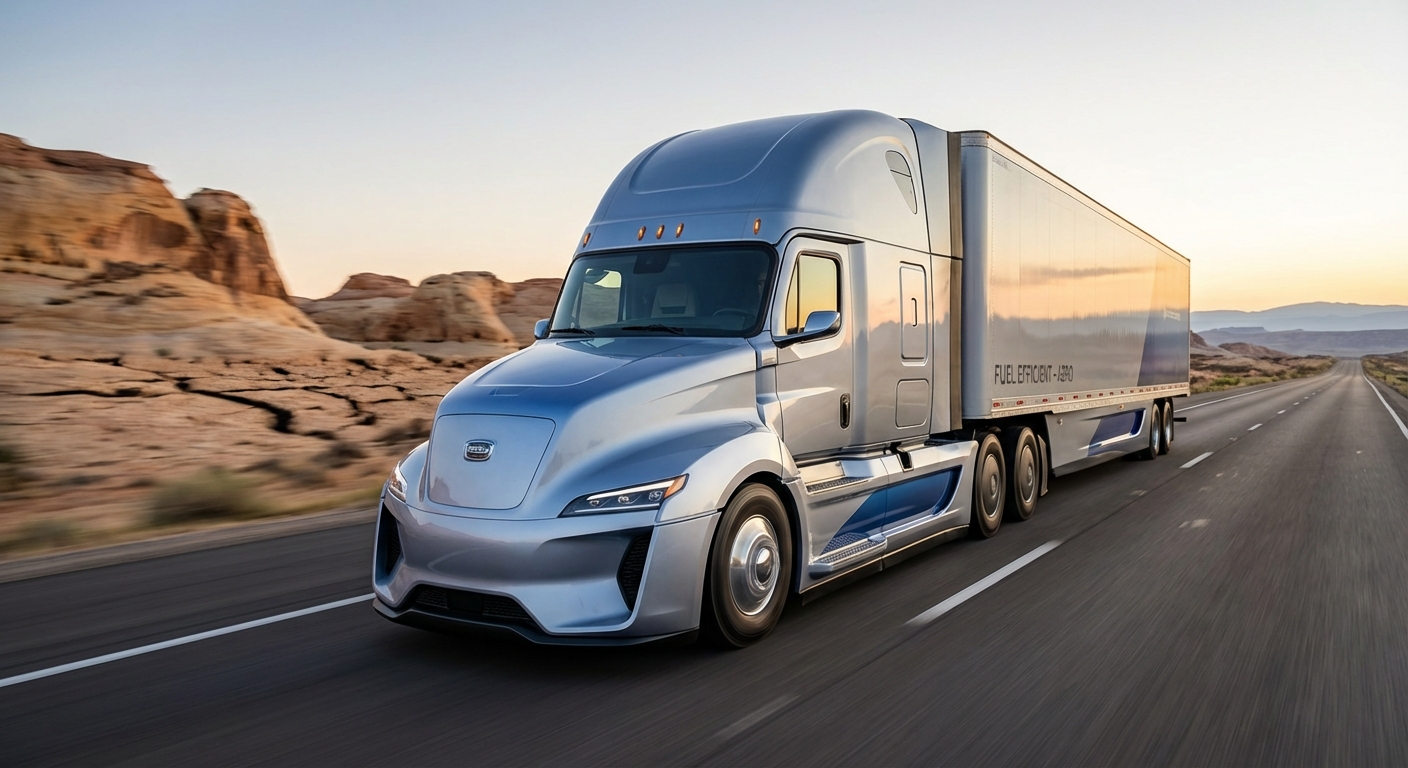
Modern Collision Avoidance Systems (CAS) require a specialized semi truck bumper sourcing guide to ensure that radar and camera sensors are not obstructed. A faulty semi truck bumper sourcing guide that ignores sensor placement can lead to dangerous “ghost braking” incidents or system failures. To avoid these issues, utilize a semi truck bumper sourcing guide that features certified radar-compliant designs.
Will your radar remain functional?
Most modern trucks use a radar sensor mounted in the center of the bumper to manage adaptive cruise control and emergency braking. If your new guard places a metal bar directly in front of this sensor, the truck’s safety computer will shut down or malfunction.
- Requires precision-cut windows for radar waves.
- Needs specific bracket offsets for sensor alignment.
- Requires vibration-damped mounts for radar stability.
- Needs testing for non-interference with signal reflection.
But wait, there’s more:
A radar-compliant guard actually protects the expensive sensor from being destroyed by a bird or road debris. It’s a safety system for your safety system.
Is sensor protection necessary?
Replacement costs for a single front-facing radar unit can exceed $2,500 plus labor and recalibration time. A guard designed with CAS in mind provides a reinforced “pocket” that keeps the sensor clear of road spray and impact forces.
- Shields the sensor from rock chips and sandblasting.
- Prevents ice buildup on the sensor lens in winter.
- Maintains factory-spec sensor height for accuracy.
- Allows for easy access during system maintenance.
Think about it:
What is the point of a safety guard if it breaks the truck’s automatic braking system? You need engineering that respects the high-tech brain of your rig.
Key Takeaway: Only purchase front-end protection that is explicitly certified as “radar-compliant” to maintain your vehicle’s factory safety warranties and features.
CAS Compatibility Checklist
| Component | Integration Requirement | Risk of Failure |
|---|---|---|
| Radar Sensor | Unobstructed Path | Emergency Braking Failure |
| Front Camera | Clear Field of View | Lane Departure Malfunction |
| Proximity Sensors | Precise Lateral Spacing | False Alarm Triggers |
Analysis: Precision engineering in the bumper design is the only way to ensure that physical protection and electronic safety work in harmony.
Is mounting style key for a semi truck bumper sourcing guide?
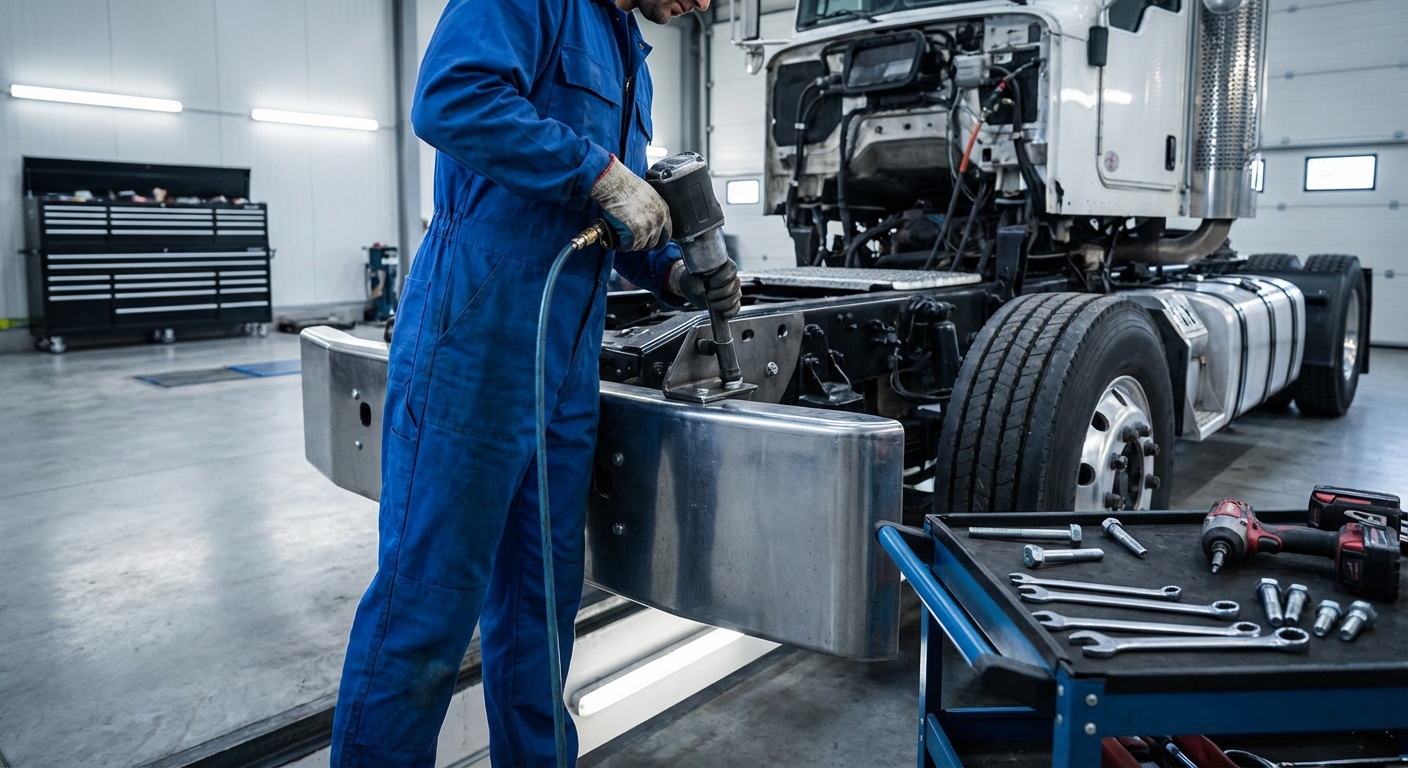
Determining the right mounting style is a critical step in your semi truck bumper sourcing guide because it affects how much force the chassis can actually withstand. Whether you choose tow-receiver mounting or a frame-integrated setup, your semi truck bumper sourcing guide should prioritize structural stability. Improper mounting is the number one cause of bumper failure during a high-speed wildlife strike.
Should you choose tow-mounts?
Tow-receiver mounts are the ideal choice for owner-operators who want a guard that can be installed or removed in under 30 minutes without permanent truck modifications. These systems utilize the factory tow pin locations to provide a sturdy, yet flexible, protection solution.
- Fastest installation time for immediate protection.
- Easily transferable between trucks in a fleet.
- Requires no drilling or cutting of the factory bumper.
- Provides solid protection for deer and highway debris.
More importantly:
If you are leasing your truck, a tow-mount guard is your best friend. You get full protection for the duration of the lease and can take the guard with you to your next rig.
Is frame-integrated mounting safer?
For maximum-duty applications, mounting the bumper directly to the frame rails turns the entire front end into a single, unyielding structural unit. This is the only mounting style recommended for trucks operating in moose-heavy regions where impact forces are extreme.
- Distributes impact energy directly into the chassis.
- Eliminates the “plastic gap” found in standard bumpers.
- Provides the highest possible level of structural rigidity.
- Allows for integrated heavy-duty tow pins and hitches.
Believe it or not:
In a frame-integrated setup, the bumper becomes part of the truck’s skeleton. It doesn’t just block an impact; it conquers it.
Key Takeaway: Use tow-mounts for flexibility and standard highway hazards; switch to frame-integrated mounts for extreme wildlife and heavy industrial routes.
Mounting Style Comparison
| Feature | Tow-Receiver Mount | Frame-Integrated Mount |
|---|---|---|
| Impact Capacity | Moderate-High | Maximum |
| Install Complexity | Low (DIY Friendly) | High (Professional) |
| Removability | 5-10 Minutes | 1-2 Hours |
| Application | Highway/Deer | Logging/Moose |
Analysis: The mounting method determines the “structural ceiling” of your protection, defining the limit of what the truck can survive.
What features are in a semi truck bumper sourcing guide?
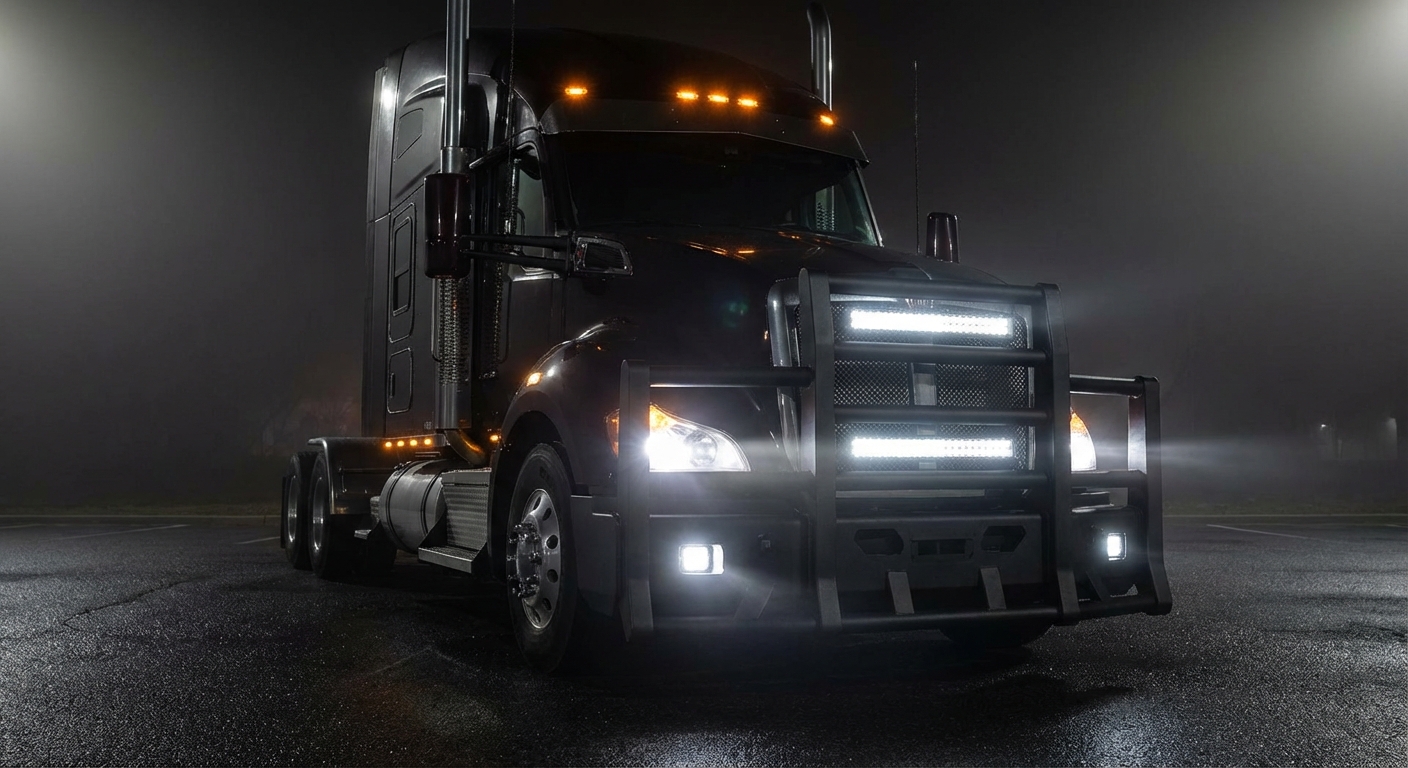
Operational features like “slam-latches” and “tilt-to-service” hinges are vital additions to any semi truck bumper sourcing guide. These small details in your semi truck bumper sourcing guide determine how much time your drivers spend struggling with the hood during pre-trip inspections. High-quality semi truck bumper sourcing guide selections always prioritize the balance between armor and accessibility.
Do you need engine access?
A guard that makes it difficult to check the oil is a guard that will eventually be left open or damaged. “Tilt-to-service” hinges allow the entire guard to swing down smoothly, providing full access to the engine compartment in seconds.
- Hinges should be greaseable for long-term smooth operation.
- Assist springs or gas shocks help manage the guard’s weight.
- Stoppers prevent the guard from hitting the ground when tilted.
- Locking pins ensure the guard stays upright during travel.
Think about this:
Time is money. If a driver saves five minutes on every pre-trip inspection because of a smooth-acting hinge, the guard pays for its own labor costs over a single year.
Are durable latches required?
The latch is the most common point of failure on cheap bumpers, leading to annoying rattles or dangerous “hood-pops” at highway speeds. Look for “slam-latch” systems that click into place with the same satisfying solidness as a high-end truck door.
- Stainless steel latch components prevent seizing.
- Adjustable tensioners eliminate high-speed vibration.
- Oversized handles are easy to use with winter gloves.
- Internal locking mechanisms prevent unauthorized access.
Look at it this way:
A rattle-free latch isn’t just about silence; it’s about peace of mind. You want to know that your protection is locked and loaded every time you hit the throttle.
Key Takeaway: Never sacrifice maintenance access for protection; always choose a “tilt-to-service” design with high-quality, adjustable latching hardware.
Operational Feature Value
| Feature | Driver Benefit | Maintenance Benefit |
|---|---|---|
| Tilt-Hinge | Reduced Physical Strain | Full Engine Access |
| Slam-Latch | Quick Pre-Trip Security | Rattle-Free Durability |
| Gas Assists | One-Finger Operation | Safer Workplace |
Analysis: Ease-of-use features ensure that your safety equipment doesn’t become a maintenance bottleneck or a driver frustration.
How do finishes boost a semi truck bumper sourcing guide?
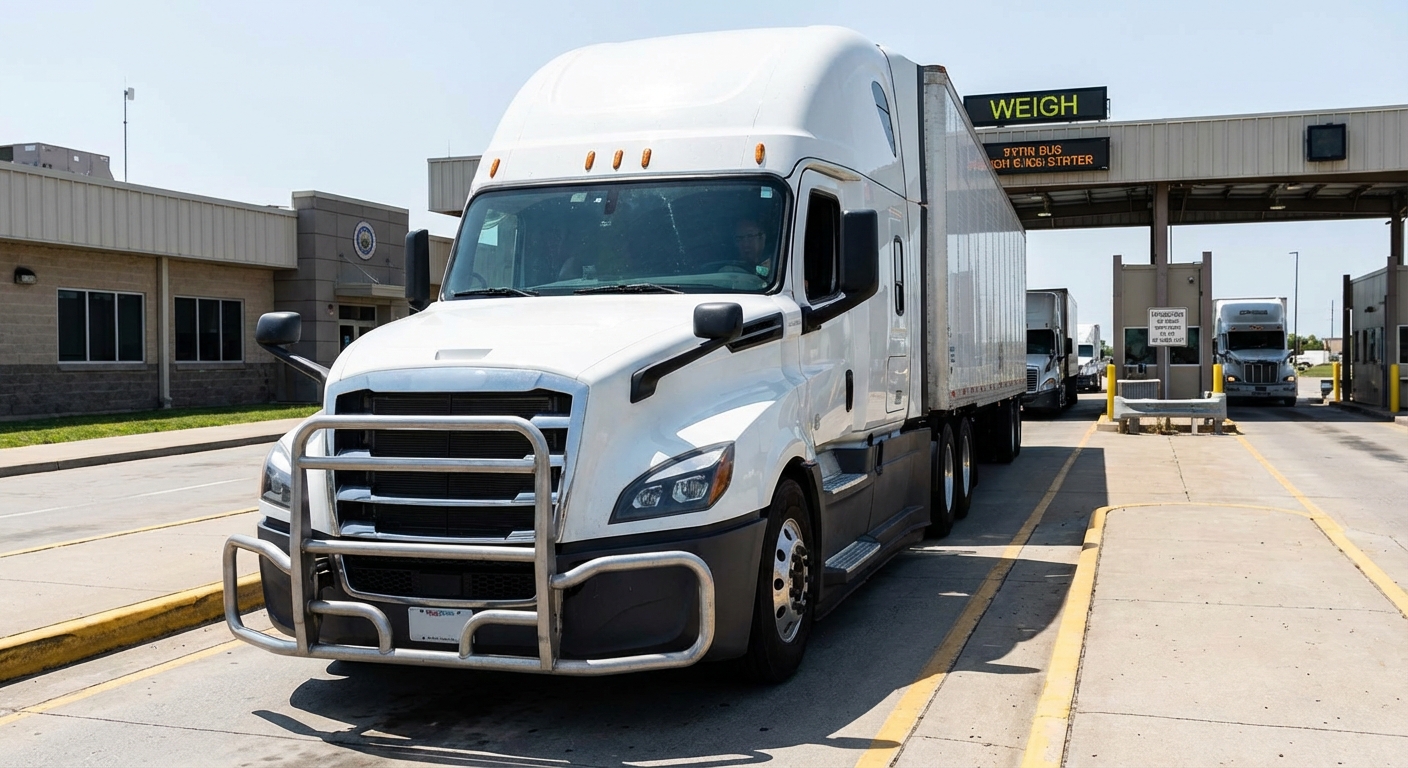
Finish options are more than just an aesthetic choice in your semi truck bumper sourcing guide; they provide a vital secondary barrier against corrosion. Your semi truck bumper sourcing guide should include options for powder coating or chrome plating to match your fleet’s visual branding and environmental needs. A well-finished bumper maintains the professional image of your company while preventing the metal from pitting over time.
Does aesthetics affect resale?
When it comes time to trade in or sell your rig, a truck with a pristine, mirror-polished front end commands a much higher price than one with a chipped, rusty OEM bumper. Professional finishes project an image of a well-maintained vehicle to potential buyers.
- High-polish stainless steel stays bright for decades.
- Black powder coating offers a modern, tactical look.
- Chrome plating provides the classic “American Trucker” style.
- Custom colors allow for perfect fleet brand matching.
But that’s not all…
A clean rig gets through weigh stations faster. DOT inspectors are human; if the truck looks professional and cared for, they are less likely to hunt for minor violations.
Is corrosion resistance vital?
If you run in the “Salt Belt,” a finish isn’t an option—it’s a requirement. Chemical de-icers used on modern highways are incredibly aggressive toward bare metal, making zinc-rich primers and high-quality coatings essential.
- Zinc primers provide a “sacrificial” layer against rust.
- Textured powder coats hide small rock chips and road rash.
- Satin finishes reduce glare for oncoming drivers at night.
- UV-resistant coatings prevent fading from desert sun.
Think about it:
A bumper that rusts through in two years is a waste of money. You need a finish that can survive being blasted by sand and salt at 70 mph for 100,000 miles a year.
Key Takeaway: Select a finish that balances your fleet’s branding requirements with the specific corrosive challenges of your primary driving routes.
Finish Durability Ratings
| Finish Type | Salt Resistance | Aesthetic Longevity | Maintenance Level |
|---|---|---|---|
| Polished Stainless | Extreme | Permanent | Medium (Polish) |
| Powder Coat | High | 5-7 Years | Low (Wash) |
| Chrome Plating | Moderate | 3-5 Years | High (Clean) |
Analysis: The right finish protects the underlying metal from the environment, ensuring the bumper’s structural strength isn’t compromised by rust.
How to find ROI via a semi truck bumper sourcing guide?
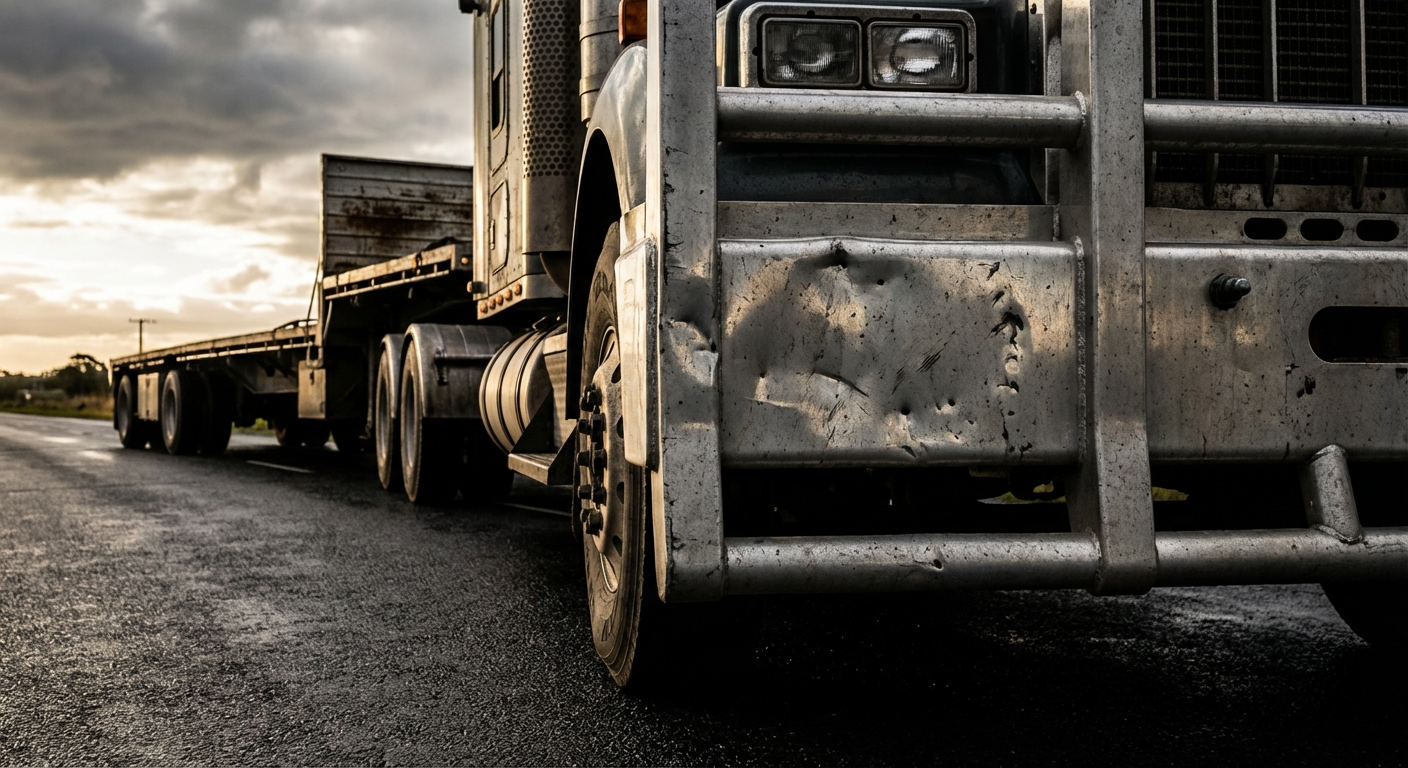
Calculating the Return on Investment (ROI) is the final hurdle in your semi truck bumper sourcing guide. By comparing the upfront cost of the guard against the massive expenses of a single collision, your semi truck bumper sourcing guide will prove that front-end protection is a profit-saving tool. You can find more data to support this in our comprehensive semi truck bumper sourcing guide.
Can you afford 14 days of downtime?
A major front-end strike often results in “total loss” of the hood, radiator, and AC system, which can take weeks to repair due to parts shortages and body shop backlogs. Every day your truck is sitting in a shop is a day it is costing you money in fixed overhead.
- Towing fees for Class 8 trucks average $1,500+.
- Body shop labor rates continue to rise annually.
- Rental truck costs can exceed $400 per day.
- Missed load penalties can destroy client relationships.
Look at it this way:
A high-quality bumper costs less than a single week of lost revenue. It is the only part you buy for your truck that can literally pay for itself in one second.
Does protection pay for itself?
Most insurance deductibles for front-end damage are $2,500 or higher. If a $2,000 bumper prevents just one insurance claim, you have already made your money back before you even consider the impact on your future premiums.
- Prevents insurance rate hikes from “at-fault” animal strikes.
- Increases the end-of-life resale value of the tractor.
- Reduces the need for a large spare parts inventory.
- Keeps drivers safe and confident behind the wheel.
Believe it or not:
Owner-operators who use front-end protection report can significantly improve uptime compared to unprotected OEM setups. The math is simple: keep the wheels turning.
Key Takeaway: View the purchase of a front-end guard as a capital investment in “uptime insurance” rather than an optional accessory expense.
Collision Cost Comparison Table
| Expense Category | Without Protection | With Heavy-Duty Guard |
|---|---|---|
| Direct Parts Cost | $12,000 – $28,000 | $0 – $500 |
| Total Downtime | 14 – 21 Days | Minimal downtime |
| Insurance Deductible | $2,500 | $0 |
| Total Est. Loss | $35,000+ | < $500 |
Analysis: The ROI of a bumper is realized the moment a hazard is deflected, converting a potential business catastrophe into a minor road scuff.
Where is support for a semi truck bumper sourcing guide?
Finding a reliable partner for your semi truck bumper sourcing guide decisions is the final step toward securing your fleet. A professional manufacturer will provide a 100% fitment guarantee and expert advice on which materials best suit your specific needs. Your semi truck bumper sourcing guide is only as good as the engineering team behind the product.
Is fitment guaranteed?
There is nothing more frustrating than receiving a 200-pound bumper that doesn’t line up with your truck’s frame holes. Professional manufacturers use precision CNC jigs and factory CAD data to ensure that every bolt-on guard fits perfectly the first time.
- Requires zero field drilling or frame modifications.
- Aligns perfectly with OEM tow pin locations.
- Maintains factory-spec hood clearance for opening.
- Includes all necessary high-grade mounting hardware.
How do lead times compare?
In the trucking world, “out of stock” means “out of luck.” Look for a supplier that maintains a deep inventory of common models and can ship custom configurations within a competitive window.
- Standard models should be ready for 48-hour shipping.
- Custom fleet orders require clear, honest timelines.
- Global shipping partners ensure door-to-door delivery.
- Direct manufacturer support eliminates “middleman” delays.
Frequently Asked Questions
Can I install the guard myself?
Yes, most tow-receiver and grille guards are designed for a 30-minute, two-person installation with standard hand tools.
What’s the best material for a long-term investment?
The best material depends on your operating conditions and priorities. 304 stainless steel offers excellent corrosion resistance and long-term durability, while high-strength aluminum provides significant weight savings for payload-sensitive operations.
How do I know if a bumper is radar-compliant?
Look for a “CAS Certified” or “Radar-Ready” stamp on the product specifications, ensuring the guard has a dedicated window for sensor waves.
What’s the best way to maintain a polished finish?
Use a dedicated metal polish and a soft microfiber cloth every few months to remove road grime and restore the original mirror shine.
Choosing the right front-end protection is a practical sourcing decision that directly impacts fleet uptime, repair costs, and long-term reliability. By aligning route conditions, wildlife exposure, and vehicle systems with the appropriate materials and mounting configurations, fleets can significantly reduce front-end damage risks.
Brontec is an OEM manufacturer specializing in heavy-duty truck protection systems, including moose bumpers, grille guards and other accessories. We support North American fleets and partners with build-to-print production, consistent quality, and reliable lead times. If you are reviewing suppliers or planning a sourcing project, contact our team to discuss specifications, fitment, and production options.