
The average semi truck front end damage cost typically starts at $13,317 for physical repairs and can quickly exceed $50,000 when accounting for total operational loss. Imagine a driver navigating a dark rural highway when a 1,000-pound animal suddenly leaps into the lane. You are now facing a shattered hood, a pierced radiator, and a truck that is no longer roadworthy. The frustration of watching your maintenance budget vanish while revenue-generating assets sit idle is a burden no fleet manager wants to carry. By investing in heavy-duty structural protection, you can transform these catastrophic collisions into minor, manageable incidents that keep your drivers safe and your trucks on the move.
What is the baseline semi truck front end damage cost?
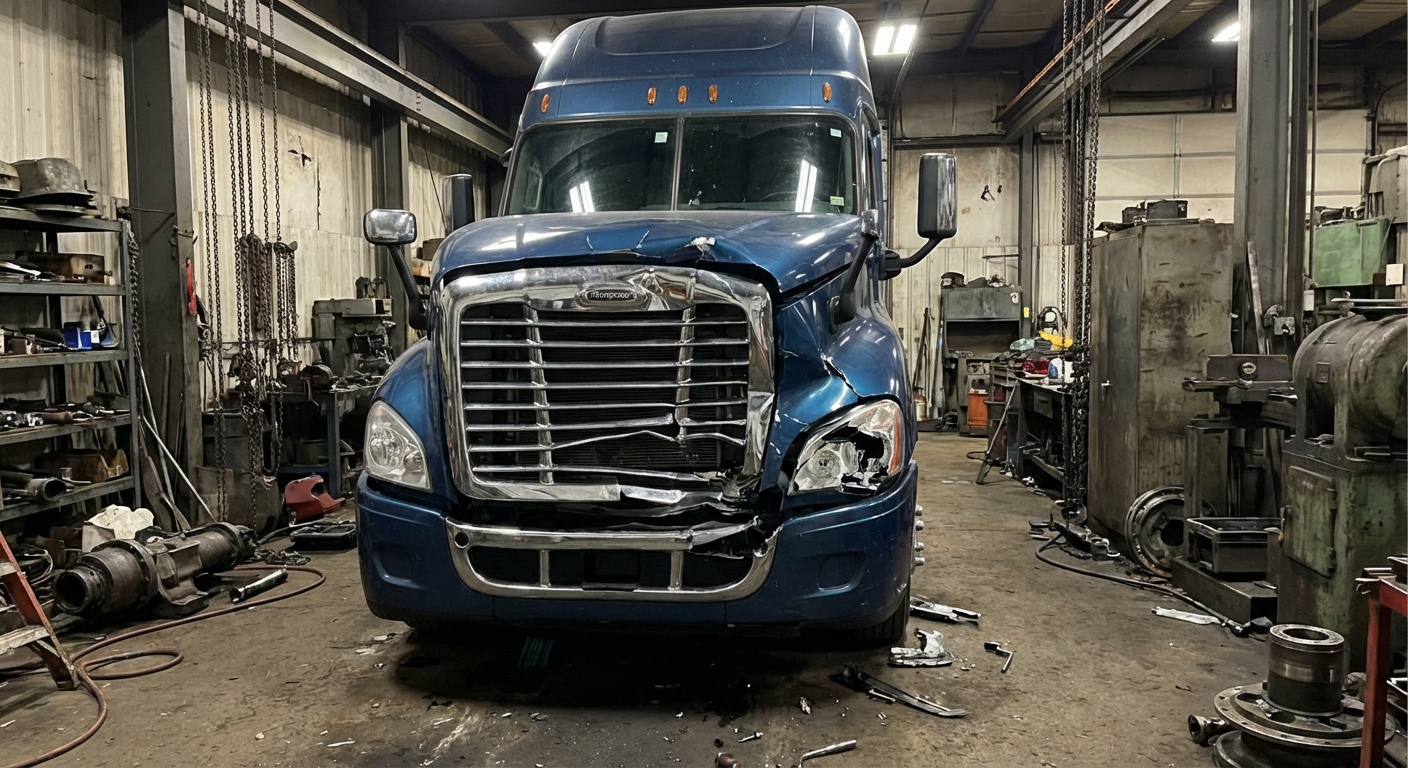
The average semi truck front end damage cost for a tractor collision is approximately $13,317 according to recent industry estimating data. This figure covers the immediate physical replacement of components like the hood, bumper, and cooling system.
How do component prices affect the total bill?
You might be wondering: how do individual part costs stack up during a standard restoration? Prices for raw materials have surged, meaning even a small impact can lead to a massive invoice.
- Replacement Hood Assembly: $4,500 – $6,000
- Radiator and Charge Air Cooler: $2,500 – $3,500
- Headlight and Grille Kits: $1,500 – $2,200
But here is the kicker: these prices are just the starting point before specialized labor is applied.
Key Takeaway: Physical repair costs are rising due to material inflation and the high cost of molded plastic and fiberglass body components.
| Component Category | Estimated Replacement Cost | Impact Severity |
|---|---|---|
| Exterior Body (Hood/Grille) | $5,500 | High |
| Cooling System (Radiator) | $3,000 | Critical |
| Lighting/Electrical | $1,800 | Moderate |
Fleet managers should prioritize structural integrity over cosmetic fixes to ensure long-term vehicle safety.
Why are front end repair costs rising so quickly?
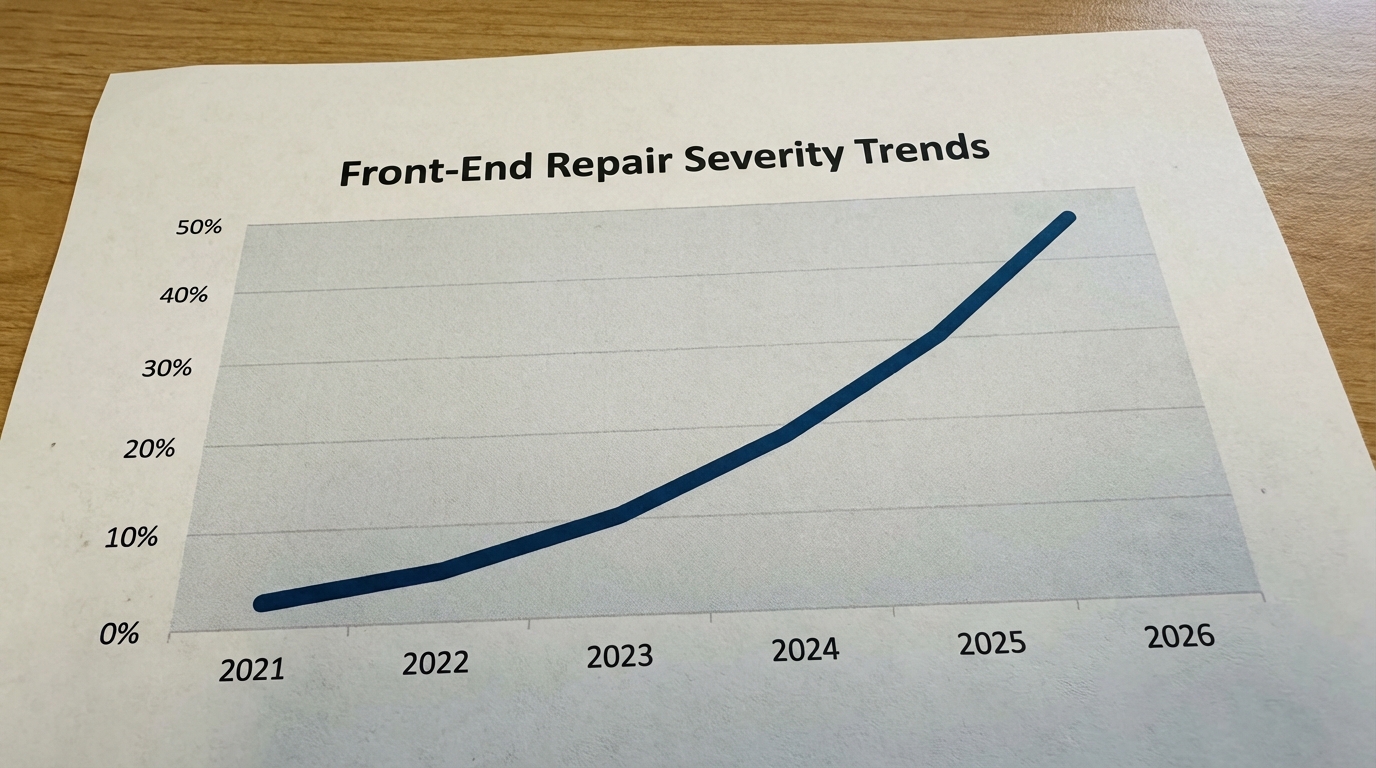
Analyzing the semi truck front end damage cost reveals a 24% increase in repair severity over the last year alone. This spike is driven by the integration of complex safety technologies and rising specialized labor rates across North America.
Are safety sensors increasing repair complexity?
Think about it: every modern truck now features radar-based collision mitigation systems mounted directly in the front bumper. These sensors require delicate handling and expensive recalibration after even a minor nudge.
- Radar Sensor Calibration: $500 – $1,200 per incident
- Complex Wiring Harnesses: $800+ in parts
- Specialized Diagnostic Software: Requires dealer-level access
The reality is simple: technology makes trucks safer but much more expensive to fix.
Key Takeaway: The shift toward advanced driver-assistance systems (ADAS) has made the front end the most technologically dense—and expensive—area of the vehicle.
| Year | Repair Severity Increase | Primary Driver |
|---|---|---|
| 2022 | 12% | Parts Shortages |
| 2024 | 24% | Tech Recalibration |
| 2026 (Est) | 30% | Specialized Labor |
Investing in protection that clears the sensor “zone” is essential for maintaining modern fleet safety features.
Does downtime increase the total financial impact?
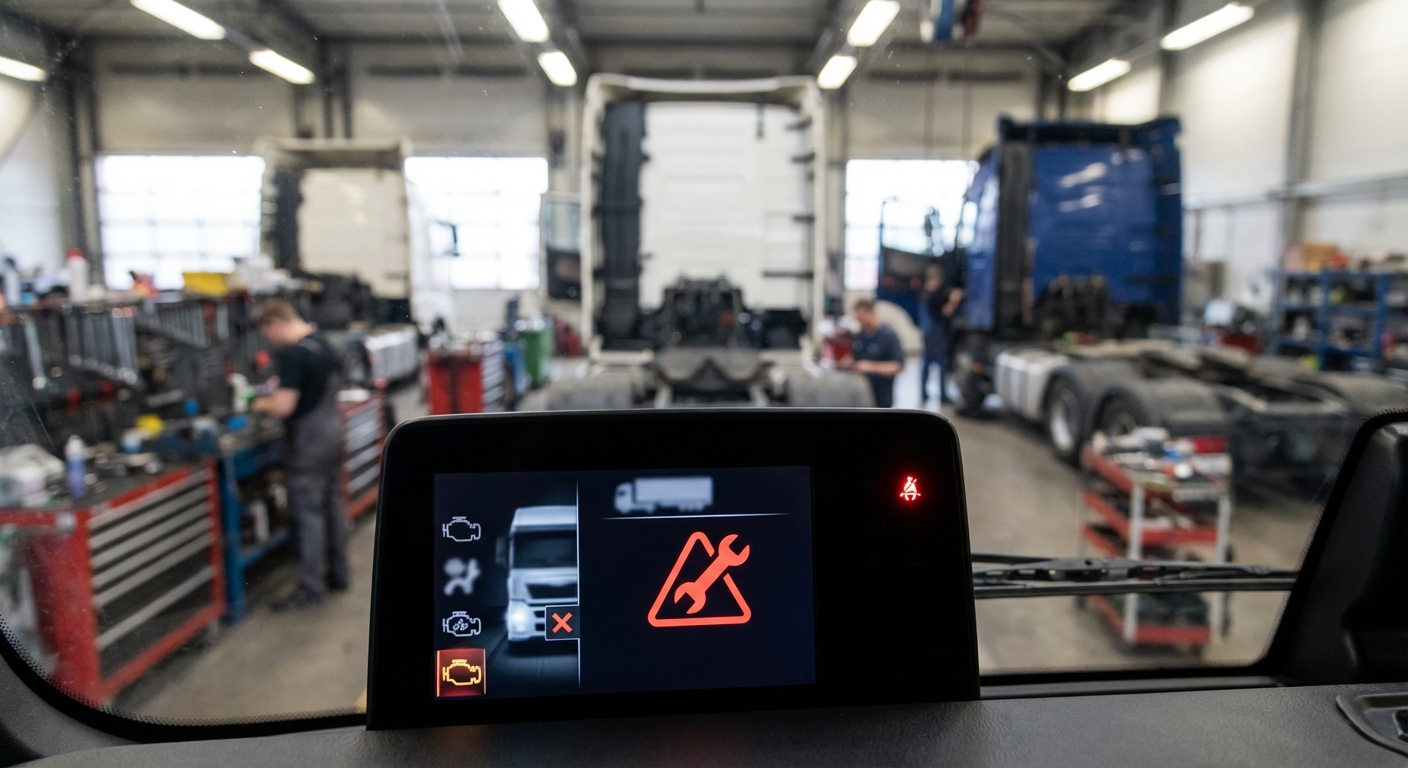
While the shop invoice is high, the true semi truck front end damage cost is compounded by a daily revenue loss of at least $1,200 for every day the truck is out of service. A major collision can easily ground a tractor for two weeks or more.
Look at it this way: when your truck isn’t moving freight, you are still paying for insurance, permits, and potentially driver layover fees. These “silent killers” of profitability can quickly exceed the cost of the actual mechanical repair.
- Lost Freight Revenue: $1,200+ per day
- Driver Hotel and Travel: $200 – $400 per night
- Expedited Shipping for Parts: $500+ per order
It gets worse: frequent downtime can lead to missed delivery windows and the loss of lucrative shipping contracts.
Key Takeaway: Downtime is often the single most expensive factor in a collision, frequently doubling the total economic impact of the accident.
| Days Out of Service | Lost Revenue | Driver Layover Costs |
|---|---|---|
| 3 Days | $3,600 | $600 |
| 7 Days | $8,400 | $1,400 |
| 14 Days | $16,800 | $2,800 |
Calculating the total cost of ownership must include a rigorous analysis of potential revenue loss per incident.
How do animal strikes affect repair expenses?
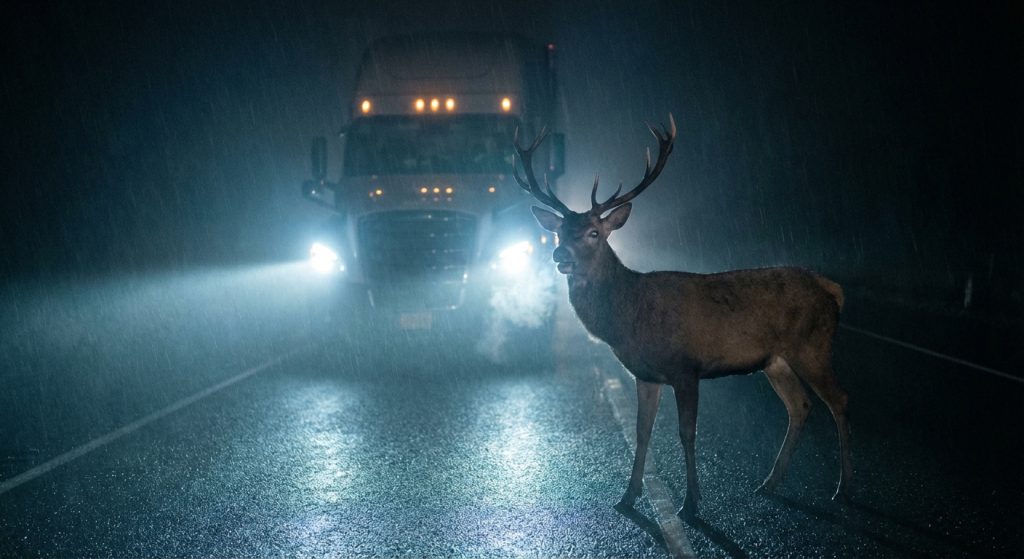
With over 2.1 million incidents annually, the semi truck front end damage cost associated with wildlife collisions is a primary concern for long-haul carriers. These impacts often occur at highway speeds, resulting in devastating structural failure.
When is the risk of wildlife impact highest?
Believe it or not: the months of October through December represent the most dangerous window for deer-vehicle collisions. During the “rut” and harvest seasons, animal movement across rural roads increases exponentially.
- Peak Danger Months: October, November, December
- High-Risk Times: Dusk and dawn (low visibility)
- Secondary Damage: Debris thrown into oncoming traffic or following vehicles
You need to be prepared: one animal strike can trigger a chain reaction of insurance claims and repairs.
Key Takeaway: Wildlife collisions are statistically inevitable for high-mileage fleets, making front-end reinforcement a necessity rather than an option.
| Collision Type | Average Damage Depth | Towable Probability |
|---|---|---|
| Small Game | Surface/Grille | Low |
| Deer Strike | Cooling System | High |
| Moose Impact | Total Cab/Frame | Extreme |
Proactive scheduling of guard installations before the autumn peak can significantly reduce year-end repair spikes.
Can moose bumpers lower the long-term repair bill?
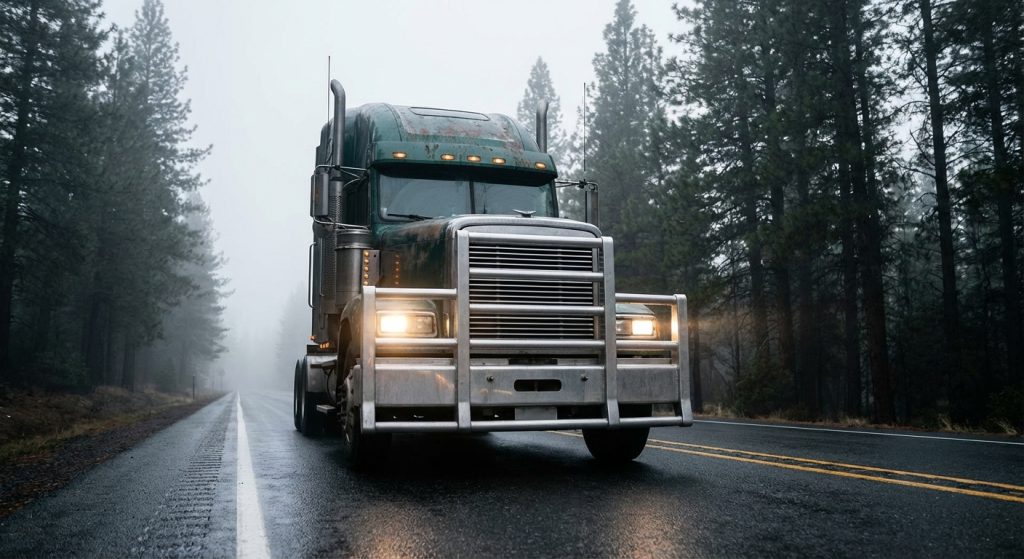
Installing a heavy-duty guard is the most effective way to limit the semi truck front end damage cost by preventing impact forces from reaching critical engine components. A well-engineered bumper can reduce towable accidents by up to 80%.
Do heavy-duty guards protect the radiator?
And that’s not all: a moose bumper acts as a sacrificial shield that absorbs kinetic energy, protecting the radiator and charge air cooler from being punctured. This means the truck can often remain drivable even after a significant impact.
- Structural Steel Grade: High-tensile strength for impact absorption
- Pivot Mounts: Allows for easy engine access and maintenance
- Full Grille Coverage: Protects lights, sensors, and the cooling stack
Think about it: would you rather pay for a new guard or a new engine?
Key Takeaway: Heavy-duty Moose Bumpers are capital investments that pay for themselves by converting total-loss collisions into minor repair events.
| Protection Level | Radiator Safety | Frame Protection | Drivability Post-Impact |
|---|---|---|---|
| Standard Bumper | None | Minimal | Very Low |
| Heavy-Duty Guard | High | High | Very High |
Selecting a guard with a 100% fitment guarantee ensures that protection does not interfere with vehicle aerodynamics or cooling.
Do insurance claims cover the full cost of damage?
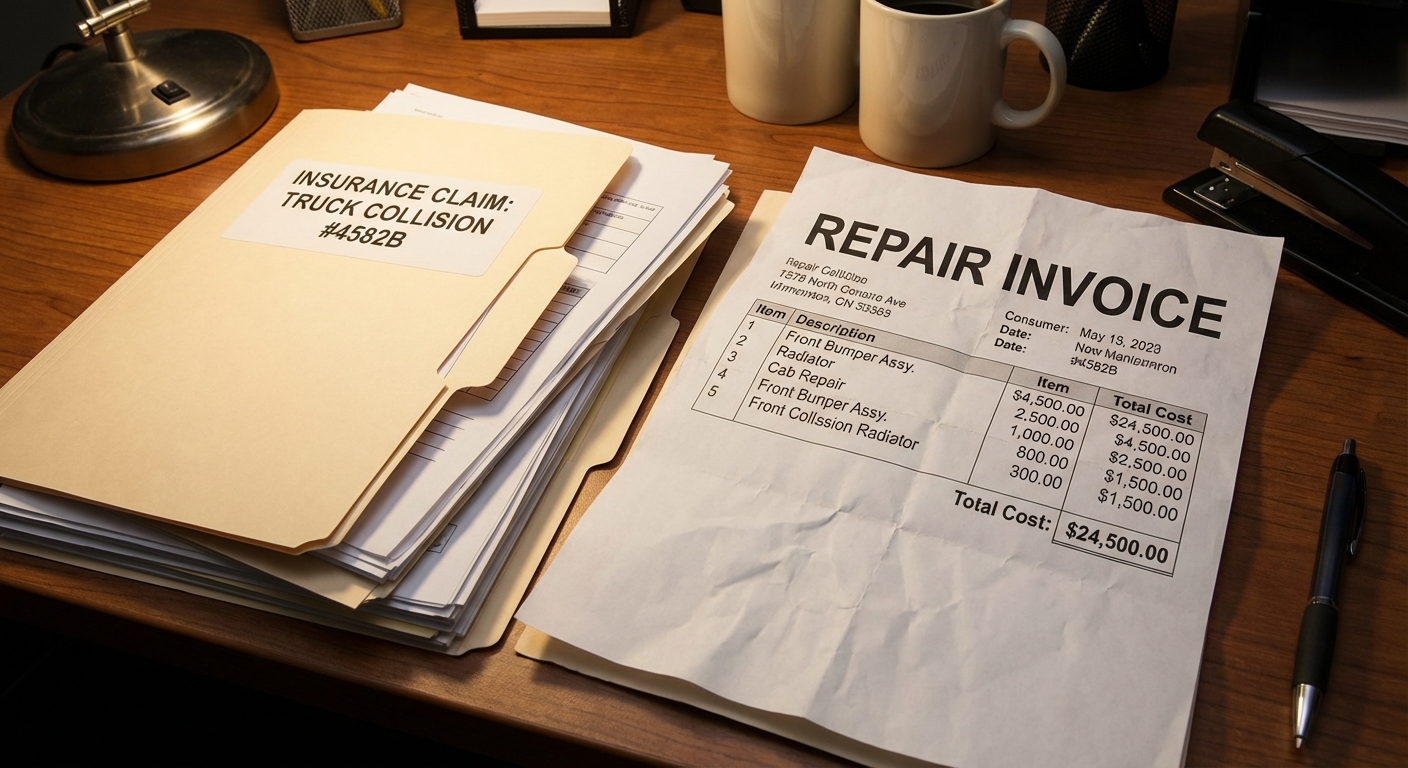
While a policy might pay for parts, the semi truck front end damage cost is often felt through rising premiums and high deductibles that eat into your profit margins. Many fleets find that small claims are not worth filing due to the long-term rate hikes.
Wait, there’s more: frequent collision claims can damage your fleet’s risk profile, making it harder to secure affordable coverage in the future. Insurers look closely at your accident frequency and the severity of each incident.
- Deductible Range: $1,000 – $5,000 out-of-pocket
- Premium Increases: Up to 15% after a major at-fault wreck
- Safety Credits: Discounts may be available for trucks with front-end guards
You must consider: the out-of-pocket cost of one wreck can often pay for guards on five different trucks.
Key Takeaway: Insurance is a safety net for catastrophes, but the recurring costs of claims make internal risk mitigation a superior financial strategy.
| Insurance Factor | Impact of Unprotected Wreck | Impact of Protected Wreck |
|---|---|---|
| Claim Amount | $15,000+ | $0 – $2,000 |
| Premium Hike | High | Negligible |
| Deductible Loss | Full | None/Minimal |
Reviewing your insurance policy for “safety equipment” credits can help offset the initial purchase price of front-end protection.
What are the secondary costs of a major wreck?
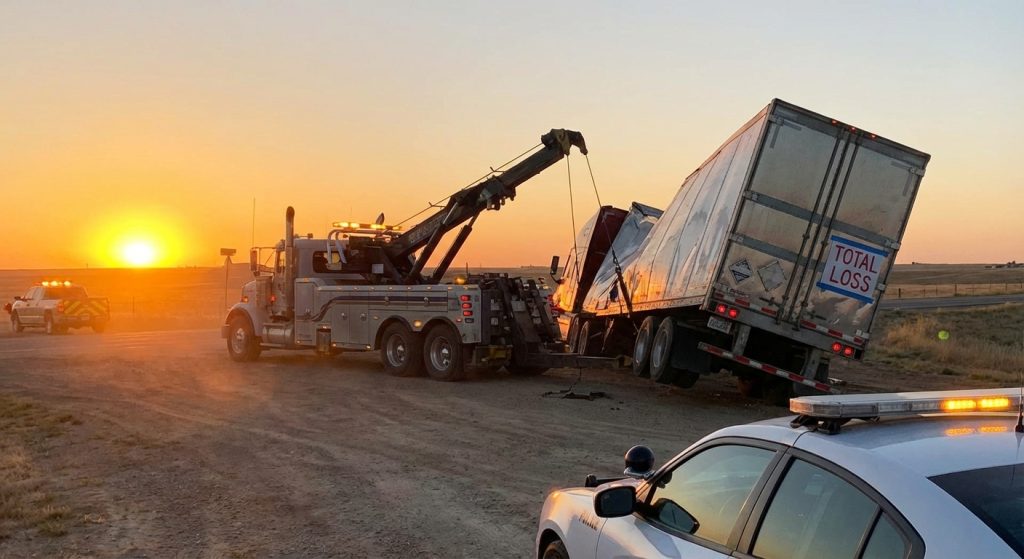
Towing and recovery fees are massive contributors to the total semi truck front end damage cost, especially if the accident occurs in a remote area. If the truck is not drivable, you are at the mercy of the nearest heavy-duty wrecker service.
How expensive are towing and recovery fees?
But here is the kicker: specialized towing for a Class 8 tractor can cost thousands of dollars just for the hook-up and first few miles. If the frame is damaged or the wheels are locked, the complexity of the recovery sky-rockets.
- Standard Hook-up Fee: $500 – $1,000
- Per-Mile Rate: $10 – $25
- Recovery/Cleanup Labor: $200+ per hour
Think about it: a $3,000 tow bill is money that could have been spent on permanent vehicle protection.
Key Takeaway: Eliminating the need for a tow is the fastest way to slash the total economic impact of a front-end collision.
| Service Type | Estimated Expense | Potential Savings with Guard |
|---|---|---|
| Emergency Towing | $2,500 | 100% |
| Site Remediation | $1,200 | 80% |
| Impound/Storage | $500 | 100% |
Implementing a “drive-away” strategy focused on cooling system protection can save your fleet thousands in recovery fees.
How much labor is needed for front-end work?
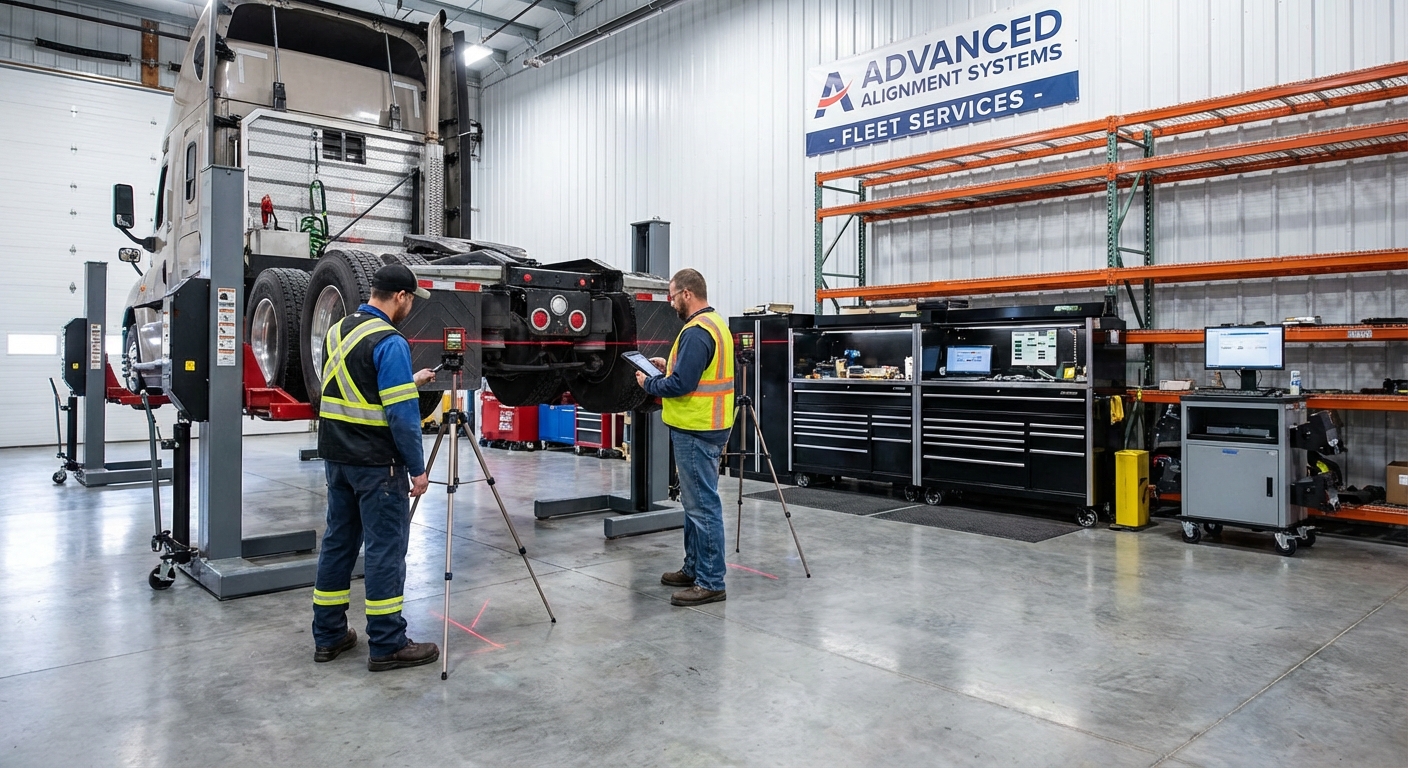
Restoring a vehicle to factory standards involves a semi truck front end damage cost of approximately 61.2 total labor hours. This labor is split between body work, mechanical repairs, and highly specialized frame alignment.
Why are frame repairs so time-consuming?
Look at it this way: even a minor impact can knock the front rails out of alignment, leading to premature tire wear and poor handling. Aligning a heavy-duty frame requires laser precision and massive hydraulic equipment.
- Body Labor: 20.7 hours (Hood/Grille)
- Mechanical Labor: 15.1 hours (Cooling/Engine)
- Frame Alignment: 12.9 hours (Precision Rails)
The truth is simple: labor often costs more than the parts being installed.
Key Takeaway: Front-end damage is rarely just “skin deep”; the structural labor involved is the primary reason for extended repair timelines.
| Repair Category | Average Labor Hours | Skill Level Required |
|---|---|---|
| Body & Paint | 33 Hours | Moderate |
| Mechanical | 15 Hours | High |
| Frame/Structural | 13 Hours | Specialized |
Choosing bolt-on protection prevents the transfer of impact energy to the frame, eliminating the need for expensive rail alignment.
Does geography influence your total damage risk?

The statistical semi truck front end damage cost varies significantly by region, with states like West Virginia, Iowa, and Pennsylvania posing the highest risk. If your routes take you through rural, wooded corridors, your probability of an animal strike is nearly guaranteed.
Which states pose the greatest wildlife threat?
You might be wondering: does my route really dictate my maintenance budget? Data from major insurers shows that rural harvesting states experience significantly higher rates of heavy-duty front-end claims.
- Top Risk State: West Virginia (1 in 38 chance of hitting an animal)
- Midwest Hotspots: Iowa, Missouri, South Dakota
- Eastern Corridors: Pennsylvania and Michigan
Don’t ignore the data: your regional risk should directly dictate your level of vehicle fortification.
Key Takeaway: High-risk regions require “Moose Bumper” level protection, while highway-only southern routes may only require standard Grille Guards.
| State Risk Level | Wildlife Density | Recommended Guard Type |
|---|---|---|
| Extreme (WV/IA) | High | Heavy-Duty Moose Bumper |
| Moderate (PA/MO) | Medium | Reinforced Grille Guard |
| Low (FL/TX) | Low | Standard Aero Guard |
Mapping your fleet’s “incident hotspots” allows for a targeted investment in the areas where protection is needed most.
Why is OEM protection a smart fleet investment?
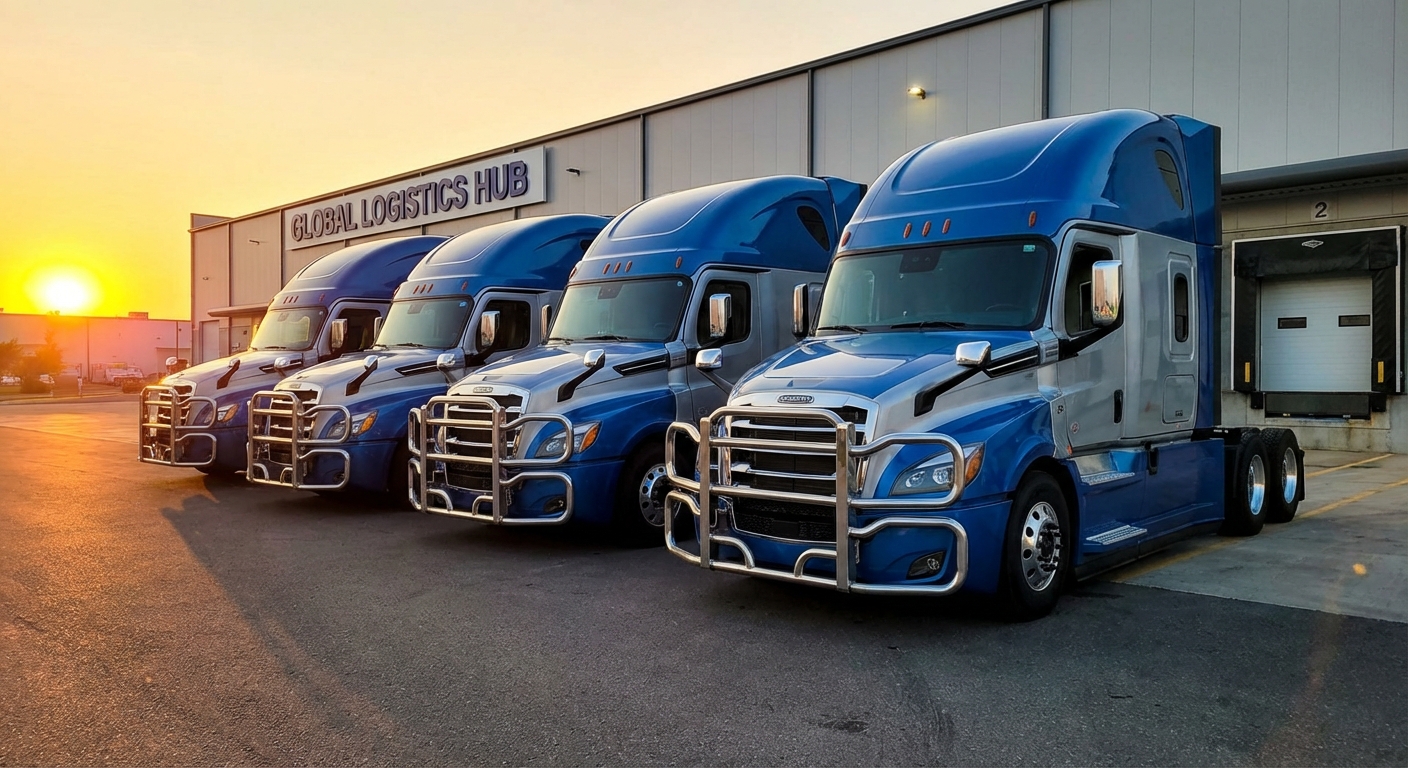
Investing in an semi truck front end damage cost mitigation strategy through OEM-certified guards ensures 100% fitment and long-term durability. Quality manufacturing prevents the common issues of vibration fatigue and mounting failure found in cheap alternatives.
Can you achieve a 100% fitment guarantee?
Think about it: a guard that doesn’t fit perfectly will rattle, damage your paint, or worse, interfere with your truck’s cooling airflow. OEM-standard guards are built using precision CNC laser cutting and robotic welding to match your specific truck model.
- 100% Fitment Guarantee: No drilling or modifications required
- 20-30% Faster Lead Times: Get your fleet protected before the season peaks
- ISO Certified Quality: Built to withstand the rigors of Class 8 operations
Wait, there’s more: a professional-grade guard also enhances the resale value of your tractor by preserving the pristine condition of the hood and grille.
Key Takeaway: Not all guards are created equal; only OEM-certified protection provides the structural integrity needed to actually stop a towable accident.
| Feature | Brontec OEM Guard | Generic Aftermarket |
|---|---|---|
| Material Grade | High-Gauge Alloy | Standard Steel |
| Fitment | 100% Bolt-On | Often Requires Drilling |
| Warranty | Multi-Year Support | Limited/None |
Standardizing your fleet with high-quality guards creates a professional brand image while providing a measurable return on investment.
Conclusion
Managing the semi truck front end damage cost is no longer a matter of luck; it is a strategic decision. With repair costs rising by 24% and the “silent killer” of downtime draining over $1,200 in daily revenue, the financial case for heavy-duty protection is undeniable. Whether you are navigating the high-risk corridors of the Midwest or managing a long-haul highway fleet, reinforcing your trucks with Moose Bumpers and Grille Guards is the most effective way to secure your bottom line. We are dedicated to providing North American carriers with engineering excellence and a 100% fitment guarantee that keeps your drivers safe and your equipment on the road.
Protect your assets and contact us today for a custom quote on fleet-wide protection solutions.
FAQ: Protecting Your Fleet
Can I install these guards without a professional mechanic?
Yes. Most of our guards are designed for a simple bolt-on installation that can be completed by your in-house maintenance team using standard tools.
What’s the best way to handle a sensor recalibration?
Concise Judgment: You should always use an OEM-certified technician. While the hardware is easy to mount, the radar systems require specialized software to ensure the collision mitigation features function correctly post-installation.
How do I know if my truck needs a Moose Bumper or a Grille Guard?
Concise Judgment: It depends on your primary routes and typical animal size. If you operate in northern regions with large wildlife like moose or elk, a heavy-duty bumper is required; for highway deer strikes, a high-strength grille guard is often sufficient.
Can I customize the finish to match my fleet colors?
Yes. We offer multiple surface treatments, including high-polish stainless steel and durable powder coating in various colors to ensure the protection matches your brand aesthetic.
What is the lead time for a large fleet order?
Concise Judgment: Typically 25 to 35 days. Because we control the entire manufacturing process, we offer 20-30% faster lead times than industry averages to ensure your fleet is ready for peak season.