
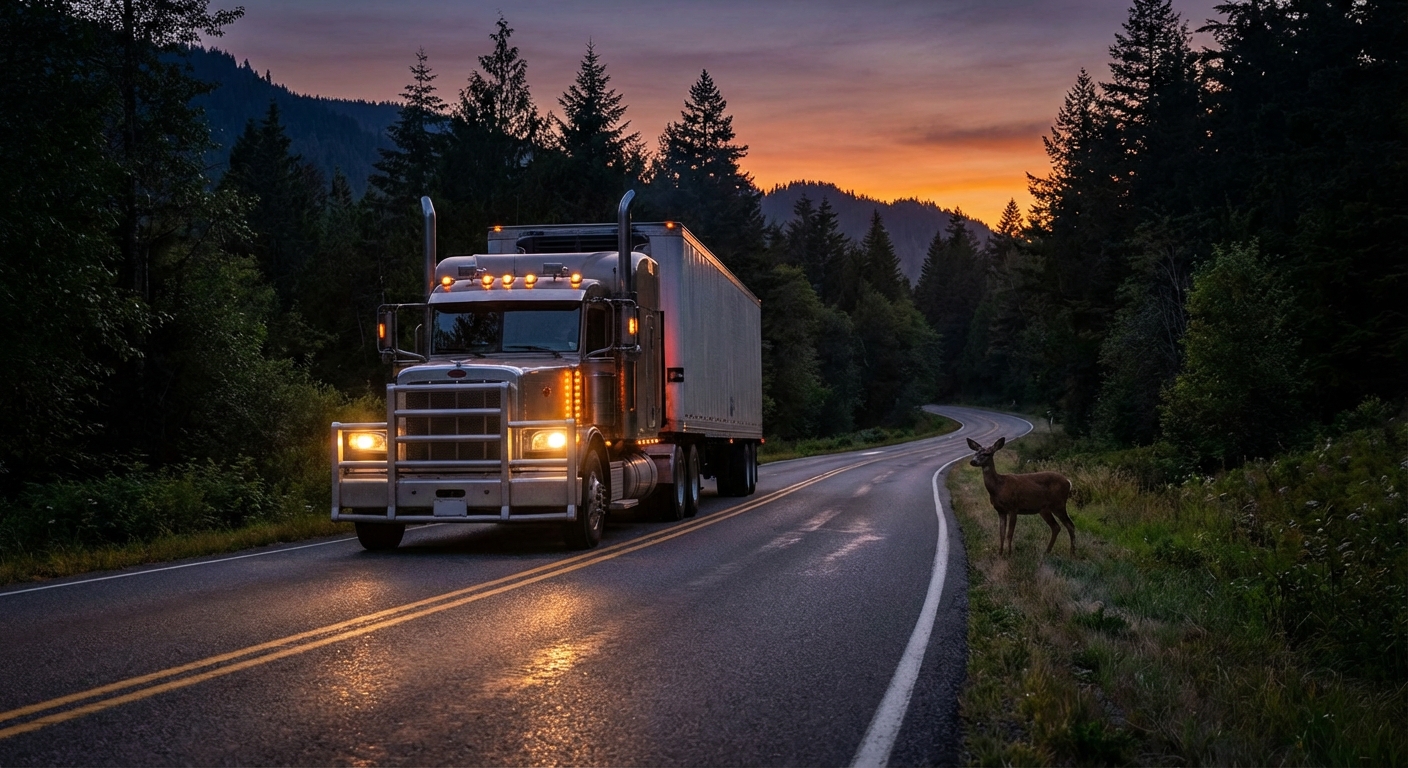
Semi truck grille guards are worth the money for any operator looking to protect their assets. Imagine driving at dusk through a forested highway when a large deer suddenly leaps into your path. The resulting impact can crush your radiator and disable your engine, leaving you stranded with a $10,000 repair bill and lost revenue. By installing a high-quality semi truck grille guard, you provide a physical barrier that absorbs the blow and keeps your rig on the road.
Why invest in a semi truck grille guard?
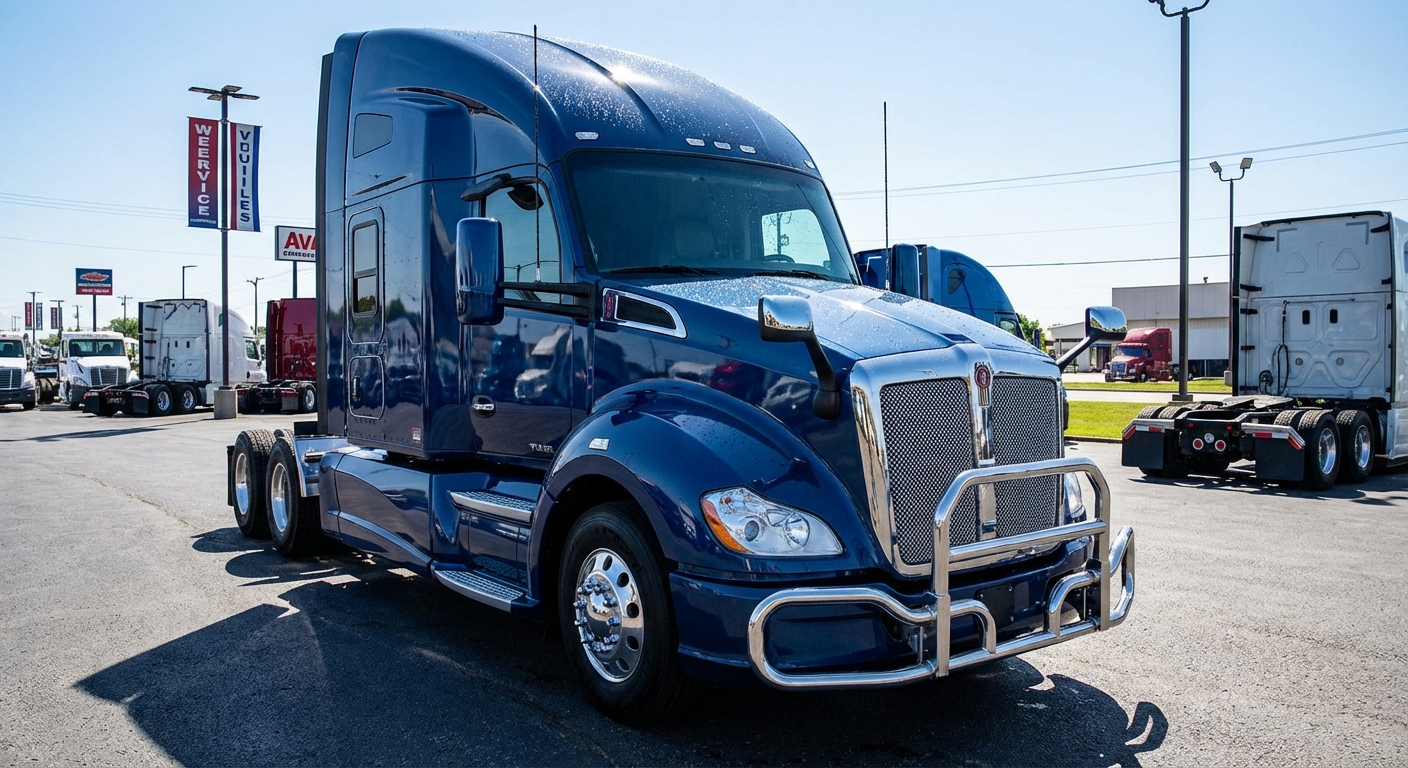
Investing in a semi truck grille guard is a proactive strategy to safeguard the most vulnerable and expensive components of your truck’s front end. These units are designed to deflect debris and wildlife that would otherwise cause catastrophic mechanical failure. Protecting your radiator, charge air cooler, and headlights ensures you avoid the massive expenses associated with a front-end rebuild.
Does it prevent mechanical downtime?
Preventing downtime is perhaps the most significant benefit for fleet owners and owner-operators alike. Every day your truck spends in the shop is a day it is not generating income for your business.
Think about it:
- A guard prevents small impacts from becoming major shop visits.
- It protects the cooling system from road debris.
- Drivers feel safer knowing they have a reinforced front end.
| Component Protected | Importance | Risk Without Guard |
|---|---|---|
| Radiator | Critical | High – Puncture risk |
| Headlights | Safety | Moderate – Crack risk |
| Charge Air Cooler | Performance | High – Impact damage |
Key Takeaway: A guard acts as a physical insurance policy that keeps your truck earning rather than sitting in a repair bay.
Maintaining a functional front end is far more valuable than the initial purchase price of the protection equipment.
Is a semi truck grille guard effective for deer?
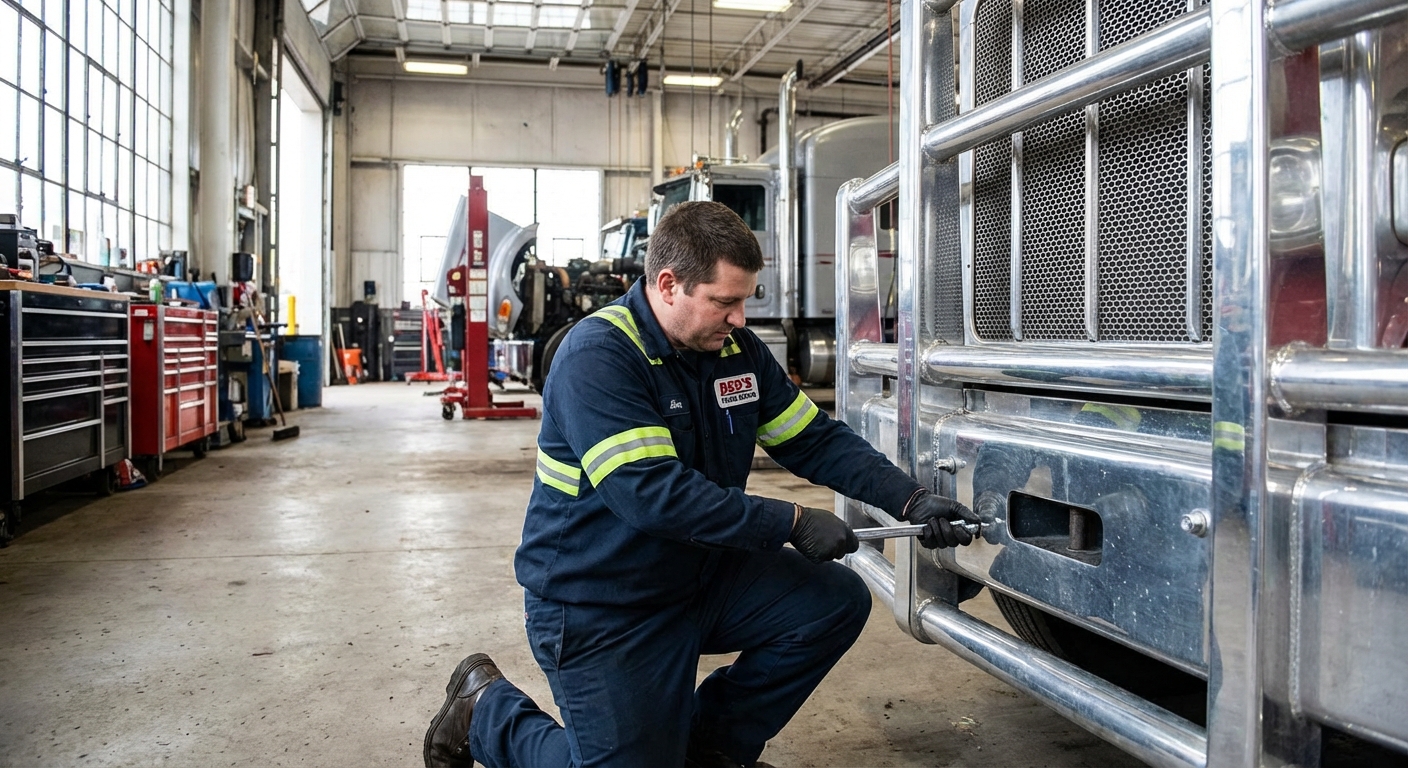
Yes, a semi truck grille guard is highly effective at absorbing and distributing the force of a deer impact at highway speeds. Without this protection, a deer strike can push the bumper into the cooling stack, causing immediate engine overheating. The heavy-duty tubing of a guard is specifically engineered to withstand these forces and minimize structural damage to the cab.
How does impact absorption work?
The physics of a high-speed strike requires a material that can bend slightly while remaining anchored to the frame. Most guards use 14-gauge steel or thick aluminum alloys to provide this necessary resistance.
Here is why:
- High-tensile materials deflect the animal downward or to the side.
- Boxed uprights provide the structural rigidity needed to prevent frame bending.
- Mounting brackets transfer impact energy directly to the truck’s chassis.
| Impact Variable | Without Guard | With Guard |
|---|---|---|
| Radiator Damage | Guaranteed | Minimal/None |
| Bumper Deformation | Severe | Prevented |
| Repair Cost | $4,000+ | $0 – $500 |
Key Takeaway: While no guard can stop 100% of damage in every scenario, they virtually eliminate the mechanical failure caused by common deer strikes.
Operators in high-density wildlife areas consider these guards a mandatory safety feature for night driving.
What is the ROI of a semi truck grille guard?
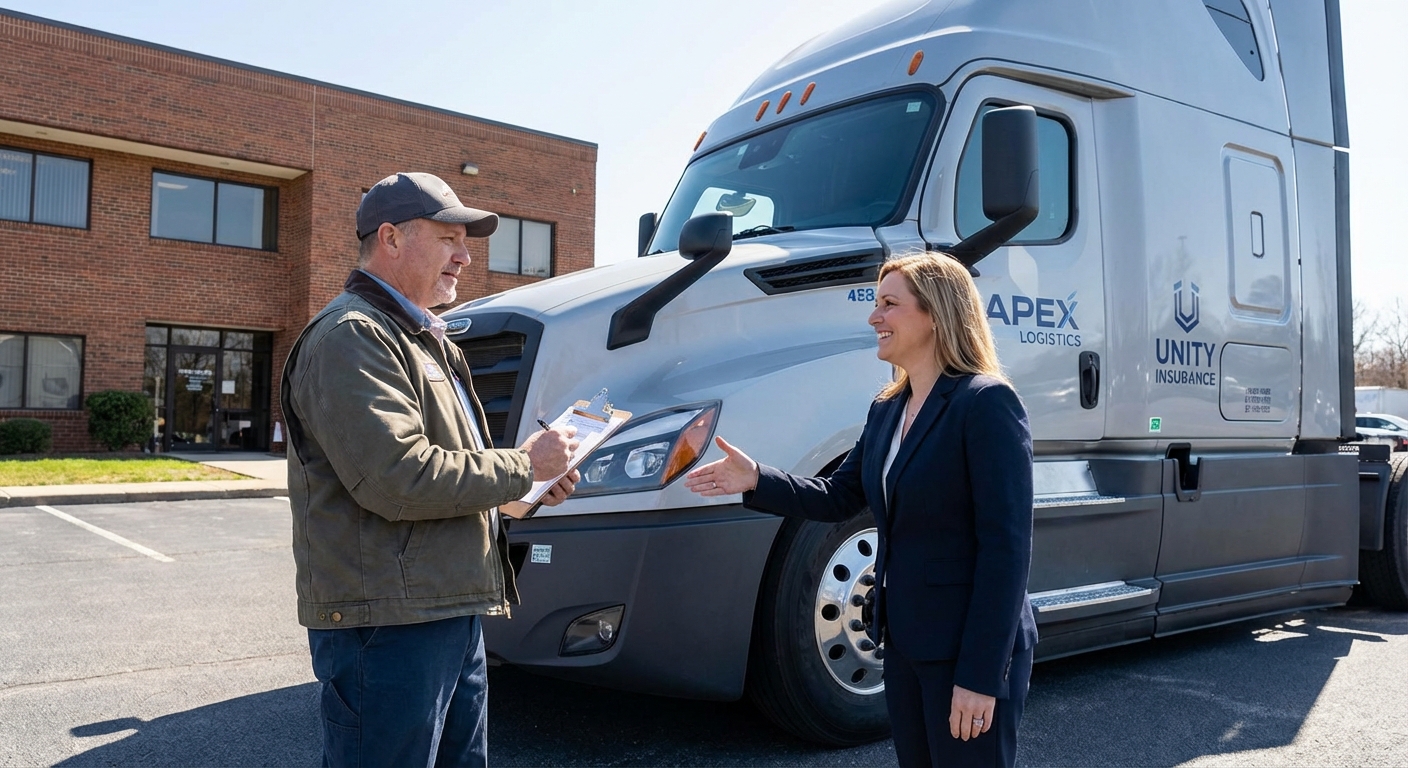
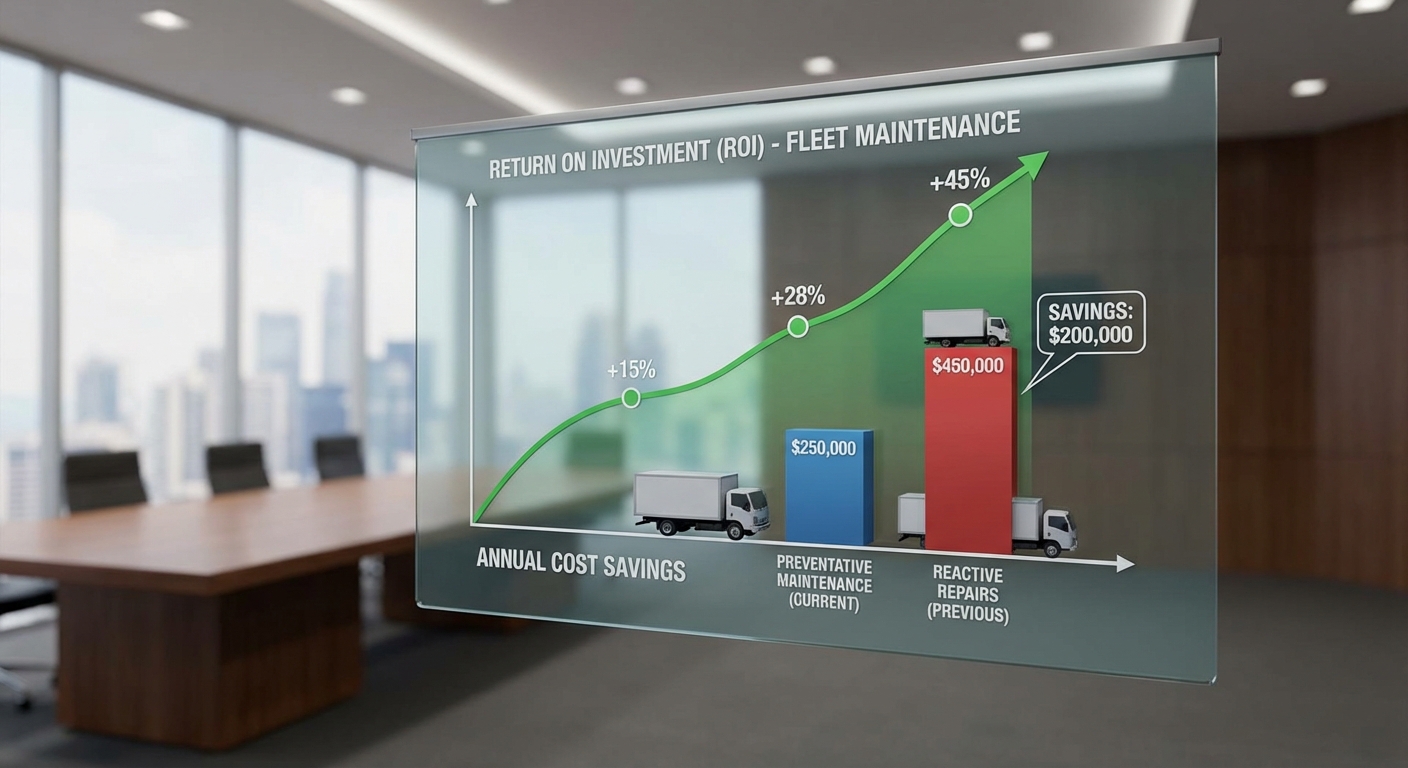
The return on investment for a semi truck grille guard is often realized during the very first incident where a collision is avoided. Most high-quality guards pay for themselves within the first 12 to 18 months of operation just by preventing minor damage and stone chips. When you factor in the avoidance of emergency towing fees and lost load revenue, the ROI becomes even more apparent.
Can you save on emergency towing?
Emergency towing fees for a disabled Class 8 truck can easily exceed $2,000, especially in remote regions. A guard ensures that even after a strike, your truck remains mobile enough to reach a service center under its own power.
Look at the facts:
- Avoiding a single tow covers the cost of a premium guard.
- Preventive protection reduces the frequency of insurance claims.
- Maintaining uptime allows for more consistent fleet scheduling.
| Financial Factor | Estimated Savings | Impact on ROI |
|---|---|---|
| Towing Fees | $1,500 – $3,000 | Immediate |
| Parts Replacement | $5,000 – $10,000 | High |
| Lost Revenue/Day | $1,000 – $2,000 | Cumulative |
Key Takeaway: The cumulative savings from avoiding a single major collision can fund a grille guard for your entire fleet.
Strategic fleet managers prioritize these guards to stabilize their annual maintenance budgets and protect profit margins.
Does a semi truck grille guard stop moose?
While standard guards help with deer, only specialized heavy-duty semi truck grille guard models, known as moose bumpers, provide the protection needed for 1,000-pound animals. A moose impact is significantly more dangerous because the animal’s height often leads to it rolling over the hood and into the windshield. Premium moose guards use reinforced vertical tubes and boxed uprights to manage these massive forces.
What makes a guard moose-proof?
True moose protection requires additional reinforcement and higher vertical coverage than a basic deer guard. These units are built with much thicker aluminum or steel plates to prevent the guard itself from buckling.
But that’s not all:
- Vertical tube designs prevent animals from rolling upward.
- Heavy-duty hinges allow for hood access while maintaining strength.
- Slam-latch systems ensure the guard stays locked during a massive strike.
| Feature | Standard Guard | Moose Bumper |
|---|---|---|
| Height | Lower Grille | Full Hood Coverage |
| Material Gauge | 14-Gauge | 5mm – 10mm Plate |
| Weight | 80 – 150 lbs | 200 – 350 lbs |
Key Takeaway: If you drive in Northern states or Canada, a standard guard is insufficient; you need a heavy-duty moose bumper.
Choosing the right level of protection based on your geographic route is the key to preventing total losses.
How does a semi truck grille guard affect fuel?
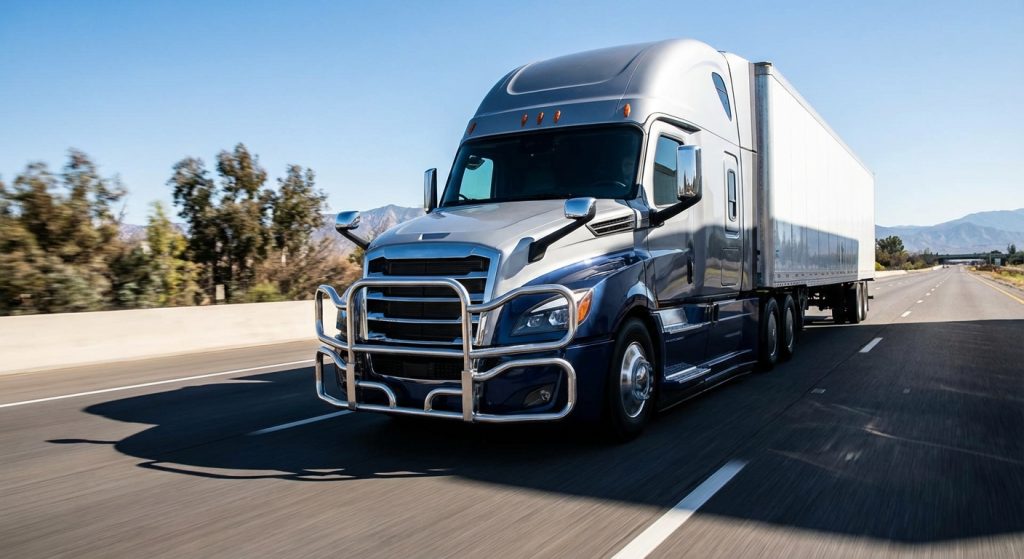
Modern semi truck grille guard designs are engineered to have a minimal impact of less than 0.5% on your overall fuel economy. In many cases, the aerodynamic drag created by the guard is so small that it is virtually unnoticeable in your day-to-day fuel logs. Manufacturers have spent significant resources ensuring that the protection you gain doesn’t come at the cost of your efficiency.
Is the added weight a problem?
The weight of a guard is a valid concern for haulers working near their maximum front axle load limits. However, choosing an aluminum alloy guard provides a significant weight reduction without sacrificing much in the way of protection.
Think about it:
- Aluminum guards usually weigh between 80 and 100 pounds.
- This represents a negligible fraction of a truck’s total weight.
- Aerodynamic curves in the tubing help air flow smoothly around the cab.
| Material | Weight Impact | Fuel Drag Effect |
|---|---|---|
| Aluminum Alloy | Low (80 lbs) | Minimal (<0.4%) |
| Stainless Steel | Medium (150 lbs) | Minimal (<0.5%) |
| Heavy-Duty Steel | High (250 lbs) | Slight (0.5%+) |
Key Takeaway: The slight increase in fuel cost is dwarfed by the massive savings found in avoiding a single radiator repair.
Selecting an aerodynamic, lightweight model ensures you get the best balance of protection and operational efficiency.
Is a semi truck grille guard best for long-haul?
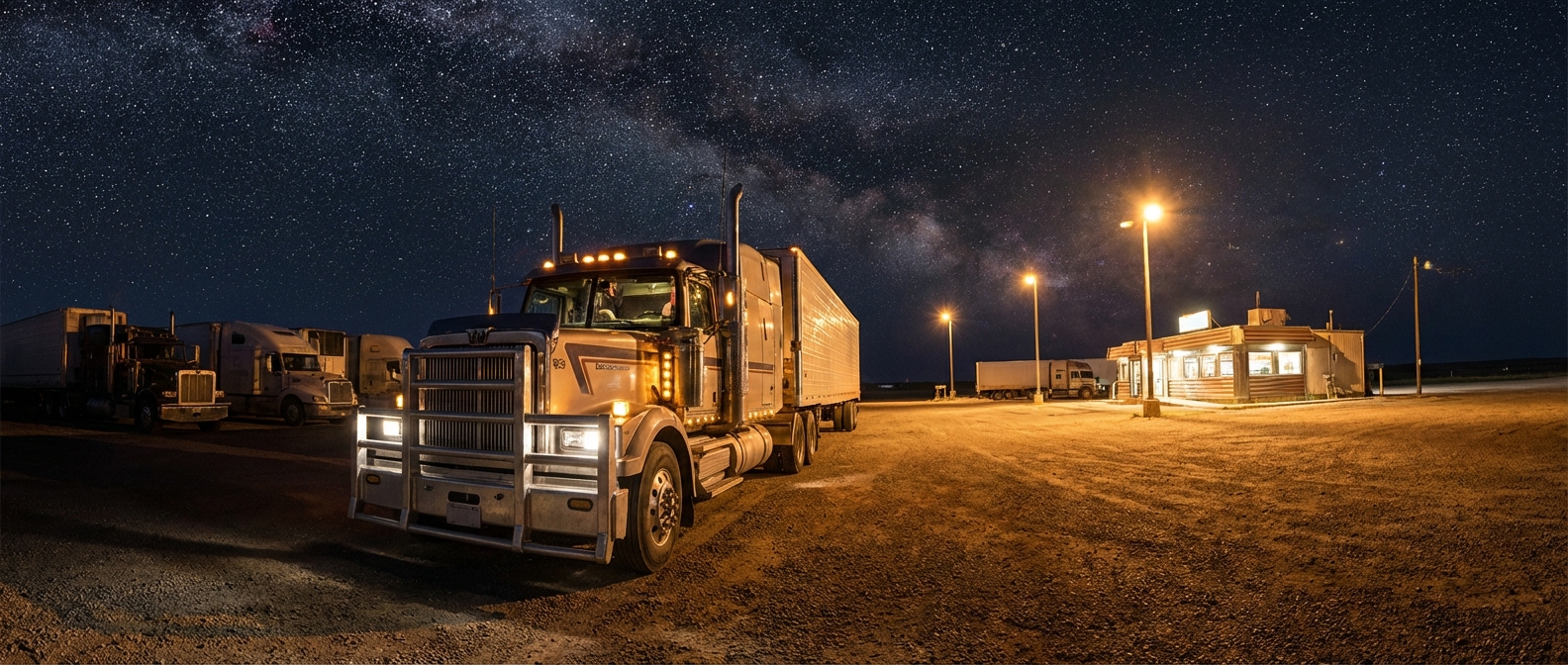
Long-haul trucks definitely need a semi truck grille guard because they face the highest statistical probability of encountering road hazards. When you are crossing multiple states and driving through the night, you are moving through varied terrain with shifting wildlife patterns. Being stranded in a remote area without a guard can turn a minor incident into a logistical nightmare for your dispatch team.
Why are remote routes more dangerous?
On remote routes, the distance to the nearest specialized repair shop can be hundreds of miles. If your front end is compromised, you lose the ability to complete your delivery on time, which can lead to late fees or lost contracts.
Let’s be real:
- Help is often hours away on rural interstate highways.
- Cell service can be spotty when you are stranded with a broken truck.
- A guard provides the reliability needed to finish the job regardless of road debris.
| Operational Factor | Local/Short Haul | Long-Haul Highway |
|---|---|---|
| Wildlife Risk | Moderate | Very High |
| Repair Access | Easy | Difficult |
| Downtime Cost | Managed | Severe |
Key Takeaway: For the long-haul operator, a grille guard is not a luxury; it is a vital piece of survival equipment for the rig.
Standardizing front-end protection across a long-haul fleet is one of the easiest ways to ensure route reliability.
Can a semi truck grille guard lower insurance?
Yes, several insurance carriers will reward the installation of a semi truck grille guard by offering deductible waivers or lower premiums. Because these guards significantly reduce the payout amount for a typical wildlife claim, insurers view them as a risk mitigation tool. It is always worth checking with your agent to see if your specific guard model qualifies for these financial incentives.
Do guards reduce your liability?
By keeping your truck’s cooling and braking systems intact during a strike, a guard helps you maintain control of the vehicle. This prevents secondary accidents, such as swerving into another lane or leaving debris on the road that could harm others.
Wait, there is more.
- Guards prevent fluid leaks that require expensive environmental cleanup.
- Maintaining control of the truck protects your CDL and safety record.
- Certified guards demonstrate a commitment to professional safety standards.
| Insurance Benefit | Availability | Long-term Value |
|---|---|---|
| Deductible Waiver | Common | High |
| Premium Discount | Occasional | Consistent |
| Claims History | Improved | Very High |
Key Takeaway: A grille guard can pay for itself through insurance savings alone while simultaneously protecting your professional reputation.
Always document your installation and share the specifications with your insurance provider to maximize your benefits.
Which semi truck grille guard material is best?
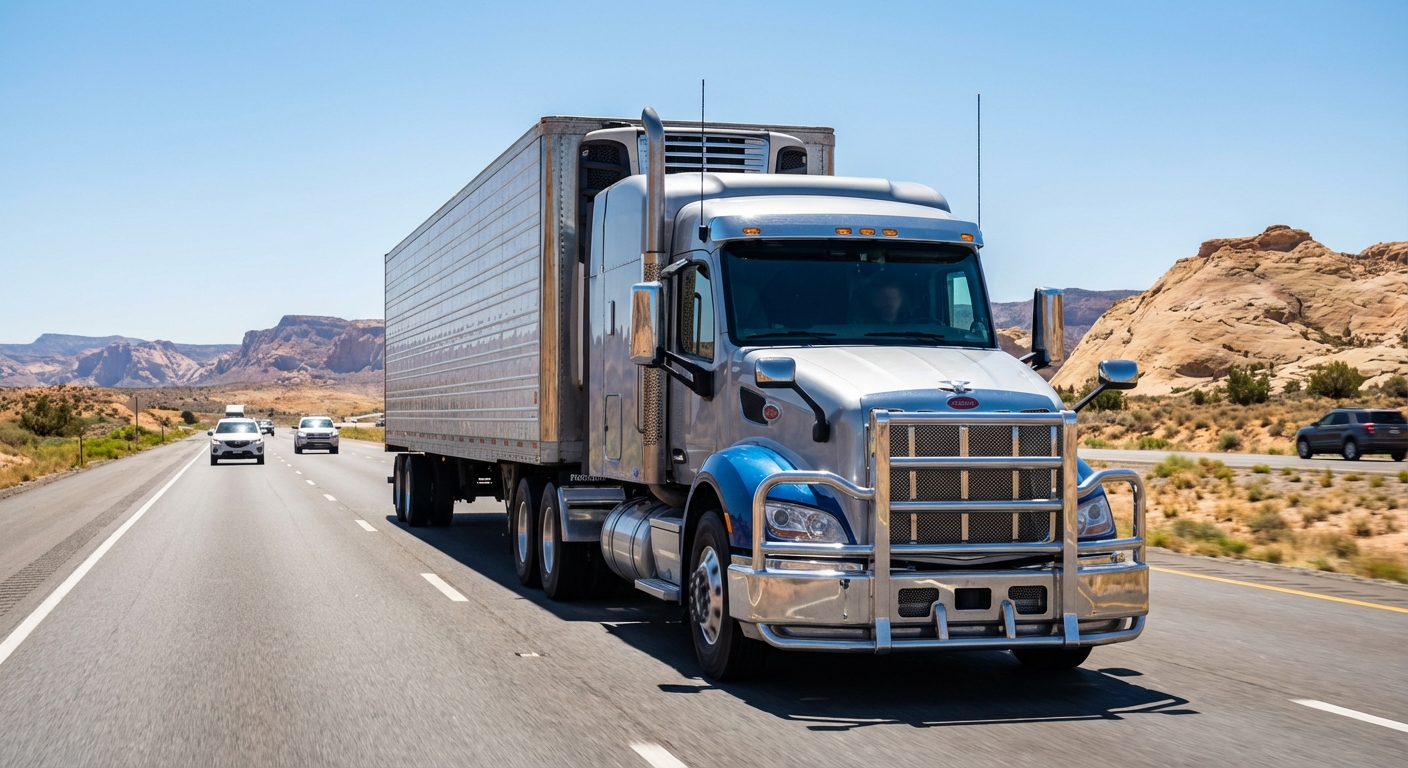
Aluminum and stainless steel are the best materials for a semi truck grille guard due to their excellent balance of weight and corrosion resistance. While powder-coated steel is the most affordable option, it is prone to rusting once the finish is chipped by road salt or stones. For trucks operating in the “salt belt” or near coastal areas, stainless steel is the gold standard for longevity and appearance.
Why choose aluminum over steel?
Aluminum offers the best strength-to-weight ratio, allowing for massive protection without exceeding your front axle weight limits. It is also naturally resistant to rust, making it a favorite for fleets that keep their trucks for many years.
You might wonder:
- Does aluminum hold up as well as steel in a hit?
- Is the extra cost of stainless steel worth it for a work truck?
- How much maintenance does each material require?
| Material Type | Durability | Weight | Maintenance |
|---|---|---|---|
| Aluminum Alloy | High | Low | Low |
| Stainless Steel | Very High | Medium | High (Polishing) |
| Powder-Coat Steel | Medium | High | Moderate |
Key Takeaway: Most modern fleets are moving toward aluminum guards to save weight while still enjoying full front-end protection.
Selecting a material that matches your regional weather conditions will extend the life of your guard and your truck.
Does a semi truck grille guard increase resale?
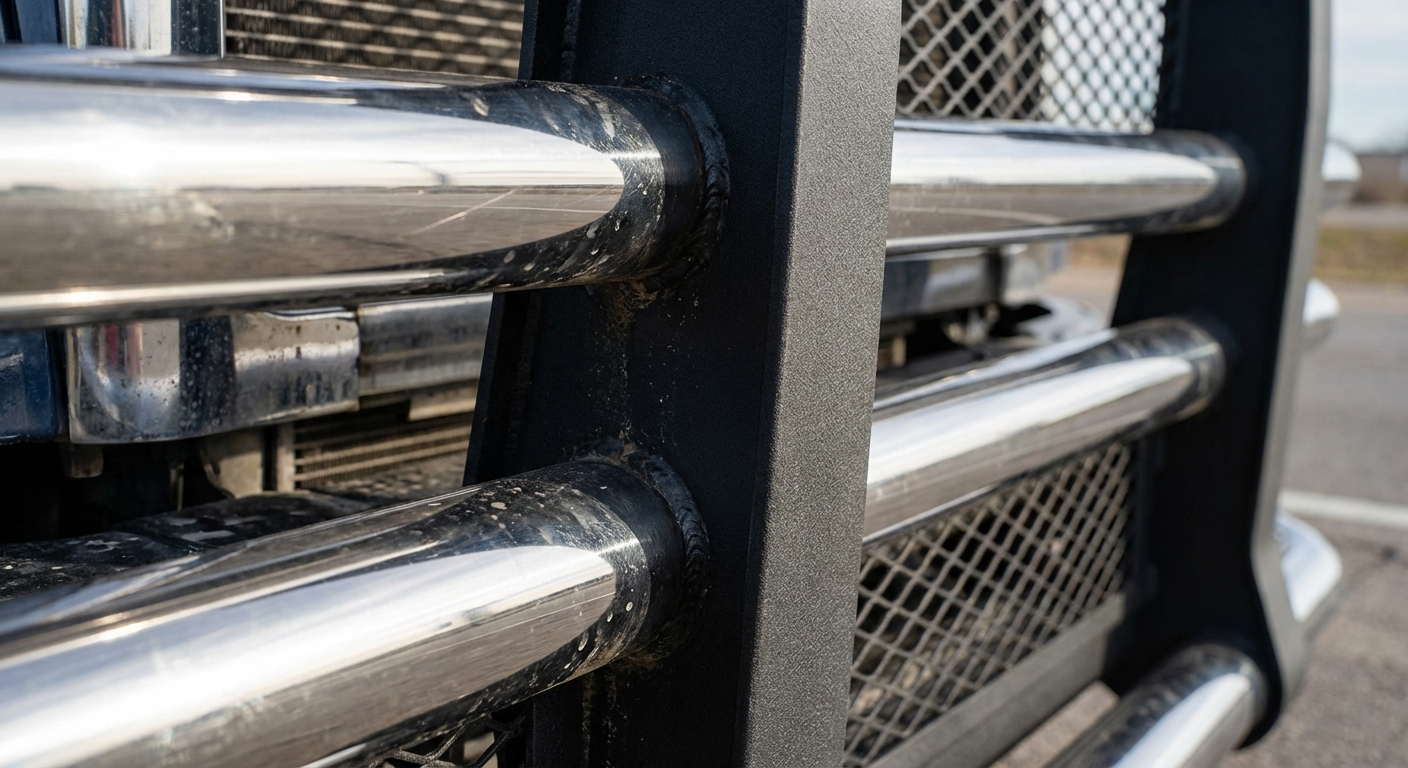
A well-maintained semi truck grille guard significantly increases the resale value of your rig by keeping the front end looking like new. Potential buyers are often willing to pay a premium for a truck that has clearly been protected from road pitting, stone chips, and minor dents. Furthermore, the aggressive and professional look of a guard adds “curb appeal” that makes your truck stand out in a crowded secondary market.
Does the finish matter to buyers?
A polished stainless steel or high-luster aluminum finish conveys a sense of pride and careful ownership to any prospective buyer. It suggests that the mechanic and driver have taken exceptional care of the vehicle’s maintenance.
The best part?
- The guard hides existing minor imperfections on the bumper.
- It prevents the “sandblasted” look common on older highway trucks.
- Buyers see the guard as an included value-add they don’t have to buy themselves.
| Resale Factor | Impact with Guard | Without Guard |
|---|---|---|
| Front End Condition | Pristine | Pitted/Chipped |
| Visual Appeal | Professional | Standard |
| Market Value | +$500 – $1,500 | Base Value |
Key Takeaway: You will recoup a large portion of your guard’s cost when it comes time to trade in or sell your semi.
Think of a grille guard as a protective shell that preserves the “showroom” look of your truck’s most visible area.
How to maintain your semi truck grille guard?
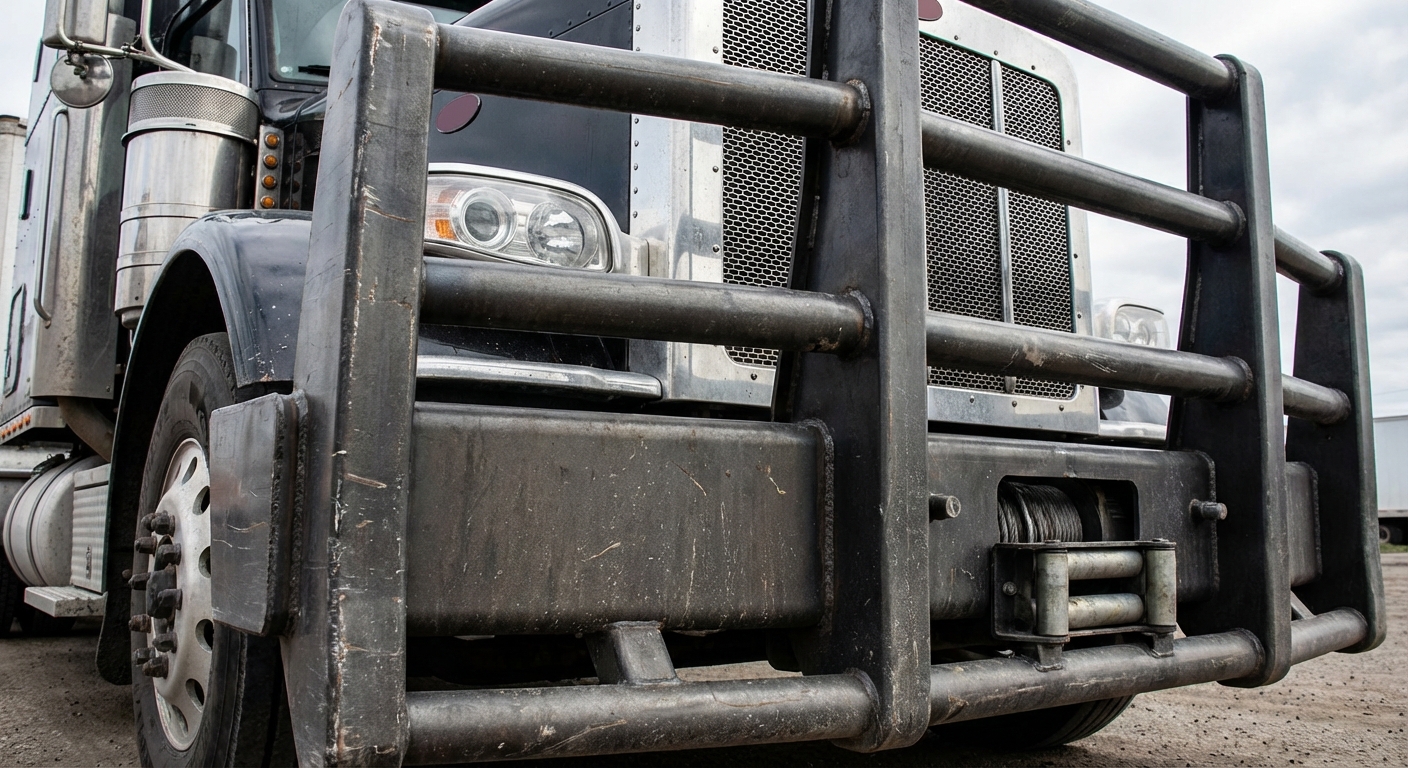
Maintaining your semi truck grille guard is a straightforward process that involves regular hardware inspections and basic surface cleaning. You should check the torque on the mounting brackets during every oil change to ensure the guard remains firmly attached to the frame. Keeping the surface clean of road salt and grime is the best way to prevent long-term pitting and preserve the guard’s structural integrity.
Can a guard be repaired after a hit?
Minor dents and scratches can often be polished out or buffed to restore the original shine of an aluminum or stainless guard. However, if the main structural tubes are bent or cracked, it is usually safer and more cost-effective to replace the unit entirely.
It gets better:
- Modern guards feature modular components that are easy to swap.
- Regular polishing with a metal cleaner prevents oxidation on aluminum.
- Inspecting the hinges ensures the guard continues to tilt smoothly for hood access.
| Maintenance Task | Frequency | Tool Needed |
|---|---|---|
| Torque Check | Every 15k miles | Torque Wrench |
| Surface Wash | Weekly | Soap & Water |
| Metal Polish | Quarterly | Aluminum Polish |
Key Takeaway: Five minutes of inspection every few weeks ensures your guard is ready to perform when it matters most.
Following a consistent care routine will keep your front-end protection looking great and functioning perfectly for years.
A high-quality guard solves the most expensive problems a driver faces: mechanical failure, lost revenue, and massive repair bills. By acting as a literal shield for your truck, it provides peace of mind that allows you to focus on the road ahead. Our brand vision is to provide every North American fleet with the engineering excellence required to survive the toughest conditions on the continent. Please contact us today to find the perfect fit for your rig and start protecting your investment.
Frequently Asked Questions
Can I install a guard myself?
Yes, most guards are designed as “bolt-on” upgrades that require basic tools and no drilling on major truck models. Always follow the manufacturer’s torque specifications to ensure the mounting brackets are secure.
What’s the best material for road salt?
Stainless steel is the best choice for harsh winter climates because it is highly resistant to the corrosive effects of road salt. Aluminum is a close second and offers significant weight savings.
How do I know if it fits my truck?
You must match the guard to your specific make and model (e.g., Volvo VNL or Peterbilt 389) to ensure proper mounting point alignment. Universal guards are available but may require additional mounting kits.
Does a guard block the radar systems?
Modern guards are designed with specific cutouts or mounting positions to ensure that collision avoidance and adaptive cruise control sensors function perfectly. Always verify compatibility with your truck’s specific technology package.
Is a moose bumper too heavy?
Moose bumpers are heavier (up to 350 lbs) than standard deer guards, so you must ensure your front axle has the remaining capacity to handle the load. For most Class 8 trucks, this weight is well within the engineering limits.