
Selecting the ideal guard depends on balancing front-end durability with your truck’s payload requirements. Frequent animal strikes and high-impact environments cause devastating downtime that can cripple a fleet’s bottom line. When your rig is sidelined for weeks waiting on parts, you aren’t just losing a bumper; you are losing revenue and customer trust. Investing in the right steel vs aluminum semi truck bumper provides a definitive shield against these operational risks while optimizing your vehicle’s performance.
Why choose a steel vs aluminum semi truck bumper?
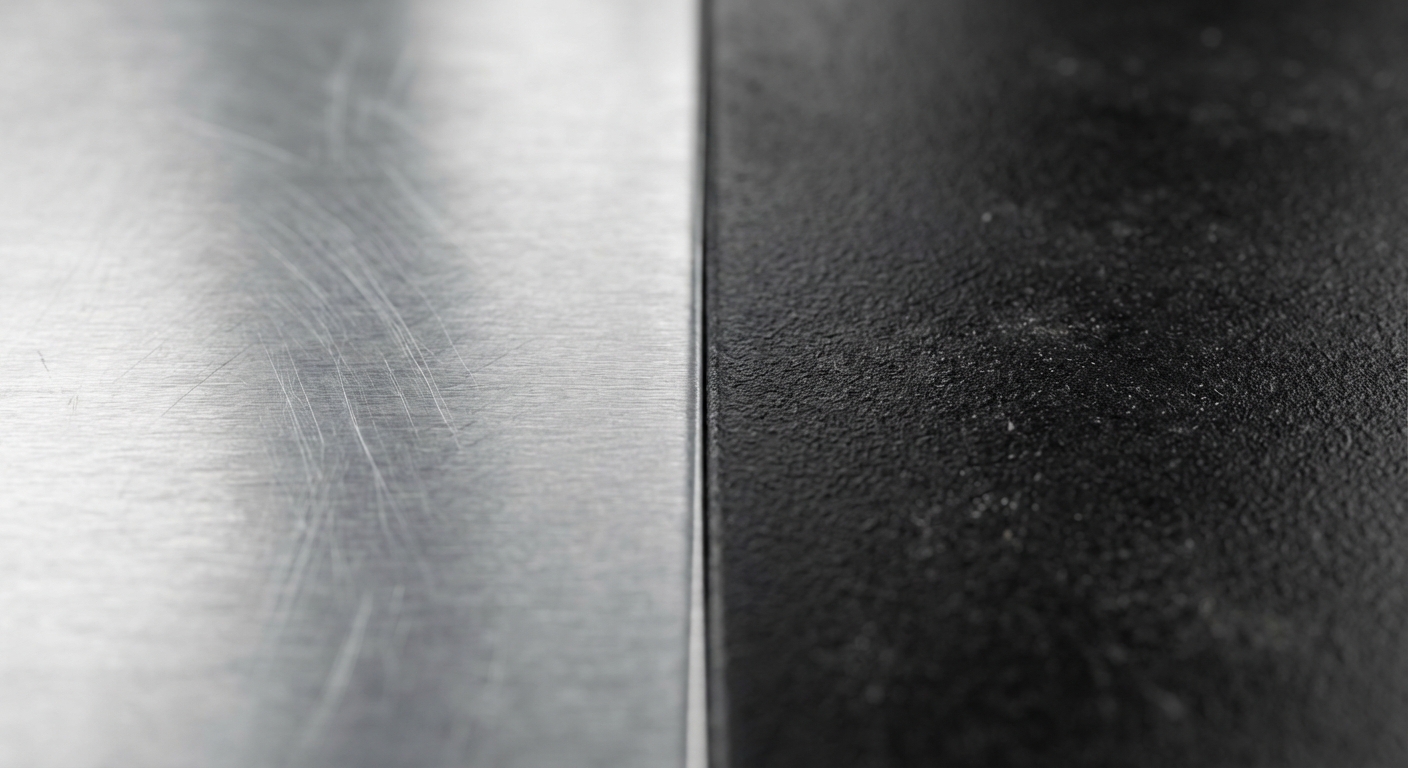
The choice depends on whether you prioritize sheer structural density or a superior strength-to-weight ratio for your specific route. Comparing a steel vs aluminum semi truck bumper reveals that steel offers high tensile strength for extreme impacts, while aluminum provides significant weight savings without sacrificing basic protection. Modern engineering has narrowed the gap, but the metallurgical differences remain the primary driver for procurement decisions.
Core Material Properties
Steel is prized for its high modulus of elasticity, allowing it to withstand repeated heavy stress. Aluminum alloys like 6061-T6 provide impressive structural integrity while remaining significantly lighter than their ferrous counterparts.
Here is the bottom line:
- Steel is denser and handles vibration better in off-road settings.
- Aluminum offers natural corrosion resistance for salty winter roads.
- Both materials are engineered by Brontec to meet North American safety standards.
Key Takeaway
Steel is the traditional choice for maximum impact resistance in heavy-duty sectors, whereas aluminum serves fleets looking for efficiency and weight management.
| Feature | Steel Guards | Aluminum Guards |
|---|---|---|
| Density | High | Low |
| Corrosion Resistance | Requires Coating | High (Natural) |
| Impact Absorption | High | Moderate-High |
Selecting the right material requires an analysis of your typical strike risk versus your need for vehicle agility.
Is weight key for a steel vs aluminum semi truck bumper?
Weight is a critical factor because every pound added to the guard is a pound removed from your maximum legal freight capacity. A standard steel vs aluminum semi truck bumper comparison shows that aluminum units typically weigh 150 to 200 pounds, whereas steel models often exceed 350 pounds. For payload-critical operations, this 150-pound difference directly impacts the revenue generated per mile.
Impact on Payload Capacity
In sectors like liquid bulk or logging, maximizing the weight of the cargo is essential for profitability. Reducing the weight of front-end protection allows you to stay under axle load limits while carrying more product.
But wait, there’s more:
- Aluminum preserves your front axle lifespan by reducing constant downward pressure.
- Steel can occasionally push a truck over legal limits if the rig is already heavy.
- Lighter guards improve overall steering response and tire wear.
Key Takeaway
Fleets operating near gross vehicle weight limits should prioritize aluminum to ensure they maintain the highest possible payload for every haul.
| Weight Factor | Steel (Approx.) | Aluminum (Approx.) |
|---|---|---|
| Component Weight | 350+ lbs | 150 – 200 lbs |
| Axle Load Impact | Significant | Minimal |
| Freight Opportunity | Lower | Higher |
Operational efficiency is often a game of inches and pounds where aluminum provides a distinct competitive edge.
What is best: a steel vs aluminum semi truck bumper?
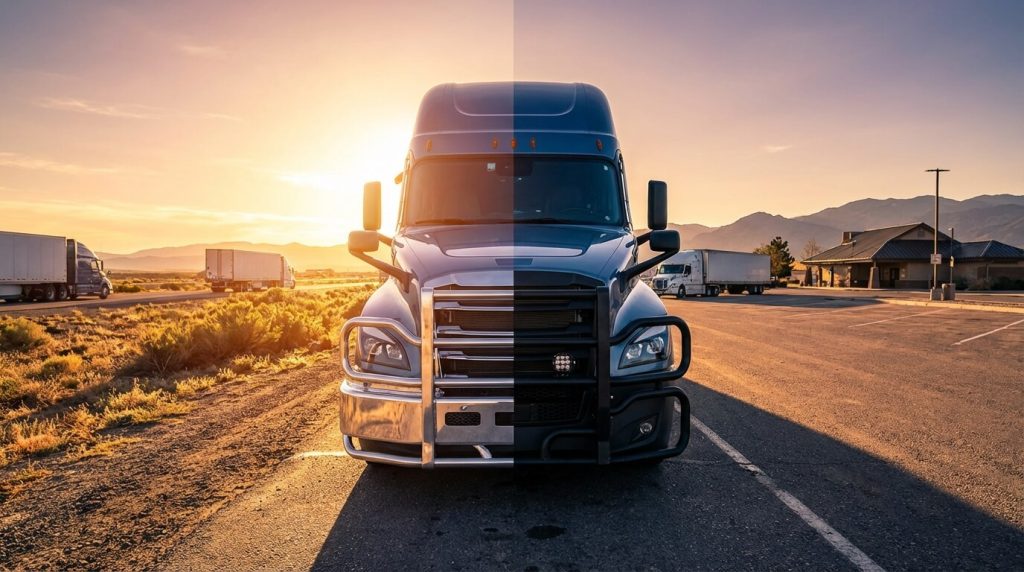
The “best” option is the one that aligns with your specific application, whether that is northern logging or long-haul highway transport. Determining the winner between a steel vs aluminum semi truck bumper requires evaluating your fleet’s history of wildlife strikes and maintenance cycles. For highway fleets running high miles in clear conditions, aluminum is often superior, while steel remains king for rugged, high-risk environments.
Evaluating Fleet Priorities
A fleet manager must decide if they value lower upfront costs or long-term fuel and weight savings. If your trucks spend most of their time in moose-populated regions, the added protection of steel might outweigh any fuel benefits.
Here is the bottom line:
- Northern fleets typically prefer steel for its ability to take multiple hits.
- Highway-centric fleets favor aluminum for the higher return on investment via fuel.
- Precision engineering ensures both types fit major OEM platforms like Freightliner and Volvo.
Key Takeaway
Your geographic location and typical cargo types are the most reliable indicators for choosing between these two durable metal alloys.
| Fleet Type | Recommended Material | Primary Reason |
|---|---|---|
| Logging / Northern | Steel | High Strike Frequency |
| Long-Haul Highway | Aluminum | Weight and Fuel Savings |
| Vocational / City | Aluminum | Corrosion and Agility |
Analytical fleet owners should calculate their strike-related downtime costs before committing to a specific material standard.
How tough is a steel vs aluminum semi truck bumper?
Steel generally offers higher yield strength, though high-grade aluminum alloys are engineered to manage collision energy effectively. When comparing a steel vs aluminum semi truck bumper, the thickness of the material plays a massive role in how the guard deforms during a strike. Steel absorbs energy through density, while aluminum uses structural design and specific alloy tempering to prevent engine-damaging intrusion.
Collision Energy Management
Modern guards are designed to protect the “vital organs” of the truck, such as the radiator and cooling system. A properly engineered aluminum guard can survive a deer strike just as well as steel without transferring too much force to the frame.
Think about this:
- Steel has a higher modulus of elasticity, meaning it returns to shape better after minor flex.
- Aluminum may require thicker tubing (up to 5mm) to match steel’s protective qualities.
- Brontec uses AWS-certified welding to ensure joints don’t fail under sudden impact.
Key Takeaway
While steel is inherently “tougher” by raw metrics, aluminum guards provide more than enough protection for standard highway hazards and wildlife.
| Strength Metric | Steel Guards | Aluminum Guards |
|---|---|---|
| Yield Strength | Very High | High (with proper alloy) |
| Energy Absorption | High | High (via design) |
| Deformation Risk | Low | Moderate |
Safety isn’t just about the metal; it is about how the entire guard system dissipates energy away from your engine.
Which saves fuel: steel vs aluminum semi truck bumper?
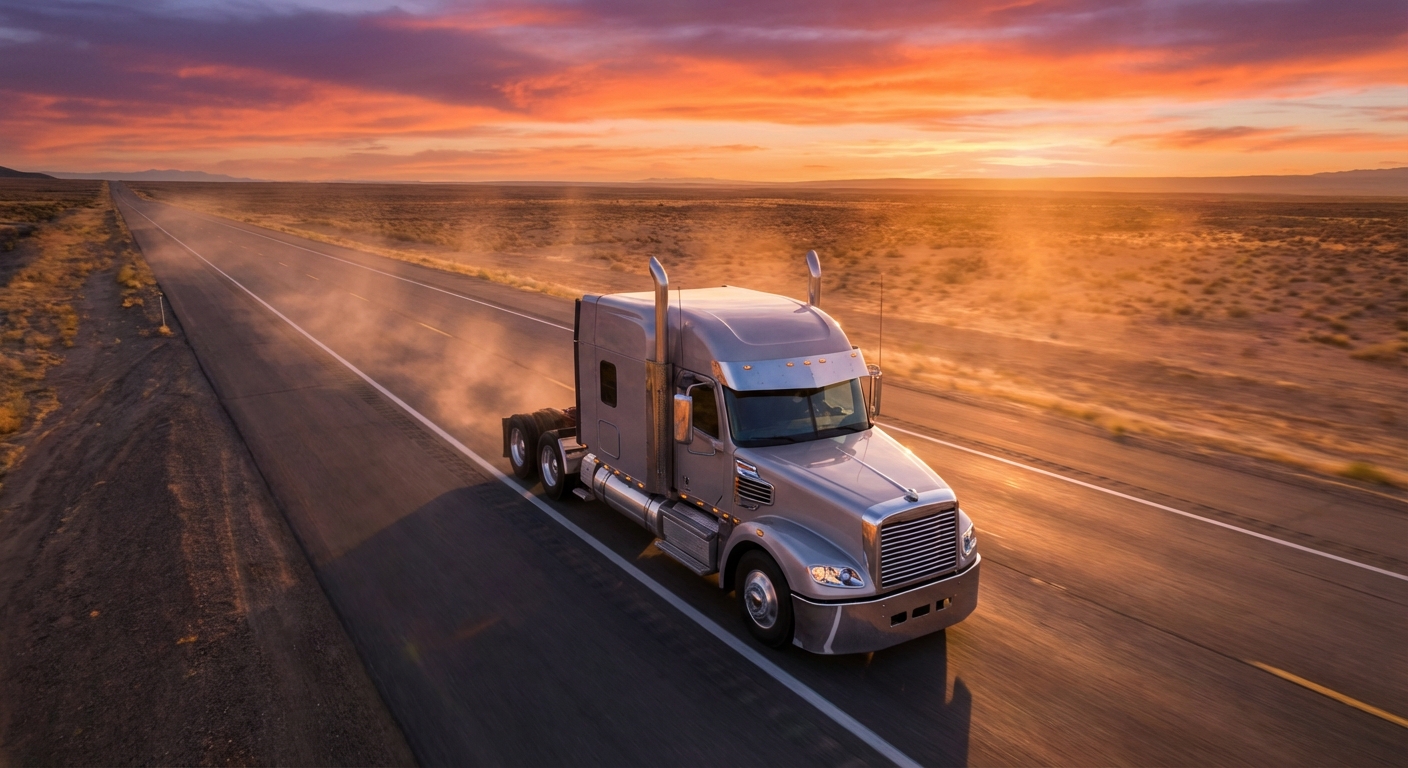
Aluminum is the clear winner for fuel savings due to its lower mass and the resulting reduction in rolling resistance. Using a steel vs aluminum semi truck bumper can lead to measurable changes in your miles-per-gallon (MPG) over the course of a year. Industry benchmarks suggest that for every 1,000 pounds of weight reduced, a fleet can see up to a 1% improvement in fuel economy.
Aerodynamics and Mass
While the guard’s shape dictates its wind resistance, its weight dictates how much energy the engine must spend to keep the truck at highway speeds. Lighter aluminum guards reduce the load on the engine and drivetrain, especially during frequent stop-and-go or mountain climbing.
Here is a catch:
- Fuel savings are only noticeable over long distances and high annual mileages.
- For short-haul or local routes, the fuel difference might be negligible.
- Aerodynamic “Aero” models further enhance the savings found in aluminum materials.
Key Takeaway
Long-haul fleets running 100,000+ miles per year will see a significant ROI by switching to aluminum front-end protection.
| Efficiency Metric | Steel Guards | Aluminum Guards |
|---|---|---|
| Weight Penalty | High | Minimal |
| Estimated Fuel Save | 0% (Baseline) | ~0.2% – 0.5% |
| Long-term ROI | Moderate | High |
Fuel costs are one of the largest expenses for any carrier, making aluminum a strategic choice for margin-sensitive operations.
Who wins on cost: steel vs aluminum semi truck bumper?

Steel usually has a lower initial purchase price, but aluminum offers a lower total cost of ownership over the vehicle’s life. When evaluating a steel vs aluminum semi truck bumper, you must look beyond the sticker price to maintenance and residual value. Steel requires more upkeep to prevent rust, while aluminum maintains a high scrap and resale value even after years of service.
Initial Price vs. Lifespan
Steel is an excellent choice for fleets with limited capital for immediate upgrades. However, the costs associated with repainting or powder-coating steel can add up, whereas aluminum remains bright and professional with basic washing.
Here is the bottom line:
- Aluminum guards often have a 20-30% higher initial cost than steel.
- Resale value for aluminum is significantly higher due to material recyclability.
- No painting costs mean aluminum saves on “hidden” maintenance labor.
Key Takeaway
Consider the “Total Cost of Ownership” (TCO) rather than just the initial CAPEX to see the true value of your investment.
| Cost Factor | Steel Guards | Aluminum Guards |
|---|---|---|
| Purchase Price | Lower | Higher |
| Maintenance Cost | Moderate (Rust/Paint) | Low |
| Scrap/Resale Value | Low | High |
Financial planning for a fleet should account for the long-term durability and maintenance-free nature of high-quality aluminum components.
Can we fix a steel vs aluminum semi truck bumper?
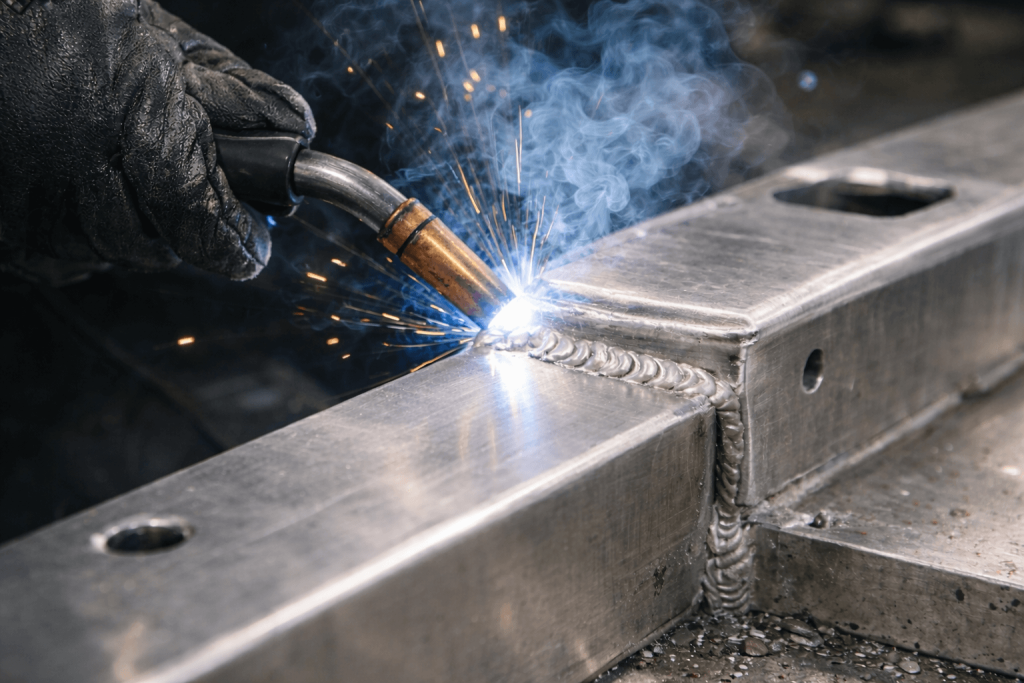
Steel is much easier to repair in most standard shops because it only requires basic MIG or TIG welding skills. When dealing with a damaged steel vs aluminum semi truck bumper, finding a technician who can straighten or weld steel is simple. Aluminum requires specialized equipment and a higher level of welding certification, which can lead to longer downtime if your local shop isn’t equipped for it.
Welding and Maintenance
Steel’s metallurgical properties allow it to be heated and bent back into shape more easily than aluminum. Aluminum can become brittle if not handled correctly during the repair process, often requiring the replacement of entire sections rather than simple patches.
But wait, there’s a catch:
- Aluminum repairs often require a “clean room” environment to prevent contamination.
- Steel repairs are faster, getting the truck back on the road in less time.
- Many modern fleets choose to replace aluminum guards entirely rather than attempting complex repairs.
Key Takeaway
If your fleet operates in remote areas with limited specialized repair shops, the ease of fixing steel can be a major operational advantage.
| Repair Aspect | Steel Guards | Aluminum Guards |
|---|---|---|
| Welding Difficulty | Low | High |
| Shop Availability | Universal | Limited |
| Repair vs Replace | Repair common | Replace common |
The ability to perform quick, on-site repairs is a luxury that often makes steel the preferred choice for rural operators.
What fits your steel vs aluminum semi truck bumper?
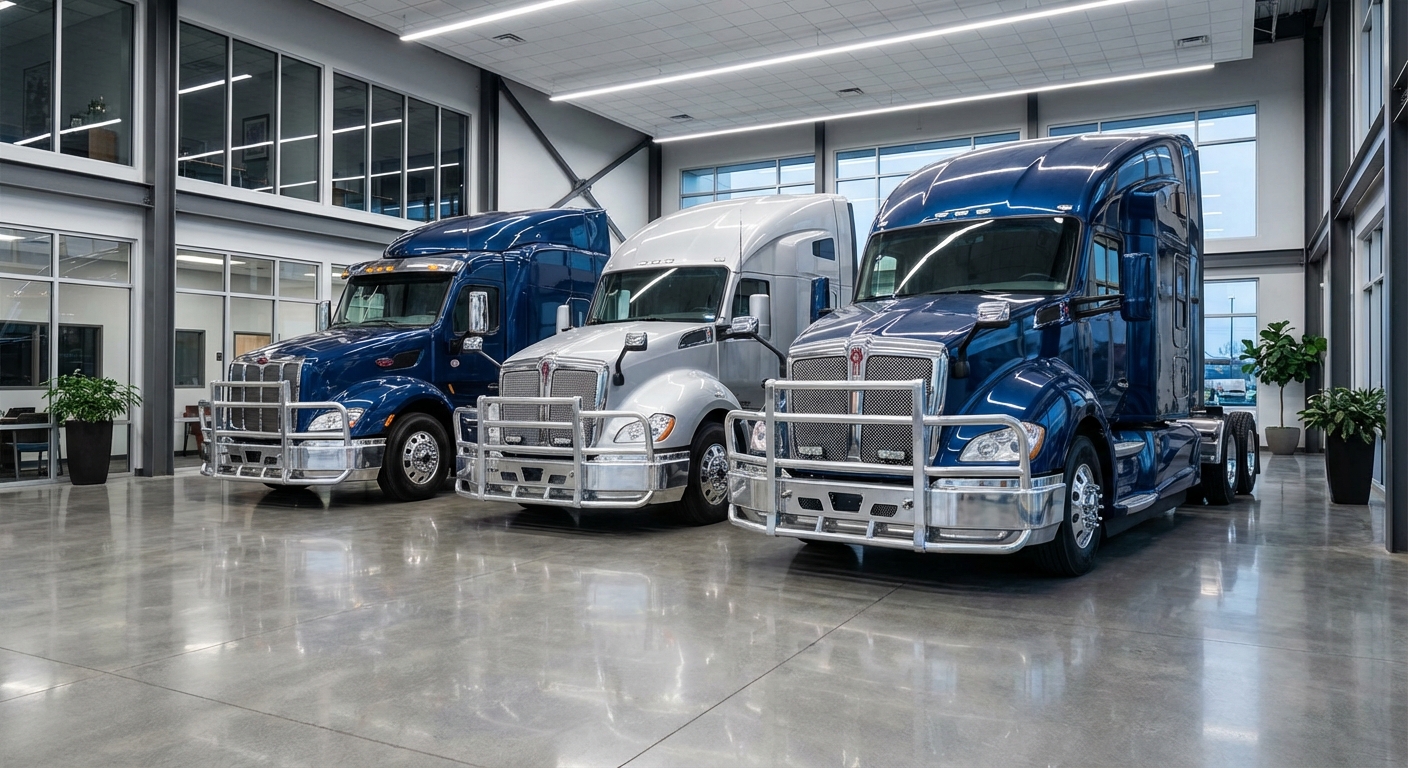
Both materials are designed using precision CNC machining to guarantee a perfect 100% fitment on major truck platforms. Whether you choose a steel vs aluminum semi truck bumper, manufacturers use CMM verification and laser cutting to ensure every mounting hole aligns with your Kenworth, Peterbilt, or Freightliner frame. Material choice does not limit your styling options, as both can be formed into various grille and moose bumper configurations.
Platform Compatibility
Modern manufacturing allows for complex bends and custom brackets regardless of the metal used. This means you don’t have to sacrifice style for protection, as both aluminum and steel guards are available in polished or powder-coated finishes.
Check this out:
- Precision jigs ensure no-drill installation for most Class 8 trucks.
- Custom OEM/ODM designs allow for integrated light bars and sensors.
- Aerodynamic shapes are achievable in both materials to match modern truck styling.
Key Takeaway
You can achieve the specific “look” and fitment you want for your rig regardless of which metal alloy you ultimately choose.
| Compatibility | Steel Guards | Aluminum Guards |
|---|---|---|
| Mounting Style | Bolt-on | Bolt-on |
| Finish Options | Powder-coat/Paint | Polished/Powder-coat |
| Customization | High | High |
A guard should look like an extension of the truck’s original design, not a bulky afterthought that ruins its aesthetic.
Is rust an issue: steel vs aluminum semi truck bumper?
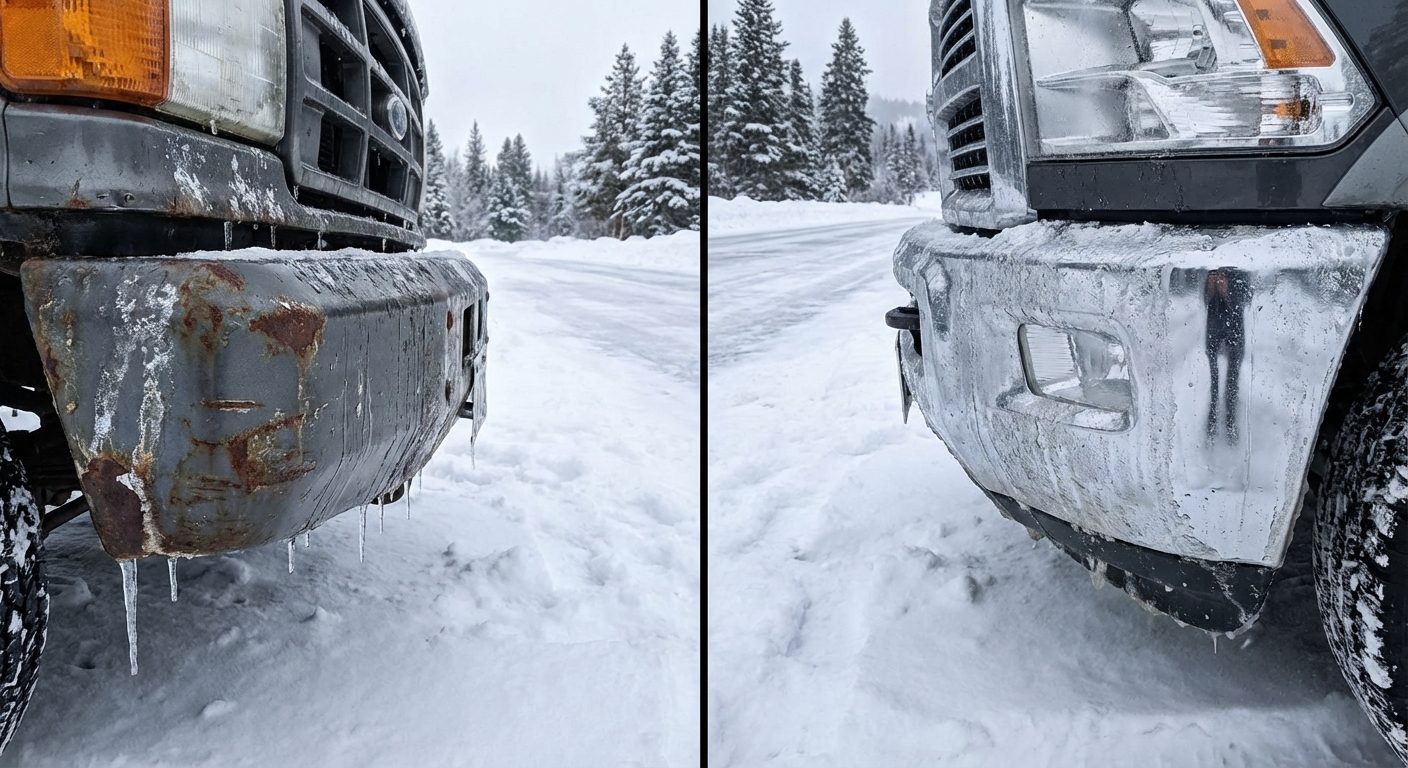
Aluminum is naturally resistant to corrosion, making it the ideal choice for trucks operating in harsh winter climates. In a steel vs aluminum semi truck bumper comparison, steel is highly susceptible to oxidation once the protective coating is chipped by road debris. Road salt and liquid calcium chloride can eat through a steel guard’s finish in just a few seasons, leading to unsightly rust streaks and structural weakening.
Environmental Resilience
For fleets running in the “Rust Belt” or coastal regions, the longevity of the finish is a major professional concern. Aluminum maintains its polished appearance with minimal effort, whereas steel requires constant monitoring for stone chips that need immediate touch-ups.
Here is the bottom line:
- Aluminum develops a protective oxide layer that prevents deep corrosion.
- Steel must be galvanized or heavily powder-coated to survive salted roads.
- Rusty guards can lead to “fix-it” tickets and poor fleet DOT inspections.
Key Takeaway
If aesthetics and long-term surface durability are priorities, aluminum is the superior choice for fighting environmental decay.
| Corrosion Factor | Steel Guards | Aluminum Guards |
|---|---|---|
| Salt Resistance | Low (Requires Care) | Very High |
| Appearance over Time | Dulls/Rusts | Stays Bright |
| Coating Dependency | High | Low |
A clean, rust-free truck projects a professional image to your clients and helps maintain the asset’s trade-in value.
Final choice: steel vs aluminum semi truck bumper?
The decision comes down to your specific operational goals: choose steel for maximum impact protection or aluminum for maximum efficiency. Every steel vs aluminum semi truck bumper from Brontec is built with 15+ years of expertise to ensure your rig is protected against the unexpected. Evaluate your annual mileage, typical route hazards, and payload requirements before making your final procurement order.
Making the Final Decision
High-mileage highway carriers will almost always find more value in aluminum due to fuel savings and corrosion resistance. Conversely, vocational trucks and northern fleets that expect heavy animal strikes will appreciate the rugged, repairable nature of heavy-duty steel.
Here is the final verdict:
- Analyze your last three years of front-end damage costs.
- Determine if a 150lb weight saving translates to more revenue for your specific cargo.
- Choose a partner like Brontec that offers a 100% fitment guarantee and ISO-certified quality.
Key Takeaway
Smart fleet management is about matching the right tool to the job, ensuring your drivers stay safe and your trucks stay moving.
| Decision Matrix | Choose Steel If… | Choose Aluminum If… |
|---|---|---|
| Environment | Off-road / Moose Country | Highway / Salted Roads |
| Budget | Lower Upfront Capital | Focus on Long-term ROI |
| Payload | Not critical | Weight-sensitive cargo |
Both materials provide an essential insurance policy against the costs of animal strikes and front-end collisions.
Protecting your fleet is an investment in your company’s future. At Brontec, we specialize in manufacturing heavy-duty moose bumpers and grille guards that eliminate downtime and reduce front-end repair costs. Our ISO 9001-certified processes and AWS-certified welding guarantee that every product we ship meets the highest standards of North American trucking. We are committed to engineering the toughest protection systems on the market to help you stay ahead of the competition. Contact us today to receive a custom quote and secure your fleet’s safety.
Frequently Asked Questions
Can I install these guards myself or do I need a shop?
You can typically perform a bolt-on installation using standard tools because these guards are engineered with precision mounting points. Most designs are intended for no-drill application to ensure you can get your truck back on the road in under two hours.
What is the best way to maintain an aluminum bumper’s shine?
Regular washing with mild soap and water is usually sufficient to maintain the natural oxide layer. For a mirror-like finish, you can use a standard aluminum polishing compound once or twice a year to remove road film and oxidation.
Will a front guard affect my truck’s warranty or sensors?
No, as long as the guard is designed specifically for your truck model, it will not void the manufacturer’s warranty. Our custom designs include cutouts for fog lights and radar sensors to ensure all safety systems remain fully functional.
How much downtime is typical after a deer strike with a guard vs without?
A strike with a high-quality guard usually results in zero downtime, as the guard deflects the animal away from the radiator. Without a guard, a similar strike can cause thousands in radiator damage and sideline your truck for two to four weeks.
Is there a significant difference in lead times between steel and aluminum?
Both materials usually share similar manufacturing timelines at our facility. We offer 20-30% faster lead times than industry averages, ensuring you get your protection equipment exactly when you need it for your fleet rollout.