
Choosing the right protection means evaluating your specific model’s frame specifications, your typical driving routes, and the required impact resistance. Driving through wildlife-prone corridors without a heavy duty moose bumper is a gamble that often leads to catastrophic engine damage and weeks of costly downtime. By installing a precision-engineered guard, you secure your investment against the unpredictable nature of northern highways.
Which Freightliner Models Benefit Most from a Moose Bumper?
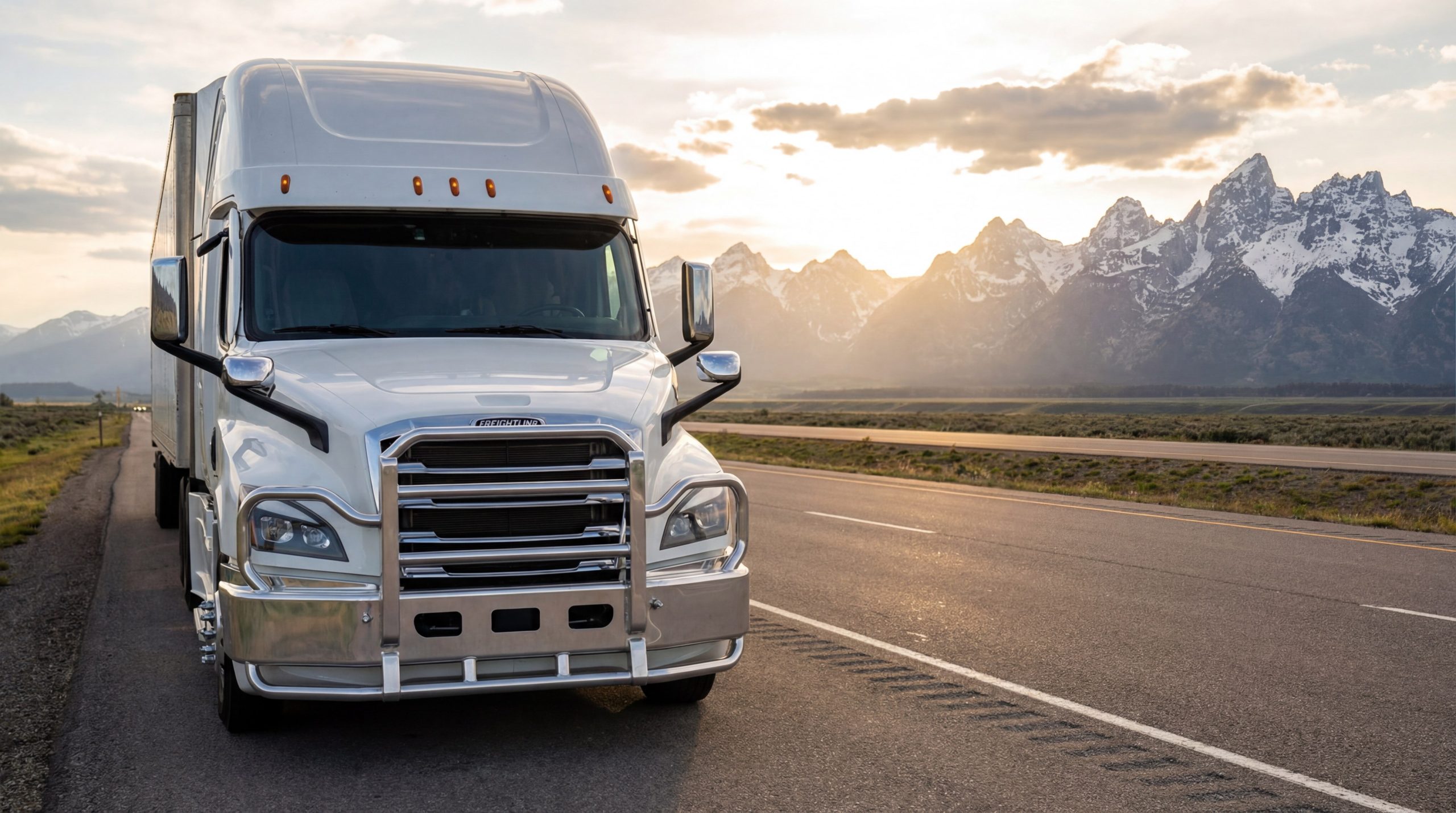
Virtually every truck in the Freightliner lineup benefits, but high-mileage platforms like the Cascadia and M2 are the primary candidates. Equipping these rigs with a heavy duty moose bumper ensures that the radiator and sensitive front-end sensors remain intact during a collision.
Does the Cascadia Require Specific Mounts?
The Cascadia is designed with specific aerodynamic profiles that demand a custom-fit guard. Here’s the deal: standard universal guards often interfere with air intake or radar sensors, making model-specific engineering critical.
Why does this matter? A proper fit ensures that your truck’s cooling system functions at 100% capacity while providing maximum structural rigidity at the frame level.
Can Vocational Models Like the M2 Carry Heavy Guards?
Yes, the M2 series is highly adaptable for heavy-duty protection due to its robust frame heritage. These trucks often operate in remote areas where wildlife encounters are more frequent than on urban interstates.
Key Takeaway: Selecting a bumper based on your specific Freightliner model ensures 100% fitment and maintains vehicle aerodynamics.
| Freightliner Model | Typical Application | Protection Priority | |
|---|---|---|---|
| Cascadia | Long-Haul Highway | Radar Compliance & Aerodynamics | |
| M2 Series | Vocational/Regional | Durability & Ground Clearance | |
| 122SD | Severe Duty | Maximum Impact Resistance |
Proper model matching prevents the installation of under-powered guards that fail during high-velocity impacts.
How Do I Determine the Right Protection Level for My Routes?
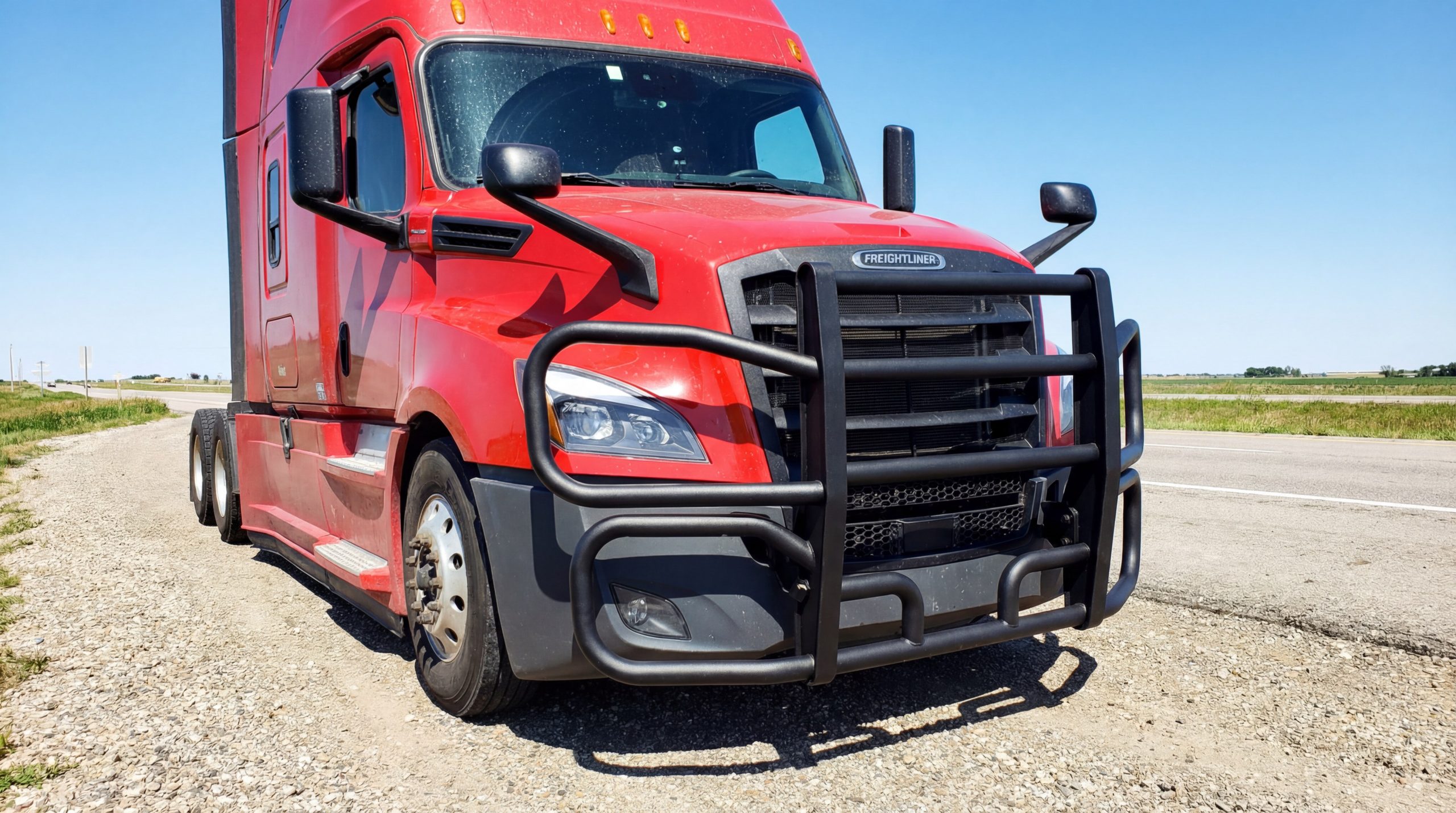
You should determine your protection level based on the frequency of wildlife sightings and the average speed of your primary routes. Investing in a heavy duty moose bumper is essential for northern fleets where moose and elk pose a daily threat to driver safety and vehicle integrity.
What Defines a Heavy-Duty Guard?
Heavy-duty guards typically feature thicker-gauge materials and full-frame mounting systems. These units are designed to absorb and distribute thousands of pounds of force across the chassis rather than the hood.
Here’s the deal:
- They cover the entire grille.
- They extend to protect the headlight assemblies.
- They include reinforced lower cross-members.
Are Light Grille Guards Sufficient?
Light guards are best suited for urban environments where the primary risks are minor fender-benders or debris. Why does this matter? While they save on weight, they lack the structural bracing required to stop a 1,000-pound animal from entering the engine compartment.
Key Takeaway: Match your protection level to your highest-risk environment to ensure your logging fleet stays operational.
| Risk Level | Recommended Hardware | Primary Benefit | |
|---|---|---|---|
| Low (Urban) | Standard | Minor Debris Protection | |
| Medium (Suburban) | Intermediate Guard | Headlight & Grille Safety | |
| High (Northern) | Heavy Duty Moose Bumper | Impact Distribution & Survival |
Maximum protection is the only logical choice for drivers frequenting high-risk wildlife corridors.
Does the Weight of a Moose Bumper Affect Freightliner Performance?
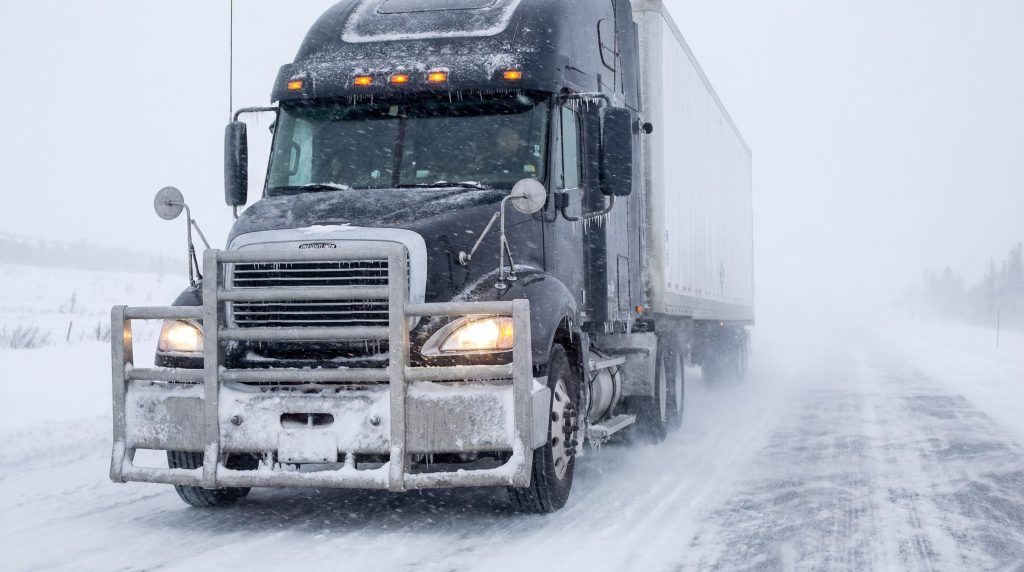
Weight impacts varying factors like fuel efficiency and front-axle loading, but modern materials have minimized these trade-offs significantly. Selecting a heavy duty moose bumper made from high-tensile aluminum offers the strength of steel without the massive weight penalty.
Is Aluminum Strong Enough for a Moose Impact?
Modern aluminum alloys used in truck protection are engineered for extreme energy absorption. Here’s the deal: high-strength aluminum is significantly lighter than steel, which helps in:
- Maintaining better fuel economy.
- Reducing wear on front suspension components.
- Keeping the truck within legal front-axle weight limits.
When Is Steel the Better Choice?
Steel remains a favorite for severe-service vocational trucks where maximum “pushing” power is required. Why does this matter? Steel is easier to repair through traditional welding in remote settings, though it does require more frequent maintenance to prevent corrosion.
Key Takeaway: Aluminum is the gold standard for highway fleets, while steel remains relevant for specific off-road applications.
| Material | Weight Impact | Corrosion Resistance | |
|---|---|---|---|
| High-Tensile Aluminum | Low | Excellent | |
| Industrial Steel | High | Moderate (Requires Coating) |
Weight considerations must be balanced against the high cost of moose collision downtime .
How Does a Moose Bumper Interact with Freightliner Safety Sensors?
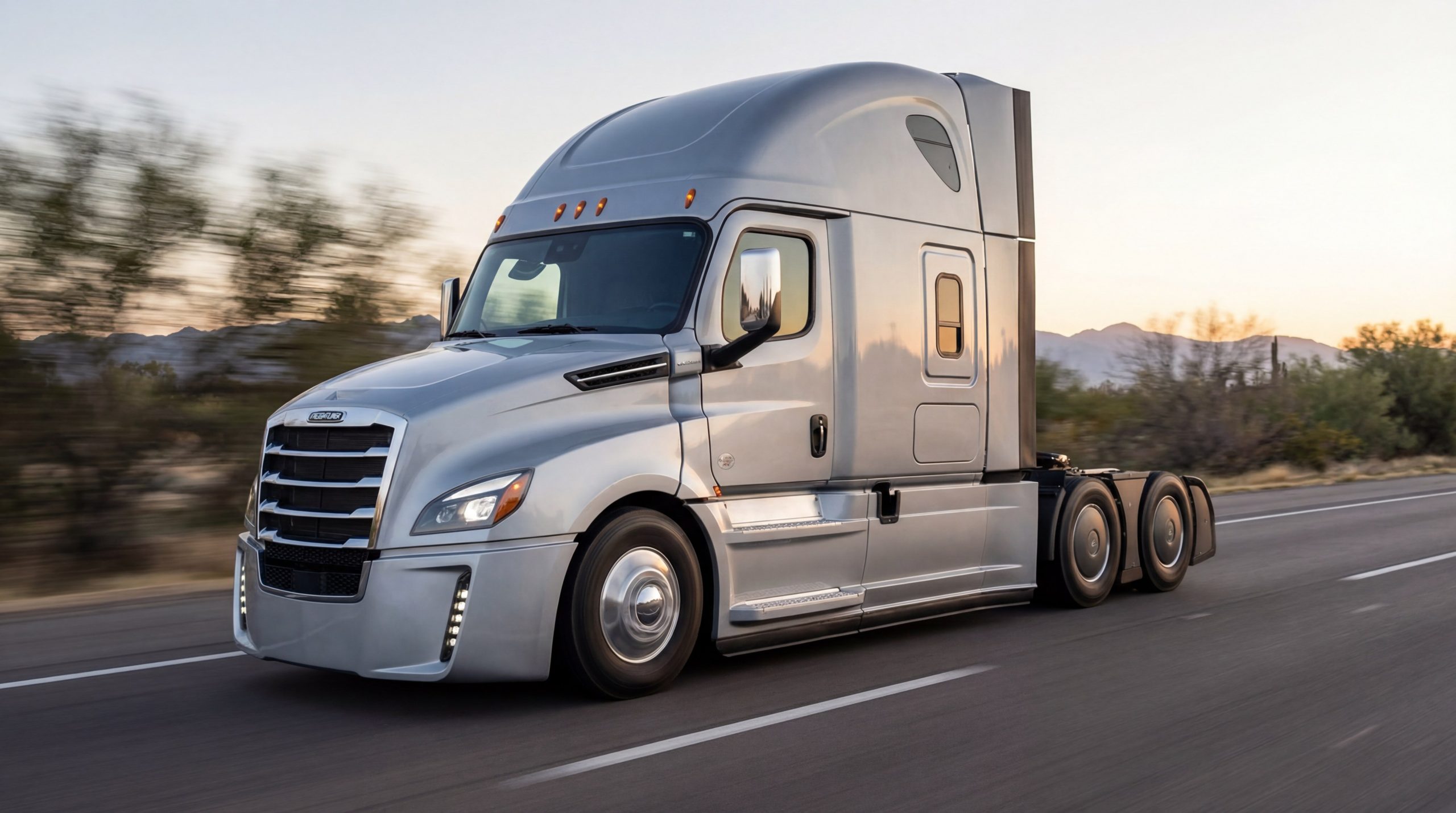
A properly designed bumper includes specific “ClearZone” windows or radar-compatible mounting points to ensure factory safety systems remain active. Using a heavy duty moose bumper that has been precision-tested ensures that your Collision Mitigation System (CMS) continues to prevent accidents.
Will the Radar Still Work?
Most modern Freightliners use a bumper-mounted radar for Adaptive Cruise Control and Emergency Braking. Here’s the deal:
- The bumper must have a precise cutout.
- The material surrounding the radar must not cause interference.
- The mounting must be vibration-resistant to avoid false triggers.
What About the Fog Lights?
Quality moose bumpers include integrated light buckets that house your factory fog lamps. Why does this matter? Maintaining factory lighting patterns is essential for DOT compliance and nighttime visibility in hazardous conditions.
Key Takeaway: Engineering-led design is the only way to protect your truck without disabling its most advanced safety features.
| System | Integration Method | Importance | |
|---|---|---|---|
| Adaptive Radar | Precision Cutouts | Critical for Safety | |
| Fog Lights | Recessed Light Buckets | Visibility & Compliance | |
| Tow Hooks | Accessible Pass-throughs | Recovery Readiness |
Sensor compatibility is a non-negotiable requirement for any modern Freightliner Cascadia upgrade.
Is Professional Installation Necessary for My Freightliner?
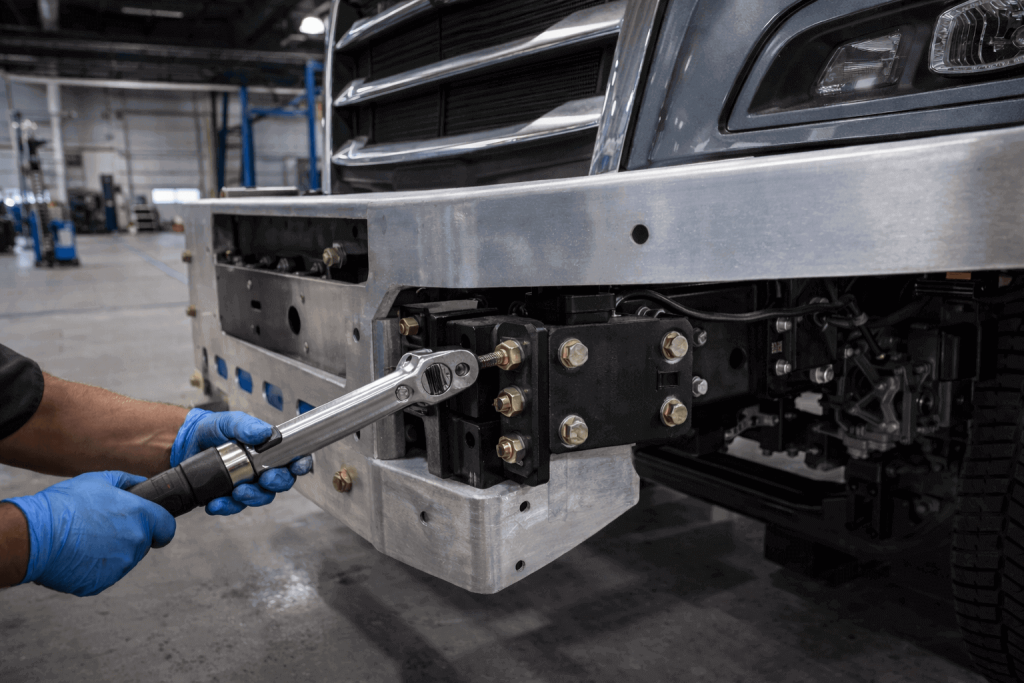
Professional installation is highly recommended to ensure the bumper’s structural integrity and proper alignment with the vehicle’s frame. While a heavy duty moose bumper is often designed as a “bolt-on” accessory, improper torque or misaligned brackets can lead to frame damage over time.
What Hardware is Typically Used?
Most heavy-duty guards utilize Grade 8 hardware and custom mounting brackets that bolt directly to the frame rails. Here’s the deal:
- Brackets must be leveled and squared.
- Fasteners require specific foot-pound torque settings.
- Tilt-mechanisms must be greased and tested for easy engine access.
Can One Person Install a Bumper?
No, due to the physical size and weight, these units typically require specialized lifting equipment or a multiple-person team. Why does this matter? Mismanaging the weight during installation can scratch the truck’s paint or, worse, result in physical injury.
Key Takeaway: Professional installation guarantees the 100% fitment guarantee and ensures all safety systems are calibrated correctly before the first haul.
| Component | Installation Step | Tool Required | |
|---|---|---|---|
| Frame Brackets | Alignment & Leveling | Level & C-Clamps | |
| Main Bumper | Secure Mounting | Impact Wrench & Torque Plate | |
| Wiring | Sensor Integration | Multimeter & Loom Kits |
A professionally installed bumper acts as a seamless extension of the truck’s original chassis.
How Do I Maintain a Moose Bumper for Long-Term Durability?
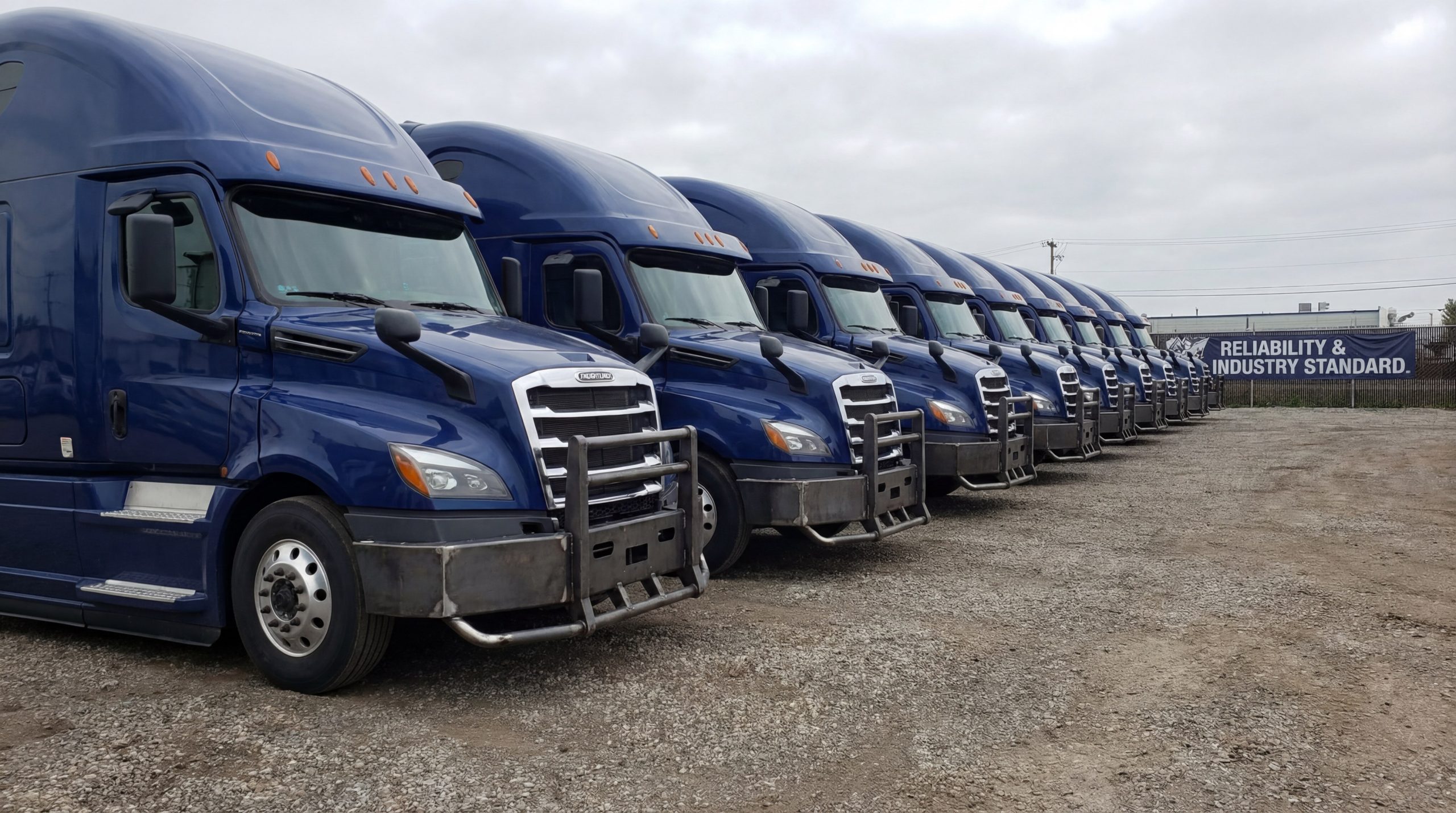
Maintenance involves regular inspections of the mounting hardware and cleaning the surface to prevent salt and road grime buildup. Even a heavy duty moose bumper requires seasonal care to ensure the hinge mechanisms operate smoothly and the finish remains professional.
Should I Polish the Aluminum?
Polishing is more than just for show; it creates a smooth surface that resists the adhesion of corrosive road salts. Here’s the deal:
- Use a dedicated aluminum cleaner.
- Apply a protective sealant every six months.
- Inspect for stress cracks in high-vibration areas.
How Often Should I Check the Bolts?
Vibration from northern roads can loosen even the most secure fasteners. Why does this matter? Loose bolts can lead to “chatter,” which eventually elongates the mounting holes in your truck’s frame. It’s best to inspect torque settings during every oil change.
Key Takeaway: Minimal preventive maintenance extends the life of your guard and preserves the resale value of your Freightliner.
| Task | Frequency | Purpose | |
|---|---|---|---|
| Bolt Inspection | Every 15,000 miles | Prevent Vibrational Damage | |
| Hinge Lubrication | Seasonally | Ensure Easy Hood Access | |
| Surface Cleaning | Weekly (Winter) | Prevent Salt Corrosion |
Consistent maintenance ensures the bumper is ready to perform when a collision becomes unavoidable.
Can a Moose Bumper Improve My Truck’s Resale Value?
Yes, a well-maintained guard often increases the resale value by proving the owner has taken extra steps to protect the vehicle’s core components. Buyers looking for long-haul highway fleets prioritize trucks that have been shielded from the most common causes of total-loss accidents.
Do All Buyers Value Bumpers?
Most operators in the North and Midwest see a moose bumper as a required piece of equipment rather than an option.
- It reduces the buyer’s immediate out-of-pocket expenses.
- It signals that the truck was maintained to professional standards.
- It provides immediate insurance-risk reduction for the new owner.
Does a Specific Brand Matter more?
Brand recognition in the trucking industry is built on performance under pressure. Why does this matter? Installing a bumper from a recognized OEM manufacturer ensures the buyer that the guard isn’t just a “show piece” but is a functional survival tool.
Key Takeaway: The initial investment in a guard is often recovered during the sale because it preserves the pristine condition of the hood and engine.
| Attribute | Impact on Value | Buyer Perception | |
|---|---|---|---|
| Hood Condition | High | Signs of Care | |
| Functional Radar | Critical | Operational Readiness | |
| Integrated Towing | Moderate | Capability |
Protection is one of the few aftermarket upgrades that offers a direct return on investment through collision avoidance.
What Are the Most Common Mistakes When Buying a Bumper?
The most common mistake is choosing based on price alone rather than checking for actual model compatibility and material quality. A heavy duty moose bumper is a structural component; buying a “knock-off” that uses thin-walled tubing will result in the guard collapsing into the radiator during an impact.
Is All Aluminum The Same?
No, industrial-grade guards must use specific structural alloys like 6061 or 5083. Here’s the deal:
- Aerospace-grade alloys provide better energy absorption.
- Cheaper alloys are prone to “work hardening” and cracking.
- The thickness of the plate matters as much as the alloy itself.
Why Does Aerodynamics Matter?
If the bumper isn’t designed with aerodynamic pass-throughs, it can significantly increase your drag coefficient. Why does this matter? A poorly designed guard could cost you hundreds, if not thousands, in extra fuel costs over the course of a single year.
Key Takeaway: Avoiding “cheap” guards prevents the double cost of replacing both the bumper and the engine after a failure.
| Mistake | Consequence | Prevention | |
|---|---|---|---|
| Universal Sizing | Visual Obstruction/Poor Fit | Verify Model Specifics | |
| Thin-Walled Tubes | Collapses Under Force | Check Material Gauge | |
| Poor Aero Design | Increased Fuel Spend | Select Wind-Tested Profiles |
Precision engineering is the difference between a decorative bar and a lifesaving shield.
How Do Moose Bumpers Affect Insurance Premiums?
Many insurance providers offer lower deductibles or even premium discounts to fleets that install heavy duty moose bumpers . Insurance companies recognize that a moose collision often results in a “total loss” claim, and proactive protection reduces their risk exposure.
Will It Lower My Monthly Payment?
While not guaranteed for every carrier, many regional insurers for northern routes have specific programs for protected vehicles. Here’s the deal:
- It eliminates many small-to-medium claims.
- It prevents expensive towing and recovery costs.
- It keeps the “Loss Ratio” of the fleet significantly lower.
What Happens During a Claim?
If you do have an accident, having a professional-grade guard usually means you can drive the truck to a repair shop rather than waiting for a tow. Why does this matter? You avoid the “secondary costs” of accidents, such as hotel stays, cargo spoilage, and missed delivery penalties.
Key Takeaway: A moose bumper is an insurance policy that pays out every time you avoid a tow truck.
| Event Type | Without Bumper | With Bumper | |
|---|---|---|---|
| 45 MPH Collision | Total Engine Loss | Cosmetic/Minor Repair | |
| Downtime | 3-6 Weeks | 0-2 Days | |
| Claims Cost | $40,000+ | 2,000−5,000 |
Reducing financial risk is the primary reason fleet managers mandate front-end protection.
Where Can I Find Custom Solutions for Unique Freightliner Specs?
For unique specifications, you should look for manufacturers offering OEM and fleet programs that allow for customized mounting and lighting configurations. Standard retailers sell “off-the-shelf” units, but a heavy duty moose bumper should ideally be tailored to your specific gear ratio and cooling needs.
What Can Be Customized?
Customization goes beyond just the finish of the metal.
- You can add extra light bars.
- You can reinforce specific impact zones.
- You can request specific tilt-assist mechanisms for heavy hoods.
Why Choose an OEM Partner?
Working with a direct manufacturer ensures you get the latest engineering revisions. Why does this matter? It allows you to order replacement parts easily if only one section of a modular bumper gets damaged, rather than replacing the entire unit.
Key Takeaway: Custom solutions provide the perfect balance between maximum protection and vocational functionality.
| Feature | Custom Option | User Benefit | |
|---|---|---|---|
| Finish | Matte Black / Polished | Brand Alignment | |
| Lighting | LED Bar Integration | Enhanced Safety | |
| Brackets | Severe-Duty Mounts | Off-Road Reliability |
Tailoring your hardware to your operation is the hallmark of a professional fleet manager.
Strategic Summary: Protecting Your Freightliner
Choosing the right moose bumper for your Freightliner is a critical operational decision that impacts safety, financial stability, and vehicle longevity. By prioritizing model-specific engineering, high-integrity materials like aerospace-grade aluminum, and seamless sensor integration, you transform your truck into a fortified asset capable of surviving the harshest environments.
At Brontec, we are dedicated to setting the industry standard for heavy-duty protection. Our mission is to empower North American fleets with hardware that isn’t just durable—it’s lifesaving. We believe that every driver deserves the confidence that comes with world-class engineering.
Ready to secure your fleet? contact us today for a consultation on the best protection for your Freightliner.
Frequently Asked Questions
Can I install a moose bumper on a truck with a plastic OEM bumper? Yes, most designs replace the plastic assembly entirely. The new guard bolts directly to the steel frame, providing vastly superior structural strength.
Do moose bumpers interfere with engine cooling? No, provided you choose a guard designed specifically for your model. Professional guards use perforated mesh or spaced bars to maintain factory-spec airflow to the radiator.
How do I know if a bumper is radar-compatible? Look for “ClearZone” or “Radar-Ready” in the product description. These models feature specific cutouts that align perfectly with the Freightliner Cascadia’s sensor position.
What is the difference between a deer guard and a moose bumper? A deer guard is lighter and designed for smaller animals. A moose bumper is significantly more robust, featuring larger diameter tubing and reinforced vertical posts to handle much higher impact forces.
Are these bumpers legal in all states? Yes, professional moose bumpers are designed to stay within legal width and lighting requirements. Always ensure your integrated lights are DOT-compliant if you are moving between jurisdictions.