
You should replace semi-truck parts when visible fractures, unusual vibrations, excessive rust, or mileage intervals indicate that the component can no longer perform its structural or mechanical role safely. Facing a breakdown in the middle of a high-stakes haul is every driver’s nightmare. Roadside repairs are exorbitant, deadlines vanish, and a minor hairline crack can quickly evolve into a catastrophic failure at highway speeds. Learning the specific indicators for when to replace semi truck parts allows you to transition from reactive repairs to proactive maintenance, ensuring your rig remains a reliable asset rather than a liability.
Is visible damage a sign when to replace semi truck parts?
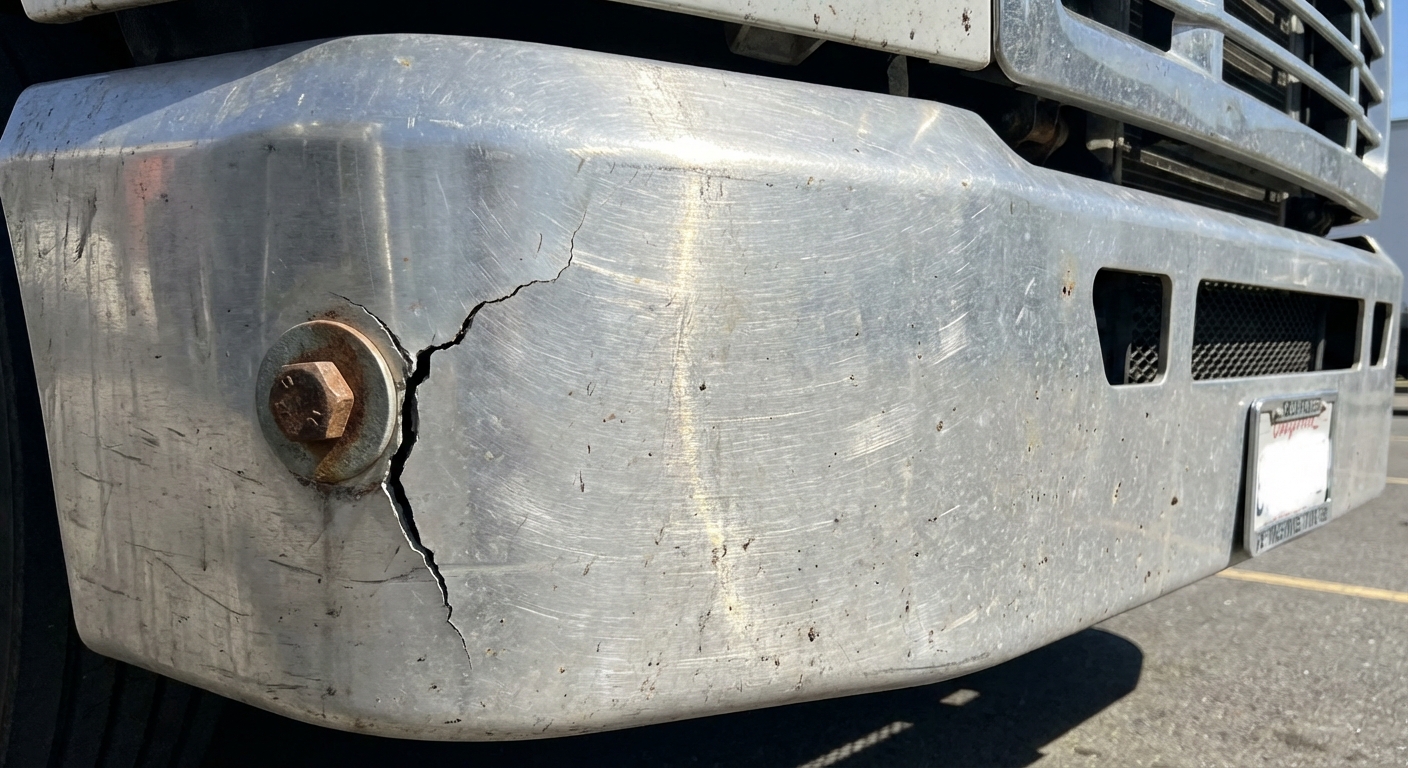
Visible damage like cracks or deep Gouges is a definitive indicator of when to replace semi truck parts to maintain structural integrity. Even small fractures in aluminum or steel components can propagate under the constant stress of road vibrations. Ignoring these signs risks a complete part failure during transit.
Are surface cracks dangerous?
Small surface cracks often signal that the metal has reached its fatigue limit and can no longer absorb energy.
Look at this:
- Cracks near mounting bolts suggest high stress.
- “Spider-web” patterns indicate material exhaustion.
- Deep gouges can become points of total breakage.
The truth is:
Minor cracks are the precursors to major accidents.
What about damaged mounting points?
Mounting points are the skeleton of your truck’s protection system, and any distortion here means the part is compromised.
Check this out:
- Warped brackets prevent even force distribution.
- Sheared bolts indicate past high-impact stress.
- Elongated holes lead to persistent rattling.
Simply put:
If the foundation is weak, the whole part is useless.
Key Takeaway: Visual inspections should focus on both the face of the part and its internal mounting hardware to catch hidden failures early.
| Damage Type | Severity | Action Required |
|---|---|---|
| Hairline Crack | Moderate | Monitor or Replace |
| Deep Gouge | High | Immediate Replacement |
| Warped Mount | Critical | Immediate Replacement |
Analysis: Visual indicators provide the most immediate evidence that a component has reached the end of its safe operational life.
Do vibrations indicate when to replace semi truck parts?
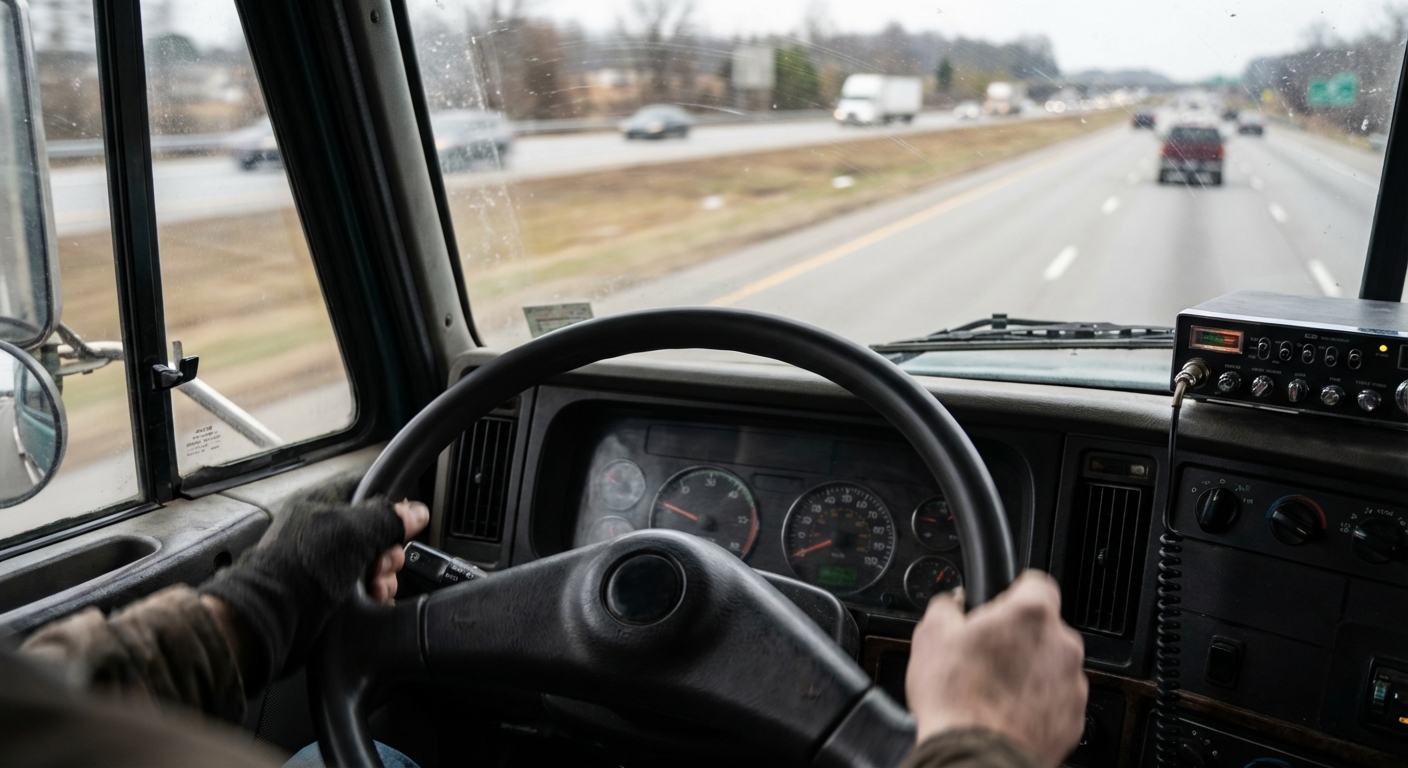
Unusual vibrations felt through the steering wheel or chassis often signal that it is time for when to replace semi truck parts such as bushings or mounting brackets. When components lose their tight fitment, they begin to oscillate independently of the truck’s frame. This secondary motion accelerates wear on surrounding systems like the radiator and hood.
Is steering wheel shake a part failure?
Steering wheel vibrations that persist after tire balancing usually point to worn front-end components or loose protection guards.
Think about it:
- Excessive play in brackets causes cab rattle.
- Worn bushings fail to dampen road shock.
- Loose guards can interfere with steering geometry.
Bottom line:
Persistent shaking is your truck’s way of asking for new hardware.
Can vibrations damage the radiator?
Harmonic vibrations from a loose bumper or grille guard can eventually cause the radiator to develop leaks or mounting failures.
Here is the deal:
- Metal fatigue happens faster during high-frequency vibration.
- Loose parts strike adjacent components.
- Constant movement shears small fasteners.
In other words:
One loose part can destroy three healthy ones.
Key Takeaway: Vibrations are more than an annoyance; they are a diagnostic tool that highlights internal part degradation before it becomes visible.
| Vibration Source | Feeling | Probable Cause |
|---|---|---|
| Front Bumper | Cab Rattle | Loose Brackets |
| Steering Wheel | High-Freq Shake | Worn Bushings |
| Chassis | Deep Thud | Failed Mounts |
Analysis: Addressing vibrations early prevents the “domino effect” where one failing part causes secondary damage to the engine or cooling system.
Does rust reveal when to replace semi truck parts?
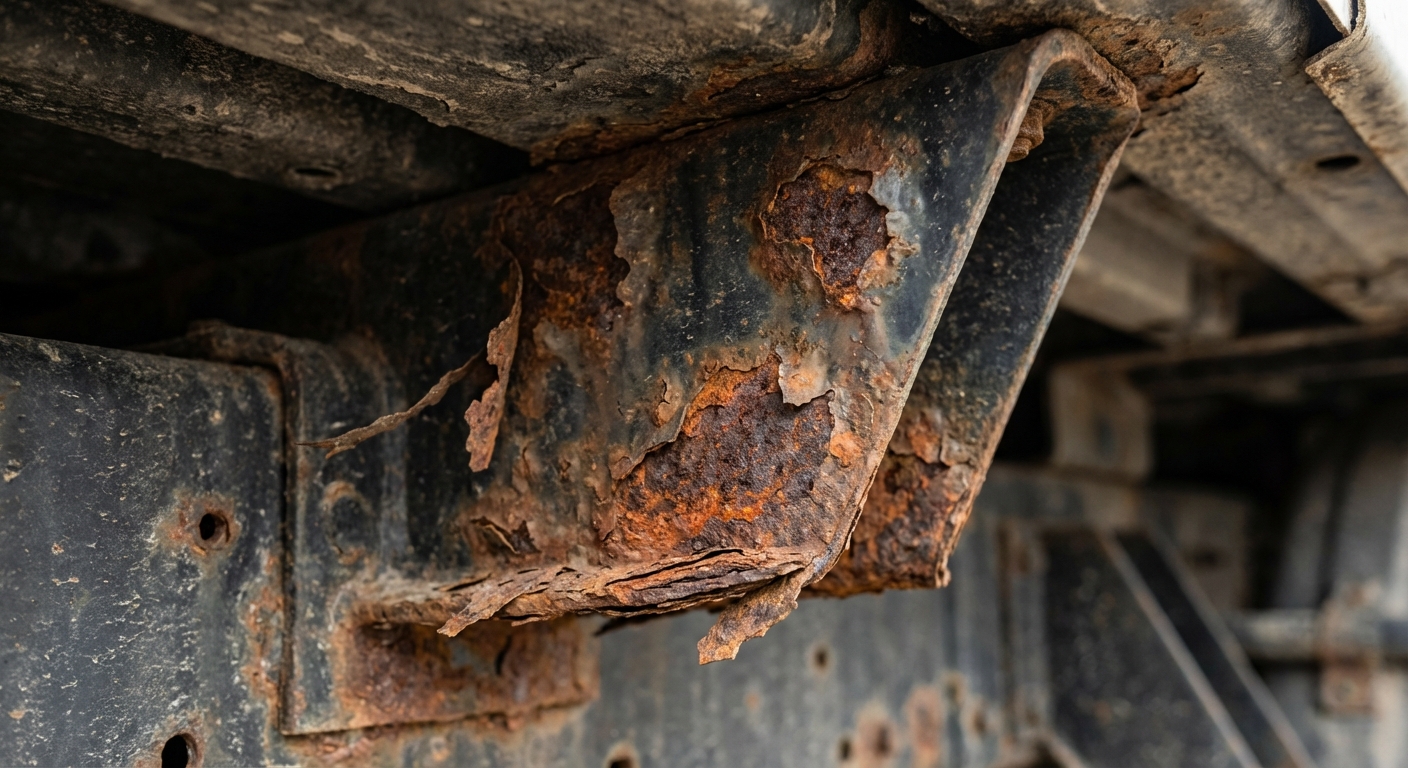
Deep pitting and “flaking” rust are critical warnings of when to replace semi truck parts before they become brittle and snap. Surface oxidation is common, but once the corrosion moves into the core of the metal, the structural bond is lost. This is especially dangerous for load-bearing brackets and front-end guards.
Surface rust vs. structural rot?
Distinguishing between cosmetic surface rust and deep structural rot is the first step in your maintenance evaluation.
Make no mistake:
- Surface rust can often be treated and painted.
- Flaking metal indicates deep-core oxidation.
- Pitting reduces the thickness of the metal.
Think about this:
Rust is a cancer that eats your truck’s safety margins.
How does salt affect parts?
Road salt acts as a catalyst for corrosion, making it vital to inspect parts more frequently in northern climates.
Check this out:
- Salt gets trapped behind mounting plates.
- Aluminum parts can suffer from galvanic corrosion.
- Powder coating can hide rust “bubbles.”
Here is the kicker:
What you see on the surface is only half the story.
Key Takeaway: Rust compromises the molecular integrity of steel and aluminum, turning strong guards into brittle hazards.
| Oxidation Level | Visual Sign | Replacement Status |
|---|---|---|
| Light Surface | Orange tint | Clean and Coat |
| Deep Pitting | Small holes | Replace Soon |
| Flaking/Scaling | Metal peeling | Replace Immediately |
Analysis: Corrosion is a progressive failure that requires aggressive monitoring to prevent unexpected component detachment on the highway.
Does mileage dictate when to replace semi truck parts?
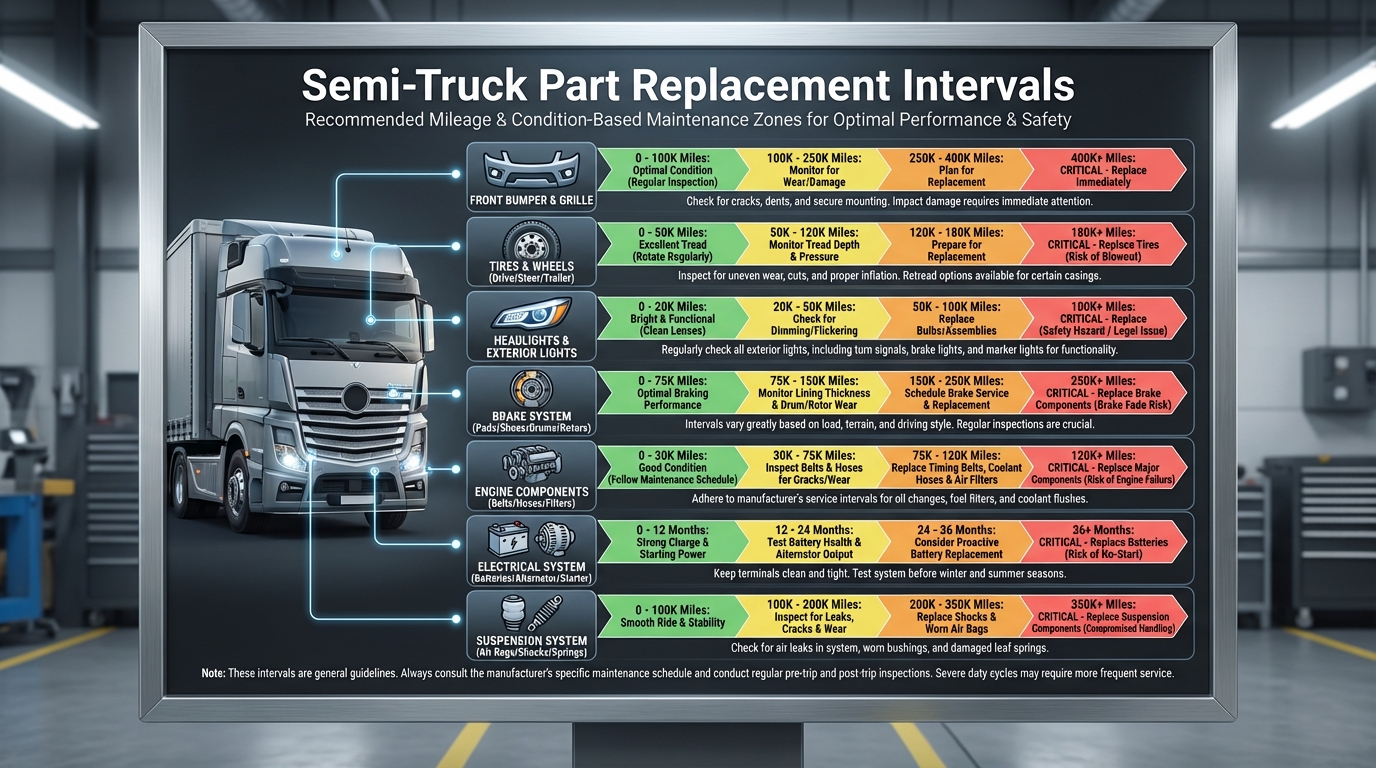
Mileage is a reliable metric for determining when to replace semi truck parts that have a defined operational lifespan. Most heavy-duty components are engineered for specific cycles of stress and vibration. Adhering to a mileage-based schedule ensures you replace parts during their “planned obsolescence” rather than after a failure.
What are standard intervals?
Different parts require different replacement timelines based on the intensity of their daily application.
Look at this:
- Standard steel guards often last 200,000 miles.
- High-grade aluminum units can exceed 500,000 miles.
- Polyurethane mounts should be checked every 75,000 miles.
Simply put:
The odometer is your best maintenance advisor.
Does application change mileage?
Trucks operating in heavy-duty sectors like logging or mining will need parts replaced much sooner than long-haul highway rigs.
Here is the deal:
- Off-road miles are “harder” on metal.
- Constant stopping and starting increases stress.
- High-idle hours also contribute to part fatigue.
Bottom line:
Your route determines the real life of your parts.
Key Takeaway: Integrating mileage trackers into your fleet management software is the most efficient way to stay ahead of material exhaustion.
| Part Type | Highway Life (Miles) | Off-Road Life (Miles) |
|---|---|---|
| Front Bumper | 250,000 | 100,000 |
| Bushings/Seals | 100,000 | 50,000 |
| Grille Guard | 400,000 | 150,000 |
Analysis: Mileage-based replacement schedules reduce the statistical probability of a component failing during a critical haul.
Do dents show when to replace semi truck parts?
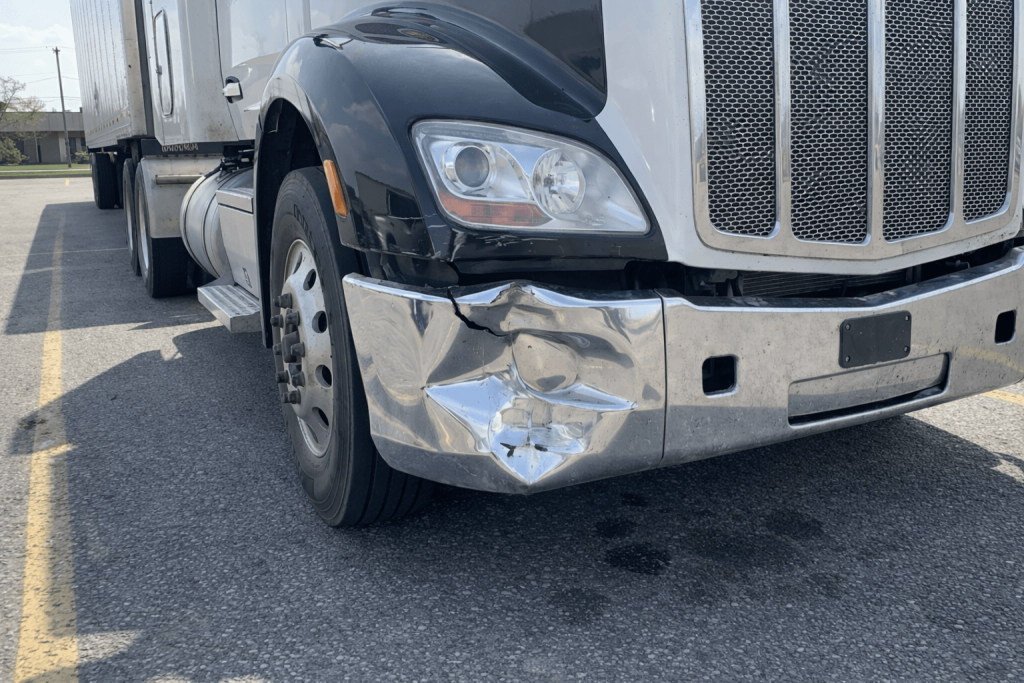
Dents are a major factor in when to replace semi truck parts because they create localized points of weakness that compromise impact ratings. When a bumper is dented, the geometry designed to dissipate force is altered. This means the next impact could bypass the guard and crush the radiator or engine block.
Can a small dent be ignored?
A small dent on a flat surface might be cosmetic, but a dent on a curved or reinforced edge is a structural failure.
Think about it:
- Curves provide the most structural strength.
- Dents near welds can cause the joint to pop.
- Large deformations ruin the truck’s aerodynamics.
Check this out:
A dented bumper is a pre-collapsed safety zone.
Do dents affect fuel economy?
Significant deformations in the front-end assembly create air turbulence, which can noticeably decrease your miles per gallon.
You might be wondering:
- Modern trucks rely on smooth air transitions.
- Twisted metal creates high-pressure drag.
- Fuel savings can often pay for a new part.
In other words:
An ugly bumper is an expensive bumper.
Key Takeaway: Dents should be evaluated based on their location; any impact near a mounting point or structural bend requires a replacement.
| Dent Location | Structural Risk | Fuel Impact |
|---|---|---|
| Flat Face | Low | Minimal |
| Corner/Bend | High | Moderate |
| Near Mount | Critical | Low |
Analysis: Replacing dented parts restores the truck’s original safety profile and can improve operational efficiency through better aerodynamics.
How does alignment tell when to replace semi truck parts?
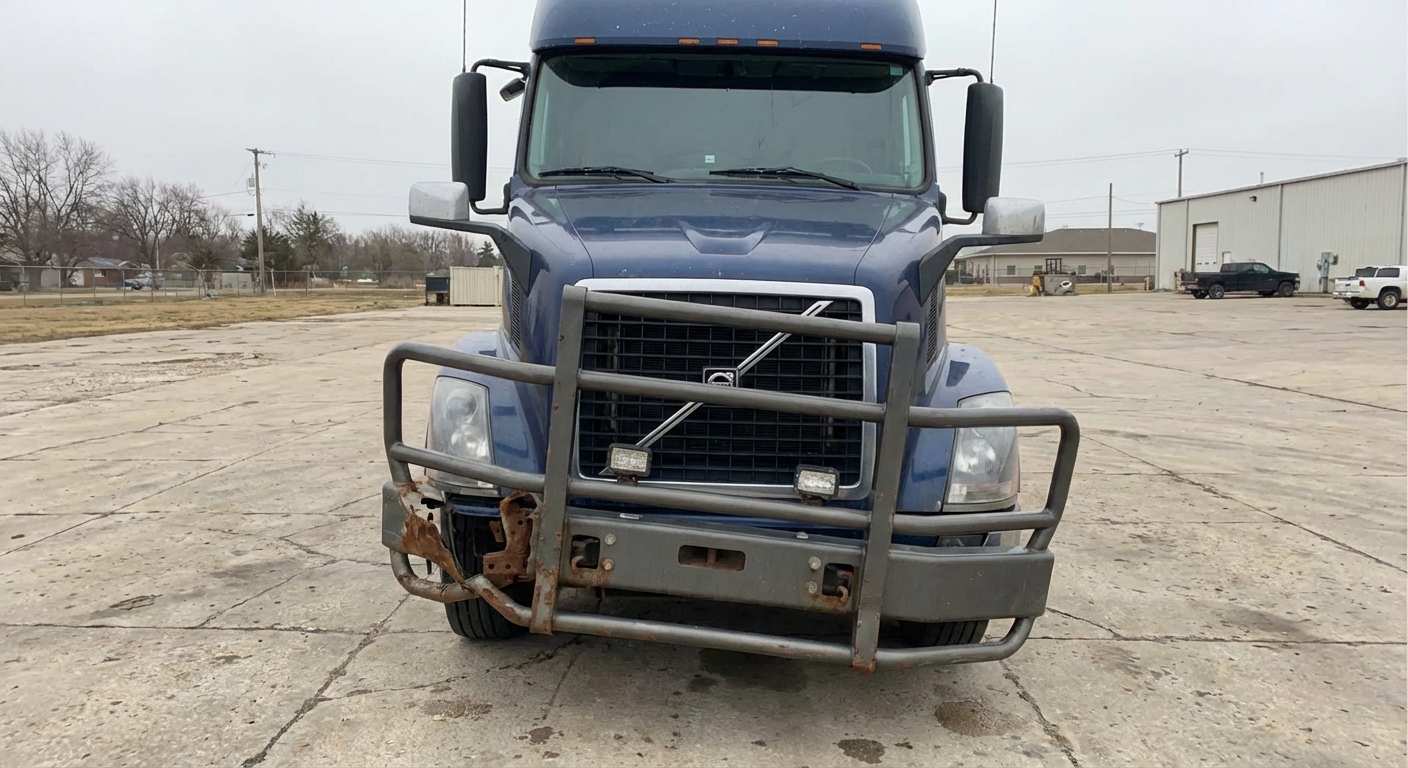
Misalignment is a clear sign of when to replace semi truck parts that have shifted due to frame stress or previous impacts. If your bumper appears to be sagging or the gaps between the hood and the guard are uneven, the hardware is failing. Proper alignment ensures that impact forces are transferred correctly to the truck’s frame rails.
Why does a sagging bumper matter?
A sagging bumper creates uneven torque on the frame, which can lead to permanent chassis twisting if not corrected immediately.
Look at this:
- Uneven gaps indicate failing mounting bolts.
- Sagging parts can rub against the tires.
- Misalignment prevents the hood from opening correctly.
Here is the kicker:
A crooked guard is a sign of deep structural trouble.
Can misalignment cause tire wear?
If a front-end part is so misaligned that it disrupts the airflow or rubs the wheel well, it can lead to uneven tire heating and wear.
Make no mistake:
- Rubbing sounds during turns are a red flag.
- Airflow disruption affects brake cooling.
- Persistent shifting indicates a cracked frame mount.
Simply put:
Alignment is about safety, not just looks.
Key Takeaway: Check the “squareness” of your truck’s front end regularly to identify parts that have been knocked out of their safe operating positions.
| Gap Status | Indication | Risk Level |
|---|---|---|
| Symmetrical | Healthy Alignment | Low |
| Uneven (Left/Right) | Shifted Mounts | Moderate |
| Touching Hood | Collapsed Support | High |
Analysis: Maintaining perfect alignment ensures that all safety components work in unison to protect the driver and the drivetrain.
Can wildlife impacts signal when to replace semi truck parts?

Wildlife impacts provide the most obvious reason for when to replace semi truck parts to ensure the vehicle remains roadworthy. Even if the part looks intact, the internal structure of a moose bumper or grille guard is designed to “yield” while protecting the engine. Once it has absorbed a significant blow, its ability to protect the truck a second time is greatly diminished.
Should you replace after a deer hit?
Even a smaller animal can cause internal fractures in the aluminum supports that aren’t visible from the outside.
Check this out:
- Check for “stress whitening” on the metal.
- Inspect the radiator for hidden pinhole leaks.
- Look for hairline cracks at the weld points.
Think about this:
A bumper is a one-time-use safety device in a major hit.
If you continue to run a post-impact part, you risk it falling off or failing completely during the next minor road hazard.
Here is the deal:
- Internal reinforcements may be snapped.
- Mounting bolts could be partially sheared.
- The energy-absorption capacity is likely gone.
Bottom line:
Impact protection is a “one and done” insurance policy.
Key Takeaway: After any collision with wildlife, a full tear-down inspection is required to determine if the part is still capable of providing protection.
| Impact Animal | Exterior Damage | Interior Risk |
|---|---|---|
| Deer | Often Minimal | Moderate (Mounts) |
| Elk/Moose | Usually Severe | Critical (Structure) |
| Small Game | Negligible | Low (Check Finish) |
Analysis: Proactively replacing guards after wildlife encounters is a strategic move that prevents catastrophic engine damage in future incidents.
Does age determine when to replace semi truck parts?
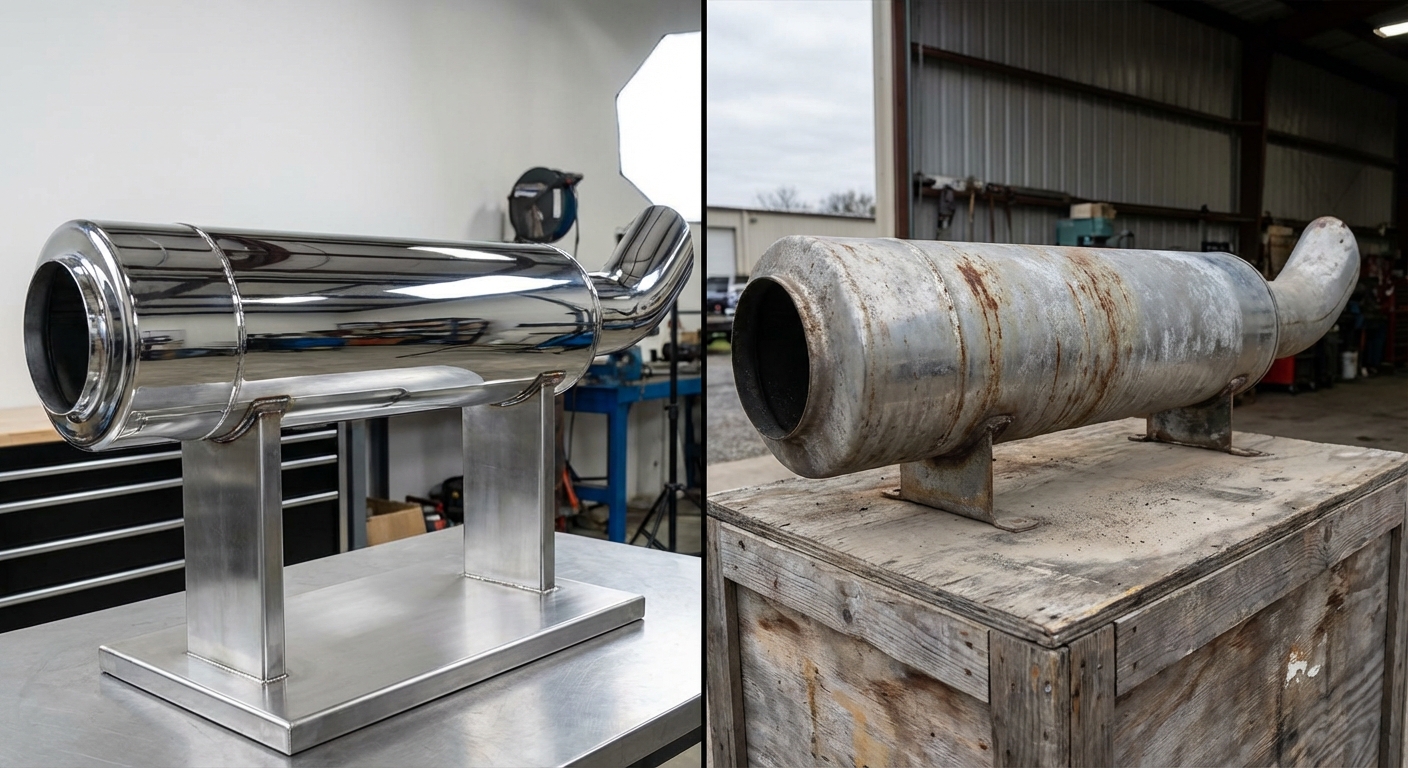
Age is a crucial factor in when to replace semi truck parts due to material fatigue and environmental degradation over time. Even if a truck has low mileage, the constant expansion and contraction of metal in extreme temperatures causes it to become “work-hardened.” Older parts lose the elasticity required to absorb road shocks effectively.
How does metal fatigue work?
Metal fatigue is the accumulation of microscopic damage that eventually leads to a sudden, brittle failure without warning.
In other words:
- Every vibration is a “cycle” of stress.
- Older metal is more prone to snapping.
- UV exposure ruins the protective finish.
Think about it:
Time is just as much of an enemy as mileage.
Why do seals and mounts age?
Rubber and polyurethane mounts dry out and crack over time, losing their ability to isolate the part from the frame.
Check this out:
- Dry rot occurs in 5 to 7 years.
- Cracked seals let moisture reach the metal.
- Hardened mounts increase cabin noise.
Simply put:
If it’s over a decade old, it’s likely time for an upgrade.
Key Takeaway: Use a 7-year rule for inspecting and potentially replacing non-metallic mounts and seals to ensure your heavy-duty parts stay secure.
| Age Range | Material Condition | Action |
|---|---|---|
| 1-3 Years | Optimal | Standard Maintenance |
| 4-7 Years | Aging Seals | Replace Bushings |
| 8+ Years | Fatigued Metal | Consider Full Replacement |
Analysis: Age-based maintenance prevents the “sudden snap” failures that occur when material fatigue finally reaches its breaking point.
Does terrain affect when to replace semi truck parts?
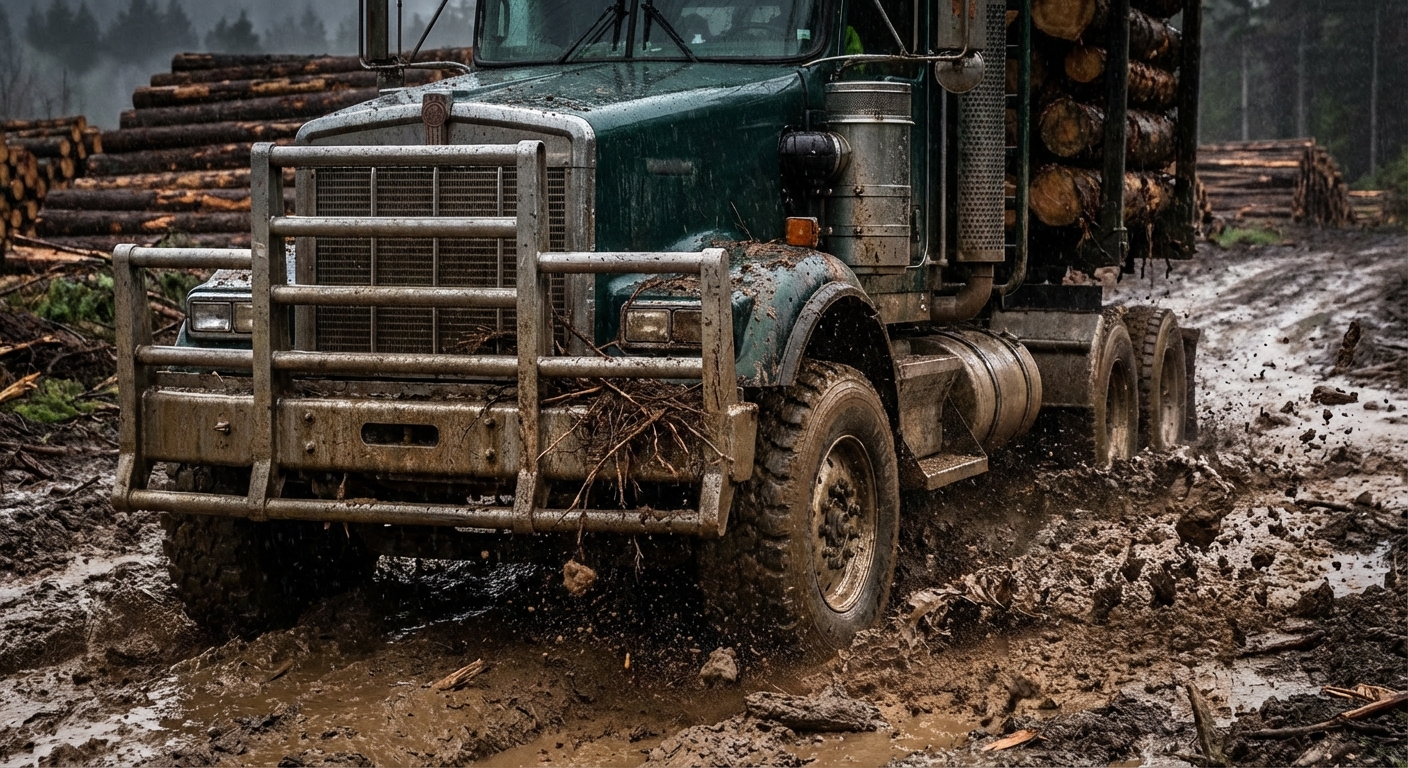
The environment in which you drive heavily influences when to replace semi truck parts due to the varying levels of “shock loading.” Logging trails, construction sites, and winter-weather routes introduce stresses that standard highway driving never does. Mud, debris, and extreme inclines accelerate the wear on every front-end component.
Is off-road driving harder on parts?
Constant twisting and jarring from uneven terrain put massive stress on the welds and mounting brackets of your truck’s protection.
Here is the deal:
- Deep mud hides large rocks that cause dents.
- Off-road vibration is more violent than highway rattle.
- Brush and branches strip away protective coatings.
Bottom line:
The woods are a “high-wear” zone for semi-trucks.
How do northern winters impact parts?
The combination of freezing temperatures and chemical de-icers creates a “perfect storm” for material degradation.
Look at this:
- Ice buildup adds significant weight to parts.
- Road chemicals eat through standard finishes.
- Extreme cold makes metal more brittle.
Check this out:
A winter season is worth two years of summer driving.
Key Takeaway: If your fleet operates in specialized terrain, you should cut your standard part replacement intervals in half to ensure safety.
| Terrain Type | Stress Factor | Replacement Frequency |
|---|---|---|
| Highway | Low | Standard |
| Construction | High | 2x Faster |
| Logging/Winter | Extreme | 3x Faster |
Analysis: Customizing your replacement schedule based on your specific route profile is the hallmark of a professional fleet management strategy.
How do noises prove when to replace semi truck parts?
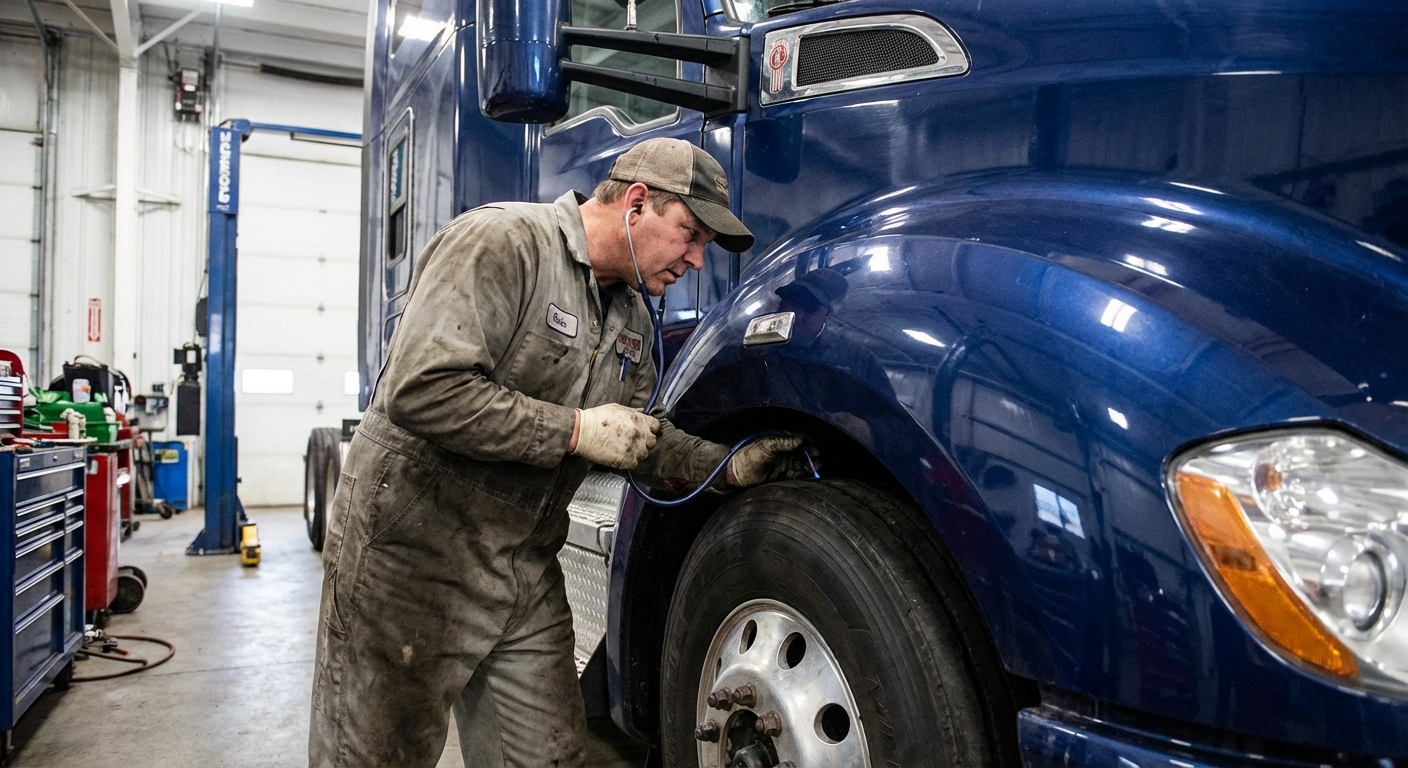
Audible cues like chirping, thudding, or persistent metallic rattles are definitive proof of when to replace semi truck parts that have worked loose. You will often hear a failure before you can see it. A “clunk” when hitting a pothole usually means a mounting bracket has already failed or a bushing is completely gone.
What does metallic chirping mean?
High-pitched chirping sounds usually indicate that two metal surfaces are rubbing together because the protective mounting hardware has failed.
In other words:
- Friction creates heat and wears down the metal.
- Chirping signals a loss of torque on bolts.
- It can indicate a cracked weld rubbing against itself.
Here is the kicker:
If you hear it, the damage is already happening.
Can you troubleshoot noises?
A simple “tap test” with a rubber mallet can help you identify loose or cracked parts that aren’t visible to the naked eye.
You might be wondering:
- A healthy part should sound “solid.”
- A “ring” or “buzz” suggests a hidden crack.
- Rattles mean the hardware has lost its grip.
Simply put:
Listen to your truck; it knows when it’s broken.
Key Takeaway: Never ignore a new noise from the front of your rig; it is almost always the first sign of a part that is about to fail.
| Sound Type | Possible Cause | Urgent Action |
|---|---|---|
| High-Pitched Chirp | Loose Hardware | Tighten/Inspect |
| Deep Metallic Thud | Failed Mount | Replace Mount |
| Persistent Rattle | Cracked Weld | Replace Component |
Analysis: Using your ears as a diagnostic tool allows for early intervention, often saving you from the high cost of a total roadside breakdown.
*
FAQ: Semi-Truck Maintenance
Can I repair a structural crack in an aluminum bumper?
No, a weld never restores 100% of the original structural integrity of a load-bearing part. For heavy-duty operations, replacing the part is the only way to ensure safety and compliance with impact standards.
What’s the best way to check for hidden rust under powder coating?
Look for “bubbling” or “scaling” on the surface of the coating. This usually indicates that corrosion has taken hold beneath the film and is pushing the finish away from the metal.
How do I know if my vibration is a tire issue or a part failure?
If the vibration remains constant at all speeds, it is likely a loose guard or bracket. If it only occurs at high speeds (above 50 mph), it is more likely related to tire balance or alignment.
Can I use standard bolts for a heavy-duty bumper replacement?
Absolutely not. You must use Grade 8 or higher hardware specifically rated for the weight and impact forces of a commercial truck to prevent shearing.
How often should I do a “tap test” on my grille guards?
You should perform a quick physical check during every pre-trip inspection and a more thorough mallet test during every oil change or 10,000-mile service.
*
Conclusion
Understanding when to replace semi truck parts is more than just a maintenance chore; it is a fundamental pillar of highway safety and fleet profitability. By staying vigilant against visible cracks, listening for mechanical complaints, and adhering to strict mileage and terrain-based schedules, you protect your most valuable assets. Our mission is to provide North American fleets with the durable protection they need to conquer the harshest conditions. Don’t let a preventable failure sideline your operation—contact us today to upgrade your rig with parts built for the long haul.