
Stainless steel grille guards are the preferred choice for fleet managers because they offer the ultimate balance of structural integrity, long-term corrosion resistance, and comprehensive asset protection. Many fleet operators struggle with skyrocketing repair costs and excessive downtime caused by front-end collisions and road hazards. These incidents do more than just damage equipment; they disrupt delivery schedules and erode profit margins through mounting mechanical expenses. Investing in high-quality stainless steel grille guards provides a structural barrier that absorbs impact forces, protecting your trucks from the high costs of negligence and environmental wear.
1. What Makes Stainless Steel Grille Guards the Top Fleet Choice?
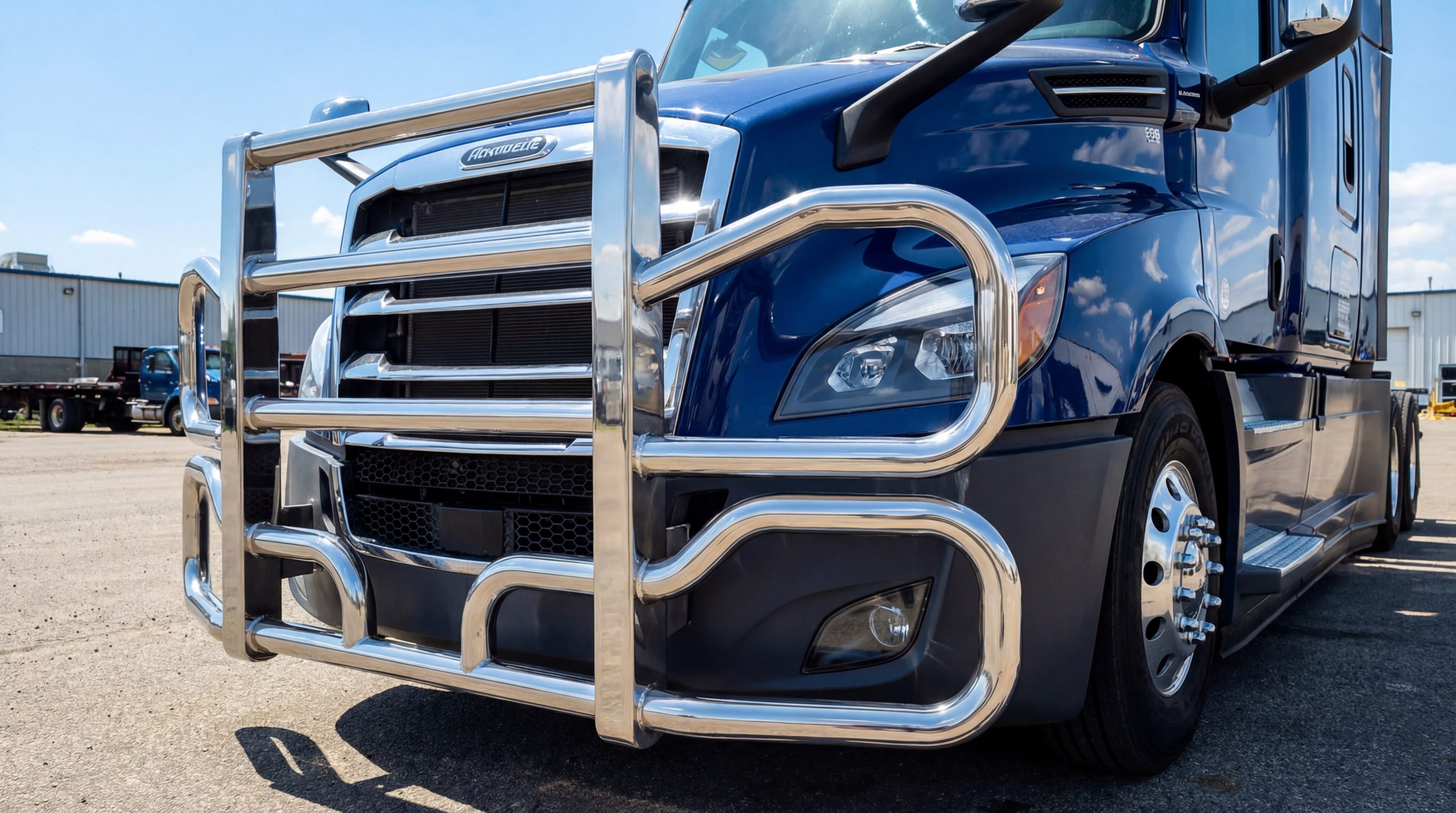
Fleet managers choose these systems because they offer a superior strength-to-weight ratio and unmatched longevity compared to traditional steel or aluminum alternatives. High-quality stainless steel grille guards act as a primary defense for Class 8 trucks, shielding critical components like radiators and intercoolers. By selecting these engineered solutions, your fleet benefits from hardware that maintains its structural integrity over hundreds of thousands of miles.
Material Integrity and Engineering
The quality of the material directly dictates the level of protection your vehicle receives during an impact. Stainless steel is renowned for its high tensile strength and ability to withstand extreme stress without fracturing.
- Tensile Strength: Superior resistance to bending and snapping under high loads.
- Durable Construction: Built to survive the rigors of heavy-duty commercial use.
- Precision Fitment: Engineered for specific truck models to ensure maximum coverage.
Think about this: A guard is only as strong as the material it is made from and the quality of its welds.
Key Takeaway: Superior material selection ensures that the guard remains a reliable safety asset rather than a maintenance liability.
| Feature | Fleet Benefit | Operational Impact | |
|---|---|---|---|
| High Tensile Strength | Impact Absorption | Reduced Engine Damage | |
| Stainless Alloy | Corrosion Resistance | Zero Rust Maintenance | |
| Mirror Finish | Professional Branding | Enhanced Resale Value |
The integration of premium materials and precision engineering creates a protection system that reliably shields a fleet’s most expensive assets.
2. Why Is Corrosion Resistance Crucial for Heavy-Duty Fleet Guards?
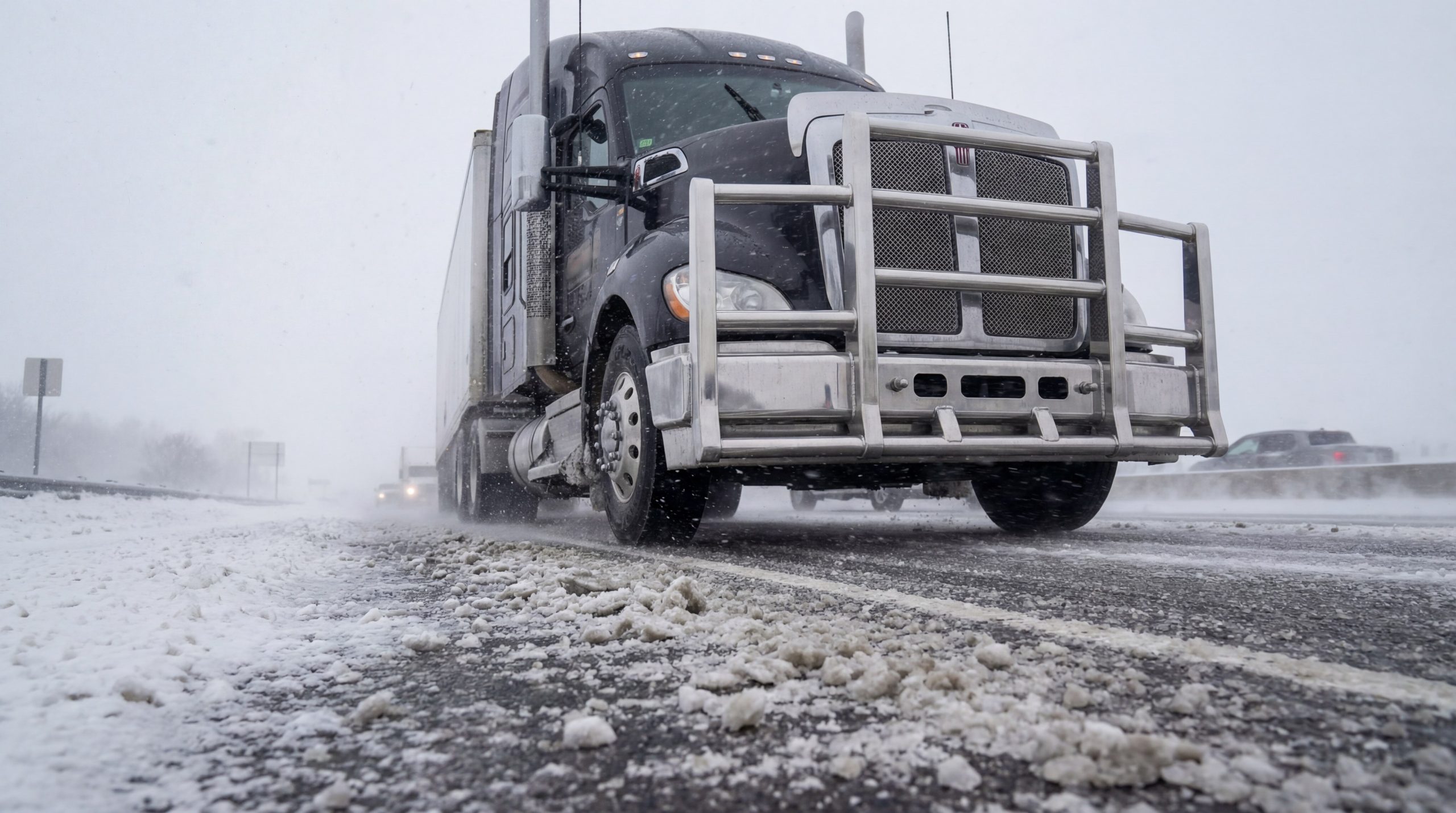
Corrosion resistance is vital because it prevents structural failure and keeps your fleet looking professional regardless of the operating environment. While lesser materials might rust or pit after a single winter, stainless steel grille guards remain immune to the effects of road salts and chemical de-icers. This resilience ensures that the guard continues to provide structural protection without becoming an eyesore.
Fighting the Effects of Oxidation
Traditional painted or plated steel guards eventually chip, leading to rapid rust spread that compromises the entire unit. Stainless steel forms a natural chromium oxide layer that protects the surface from the inside out.
- Self-Healing Properties: Minor scratches don’t lead to rust due to the material’s composition.
- Chemical Resistance: Stands up to harsh calcium chloride and salt brines used on northern roads.
- Surface Longevity: Maintains its polished look without the need for frequent refinishing.
Look: Maintaining a professional appearance is just as important as structural safety for modern fleet branding.
Key Takeaway: Corrosion-resistant materials eliminate the need for sandblasting or repainting, saving significant shop time.
| Threat | Material Response | Result | |
|---|---|---|---|
| Road Salt | Zero Oxidation | Clean Appearance | |
| Chemical Brines | Resists Pitting | Structural Integrity | |
| Humidity | No Surface Rust | Longer Service Life |
By choosing materials that naturally resist environmental degradation, fleets can avoid the hidden costs of cosmetic repairs and structural rot.
3. How Do Stainless Steel Grille Guards Impact Total Cost of Ownership?
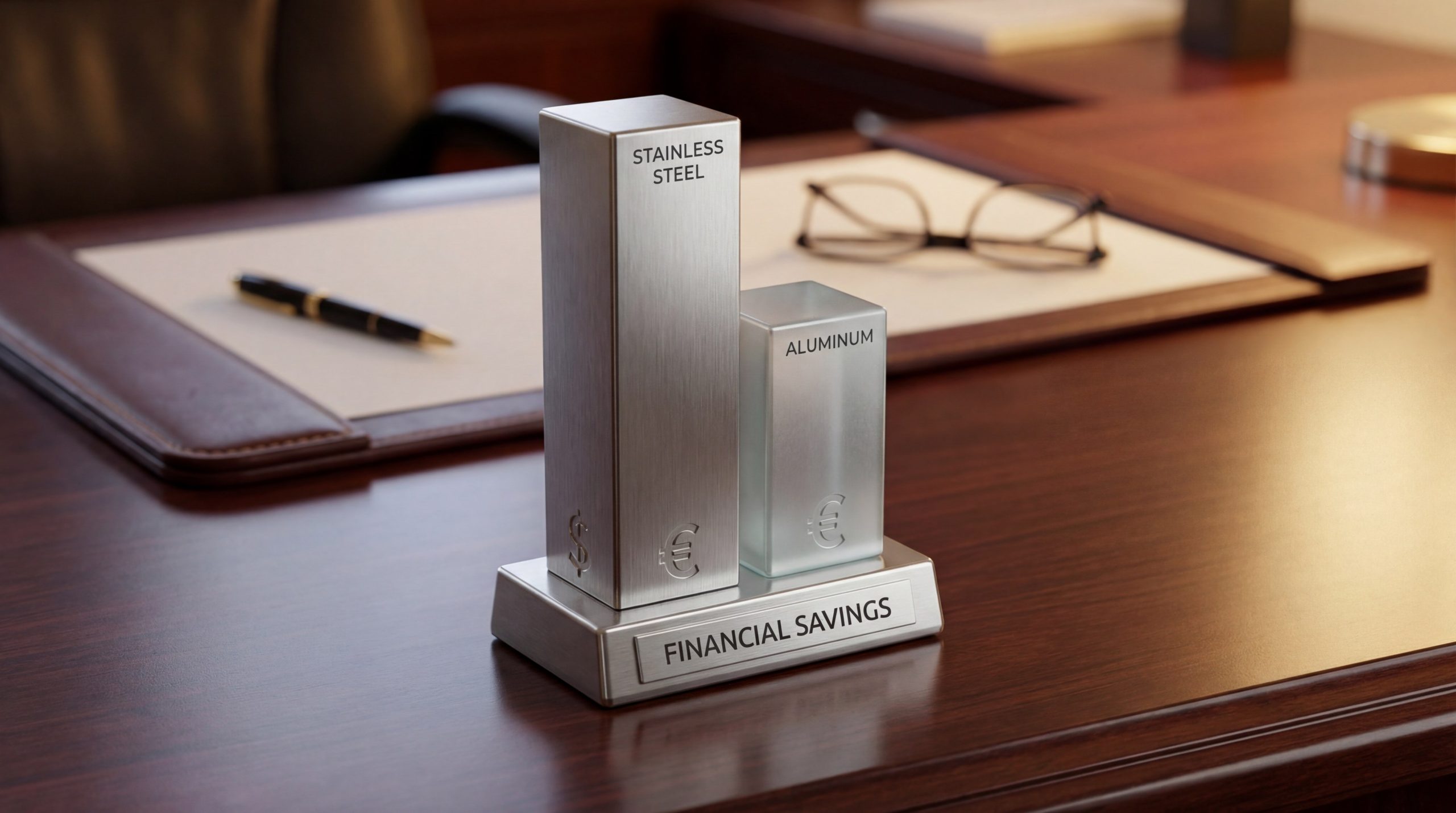
These guards lower the total cost of ownership by significantly reducing the frequency of equipment replacement and minimizing emergency repair bills. While the initial investment in stainless steel grille guards may be higher than aluminum, the long-term savings in maintenance provide a rapid return on investment. Fleet managers often find that these systems pay for themselves after avoiding just one front-end collision.
Long-Term Financial Advantages
Financial decision-makers must look at the “big picture” of asset management rather than focusing solely on the initial invoice price. Quality guards prevent catastrophic damage to radiators and engine components that cost thousands to replace.
- Avoided Repair Costs: One impact can save $5,000+ in OEM parts.
- Reduced Parts Inventory: Reliability means you don’t need to stock replacement guards frequently.
- Lower Life-Cycle Costs: The guard often outlasts the primary service life of the truck.
Why does this matter? Reducing the number of emergency repair orders directly improves the bottom line of any transportation company.
Key Takeaway: Investing in premium protection reduces unpredictable maintenance expenses and stabilizes the operational budget.
| Cost Component | Stainless Steel | Traditional Steel | |
|---|---|---|---|
| Maintenance | Low (Wash Only) | High (Paint/Rust) | |
| Replacement Cycle | 10+ Years | 3-5 Years | |
| Protection Rating | High | Moderate |
The strategic selection of durable protection systems converts an upfront expense into a long-term cost-saving measure for the entire organization.
4. Can Stainless Steel Grille Guards Improve Vehicle Resale Value?
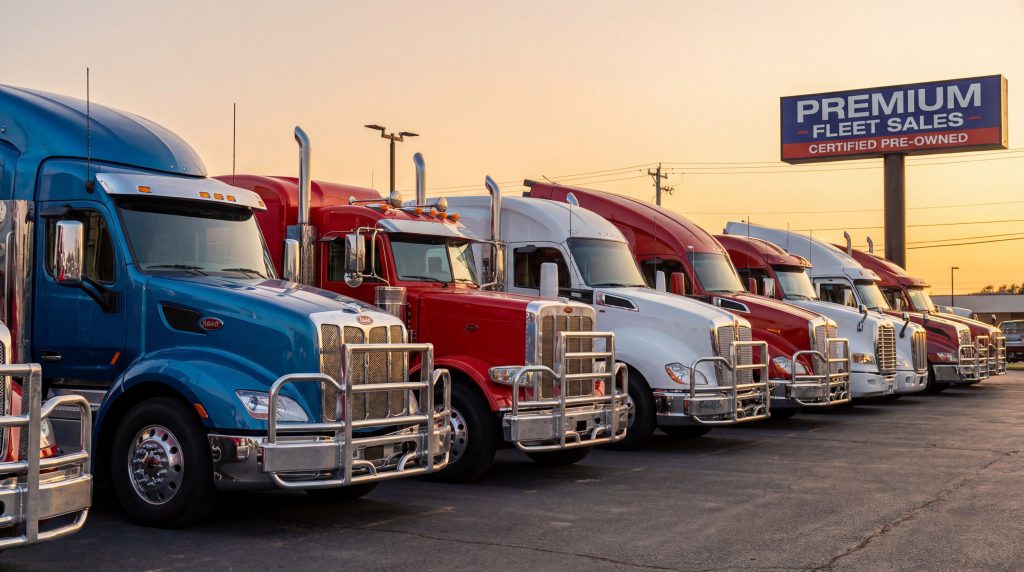
Vehicles equipped with these protection systems command higher resale prices because the front-end components remain in pristine condition throughout their service life. Secondary buyers view stainless steel grille guards as an indicator that the previous owner invested in premium protection and proper asset management. A well-protected truck shows significantly less “wear and tear” on expensive headlights, grilles, and bumpers.
Enhancing Curb Appeal for Resale
A rusted bumper or a cracked plastic grille can shave thousands off a trade-in value during the appraisal process. Stainless steel ensures that the most visible part of the truck remains attractive and functional for years.
- Polished Professionalism: The mirror-like finish retains its luster through hundreds of washes.
- Component Integrity: Keeps expensive LED light housings and sensors from being damaged by debris.
- Buyer Confidence: Signals a high standard of maintenance to potential secondary owners.
The best part? A high-quality guard can often be transferred to another truck in the fleet, extending its utility.
Key Takeaway: High resale value is a direct result of protecting the vehicle’s exterior from daily road hazards and environmental stress.
| Valuation Factor | Impact of Guard | Value Result | |
|---|---|---|---|
| Hood Condition | Prevents Cracks | Premium | |
| Bumper Finish | No Dents/Rust | High | |
| Headlight Clarity | Shields from Stones | Increased |
Maintaining the aesthetic and structural condition of a truck ensures maximum asset recovery at the end of its fleet service life.
5. What Maintenance Savings Do Stainless Steel Grille Guards Provide?
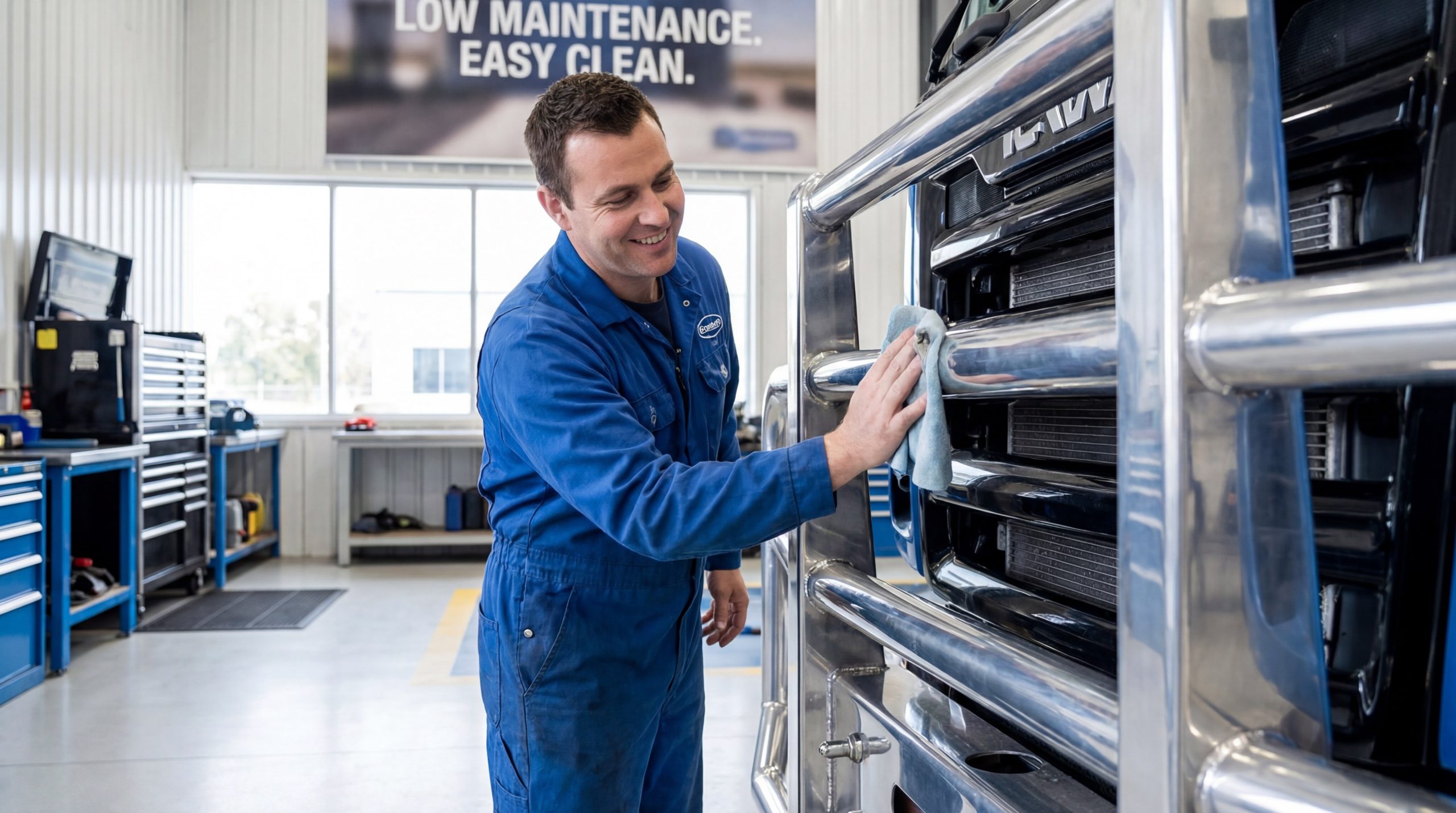
Maintenance savings are achieved through the elimination of specialized coatings and the reduction of inspection time required for structural integrity. Quality stainless steel grille guards do not require the constant re-polishing or protective spraying that other materials demand to stay functional. This allows your shop technicians to focus on critical engine and safety systems rather than accessory upkeep.
Simplifying the Shop Schedule
Every minute a truck spends in the shop for accessory repair is a minute it isn’t generating revenue on the highway. Stainless steel simplifies the preventative maintenance (PM) process through its inherent durability.
- Simple Wash Protocols: No special chemicals are needed to maintain the polished finish.
- Quick Inspections: No hidden rust pockets or peeling paint to worry about during safety checks.
- Robust Hardware: Uses high-grade fasteners that don’t seize or corrode over time.
It gets better: Standardizing on a low-maintenance material reduces the training and tools required by your maintenance staff.
Key Takeaway: Eliminating rust treatment and repainting cycles keeps trucks on the road and lowers labor costs in the shop.
| Task | Stainless Steel | Coated Steel | |
|---|---|---|---|
| Cleaning | Soap & Water | Specialized Cleaners | |
| Rust Treatment | None Required | Yearly Inspection | |
| Repainting | Not Needed | Every 2-3 Years |
Minimizing the labor required to maintain front-end protection directly increases the efficiency of the fleet’s maintenance department.
6. How Does Weight Efficiency Benefit Fleet Fuel Economy?
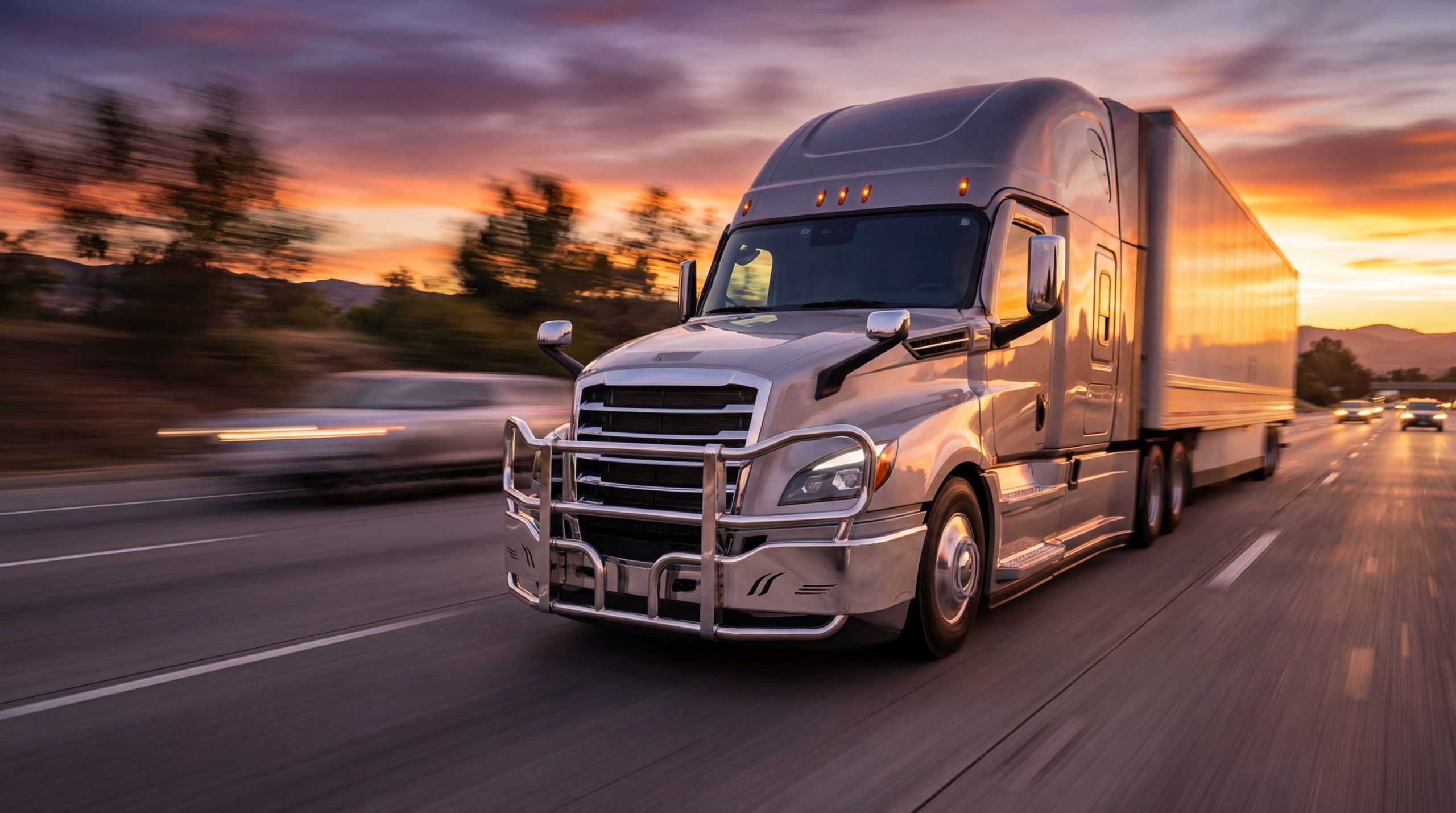
Modern engineering allows for thinner, stronger tubing that provides maximum protection without the excessive weight penalties of heavy plate steel. These stainless steel grille guards are designed to be lightweight enough to preserve fuel efficiency while remaining strong enough to deflect significant road debris. This balance is critical for long-haul carriers where every pound of “dead weight” impacts the fuel budget and payload capacity.
Optimizing the Payload Capacity
You don’t have to sacrifice protection to stay under your gross vehicle weight rating (GVWR) when using high-strength alloys. Advanced manufacturing techniques allow for structural rigidity without the bulk of traditional designs.
- Strength-to-Weight: Stronger than aluminum at similar thicknesses, allowing for sleeker designs.
- Aerodynamic Profiles: Engineered to reduce drag while shielding the radiator.
- Balanced Load: Prevents excessive wear on front-axle tires and suspension components.
It’s simple: Lighter equipment means more room for billable freight and better fuel mileage across the fleet.
Key Takeaway: Lightweight yet strong materials ensure that protection doesn’t come at the cost of operational efficiency or fuel performance.
| Material | Protection | Weight | Efficiency | |
|---|---|---|---|---|
| Mild Steel | High | Very Heavy | Low | |
| Aluminum | Moderate | Light | High | |
| Stainless Steel | Maximum | Moderate | High |
Balancing weight and strength allows fleet managers to protect their drivers without compromising the truck’s overall performance.
7. Are Stainless Steel Grille Guards Effective for Wildlife Impacts?

Stainless steel is exceptionally effective at absorbing and distributing the energy of a wildlife strike, preventing the force from transferring to the truck’s frame. These stainless steel grille guards are built to deform slightly under extreme load to save the vehicle’s “vital organs,” such as the cooling system. This often means the difference between a truck being towed and a truck finishing its delivery on time.
Engineering the Impact Zone
The structural design of the guard is just as important as the material itself when dealing with a high-speed animal impact. Vertical uprights and horizontal rails work together to deflect the animal away from the hood and windshield.
- Boxed Uprights: Provides vertical rigidity to prevent the guard from folding into the grille.
- Tubular Rails: Specifically spaced to catch and deflect debris or animals downward.
- Impact Absorption: Engineered mounting points help dissipate energy before it reaches the chassis.
That’s not all. Protecting the driver from a windshield intrusion is the single most important safety function of a grille guard.
Key Takeaway: High-strength guards significantly reduce the risk of a total vehicle loss following a moose or deer collision.
| Strike Type | Damage Without Guard | Result With Stainless Guard | |
|---|---|---|---|
| Deer Impact | Punctured Radiator | Guard Deflection; Driveable | |
| Moose Impact | Cab/Roof Intrusion | Significant Energy Absorption | |
| Road Debris | Smashed Headlights | Components Shielded |
The ability to survive a wildlife strike and continue the route is the ultimate test of a fleet’s protection strategy.
8. Do Stainless Steel Grille Guards Reduce Operational Downtime?
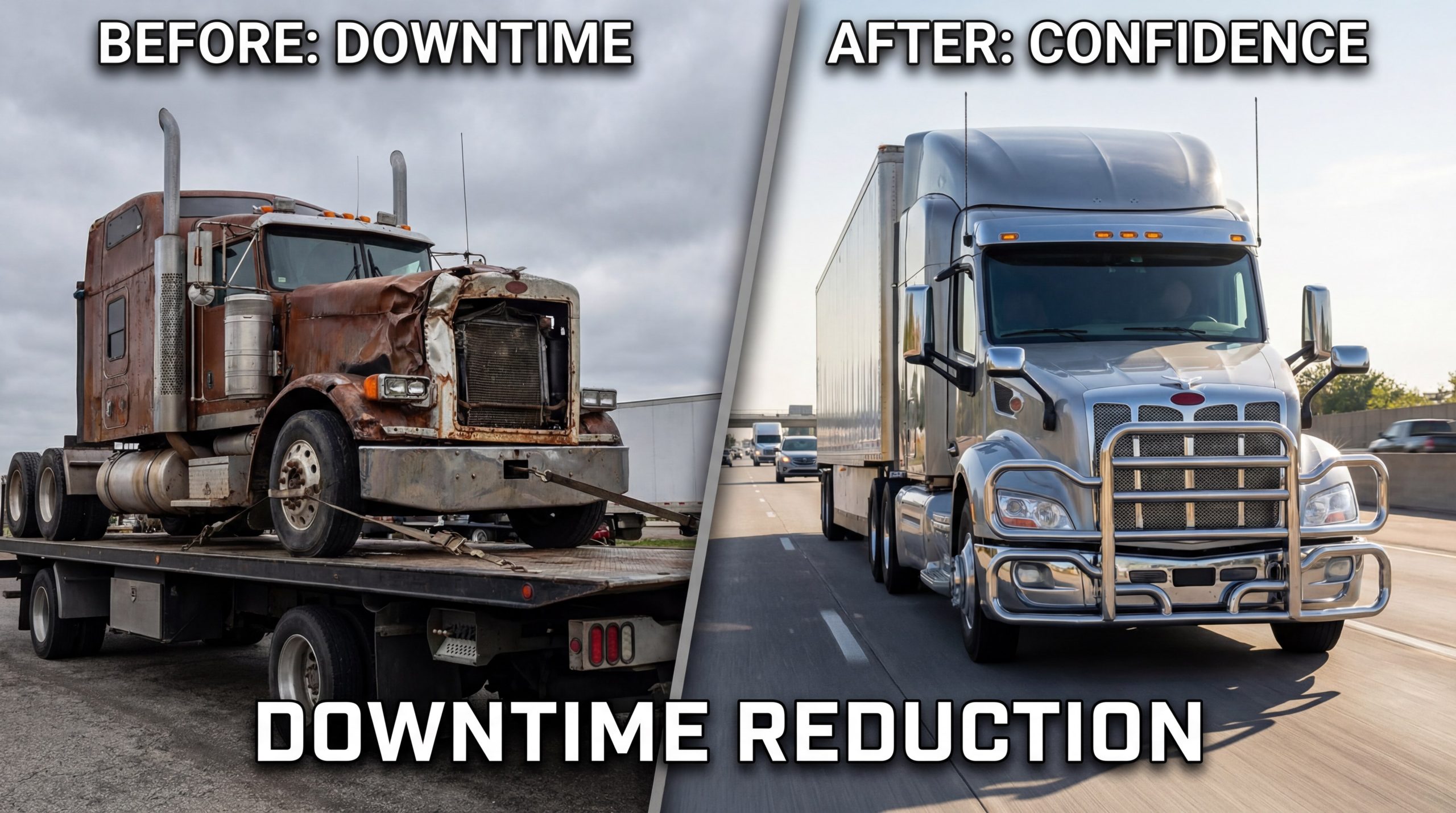
Yes, they significantly reduce downtime by preventing the types of front-end damage that typically require long lead times for OEM parts. Because stainless steel grille guards protect the cooling and electrical systems, many trucks can continue operating even after a minor strike. This reliability keeps your supply chain moving and prevents the loss of time-sensitive cargo.
Keeping the Wheels Turning
An idle truck is a liability that costs the company hundreds of dollars every hour it sits in a repair bay. Avoiding common front-end accidents keeps your drivers on the road and your customers satisfied.
- Bypass the Body Shop: Avoid lengthy waits for fiberglass hoods and custom fenders.
- Maintain Deliveries: Ensure on-time performance despite the hazards of night driving.
- Driver Retention: Drivers feel safer and more confident in vehicles equipped with robust protection.
Think about this: Downtime is often more expensive than the actual repair bill when you factor in lost revenue and driver pay.
Key Takeaway: Minimizing mechanical failures following road incidents is the fastest way to improve fleet availability.
| Incident | Standard Downtime | With Protection | |
|---|---|---|---|
| Debris Impact | 2-3 Days | 0 Days | |
| Animal Strike | 2-4 Weeks | 1-2 Days | |
| Minor Collision | 5-7 Days | 0 Days |
Reducing the severity of road incidents ensures that your fleet remains active and profitable throughout the year.
9. How Should Fleets Implement New Stainless Steel Grille Guards?
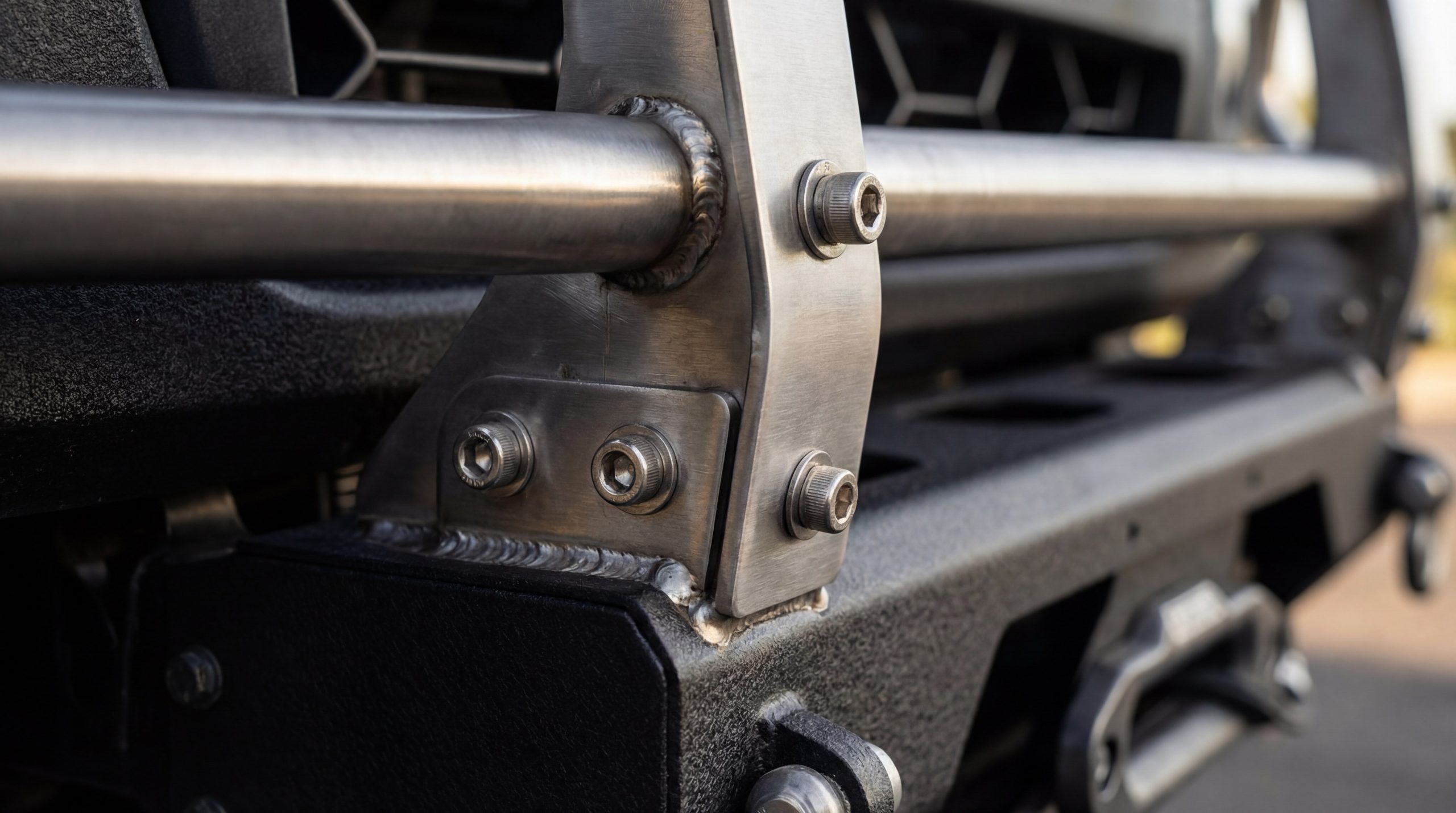
Implementation should begin with a pilot program on high-risk routes followed by a phased rollout during scheduled vehicle replacement cycles. Integrating stainless steel grille guards into your original vehicle specification ensures that every truck enters service with a uniform level of safety. Standardizing your hardware across the fleet simplifies installation and makes driver training more consistent.
Best Practices for Deployment
Consistency is the key to managing a large-scale fleet protection program effectively. Working with a dedicated manufacturer ensures that you have the right fitment and support for every truck in your yard.
- Audit High-Risk Routes: Identify where wildlife strikes and debris damage are most frequent.
- Standardize Hardware: Use the same guard models across similar truck brands for ease of maintenance.
- Vendor Partnership: Establish a relationship for reliable lead times and technical fitment guides.
Here is the truth: A well-planned rollout reduces installation errors and ensures every vehicle is protected from day one.
Key Takeaway: Phased implementation allows fleets to measure the reduction in repair costs and validate the investment.
| Phase | Activity | Target Goal | |
|---|---|---|---|
| Evaluation | Route Analysis | Identify Risk Zones | |
| Specification | Guard Selection | Uniform Standards | |
| Rollout | PM Installation | Full Fleet Protection |
Strategic implementation ensures that the benefits of stainless steel protection are realized across the entire operational footprint.
10. Why Is Material Selection Vital for Fleet Safety Standards?
Material selection is the foundation of any safety program because it dictates how a vehicle will respond in emergency collision scenarios. High-grade stainless steel grille guards provide predictable performance and structural integrity that other materials cannot match over long service lives. Choosing quality materials ensures that your fleet meets the highest standards of safety for both the driver and the public.
Strengthening Fleet Safety Culture
Safety is not just about compliance; it is about providing your drivers with the best possible tools to survive a dangerous situation. Premium materials show a commitment to driver welfare that goes beyond the minimum requirements.
- Predictable Performance: Stainless steel behaves consistently under impact loads.
- Structural Integrity: Maintains its shape and strength through vibrations and temperature swings.
- Sustainability: Stainless steel is 100% recyclable, fitting into modern corporate responsibility goals.
Look: A safe fleet is a productive fleet, and safety starts with the equipment you put on the front of the truck.
Key Takeaway: High material standards are the best defense against the unpredictable nature of heavy-duty highway operations.
| Standard | Stainless Steel | Coated Steel | |
|---|---|---|---|
| Impact Strength | High | Moderate | |
| Longevity | 5/5 Stars | 3/5 Stars | |
| Sustainability | Excellent | Moderate |
By prioritizing material quality, fleet managers ensure that their safety equipment performs exactly when it is needed most.
Conclusion
Choosing the right front-end protection is a strategic decision that affects your fleet’s profitability, safety, and long-term asset value. At Brontec, we are dedicated to providing the heavy-duty trucking industry with protection solutions that exceed North American standards for durability and performance. We believe that every driver deserves the confidence of a reinforced front end, and every fleet manager deserves the peace of mind that comes with reduced downtime. For a customized protection strategy that fits your specific operational needs, contact us today and see how we can enhance your fleet’s resilience on the road.
Frequently Asked Questions
Can I install these guards on any truck model?Yes, because our guards are engineered with precision mounting systems to fit all major Class 8 platforms including Freightliner, Kenworth, and Peterbilt.
What’s the best way to clean stainless steel?The best method is using standard soap and water; stainless steel’s natural finish resists staining and rarely requires specialized polishing.
How do these guards affect the truck’s warranty?Concise judgment: They do not void OEM warranties. Reason: Our mounting systems are designed to integrate with existing frame holes without requiring structural modifications.
Will a grille guard reduce my insurance premiums?Concise judgment: It often leads to lower costs. Reason: Many providers recognize the reduction in claim severity associated with front-end protection systems.
Can I transfer a guard to a new truck later?Concise judgment: Yes, with the correct mounting brackets. Reason: The durability of stainless steel ensures the guard will likely outlast the truck’s primary service cycle.