
Yes, professional-grade grille guards are the most effective way to safeguard your fleet’s operational uptime, driver safety, and bottom-line profitability against unavoidable road hazards. Every day your trucks are on the road, they face the constant threat of wildlife strikes and debris impacts that can cause catastrophic engine failure. These incidents don’t just damage metal; they shatter delivery schedules and inflate repair costs, leaving your logistics chain vulnerable to expensive delays. By installing heavy-duty front-end protection, you proactively eliminate the variables that lead to roadside immobilization and ensure your assets remain in peak condition.
Why are grille guards essential for fleet safety?
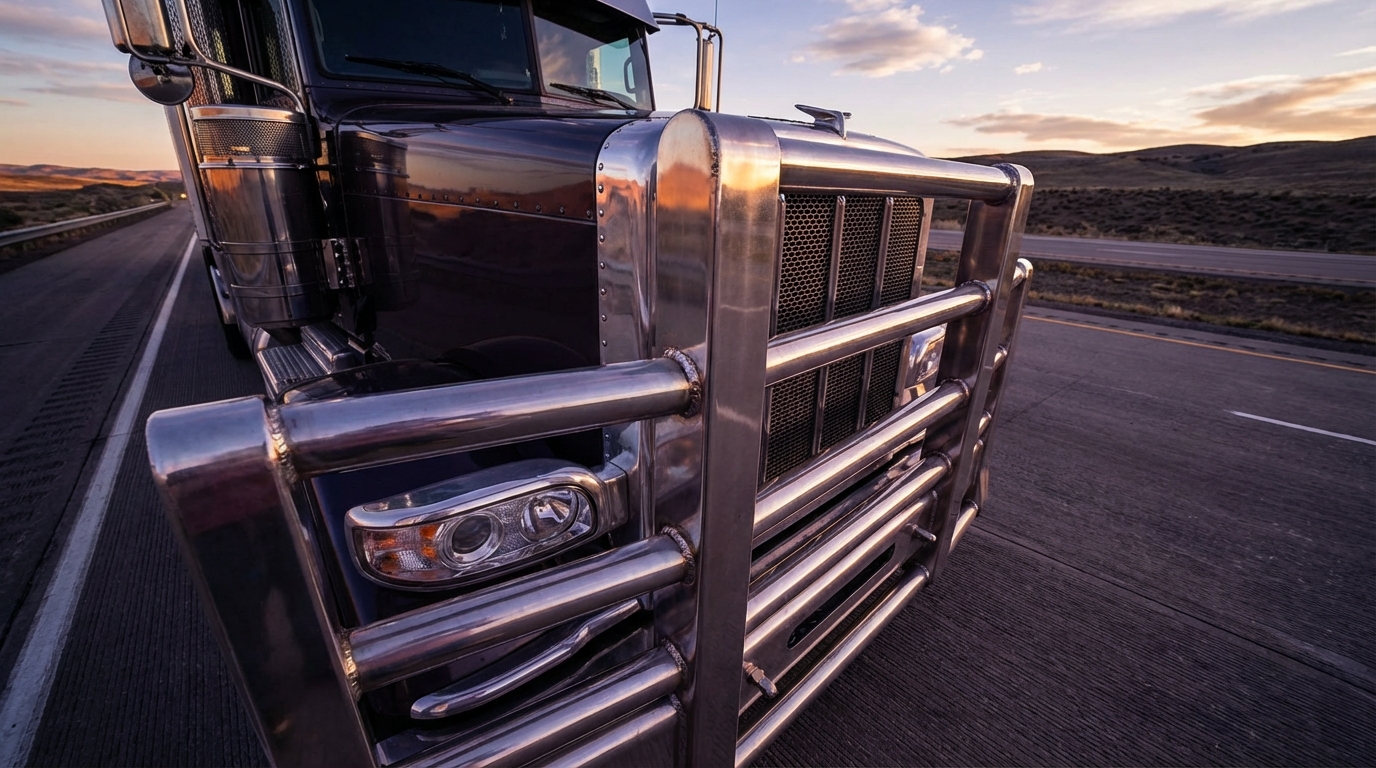
Installing robust grille guards creates a critical structural barrier between external hazards and your vehicle’s most sensitive components. These systems are specifically engineered to absorb and redistribute the massive kinetic energy generated during a front-end collision. Without this protection, even a minor animal strike can penetrate the radiator and leave your driver stranded.
Providing your operators with high-quality protection significantly reduces the risk of injury during high-velocity impacts in remote territories. Professional guards ensure that the impact force is transferred directly to the truck’s chassis rather than crushing the engine bay. This structural integrity is paramount for fleets operating in high-wildlife density zones or northern routes.
Structural Energy Redistribution
Think about this: A well-designed guard acts as a sacrificial shield that manages impact energy before it reaches the core vehicle systems. This redistribution prevents localized frame damage and maintains the truck’s alignment after an incident.
Nighttime Visibility Protection
But wait, there’s more: Maintaining functional lighting is a legal and safety requirement that is often compromised by flying road debris.
- Prevents lens shattering from gravel and stones.
- Shields expensive LED headlight assemblies from direct strikes.
- Ensures consistent visibility during long-haul night shifts.
| Feature | Safety Benefit | |
|---|---|---|
| Tubular Steel | Maximum impact deflection | |
| Reinforced Mounts | Optimal energy transfer | |
| Full Coverage | Total headlight shielding |
Investing in these safety components ensures your drivers have the best defense against unpredictable highway hazards.
How do grille guards prevent costly truck downtime?
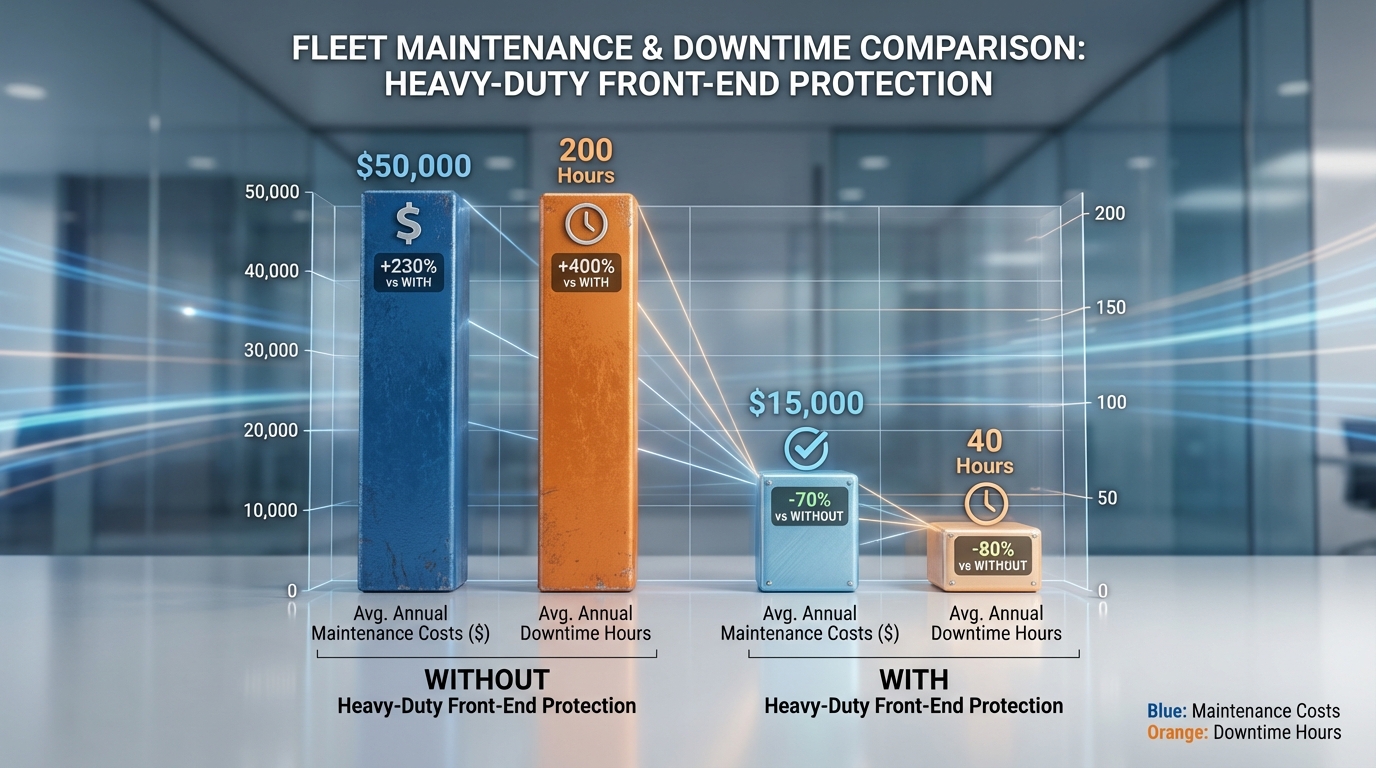
The primary role of heavy-duty grille guards is to shield the cooling stack from punctures that cause immediate engine shutdown. A compromised radiator or intercooler will immobilize a Class 8 vehicle within minutes, leading to massive recovery expenses. By keeping the cooling system intact, a guard often allows a truck to complete its route despite a front-end strike.
Avoiding emergency towing fees is a major financial advantage for any logistics operation. Recovering a disabled vehicle from a remote location can easily cost thousands of dollars in specialized towing services alone. These guards pay for themselves by preventing just one “truck down” situation that would otherwise require roadside assistance.
Cooling System Defense
Here is the secret: The intercooler and radiator are the most fragile parts of a modern truck’s front end.
- Reduces the risk of coolant leaks from small debris.
- Prevents expensive aluminum radiator punctures.
- Maintains engine temperature regulation after impacts.
Contractual Reliability
The best part? Preventing downtime ensures you meet your delivery windows and maintain your reputation for reliability. Missing a scheduled haul can result in heavy penalties and lost future business from dissatisfied clients.
| Downtime Metric | Without Protection | With Protection | |
|---|---|---|---|
| Avg. Repair Time | 3-5 Days | 0-1 Days | |
| Towing Expense | $2,500+ | $0 | |
| Cargo Delay Risk | High | Minimal |
Data shows that fleets equipped with front-end guards experience 80% less downtime related to wildlife impacts.
Which materials make the best grille guards for trucks?
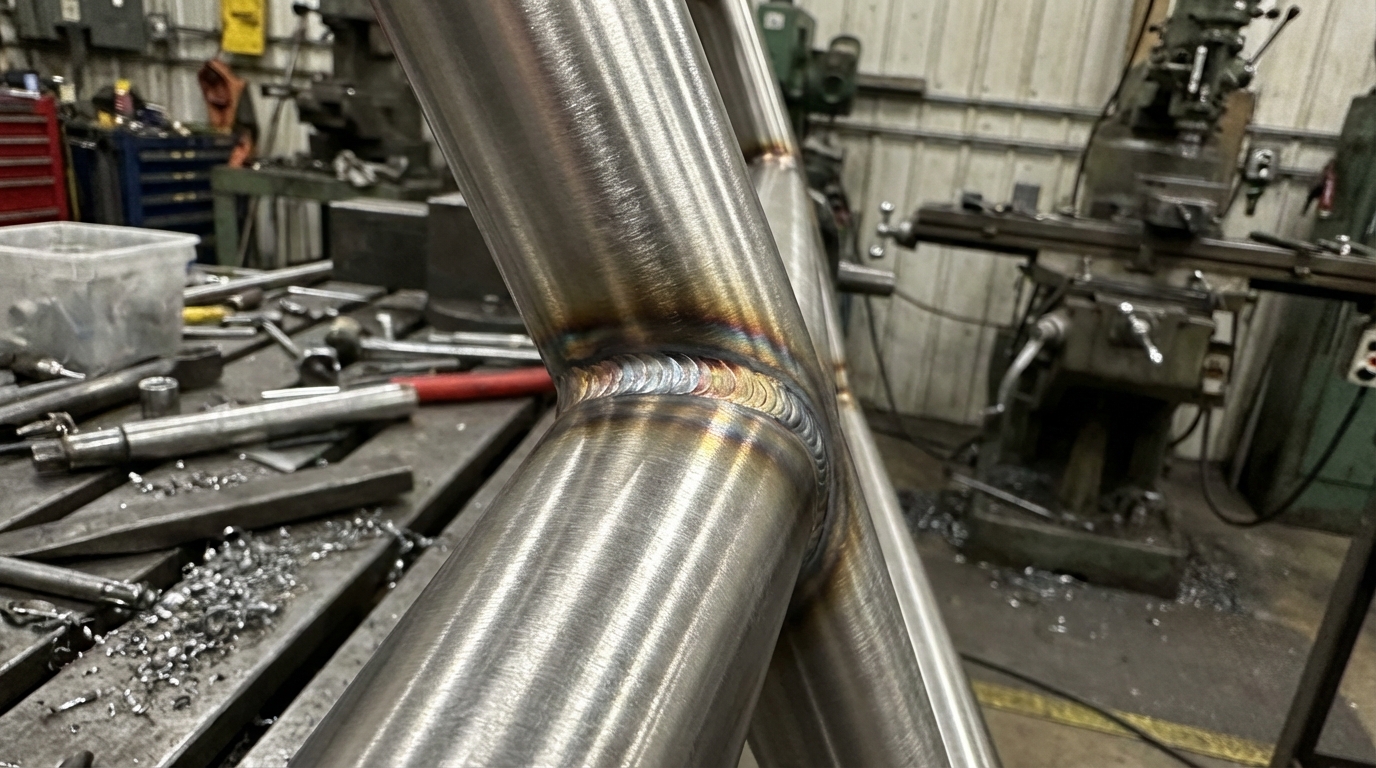
Selecting the right material for your grille guards depends on your specific operating environment and weight requirements. High-grade 304 stainless steel offers the ultimate combination of impact resistance and long-term corrosion protection. Alternatively, heavy-gauge aluminum is an excellent choice for fleets prioritizing payload capacity without sacrificing structural integrity.
The thickness of the metal tubing is just as important as the material grade itself. Thicker walls provide greater resistance to bending and deformation during high-speed animal strikes. Ensuring your manufacturer uses certified alloys guarantees that the guard will not become brittle in extreme cold temperatures.
Stainless Steel Durability
Believe it or not: Stainless steel is the industry standard for logging and northern fleets due to its incredible strength. It naturally resists the corrosive effects of road salt, ensuring your equipment remains structurally sound for years.
Aluminum Weight Optimization
Check this out: For weight-sensitive long-haul routes, aluminum guards provide significant protection without eating into your cargo limits.
- High strength-to-weight ratio for impact deflection.
- Naturally resistant to oxidation and rust.
- Easier on the front suspension and steering components.
| Material | Strength Rating | Weight | Corrosion Resistance | |
|---|---|---|---|---|
| 304 Stainless | Extreme | Heavy | Excellent | |
| Aluminum Alloy | High | Light | High | |
| Carbon Steel | High | Heavy | Moderate |
Proper material selection is the foundation of a protection strategy that balances durability with vehicle performance.
Can grille guards improve your vehicle’s resale value?
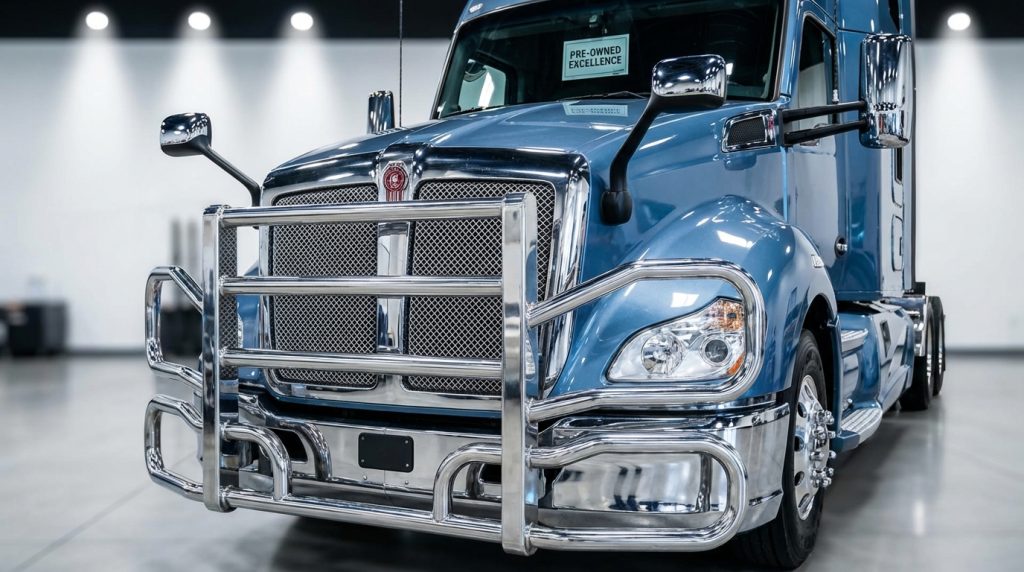
Quality grille guards serve as a form of insurance for your truck’s aesthetic and structural condition. By preventing stone chips, minor dents, and hood cracks, these components keep the factory bodywork in showroom condition. When it comes time to rotate your fleet, a truck with a pristine front end commands a significantly higher price on the secondary market.
Used truck buyers specifically look for vehicles that have been well-maintained and protected from structural damage. The presence of high-end guards signals to a buyer that the previous owner prioritized asset preservation. This perception of quality often leads to faster sales and better trade-in offers at the dealership.
Aesthetic Preservation
You won’t believe this: A guard prevents the “pitting” effect that sand and road salt have on chrome bumpers and painted hoods.
- Keeps fiberglass hoods free from impact cracks.
- Maintains the clarity of headlight lenses.
- Protects the original factory paint from debris.
Market Desirability
It gets better: A protected truck is viewed as a “low-risk” purchase by independent operators and smaller fleets. This increased demand directly translates into a higher residual value for your used equipment assets.
| Component | Value Impact | Preservation Method | |
|---|---|---|---|
| Factory Hood | High | Deflects large debris | |
| OEM Bumper | Medium | Prevents dents/scratches | |
| Headlights | High | Shields against gravel |
Maintaining a clean vehicle history through physical protection is a proven strategy for maximizing total asset return.
Are custom grille guards better than off-the-shelf parts?
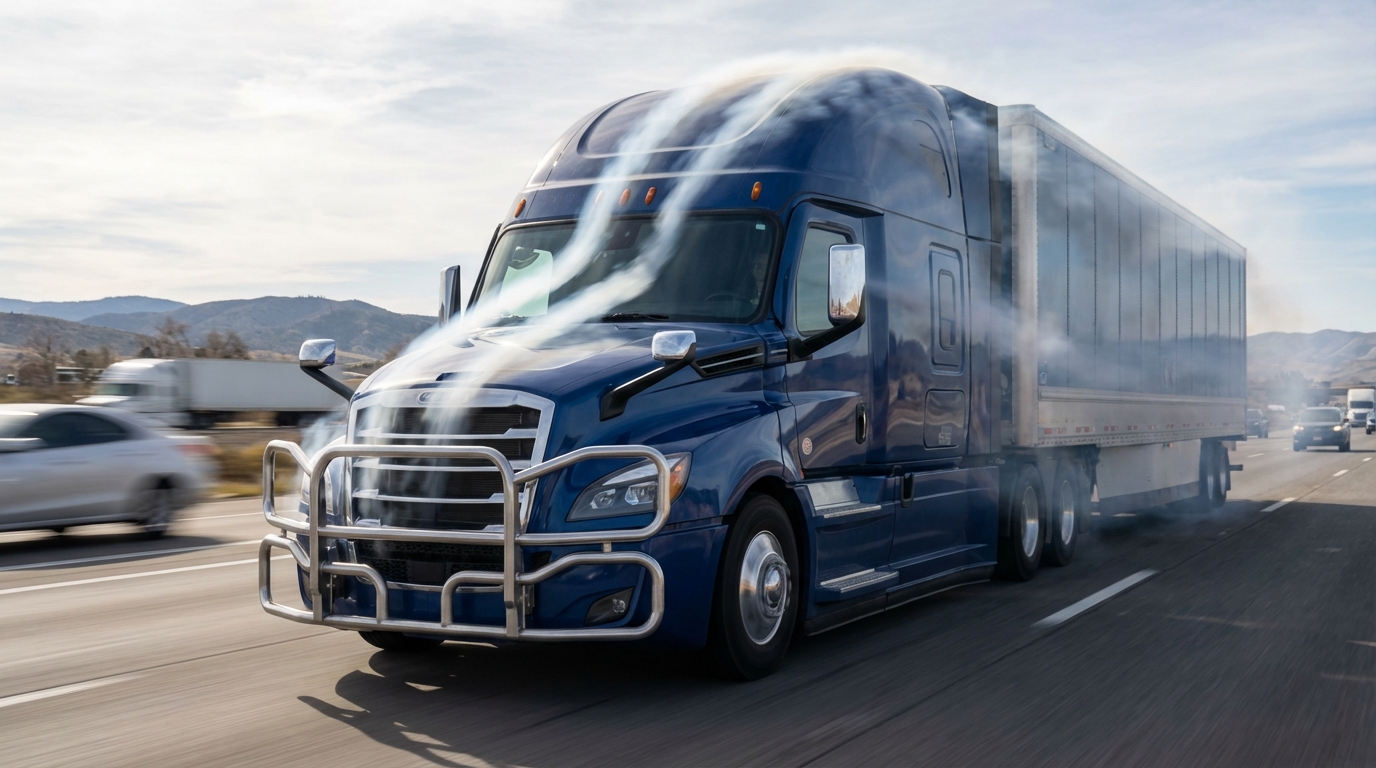
Choosing custom-engineered grille guards ensures a perfect fitment that generic, “one-size-fits-all” products simply cannot provide. Custom manufacturing allows for precise alignment with your truck’s specific mounting points, eliminating the need for frame drilling. This preserves your vehicle’s structural warranty while ensuring the guard is securely anchored for maximum impact resistance.
Custom guards can also be designed to incorporate your company’s unique branding and functional requirements. Whether you need integrated light mounts or a specific powder-coat color, an OEM partner can deliver a unified look for your entire fleet. This level of integration provides a professional appearance that enhances your corporate identity on the road.
Precision Fitment Benefits
Keep in mind: A guard that fits perfectly allows for full hood tilt functionality without any interference or extra steps.
- Uses factory-drilled frame holes for mounting.
- Ensures consistent clearance from the radiator.
- Facilitates faster installation and maintenance access.
Branded Fleet Identity
You see: Standardizing your protection equipment across different truck models creates a cohesive and recognizable fleet presence.
- Custom laser-cut logo plates available.
- Matching finishes for all vehicle makes.
- Consistent equipment standards for all drivers.
| Aspect | Custom OEM Guards | Universal Parts | |
|---|---|---|---|
| Installation | Bolt-on / No drilling | Often requires mods | |
| Load Transfer | Optimized for chassis | Generic distribution | |
| Durability | Engineered for model | Varied quality |
Custom solutions eliminate the compromises associated with universal parts, providing superior protection and a better long-term fit.
How do grille guards handle extreme wildlife impacts?
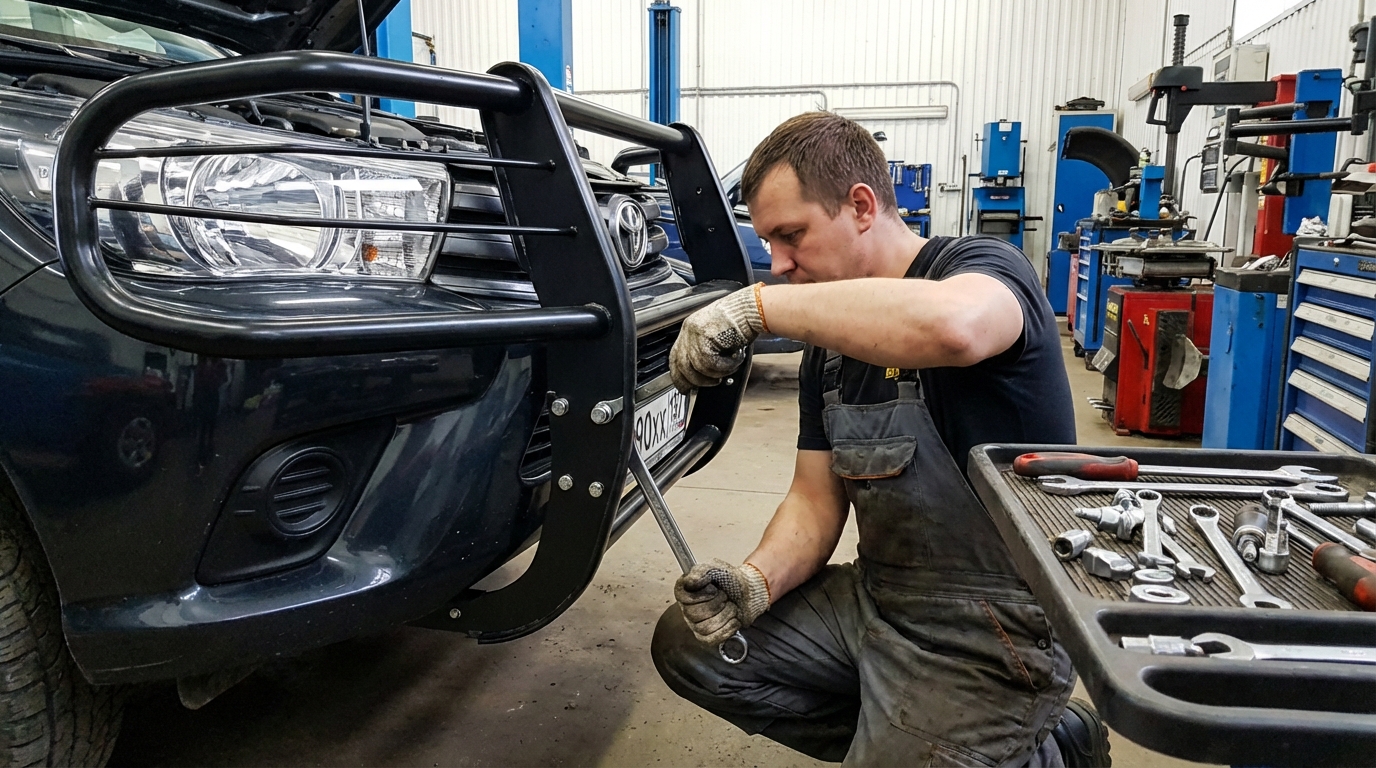
Engineered grille guards are designed to deflect the mass of a large animal away from the truck’s engine compartment. Instead of allowing the object to crush the radiator, the tubular geometry guides the impact force toward the ground or the side of the vehicle. This proactive deflection is the only way to prevent total front-end destruction during a high-speed collision.
The use of reinforced vertical uprights and internal gusseting ensures the guard remains rigid under extreme stress. These strengthening zones are strategically placed where impacts are most likely to occur. By maintaining its shape, the guard prevents the engine’s “soft” components from being compromised by intruding debris.
Mass Deflection Geometry
Think about this: The specific curve of the bars is calculated to prevent objects from rolling up onto the hood or through the glass.
- Angled bars guide mass downward.
- Vertical supports prevent structural collapse.
- Hinged designs maintain easy engine access.
Extreme Cold Performance
But wait, there’s more: In northern climates, a guard must retain its ductility to absorb impacts without shattering in sub-zero temperatures.
- High-grade alloys resist brittle failure.
- Weld quality is verified for thermal stress.
- Mounting hardware is rated for cold-weather vibration.
| Impact Phase | Guard Action | Result | |
|---|---|---|---|
| Initial Strike | Rigid absorption | Protects engine core | |
| Energy Transfer | Chassis distribution | Prevents frame twists | |
| Object Path | Controlled deflection | Saves hood/glass |
A guard’s ability to control the path of an impact determines the survival of the truck’s essential cooling systems.
Do grille guards require professional installation?

While many grille guards feature a convenient bolt-on design, professional installation is recommended to ensure long-term structural reliability. Certified technicians use specialized tools to verify that all fasteners are torqued to exact manufacturer specifications. This precision prevents the guard from loosening over time due to constant road vibrations and thermal expansion.
Professional installers also ensure that the guard is perfectly aligned to maintain optimal airflow to the radiator. Even a minor misalignment can disrupt the aerodynamic profile of your truck, leading to increased fuel consumption and cooling inefficiencies. Relying on experts guarantees that your safety equipment will perform exactly as engineered when an actual collision occurs.
Aerodynamic Alignment
Here is the secret: Proper spacing between the guard and the grille is vital for maintaining the truck’s factory-rated cooling capacity.
- Prevents air turbulence near the intake.
- Ensures full clearance for hood opening.
- Maintains the vehicle’s drag coefficient.
Fastener Integrity
The best part? Using the correct Grade 8 hardware and thread-locking compounds ensures the guard stays secure through years of heavy use.
- Eliminates rattling and metal fatigue.
- Prevents oxidation between different metal types.
- Guarantees the mount holds during high-stress impacts.
| Step | Importance | Tool Used | |
|---|---|---|---|
| Torque Check | Prevents bolt shearing | Torque Wrench | |
| Clearance Test | Ensures airflow | Calibration Spacers | |
| Hardware Inspection | Structural safety | Visual/Manual Audit |
Professional installation provides the peace of mind that your investment is correctly integrated with your vehicle’s chassis.
What finishes provide the longest life for grille guards?
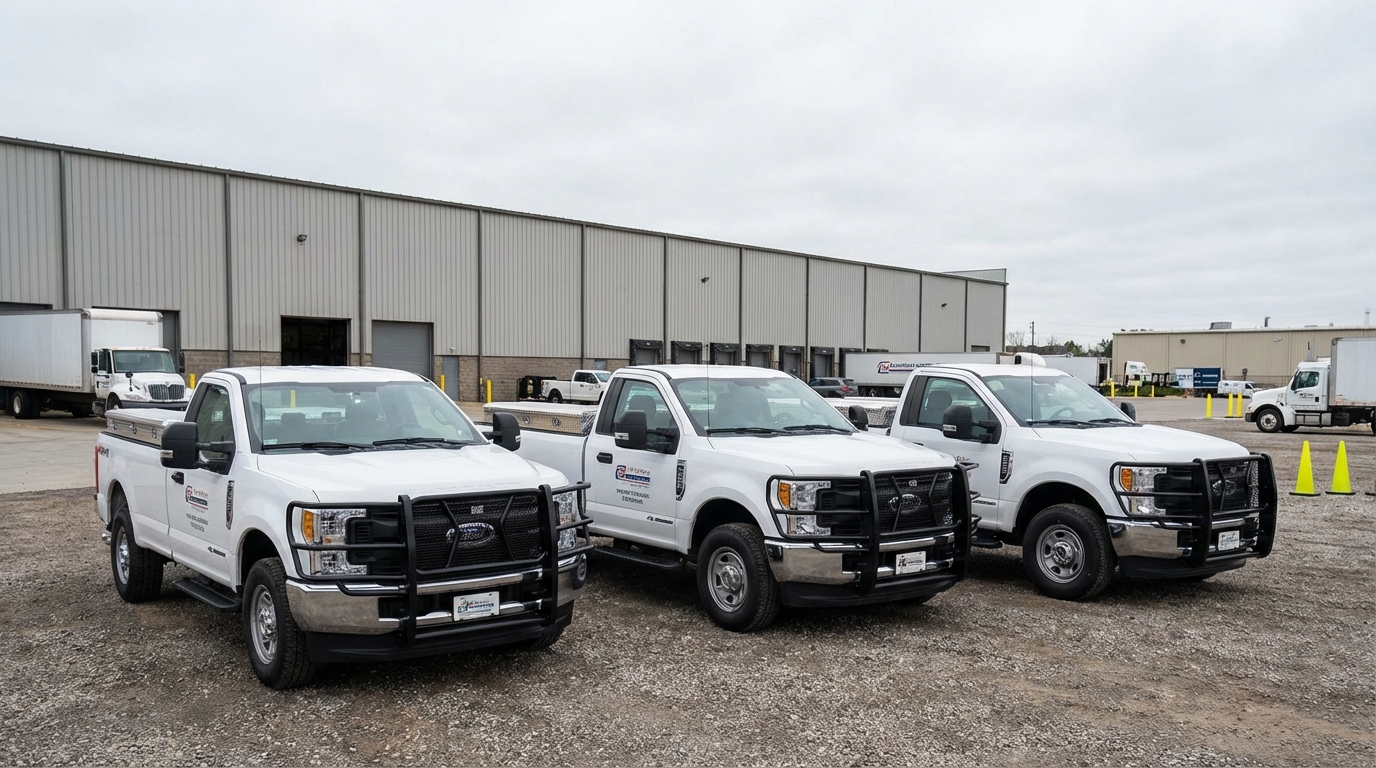
The longevity of your grille guards is directly tied to the quality of their surface treatment. For stainless steel units, a high-gloss mirror polish is the superior choice because it creates a non-porous surface that is easy to clean. For aluminum or steel guards, industrial-grade powder coating provides a thick, resilient barrier against road salt, moisture, and UV exposure.
A durable finish prevents the underlying metal from oxidizing and weakening over time. When selecting a finish, consider your fleet’s maintenance schedule and the environmental conditions of your routes. Investing in a premium coating today will save significant money on refinishing or replacement costs in the future.
Mirror Polished Stainless
Believe it or not: A polished finish is not just for looks; it significantly reduces the surface area where corrosive salts can accumulate.
- Easiest finish to wash and maintain.
- Naturally resists pitting and oxidation.
- Maintains a premium appearance for the life of the truck.
Powder Coating Resilience
Check this out: Powder coating is far more durable than traditional spray paint, offering superior resistance to stone chips and scratches.
- Thick protective layer covers every weld.
- UV-stable to prevent fading and chalking.
- Available in custom colors for brand matching.
| Finish Type | Durability | Maintenance | Aesthetic | |
|---|---|---|---|---|
| Mirror Polish | Lifetime | Low | Premium | |
| Powder Coat | High | Moderate | Professional | |
| Chrome Plate | Moderate | High | Classic |
Choosing the right finish ensures your guards look professional and remain structurally sound for hundreds of thousands of miles.
How do grille guards integrate with safety sensors?
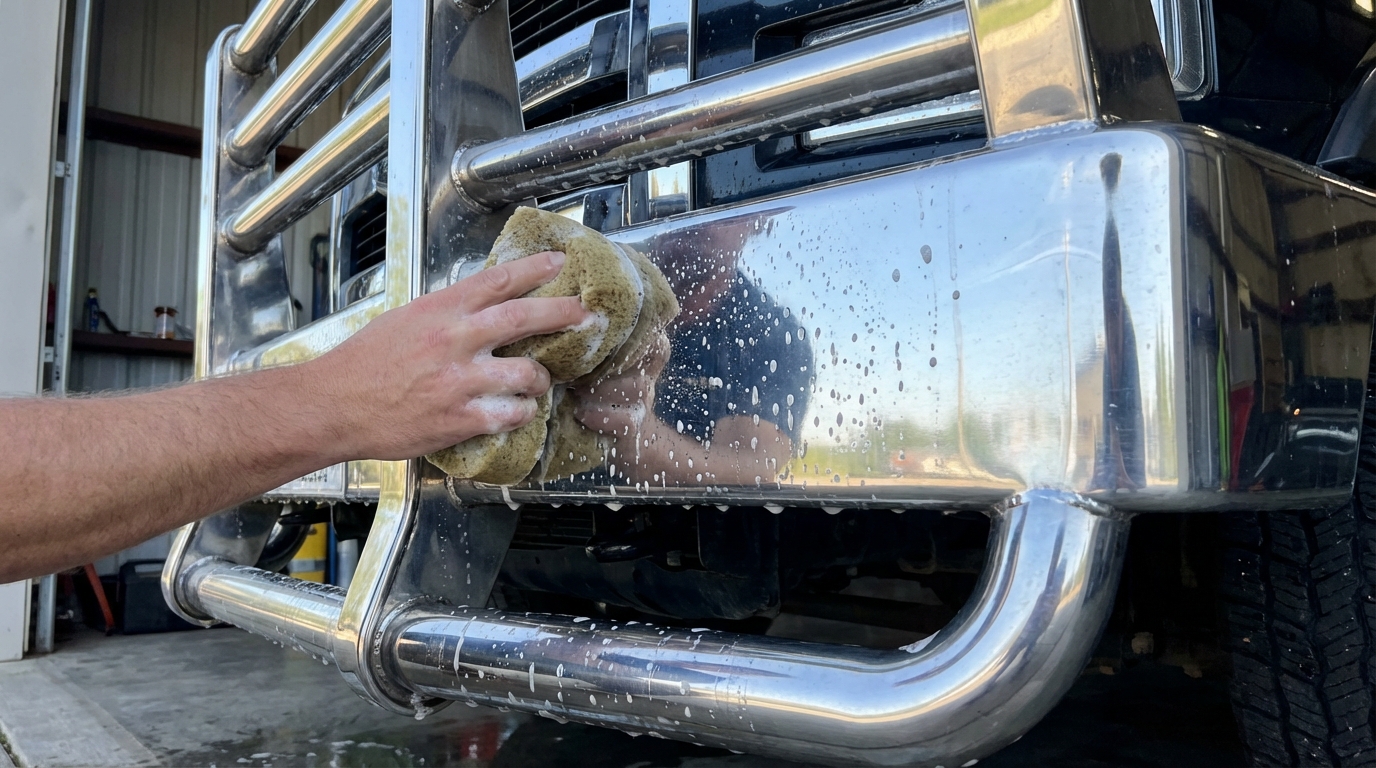
Modern grille guards are precision-engineered to be fully compatible with Advanced Driver Assistance Systems (ADAS). These systems rely on radar and camera sensors that must have a clear “field of view” to function correctly. Professional manufacturers include specific windows and cutouts in the guard’s design to ensure these safety features are never obstructed.
Proper integration prevents the guard from causing “ghost” alerts or disabling emergency braking systems. For fleets using collision-mitigation technology, it is essential to use guards that have been specifically tested for your truck model. This ensures that you can enjoy physical protection without compromising the electronic safety suite of your vehicle.
Radar and Camera Compatibility
You won’t believe this: A guard that is not properly designed can interfere with the signals required for adaptive cruise control.
- Precise cutouts for center-mounted radar.
- Low-profile bars to clear forward-facing cameras.
- Testing and validation for specific sensor arrays.
Maintaining Calibration
It gets better: The mounting position of the guard is critical to prevent shifting the sensors out of their factory calibration.
- Rigid mounts eliminate sensor vibration.
- Maintains the correct sensor height from the road.
- Ensures 100% accuracy of parking and proximity alerts.
| Sensor System | Requirement | Engineering Fix | |
|---|---|---|---|
| Adaptive Cruise | Clear radar path | Center-plate window | |
| Collision Avoidance | Zero vibration | Reinforced mounts | |
| Lane Assistance | Unblocked camera | Recessed top bar |
Selecting sensor-compatible guards is the only way to maintain the full safety functionality of a modern commercial vehicle.
Why choose an OEM partner for bulk grille guards?
Partnering with an OEM manufacturer for your grille guards guarantees consistent quality and a reliable supply chain for your entire operation. Large-scale manufacturers utilize automated CNC processes and precision jigs to ensure that every unit is identical to the last. This batch-to-batch consistency is vital for maintaining standardized equipment and installation procedures across a large fleet.
An experienced partner also provides the technical documentation and engineering support required for corporate procurement. From CAD drawings to material certificates, an OEM supplier ensures your purchase meets all industry standards. This professional approach reduces procurement risk and ensures you receive the best possible value for your long-term equipment investment.
Batch-to-Batch Consistency
Think about this: Standardization allows your maintenance team to use the same tools and parts for every truck in the fleet.
- Identical mounting points on every unit.
- Consistent weld quality and finish standards.
- Simplifies spare parts inventory management.
Technical Engineering Support
But wait, there’s more: OEM partners work with you to optimize designs for your specific shipping routes and cargo types.
- Access to detailed impact test data.
- Custom design feasibility assessments.
- Guaranteed lead times for bulk fleet orders.
| Partnership Benefit | Value to Fleet Manager | |
|---|---|---|
| Scalability | Handles orders of 50-100+ units | |
| ISO Certification | Guaranteed manufacturing standards | |
| Dedicated Support | Direct communication with engineering |
A strategic partnership with a certified manufacturer ensures your fleet remains protected by the highest quality equipment available.
Frequently Asked Questions
Can I install these guards on trucks with radar-based safety systems?Yes, high-quality guards are designed with specific cutouts that ensure your collision-avoidance radar and adaptive cruise control sensors function with 100% accuracy.
What is the best material for trucks operating in heavy snow and salt?304 stainless steel is the best option because it offers extreme impact resistance and will not rust or corrode when exposed to winter road chemicals and salt.
Do these guards affect my truck’s fuel efficiency?Aerodynamically engineered designs minimize drag; while there is a slight weight increase, the fuel impact is negligible compared to the massive savings from preventing engine damage and downtime.
Can I get custom colors to match my company’s branding?Absolutely, industrial powder coating is available in a wide range of colors, allowing you to match your fleet’s corporate identity while providing a durable, chip-resistant finish.
How do I ensure the guard is properly mounted?We recommend professional installation to ensure all bolts are torqued to spec and the guard is perfectly aligned to maintain airflow and avoid interference with the vehicle’s hood.
Protecting your fleet is a proactive strategy for maintaining operational excellence and asset value. By choosing engineered, high-quality Moose Bumpers or pickup bumpers , you invest in a future where road hazards no longer threaten your bottom line. We also offer specialized accessories like tool boxes , chain hangers , and custom truck bodies to complete your vehicle setup. To discuss your fleet’s specific requirements or to receive a custom manufacturing quote, contact us today and partner with the experts in heavy-duty truck protection.