
A moose bumper for Canadian fleets is a heavy-duty truck front-end protection system designed to safeguard Class 8 vehicles operating in high-risk wildlife collision zones across Canada. Built as a frame-mounted grille guard, it helps absorb and redirect impact energy from moose, deer, and road debris, preventing severe damage to critical components such as radiators, inter coolers, and ADAS sensors.
In northern regions such as Alberta, British Columbia, and Ontario, long-haul trucks frequently operate on remote highways where wildlife encounters are unpredictable and emergency support is limited. In these conditions, a properly engineered moose bumper becomes a critical safety and operational asset for fleet reliability.
Without front-end protection, a single collision with a 1,200-pound moose can result in catastrophic downtime, costly repairs, and delayed deliveries—making fleet-wide protection strategies essential for logistics companies operating in cold climate routes.
What is a moose bumper anyway?
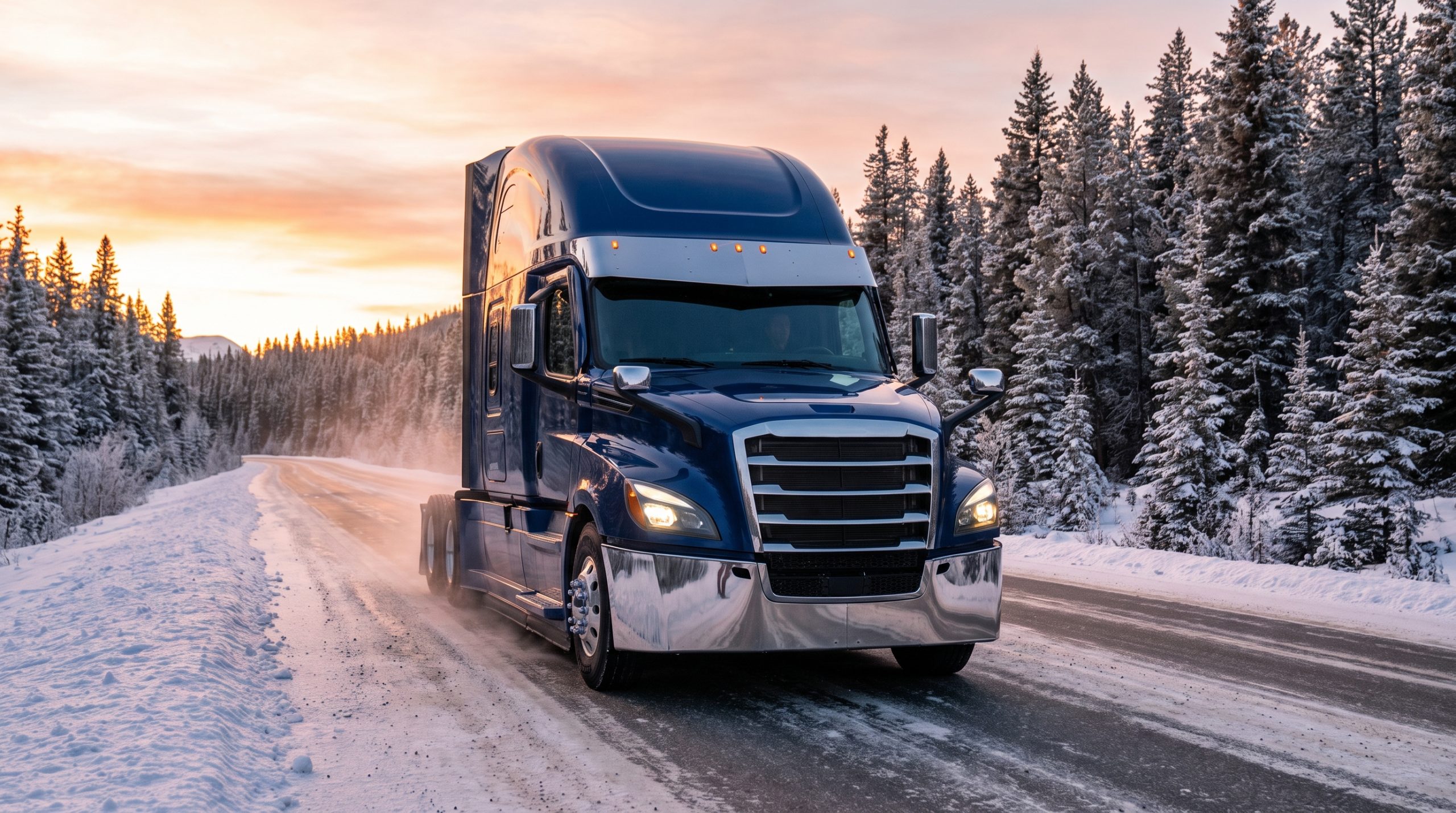
A moose bumper is a highly reinforced, frame-mounted protective shield designed to defend a semi truck’s front end from catastrophic collisions. Implementing a heavy-duty moose bumper for Canadian fleets is widely considered standard practice for operators navigating high-risk animal corridors. This front-end barrier acts as an energy-absorbing buffer, diverting structural impact forces away from delicate mechanical systems.
Unlike cosmetic aftermarket guards, these units use thick structural tubing to handle direct kinetic blows. They are engineered to survive where standard OEM body plastics completely disintegrate.
The structural makeup of a heavy-duty guard
When you inspect the build quality of a professional-grade guard, you will notice the structural differences immediately. These assemblies utilize heavy-duty vertical uprights and multi-point frame mounting. Think about it: a defense system is only as strong as its weakest connection.
You need a design that wraps fully around your headlights while maintaining solid center strength. Here is the kicker:
- Heavy-Gauge Tubing: Strong outer barriers protect expensive LED headlight assemblies.
- Solid Center Plate: High-impact plates shield the delicate grille.
- Direct-to-Frame Mounts: Sturdy steel brackets transfer collision forces straight to the truck’s chassis rails.
Key Takeaway: By acting as a dedicated sacrificial shield, a high-strength moose bumper prevents minor road collisions from escalating into catastrophic engine failures.
| Bumper Type | Material Thickness | Mounting Point | Primary Purpose | Impact Performance |
|---|---|---|---|---|
| Standard Factory Bumper | 1.5mm – 2.5mm Plastic | Body brackets | Aerodynamics & Aesthetics | Fails on light impact |
| Heavy-Duty Moose Bumper | 5mm Alloy or Steel | Direct to Chassis Rails | Front-end asset protection | Absorbs major strikes |
Assessing these structural differences highlights why standard components fall short under extreme highway conditions.
Why are animal strikes a major threat?
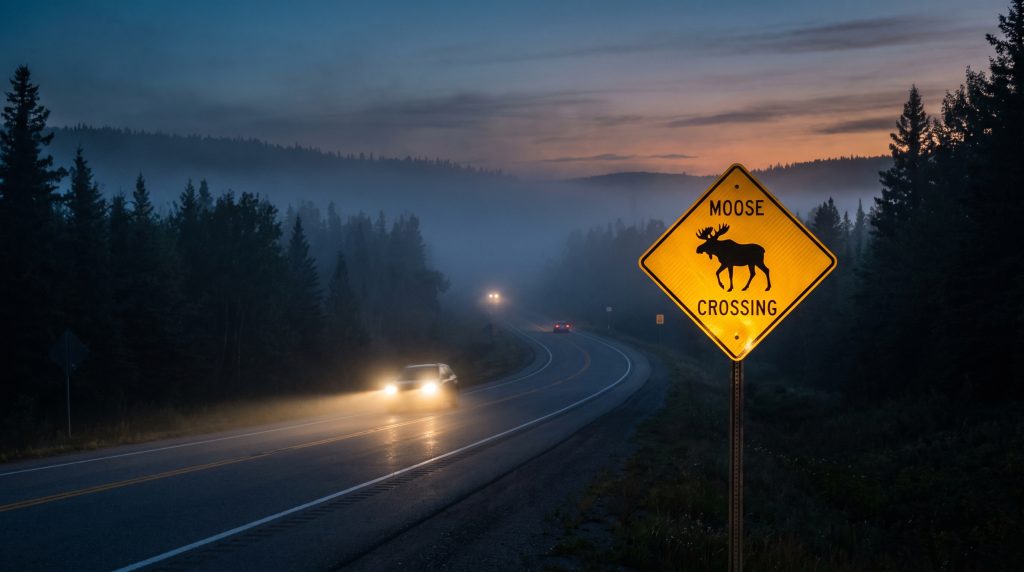
Animal strikes pose a massive threat because they deliver immense kinetic energy that can instantly disable a Class 8 truck. Installing a robust moose bumper for Canadian fleets is a proven strategy to mitigate this severe environmental hazard. Large wildlife animals like moose can weigh up to 1,200 pounds and stand incredibly tall, meaning their body mass frequently collides directly with your truck’s hood.
The resulting force routinely bypasses the bumper to crush your radiator and cabin. This puts your drivers at serious physical risk during night routes.
What are the financial costs of a strike?
When you hit a large animal at highway speeds, you are looking at much more than a cracked plastic bumper. Repairing crushed radiators, shattered grilles, and damaged hoods can easily set you back $15,000 to $30,000. And guess what?
- Towing Expenses: Remote heavy-duty recovery can cost thousands of dollars per incident.
- Cargo Spoiling: Stranded refrigerated loads can spoil, leading to massive cargo insurance claims.
- Rising Premiums: Frequent accident claims will cause your commercial insurance rates to skyrocket.
You must also consider the stress and safety of your driving staff when navigating these high-risk areas. Standardizing protection is the easiest way to give your operators peace of mind.
Key Takeaway: Wildlife collisions represent an unpredictable financial variable that can be effectively managed with robust physical barriers.
| Threat Level | Target Animal | Typical Weight | Potential Repair Cost | Recommended Protection Level |
|---|---|---|---|---|
| Severe | Moose / Elk | 800 – 1,200 lbs | $15,000 – $35,000 CAD | Maximum (5mm Premium Guard) |
| Moderate | Whitetail Deer | 150 – 300 lbs | $5,000 – $12,000 CAD | Standard Grille Guard |
The correlation between animal weight and repair costs emphasizes the necessity of installing heavy-duty physical shielding.
Is a moose bumper for Canadian fleets essential?
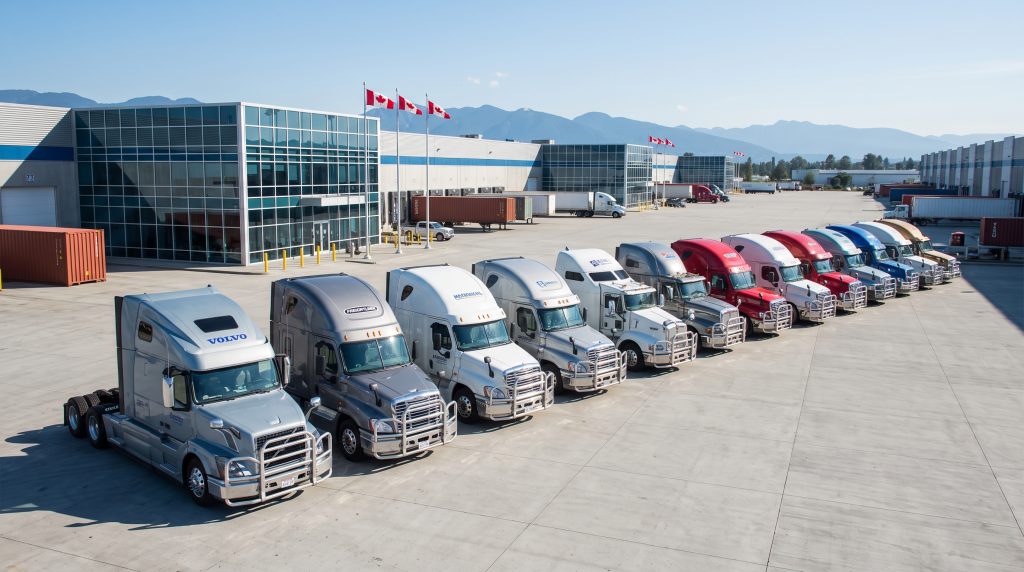
Yes, a heavy-duty front guard is highly essential for operations running northern routes due to extreme weather, isolated roads, and high wildlife density. Utilizing a specialized moose bumper for Canadian fleets is vital when logistics routes pass through remote logging corridors or desolate northern lanes. These vast stretches of highway offer little to no mobile reception or access to immediate roadside assistance.
If your truck breaks down in the sub-zero cold of northern Ontario, your driver’s safety becomes an immediate concern. Having a reinforced front guard is your primary insurance policy against being stranded in the wilderness.
Can you survive remote route challenges?
When you are hauling heavy payloads through the Yukon or northern Alberta, help is often hours away. You cannot afford to let a single deer or stray rock compromise your radiator. Think about it:
- Isolation Hazards: Being stranded without cell coverage puts your driver and cargo at risk.
- Severe Cold: Sub-zero temperatures weaken standard materials, making them brittle and easy to break.
- Flying Debris: Unpaved industrial roads constantly pelt your front grille with gravel.
By reinforcing your truck’s front end, you ensure your equipment remains fully drivable even after an impact. This keeps your logistics operations reliable under the most demanding environmental challenges.
Key Takeaway: Implementing robust front-end guards guarantees that your drivers remain safe and your cargo continues moving through remote territories.
| Operating Condition | Physical Impact on Truck | Required Moose Bumper Specification |
|---|---|---|
| Sub-Zero Temperatures (-40°C) | Increases metal and plastic brittleness | High-grade, impact-tested structural aluminum/steel alloys |
| Remote Logistics Corridors | Delayed towing, extreme repair costs | Full-width coverage protecting headlights, radiator, and bumper |
Examining these remote route challenges demonstrates why standard bumper designs are inadequate for Canadian winter logistics.
How do these bumpers protect your truck?
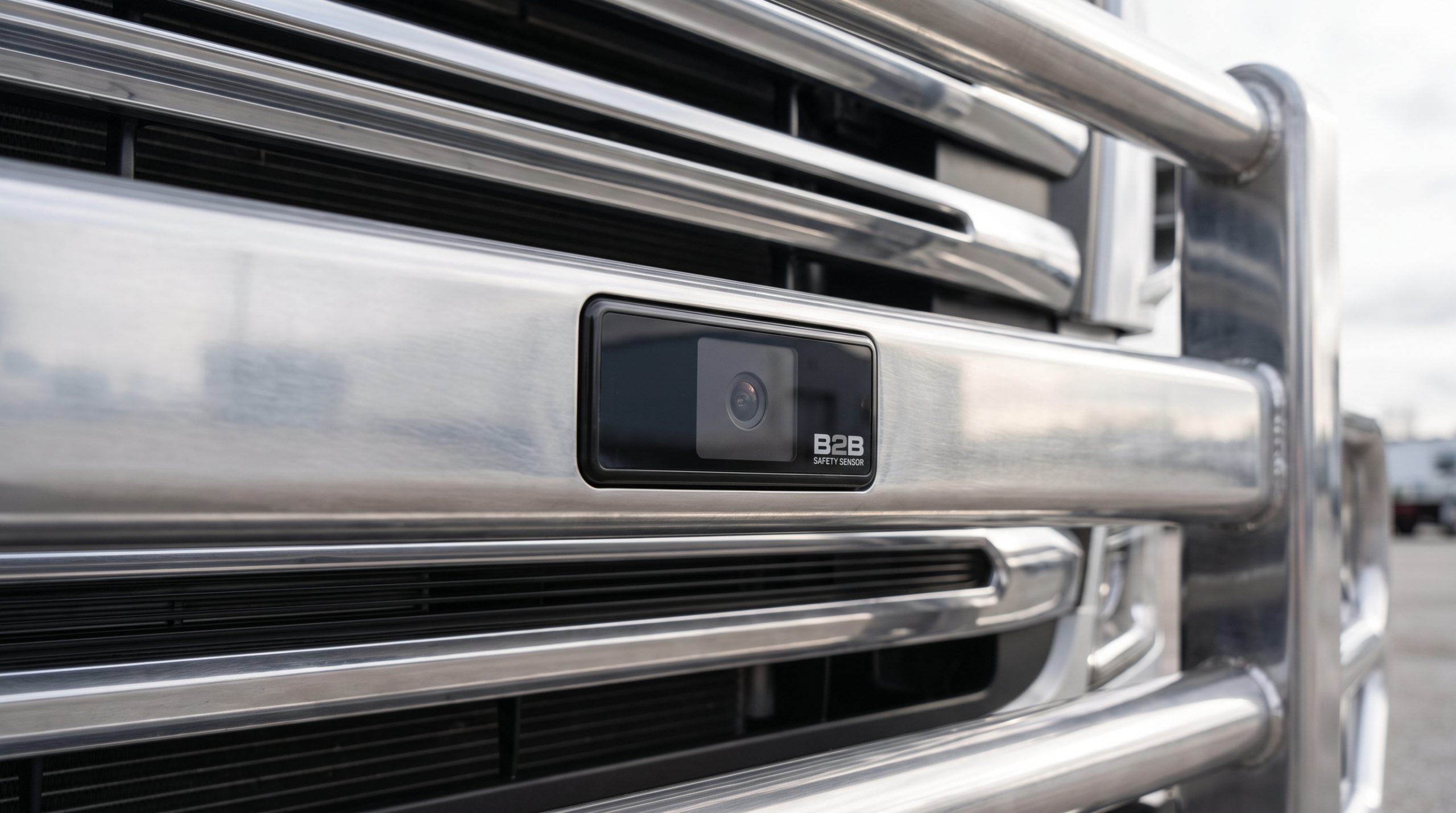
Moose bumpers protect your vehicle by absorbing the energy of an impact and diverting it directly into the structural frame rails. This design guarantees that a moose bumper for Canadian fleets will keep your core mechanical components safe during a collision. Without this protection, a front-end crash will instantly push your grille back into your engine accessories.
Modern trucks house incredibly sensitive technology and cooling units right at the front of the hood. Safeguarding these assets is critical to keeping your operational costs down.
How do they shield expensive components?
When you upgrade to premium grille guards, you shield several high-value components simultaneously. Modern Class 8 trucks feature advanced collision mitigation sensors and high-end LED headlight assemblies. Here is the kicker:
- Cooling Packages: Prevents coolant leaks by maintaining a rigid barrier in front of the radiator.
- Safety Sensors: Keeps radar units aligned and functioning to avoid dashboard error codes.
- Headlight Housings: Wraps around the edges to prevent expensive lamp breakage.
Protecting these components prevents cascading electrical and mechanical failures that require dealer-only diagnostics. You save thousands by simply maintaining structural integrity at the point of impact.
Key Takeaway: Moose bumpers prevent localized impacts from spreading and causing severe damage to your engine, cooling, and electrical systems.
| Front-End Component | Standard Replacement Cost (CAD) | Vulnerability Level | Bumper Protection Mechanism |
|---|---|---|---|
| Radiator & CAC Assembly | $6,000 – $12,000 | Critical | Full-width center shielding prevents direct punctures |
| LED Headlight Clusters | $2,000 – $4,500 | Very High | Outer wrap-around structural tubes deflect side impacts |
| Collision Mitigation Sensors | $1,500 – $3,500 | High | Elevated steel/aluminum frame mounts maintain sensor alignment |
Reviewing the financial differences between protected and unprotected components makes a clear case for immediate front-end upgrades.
What makes a premium-grade bumper?
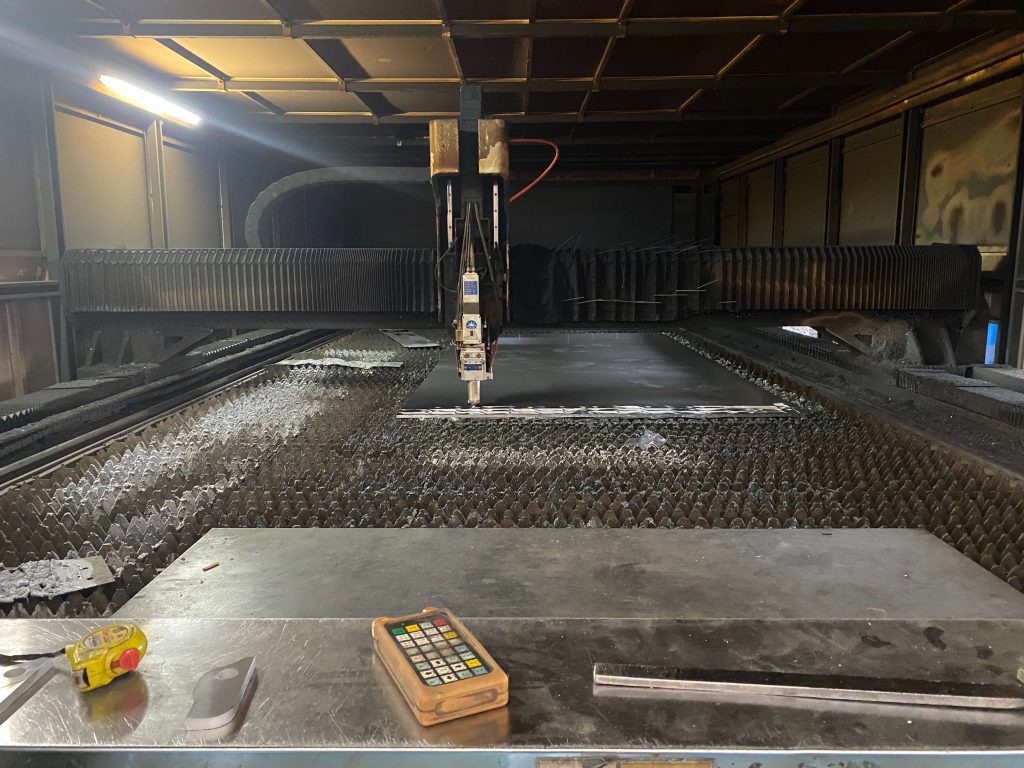
A premium-grade bumper is defined by heavy-gauge material thickness, AWS-certified structural welds, and a precision-engineered mounting system. Specifying these precise engineering standards when choosing a moose bumper for Canadian fleets ensures maximum durability. Lower-grade aftermarket alternatives often cut corners by using thin-walled steel or inferior welding methods.
These cheap imitations will crack under the constant vibrations of highway driving. Investing in premium manufacturing means securing long-term asset protection.
Why does fabrication quality matter?
When you purchase commercial truck products, you must inspect the structural joint quality closely. Robotic welding and high-power fiber laser cutting ensure that every component matches exact dimensional standards. The best part?
- Full Weld Penetration: Prevents joint failures during high-energy collisions.
- Heavy-Gauge Construction: Uses 5mm thick alloys to absorb force without bending under stress.
- CMM Verification: Guarantees that bolt holes align perfectly to ±0.5mm with no field modifications required.
You will find that certified welders and robotic systems eliminate the structural weak points common in generic guards. This manufacturing quality guarantees your bumper will hold up when you need it most.
Key Takeaway: Insisting on AWS-certified welding and heavy-gauge alloys ensures your protective guards won’t fail under heavy highway vibrations or direct animal impacts.
| Quality Indicator | Substandard Guard | Premium-Grade Bumper | Operational Impact |
|---|---|---|---|
| Material Thickness | 2mm – 3mm Thin-Wall | 5mm Heavy-Gauge Alloy/Steel | Prevents structural collapse |
| Welding Standard | Non-Certified Welders | AWS-Certified Structural Weld | Prevents fatigue cracking |
Understanding these manufacturing benchmarks allows fleet managers to source highly reliable protection equipment.
Steel vs. aluminum: which is better?
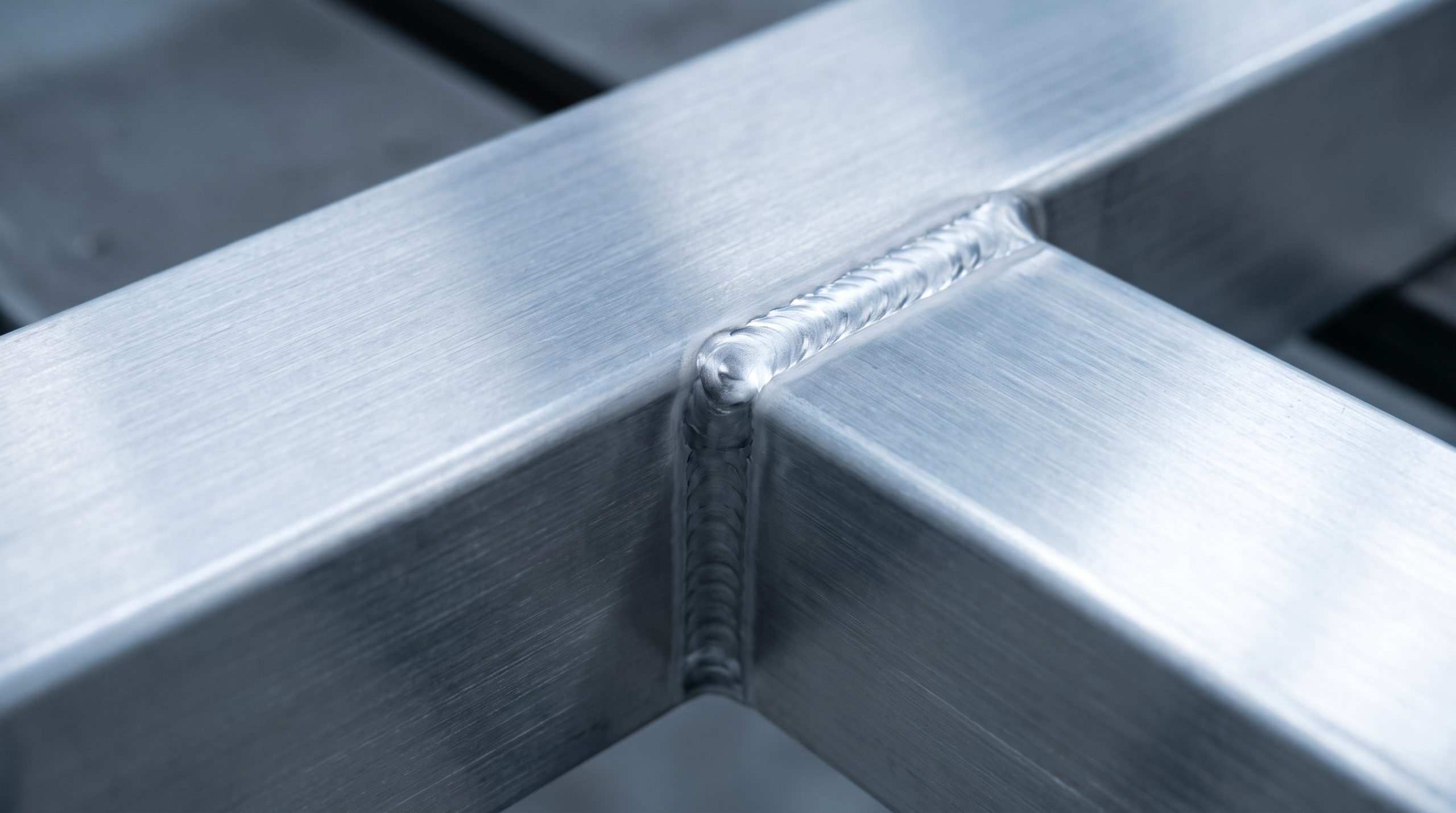
The ideal material choice depends on your specific hauling applications, weight restrictions, and environmental conditions. Choosing between steel or aluminum for a moose bumper for Canadian fleets requires balancing structural weight against ultimate yield strength. Aluminum alloys provide excellent corrosion resistance and weigh significantly less than their steel counterparts.
This helps highway fleets stay under strict axle weight limits while preserving fuel economy. On the other hand, steel offers unmatched structural resistance for severe heavy-duty off-road environments.
What are the benefits of aluminum?
When you operate long-haul routes, maximizing your legal payload capacity is key to profitability. Modern 5mm aluminum alloys offer comparable strength to carbon steel at roughly half the weight. Think about it:
- Weight Savings: Saves over 100 pounds on your front steering axle.
- Fuel Efficiency: Lower front-end weight reduces aerodynamic drag and overall fuel consumption.
- Corrosion Resistance: Naturally resists road salt and harsh winter chemicals with minimal maintenance.
You can learn more about how advanced manufacturing alloys match structural expectations. This makes high-grade aluminum the preferred choice for long-distance highway transport.
When should you choose steel?
If your rigs operate in severe vocational applications like forestry or oilfield hauling, carbon steel is often the best option. Steel provides the ultimate defense against massive, low-speed impacts on unpaved roads. And guess what?
- Maximum Yield Strength: Withstands heavy twisting forces better than lighter alloys.
- Easy Repairability: Any standard field shop can weld and reinforce a steel guard in minutes.
This structural resilience ensures your heavy equipment remains operational under brutal job-site conditions. Make your choice based on your fleet’s dominant route profiles.
Key Takeaway: Highway fleets should prioritize aluminum alloys to optimize weight and fuel economy, while vocational off-road fleets will benefit more from structural steel.
| Feature | Structural Carbon Steel | Premium Aluminum Alloy | Winner |
|---|---|---|---|
| Weight | Heavy (May limit steer payload) | Lightweight (Saves 100+ lbs) | Aluminum |
| Yield Strength | Maximum Structural Yield | High Structural Strength | Steel |
| Corrosion Defense | Requires powder coat / paint | Naturally Corrosion Resistant | Aluminum |
Evaluating these physical trade-offs ensures you select the correct material for your specific operating environment.
How do they eliminate fleet downtime?
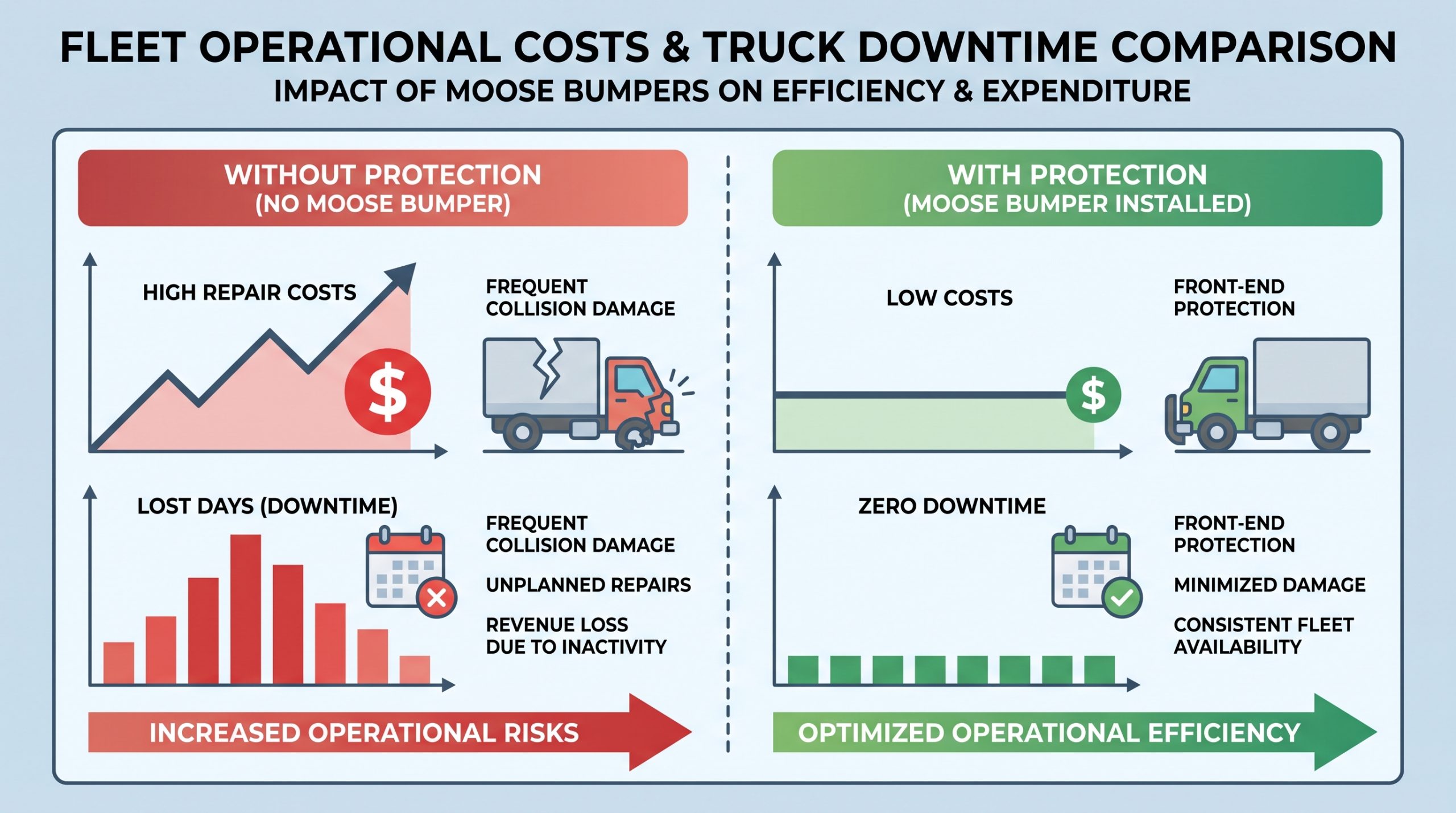
Moose bumpers eliminate fleet downtime by keeping trucks fully drivable immediately following a moderate-to-severe front-end impact. Standardizing a high-quality moose bumper for Canadian fleets acts as a strategic business strategy to secure operational continuity. When a collision occurs, a reinforced bumper prevents the radiator from rupturing or leaking coolant.
This means your driver can safely complete their delivery instead of waiting on the highway shoulder for a tow truck. Eliminating these unscheduled service stops directly translates to increased profitability.
What is the cost of a sidelined truck?
When you run a logistics company, a single sidelined truck can cost your business between $1,000 and $2,500 per day in lost revenue. You still have to pay fixed overhead costs like lease payments, driver salaries, and insurance. Here is the kicker:
- Tow Expenses: Heavy-duty towing from remote areas can cost up to $4,000 per hook.
- Late Penalties: Missing critical delivery windows can result in severe financial penalties from shippers.
- Lost Contracts: Consistent delivery delays can ruin your brand reputation and cost you lucrative accounts.
Installing a premium guard transforms a potentially business-crippling accident into a minor, 5-minute inspection on the shoulder. This keeps your logistics network running like clockwork.
Key Takeaway: By safeguarding critical engine cooling systems, front-end bumpers ensure your assets remain on the road generating revenue.
| Cost Element | Fleet Without Moose Bumper | Fleet With Brontec Bumper | Net Savings (CAD) |
|---|---|---|---|
| Immediate Towing | $1,500 – $4,000 | $0 (Truck remains drivable) | $1,500 – $4,000 |
| Repair Invoice | $12,000 – $25,000 | $0 – $1,500 (Minor touch-up) | $10,500 – $23,500 |
| Lost Operating Days | 7 – 14 Business Days | 0 Days (Immediate route restart) | 7 – 14 Days |
Analyzing the vast economic differences between protected and unprotected trucks clearly justifies the upfront investment in premium guards.
Are they aerodynamically efficient?
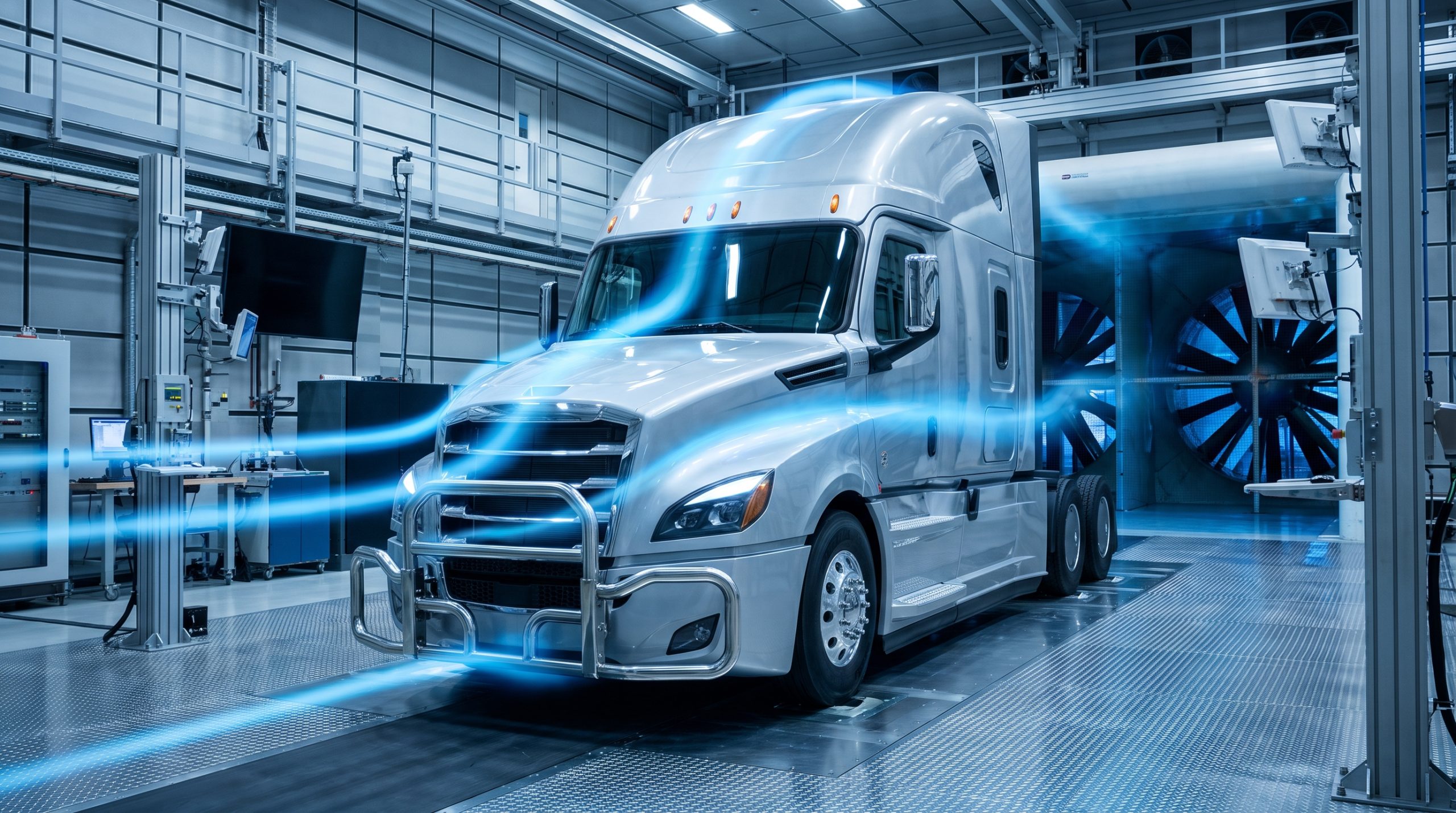
Yes, modern premium moose bumpers are engineered with advanced aerodynamics to minimize fuel economy penalties while providing maximum structural protection. Choosing an aerodynamically optimized moose bumper for Canadian fleets ensures that your safety upgrades do not negatively impact your fuel margins. High-end manufacturers utilize fluid dynamics software to design contoured shapes that redirect airflow smoothly around the tractor’s front end.
This prevents the increased wind resistance that is common with bulky, square-shaped aftermarket grilles. Keeping your operating expenses low is critical to fleet management.
How do they balance protection and fuel savings?
When you manage a high-mileage fleet, even a 1% change in fuel consumption can represent thousands of dollars in annual operating costs. Precision engineering allows you to protect your front end without paying a premium at the fuel pump. Think about it:
- Contoured Tubing: Curved designs align seamlessly with modern aerodynamic truck hoods.
- Optimized Airflow: Ensures proper engine cooling by maintaining adequate airflow to the radiator.
- Lightweight Integration: Reduces front-axle load, minimizing rolling resistance on your steering tires.
You should review how these systems are deployed across long-haul highway fleets to see real-world performance data. Aerodynamic testing ensures your trucks remain both safe and fuel-efficient on long highway routes.
Key Takeaway: Modern aerodynamic engineering ensures that high-strength grille guards can be added to Class 8 trucks without compromising fuel efficiency.
| Design Aspect | Substandard Square Guard | Aerodynamic Brontec Guard | Operational Advantage |
|---|---|---|---|
| Wind Resistance | High (Bulky, flat tubes) | Low (Contoured, slim profiles) | Preserves highway fuel economy |
| Radiator Airflow | Restrictive | Optimized Venting | Prevents engine overheating |
Merging aerodynamic design with structural integrity ensures that fleet efficiency is maintained alongside safety.
How do frame brackets impact durability?
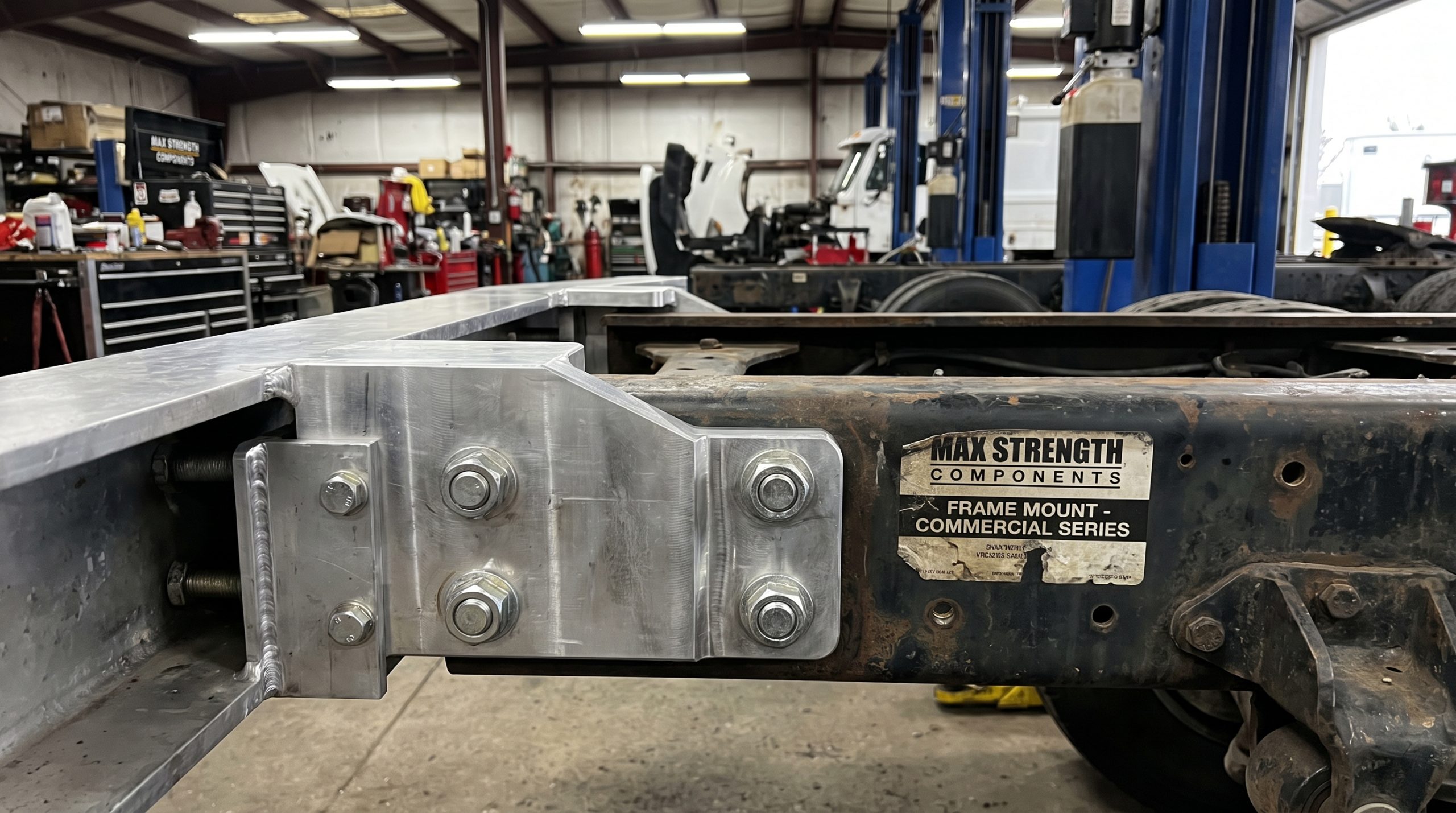
Frame brackets are the absolute foundation of your bumper’s protective strength, as they are responsible for safely transferring impact energy to the chassis. Choosing a specialized moose bumper for Canadian fleets that features direct-to-frame mounting brackets ensures that your collision protection remains solid under heavy loads. If your mounting brackets are thin or poorly welded, they will buckle instantly during a crash, causing your bumper to crush your own hood.
Premium brackets are CNC-machined to align perfectly with factory tow-receiver holes on your truck’s frame. This ensures maximum strength and eliminates the need for field modifications.
What makes a mounting system reliable?
When you evaluate a mounting system, you must prioritize thickness, bolt quality, and fitment precision. High-strength steel brackets distribute the kinetic energy of an animal strike evenly across both chassis rails. And guess what?
- Bolt-On Installation: Utilizes factory tow holes, preserving your frame’s structural integrity.
- Heavy-Gauge Steel: Resists bending or shearing under severe, sudden impact loads.
- Precision Machining: Guarantees a clean, snug fit that eliminates persistent rattles and vibration.
This rigid connection ensures that your bumper acts as an extension of the truck’s frame. You get reliable protection that performs exactly as engineered when called upon.
Key Takeaway: Using heavy-duty, direct-to-frame mounting brackets is essential to prevent your bumper from folding inward and damaging your truck during an impact.
| Bracket Feature | Generic Slotted Mount | Precision CNC Frame Mount |
|---|---|---|
| Material | Thin 3mm Carbon Steel | Heavy-Duty Structural Steel |
| Alignment Method | Slotted Holes (Prone to slipping) | Factory Tow-Pin Alignment |
| Collision Performance | High risk of buckling | Absorbs and redistributes force |
Excluding structural variables, this bracket design ensures the energy of an impact is cleanly dissipated across the strongest parts of the truck’s chassis.
How easy is it to install on your rig?
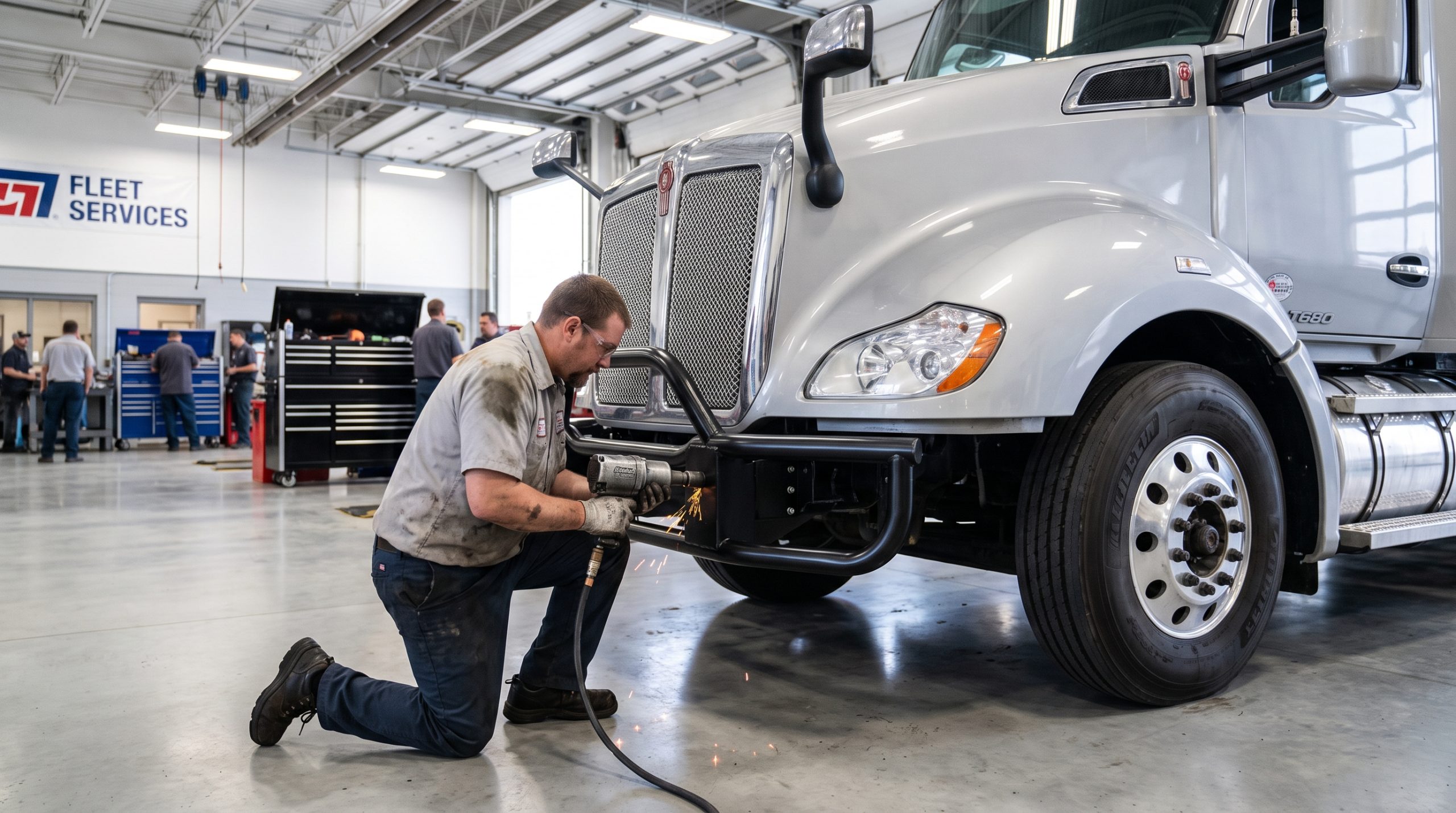
Installing a premium moose bumper is remarkably simple because they are designed to bolt directly into your truck’s existing factory tow-receiver holes. Selecting a precision-fit moose bumper for Canadian fleets ensures that your installation process is seamless and requires no custom modifications. This means your shop team can easily bolt the bumper on without any welding or drilling.
Eliminating complex installation steps reduces labor costs and gets your assets back on the road in under an hour. Minimizing setup times is essential to maintaining high fleet utilization.
What is the typical installation process?
When you are ready to mount your new guard, your team can complete the process with standard shop tools. The direct bolt-on design ensures perfect alignment with no guesswork involved. Here is the kicker:
- Zero Drilling: Keeps your truck’s structural frame warranty fully intact.
- Quick-Release Pins: Allows your maintenance crew to tilt the bumper forward for easy engine access.
- Fast Turnaround: Minimizes workshop lane downtime, allowing your trucks to return to service immediately.
You will find that these user-friendly features make ongoing maintenance and inspections simple for your service team. Ensuring ease of use is a core design focus for premium safety products.
Key Takeaway: A true professional-grade bumper features a simple, bolt-on design that can be installed quickly using your truck’s factory tow-receiver points.
| Installation Aspect | Generic Aftermarket Guard | Premium Bolt-On Bumper |
|---|---|---|
| Drilling / Welding | Required (Damages frame warranty) | None (100% Bolt-On) |
| Average Setup Time | 3 – 5 Hours (High labor cost) | Under 45 Minutes |
| Engine Access | Must remove guard completely | Quick-Release Fold-Down Hinge |
This simplified installation process demonstrates how advanced engineering saves your maintenance team valuable shop time.
Frequently Asked Questions
Can I install a moose bumper on a leased semi truck?
Yes. Because these premium-grade bumpers are engineered as 100% bolt-on systems, they require no drilling or welding to the vehicle’s frame. When your lease term ends, your maintenance team can easily remove the bumper and return the truck to its factory configuration without leaving any damage or modifications.
What’s the best material to choose for extreme winter routes?
Absolutely. Premium aluminum alloy is the best material for long-haul highway operations. It provides high-impact resistance while saving over 100 pounds compared to steel, preserving your truck’s fuel economy and steer axle payload limits. However, if your rigs work in severe off-road forestry or logging environments, structural carbon steel remains the preferred choice due to its extreme yield strength.
How do I know if my truck platform is compatible?
Yes. You can easily verify compatibility by checking our detailed vehicle database. Professional manufacturers maintain precise CAD specifications for major Class 8 truck platforms, including Freightliner, Kenworth, Peterbilt, Volvo, Mack, International, and Western Star. This guarantees that your bumper will align perfectly with your truck’s factory tow-receiver points right out of the box.
Can I get a custom finish to match my brand?
Absolutely. You can request custom finishes to match your fleet’s exact aesthetic standards. Manufacturers offer multiple durable finish options, including high-polish mirror chrome, industrial matte black powder coat, or brushed aluminum. These finishes are designed to withstand harsh winter road salts while maintaining a premium appearance that enhances your brand’s presence on the road.
How do I fold down the bumper to check my engine?
Yes. You can fold it down in seconds. Premium bumpers are designed with integrated quick-release structural pins and spring-assisted tilt hinges. This allows a single driver or technician to quickly fold the guard forward, granting full access to the engine compartment for routine maintenance, pre-trip inspections, and fluid checks.
Conclusion
In the competitive world of commercial logistics, maintaining operational uptime and protecting your driving team are the cornerstones of business success. Wildlife collisions, isolated routes, and severe sub-zero temperatures are unpredictable hazards that can immediately drain your cash flow and disrupt your entire supply chain. Fortunately, you do not have to leave your fleet’s survival to chance.
By standardizing your heavy-duty trucks with premium, high-impact physical barriers, you eliminate costly downtime, safeguard critical engine assets, and give your drivers the confidence they need to conquer the most challenging routes. Brontec is committed to delivering the highest quality, AWS-certified truck protection solutions to fleets across North America. Let us help you safeguard your drivers, secure your equipment, and build a resilient logistics network. To discuss your B2B manufacturing requirements, explore custom fleet-wide pricing, or request a detailed engineering consultation, contact us today and let our team of experts build the ultimate defense for your rigs.