
Keeping your rig organized is a constant struggle against limited frame space and the harsh elements of the open road. When gear like expensive straps, heavy chains, and essential PPE are tossed loosely into the cab or left exposed to road salt, you are inviting equipment degradation and unnecessary downtime. Finding a specific wrench during a roadside inspection should not be a source of stress that drains your productivity. High-performance aluminum storage provides the ultimate solution by balancing weight and durability. Understanding the different semi truck tool box types is the first step toward transforming your truck’s efficiency and protecting your bottom line.
1. What are the most common semi truck tool box types available?
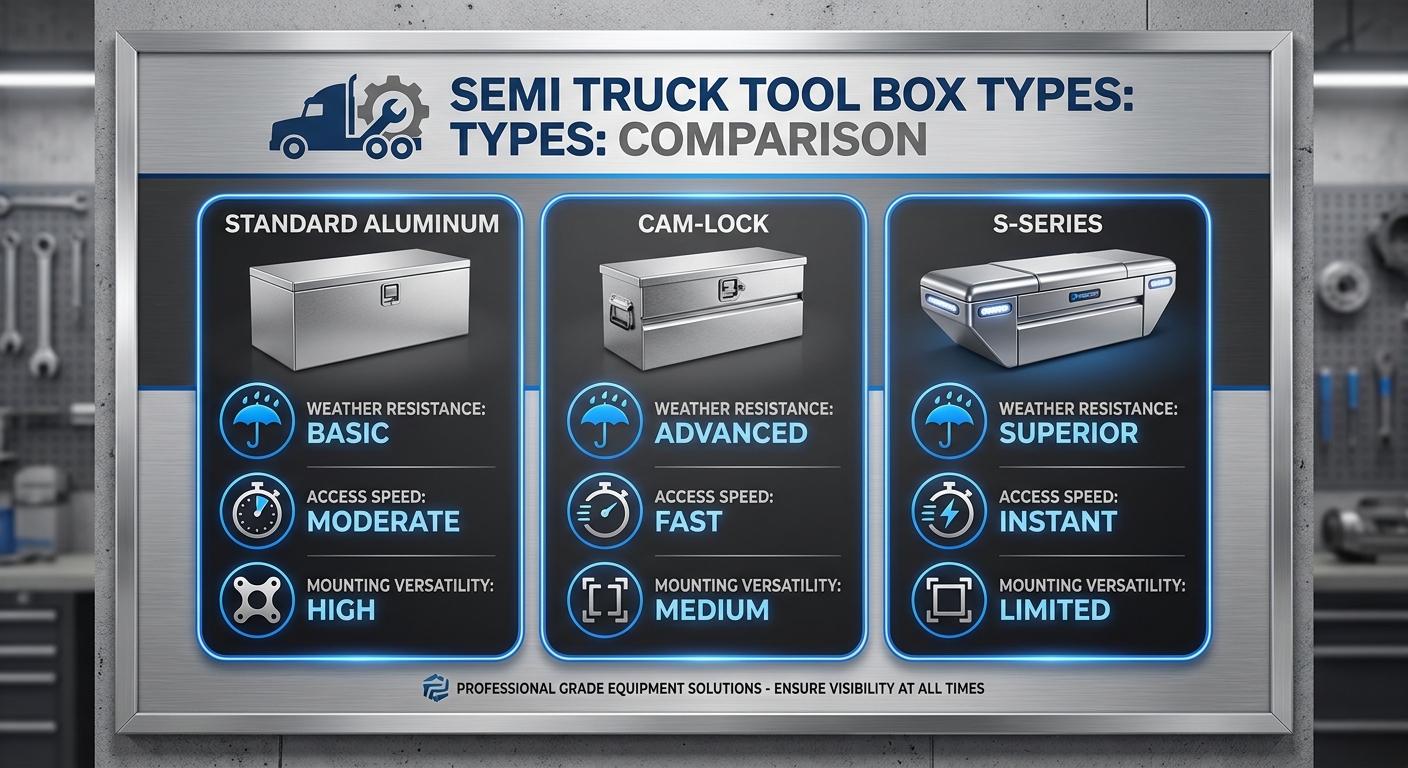
The most common semi truck tool box types available include standard aluminum series, heavy-duty cam-lock designs, and high-flexibility mounting models. These options allow you to choose a storage solution that specifically fits your tractor’s frame layout and your daily operational needs. Each family is designed to address specific challenges, from simple weather protection to the need for rapid one-handed access.
Are standard aluminum boxes enough for general freight?
Standard aluminum boxes are the backbone of the industry, offering a massive variety of sizes with over 40 standard SKUs. They utilize lap-joint welded corners and automotive-grade seals to keep your gear dry and secure during long-haul trips.
Here is the kicker:
- Largest size matrix in the industry.
- Corrosion-proof 5052 aluminum construction.
- Bright or diamond-plate door options.
Key Takeaway: For general regional LTL or owner-operators, the standard series provides the best balance of cost and capacity.
| Box Type | Primary Latch | Best Use Case | Size Matrix |
|---|---|---|---|
| Standard Series | T-Handle | General Freight | 18″ to 72″ Length |
| Cam-Lock | Vertical Bar | Bulky Gear / Ag | 24″ to 60″ Length |
| S-Series | Universal Hinge | Vocational Trucks | Modular Heights |
This data illustrates how specific hardware choices directly impact the versatility of your chosen storage unit.
2. How do I select between different semi truck tool box types?
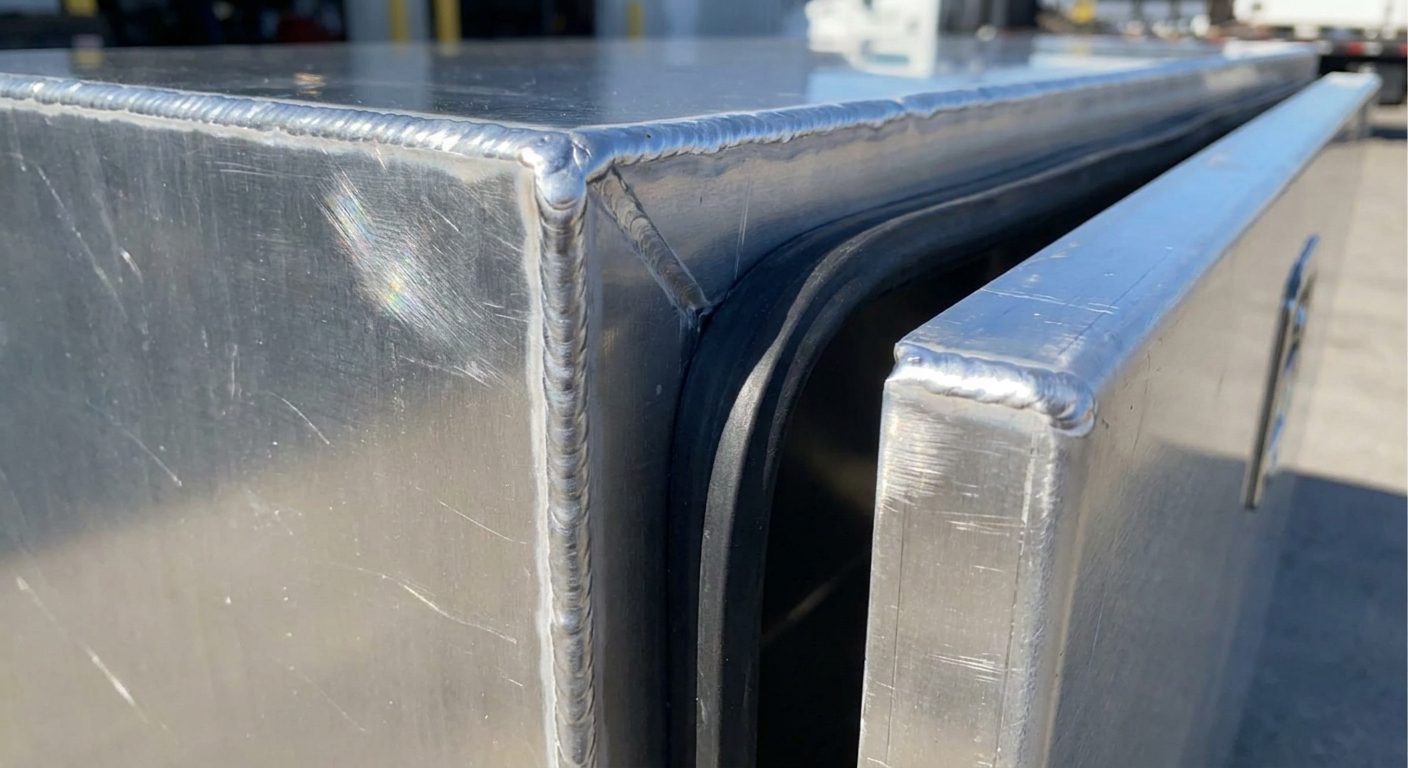
Selecting between different semi truck tool box types requires you to evaluate your specific gear height, frame clearance, and how frequently you need to access your tools. You must prioritize the cubic volume necessary for your securement equipment without adding excessive weight to your chassis. It is often a choice between the wide access of a cam-lock or the classic reliability of a standard T-handle.
Should you prioritize door swing or internal volume?
On a modern tractor with aero fairings and large DEF tanks, door swing clearance is often the deciding factor in your purchase. You need to ensure that when the door is fully open, it does not strike existing vehicle components or obstruct your workflow.
But wait, there’s more:
- Measure clearance around fuel tanks.
- Consider top-hinge vs. side-hinge models.
- Check for interference with trailer landing gear.
The best part? Professional storage units are designed with compact footprints to maximize the available cubic inches inside the box.
3. Why does material choice matter for semi truck tool box types?
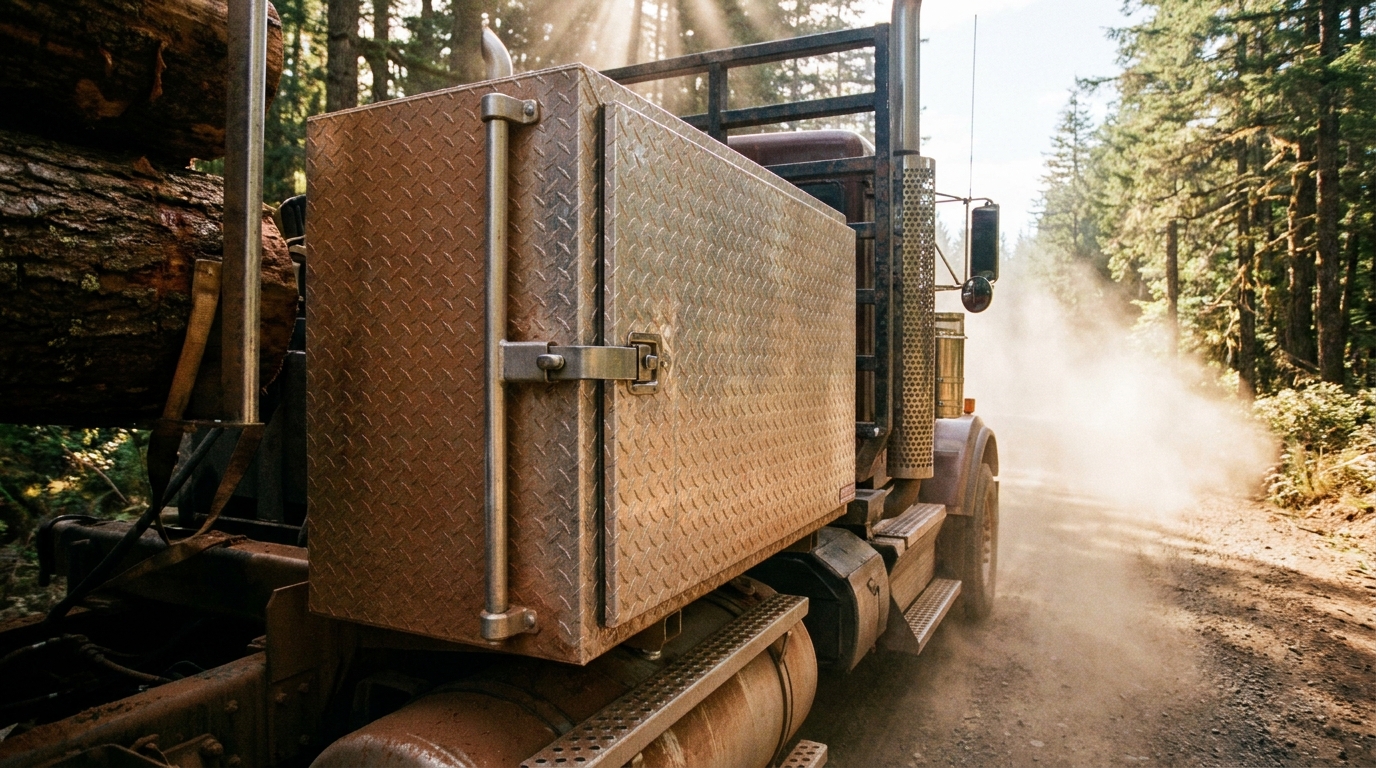
Material choice is critical for semi truck tool box types because it determines the unit’s resistance to road salt and its overall impact on your payload capacity. High-grade aluminum alloy provides a superior strength-to-weight ratio compared to traditional steel, ensuring the box lasts the life of the truck. This is especially vital for trucks operating in the “Salt Belt” where corrosion can destroy inferior storage in just a few seasons.
Is heavy-gauge aluminum superior for off-road use?
Heavy-gauge aluminum, often reaching 5mm in thickness, provides the structural integrity needed to survive the constant vibrations of logging and construction sites. The material naturally forms a protective oxide layer that prevents deep-seated rust from taking hold.
Think about it:
- Reduced curb weight increases fuel efficiency.
- Superior impact resistance against road debris.
- Lower maintenance requirements over time.
Key Takeaway: Investing in premium aluminum storage protects your tools and your vehicle’s resale value by preventing corrosion transfer.
| Material | Durability | Weight Factor | Maintenance |
|---|---|---|---|
| 5mm Aluminum | High | Low | Low |
| Diamond Plate | High | Moderate | Moderate |
| Smooth Alloy | Moderate | Low | Easy Cleaning |
The comparison shows that aluminum remains the gold standard for durability without sacrificing the weight advantages necessary for heavy hauling.
4. Which semi truck tool box types offer the best weather resistance?
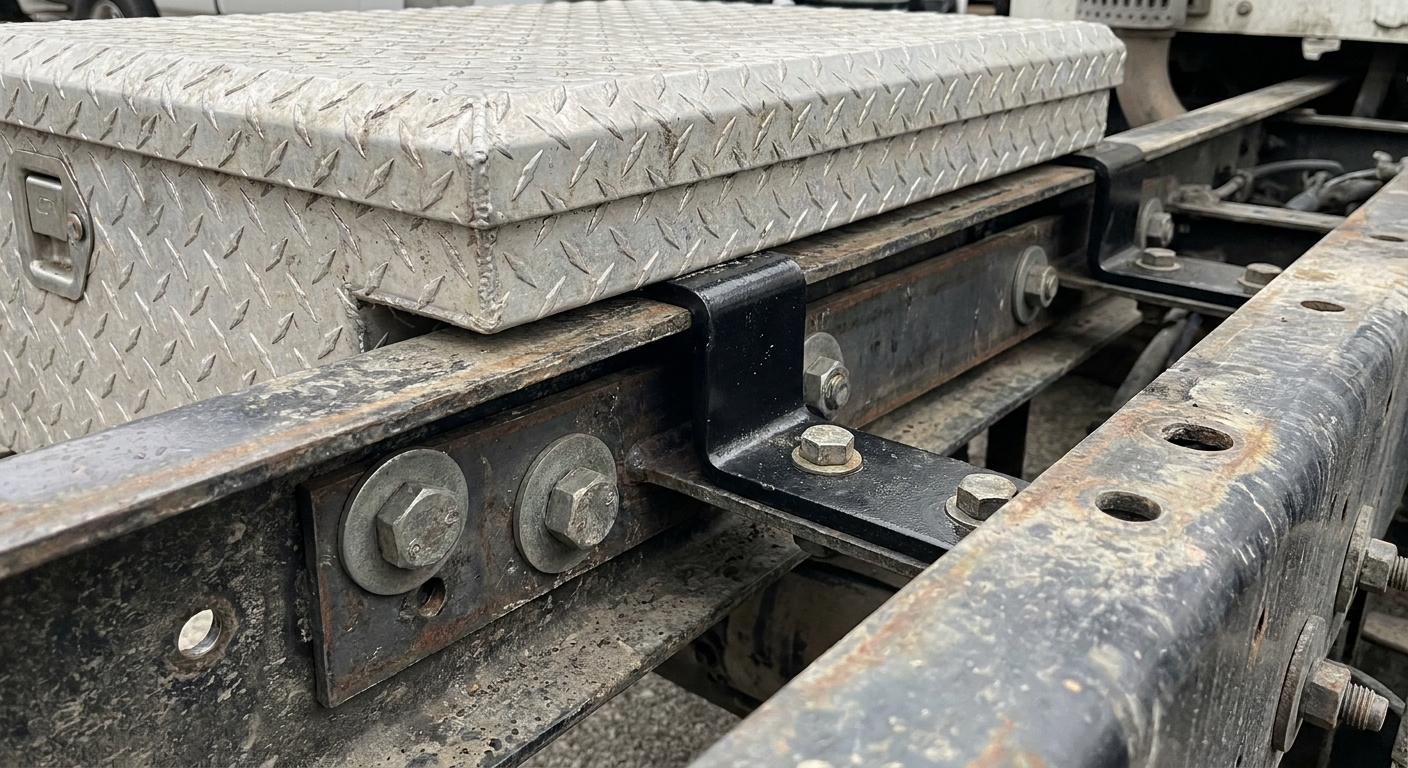
The semi truck tool box types that offer the best weather resistance are those featuring lap-joint welded corners and perimeter automotive gaskets. These design elements create a physical barrier that prevents rain, snow, and road grime from reaching your sensitive electronic tools or clean PPE. You should look for an extruded door frame that keeps the seal compressed evenly across all four sides of the opening.
Do automotive gaskets really make a difference?
Automotive-grade gaskets are essential because they remain flexible in sub-zero temperatures and resist drying out in extreme summer heat. When paired with a secure latching system, these seals effectively block out the fine dust often found on rural job sites.
The kicker is this:
- Consistent seal compression prevents leaks.
- Dual-contact points for moisture rejection.
- Easy to replace if damaged during loading.
Check out our tool box options to see how we integrate these professional-grade seals into every build.
5. Where can I install different semi truck tool box types?
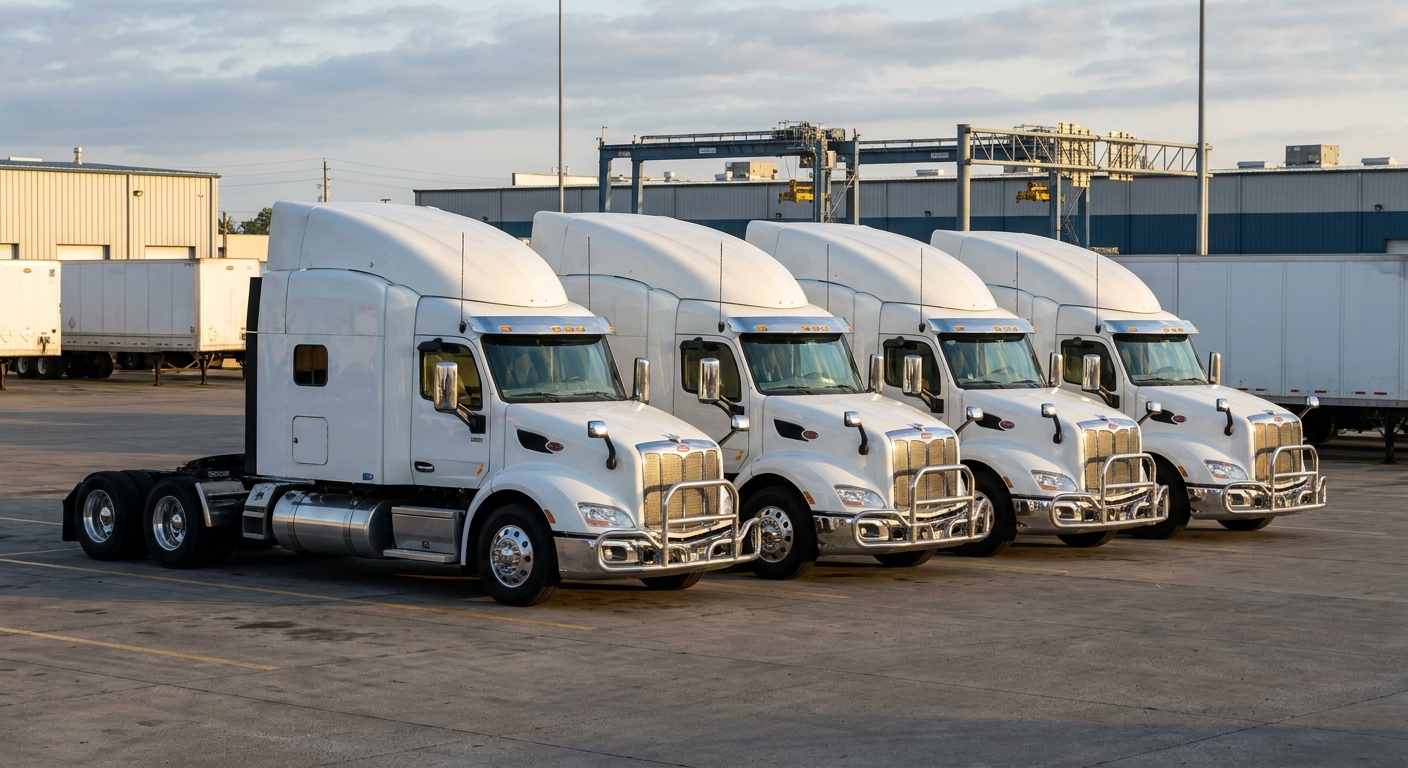
You can install different semi truck tool box types on the side-frame rails, under a trailer body, or even as a deck-mounted vertical unit behind the cab. The installation location usually depends on the available “clean” frame space and how often you need to grab specific items. For instance, sleeper tractors often utilize the side-frame rails, while flatbeds benefit from under body mounting to save space for larger cargo.
Is side-frame mounting the most efficient option?
Side-frame mounting is the industry standard because it places your tools at a convenient working height and utilizes otherwise dead space on the chassis. It is the preferred method for most long-haul fleets that need to maintain a professional, uniform appearance across their equipment.
But wait, there’s more:
- Easy access for daily inspections.
- Pairs perfectly with L-bracket kits.
- Protects gear from direct wheel spray.
Key Takeaway: Choosing the right mounting location is just as important as the box itself for maintaining driver efficiency.
| Location | Installation Ease | Vibration Risk | Best Box Choice |
|---|---|---|---|
| Side-Frame | High | Moderate | Standard Series |
| Underbody | Moderate | High | S-Series |
| Deck-Mount | Low | Low | Vertical Series |
Analyzing these locations helps you determine the best path for installation based on your specific fleet requirements and company standards.
6. Are there specific semi truck tool box types for logging?
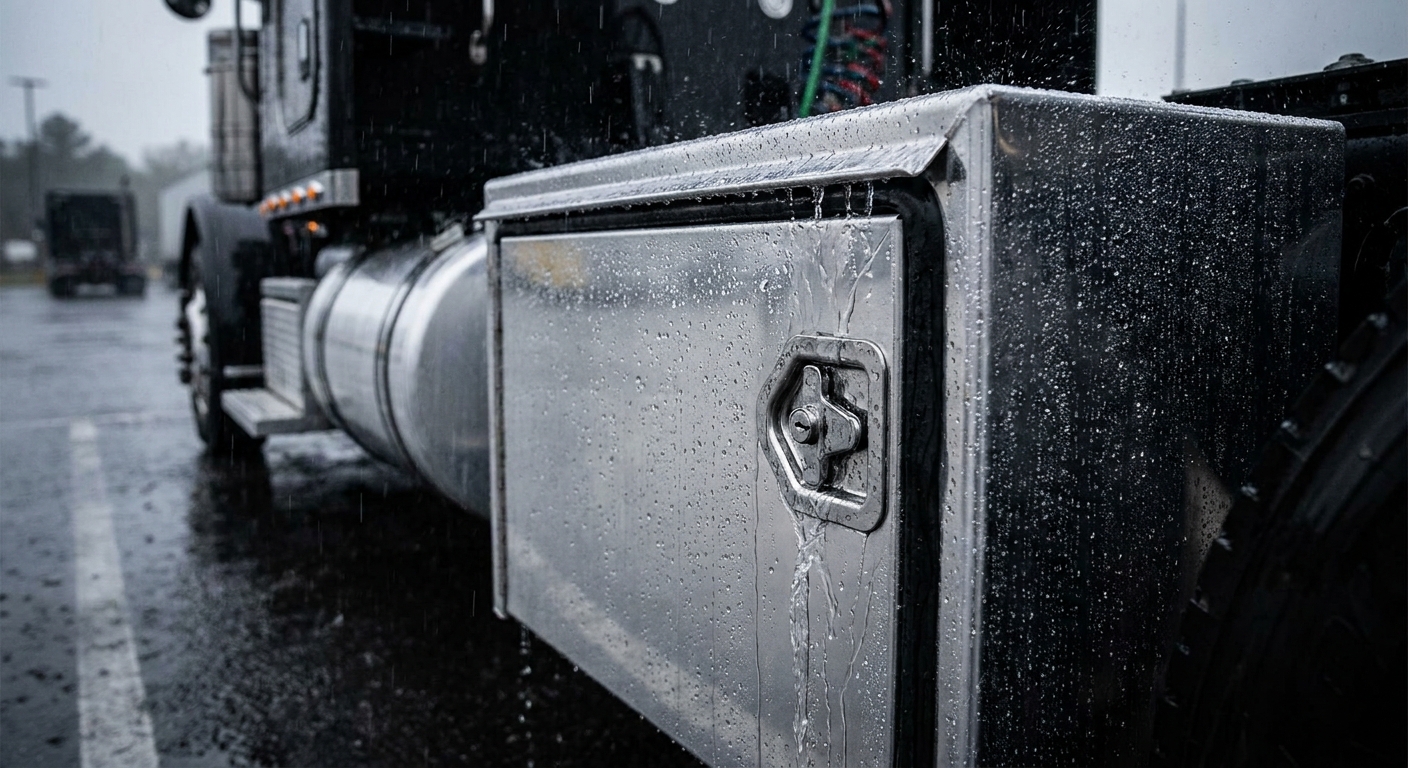
There are specific semi truck tool box types designed for the high-vibration and high-impact environments found in heavy-haul logging. These units often feature reinforced hinges and heavy-duty cam-bar latches that pull the door tight against the frame, preventing it from rattling loose on rough logging roads. In these conditions, your storage needs to be as rugged as the front-end protection on your truck.
Why do loggers prefer cam-lock systems?
Loggers prefer cam-lock systems because the vertical locking bar acts as a lever, providing a much tighter seal and greater structural rigidity than a standard T-handle. This ensures that even when the truck is twisting through difficult terrain, the box remains closed and the gear inside stays put.
Here is the kicker:
- One-handed operation with heavy gloves.
- Visible locking status from a distance.
- Maximum aperture for loading heavy chains.
You can find more about these rugged designs in our accessories guide for heavy-duty applications.
7. How do latch systems differ across semi truck tool box types?
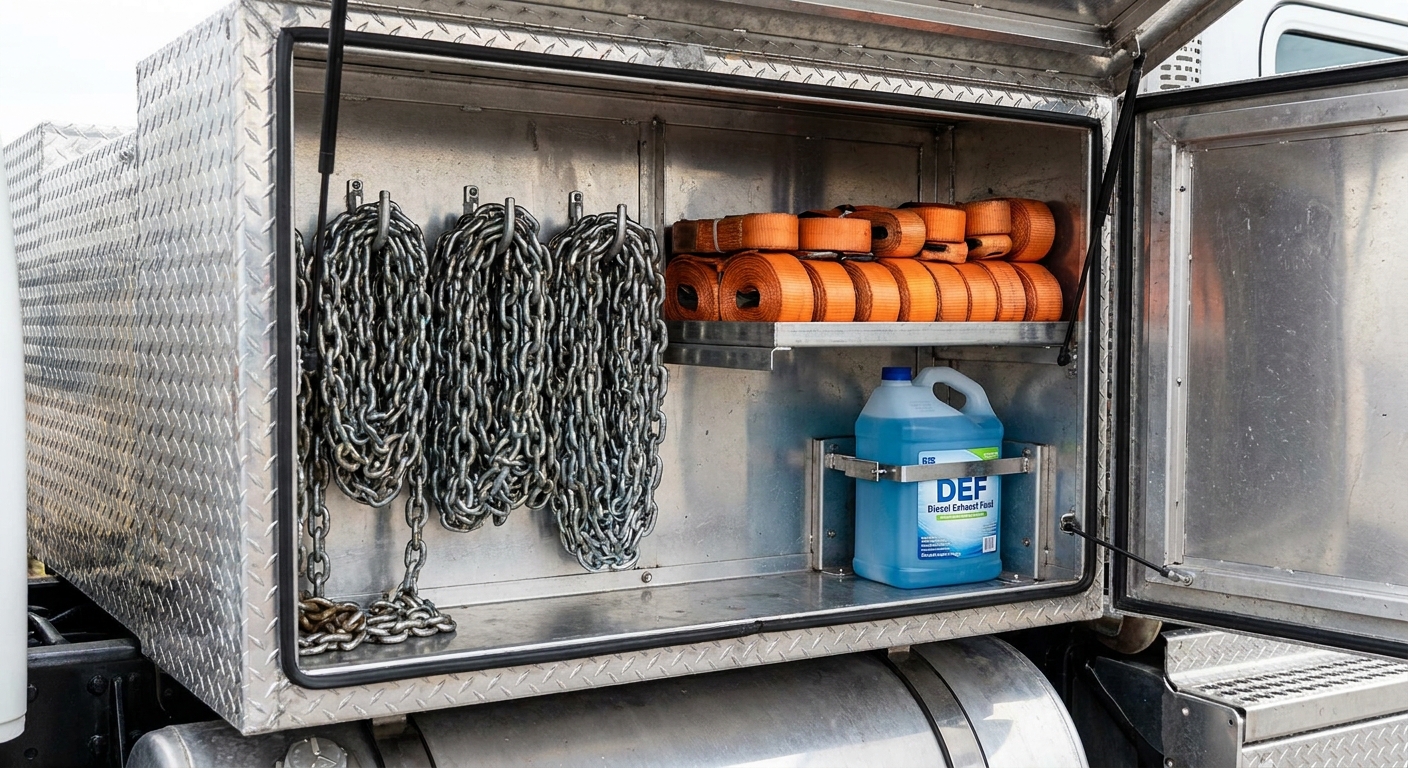
Latch systems differ across semi truck tool box types by their mechanical leverage, ease of use with one hand, and the security level they offer against theft. While standard T-handles are popular for their simplicity and keyed-alike options, cam-bar systems are the gold standard for heavy-duty security and weather sealing. Selecting the right latch can save seconds on every stop, which adds up to significant productivity gains over a year.
Is the cam-bar system worth the investment?
The cam-bar system is worth the investment for any operator who carries heavy securement gear like grade-70 chains or heavy tarps. It provides superior compression of the weather seal, ensuring that your tools remain dry even in driving rain or during high-pressure truck washes.
Think about it:
- Prevents “door bounce” on rough roads.
- Higher resistance to tampering and theft.
- Durable stainless steel construction.
Key Takeaway: The latch is the most frequently used part of the box; choosing a premium system reduces long-term maintenance costs.
| Latch Type | Security | User Effort | Seal Tightness |
|---|---|---|---|
| Cam-Bar | Maximum | Low | Excellent |
| T-Handle | Moderate | Moderate | Good |
| Paddle | Moderate | Low | Fair |
This table clarifies why high-leverage systems are preferred for professional drivers who need reliable performance in every climate.
8. What mounting brackets are needed for these tool boxes?
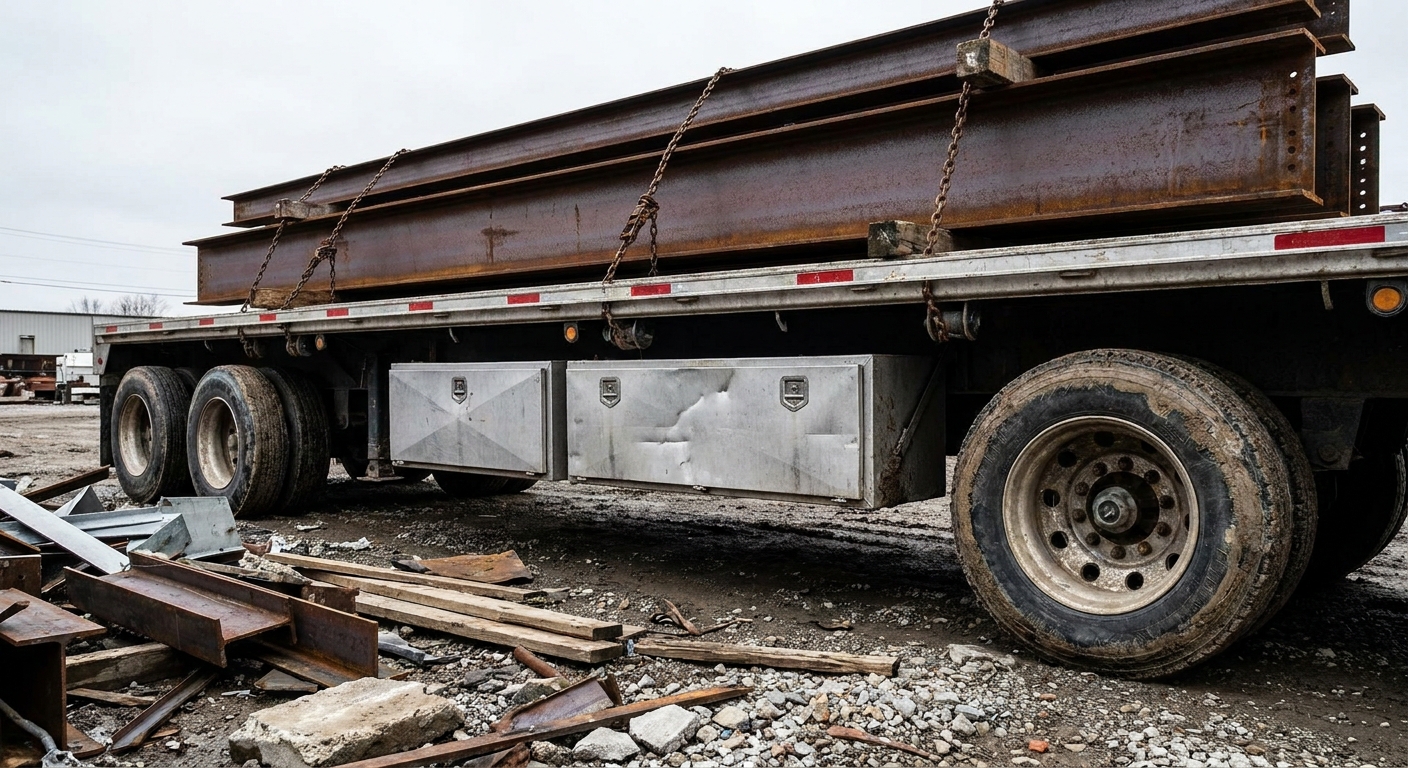
The mounting brackets needed for these semi truck tool box types generally include steel L-brackets, which can be either frame-drilled or no-drill clamp-on versions. You must pair any box longer than 30 inches with internal reinforcement plates to distribute the weight of the tools across the aluminum floor. Using the correct bracket ensures that the box does not sag or crack due to the constant stress of road vibrations.
Should you choose drill or no-drill brackets?
No-drill brackets are ideal for leased vehicles because they preserve the integrity of the frame rails while providing a secure mounting point. However, for permanent installations with very heavy loads, traditional drilled L-brackets offer the maximum possible load capacity and long-term stability.
But wait, there’s more:
- Powder-coated steel resists rust.
- Laser-cut precision for perfect fitment.
- Reduces installation time significantly.
Proper mounting is a core part of our manufacturing process to ensure every accessory stays exactly where it belongs.
9. Can I order custom dimensions for these tool box types?
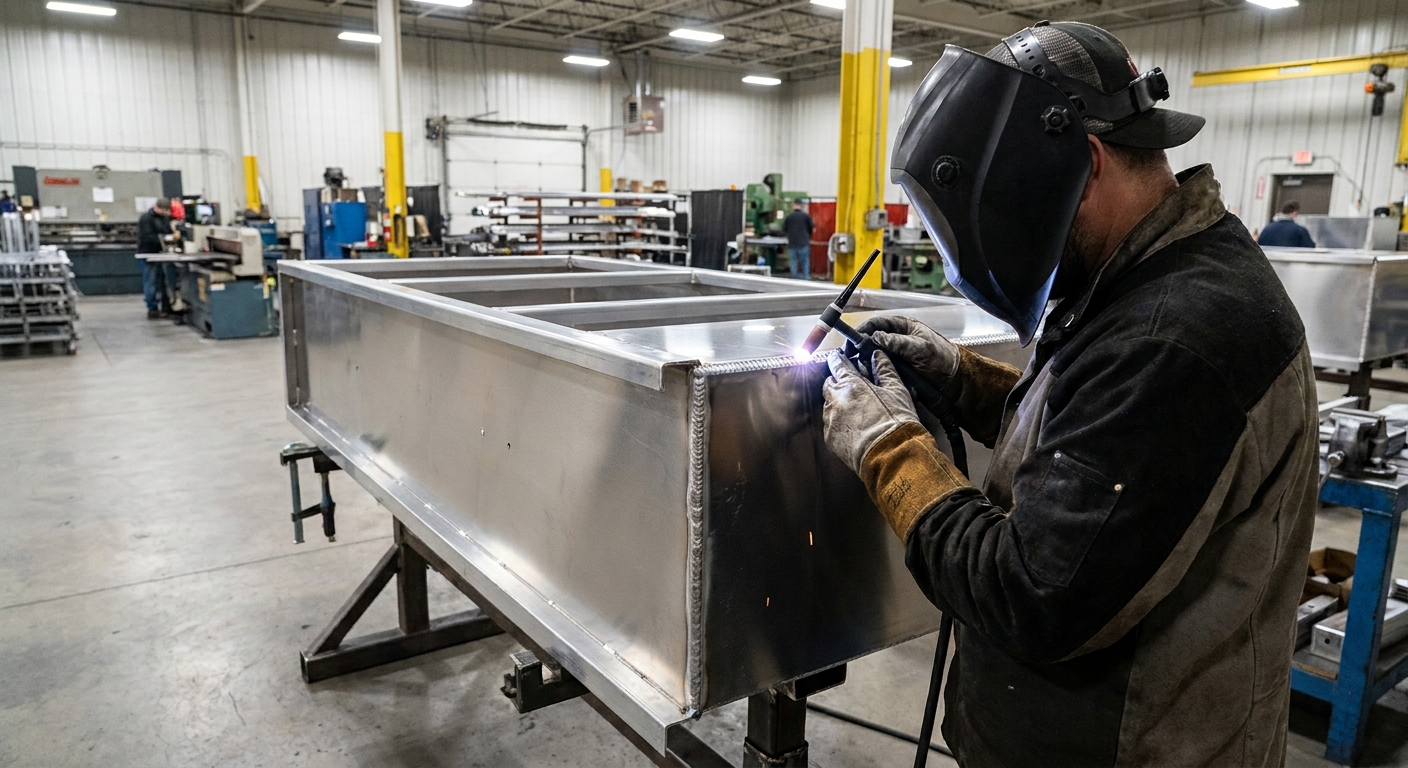
You can certainly order custom dimensions for all semi truck tool box types if the standard sizes do not fit your specific frame layout. Custom fabrication allows you to modify the depth for cab-over tractors or add internal shelving for DEF jugs and specialized oil racks. While these take slightly longer to ship than standard units, the ability to tailor the storage to your workflow is often worth the short wait.
How do internal shelves improve organization?
Internal shelving and dividers prevent your tools from shifting during transit, which stops expensive gear from being damaged by heavy chains. You can specify notched dividers for stacking grade-70 transport chains neatly, making them easier to grab when you are on the clock.
The best part?
- Maximized use of vertical space.
- Secure storage for fluids and aerosols.
- Reduced noise from rattling gear.
Key Takeaway: Customization transforms a simple box into a mobile workstation that fits your exact professional needs.
| Custom Option | Advantage | Lead Time | Complexity |
|---|---|---|---|
| Custom Depth | Fits tight gaps | +10 Days | High |
| Internal Shelves | Organization | +5 Days | Moderate |
| Powder Coating | Brand matching | +7 Days | Low |
Investing in custom features ensures your storage solution works for you, rather than forcing you to adapt to a generic box.
10. How do I maintain the lifespan of these tool box types?
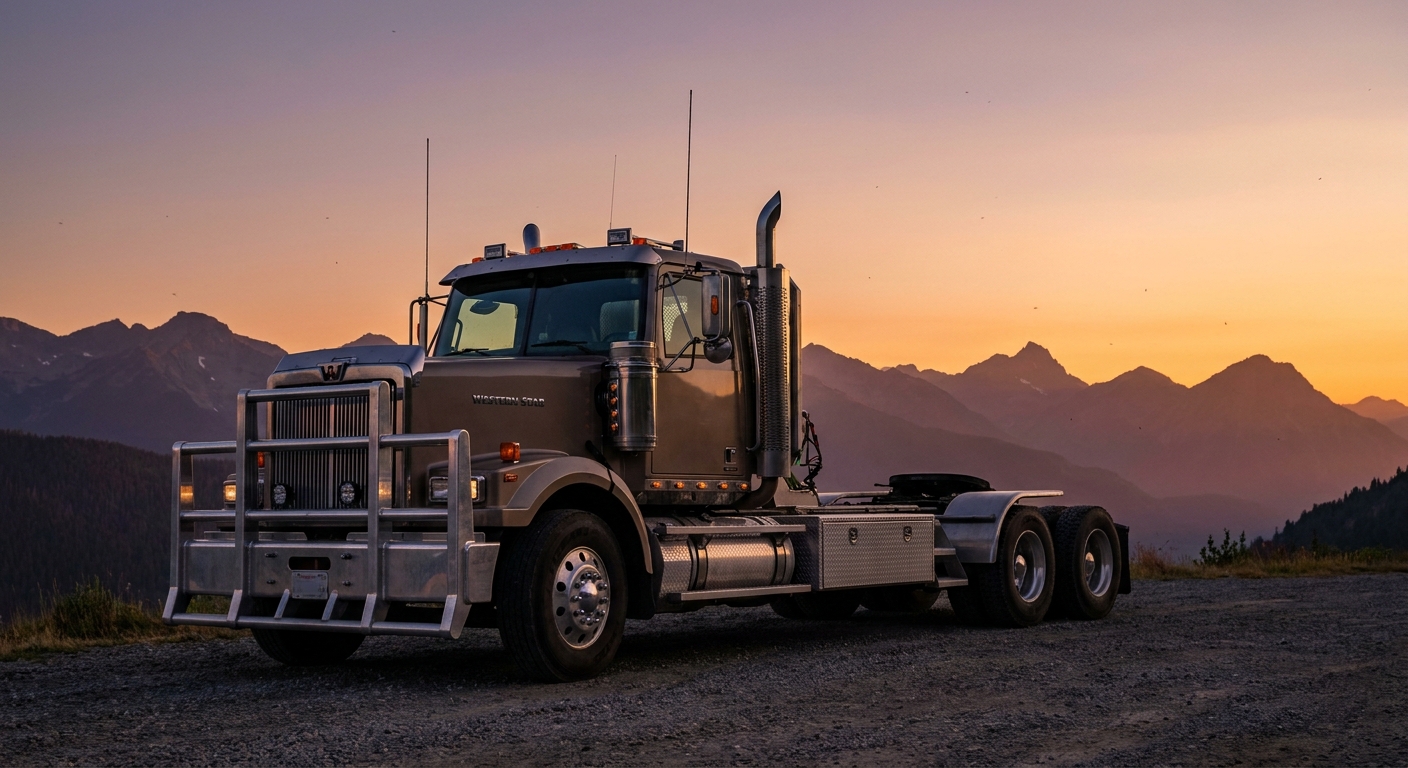
Maintaining the lifespan of these semi truck tool box types involves routine cleaning to remove road salt and periodic lubrication of the hinges and door seals. You should inspect the mounting bolts at every service interval to ensure they remain torqued to specification, especially if you frequently travel on unpaved roads. A simple wipe-down with a silicone-based lubricant will keep your gaskets flexible and your weather seal intact for years.
Is road salt the biggest threat to your storage?
Road salt is indeed the primary enemy, as it can build up in the hinge mechanisms and cause sticking or premature wear on the moving parts of the latch. Regular rinsing with fresh water, particularly during the winter months, is the most effective way to prevent this buildup and keep the aluminum looking like new.
Think about it:
- Prevents hinge seizure in winter.
- Maintains professional brand appearance.
- Extends the life of the rubber seals.
Taking these small steps ensures that your investment continues to protect your gear through every season and every mile of the journey.
*
Frequently Asked Questions
Can I install these boxes on a custom truck body?
Yes. These storage solutions are designed with universal mounting compatibility in mind. They can be easily integrated into various body styles using standard L-bracket kits or custom mounting plates.
What’s the best semi truck tool box type for heavy-haul logging?
The Cam-Lock series is generally the best choice for logging. Its vertical locking bar provides the structural rigidity and tight seal necessary to withstand extreme vibrations and forest debris.
How do I know if I need internal reinforcement?
If you are mounting a box that is 30 inches or longer, or if you plan to carry heavy steel chains, internal reinforcement plates are highly recommended. These prevent the aluminum floor from bowing or cracking over time.
Can I get these boxes keyed-alike for my entire fleet?
Yes. You can order multiple boxes with matching locks, which is a major convenience for fleet managers. This reduces administrative headaches and ensures drivers only need one key for all storage units.
What is the standard lead time for custom dimensions?
Most custom-fabricated aluminum boxes ship in approximately 10 days or less. This allows you to get a tailored solution without significant delays to your fleet’s schedule.
*
Choosing the right storage is a critical investment in your truck’s uptime and your own peace of mind. By matching the box type to your specific application—whether it’s the rugged trails of a logging route or the high-speed demands of long-haul freight—you ensure that your gear is always ready when you are. If you are ready to upgrade your fleet’s storage and protection, contact us today to discuss professional solutions and bulk pricing.