
Most fleets underestimate truck body cost by focusing only on the upfront price, ignoring the hidden factors that drive long-term expenses. Imagine your new contractor truck arrives on the job site looking perfect on paper, but under routine loads the axles begin to sag, payload capacity disappears, and efficiency drops immediately—this is how miscalculated truck body cost quietly drains your margins through weight, materials, and design flaws over time.
Why Do Managers Underestimate Total Truck Body Cost?
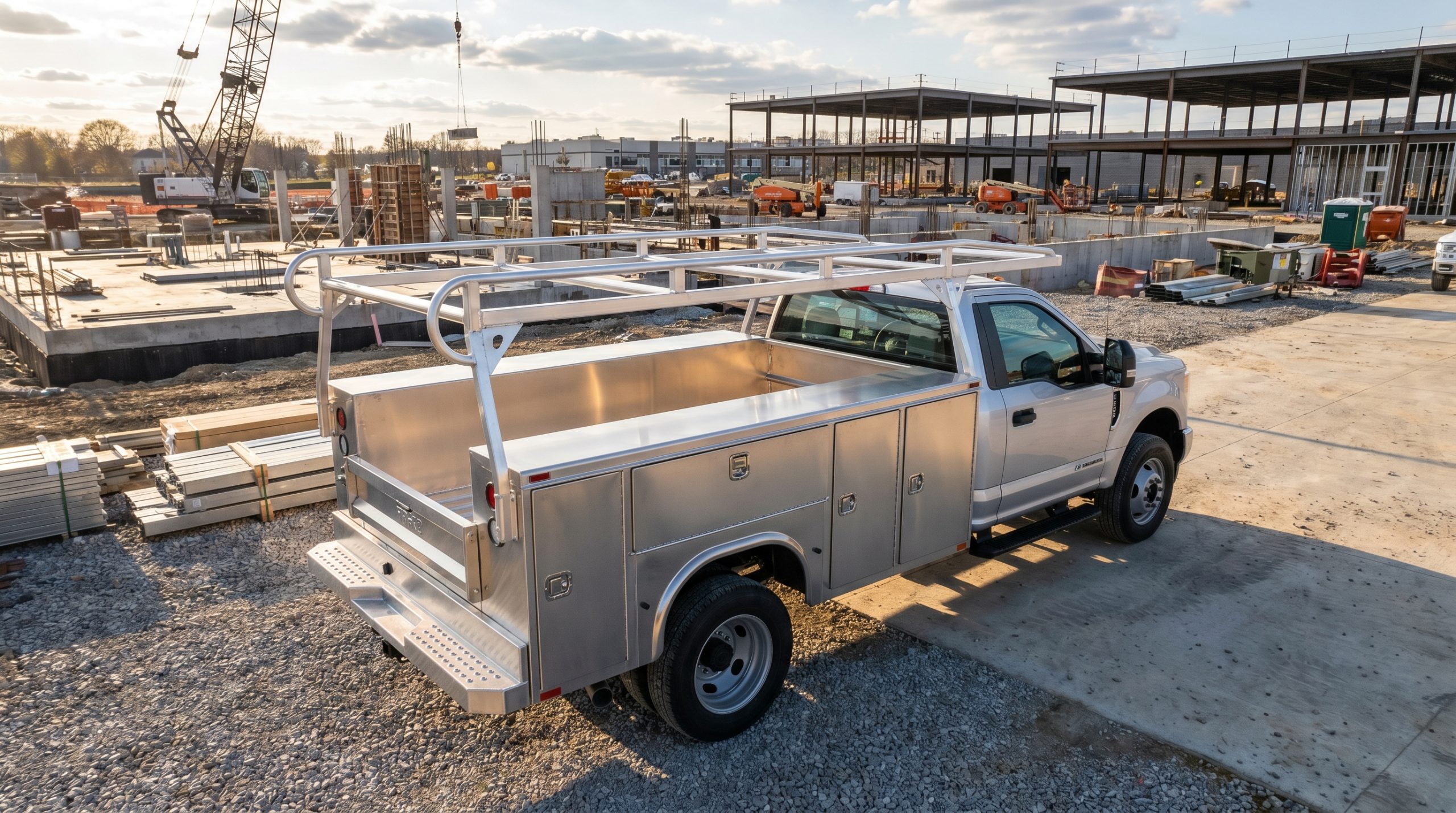
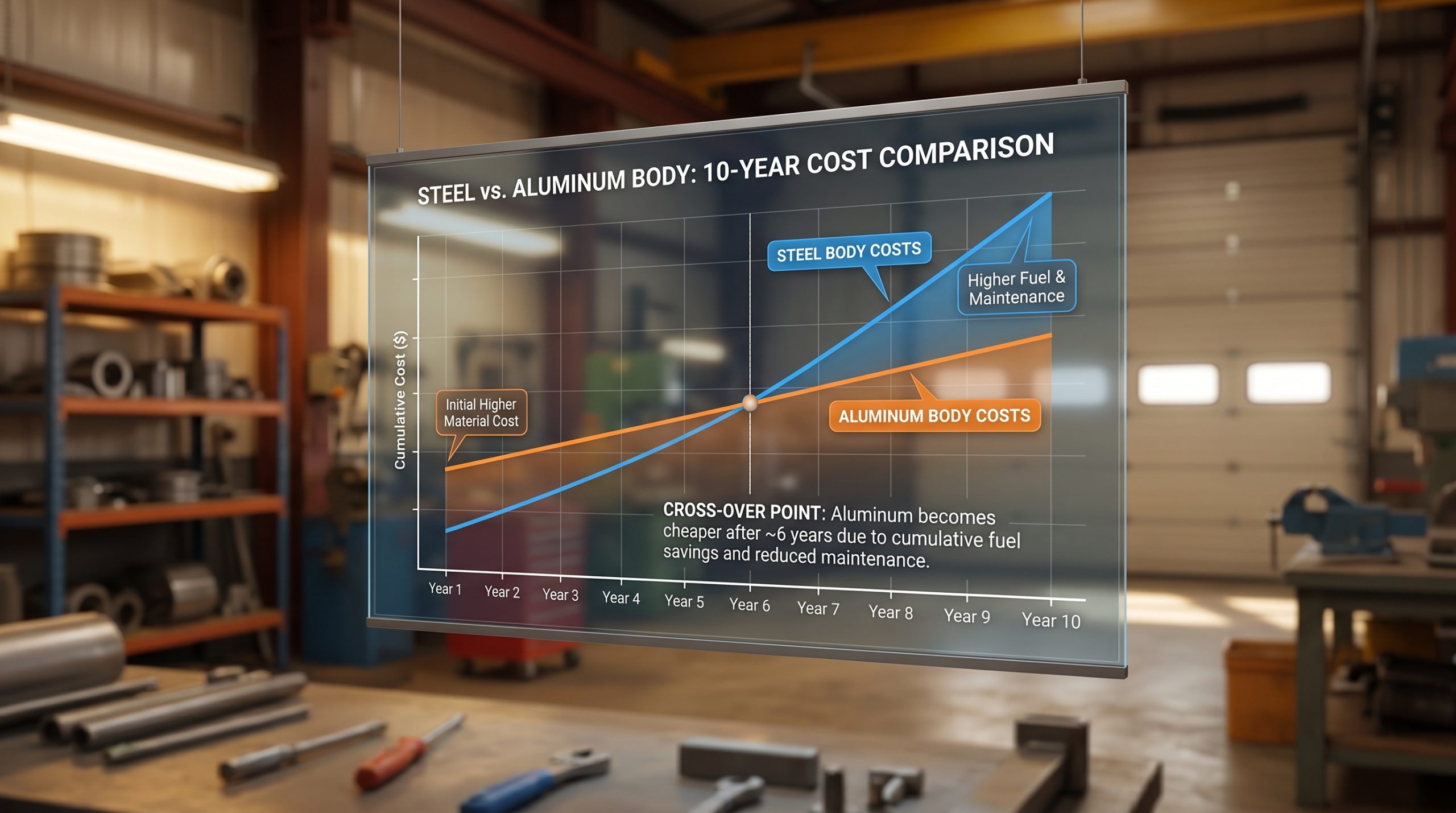
Managers often focus exclusively on the initial purchase price rather than the Total Cost of Ownership (TCO) over a five-year life cycle. Focusing only on the lowest bid ignores how maintenance and fuel efficiency impact your final truck body cost. High-quality builds save thousands in downtime.
Choosing a body based solely on the PO price often leads to frequent hinge repairs and structural cracks. When you ignore the duty cycle, the equipment fails long before the truck chassis is retired.
- Increased fuel consumption from excessive dead weight.
- Frequent downtime for minor structural repairs.
- Reduced residual value at the end of the service life.
Think about it.
Key Takeaway: The cheapest body in the showroom is almost always the most expensive asset in the yard after 24 months of hard use.
| Cost Factor | Low-Bid Body | Premium OEM Body |
|---|---|---|
| Initial Price | $3,000–$6,000 | $8,000–$15,000 |
| Annual Maintenance | $1,500–$3,000 | $300–$800 |
| 5-Year TCO | $12,000–$21,000+ | $9,500–$18,000 |
Purchasing decisions must prioritize the lifecycle efficiency to ensure the fleet remains profitable throughout its deployment.
How Does Excess Weight Silently Drain Your Budget?
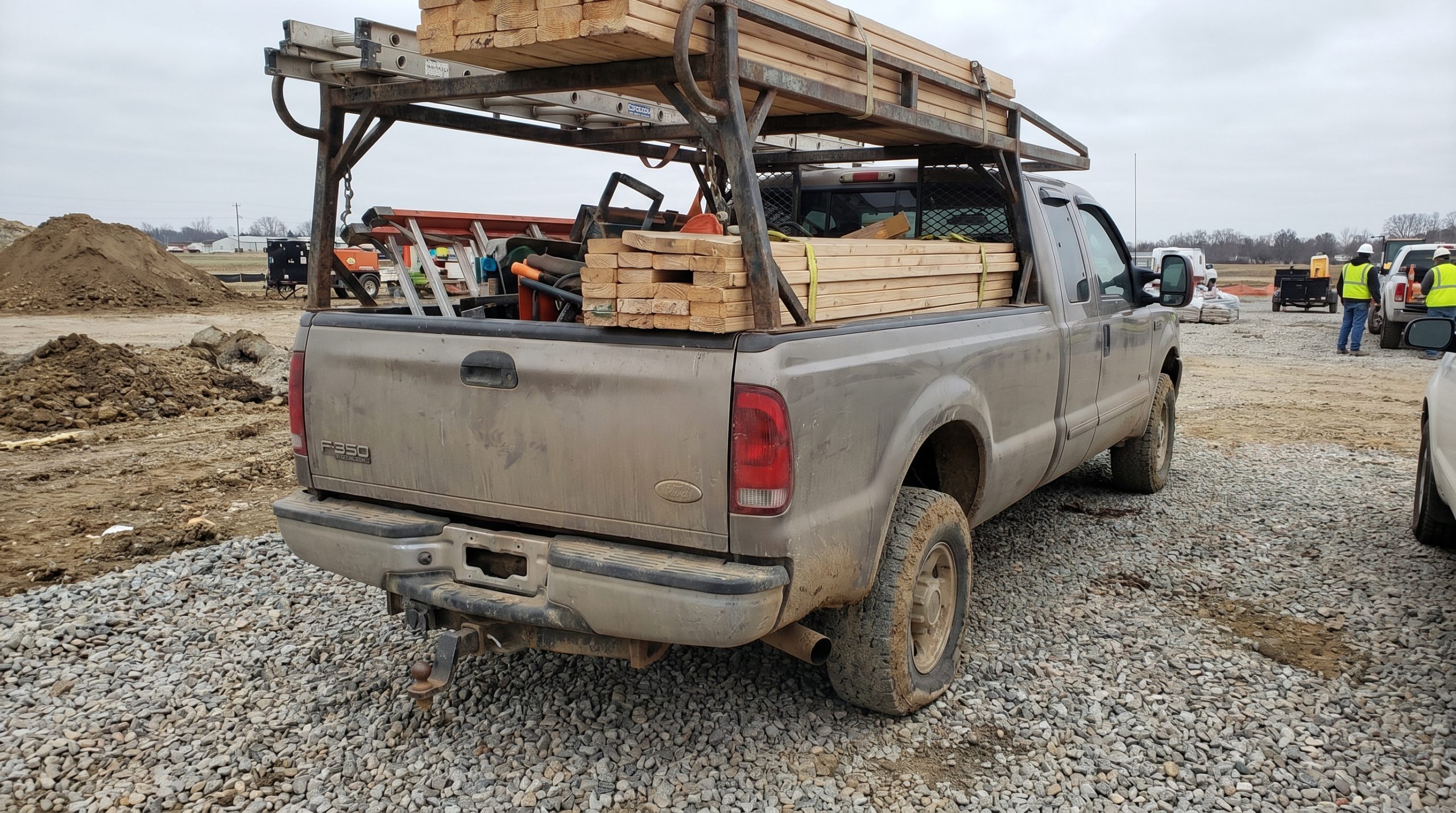
Excess weight reduces your net payload capacity, forcing crews to make more trips and increasing the overall truck body cost through fuel consumption. Every pound of dead weight in the body is a pound of revenue-generating material you cannot carry. This weight also accelerates wear on the chassis suspension.
Why does body weight impact mechanical longevity?
Heavier bodies put constant stress on brakes, tires, and transmission components. You will see significantly higher replacement intervals for consumables when your truck is constantly operating at near-GVWR limits.
- Accelerated tire tread wear on rear axles.
- Increased brake pad heat and glazing.
- Premature suspension sagging and leaf spring failure.
Here’s the kicker: You are paying for that extra weight every mile the truck is on the road.
Key Takeaway: Optimizing the weight-to-strength ratio is the most effective way to protect your chassis and maintain high fuel economy.
| Component | Heavy Steel Body | Lightweight Aluminum |
|---|---|---|
| Tire Life | 25,000 Miles | 40,000+ Miles |
| MPG Impact | -1.5 MPG | Base Rating |
| Payload Loss | 800-1200 lbs | 0-200 lbs |
Reducing body weight creates a cascading effect of savings that benefits every part of the vehicle’s mechanical system.
Why Is Material Selection Critical for Long-Term Value?
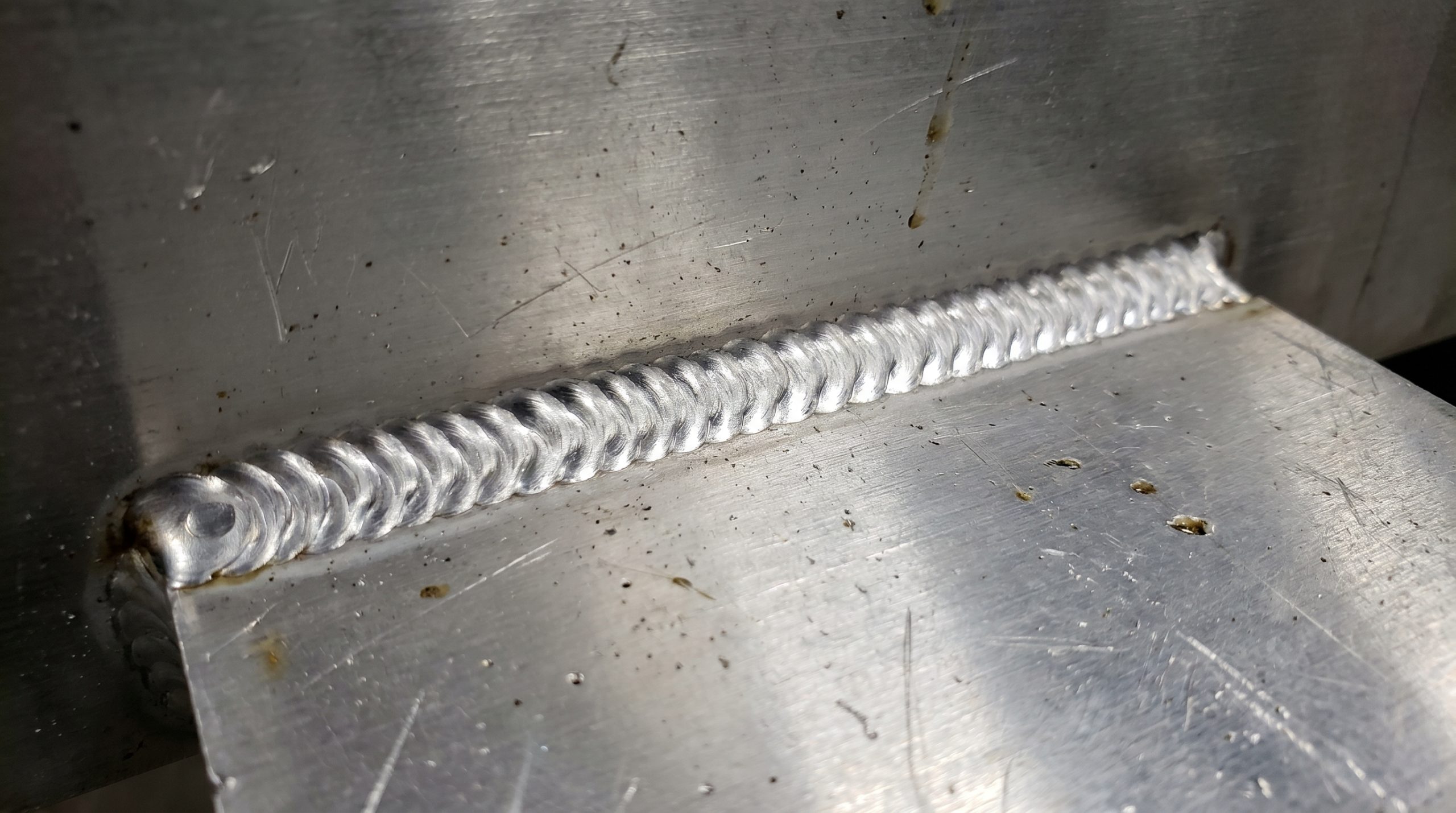
Material selection determines the corrosion resistance and durability of the vehicle, which directly influences the long-term truck body cost. In regions with heavy salt use, a poorly specified steel body can suffer terminal rust in as little as three seasons. Aluminum or galvanized steel offers the protection needed for decades of service.
Aluminum vs. Steel: Which fits your climate?
Aluminum remains the gold standard for fleets operating in harsh northern climates because it is naturally rust-resistant. You can avoid the expense of frequent repainting and sandblasting by choosing a material that handles moisture and chemicals without degrading.
- Superior corrosion resistance in salt-belt regions.
- Higher resale value due to aesthetic preservation.
- Significant weight savings for increased payload.
But that’s not all.
Key Takeaway: Selecting the right material is a proactive investment that prevents the premature decommissioning of otherwise healthy trucks.
| Environmental Factor | Painted Steel | Aluminum Alloy |
|---|---|---|
| Rust Resistance | Poor | Excellent |
| Impact Strength | High | High |
| Paint Maintenance | High | None |
Aluminum bodies consistently outperform steel in lifecycle cost analysis by eliminating the need for invasive structural rust repairs.
Can Poor Storage Design Compromise Fleet Productivity?
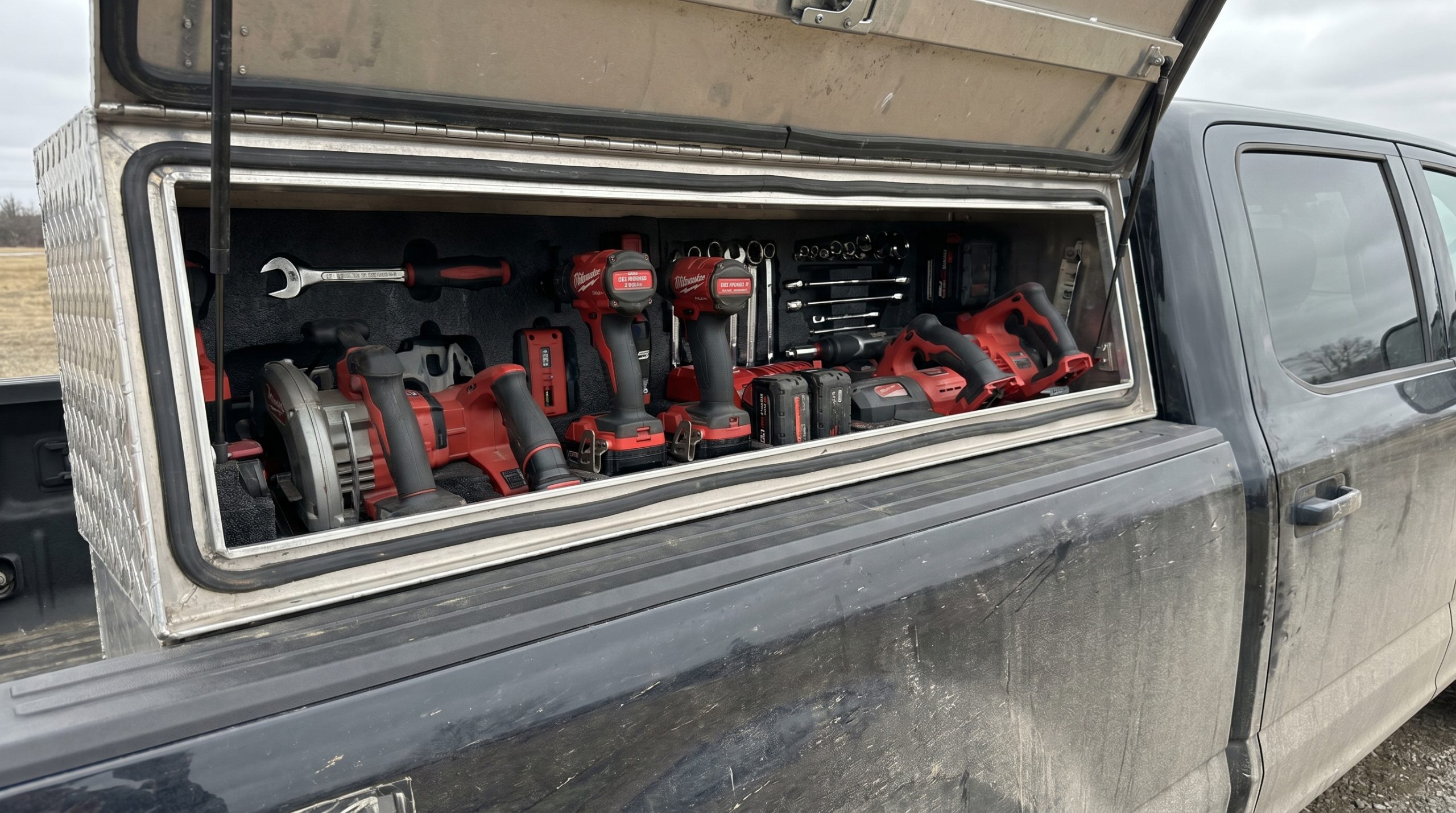
Poorly designed storage forces operators to waste hours every week searching for tools, which drastically increases the labor-driven truck body cost. If your crew cannot access their equipment quickly, your billable efficiency drops across the entire fleet. Integrated toolboxes and organized compartments are essential for high-output operations.
How do integrated boxes improve job site workflow?
Placing high-frequency tools in accessible side-mounted boxes reduces the “walk-around time” for every task. You should design the storage layout to match the sequence of work your crews perform daily to maximize their output.
- Secure locking mechanisms prevent expensive tool theft.
- Weather-sealed compartments protect electronics from moisture.
- Custom shelving allows for better inventory management.
Think about it.
Key Takeaway: Efficiency on the job site is won or lost in the first ten minutes of setup, which depends entirely on storage layout.
| Storage Type | Productivity Impact | Security Level |
|---|---|---|
| Open Bed | Negative | Low |
| Crossover Box | Neutral | Medium |
| Integrated Side Boxes | Positive | High |
The chart above demonstrates how premium storage configurations pay for themselves through recovered labor hours and tool security.
Are Your Material Racks Actually Rated for Real Loads?
Material racks must be spec’d for dynamic loads at highway speeds to avoid structural failures that spike your truck body cost. Static ratings found in brochures often fail to account for the vibration and wind shear experienced during transit. Under-spec’d racks are a liability that can lead to catastrophic equipment loss.
What are the dangers of rack overloading?
Overloading a rack compromises the center of gravity of the vehicle and puts excessive stress on the mounting points. You risk structural cracking in the body and legal liabilities if a load shifts or falls in traffic.
- Fatigue cracks in the mounting brackets.
- Vibration-induced failure of the crossbars.
- Compromised vehicle handling in high winds.
The reality is simple.
Key Takeaway: Always spec your racks for 20% more than your heaviest anticipated load to provide a safety margin for dynamic stresses.
| Rack Material | Static Capacity | Dynamic Reliability |
|---|---|---|
| Light Duty Steel | 500 lbs | Low |
| Heavy Duty Steel | 1,200 lbs | High |
| Reinforced Aluminum | 1,000 lbs | High |
Choosing a rack with a high dynamic rating ensures that your materials stay secure regardless of road conditions or weather.
How Do Fold-Down Sides Impact Job Site Efficiency?
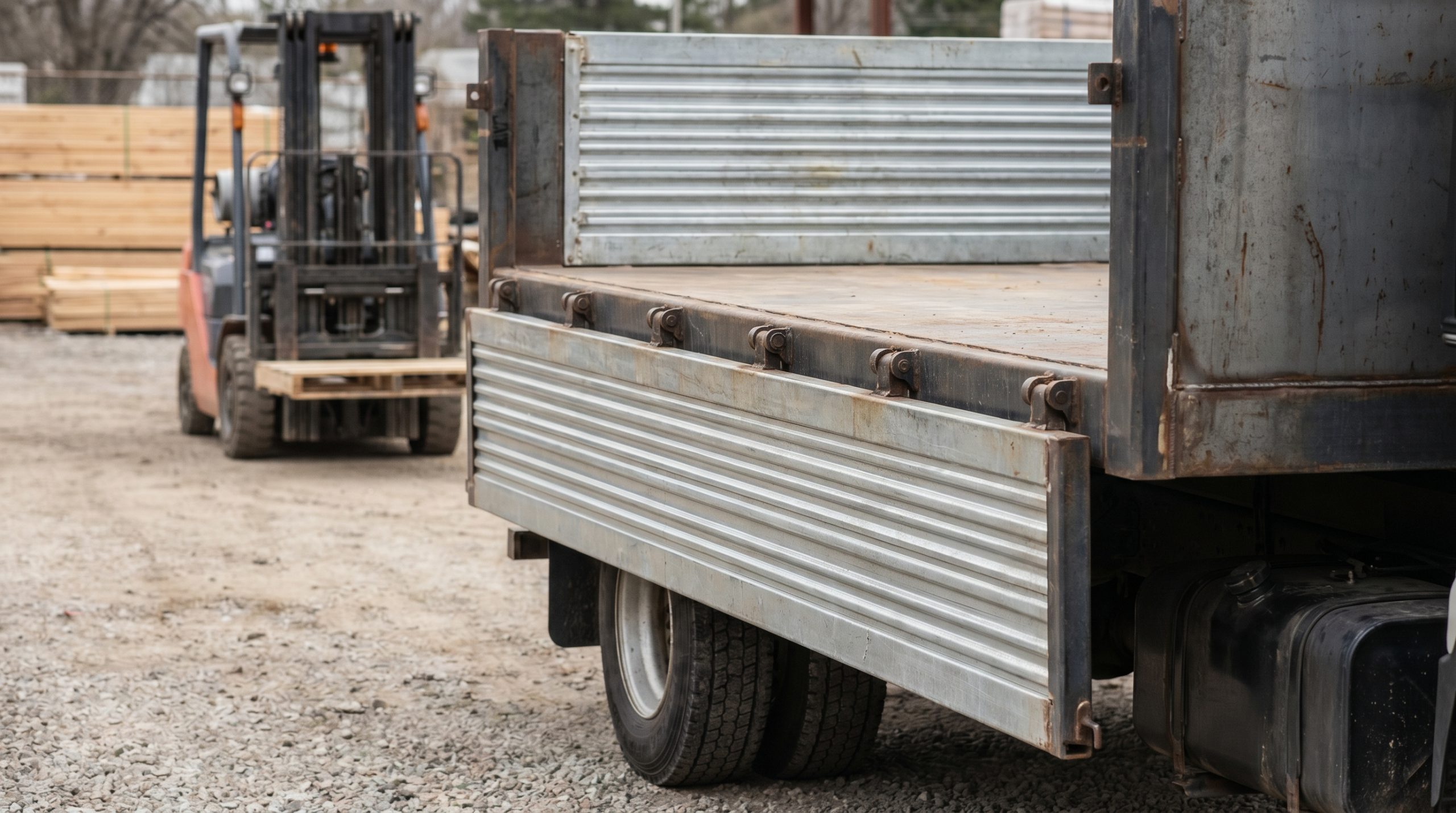
Fold-down sides facilitate faster loading of pallets from the side of the vehicle, reducing the truck body cost associated with loading times. However, if the hinges are poorly designed, they will seize up or break under the stress of daily use. Reliable side-access mechanisms are mandatory for fleets that frequently use forklifts.
Should you choose fixed or fold-down sides?
Fixed sides are more durable for bulk hauling, but they limit your loading options to the rear tailgate only. You should analyze your typical cargo to decide if the flexibility of fold-down sides justifies the additional hinge maintenance.
- Faster side-loading with forklifts.
- Easier access to tools in the middle of the bed.
- Potential for mechanical failure in low-quality hinges.
Here’s the kicker: Cheap hinges will freeze after one winter of salt exposure.
Key Takeaway: Only specify fold-down sides if your operational workflow requires frequent side-loading to avoid unnecessary maintenance points.
| Side Type | Forklift Access | Maintenance |
|---|---|---|
| Fixed | No | Zero |
| Fold-Down | Yes | Moderate |
| Removable | Yes | Low |
A well-engineered side-access system allows for maximum versatility without compromising the structural integrity of the truck bed.
Is Front-End Protection Worth the Extra Investment?
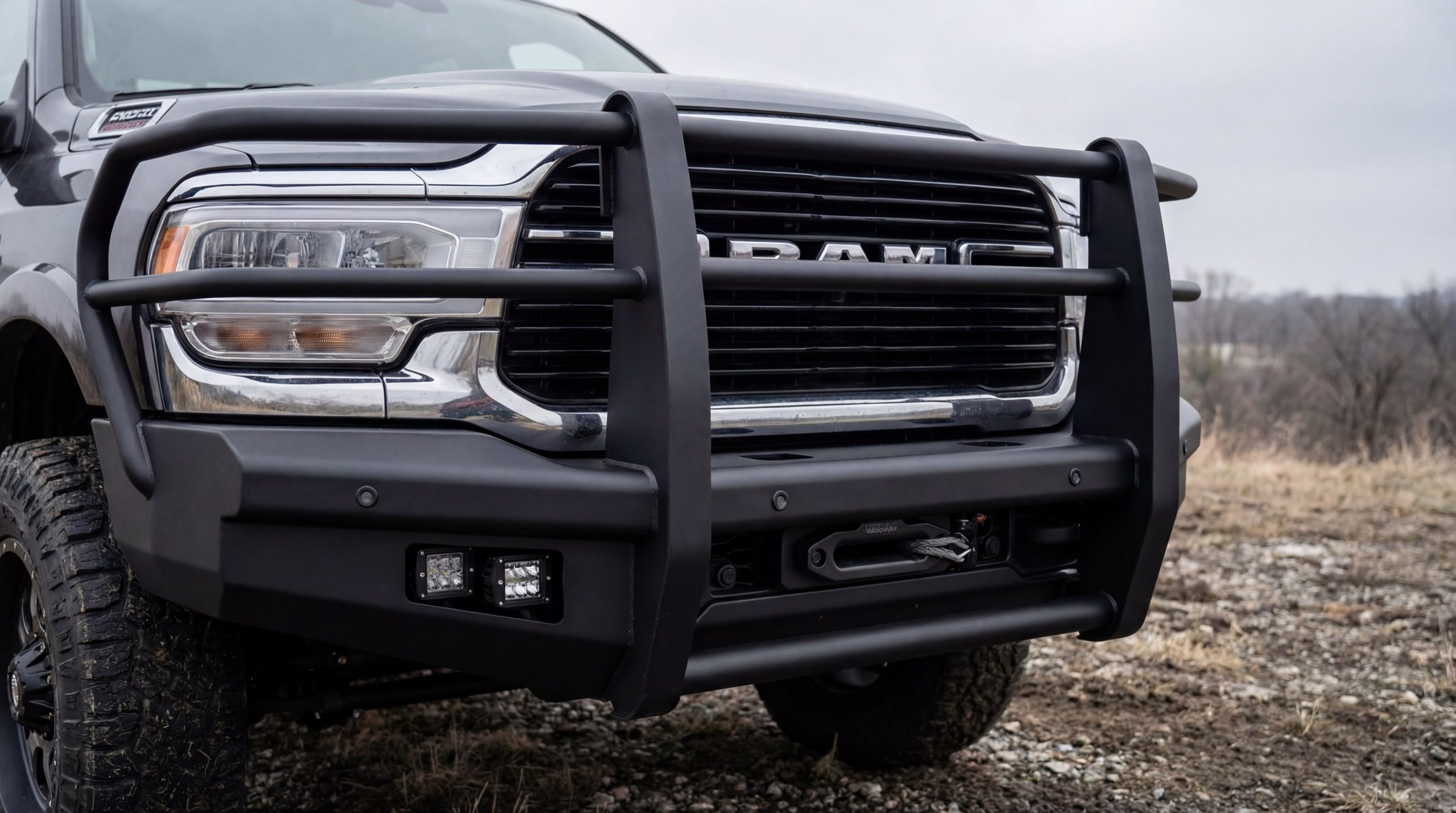
Front-end protection, such as truck bumpers, significantly reduces the total truck body cost by preventing radiator and engine damage during wildlife collisions. In rural or northern operations, a single animal strike can total a truck that lacks a heavy-duty guard. Protecting the cooling system is the difference between a minor delay and a complete loss.
Can a bumper prevent a total loss?
A high-quality guard absorbs the impact force and distributes it across the frame, shielding the vital components behind the grille. You can save tens of thousands in engine repairs and weeks of downtime by investing in a proven front-end protection system.
- Shields the radiator and intercooler from impact.
- Reduces the likelihood of “total loss” insurance claims.
- Maintains the vehicle’s operation after a strike.
Think about it.
Key Takeaway: For long-haul and rural fleets, front-end guards are not an accessory; they are a critical insurance policy against downtime.
| Incident Type | No Protection | With Moose Bumper |
|---|---|---|
| Deer Strike | $15k+ Damage | $0 – $500 |
| Minor Bump | Cracks Grille | No Damage |
| Downtime | 3-4 Weeks | 0 Days |
Installing heavy-duty protection ensures that your fleet stays on the road even when operating in high-risk wildlife corridors.
Does Floor Material Choice Affect Payload Compliance?
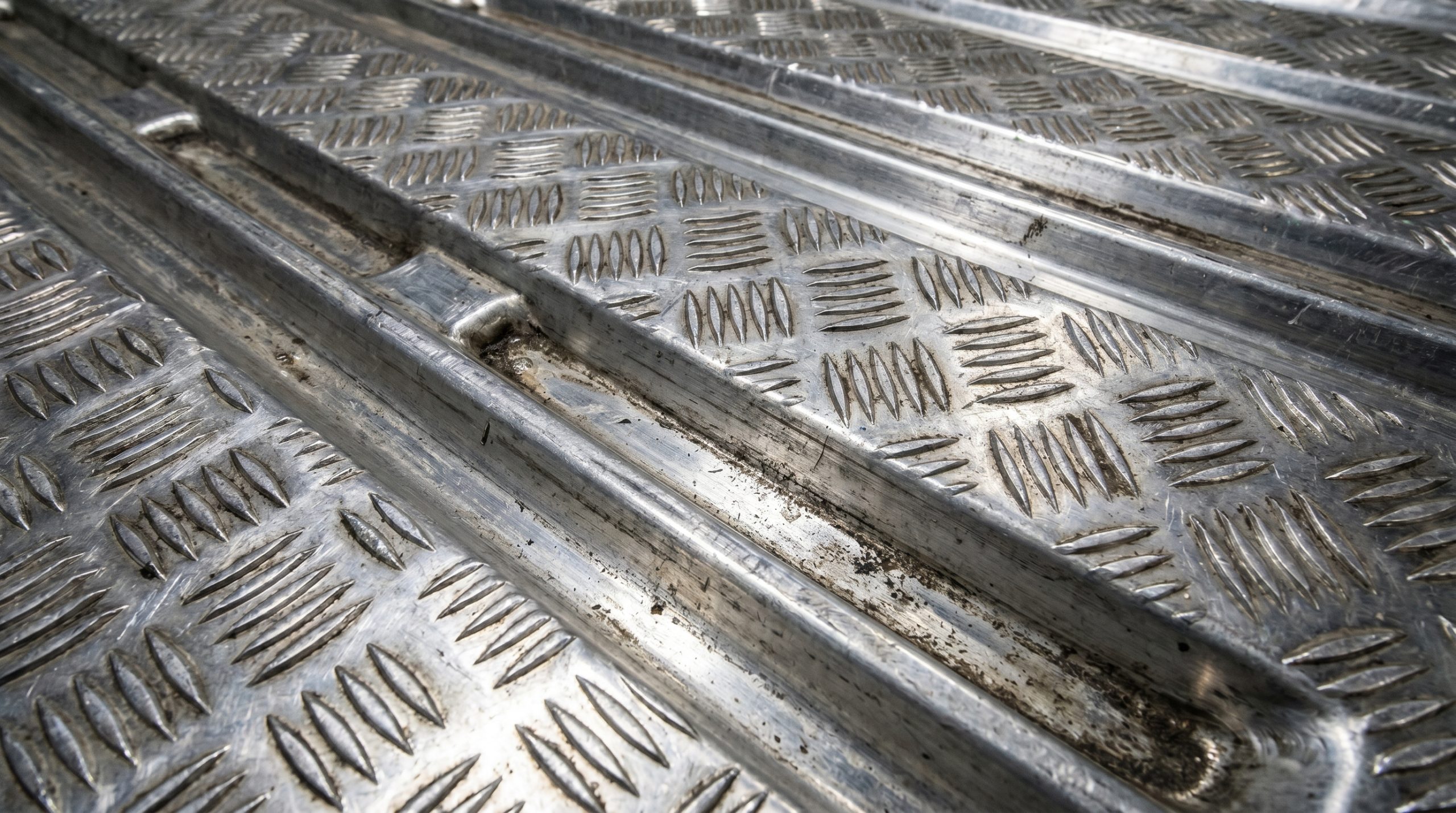
Floor material is the heaviest component of the bed and has a direct impact on the truck body cost through payload compliance and safety. Choosing a heavy steel floor can leave you with very little room for tools and materials before you hit your GVWR. Aluminum floors offer a high strength-to-weight ratio that maximizes your legal hauling capacity.
Is slip resistance a liability concern?
Smooth steel floors become incredibly dangerous when wet or oily, leading to slip-and-fall injuries that drive up your insurance costs. You should prioritize extruded aluminum floors with integrated traction patterns to protect your crew and reduce liability risks.
- Better traction for workers in wet conditions.
- Lighter weight allows for more cargo.
- Natural resistance to surface pitting and rust.
But that’s not all.
Key Takeaway: The deck surface is the most abused part of the truck; choosing the wrong material leads to both safety hazards and payload violations.
| Floor Material | Weight/Sq Ft | Traction Rating |
|---|---|---|
| Diamond Plate Steel | 10.2 lbs | Moderate |
| Extruded Aluminum | 4.1 lbs | High |
| Treated Wood | 6.5 lbs | Variable |
Aluminum floors provide the best balance of safety and payload efficiency for professional contracting fleets.
Why Should You Prioritize OEM Fitment for Custom Bodies?
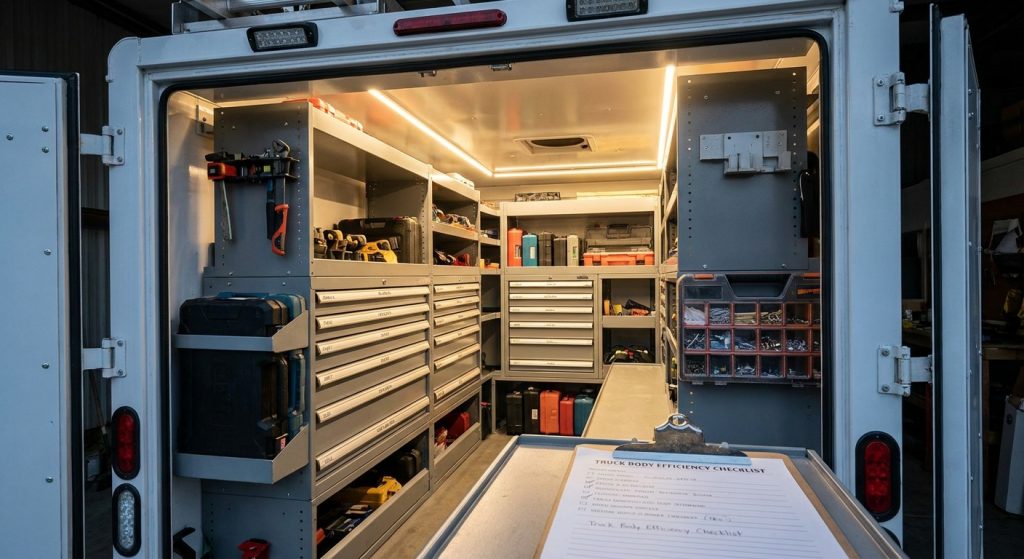
Prioritizing OEM fitment ensures that the body integrates perfectly with the chassis, reducing the initial truck body cost by eliminating installation delays. When a body is precision-engineered for a specific truck model, you avoid the need for invasive frame modifications. This preserves the original manufacturer’s warranty and ensures structural reliability.
How does precision engineering reduce downtime?
Using laser-cut mounting points and CNC-bent components guarantees that every bolt aligns perfectly during the upfit process. You can get your trucks into service faster when the body manufacturer uses high-accuracy manufacturing protocols.
- No-drill installation preserves frame integrity.
- Plug-and-play wiring harnesses reduce electrical issues.
- Consistent quality across the entire fleet.
The reality is simple.
Key Takeaway: “Bolt-on” ready designs from an OEM manufacturer eliminate the human error associated with custom field fabrication.
| Fitment Method | Installation Time | Warranty Impact |
|---|---|---|
| OEM Spec | 24-48 Hours | None |
| Custom Weld | 72+ Hours | Potential Void |
| Universal Fit | Variable | Moderate Risk |
Precision-engineered bodies ensure that your fleet investment is protected by maintaining the factory standards of the truck chassis.
How Can You Calculate the True ROI of an Upfit?
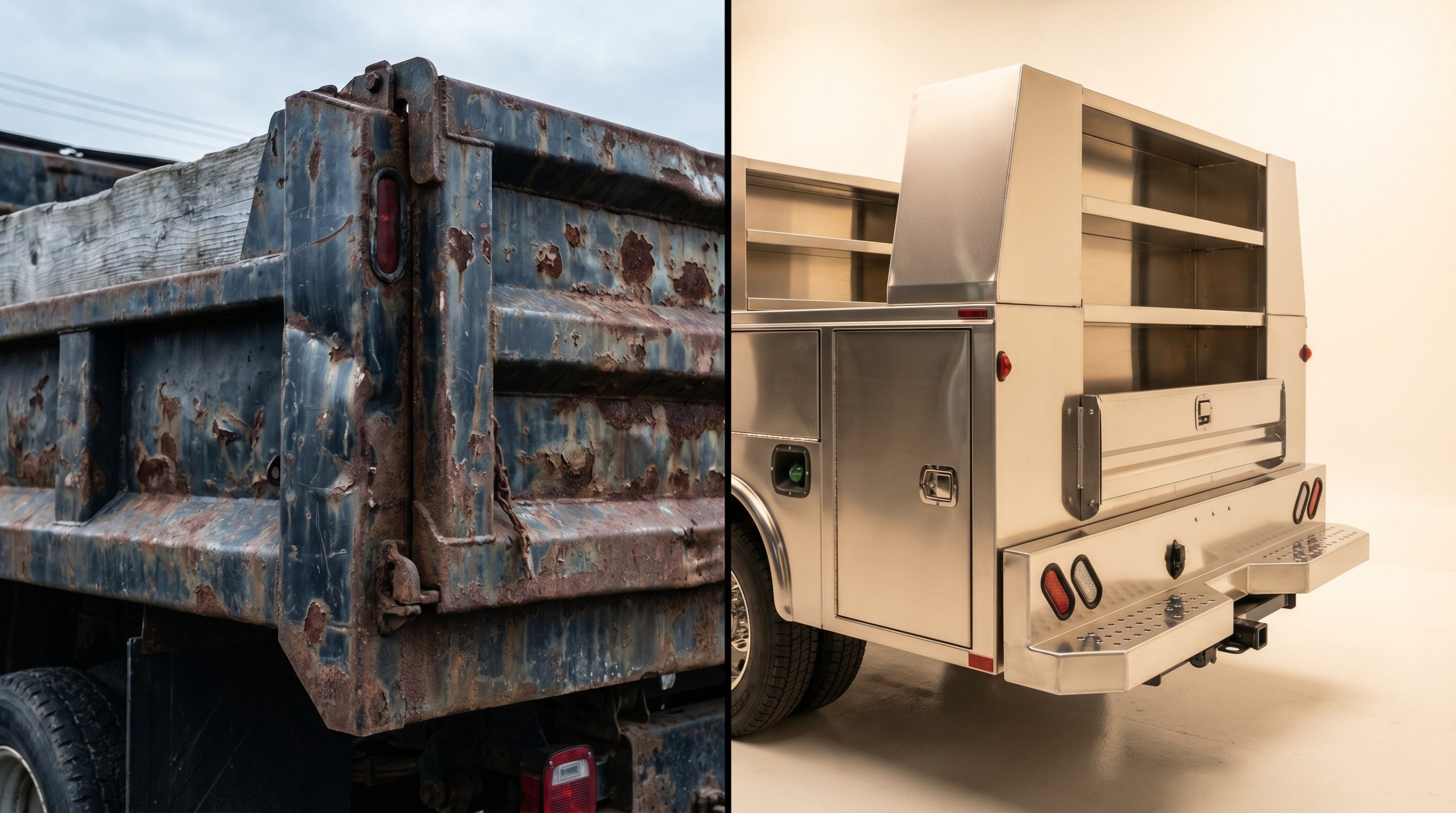
Calculating the true ROI requires looking past the initial truck body cost to analyze the savings in fuel, maintenance, and productivity over ten years. A high-quality upfit pays for itself by keeping the truck on the road and reducing the frequency of replacement cycles. Fleets that spec for longevity always outperform those that spec for the lowest price.
Why does residual value matter in ROI?
Trucks with premium aluminum bodies and front-end protection hold their value much better on the secondary market. You can recover a higher percentage of your investment when it’s time to cycle the vehicle out of your fleet.
- Aluminum bodies do not rust, maintaining curb appeal.
- Better mechanical condition leads to higher trade-in offers.
- Reduced wear on the engine extends the asset’s total life.
Think about it.
Key Takeaway: The most profitable fleets treat their truck bodies as long-term assets, not disposable equipment.
| Spec Priority | 10-Year ROI | Operational Status |
|---|---|---|
| Price-First | Low | Frequent Downtime |
| Quality-First | High | Maximum Uptime |
| Safety-First | High | Reduced Liability |
By following a disciplined specification process, you ensure that every dollar spent on upfitting contributes to the long-term profitability of your business.
Conclusion
Managing the long-term efficiency of your fleet requires a deep understanding of how material choice, weight, and storage design impact your bottom line. Specification mistakes in contractor bodies rarely fail dramatically; they bleed your budget through incremental costs in fuel, repairs, and lost productivity. By prioritizing high-quality OEM manufacturing and rugged protection, you can transform your fleet from a cost center into a competitive advantage.
Are you ready to optimize your fleet and eliminate these costly mistakes? Please contact us today to discuss your specific application. Our mission is to provide North American fleets with the heavy-duty protection and high-performance bodies they need to thrive in the most demanding conditions.
FAQ
Can I order an aluminum body for heavy construction?
Yes, modern aluminum alloys are engineered to handle the high-impact stresses of construction while offering significant weight savings.
What’s the best way to prevent body rust?
The most effective solution is choosing aluminum or hot-dipped galvanized steel, which resists the corrosive effects of road salt and moisture.
How do I know if my material rack is overloaded?
You should check for sagging, fatigue cracks at the mounting points, or any swaying of the load while the vehicle is in motion.
Can I transfer a high-quality body to a new chassis?
Yes, precision-engineered OEM bodies are often durable enough to outlast the first chassis and can be re-mounted on a new truck.
How much can a moose bumper save me?
A single collision with a large animal can cost over $15,000 in repairs; a bumper typically prevents this entire expense and the associated downtime.