
Choosing the right truck body manufacturer is not about selecting equipment—it is about evaluating engineering capability, production consistency, and long-term fleet performance.
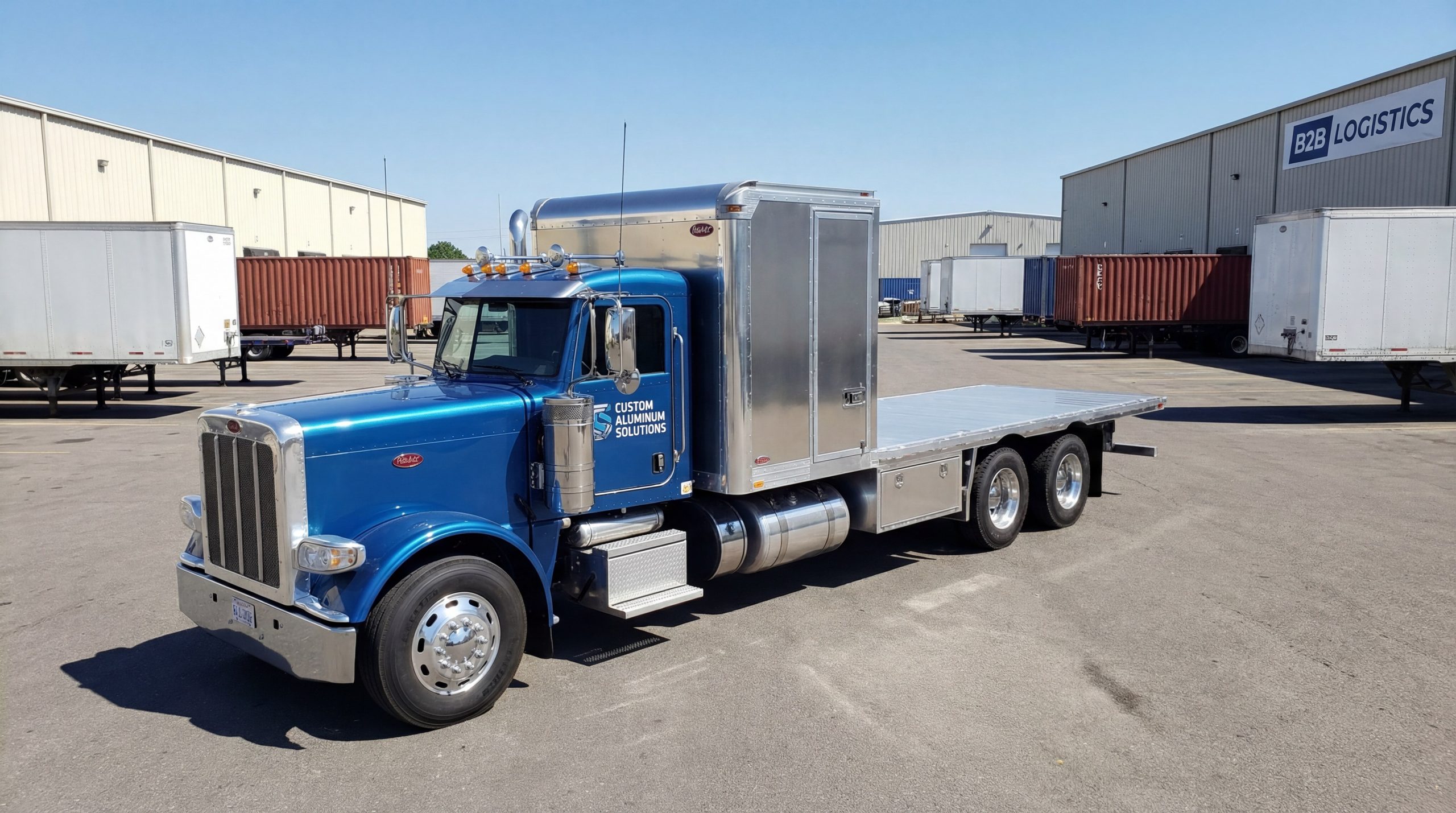
Hiring a premium truck body manufacturer ensures you receive a vehicle engineered to bridge the gap between a standard chassis and your specific operational goals. Working with a dedicated truck body manufacturer allows you to access specialized engineering that standard off-the-shelf units simply cannot match. This partnership ensures that every component is designed to withstand the unique stressors of your routes.
Leveraging Specialized Engineering for Longevity
Investing in professional manufacturing ensures that the structural integrity of your vehicle remains intact even under heavy load cycles. Most generic solutions fail because they aren’t built for the specific vibration risks inherent to long-haul logistics.
Think about this:
- High-tensile steel and aluminum alloy integration.
- Precision-engineered mounting points for zero-stress fitment.
- Corrosion-resistant finishes designed for harsh environments.
A professional truck body manufacturer will customize these solutions based on your operational requirements.
Key Takeaway: Professional manufacturing translates directly into lower maintenance costs and significantly higher resale value for your fleet.
| Feature | Standard Body | Premium Body Manufacturer |
|---|---|---|
| Material | Standard Grade Steel | High-Tensile Aluminum/Steel |
| Fitment | Universal (Gaps likely) | Precision Jig Verification |
| Lifespan | 5-7 Years | 12-15+ Years |
The data above highlights the stark contrast in longevity when opting for engineered excellence over mass-produced alternatives.
How does a truck body manufacturer ensure quality?
A dedicated truck body manufacturer ensures quality by implementing multi-stage inspections and utilizing AWS-certified welding protocols throughout the fabrication process. This systematic approach by a truck body manufacturer guarantees that every joint and seam meets rigorous safety standards. Quality is never left to chance when the manufacturer prioritizes transparency and engineering precision.
Implementing Rigorous Quality Control Protocols
Quality is not an accident; it is the direct result of testing materials and structural joints against industry benchmarks. If your manufacturer isn’t checking material thickness against mill certificates, your fleet’s safety is compromised.
Here is the deal:
- IPQC (In-Process Quality Control) dimensional checks.
- Non-destructive testing (NDT) on structural load points.
- CMM verification to ensure precision measurement of hole positions.
A professional truck body manufacturer will customize these solutions based on your operational requirements.
Key Takeaway: Rigorous quality control prevents the “invisible” defects that lead to catastrophic frame failure in demanding off-road conditions.
| Metric | Industry Standard | High-Quality Target |
|---|---|---|
| Tolerance | ±2.0mm | ±0.5mm |
| Weld Standard | General Commercial | AWS Structural Certified |
| Salt Spray Test | 240 Hours | 1,000+ Hours |
The comparison table illustrates how superior manufacturing standards directly impact the physical reliability of the truck body.
What can a custom truck body manufacturer build?
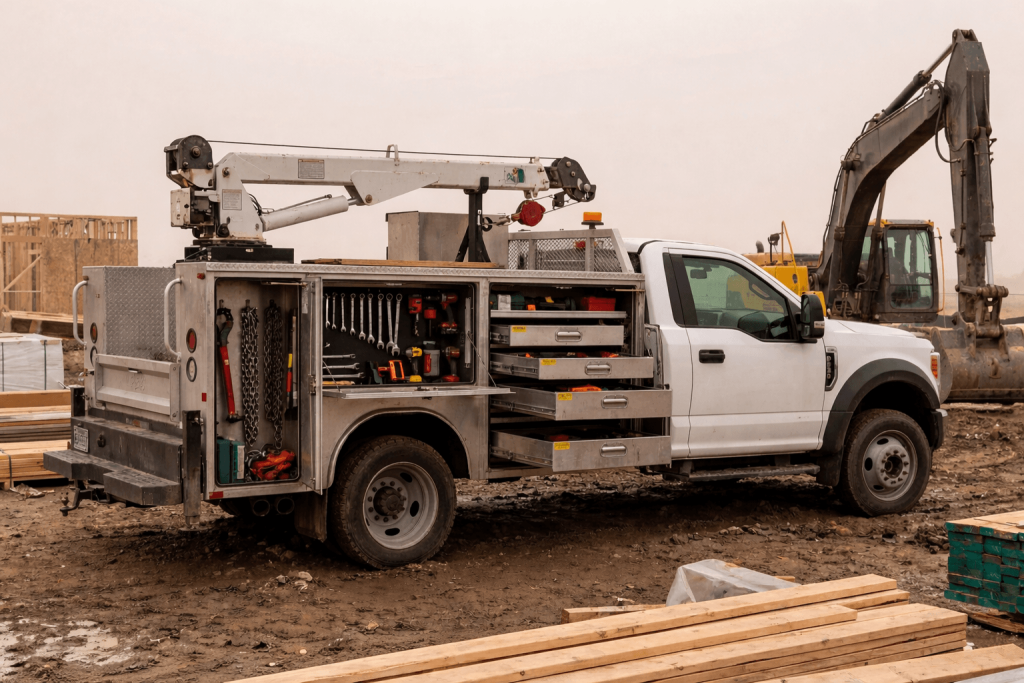
A custom truck body manufacturer can build highly specialized equipment ranging from lightweight aluminum dry freight vans to moose-protected service bodies. By collaborating with a truck body manufacturer, you can design a vehicle that optimizes your specific payload capacity. This flexibility allows your business to address niche market needs that standard trailers cannot fulfill.
Designing Solutions for Specific Industry Needs
Customization allows businesses to optimize for operational speed through ergonomic design and weight-saving materials. Modern manufacturers use advanced aluminum alloys to keep your vehicle under critical GVWR limits while maintaining strength.
The best part?
- Refrigerated units for food and medical supplies.
- Flatbed and stake-bed bodies for construction utility.
- Integrated bumpers and grille guards for wildlife protection.
Key Takeaway: A professional truck body manufacturer will customize these solutions based on your operational requirements. Customization ensures every inch of your vehicle contributes to revenue generation through specialized utility.
| Body Type | Primary Material | Ideal Business Use |
|---|---|---|
| Dry Freight | Aluminum | Logistics & General Cargo |
| Service/Utility | Heavy-Gauge Steel | Field Maintenance & HVAC |
| Dump Body | Reinforced Steel | Landscaping & Waste |
This breakdown shows how tailored designs can be matched to specific commercial utilities for maximum return on investment.
Is your truck body manufacturer ISO certified?
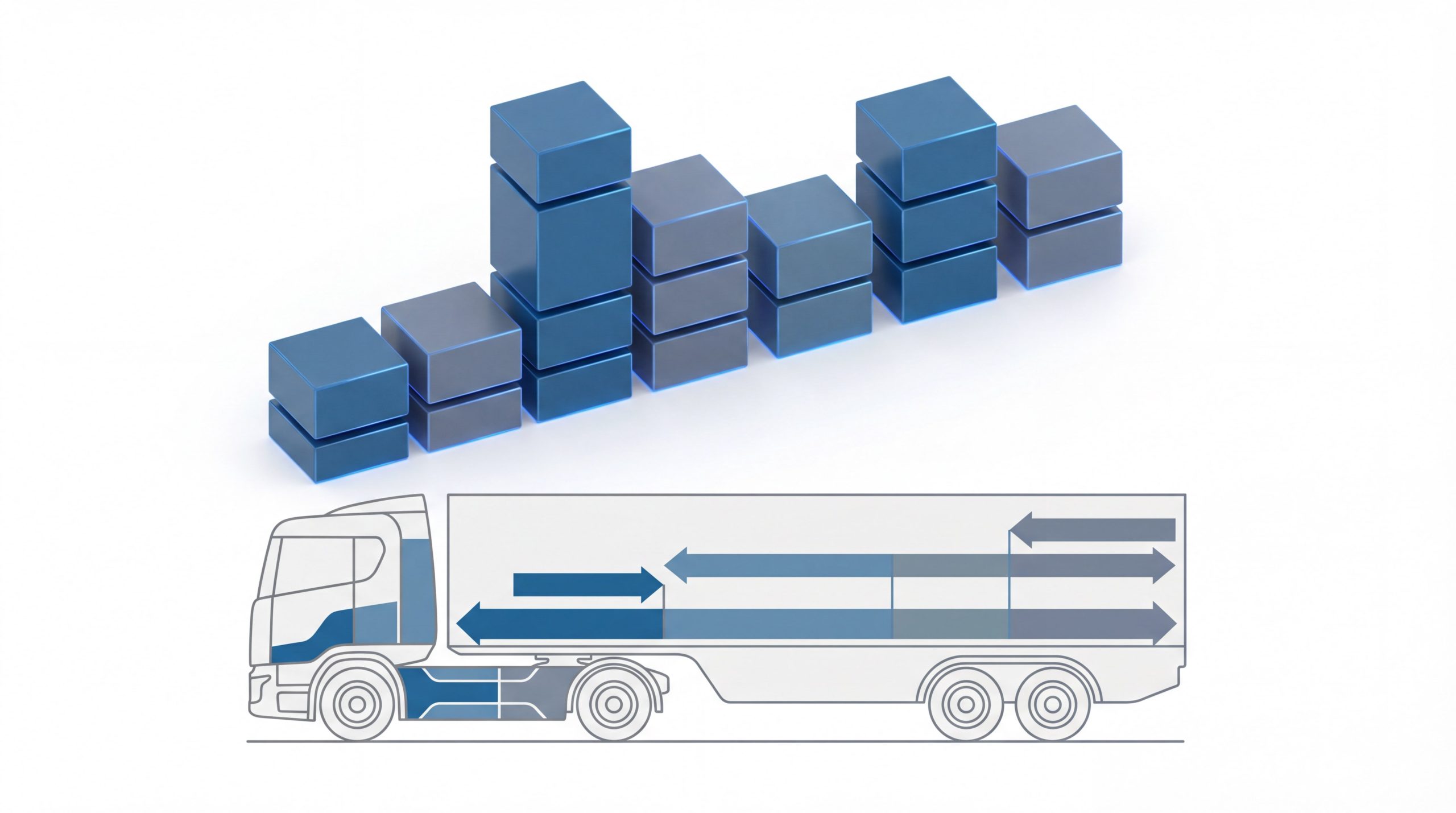
An ISO 9001 certification indicates that your truck body manufacturer follows an internationally recognized quality management system for consistent production. Choosing an ISO-certified truck body manufacturer is a signal to B2B buyers that the company can handle large-scale fleet orders without variance. Standardized production is essential for maintaining a uniform fleet.
The Importance of Standardized Production
ISO certification serves as the backbone of fleet standardization programs by ensuring that every unit is built to the same exact specifications. This reduces the learning curve for your drivers and simplifies parts management for your mechanics.
Look:
- Full traceability of every component back to its raw material batch.
- Scalability that allows for 20-30% faster lead times on bulk orders.
- Reliability through a significantly reduced rate of “First-Article” failures.
Key Takeaway: Certification reduces procurement risk by guaranteeing process transparency and repeatable manufacturing quality across your entire order.
| Advantage | Operational Impact | Business Value |
|---|---|---|
| Process Control | Fewer production delays | Reliable delivery timelines |
| Error Reduction | 99.5% fitment accuracy | Zero downtime during install |
| Audit Trails | Full transparency | Easier insurance compliance |
By adhering to these certified standards, manufacturers eliminate the operational volatility often found in non-certified shops.
Unlike standard aftermarket suppliers, a true truck body manufacturer operates with strict dimensional control, engineering validation, and repeatable production across OEM programs.
Can a truck body manufacturer reduce fleet costs?
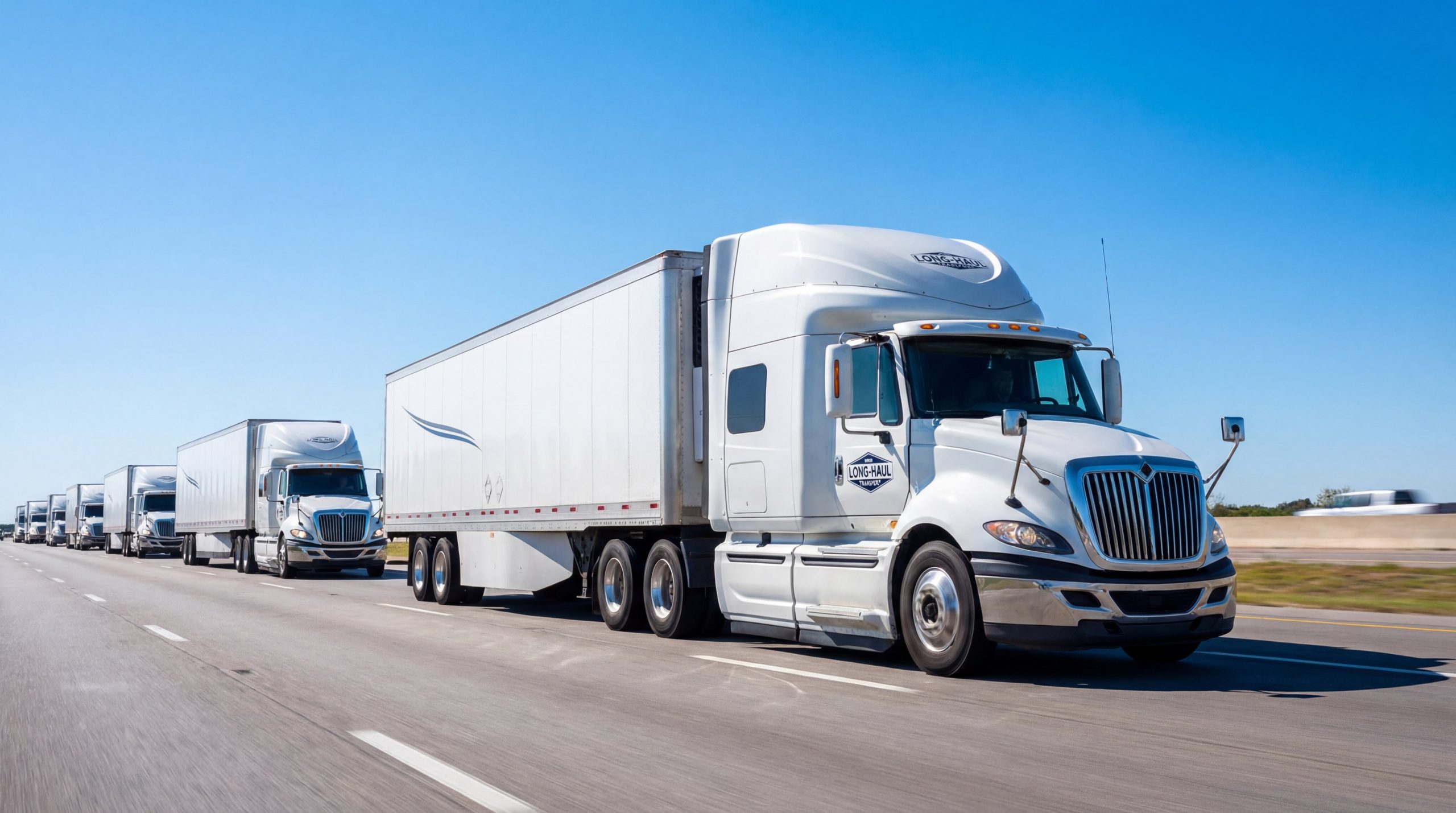
By utilizing lightweight materials and aerodynamic designs, a truck body manufacturer can significantly lower your fuel consumption and maintenance overhead. Strategic equipment choices from a truck body manufacturer act as a long-term hedge against rising operational costs. When you reduce the weight of the body, you increase the available payload for cargo.
Optimizing Weight for Fuel Efficiency
Weight reduction is the most direct route to increasing your bottom line in the transportation sector. Reducing body weight doesn’t just save fuel; it also reduces the wear and tear on tires and brakes.
Wait, there’s more:
- Aluminum bodies save up to 40% weight compared to steel.
- Aerodynamic skirts and fairings significantly reduce wind drag.
- Precision fitment eliminates vibration-induced fatigue in the chassis.
Key Takeaway: Investing in lightweight, aerodynamic bodies results in compounding savings across fuel, tires, and mechanical repairs.
| Cost Category | Steel Body (Heavy) | Aluminum Body (Light) |
|---|---|---|
| Fuel Expenses | Baseline | -12% Savings |
| Tire Replacement | Standard Cycle | +15% Extended Life |
| Payload Profit | Baseline | +20% Capacity |
The table above demonstrates how material selection at the manufacturing stage dictates the long-term profitability of the vehicle.
How to vet a reliable truck body manufacturer?
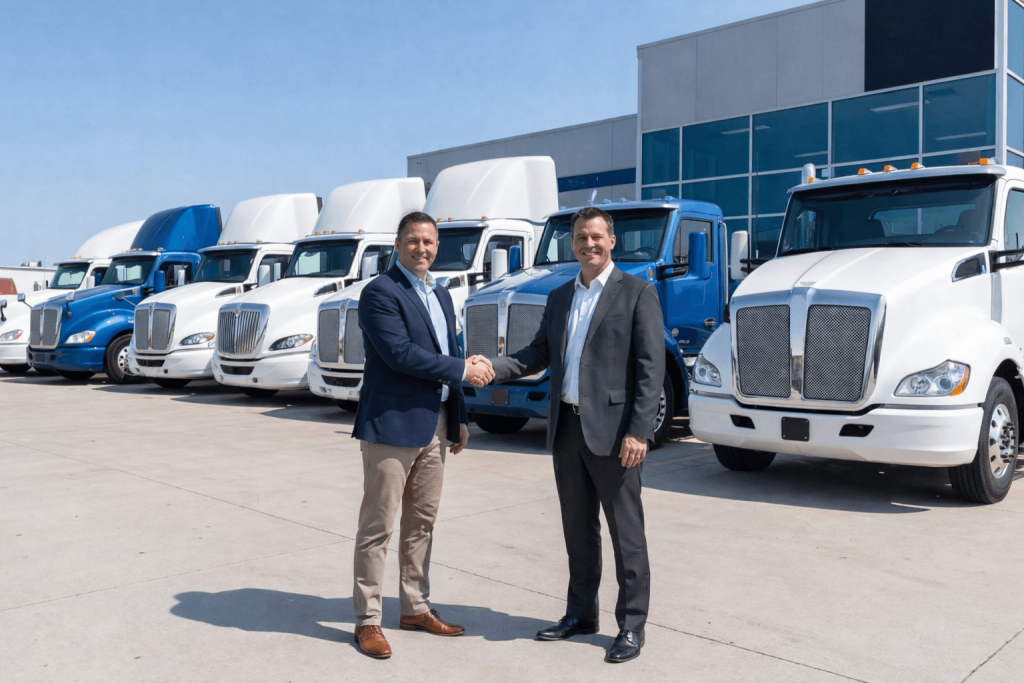
Vetting a oem truck body manufacturer involves evaluating their facility scale, engineering capabilities, and historical performance with North American fleet standards. A reliable truck body manufacturer must possess the technology to meet modern tolerances and high-volume demands. Verification of their physical infrastructure is a critical step in the procurement process.
Evaluating Manufacturing Infrastructure
A partner must have the specialized machinery required to ensure precision and scalability. You need to know if their factory is equipped with CNC capabilities and certified welding stations to handle your project.
You might be wondering:
- Verification of a large-scale facility with at least 50,000 sqm.
- Minimum of 15+ years of experience in the transport industry.
- Documentation of AWS-certified welding and in-house engineering support.
Key Takeaway: A reliable truck body manufacturer will tailor these configurations to match your fleet operations. A site visit or virtual factory tour is essential to confirm that the manufacturer has the actual capacity to deliver.
| Verification Step | Requirement | Priority |
|---|---|---|
| Lead Times | 25-35 Days Standard | High |
| Engineering | In-house CAD/CMM | High |
| Global Export | Experience with 30+ countries | Medium |
Using this vetting checklist ensures that you partner with a manufacturer capable of meeting professional fleet requirements.
Which truck body manufacturer offers OEM services?
A truck body manufacturer with OEM/ODM certification can provide white-label solutions that integrate seamlessly into your existing brand portfolio. Utilizing an OEM-certified truck body manufacturer allows you to standardize your equipment while maintaining brand consistency. This partnership model is ideal for large fleets looking for custom designs at mass-produced prices.
Understanding the OEM/ODM Partnership Model
OEM services allow for the creation of proprietary designs built to your exact engineering specifications. This ensures your fleet looks professional and operates uniformly across all territories.
The result?
- Custom branding and private labeling for all equipment.
- Proprietary designs that follow your specific engineering specs.
- Dedicated account management for long-term program support.
Key Takeaway: OEM partnerships provide the benefits of custom engineering with the cost-efficiency of high-volume mass production.
| Service Feature | Custom Design | Standard OEM |
|---|---|---|
| Logo Integration | Full | Full |
| Engineering Support | Collaborative | Specification-Based |
| Inventory Control | Dedicated Capacity | Scheduled Releases |
Choosing the OEM route allows fleet managers to maintain strict control over their equipment specifications and branding.
Does your truck body manufacturer use aluminum?
Most high-end truck body manufacturer options favor aluminum because it offers the best strength-to-weight ratio while remaining resistant to corrosion. An aluminum-focused truck body manufacturer provides vehicles that can withstand salt-heavy winters without the risk of rusting. This material choice is essential for long-term durability in harsh climates.
The Material Science of Modern Trucking
Aluminum alloys have effectively replaced steel in premium applications due to their longevity and weight advantages. Furthermore, aluminum is 100% recyclable, which significantly boosts your company’s sustainability profile.
But that’s not all:
- 5000 and 6000 series alloys for superior structural strength.
- Natural resistance to road salts, chemicals, and moisture.
- Higher impact absorption compared to rigid, brittle metals.
Key Takeaway: Aluminum is the “gold standard” for businesses operating in northern or coastal climates where corrosion is a major threat.
| Property | Aluminum Alloy | Galvanized Steel |
|---|---|---|
| Corrosion Resistance | Excellent | Moderate |
| Weight | Very Low | High |
| Initial Cost | Higher | Lower |
This comparison clarifies why the higher initial investment in aluminum pays off through reduced maintenance and weight savings.
Why choose a truck body manufacturer for protection?
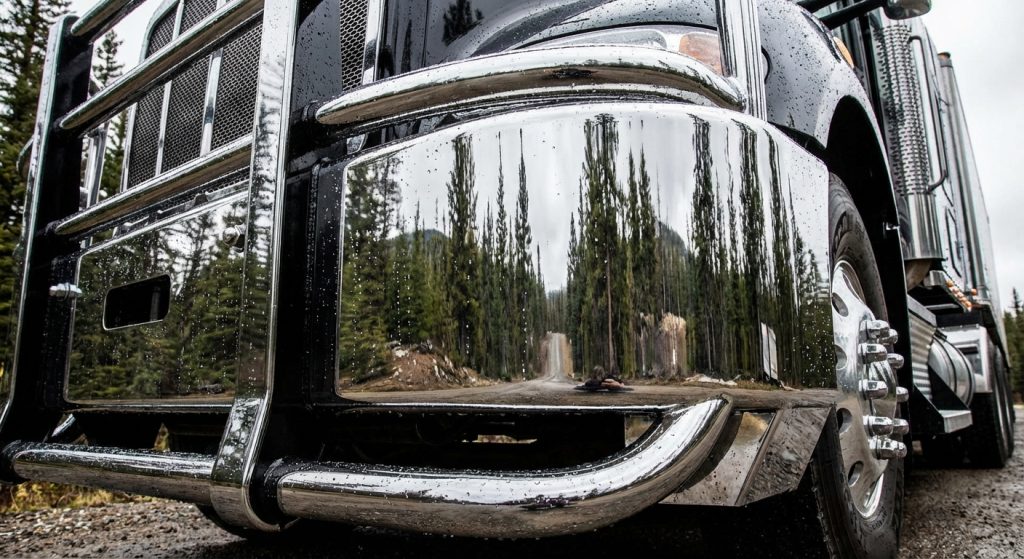
A specialized truck body manufacturer like Brontec understands that front-end protection is critical for preventing downtime caused by wildlife collisions. A truck body manufacturer that integrates moose bumpers and grille guards into their design provides an extra layer of security for your assets. Protection products are an extension of the body itself, shielding expensive engine components.
Integrating Moose Bumpers and Grille Guards
Protection products serve as a shield for your vehicle’s most vulnerable and expensive components during long-haul trips. A single moose collision can cost a fleet over $15,000 in repairs and weeks of lost revenue.
Why does this matter?
- Frame-mounted moose bumpers for Class 8 heavy-duty trucks.
- Heavy-duty grille guards for pickup and service fleets.
- Stainless steel tubular components for optimal impact distribution.
Key Takeaway: Integrated protection is an insurance policy that pays for itself in a single avoided wildlife accident.
| Environment | Primary Risk | Recommended Protection |
|---|---|---|
| Northern Routes | Wildlife/Moose Impact | Heavy-Duty Moose Bumper |
| Urban Delivery | Low-Speed Bumps | Stainless Grille Guard |
| Off-Road/Mining | Vibration/Frame Stress | Reinforced Pickup Bumper |
Matching your protection equipment to your operational environment is essential for minimizing repair-related downtime.
When should you call a truck body manufacturer?
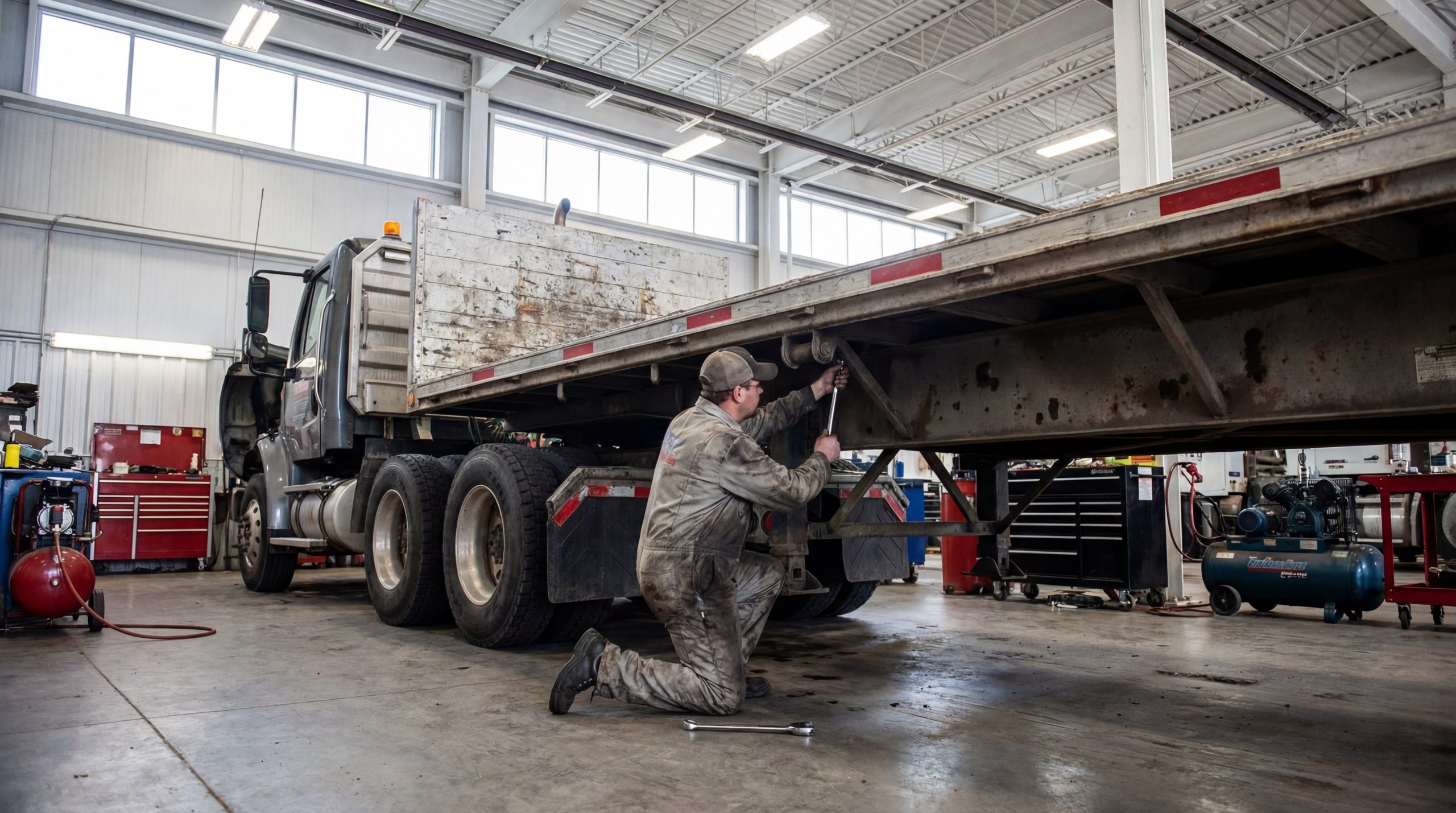
You should call a truck body supplier early in your procurement cycle to ensure that body specs are perfectly matched to your chassis. Engaging a truck body manufacturer during the design phase prevents the common “fitment gap” that occurs with late-stage orders. Early collaboration leads to a much faster deployment of your new fleet units.
Timing Your Fleet Procurement
Early involvement allows for the seamless integration of custom features before the chassis arrives at the factory. This proactive approach ensures that the mounting specs are verified for a 100% bolt-on fit.
Now:
- Consult on lead times to align with chassis delivery schedules.
- Request samples for quality evaluation before placing bulk orders.
- Finalize mounting specs to ensure zero-modification installation.
Key Takeaway: Involving the manufacturer early leads to a 20-30% faster deployment and eliminates costly mid-production modifications.
| Phase | Action Item | Timeline |
|---|---|---|
| Inquiry | Share requirements & chassis specs | Day 1-5 |
| Prototype | Approve sample unit | Day 15-20 |
| Production | Mass manufacturing of fleet order | Day 25+ |
Following this timeline ensures that your equipment is ready for service as soon as the chassis is delivered.
Choosing the right truck body manufacturer is one of the most critical decisions for long-term fleet performance.
By focusing on engineering capability, material science, and precision manufacturing, you can significantly reduce downtime, improve fuel efficiency, and maximize ROI.
If you’re planning your next fleet upgrade, working with a professional truck body manufacturer ensures your equipment is built for real-world conditions—not just specifications on paper.
Contact us today to get a custom manufacturing solution tailored to your fleet.
FAQ
Can I customize the interior of a service body?
Yes, most manufacturers offer fully modular interior shelving and tool-tracking systems to match your specific field requirements.
What is the best material for a refrigerated body?
Aluminum is superior because it provides the best thermal efficiency and resists the corrosion caused by constant moisture.
How do I know if a body will fit my chassis?
You must provide your manufacturer with the CA (Cab to Axle) dimension and frame width to ensure a perfect bolt-on fit.
Can a truck body manufacturer help with branding?
Absolutely, professional manufacturers offer custom paint, decals, and integrated logo plates to keep your fleet looking professional.
How long does a typical custom build take?
Standard production usually takes 25 to 35 days, though complex custom prototypes may require additional time for engineering.