
Choosing between materials for your fleet shouldn’t be a guessing game. Aluminum is better for payload and corrosion, while steel is superior for heavy-duty impact and initial cost. Operating with the wrong chassis leads to premature degradation and lost profit margins. You deserve a steel vs aluminum truck body designed for your specific hauling demands.
Is Aluminum the Best Choice for Maximizing Payload?
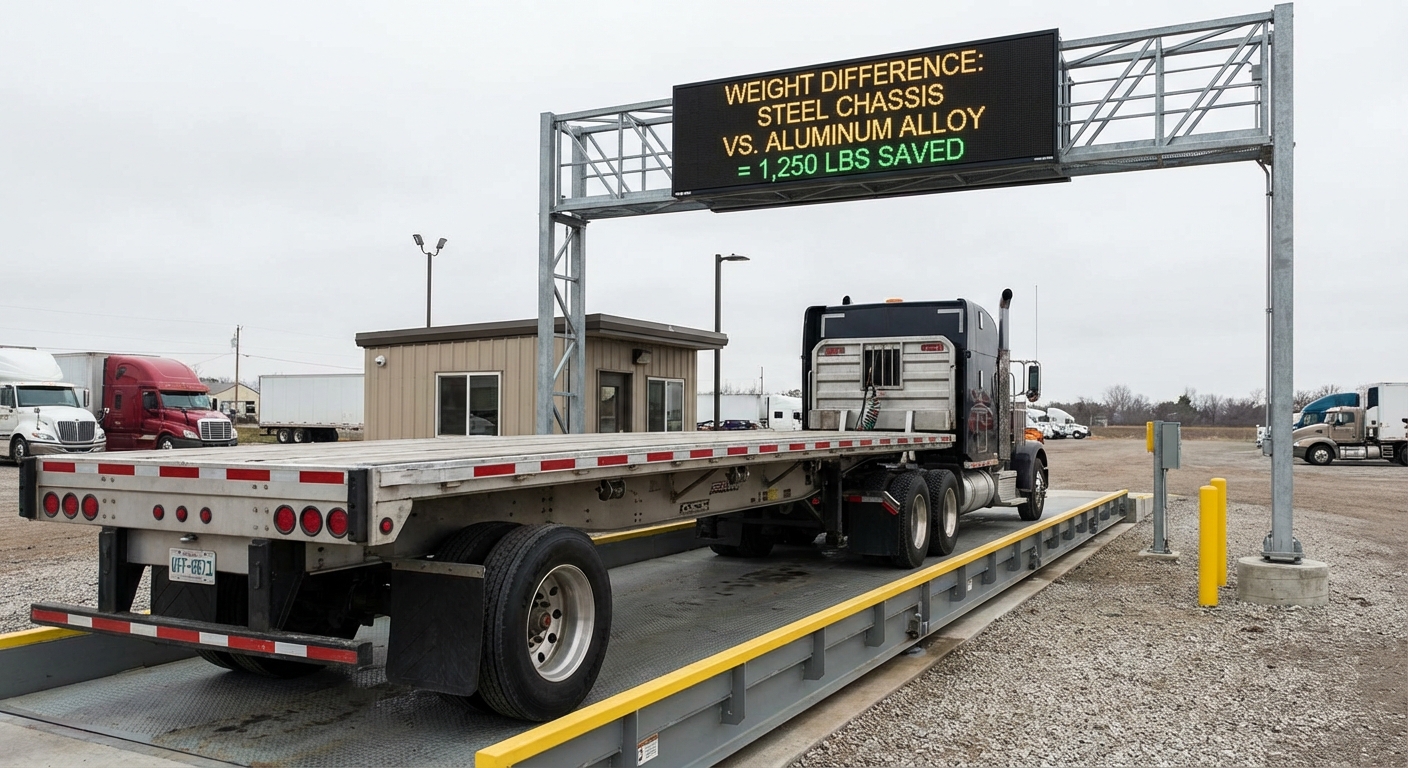
When calculating your return on investment, the weight of a steel vs aluminum truck body is the most critical factor. Shaving hundreds of pounds off the curb weight allows you to load more cargo without hitting legal limits. This efficiency translates directly into fewer trips and higher revenue.
Increasing Hauling Efficiency
Lighter materials mean you can push your cargo limits to the absolute maximum. Every pound saved on the body is a pound gained in profitable freight.
- Reduction of 400 to 700 lbs compared to steel.
- Lower fuel consumption during empty backhauls.
- Reduced wear on tires and braking systems.
Here is the kicker:
The weight savings from aluminum can fundamentally change your fleet’s classification and insurance costs. By staying under certain weight thresholds, you avoid extra regulatory hurdles while moving more goods per mile.
Key Takeaway
Switching to aluminum significantly boosts your bottom line by maximizing legal payload capacity. This is the primary reason high-volume carriers are making the transition today.
| Material | Average Weight Saving | Payload Impact |
|---|---|---|
| Steel | Baseline | Standard |
| Aluminum | 450 – 700 lbs | High Increase |
Analysis Guide: Evaluate your typical cargo weight to see if aluminum gains justify the higher entry price.
Can Aluminum Bodies Survive Harsh Winter Road Salts?
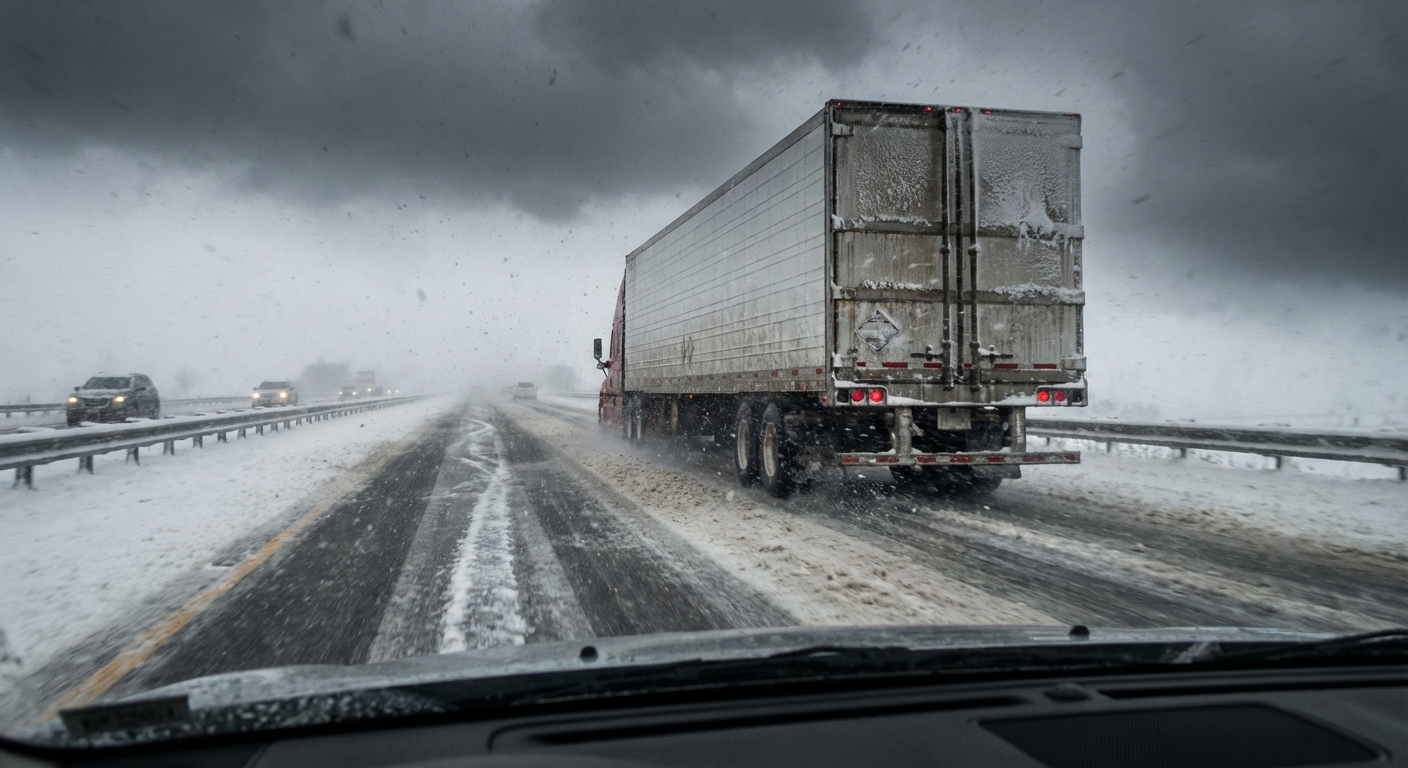
Operating in the “salt belt” creates a massive durability gap for a steel vs aluminum truck body. Aluminum naturally forms a protective oxide layer that resists the corrosive effects of winter de-icing chemicals. You will spend less time at the wash bay and more time on the road.
Superior Corrosion Resistance
Winter road brine is the ultimate enemy of heavy equipment longevity. While steel requires constant recoating, aluminum remains structurally sound without expensive paint maintenance.
- No “rust-through” failures in structural supports.
- Eliminates the need for frequent undercoating.
- Retains clean aesthetics for professional branding.
But wait, there’s more:
Aluminum’s resistance to corrosion keeps your fleet looking new for a decade or longer. This pristine appearance sends a message of reliability and quality to your clients every time you arrive at a job site.
Key Takeaway
In environments prone to salt and moisture, aluminum is the clear winner for preventing structural decay. It eliminates the hidden costs of rust-related maintenance and premature body failure.
| Environment | Steel Durability | Aluminum Durability |
|---|---|---|
| Salted Roads | Low (Fast Decay) | High (Resistant) |
| Coastal Regions | Low (Oxidation) | Very High |
Analysis Guide: If your routes include northern winters, the corrosion benefits of aluminum are non-negotiable.
Does Steel Face an Inevitable Battle with Rust?
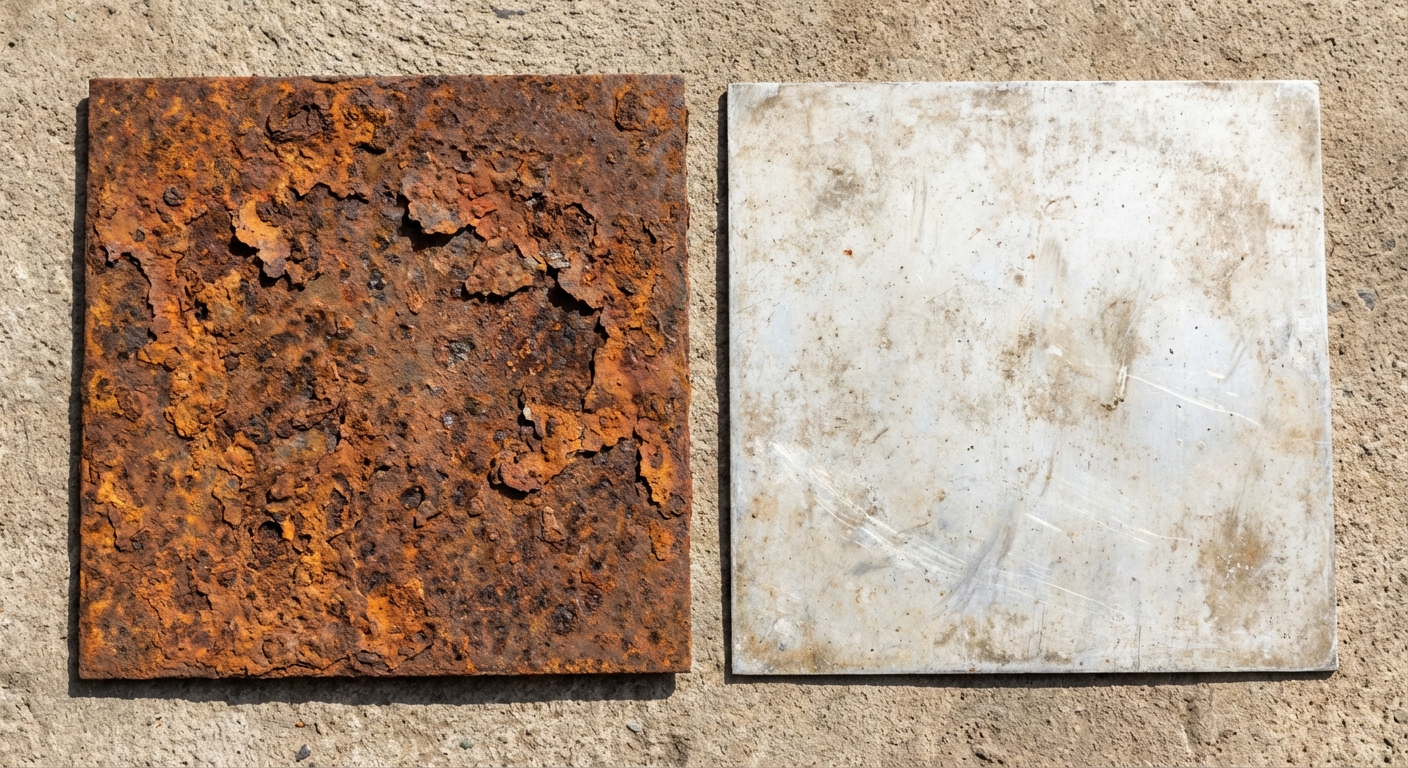
In the comparison of a steel vs aluminum truck body, the visual evidence of aging is impossible to ignore. Steel is susceptible to orange-scale rust that can eat through panels in just a few seasons. Once the oxidation begins, it is nearly impossible to stop without expensive sandblasting.
The Lifecycle of Oxidation
Standard steel relies entirely on its paint or powder coat for protection. Any scratch or rock chip becomes a gateway for moisture to settle and begin the rotting process.
- Hidden rust can compromise structural mounting points.
- Flaking paint lowers the professional look of your fleet.
- Frequent touch-ups are required to prevent total failure.
The truth is:
Steel bodies require a level of vigilance that many fleet managers simply cannot afford. Constant inspections are necessary to catch minor rust spots before they turn into structural holes that require patching.
Key Takeaway
Steel demands higher long-term maintenance to fight off the inevitable spread of rust and oxidation. Without dedicated care, the material will eventually lose its structural integrity in wet climates.
| Feature | Steel Maintenance | Aluminum Maintenance |
|---|---|---|
| Protective Coating | Required/Critical | Optional/Aesthetic |
| Rust Speed | Rapid | None (Oxidizes only) |
Analysis Guide: Factor in the annual cost of paint touch-ups and rust-proofing when pricing a steel chassis.
Is Steel Tougher for Heavy-Duty Impact Loads?
When hauling boulders or demolition debris, the impact resistance of a steel vs aluminum truck body is unmatched. Steel is far less likely to crack or puncture under the extreme stress of dropping heavy loads. It is the go-to material for industries where the work is raw and punishing.
Extreme Impact Performance
The molecular density of steel allows it to absorb energy through minor bending rather than catastrophic failure. This “forgiveness” makes it ideal for rough environments like quarries or construction sites.
- Resists punctures from sharp heavy objects.
- High fatigue life for constant vibration.
- Easier to straighten after a heavy impact.
Look at it this way:
Aluminum might be light, but it can be brittle when faced with high-velocity impacts from jagged materials. Steel remains the industry standard for jobs that involve literal tons of falling debris every single day.
Key Takeaway
Steel is the superior choice for high-impact vocational work where the body takes a physical beating. Its ability to bend and be repaired makes it more durable in the face of blunt trauma.
| Load Type | Steel Rating | Aluminum Rating |
|---|---|---|
| Heavy Rock/Concrete | Excellent | Fair (Prone to Puncture) |
| Scrap Metal | Very High | Moderate |
Analysis Guide: Choose steel for demolition or mining applications where puncture resistance is a safety requirement.
How Do Material Properties Compare Under Stress?
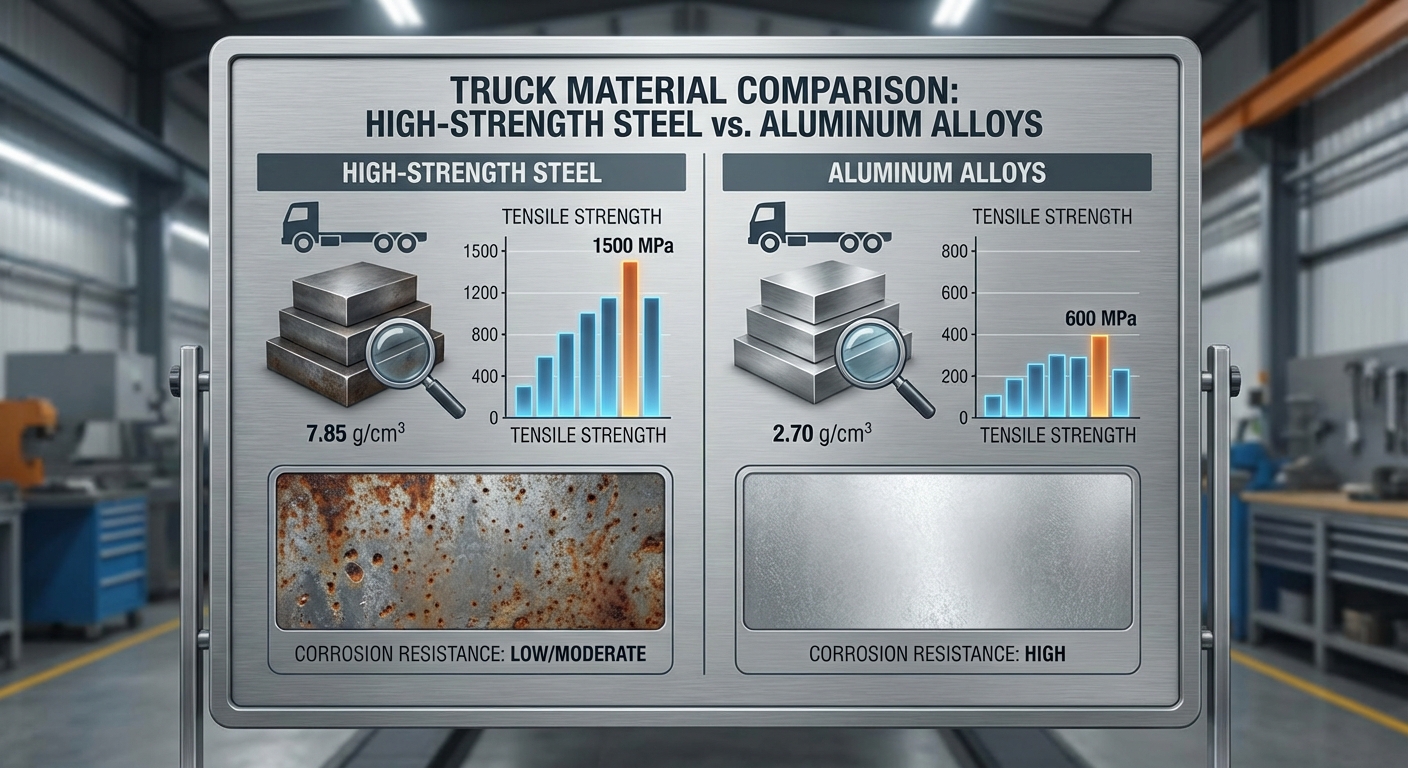
Understanding the raw science behind a steel vs aluminum truck body helps clarify why each metal performs differently. High-strength steel offers incredible tensile strength, allowing for thinner yet stronger components. However, aluminum alloys like the 6061 series provide a strength-to-weight ratio that is hard to beat.
Engineering Tensile Strengths
Engineers balance material thickness and alloy types to achieve the perfect equilibrium of strength and weight. Modern alloys have narrowed the gap, but the fundamental differences in density still dictate how these bodies react to stress.
- Steel offers higher absolute yield strength.
- Aluminum alloys resist stress cracking better in cold.
- Density of steel is roughly 3x that of aluminum.
Think about it:
The higher density of steel means it is naturally stiffer, which can be an advantage for specific structural trailers. Aluminum’s flexibility allows it to “breathe” slightly under load, which can prevent some types of stress fractures.
Key Takeaway
While steel is objectively stronger in raw tensile tests, aluminum offers superior efficiency through its high strength-to-weight ratio. The “best” material depends on your specific load-bearing requirements.
| Property | Carbon Steel | 6061 Aluminum |
|---|---|---|
| Tensile Strength | 50,000+ psi | 40,000 psi |
| Density | 7.85 g/cm³ | 2.70 g/cm³ |
Analysis Guide: Compare the density of these materials to calculate how much payload you are sacrificing for raw strength.
Which Material Offers the Best Long-Term ROI?
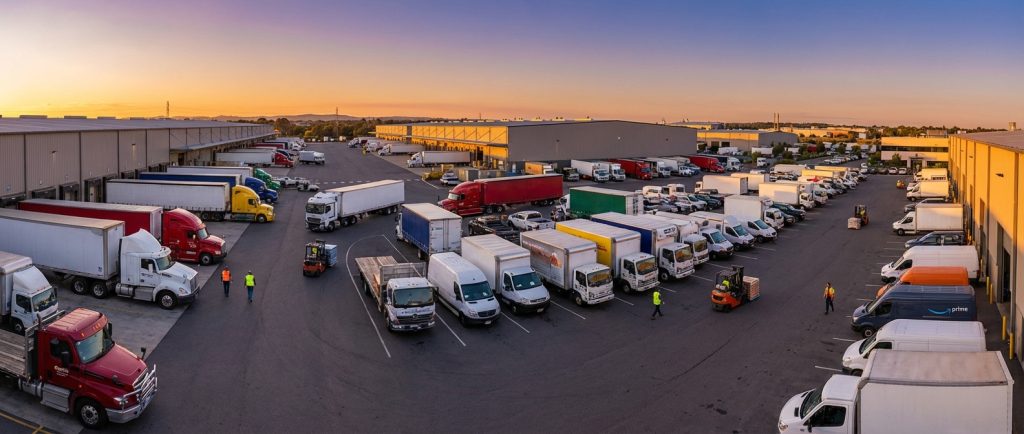
If you plan to cycle your fleet every few years, the resale value of a steel vs aluminum truck body becomes a major financial pillar. Aluminum bodies typically command a premium on the used market because they lack the “cancerous” rust that terrifies second-hand buyers. Your initial investment pays off during the final sale.
Maximizing Your Resale Value
A clean body sells faster and for more money than one requiring significant refurbishment. Aluminum stays cleaner longer, making your used units more attractive to regional carriers.
- Minimal depreciation due to body condition.
- Faster turnaround in the secondary market.
- Attracts buyers in high-corrosion states.
The truth is:
A steel truck with visible rust is often viewed as a liability rather than an asset. Even if the drivetrain is perfect, a corroded body will significantly devalue the entire vehicle when it comes time to trade up.
Key Takeaway
Aluminum provides a higher residual value by maintaining its structural and aesthetic integrity over time. It is the smarter choice for fleets that prioritize low total cost of ownership.
| Metric | Steel Resale | Aluminum Resale |
|---|---|---|
| Value Retention | Moderate | High |
| Demand Level | Average | Very High |
Analysis Guide: Review used equipment auctions to see the price premium currently paid for aluminum-bodied trucks.
What are the Limits of Off-Road Performance?
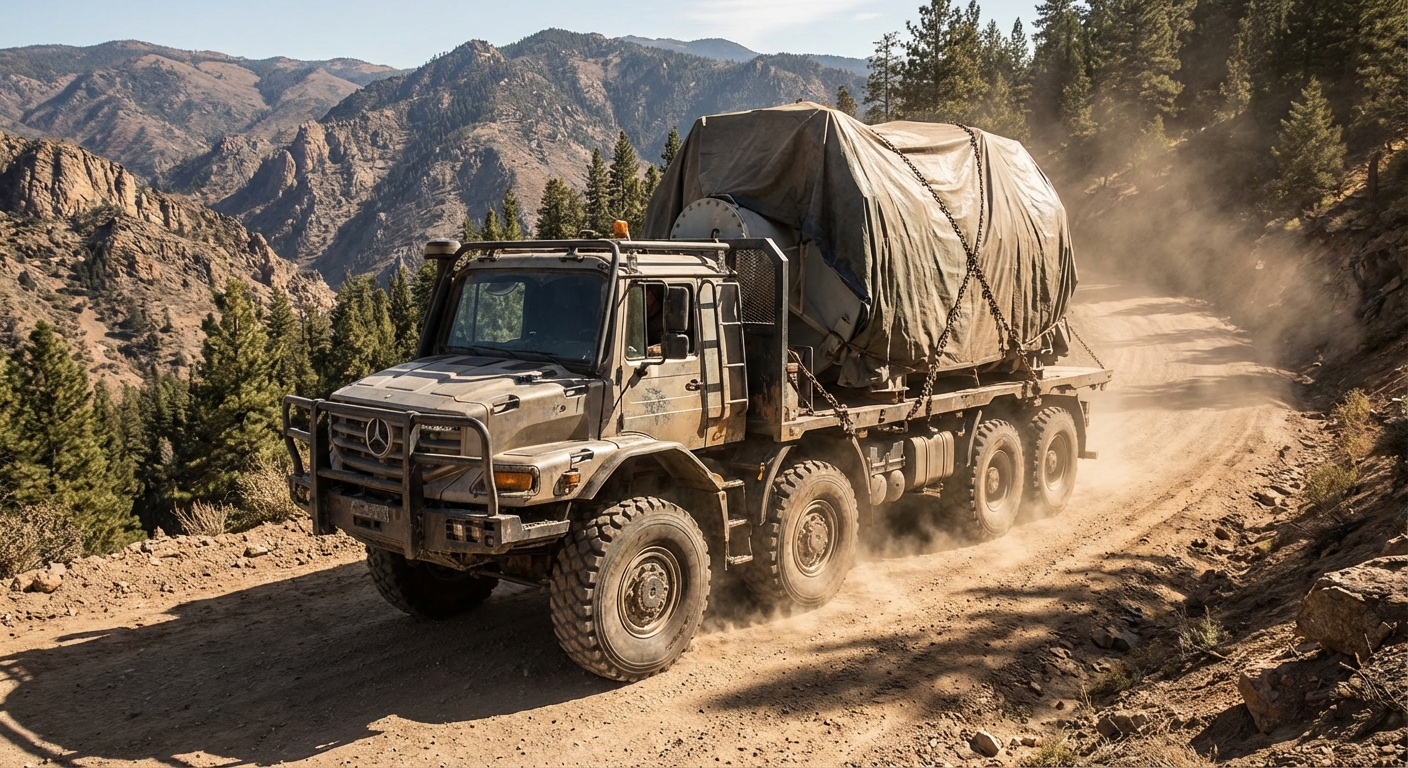
Off-road environments introduce massive torsional stress that affects a steel vs aluminum truck body differently. Steel is traditionally favored for these conditions because it can handle the constant twisting and frame flexing without developing hairline cracks. However, aluminum bodies designed with articulated mounts are starting to close the gap.
The vibration and shock of unpaved roads test the limits of every weld and joint. Steel’s ductility allows it to survive these “fatigue cycles” more reliably in extreme remote operations.
- Handles chassis twist with less structural risk.
- Better suited for mounting heavy winch systems.
- Higher tolerance for extreme temperature swings.
Here is the kicker:
If you are operating in remote logging or mining sites, a failure is a logistical nightmare. Steel’s reliability in these high-vibration settings provides peace of mind that lightweight materials sometimes can’t match.
Key Takeaway
For extreme off-road or mountainous applications, steel remains the standard for durability against torsional stress. It provides the rugged foundation needed for the world’s most demanding routes.
| Terrain | Recommended Material | Benefit |
|---|---|---|
| Off-Road/Mountain | Steel | Flex Tolerance |
| Highway/Pavement | Aluminum | Fuel Savings |
Analysis Guide: Assess the percentage of your miles driven on unpaved roads to determine if steel’s rigidity is required.
Are Aluminum Body Repairs More Complicated?
In the event of an accident, the repairability of a steel vs aluminum truck body is a major operational concern. Aluminum requires specialized pulse-welders and clean environments to prevent cross-contamination. This usually leads to higher labor rates and longer stays in the repair shop.
Specialized Maintenance Needs
Repairing aluminum is a highly technical process that not every local shop can handle. You must ensure you have access to certified technicians who understand the specific heat-sink properties of the metal.
- Requires TIG or specialized MIG equipment.
- Potential for galvanic corrosion if repaired poorly.
- Parts can be more expensive to source.
Think about it:
If your truck is down, you aren’t making money. While aluminum resists rust, a major collision can be more expensive to fix, potentially leading to higher insurance premiums for your fleet over the long run.
Key Takeaway
Steel is significantly easier and cheaper to repair at almost any qualified body shop. Aluminum offers long-term durability but requires a more specialized—and expensive—repair network.
| Repair Factor | Steel Body | Aluminum Body |
|---|---|---|
| Skill Required | Standard | Highly Specialized |
| Downtime | Lower | Moderate to High |
Analysis Guide: Check your local area for aluminum-certified repair centers before committing to a full fleet transition.
Why are Manufacturers Moving Away from All-Steel?
The shift in the steel vs aluminum truck body market is largely driven by federal fuel standards and emissions targets. Manufacturers are forced to find weight savings wherever possible to accommodate heavier emissions-reduction equipment. This has led to the rise of the “hybrid” truck.
The Rise of Lightweight Engineering
By utilizing aluminum for non-structural body panels, manufacturers can keep heavy steel where it counts most—the frame. This strategy allows for a vehicle that is both light and incredibly strong.
- Meet strict EPA fuel efficiency targets.
- Offset the weight of modern battery systems.
- Improve safety through advanced alloy zones.
But wait, there’s more:
Modern assembly lines are now fully optimized for aluminum fabrication. The cost gap between the two materials is closing as production volumes for lightweight alloys continue to reach record highs every year.
Key Takeaway
Regulatory pressure and engineering breakthroughs have made aluminum the new industry standard for modern truck manufacturing. It represents the future of efficient, sustainable commercial transport.
| Driver | Shift Direction | Goal |
|---|---|---|
| Regulations | Toward Aluminum | Lower Emissions |
| Engineering | Toward Hybrids | Weight Balance |
Analysis Guide: Consider that future resale markets will likely be dominated by the lightweight materials manufacturers are currently prioritizing.
Which Body Type Should You Choose for Your Fleet?
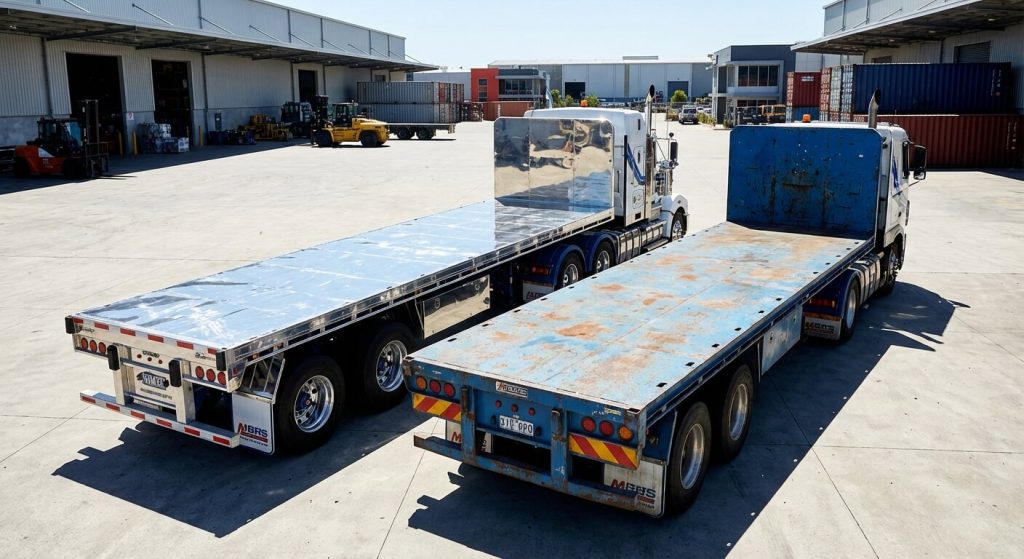
Finalizing your choice between a steel vs aluminum truck body depends on a careful audit of your routes and cargo. If you haul heavy equipment in dry climates, steel’s low cost and impact resistance are hard to ignore. For everyone else, aluminum offers a compelling mix of weight savings and long-term beauty.
Making the Final Decision
Look at your three-year and five-year financial projections. Most highway-based operations find that the fuel and payload gains of aluminum pay for the initial price difference within the first 24 months of service.
- Assess your local climate and road salt usage.
- Calculate the value of an extra 500 lbs of payload.
- Determine your expected ownership duration.
Here is the kicker:
The best choice might be a custom solution that combines the strengths of both metals. By protecting an aluminum body with heavy-duty steel accessories, you get the best of both worlds in terms of protection and performance.
Key Takeaway
Your operational environment is the ultimate judge of which material holds up. Aluminum wins on efficiency and longevity, while steel wins on raw toughness and initial affordability.
| Requirement | Material Choice | Reason |
|---|---|---|
| Max Profit per Mile | Aluminum | Weight Efficiency |
| Rough Demolition | Steel | Impact Strength |
| Lowest Entry Cost | Steel | Manufacturing Price |
Analysis Guide: Use a Total Cost of Ownership (TCO) calculator to compare fuel savings against initial purchase premiums.
Frequently Asked Questions
Can I haul heavy scrap metal in an aluminum bed safely?
Yes, but you should expect significant denting and potential punctures over time. For scrap and demolition, a steel bed is the industry standard due to its higher surface hardness and impact forgiveness.
What is the best way to prevent corrosion on a steel body?
Direct application of a high-quality powder coat or a heavy-duty rubberized undercoating is essential. However, the most effective method is a consistent washing schedule during winter months to remove salt brine immediately.
Can I mix steel accessories with an aluminum truck body?
Absolutely, provided you use proper insulation between the different metals. Without a barrier like a rubber gasket, galvanic corrosion will occur, causing the aluminum to degrade rapidly at the contact points.
What’s the best material for a fleet operating in the desert?
Steel is often the better choice for dry, arid climates. Since the risk of rust is minimal, you can take advantage of steel’s lower initial purchase price without worrying about the body rotting away.
Can I repair a cracked aluminum frame at a standard shop?
No, it is highly discouraged to have a non-specialized shop weld aluminum. Aluminum dissipates heat much faster than steel, and a standard weld may look fine but lack the structural integrity required for heavy loads.
Conclusion
The “Steel vs. Aluminum” debate isn’t about finding a single winner; it’s about matching the right tool to the job. Aluminum empowers you to carry more and resist the elements, making it the perfect choice for highway fleets and coastal operations. Steel remains the undisputed heavyweight champion for those whose work involves extreme impact and off-road punishment.
At Brontec, our vision is to provide every fleet with the maximum protection and efficiency they need to thrive in a competitive market. We solve the problem of premature equipment failure by engineering heavy-duty protection products that stand the test of time, regardless of the material you choose.
Ready to upgrade your fleet’s protection? Contact us today to find the perfect custom solution for your hauling needs.