
Choosing between steel and aluminum for your semi-truck depends on whether you prioritize maximum impact strength or weight savings and corrosion resistance. Every fleet owner faces the constant threat of wildlife collisions and road debris that can sideline a vehicle for weeks, resulting in thousands of dollars in lost revenue and repair bills. By conducting a thorough truck guard materials comparison , you can implement a protection strategy that balances durability with operational efficiency to keep your trucks moving.
Why is material choice vital for truck protection?
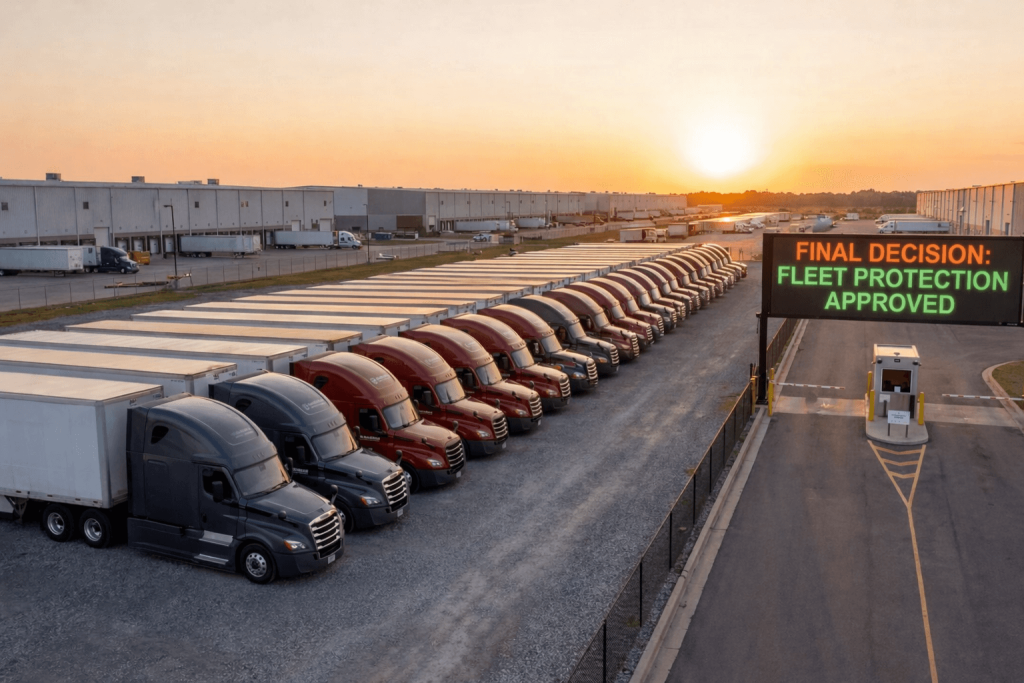
Material choice determines the structural integrity and longevity of your front-end defense during a truck guard materials comparison. The physical properties of the metal dictate how well the guard survives a high-speed animal strike or a heavy debris impact.
Choosing for Your Environment
Your operating region significantly influences which material will serve your fleet best over several years. Trucks running in the coastal South face different challenges than those navigating the salted winter roads of the North.
Structural Integrity Standards
Heavy-duty protection must do more than just look tough; it must absorb and redirect energy away from the radiator. Engineering standards ensure that the chosen material can withstand the specific stresses of highway speeds.
- Steel offers higher density for extreme-duty impacts.
- Aluminum provides high-tensile strength without the heavy weight.
- The material dictates the mounting hardware requirements.
Think about this: A guard that fails upon impact is worse than having no guard at all, as it can be pushed into the very engine components it was meant to protect.
Key Takeaway: Proper material selection is the foundation of a reliable fleet protection strategy, ensuring that your equipment matches your specific risk profile.
| Feature | Steel Impact Guard | Aluminum Impact Guard | |
|---|---|---|---|
| Primary Benefit | Maximum force resistance | Weight efficiency | |
| Best Use Case | Vocational/Logging | Long-haul/Highway | |
| Durability | High structural memory | High corrosion resistance |
Choosing the right material ensures your safety equipment doesn’t become a liability during a collision.
How does impact resistance vary in a truck guard materials comparison?
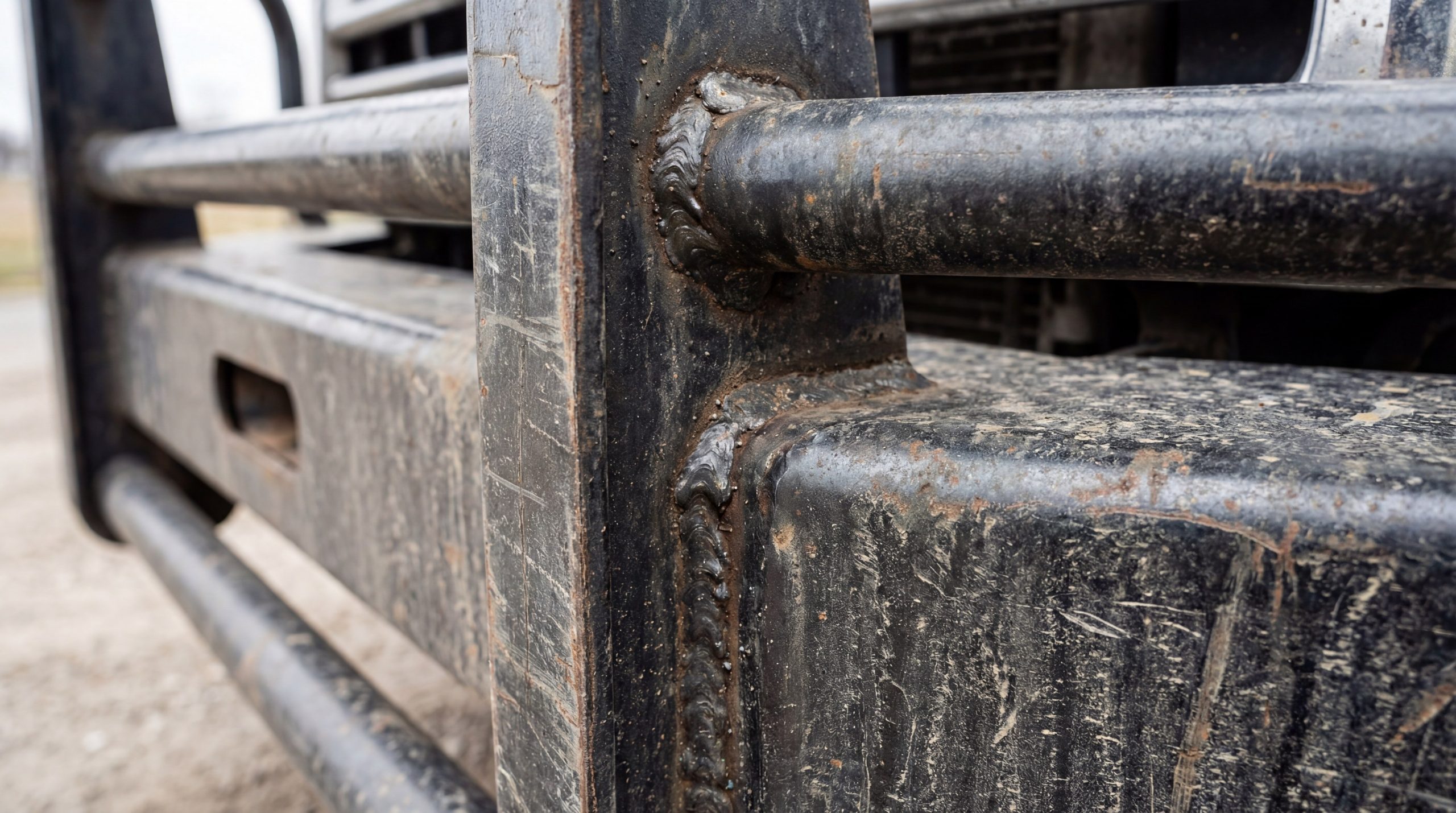
Steel typically offers superior absolute impact resistance, while modern aluminum alloys provide a high strength-to-weight ratio in any truck guard materials comparison . High-tensile steel is designed to resist deformation even under extreme loads, making it a favorite for “moose-level” protection.
Steel’s Brute Force Capability
Steel is inherently more dense and rigid than aluminum, allowing it to take a significant hit without folding. This rigidity is essential for protecting sensitive cooling systems and expensive LED headlight assemblies.
Aluminum Alloy Resilience
Don’t be fooled by the lower density of aluminum; modern marine-grade alloys are incredibly tough. They are engineered to flex slightly under impact, which can help dissipate energy across the mounting brackets.
- High-tensile steel resists gouging and deep scratches.
- Aluminum alloys provide surprising rigidity in thick-walled tubing.
- Both materials require specialized welding techniques for maximum bond strength.
The bottom line: If you are regularly driving through areas with high populations of large wildlife, the sheer mass of steel offers a layer of security that is hard to beat.
Key Takeaway: While steel is the champion of pure impact force, aluminum provides more than enough protection for standard highway hazards.
| Material | Yield Strength | Impact Behavior | |
|---|---|---|---|
| High-Tensile Steel | Very High | Rigid Resistance | |
| Marine-Grade Aluminum | High | Energy Dissipation | |
| Stainless Steel | High | Corrosion-Free Strength |
Impact behavior is a critical metric for managers looking to minimize vehicle downtime after an accident.
What is the weight difference between steel and aluminum?
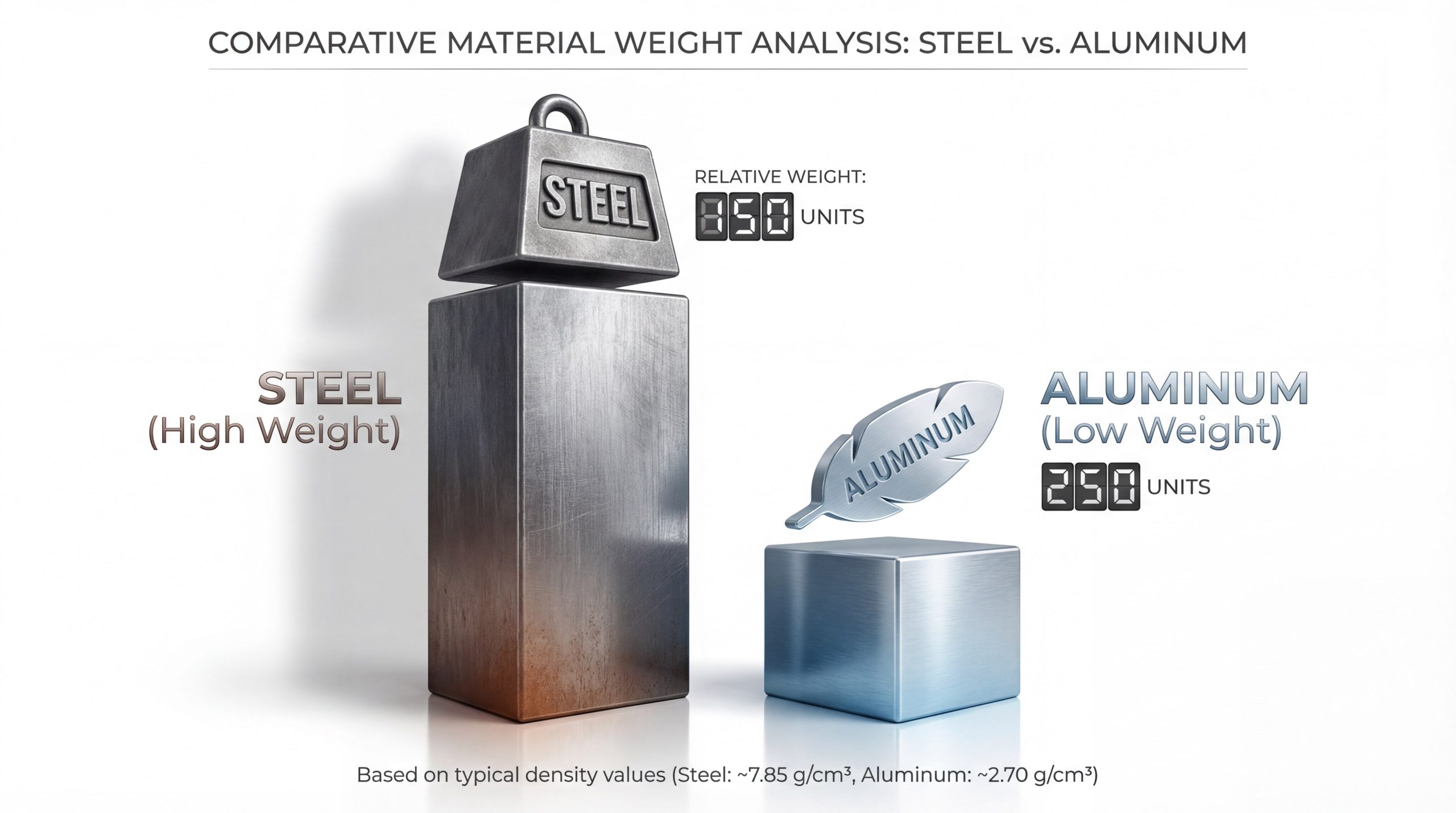
Aluminum guards are significantly lighter than steel, often weighing 50% to 60% less in a direct truck guard materials comparison. This weight reduction is a primary selling point for long-haul operators who need to stay within strict GVWR limits.
Optimizing Front Axle Loads
Adding a heavy steel guard can put undue stress on your front suspension and steer tires. By choosing a lighter material, you maintain the intended handling characteristics of your truck while still gaining protection.
Maximizing Payload Capacity
Every pound you save on truck accessories is another pound you can add to your billable payload. For fleets that “weigh out” before they “cube out,” aluminum is the clear winner for profitability.
- Steel guards can weigh between 250 and 400 pounds.
- Aluminum guards typically range from 100 to 180 pounds.
- Lower weight reduces wear on front-end bushings and shocks.
Here is the kicker: Over the life of a truck, carrying an extra 200 pounds of dead weight on the nose can lead to thousands of dollars in increased tire and suspension maintenance.
Key Takeaway: Weight efficiency is the strongest argument for aluminum, particularly for fleets focused on maximizing cargo capacity and minimizing component wear.
| Component | Estimated Steel Weight | Estimated Aluminum Weight | |
|---|---|---|---|
| Standard Grille Guard | 280 lbs | 125 lbs | |
| Full Bumper Guard | 450 lbs | 210 lbs | |
| Mounting Brackets | 60 lbs | 40 lbs |
Weight considerations extend beyond fuel to include the long-term health of your truck’s steering and suspension systems.
How do materials affect fuel economy and aerodynamics?
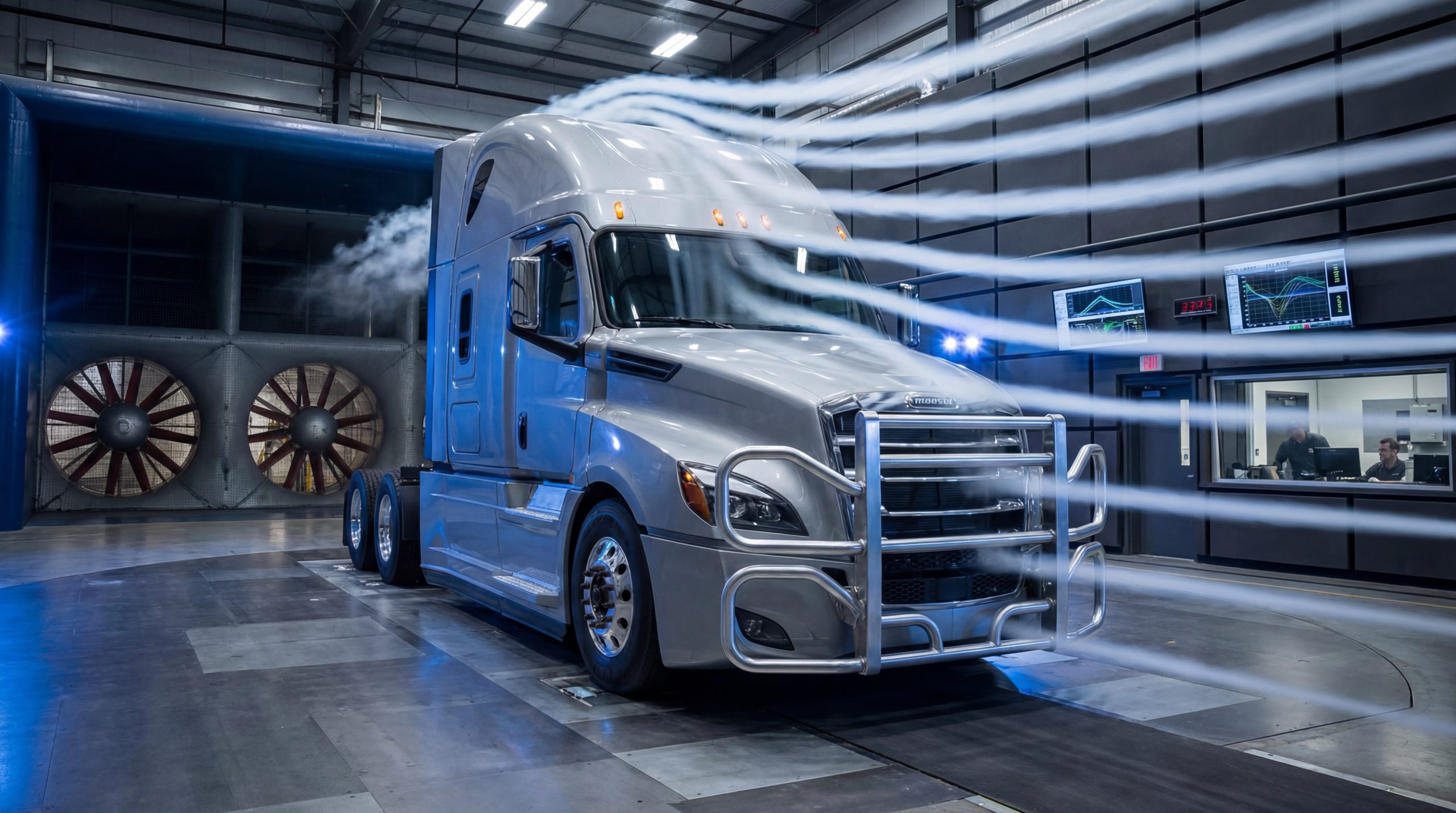
Material choice affects fuel economy primarily through weight, though aerodynamic design is a factor in any truck guard materials comparison . Lighter aluminum guards contribute to better MPG by reducing the total energy required to move the vehicle.
Aerodynamic Shaping and Drag
While the material itself doesn’t change air resistance, the ease with which aluminum can be formed into complex aerodynamic shapes gives it an edge. Modern guards are designed to “slice” through the air rather than push it.
Weight-Based Fuel Savings
The rolling resistance of your tires increases as you add weight to the front axle. Aluminum guards help keep that resistance low, which translates to measurable fuel savings over hundreds of thousands of miles.
- Reduced weight leads to lower fuel consumption on grades.
- Smooth-surface aluminum resists air turbulence.
- Integrated designs minimize the “parachute effect” of large flat surfaces.
The truth is: Even a 0.5% increase in fuel efficiency can save a fleet manager tens of thousands of dollars annually across a large operation.
Key Takeaway: Combining a lightweight aluminum material with an aerodynamic design is the most effective way to protect your truck without hurting your fuel budget.
| Factor | Fuel Impact (Steel) | Fuel Impact (Aluminum) | |
|---|---|---|---|
| Weight Penalty | Moderate | Low | |
| Aerodynamic Potential | High | High | |
| Long-term Savings | Minimal | Significant |
Fuel economy is a game of inches where every pound saved on the guard adds up to higher margins at the pump.
Which material survives road salt and winter weather best?
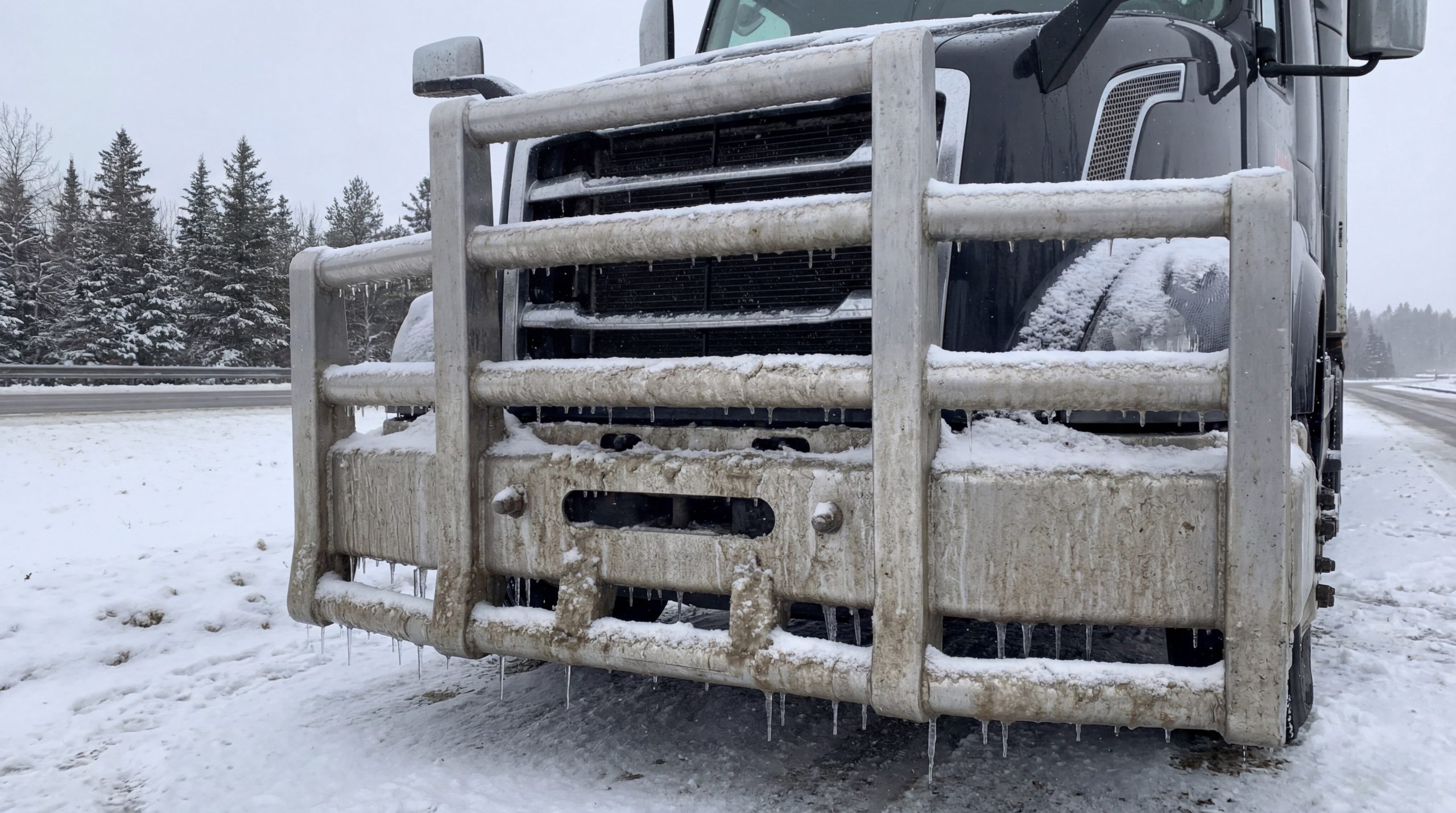
Aluminum is naturally more resistant to corrosion than steel, making it the superior choice for winter driving in any truck guard materials comparison. Road salt and liquid de-icers act as catalysts for rust, which can destroy a steel guard’s integrity in just a few seasons.
Aluminum’s Protective Oxide Layer
Aluminum naturally forms a microscopic layer of oxide that prevents oxygen from reaching the underlying metal. This means even if the guard is scratched or pitted by road sand, it won’t start to “bleed” rust.
Steel Coatings and Maintenance
To survive winter, steel must be heavily powder-coated or chrome-plated. Once that coating is breached by a rock chip, the salt begins its work, leading to unsightly bubbling and structural weakening.
- Aluminum does not require paint or coatings to resist rust.
- Steel guards must be frequently inspected for finish damage.
- Winter chemicals are increasingly aggressive on non-stainless metals.
Here is the deal: If your routes take you through the Midwest or Canada, an aluminum guard will likely outlast the truck itself without ever showing a spot of rust.
Key Takeaway: For operations in cold climates, the natural corrosion resistance of aluminum provides a massive advantage in both appearance and structural life.
| Environment | Steel Performance | Aluminum Performance | |
|---|---|---|---|
| Heavy Road Salt | Poor (Rust Risk) | Excellent | |
| High Humidity | Fair | Excellent | |
| Dry/Desert | Excellent | Excellent |
Corrosion resistance is not just about looks; it is about ensuring the guard remains strong enough to perform when an impact occurs.
What are the cost differences in a truck guard materials comparison?

Steel guards typically have a lower initial purchase price, while aluminum offers a better total cost of ownership in any truck guard materials comparison . You must weigh the immediate savings of steel against the long-term operational benefits of aluminum.
Initial Capital Expenditure
If you are outfitting a new fleet and need to keep your upfront costs low, steel is the budget-friendly option. It provides high-level protection for a fraction of the cost of premium aluminum alloys.
Operational ROI Over Time
When you factor in fuel savings, reduced tire wear, and zero rust-related maintenance, aluminum often pays for itself within the first two years of service. It is a classic case of spending more now to save more later.
- Steel initial cost: 1,200−2,500.
- Aluminum initial cost: 2,000−4,500.
- Resale value is significantly higher for aluminum units.
But wait: Don’t just look at the price tag; look at the insurance premium savings and the avoided costs of a single radiator replacement.
Key Takeaway: Steel is ideal for short-term budget constraints, but aluminum is the smarter financial move for long-term fleet profitability.
| Financial Metric | Steel Guard | Aluminum Guard | |
|---|---|---|---|
| Upfront Cost | Low | High | |
| Maintenance Cost | Moderate | Low | |
| Estimated ROI | 3-4 Years | 1-2 Years |
A strategic financial analysis reveals that the most expensive guard to buy is often the cheapest guard to own.
Does material type change the visual appeal of a semi truck?
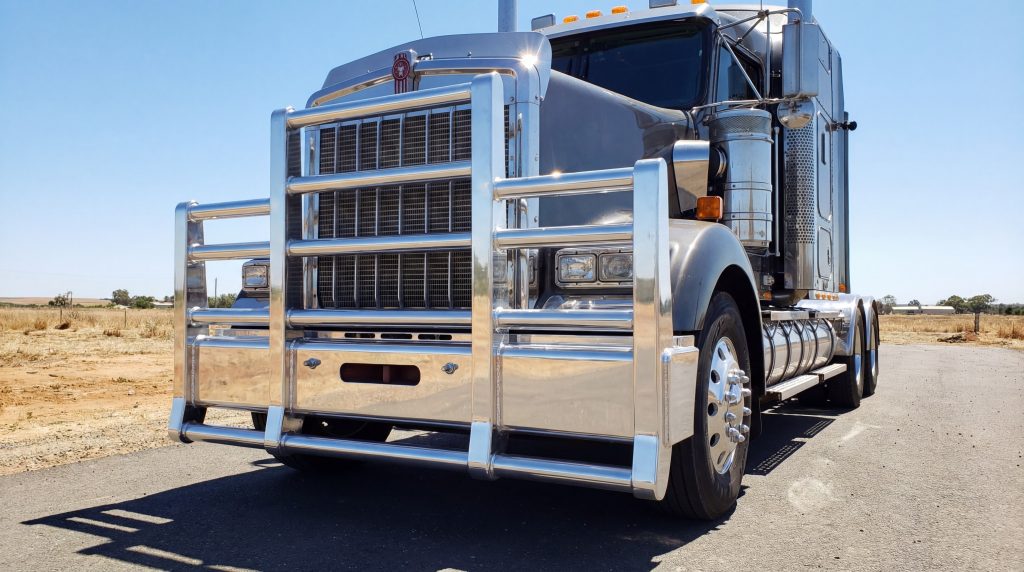
Aluminum provides a lasting mirror-like shine that steel struggle to match in any truck guard materials comparison. For owner-operators and premium fleets, the aesthetic of the truck is a point of professional pride and brand identity.
The Mirror Finish of Polished Aluminum
Premium aluminum guards can be polished to a level of brightness that looks identical to chrome. Unlike chrome, which can peel, polished aluminum can always be buffed back to its original luster if it becomes dull.
Rugged Powder-Coated Steel
Steel is often finished in black powder coat, giving the truck a rugged, “work-ready” appearance. While less flashy, this look is preferred by vocational fleets in construction or logging where utility is prioritized over shine.
- Polished aluminum reflects the professional image of your brand.
- Powder-coated steel hides minor dirt and grime more effectively.
- Aesthetic choices can impact driver satisfaction and retention.
Look at it this way: A clean, shiny truck isn’t just about ego; it’s a rolling billboard that tells your customers you take care of your equipment and their cargo.
Key Takeaway: If your fleet’s image is a priority, the permanent, high-gloss finish of polished aluminum is the gold standard for highway aesthetics.
| Aesthetic Feature | Polished Aluminum | Powder-Coated Steel | |
|---|---|---|---|
| Finish Type | High-Gloss Mirror | Matte or Semi-Gloss | |
| Maintenance | Occasional Buffing | Cleaning / Touch-ups | |
| Aging | Stays Bright | May Fade or Chip |
Visual appeal serves as a silent ambassador for your fleet’s commitment to quality and professionalism.
Which material provides the best long-term return on investment?
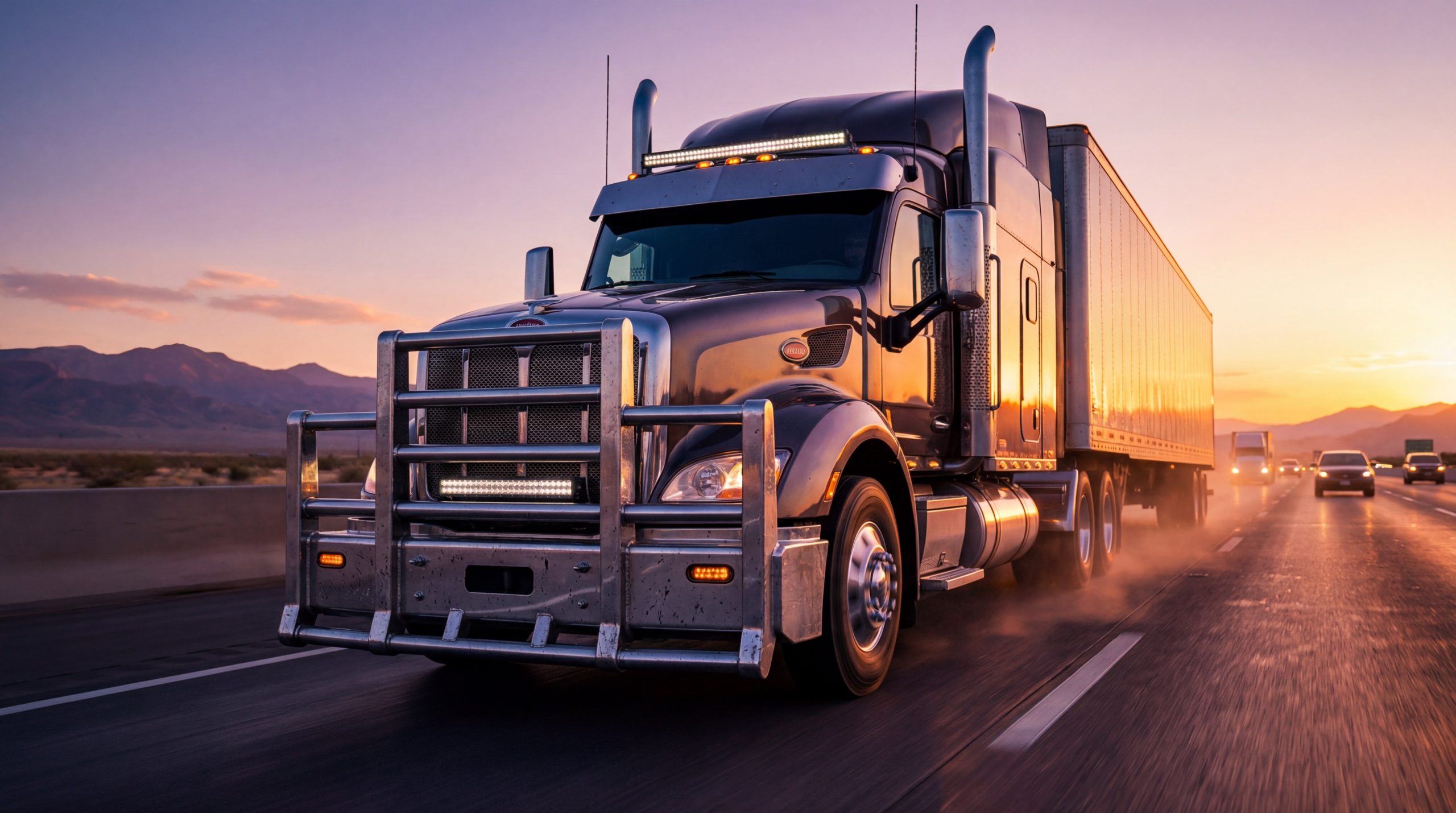
Aluminum’s resistance to aging ensures it retains a much higher resale value in any truck guard materials comparison . A five-year-old aluminum guard often looks as good as new, whereas a steel guard may show signs of significant wear.
Sustaining Trade-In Value
When it comes time to cycle your trucks out of the fleet, a well-maintained aluminum guard adds tangible value to the vehicle. Buyers are willing to pay a premium for accessories that don’t require refurbishment.
Durability Beyond the First Truck
Because aluminum doesn’t rust, many operators move their guards from an old truck to a new one when they upgrade. This “second life” capability effectively cuts the cost of protection in half over a ten-year period.
- Aluminum units sell for 60-70% of retail on the used market.
- Steel units often lose 80% of their value due to surface rust.
- Longevity means fewer replacements over the fleet’s lifecycle.
Keep this in mind: Investing in high-quality aluminum is essentially banking value that you will see again when you eventually sell the truck.
Key Takeaway: The ability to reuse or sell aluminum guards for a high price makes them the superior choice for long-term asset management.
| Value Metric | Steel Guard | Aluminum Guard | |
|---|---|---|---|
| 5-Year Resale | Low | High | |
| Transferability | Moderate | High | |
| Total Life Expectancy | 5-7 Years | 12+ Years |
Long-term value is realized when you look at the total lifecycle of the accessory rather than just the first few years.
Is there a difference in maintenance for steel and aluminum?
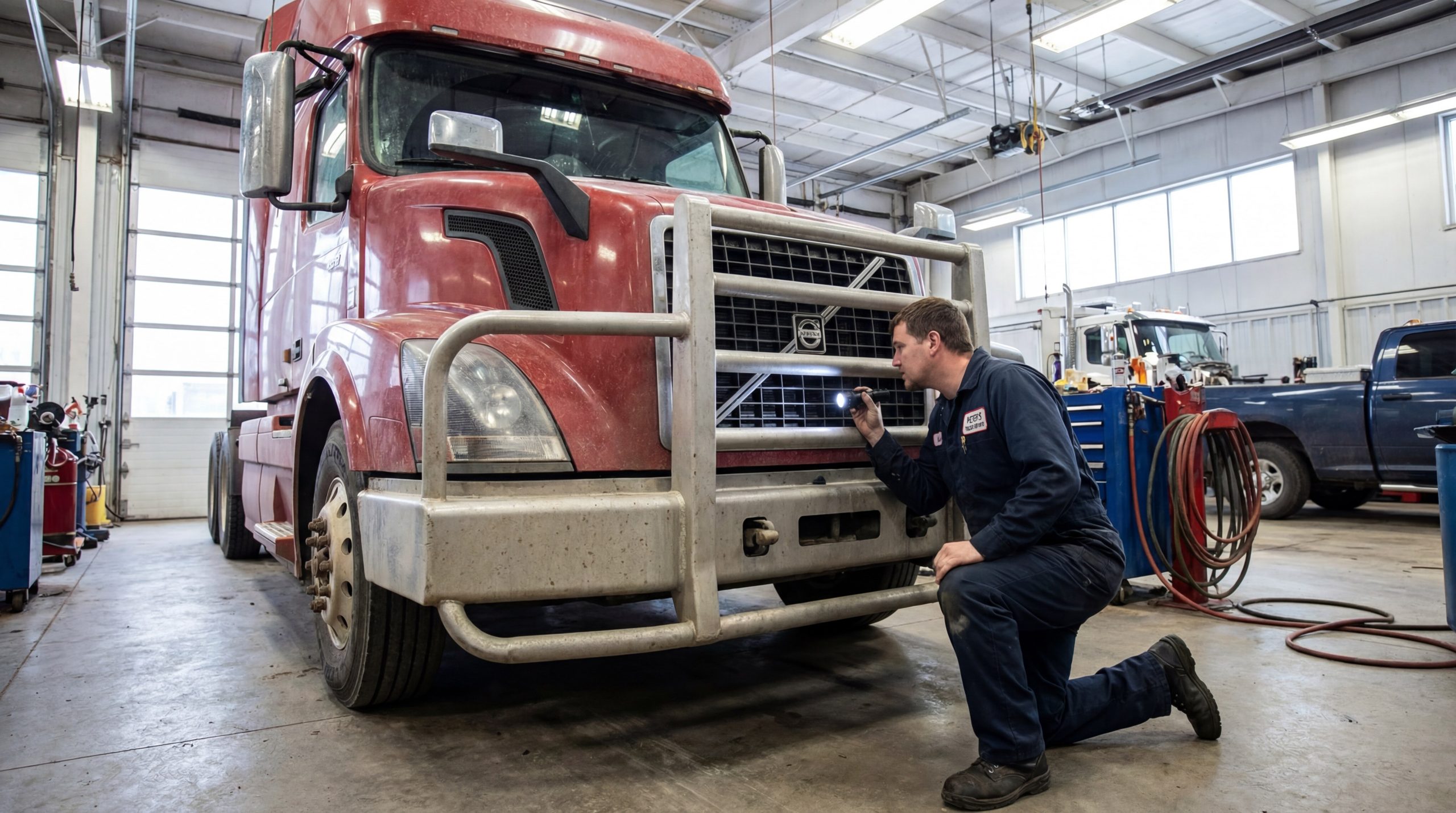
Aluminum requires less structural maintenance than steel, though both benefit from regular inspections in a truck guard materials comparison. Maintenance for aluminum is mostly cosmetic, whereas steel maintenance is a necessity for preventing failure.
Simplification of Fleet Service
Lighter aluminum guards are easier for mechanics to tilt and move during routine engine service. This reduces the risk of back injuries and speeds up the time it takes to access the radiator and fan.
Protecting the Steel Surface
If you choose steel, your maintenance team must be diligent about “searching and destroying” any paint chips. Once moisture gets under the coating, it will spread rapidly, eventually causing the metal to flake and weaken.
- Aluminum only needs soap, water, and occasional polish.
- Steel needs constant monitoring for rust and coating breaches.
- Both need periodic bolt-torque checks to ensure stability.
Make no mistake: Ignoring a small rust spot on a steel guard today can lead to a structural failure during an accident six months from now.
Key Takeaway: Aluminum’s low-maintenance nature frees up your service team to focus on critical engine and safety tasks rather than chasing rust spots.
| Task | Steel Maintenance | Aluminum Maintenance | |
|---|---|---|---|
| Cleaning | Easy | Easy | |
| Rust Prevention | High Effort | None Required | |
| Structural Check | Essential | Essential |
Reduced maintenance requirements translate directly into lower labor costs and less vehicle downtime in the shop.
How do you decide on a truck guard materials comparison choice?
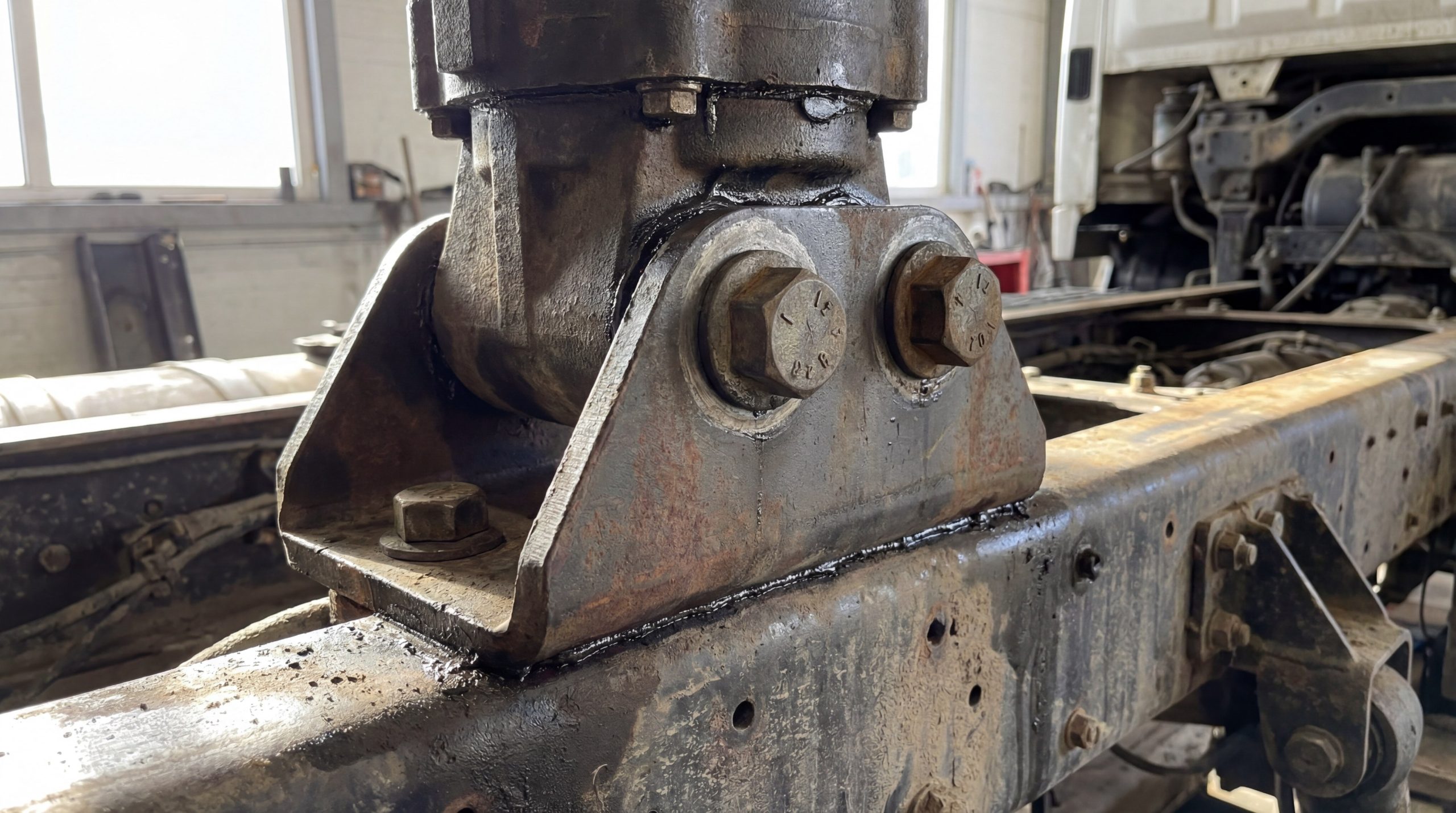
Your final decision should be based on your specific routes, cargo types, and long-term financial goals for any truck guard materials comparison . There is no single “right” answer, only the best fit for your unique operational requirements.
Assessing Your Risk Profile
If your trucks are operating in heavy-impact environments like logging or mining, the brute strength of steel is likely your best bet. For almost every other application, the benefits of aluminum are hard to ignore.
Consulting with Protection Experts
Working with a specialized manufacturer like Brontec allows you to see the data behind each material choice. Experts can help you calculate the exact weight and cost implications for your specific truck make and model.
- Evaluate your average annual mileage and fuel costs.
- Identify the frequency of wildlife encounters on your routes.
- Determine your planned ownership duration for the vehicle.
The final word: Don’t gamble with your fleet’s safety; choose the material that gives you the best chance of getting your driver home safely while protecting your bottom line.
Key Takeaway: A balanced decision considers immediate protection needs alongside long-term fuel, maintenance, and resale factors to maximize fleet performance.
| Priority | Recommended Material | Why? | |
|---|---|---|---|
| Pure Strength | Steel | High density for extreme force | |
| Efficiency | Aluminum | Lightweight for fuel and payload | |
| Long-term Value | Aluminum | Corrosion-proof and high resale |
Matching the material to your operational reality is the most important step in outfitting your fleet for success.
Conclusion
Conducting a professional comparison between steel and aluminum is the only way to ensure your fleet is truly protected. While steel provides unparalleled resistance for extreme-duty impacts, aluminum offers a compelling mix of weight savings, fuel efficiency, and lifetime value that is ideal for most highway operations. At Brontec, we specialize in high-quality front-end protection designed to withstand the harshest road conditions.
Protect your assets and your drivers by investing in the right equipment. To learn more about our specific designs or to request a quote for your fleet, contact us today. You can also visit our homepage to explore our full line of premium semi-truck accessories.
FAQ
1. Can aluminum guards really stop a large deer?Yes, modern high-grade aluminum alloys are incredibly strong and are specifically engineered with internal bracing to absorb the force of a large animal strike without failing.
2. How much fuel will I actually save with an aluminum guard?While savings vary, many fleets report an improvement of 0.1 to 0.3 MPG due to the combined effects of reduced weight and improved aerodynamics compared to heavy steel units.
3. Is it possible to paint an aluminum guard to match my fleet colors?Absolutely. While most people prefer the polished look, aluminum can be professionally powder-coated or painted, provided the surface is correctly prepped for adhesion.
4. Will a steel guard make my truck handle differently?A heavy steel guard can add 300+ pounds to the very front of the vehicle, which may slightly increase understeer and cause more frequent wear on steer tires and front suspension parts.
5. Which material is easier to install?Aluminum is significantly easier to install because it is much lighter, often allowing two people to mount the guard without the need for specialized lifting equipment.