
Many fleet owners worry that installing aftermarket grille guards could void valuable manufacturer warranty coverage on their semi trucks. Concerns about frame drilling, airflow restriction, and ADAS interference often prevent fleets from adding critical front-end protection. In reality, the actual grille guard warranty impact depends heavily on installation methods, mounting design, and OEM compatibility. Properly engineered bolt-on grille guards can protect your truck without affecting factory warranty coverage.
Do Grille Guards Void Semi Warranties?
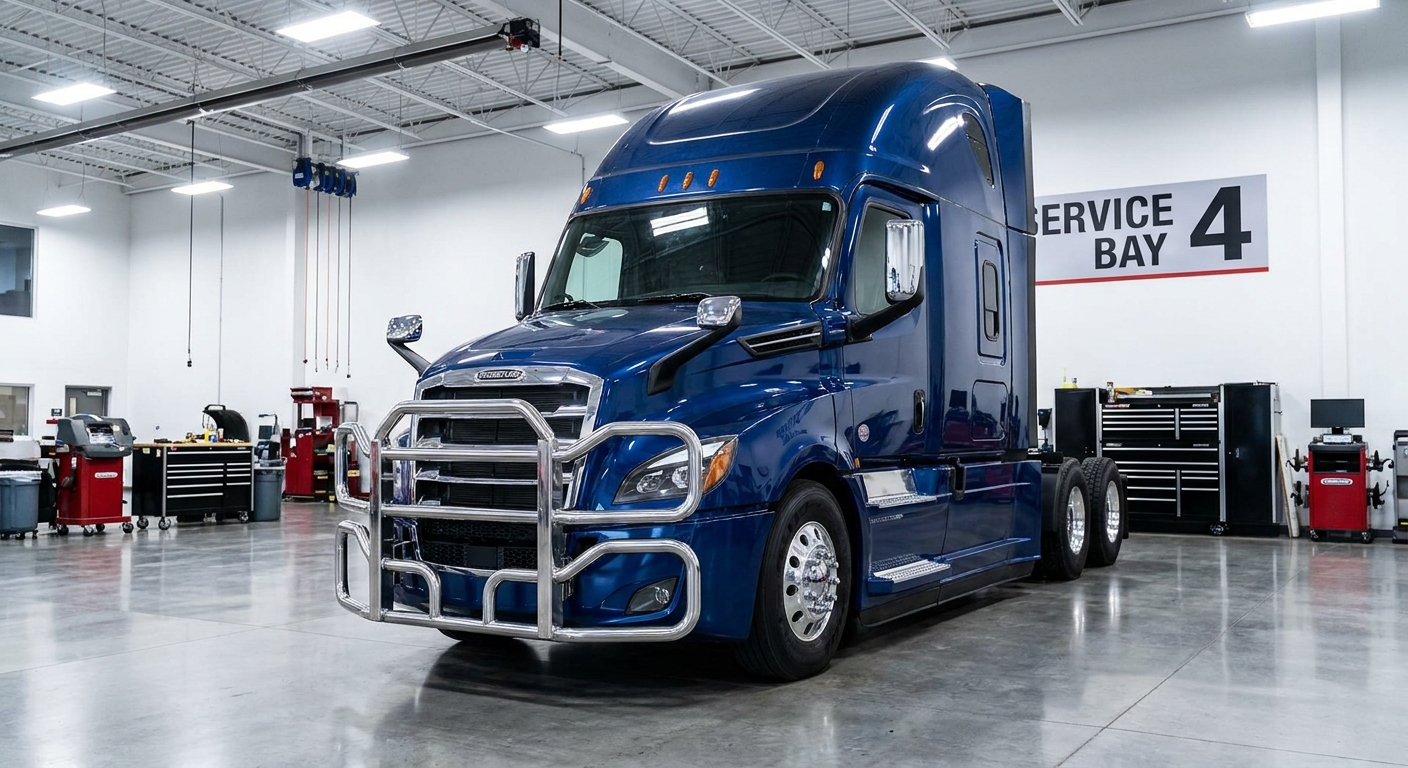
No, aftermarket semi truck grille guards do not inherently void your manufacturer warranties. Fleet maintenance supervisors often worry that bolting any non-OEM component onto a class 8 truck will trigger immediate dealership pushback. However, evaluating the grille guard warranty impact reveals that federal regulations strictly protect consumer vehicle modifications. You do not have to choose between protecting your radiators and maintaining your factory warranty.
Why does front-end vulnerability paralyze operations?
A single wildlife collision can easily cause devastating physical damage, destroying the charge air cooler and stranding drivers on remote highways. Yet, the fear of legal pushback from OEMs often prevents fleets from taking decisive defensive action.
Here is the truth: High-quality guards prevent these catastrophic operational losses without breaking original equipment compliance rules.
How do premium guards solve this dilemma?
Premium guards are explicitly engineered to work in absolute harmony with the truck’s native architecture.
- Engineered force distribution safely deflects heavy impacts directly to the frame rails.
- System-specific clearances maintain proper thermal airflow to prevent engine overheating.
- Zero-modification mounting utilizes existing chassis holes to avoid structural drilling.
Key Takeaway: Fleet managers can confidently invest in front-end protection because federal laws and precise manufacturing standards prevent aftermarket installations from arbitrarily voiding native truck warranties.
| Protection Feature | OEM Warranty Risk | Mitigation Strategy |
|---|---|---|
| Structural Deflection | Low | Use factory tow receiver mounting points. |
| Airflow Management | Low | Install open-mesh, vehicle-specific designs. |
| ADAS Integration | Low | Select guards with verified radar cutouts. |
Aligning protective hardware with original factory thresholds is the definitive method for preventing claim disputes.
What Laws Protect Fleet Owners?
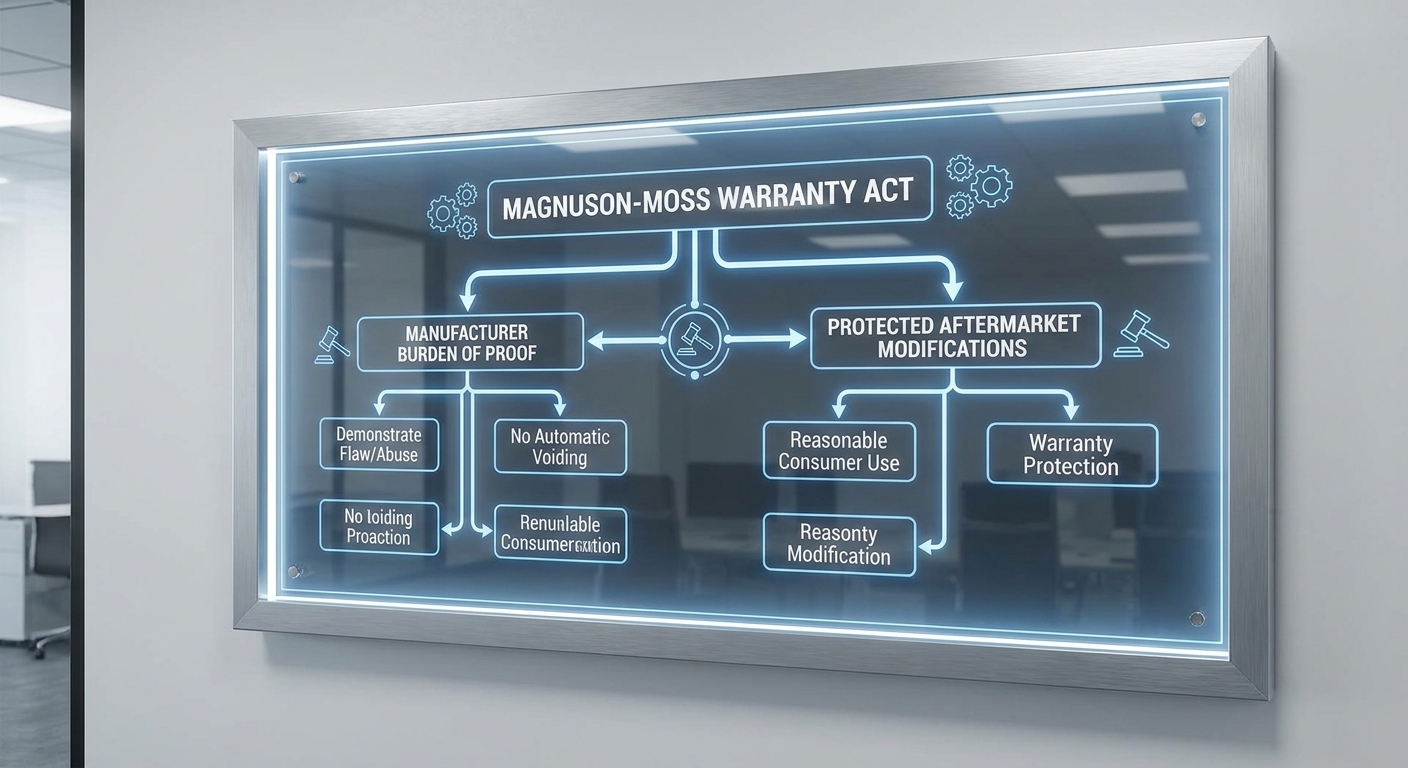
Federal legislation explicitly protects fleet owners from arbitrary warranty cancellations when using aftermarket parts. Fleet managers must understand the specific regulations that dictate the legal parameters of aftermarket modifications. This framework ensures that the grille guard warranty impact remains strictly favorable to truck owners. Dealerships cannot legally use anti-competitive practices to force you into buying only their proprietary branded accessories.
What is the Magnuson-Moss Warranty Act?
Passed by Congress in 1975, the Magnuson-Moss Warranty Act is a federal law that governs consumer product warranties. It explicitly prohibits manufacturers from conditioning their warranties on the buyer using only brand-name replacement parts or services.
Think about it: If truck manufacturers could unilaterally void warranties over any aftermarket upgrade, the entire commercial transportation supply chain would face a devastating monopoly.
How does federal law defend aftermarket modifications?
Under this act, a dealer cannot legally deny a warranty claim simply because an aftermarket structural guard is present on the vehicle chassis.
- Anti-tying provisions prevent OEMs from forcing buyers to use only proprietary components.
- Dealers are forced to prove direct causation, protecting fleets from blanket claim denials.
- Broad consumer protection mandates cover commercial class 5 through class 8 vehicles.
Key Takeaway: The Magnuson-Moss Warranty Act acts as a powerful legal shield for fleet operators, preventing manufacturers from enforcing anti-competitive and arbitrary warranty cancellation policies.
| Legal Provision | Impact on Fleet Ownership | Dealership Requirement |
|---|---|---|
| Anti-Tying Clause | Protects right to choose aftermarket brands | Cannot demand OEM-only accessories |
| Causation Proof | Protects unrelated mechanical systems | Must prove the part caused the failure |
| Written Disclosure | Prevents hidden warranty traps | Must clearly state all exclusions |
Federal statutes guarantee that your investment in non-OEM protective equipment cannot be penalized automatically.
Who Carries the Burden of Proof?
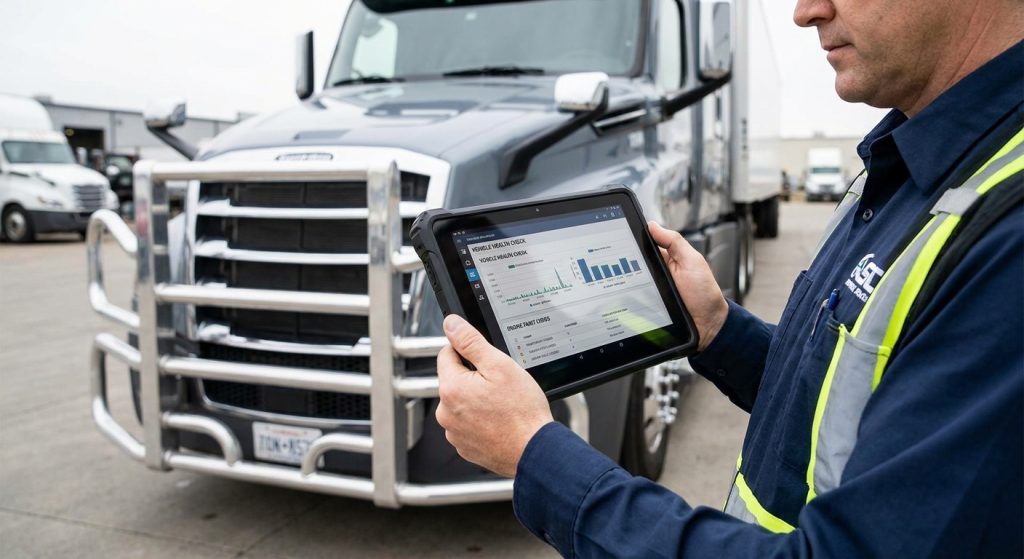
The legal burden of proof lies entirely on the truck manufacturer, not the fleet owner. If a manufacturer attempts to deny a warranty claim on a modified truck, they must operate within strict legal boundaries. Understanding how the burden of proof dictates the grille guard warranty impact prepares your fleet for potential dealership disputes. The dealer cannot simply point to the aftermarket component to dismiss your mechanical failure claim.
Why is the OEM’s claim difficult to prove?
To deny a warranty claim, the manufacturer must scientifically prove that the aftermarket guard directly caused the specific mechanical or electrical failure in question.
Let’s face it: Proving that a high-quality stainless steel bumper caused an internal engine sensor or transmission gear to fail is practically impossible.
What technical documentation must dealers provide?
Dealers are strictly required to provide formal engineering explanations to support any claim denial.
- They must show a clear, physical chain of cause-and-effect regarding the failure.
- They cannot deny coverage for unrelated systems like drive axles or engine internals.
- They must document the exact mechanism of component failure with diagnostic evidence.
Key Takeaway: Because the legal burden lies entirely on the manufacturer, your warranty remains valid unless direct, causal damage can be scientifically proven by the OEM’s technicians.
| Entity | Primary Responsibility | Required Action in Dispute |
|---|---|---|
| Dealership / OEM | Prove direct causation of failure | Supply technical diagnostic evidence |
| Fleet Operator | Maintain standard service logs | Present vehicle for formal inspection |
| Guard Manufacturer | Provide engineering specifications | Verify vehicle compatibility metrics |
The burden of proof acts as a critical operational safeguard against baseless dealership repair rejections.
Can Poor Fitment Void Truck Coverages?
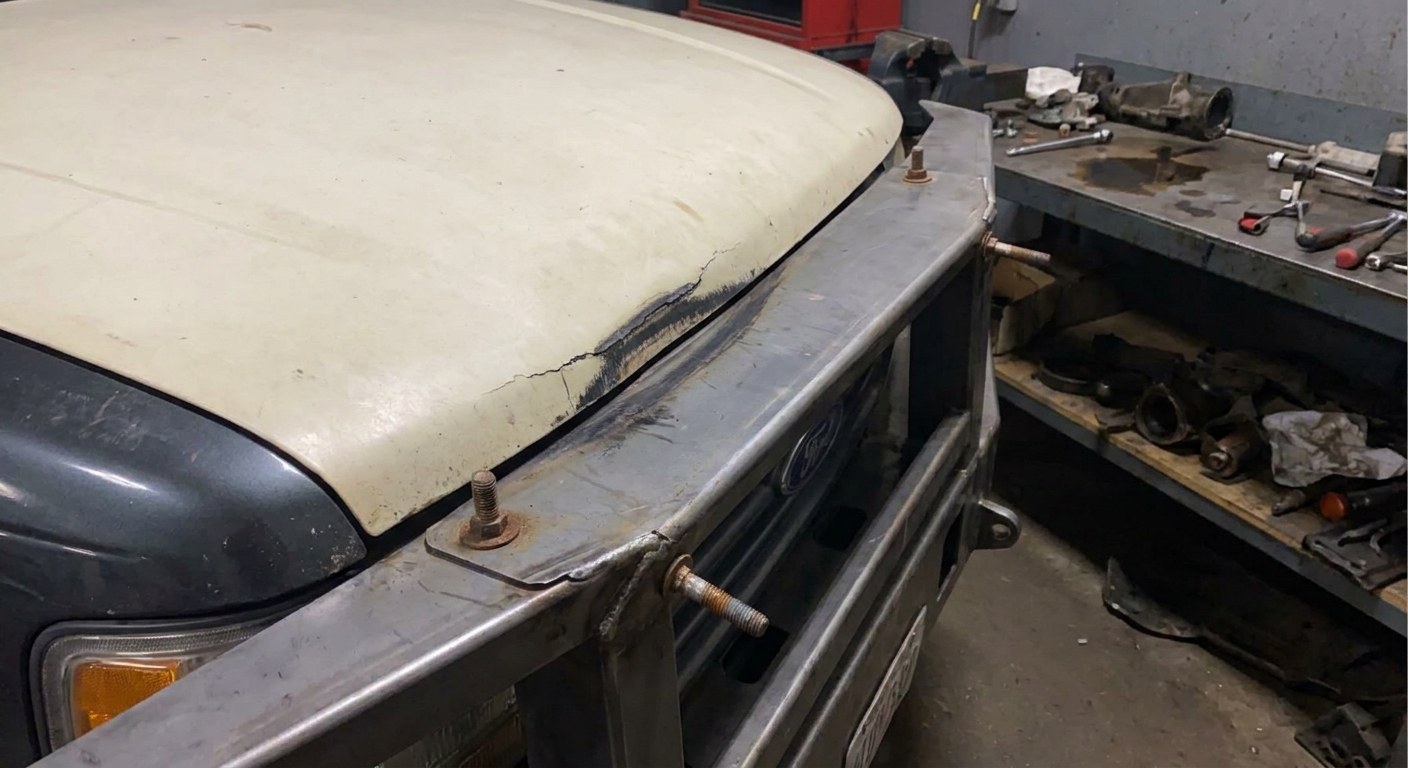
Yes, incorrect installation that physically damages the truck’s chassis or wiring harness will void specific coverages. While federal law protects your right to install aftermarket equipment, those protections disappear if the installation itself is reckless. Improper fitment directly alters the grille guard warranty impact by shifting liability back to the fleet operator if secondary damage occurs. The manufacturer is never responsible for repairing self-inflicted structural or electrical wounds.
What mechanical risks stem from poor fitment?
Incorrect mounting, loose bolts, or improper clearances can create severe operational hazards.
Make no mistake: A poorly mounted guard is a massive structural hazard that can ruin both your vehicle’s frame and your legal warranty protections simultaneously.
How does installation error compromise trucks?
Physical modifications like unauthorized frame drilling will immediately void that specific section of the chassis coverage.
- Drilling into tempered frame rails weakens the steel, voiding structural frame warranties.
- Placing the guard too close to the grille restricts critical airflow, causing engine overheating.
- Excessive vibration from low-quality brackets scratches and cracks composite hoods.
Key Takeaway: Working with certified installers and using vehicle-specific, no-drill hardware protects both your vehicle’s structural frame and your legal rights against denial.
| Fitment Error | Damaged Component | Resulting Warranty Status |
|---|---|---|
| Frame Drilling | Main chassis rails | Voided in drilled locations |
| Restricted Clearance | Composite hood/paint | Voided for physical abrasions |
| Airflow Blockage | Radiator cooling pack | Voided for thermal engine failures |
Proper mechanical integration is the absolute foundation of maintaining your factory-issued vehicle protections.
How Is Airflow Cooling Affected?
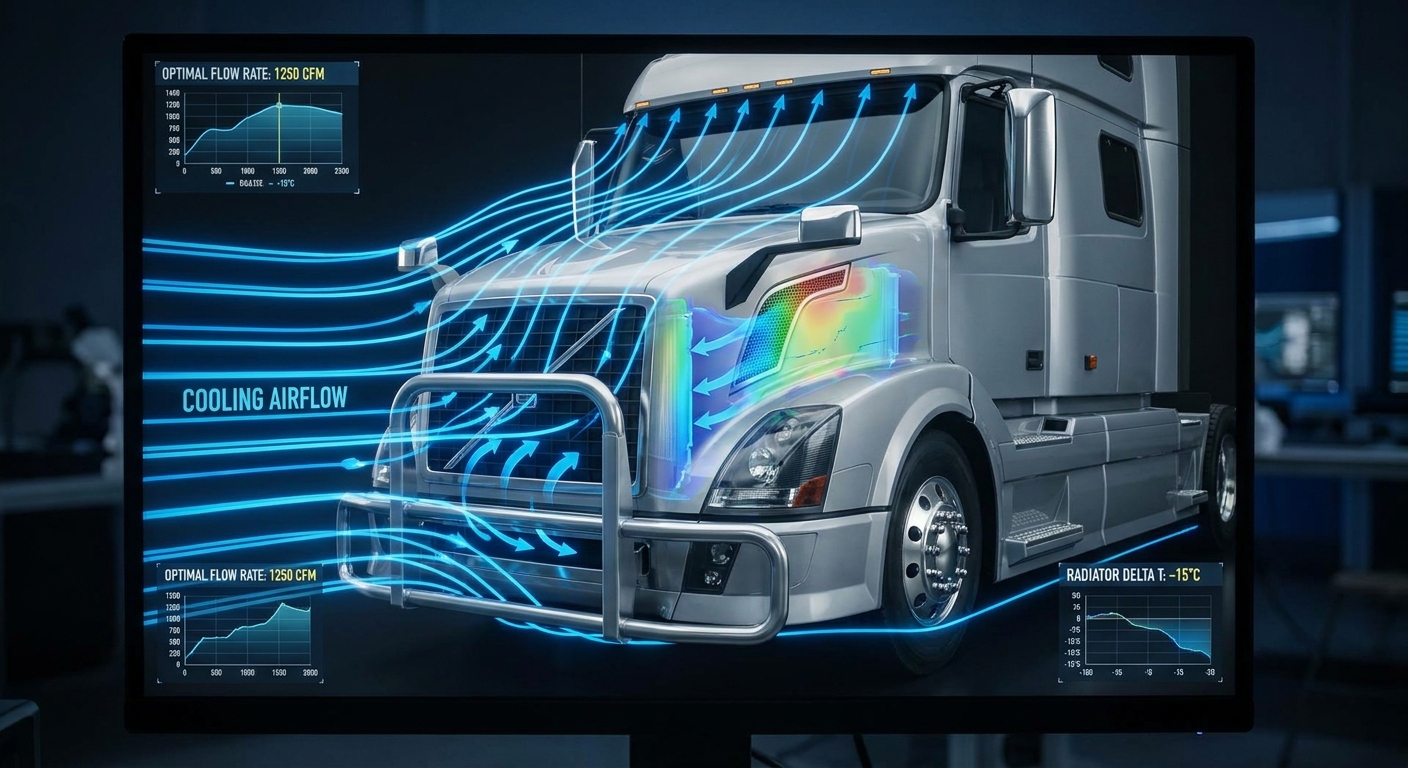
Premium guards are engineered to maintain original factory airflow parameters to protect cooling system operations. Class 8 diesel engines require massive amounts of air to keep cooling packs operating efficiently under heavy loads. Conducting a system-level analysis of the grille guard warranty impact reveals that airflow restriction is a primary thermal concern. You must select equipment specifically designed to accommodate strict OEM thermal thresholds.
Why do cooling system parameters matter?
A heavy-duty guard must be meticulously engineered to maintain factory airflow, otherwise, you risk devastating engine damage.
Here is the kicker: A guard that blocks too much fresh air forces your fan clutch to run constantly, leading to premature component failure and overheating that OEMs will not cover.
How do engineers optimize for cooling?
Professional manufacturing firms utilize advanced aerodynamic simulations to ensure adequate ambient airflow.
- Open-mesh guard designs maintain high-volume airflow capacity directly to the radiator.
- Strategic cross-bar placement strictly avoids obstructing the charge air cooler intake.
- Aerodynamic testing validates safe engine operating temperatures during steep grade ascents.
Key Takeaway: A precise system-by-system impact analysis proves that properly engineered and aerodynamically tested guards present zero threat to native truck cooling systems.
| Component Affected | Thermal Risk Level | Engineering Solution |
|---|---|---|
| Radiator Core | High | High-capacity open mesh structures |
| Charge Air Cooler | High | Optimized cross-bar spacing |
| Fan Clutch Assembly | Medium | Unrestricted front-end airflow |
Maintaining original fluid dynamics and airflow metrics ensures your powertrain warranties remain completely intact.
Will Guards Block ADAS Sensors?
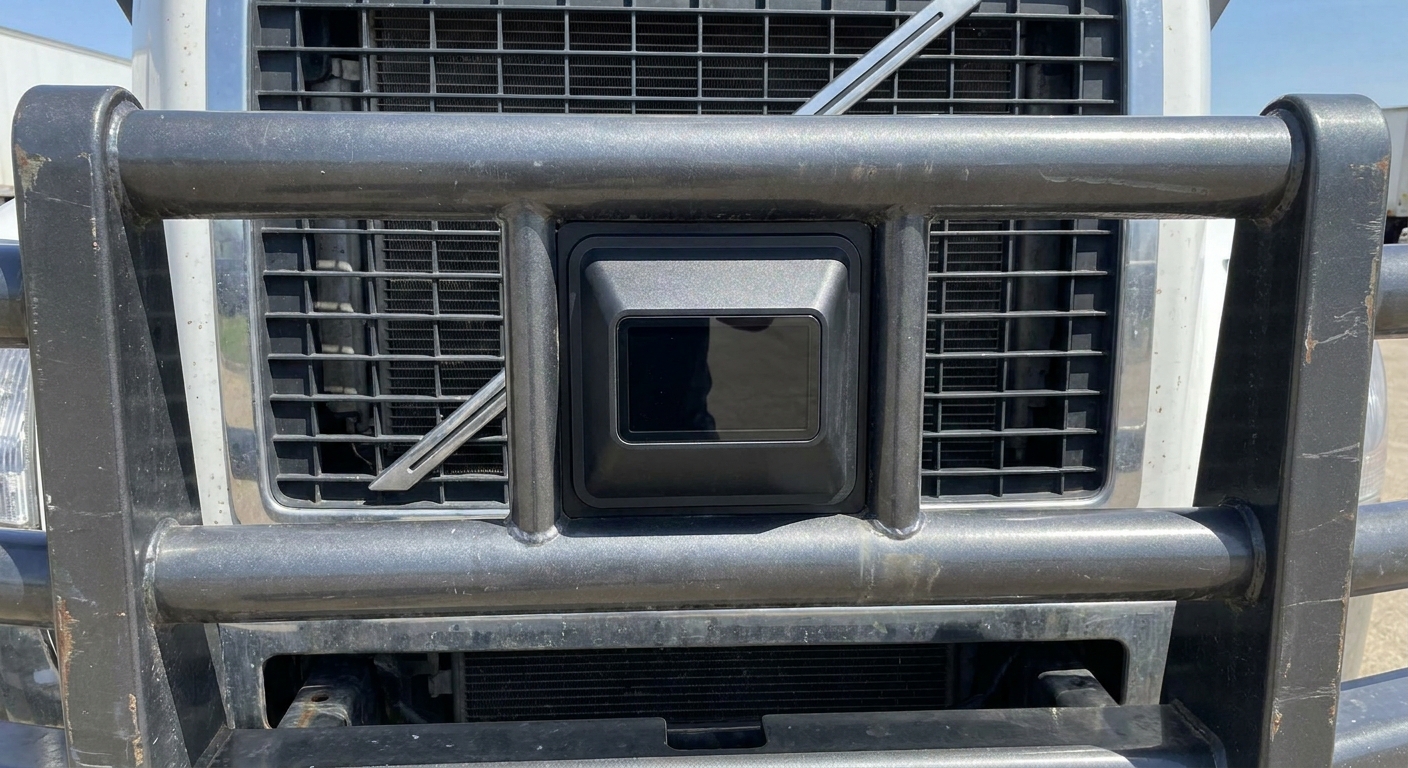
Poorly designed guards will block radar and camera sensors, but properly engineered models guarantee full operational clearance. Modern class 8 trucks are highly integrated electronic platforms relying heavily on advanced driver assistance systems (ADAS). Sensor integration is now a primary factor in evaluating the grille guard warranty impact for modern commercial fleets. Interfering with these active safety devices disables critical collision-avoidance systems and triggers severe dashboard fault codes.
What happens to active safety warranties?
If an aftermarket accessory obstructs or interferes with factory ADAS calibration, the dealership will refuse coverage.
Keep this in mind: Disabling factory safety systems through physical obstruction is a massive operational liability that instantly voids complex electronic system coverages.
How are modern guards optimized for sensors?
Modern fleet guards must be explicitly engineered with ADAS clearances to preserve factory functionality.
- Specialized bracket cutouts keep radar fields of view completely clear and unobstructed.
- Structural designs ensure adaptive cruise control waves propagate without metallic interference.
- Precision positioning maintains sonar fields for integrated proximity parking sensors.
Key Takeaway: ADAS compatibility is no longer optional; selecting precision-cut, sensor-compatible guards is absolutely essential to preserving complex electronic system warranties.
| Factory Safety System | Obstruction Threat | Necessary Design Mitigation |
|---|---|---|
| Collision Mitigation Radar | Severe | Precision center-section radar cutouts |
| Lane Departure Camera | Low | High-mount hood clearance profiles |
| Proximity Sonar Sensors | Medium | Specific bracket positioning |
Synchronizing aftermarket hardware with modern vehicular telemetry is mandatory for retaining software-level warranties.
Does Guard Material Impact Claims?
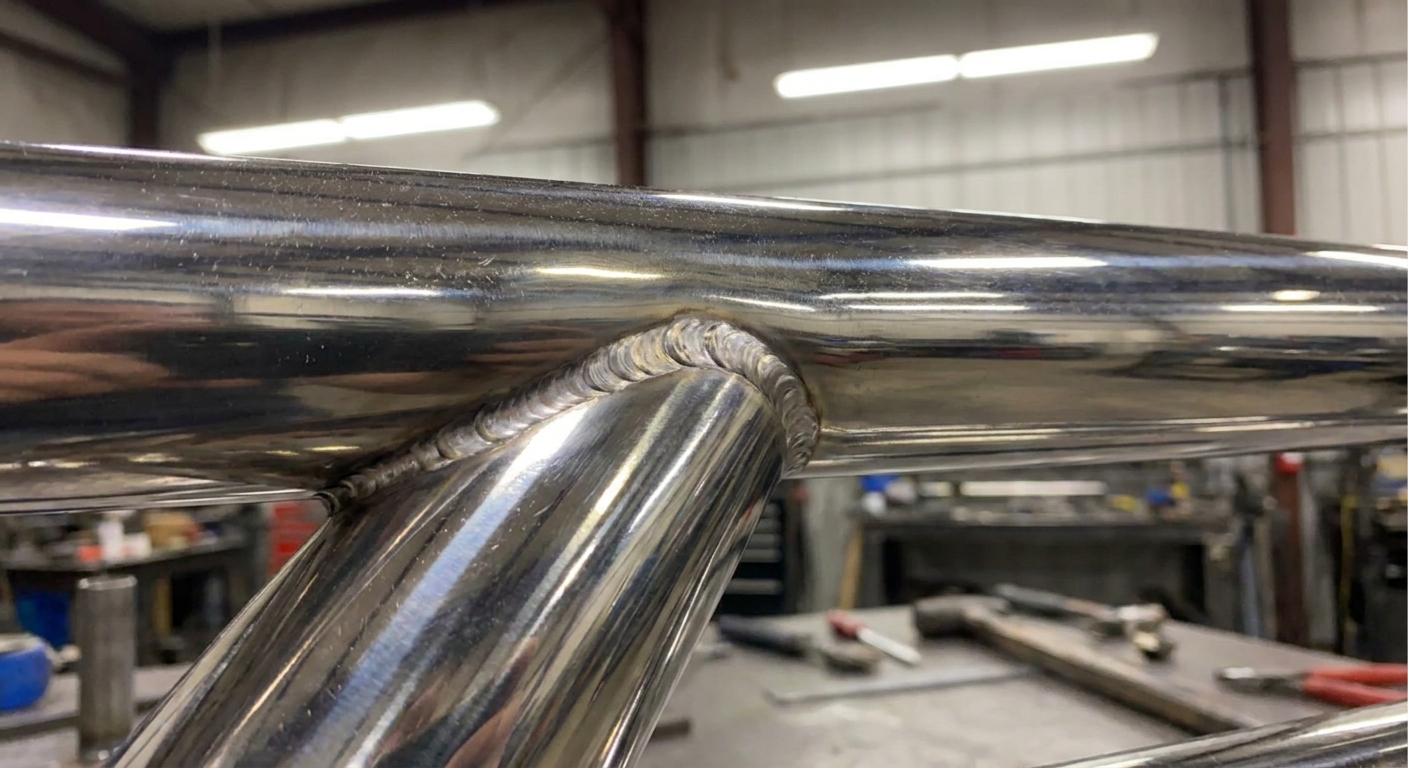
Yes, inferior materials that fail during impact can cause secondary damage, prompting rightful warranty claim denials. The construction quality of the guard directly influences your overall exposure to long-term warranty disputes. Cheap guards are a massive liability, while premium structural equipment minimizes the risk of secondary damage that could negatively alter the grille guard warranty impact. Cosmetic guards made of thin-walled tubing frequently fold backward during collisions.
Are cheap guards a liability for warranties?
Low-grade carbon steel structures often cause far more damage to the radiator and engine than the actual animal strike would have.
It gets worse: If a weak aftermarket guard collapses under pressure and punctures your radiator, the OEM will rightfully deny the repair claim because the aftermarket part directly caused the engine ruin.
Why is 304 stainless steel superior?
Heavy-duty guards manufactured from 304 stainless steel are structurally built to withstand extreme high-velocity impacts.
- High-tensile structural deflection prevents heavy limbs from puncturing delicate cooling packs.
- Clean TIG welding techniques prevent stress cracking and weld fatigue over long-haul mileage.
- Natural lifetime rust resistance eliminates the structural weakening commonly seen in painted steel.
Key Takeaway: Investing in high-grade 304 stainless steel guards paired with robust structural TIG welding eliminates the catastrophic risk of guard failure causing primary truck damage.
| Material Property | 304 Stainless Steel | Low-Grade Carbon Steel |
|---|---|---|
| Kinetic Absorption | Deflects and absorbs energy safely | Folds backward into the engine bay |
| Joint Integrity | TIG welded for maximum fatigue resistance | MIG welded, prone to vibration cracking |
| Corrosion Threat | Naturally resists environmental rust | Rusts rapidly, destroying structural integrity |
Utilizing premium industrial alloys prevents structural collapse and shields your cooling components from secondary destruction.
How Do Brackets Protect Frames?
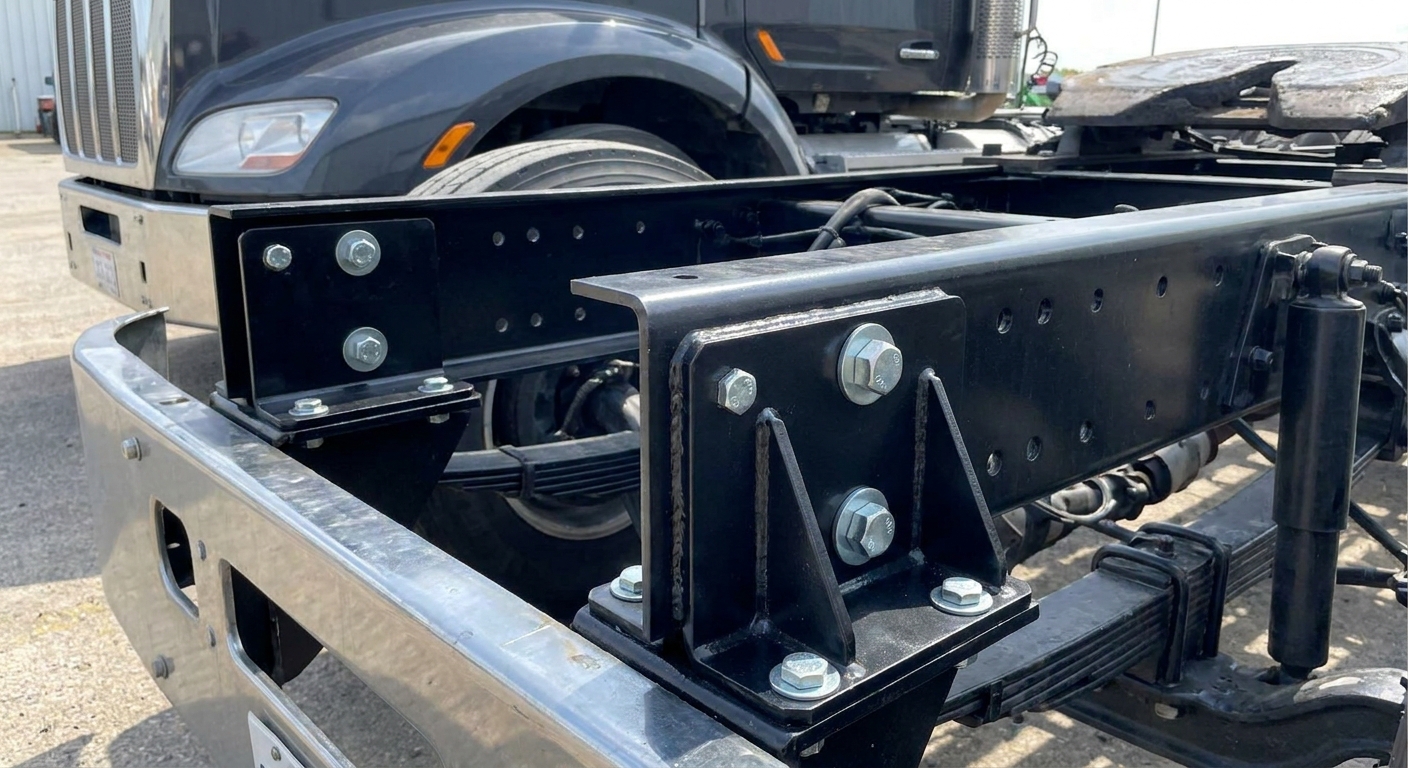
High-quality brackets absorb and distribute impact forces safely without requiring unauthorized drilling into the chassis. The method used to attach a front-end guard is just as critical as the guard’s overall material strength. A properly engineered mounting system improves the grille guard warranty impact by ensuring the vehicle’s structural integrity remains untouched. Safe mounting transfers kinetic energy across the heavy-duty frame without compromising original steel tempers.
What happens to structural frame warranties?
Utilizing universal brackets that require drilling or welding onto the truck’s main rails will instantly void your chassis warranty.
The bottom line: You must strictly use vehicle-specific, no-drill hardware to keep your underlying structural factory coverage completely intact.
How do engineers ensure safe bracket fitment?
Specialized heavy-duty mounts are crafted to interface flawlessly with existing factory tow points.
- Direct-fit designs strictly utilize existing tow receiver ports to avoid any structural drilling.
- Kinetic energy is strategically absorbed and dissipated before reaching vital engine components.
- Lightweight, high-strength mounting materials prevent premature wear on front steer axles.
Key Takeaway: Precision-engineered, bolt-on brackets guarantee that severe impact forces are managed safely without voiding critical chassis and front suspension warranties.
| Bracket Type | Frame Impact | Dealership Warranty Status |
|---|---|---|
| Custom Bolt-On Mount | Zero modification required | Fully Valid |
| Universal Drill Mount | Compromises steel temper | Voided at drill locations |
| Welded Custom Mount | Destroys factory frame treatments | Completely Voided |
Non-destructive installation is the critical determining factor in preserving the native structural warranties of a commercial truck.
Why Choose an OEM Manufacturer?
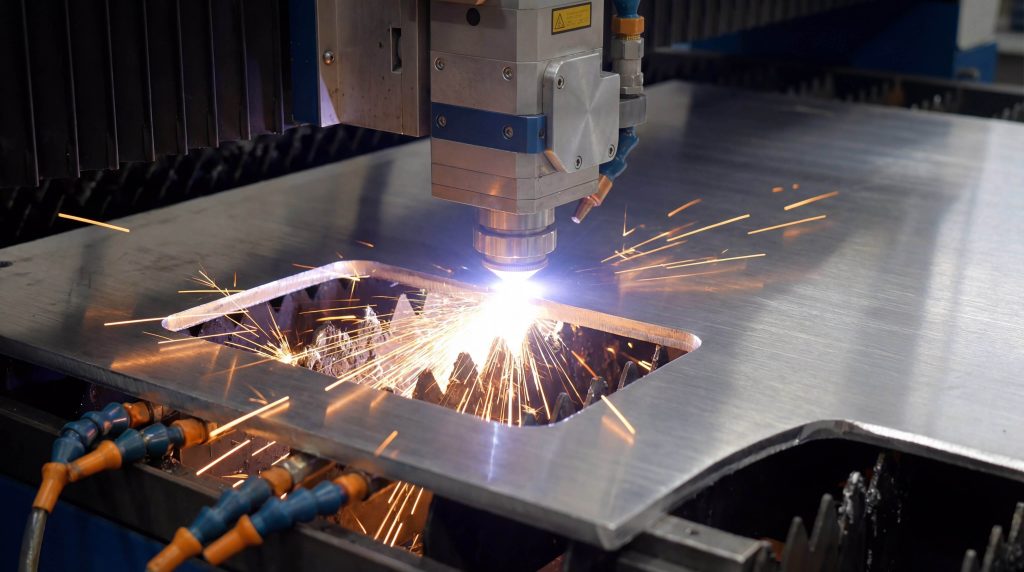
An OEM manufacturer guarantees strict design compliance and vehicle-specific engineering that dealerships respect and approve. Partnering with an established industrial manufacturer ensures that your fleet receives guards built to the highest production standards. This high-level quality control directly improves your grille guard warranty impact by providing undeniable proof of mechanical compatibility. A specialized manufacturer designs front-end systems using advanced CAD modeling and direct vehicle integration testing.
How does industrial quality guarantee compliance?
Custom-fit manufacturing prevents the common catastrophic failures seen in cheap, universal-fit aftermarket accessories.
Let’s wrap this up: Your commercial fleet deserves protective armor designed to work in absolute harmony with millions of dollars in factory engineering.
What benefits come from certified partners?
Dedicated manufacturing partners provide extensive technical documentation that proves product safety to cautious dealerships.
- Perfect dimensional compatibility ensures flawless integration with major North American truck brands.
- Exclusive use of premium stainless steel tubing guarantees long-term structural reliability under load.
- Seamless design integration seamlessly accommodates factory styling, tow hooks, and critical ADAS sensors.
Key Takeaway: Collaborating directly with a specialized OEM manufacturer ensures your safety guards integrate flawlessly without compromising any native factory vehicle warranties.
| Manufacturing Standard | Premium OEM Partner | Generic Aftermarket Brand |
|---|---|---|
| Vehicle Engineering | Custom CAD modeling per truck | Universal fitment guesswork |
| Quality Control | Rigorous batch testing and inspection | Minimal safety verification |
| Warranty Support | Full engineering specification sheets | No compatibility documentation |
Leveraging industrial-grade manufacturing provides the empirical evidence required to defeat aggressive dealership warranty disputes.
How Do Fleets Secure Protection?
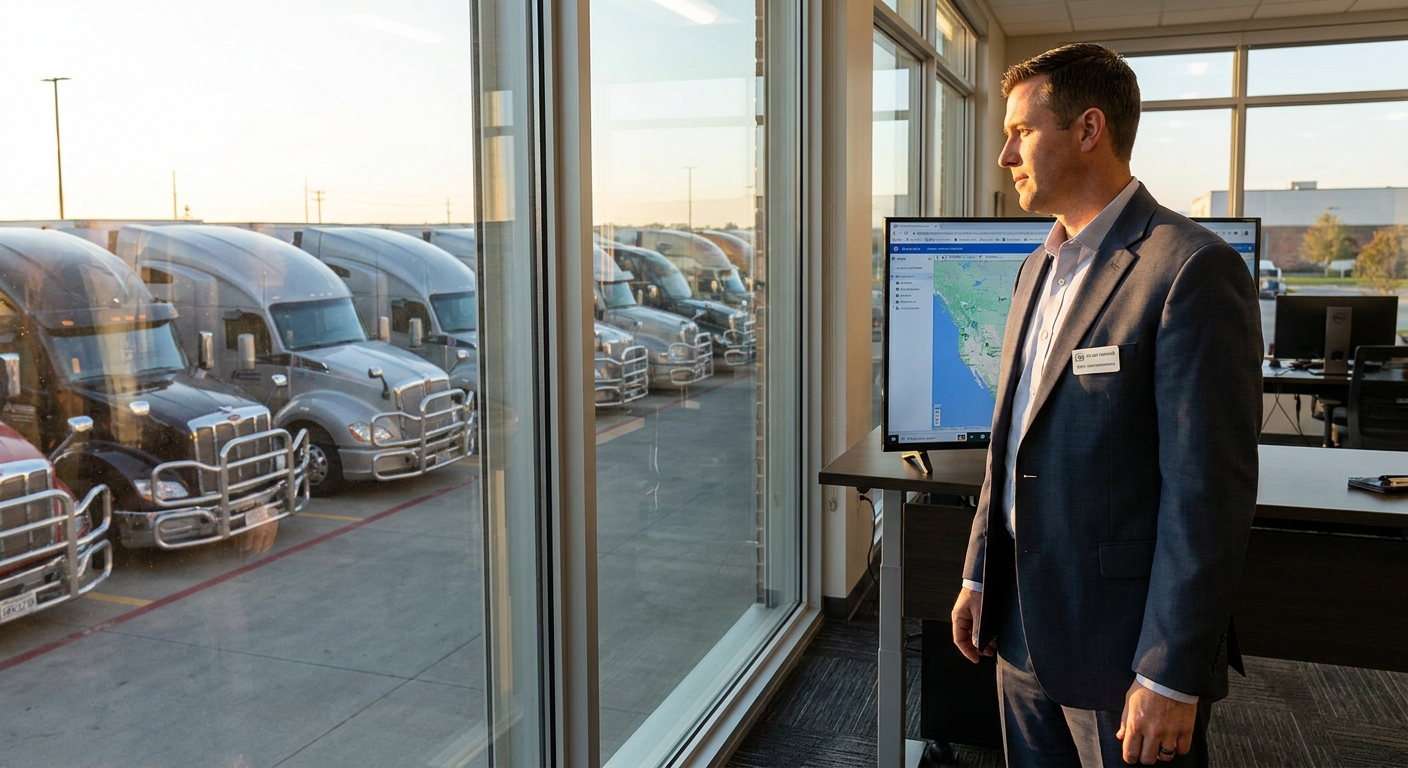
Fleets secure long-term protection by combining professional installations with rigorous, organized maintenance documentation. Protecting your warranty coverage requires a proactive, highly structured administrative approach across your entire operation. Fleet managers who follow strict industry best practices successfully manage the grille guard warranty impact and ensure that dealership service visits remain stress-free. Organized documentation leaves OEMs with absolutely no leverage to deny valid mechanical claims.
Why is documentation your best defense?
Dealers are far less likely to challenge a warranty claim when presented with comprehensive records proving professional, compliant installation.
The plain truth: An organized, meticulously detailed maintenance file is your absolute best weapon against an uncooperative dealership service department.
What steps minimize factory claim denials?
Having exterior guards installed by certified mechanics ensures that all critical torque specifications and system clearances are met.
- Keep detailed purchase receipts to document the exact brand, model, and origin of the guard.
- File compatibility certificates showing explicit vehicle-specific fitment approvals from the manufacturer.
- Maintain regular inspection logs to mathematically prove mounting brackets are checked during routine PMs.
Key Takeaway: Rigorous documentation and professional installation procedures effectively transform warranty protection from a legal gamble into a highly structured administrative routine.
| Administrative Action | Operational Purpose | Frequency Requirement |
|---|---|---|
| Retain Purchase Records | Proves OEM-grade part sourcing | Once at procurement |
| Log Installation Specs | Verifies correct torque and fitment | Once at professional install |
| Conduct PM Inspections | Demonstrates ongoing physical compliance | Every scheduled ‘A’ service |
A flawless paper trail bridges the gap between proactive fleet protection and guaranteed dealership compliance.
Don’t let the fear of warranty disputes leave your fleet exposed to catastrophic wildlife collisions. Protect your assets, reduce operational downtime, and secure absolute peace of mind with premium OEM-grade front-end protection. For heavy-duty truck accessories engineered for real-world fleet applications, contact us today to equip your vehicles. Brontec stands firmly behind manufacturing structural armor that defends both your drivers and your bottom line without ever compromising native factory engineering.
FAQ
Can I install an aftermarket guard on a leased semi truck?
Yes, provided you use non-destructive mounting techniques. Premium guards utilize existing chassis tow receiver holes, meaning they can be fully installed and later removed before returning the vehicle to the leasing company without leaving permanent frame modifications.
What’s the best way to prove guard compatibility to a dealer?
The best way is providing the manufacturer’s technical specification sheets. These official documents prove that the protective equipment was engineered specifically for your truck’s exact make and model, verifying it does not interfere with cooling limits or electronic safety thresholds.
How do I know if a guard will void my electrical warranty?
You know it is safe if the installation requires zero wire splicing into the factory harness. High-quality protection systems utilize plug-and-play wiring connectors for any integrated lighting, maintaining the integrity of the vehicle’s multiplex wiring system.
Can I use a universal guard without risking my coverage?
No, universal guards are a massive risk to your chassis warranty. Because they are not precision-engineered for a specific truck, they frequently require drilling into the frame rails or restricting critical airflow, both of which will immediately trigger dealership claim denials.
What’s the best material to avoid secondary collision damage?
The best material is 304 stainless steel paired with structural TIG welding. This specific combination ensures the guard absorbs and deflects kinetic energy outward, preventing the metal from folding backward and destroying the radiator during a high-speed animal strike.