
Choosing between a stainless steel vs powder coated grille guard can significantly impact long-term maintenance costs, corrosion resistance, and front-end durability for heavy-duty trucks. While stainless steel offers exceptional rust resistance and premium appearance retention, powder-coated steel provides a lower upfront cost and strong structural protection for demanding fleet operations. Understanding the differences in weight, finish durability, maintenance, and life cycle value helps fleet managers select the right grille guard for their routes and operating conditions.
What is a stainless steel vs powder coating grille guard?
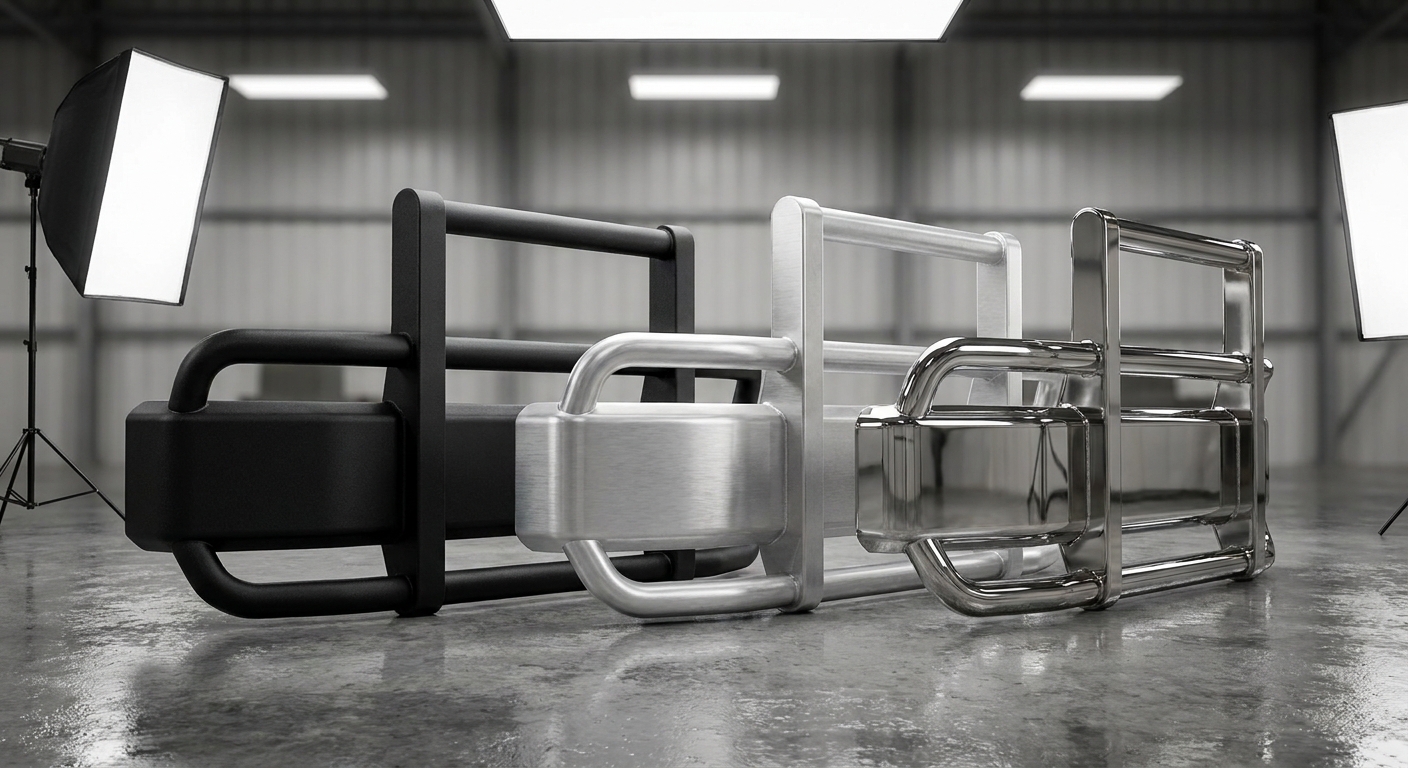
A stainless steel vs powder coating grille guard represents the fundamental choice between utilizing premium corrosion-resistant alloys or choosing coated carbon steel for vehicle protection. Each option exhibits unique mechanical attributes designed to protect your physical assets from severe highway impacts.
Why is structural carbon steel the baseline?
Carbon steel provides exceptional structural stiffness and raw tensile strength at a highly competitive initial cost. But that is not all:
- Excellent yield strength that resists heavy deformation.
- High weldability for rigid, unified joints.
- Affordable baseline pricing for large highway transport fleets.
If you manage a large logistics operation, standardizing your trucks with high-grade carbon steel guards keeps your upfront capital expenditures fully optimized.
How does high-tensile aluminum compare?
Marine-grade aluminum alloys deliver a remarkable strength-to-weight ratio that helps lower your overall operating weight. Think about it:
- Naturally forms a self-passivating oxide layer against rust.
- Approximately 60% lighter than standard carbon steel guards.
- Optimizes front-axle load distributions for long-haul routes.
Choosing aluminum allows you to maintain solid front-end protection while saving precious fuel and tire wear on your steers.
What is the role of stainless steel?
Grade 304 stainless steel represents the premium standard in front-end protection due to its high chromium content. Here is the thing:
- Absolute protection against aggressive winter road chemicals.
- Self-healing surface properties that prevent rust propagation.
- Bright, clean aesthetic that elevates your company’s road presence.
Key Takeaway: Investing in premium stainless steel minimizes long-term maintenance costs and maximizes the resale value of your vehicle assets.
| Material Type | Tensile Strength (MPa) | Weight Profile | Corrosion Resistance |
|---|---|---|---|
| Carbon Steel | 400 – 550 | Heavy (100%) | Low (Requires Finish) |
| Aluminum Alloy | 270 – 310 | Ultra-Light (35%) | High (Self-Passivating) |
| Stainless Steel | 500 – 620 | Medium-Heavy (95%) | Exceptional (Self-Healing) |
Evaluating these foundational materials allows you to select the correct gauge thickness for your specific operational demands.
Why check stainless steel vs powder coating grille guard thickness?
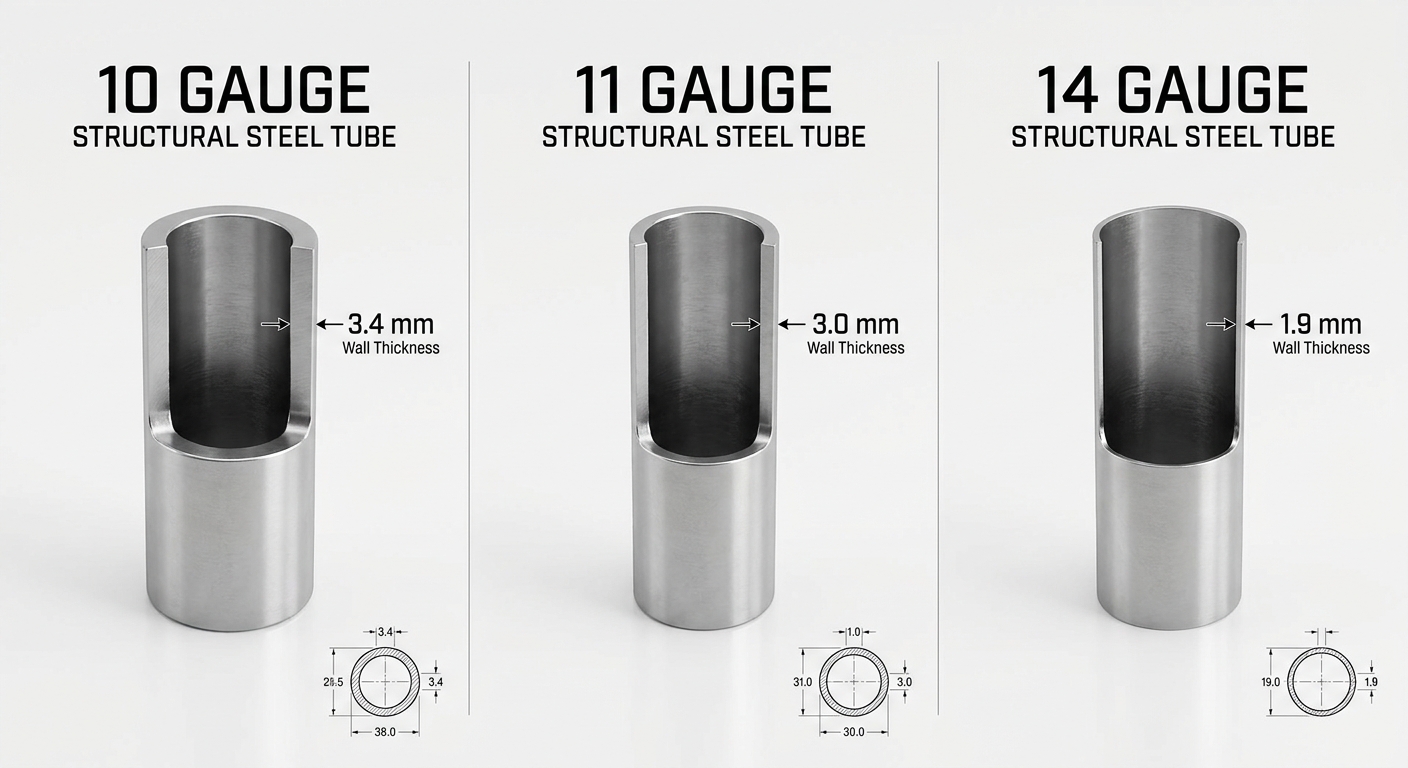
Evaluating the thickness of a stainless steel vs powder coating grille guard is vital because structural wall thickness directly determines how much kinetic energy the barrier can absorb before buckling. Thicker tubing ensures that animal strikes do not crush your delicate radiator or engine block components.
What are the optimal gauge sizes for fleets?
Commercial truck operations require heavy-gauge tubing, typically ranging from thick 11-gauge to 14-gauge structural steel. But that is not all:
- A lower gauge number indicates a thicker, stronger metal wall.
- Heavy-gauge structures resist bending under massive collision forces.
- Thick walls provide superior durability against continuous road vibration.
When you deploy Class 8 trucks in high-impact zones, utilizing thick-walled protection is the most reliable way to prevent catastrophic engine damage.
How does thickness affect structural welding?
Thicker steel allows fabricators to achieve complete weld penetration, creating incredibly rigid and reliable joint connections. Here is the thing:
- AWS-certified welders can apply high heat without burning through.
- Thick joints dissipate constant highway vibrations much more effectively.
- Stronger structural welds eliminate the risk of micro-cracking over time.
Key Takeaway: Thicker metal walls ensure that your protective guards maintain their structural integrity through millions of rough highway miles.
| Wall Gauge | Thickness (mm) | Impact Energy Absorption | Best Application |
|---|---|---|---|
| 10-Gauge | ~3.4 mm | Maximum Protection | Extreme Wildlife Areas |
| 11-Gauge | ~3.0 mm | High Protection | Long-Haul Highway Fleets |
| 14-Gauge | ~1.9 mm | Moderate Protection | Regional Delivery / Pickups |
Once the physical thickness is optimized, you can analyze how specific material grades compare under real-world conditions.
Compare stainless steel vs powder coating grille guard profiles?
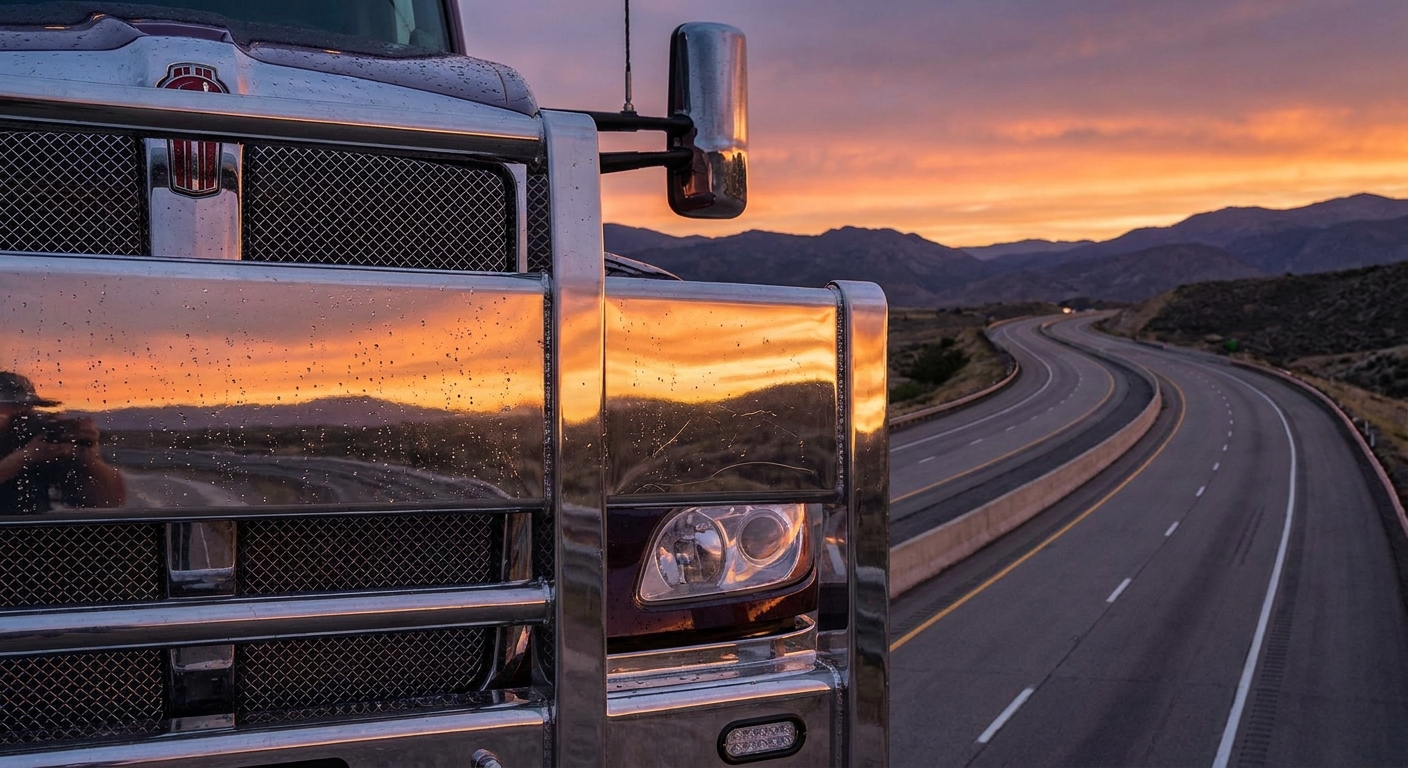
Comparing the performance profiles of a stainless steel vs powder coating grille guard helps you determine the ultimate lifecycle value for your fleet. While both offer impressive structural rigidity, their long-term durability in harsh environments varies significantly.
Which material delivers higher yield strength?
Premium grade 304 stainless steel offers exceptional yield strength and maintains its ductility even in sub-zero winter temperatures. Think about it:
- Resists brittle fracture in freezing northern climates.
- Absorbs high-impact forces without transferring shock to the frame.
- Maintains structural integrity where standard carbon steel might fail.
If you operate in freezing northern regions, choosing a material that remains resilient under extreme cold is critical for driver safety.
How do long-term lifecycle costs compare?
Powder-coated carbon steel requires a lower initial investment but demands regular maintenance to prevent rust from creeping under scratches. Here is the thing:
- Stainless steel provides a near-zero maintenance lifecycle over five years.
- Coated guards need touch-ups to fix stone chips and prevent corrosion.
- Premium alloys retain high value when it comes time to trade in.
Key Takeaway: Choosing a premium alloy guard reduces maintenance labor, saving you time and keeping your fleet on the road.
| Performance Factor | Stainless Steel Profile | Powder-Coated Carbon Steel |
|---|---|---|
| Initial Price | Premium Investment | Economical Entry |
| Rust Prevention | Self-Healing / Permanent | Barrier Film / High Maintenance |
| Cold Ductility | Exceptional (No Cracking) | Moderate (Becomes Brittle) |
Comparing these core profiles highlights why choosing the correct surface treatment is vital for protecting against winter road salts.
Which stainless steel vs powder coating grille guard finish is best?
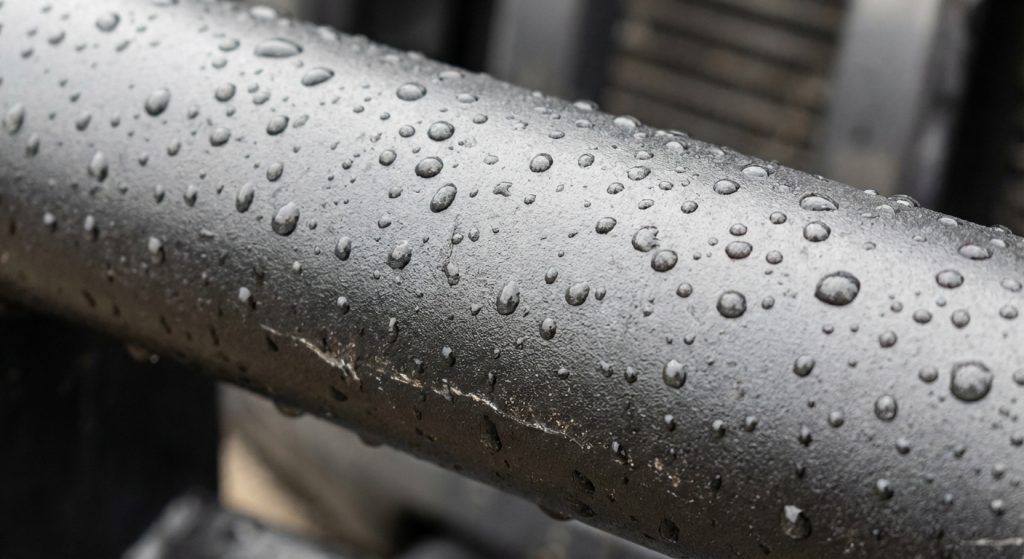
Selecting the best finish for your stainless steel vs powder coating grille guard is crucial to preventing chemical corrosion from destroying the underlying metal. Advanced finishes create a robust barrier that seals out road salts and aggressive de-icers.
Why does raw carbon steel require powder coating?
Raw carbon steel oxidizes almost instantly when exposed to moisture, road salt, and harsh weather. But that is not all:
- Powder coating applies a thick, heat-cured polymer barrier.
- Multi-stage chemical pre-treatments ensure maximum powder adhesion.
- This durable skin resists stone chips, fuel spills, and weathering.
If you select carbon steel, a high-quality powder coating is the only way to keep the metal from rusting away.
What are the benefits of satin brushed finishes?
Satin brushed finishes on stainless steel and aluminum provide a modern look while hiding minor surface scratches. Here is the thing:
- Eliminates blinding road glare for oncoming highway traffic.
- Easy to repair and restore using basic abrasive pads in your shop.
- Features no paint or coating layer that can chip, peel, or blister.
Key Takeaway: A satin finish keeps your fleet looking clean and professional while eliminating the risk of peeling paint.
| Finish Option | Durability | Repair Process | Glare Reduction |
|---|---|---|---|
| Powder Coat | High Barrier Protection | Touch-up Paint / Re-coating | Excellent |
| Satin Brushed | Permanent Alloy Polish | Simple Abrasive Buffing | High |
| Mirror Chrome | Aesthetic-Only Shield | Costly Electroplating | Low |
Understanding these finishing techniques helps you evaluate if lightweight aluminum alloys are strong enough for your operations.
Is aluminum or stainless steel vs powder coating grille guard better?
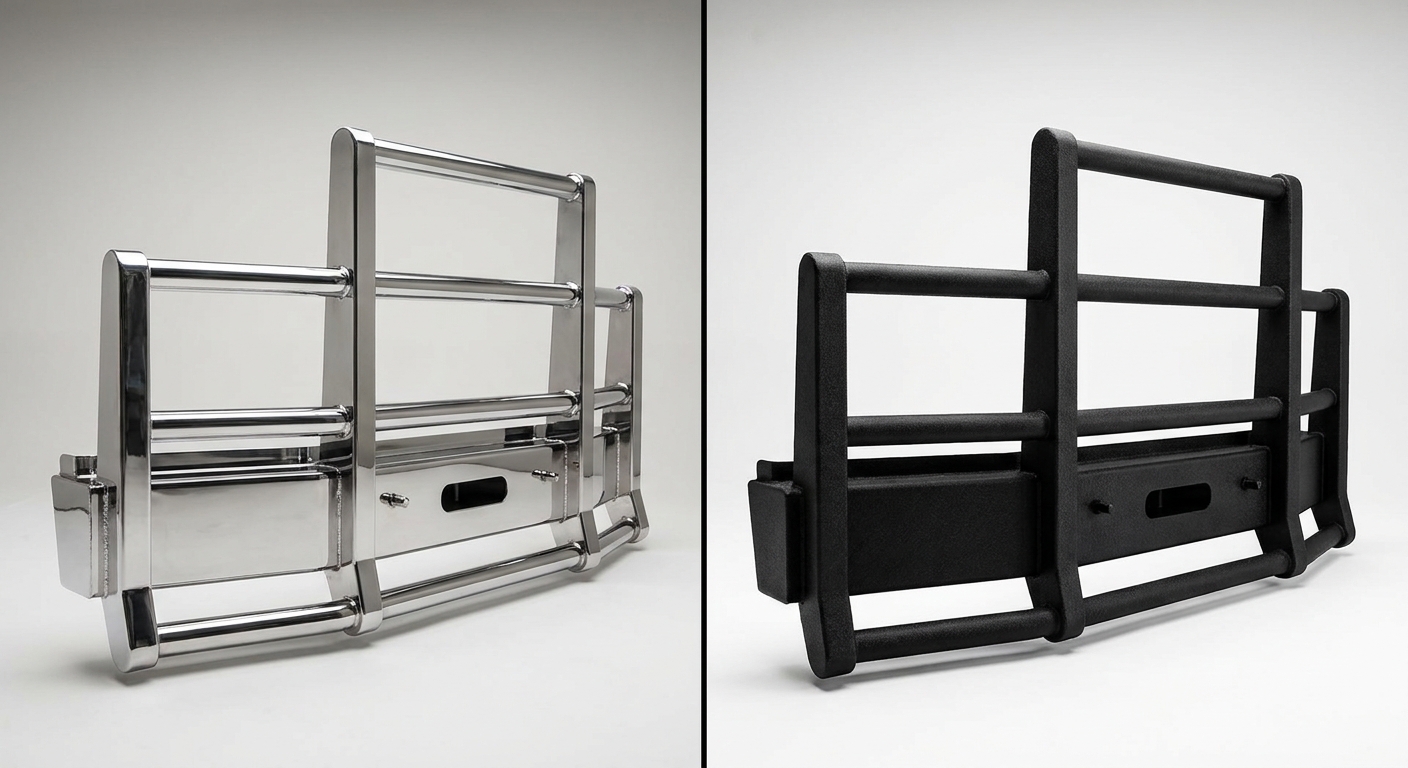
Choosing between aluminum and a stainless steel vs powder coating grille guard requires balancing the need for low weight with maximum impact protection. Modern reinforced aluminum guards provide a highly effective middle ground for fleets that must stay within strict weight limits.
Can reinforced aluminum absorb animal impacts?
Aluminum alloys are engineered with thicker tubing walls and internal gussets to match the strength of steel. Think about it:
- Distributes impact forces across heavy-duty mounting plates.
- Thick-walled aluminum absorbs energy to protect your radiator.
- Certified structural welds keep the entire assembly incredibly rigid.
When you choose Class 8 moose bumpers made of aluminum, you get robust front-end protection that keeps you moving after an animal strike.
What are the payload benefits of lightweight designs?
Reducing front-end weight allows you to carry more cargo while staying within legal axle weight limits. But that is not all:
- Saves up to 100 pounds compared to heavy-duty steel guards.
- Reduces constant wear and tear on your front steers and suspension.
- Helps you maximize your payload capacity on every single haul.
Key Takeaway: Choosing a lightweight aluminum guard protects your trucks without sacrificing valuable cargo capacity or increasing axle wear.
| Material Type | Typical Weight | Corrosion Resistance | Axle Impact |
|---|---|---|---|
| Reinforced Aluminum | 65 – 85 lbs | High (Self-Passivating) | Low Wear / Safe |
| Grade 304 Stainless | 140 – 160 lbs | Exceptional (Self-Healing) | Moderate Wear |
| Powder-Coated Steel | 160 – 180 lbs | Moderate (Barrier Coated) | Standard Wear |
These weight differences have a direct and measurable effect on your fleet’s long-term fuel efficiency.
Does stainless steel vs powder coating grille guard weight affect mpg?
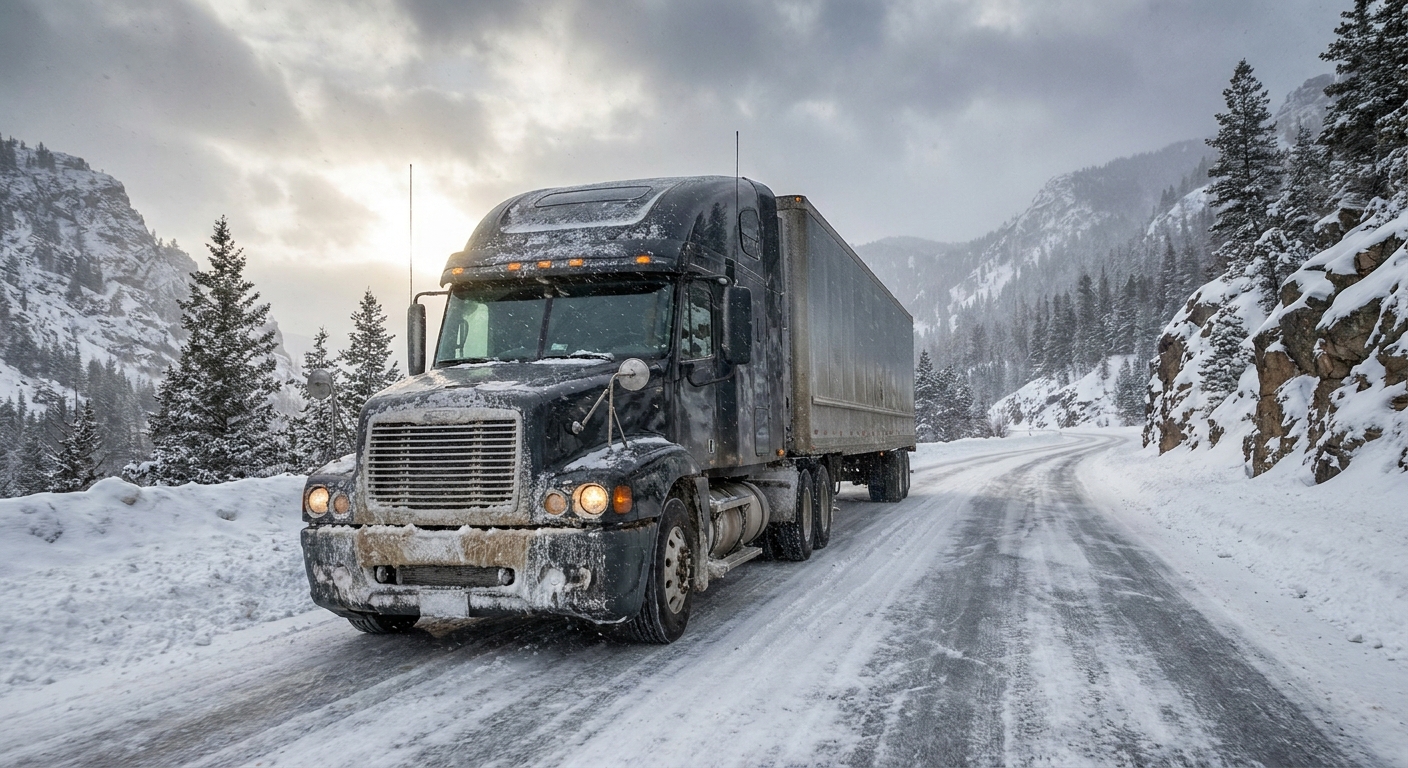
Analyzing how a stainless steel vs powder coating grille guard affects fuel economy is essential for managing your fleet’s overall operating costs. Adding extra weight to the front end of a commercial truck directly increases rolling resistance and fuel consumption.
How does heavy steel alter steer-axle load?
Installing a heavy steel guard adds weight to the steer axle, which changes the truck’s overall weight distribution. Here is the thing:
- Increases rolling resistance on steering tires, slightly reducing mpg.
- Accelerates wear on front suspension and steering components over time.
- Makes it more difficult to balance heavy cargo loads legally.
If you operate regional delivery trucks that face strict axle limits, keeping front-end weight low is critical to avoiding DOT fines.
Can aerodynamic designs save fuel?
Modern aerodynamic guards combine lightweight materials with sleek, curved designs that reduce wind resistance. But that is not all:
- Directs airflow smoothly around the truck’s front end.
- Minimizes aerodynamic drag at highway speeds for better efficiency.
- Allows you to enjoy robust protection while maintaining optimal mpg.
Key Takeaway: Choosing a lightweight, aerodynamic guard helps you lower fuel costs while keeping your drivers and trucks safe.
| Material Choice | Avg. Weight | Est. Fuel Cost Impact (Per 100k Miles) | Steering Axle Wear |
|---|---|---|---|
| Reinforced Aluminum | ~75 lbs | Baseline ($0) | Low |
| Stainless Steel | ~160 lbs | Minimal Increase (+$120/yr) | Low to Moderate |
| Powder-Coated Steel | ~185 lbs | Moderate Increase (+$150/yr) | Moderate |
Achieving this perfect balance of weight, aerodynamics, and strength requires highly precise manufacturing.
How is each stainless steel vs powder coating grille guard fabricated?
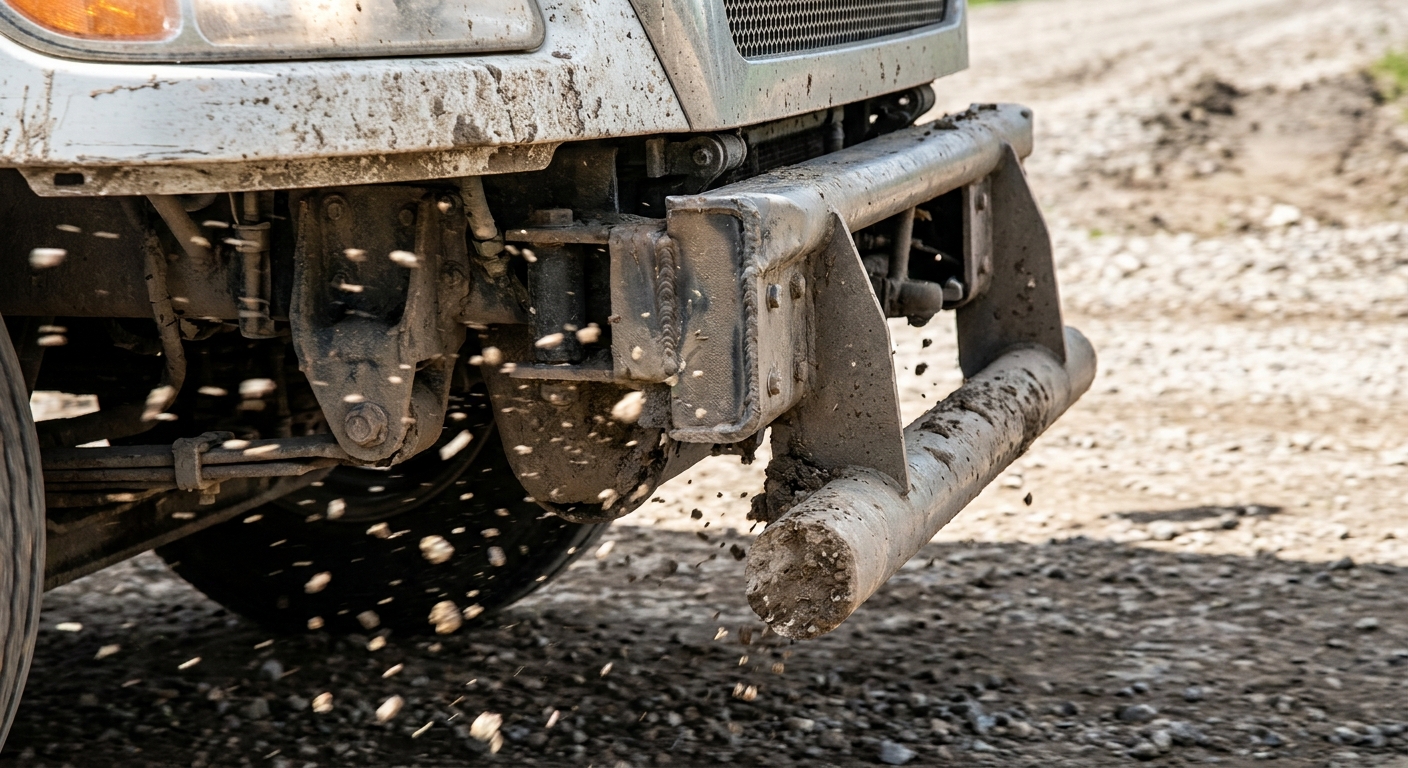
The manufacturing process of a stainless steel vs powder coating grille guard determines its final strength, structural integrity, and ease of installation. Advanced fabrication techniques ensure that every guard is built to handle severe vibrations and heavy road impacts.
Why are CNC fiber laser cuts superior?
CNC fiber lasers cut raw metal with high precision, achieving tolerances within ±0.5mm on every single component. Think about it:
- Prevents rough edges and micro-cracking around mounting holes.
- Ensures that mounting holes line up perfectly with OEM frame points.
- Maintains the structural strength of the metal near the cut.
When you install a laser-cut guard on your vehicle, you get a perfect bolt-on fit that requires no drilling or modifications.
How do precision-welded joints prevent vibration?
Heavy-duty truck guards must withstand constant high-frequency vibration from highway driving without cracking. Here is the thing:
- Certified welders use specialized jigs to hold components in alignment.
- Deep weld penetration ensures incredibly strong, reliable joints.
- Solid welding prevents the guard from rattling or shifting on the frame.
Key Takeaway: Precision-welded joints prevent structural cracking and eliminate annoying highway rattles, protecting your investment for years.
| Fabrication Step | Traditional Methods | CNC Precision Standard | Operational Fleet Impact |
|---|---|---|---|
| Metal Cutting | Manual Plasma (±2.0mm) | CNC Fiber Laser (±0.5mm) | Perfect Bolt-On Fitment |
| Welding | Standard MIG Welding | AWS-Certified Jigged Welding | Zero Vibration Cracking |
| Quality Control | Visual Check | Coordinate Measuring Machine (CMM) | 100% Fitment Guarantee |
This high level of fabrication precision is especially important when designing guards for specialized fleets in harsh environments.
Can you customize a stainless steel vs powder coating grille guard?
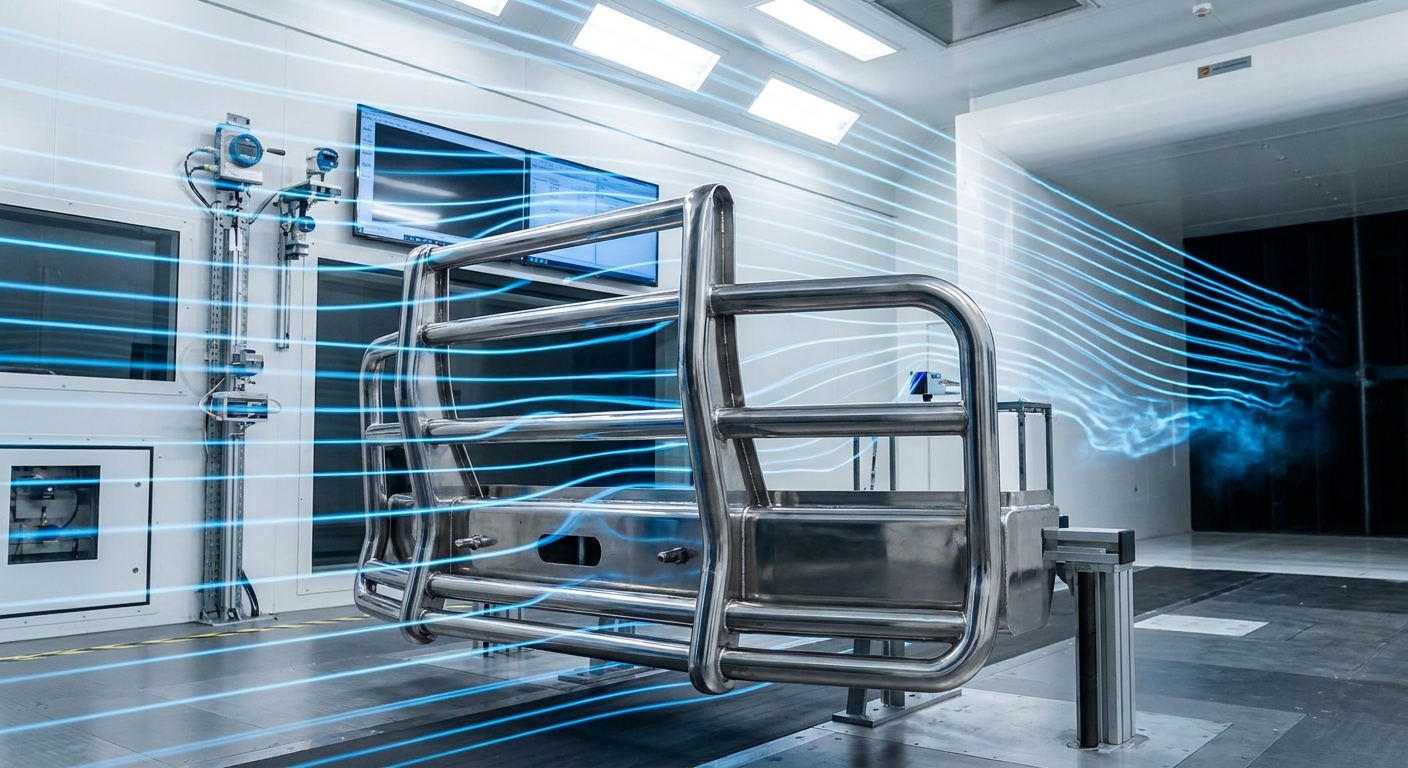
Customizing your stainless steel vs powder coating grille guard is essential if your fleet operates in specialized industries like logging, mining, or heavy hauling. Tailoring the design to your specific job requirements ensures optimal protection and performance.
When do logging fleets require custom designs?
Forestry and logging trucks work in extreme off-road conditions where standard guards are not enough. But that is not all:
- Needs reinforced mounting brackets to handle off-road vibration.
- Requires built-in tow hooks and extra headlight protection.
- Uses thick-walled steel to shield vital engine components from debris.
When you equip your trucks with custom-designed logging bumpers, you can navigate rough mountain roads with confidence.
How does standardization simplify maintenance?
For large highway fleets, standardizing on a single guard model makes maintenance simple and lowers parts storage costs. Here is the thing:
- Identical mounting points allow you to swap guards quickly between trucks.
- Keeps your fleet looking professional and consistent on the road.
- Simplifies repair work and parts ordering for your maintenance team.
Key Takeaway: Standardizing your front-end protection reduces vehicle downtime and simplifies maintenance across your entire fleet.
| Fleet Sector | Guard Strategy | Primary Material | Key Accessory |
|---|---|---|---|
| Long-Haul Highway | Standardized Platform | Stainless Steel | Quick-Release Latches |
| Forestry & Logging | Custom Configuration | 5mm Heavy-Wall Steel | Integrated Tow Hooks |
| Off-Road Pickups | Specialized Modular | Heavy-Duty Aluminum | Winch Mount Plates |
Whether you choose custom or standard designs, calculating the overall lifecycle cost is the next step in making a smart investment.
What is the stainless steel vs powder coating grille guard total cost?
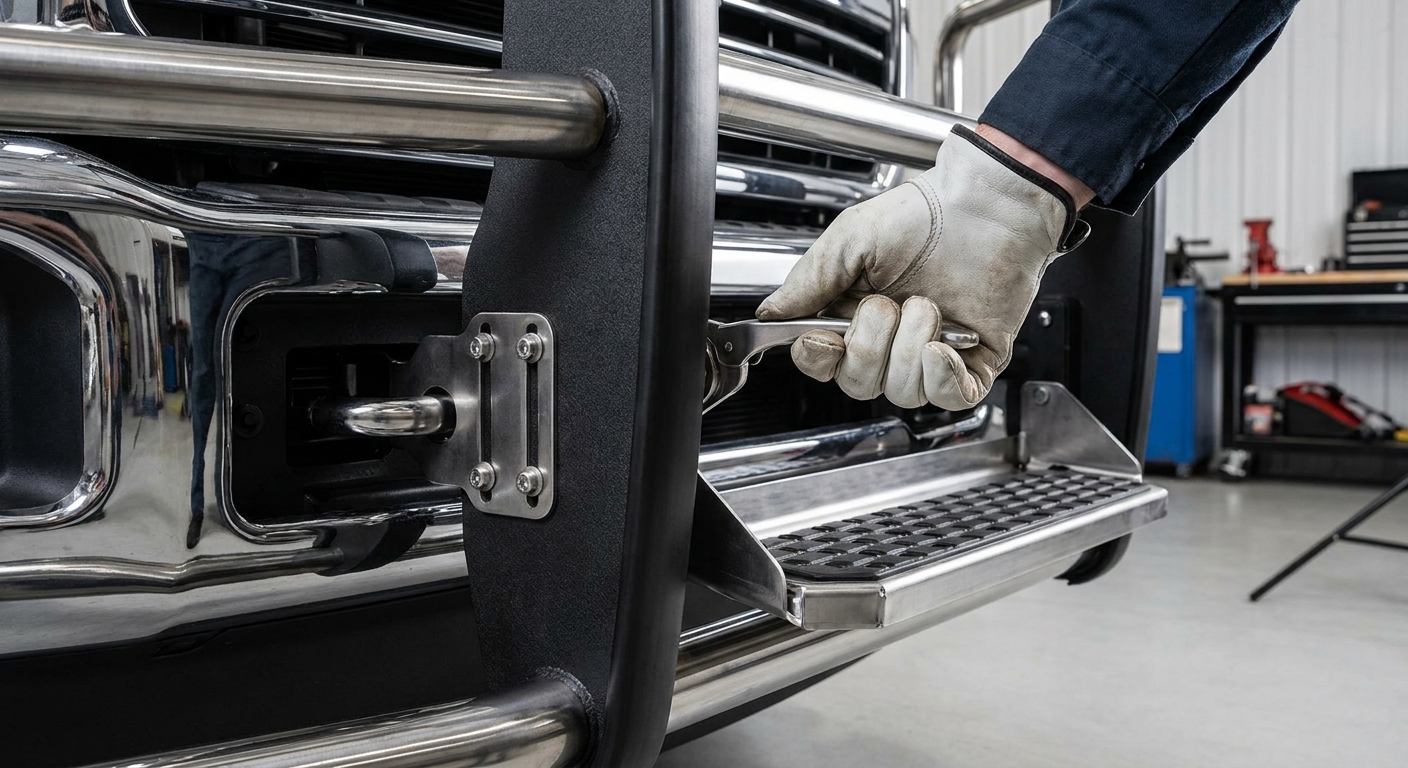
Calculating the total cost of ownership for a stainless steel vs powder coating grille guard requires looking past the initial price tag to analyze long-term maintenance and replacement costs. A cheap guard may end up costing more over time if it rusts quickly or fails during a collision.
What is the true ROI of collision prevention?
A single animal strike can easily cause thousands of dollars in damage and put your truck out of service for weeks. Think about it:
- Prevents costly radiator repairs, coolant leaks, and body damage.
- Eliminates lost revenue from vehicle downtime and delayed deliveries.
- Protects your drivers from injury during a sudden highway collision.
When you invest in robust front-end protection, a single prevented accident pays for the guard many times over.
How do replacement intervals affect your budget?
Cheaper guards made from low-grade materials often need to be replaced after a few years due to rust and structural fatigue. Here is the thing:
- Premium stainless steel guards are built to last the life of the truck.
- Reduces the frequency of replacement purchases and installation labor.
- Keeps your fleet looking professional and well-maintained over the long term.
Key Takeaway: Investing in durable, high-quality materials keeps your long-term maintenance costs predictable and low.
| Guard Material | Initial Cost | Est. 5-Year Maintenance | Expected Lifespan | Total 5-Year Cost |
|---|---|---|---|---|
| Standard Steel | $700 | $400 (Rust repairs) | 2 – 3 Years | $1,800 |
| Reinforced Aluminum | $1,200 | $100 (Occasional wash) | 5+ Years | $1,300 |
| 304 Stainless | $1,400 | $50 (Simple wash) | 7+ Years | $1,450 |
Calculating these long-term savings helps fleet owners make confident, data-driven decisions when selecting their guard materials.
FAQ: Which stainless steel vs powder coating grille guard is right?
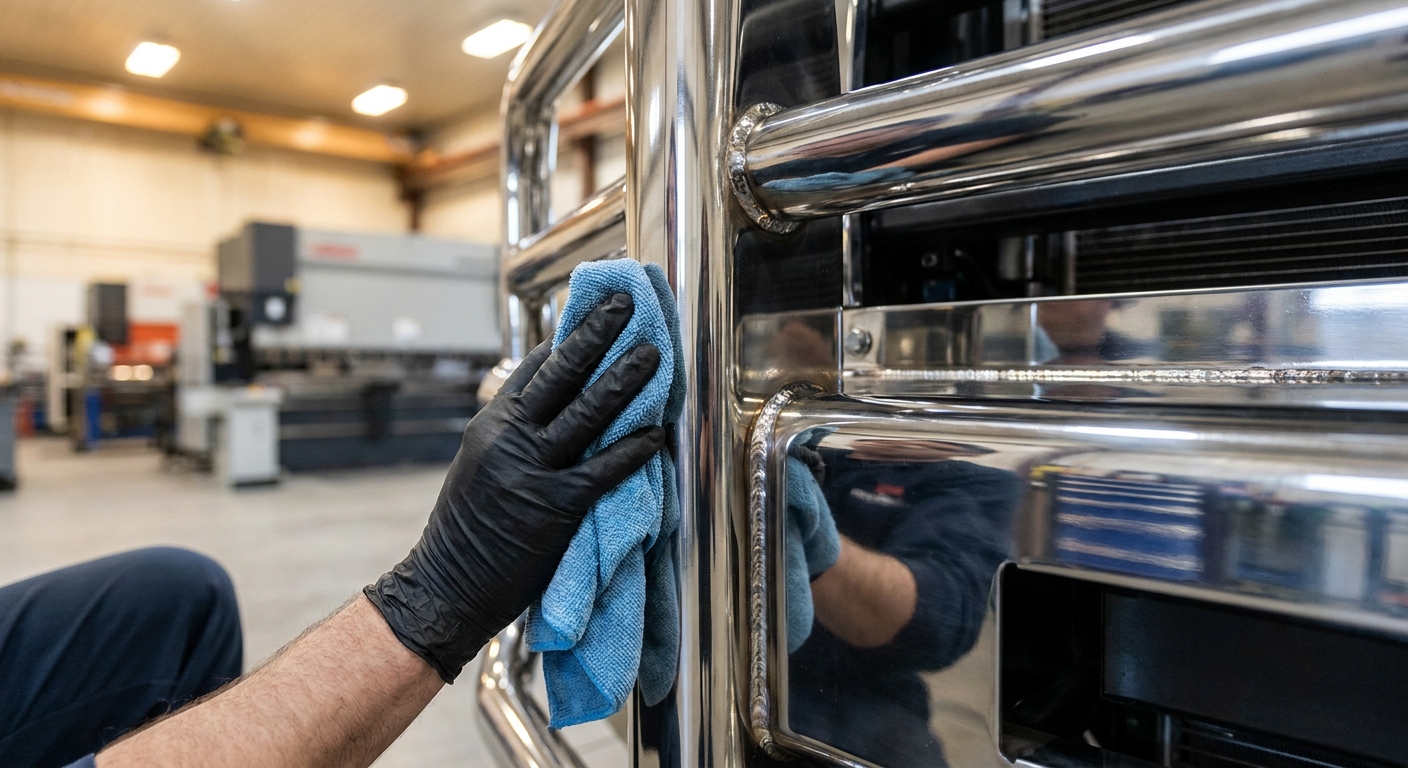
Choosing the right stainless steel vs powder coating grille guard involves answering several common questions about material strength, maintenance, and suitability for your specific routes. Understanding these details ensures you select the best protection for your fleet.
Can I install standard-duty guards on heavy-haul fleets operating in high-risk wildlife zones?
No, standard-duty guards are not designed to withstand severe high-speed collisions in high-risk wildlife areas. For maximum protection, you should use heavy-duty guards or reinforced pickup bumpers with thick 5mm aluminum or steel walls. These heavy-duty designs are built to absorb maximum impact energy, protecting your truck’s vital engine components and keeping your drivers safe.
What’s the best material finish to prevent corrosion from winter road salt?
Grade 304 stainless steel is the absolute best choice for resisting corrosion from winter road salts and chemical ice melts. It features a high chromium content that creates a natural, self-healing protective layer, preventing rust even if the surface gets scratched. For an economical option, a high-quality powder coating on carbon steel works well, but it requires regular touch-ups to prevent rust if the paint gets chipped by road debris.
How do I know if an aluminum guard is strong enough for my fleet?
You can verify an aluminum guard’s strength by checking its wall thickness and internal reinforcement design. Modern aluminum guards are engineered with thick tube walls and reinforced internal gussets to match the strength of steel while weighing up to 60% less. If your routes demand maximum fuel efficiency and strict axle weight limits, high-grade aluminum is often the best choice.
Can I paint over a pre-existing powder-coated steel guard?
Yes, you can paint over a powder-coated guard, but it requires careful surface preparation to ensure the new paint bonds properly. The guard must be thoroughly cleaned, sanded to create a rough texture, and treated with a high-quality primer before painting. If the original powder coat is peeling or has rust underneath, it’s best to have it professionally sandblasted first to ensure a long-lasting finish.
What’s the best way to verify structural weld integrity before buying?
Look for manufacturers that use AWS-certified welders and precision robotic welding jigs to ensure high-strength joints. High-quality welds should be smooth and consistent, with no visible holes, cracks, or uneven beads. Brands that follow strict quality standards, like ISO 9001 certification, provide reliable, high-strength welds that easily handle the constant vibrations of highway driving.
Action Guidelines for Fleet Operations
- Analyze Fleet Routes: Assess wildlife collision risks and winter weather conditions across your main shipping routes to determine the level of protection you need.
- Review Axle Weights: Check your trucks’ front-axle weight limits to decide if a lightweight aluminum guard is needed to maximize cargo capacity.
- Compare Total Cost: Evaluate the long-term savings of low-maintenance stainless steel or aluminum against the lower initial cost of powder-coated steel.
- Choose a Reliable Partner: Look for a manufacturer with certified quality processes, like ISO 9001 compliance and AWS welding standards, to ensure durable protection.
- Request a Custom Quote: To discuss your fleet’s specific needs and get a custom quote for high-performance front-end protection, contact us today.
Protect your fleet with Brontec’s premium commercial guards. We resolve the headaches of cheap, poorly welded alternatives by manufacturing robust, heavy-duty moose bumpers and grille guards engineered for North America’s most demanding roads.