
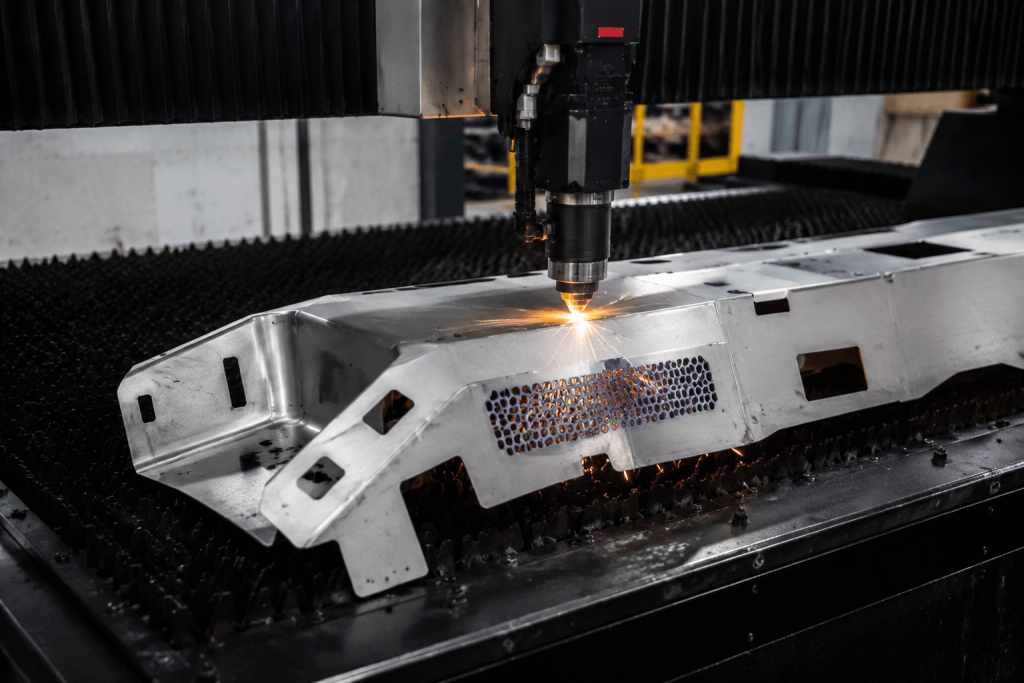
Aluminum CNC machining is a high-precision subtractive manufacturing process used to create lightweight, durable Moose Bumpers and grille guards through computer-controlled material removal. Tight deadlines and strict tolerance requirements are critical for semi truck applications, and any batch of warped parts can lead to costly downtime. This article provides actionable solutions and insights for manufacturing precision truck protection components.
Current State of Aluminum CNC Machining for Truck Bumpers
Aluminum CNC machining in 2026 is evolving toward ultra-precision automated workflows, driven by heavy-duty fleet requirements. Manufacturers face challenges like thin-wall geometries and large sheet sizes typical for Moose Bumpers.
Key Market Drivers:
- Growing North American freight fleet and aftermarket truck protection demand
- OEM specifications for ADAS-compatible bumper designs
- Increasing automation for faster turnaround and repeatable quality
Precision Standards:
- Typical tolerances: ±0.005mm for critical mounting points
- Real-time tool wear monitoring to prevent failed components
- Stress-relieved aluminum to prevent post-machining deformation
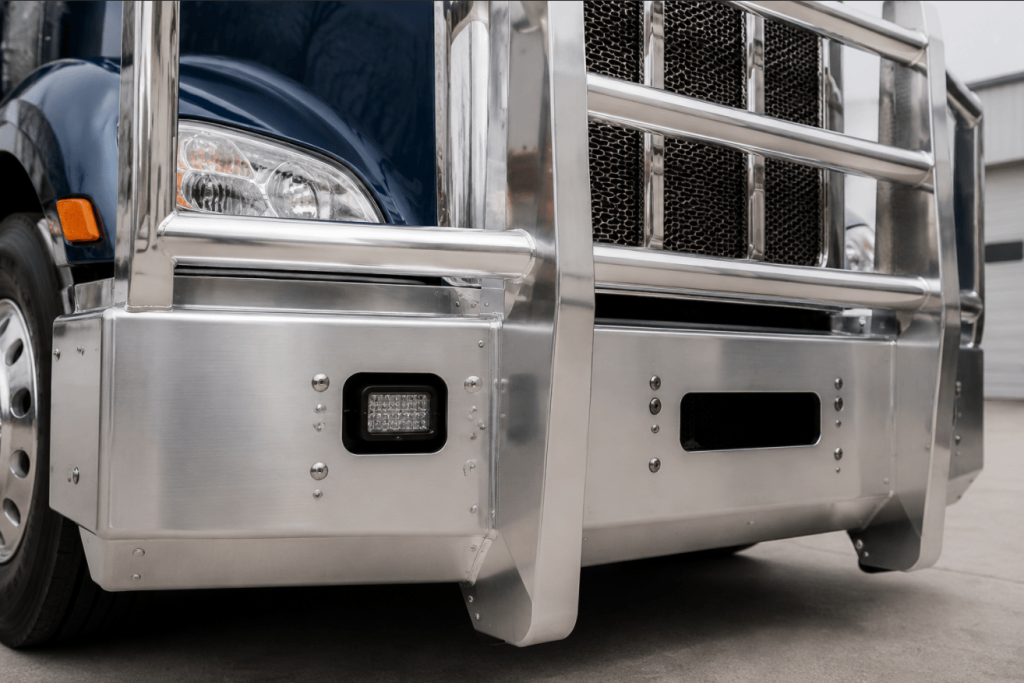
Why Aluminum is Ideal for Moose Bumpers
Mechanical Benefits:
- Approx. one-third the weight of steel, reducing front axle load
- High strength-to-weight ratio suitable for wildlife strike protection
- Excellent machinability for consistent, repeatable bumper production
- Natural corrosion resistance, enhanced by anodizing or powder coating
Cost Efficiency:
- Faster cutting speeds, reduced tool wear, and lower production costs
- Efficient for high-volume fleet manufacturing
| Property | Aluminum 6061 | Stainless Steel 304 |
|---|---|---|
| Density (g/cm³) | 2.70 | 8.00 |
| Machinability | High (80%) | Low (45%) |
| Corrosion Resistance | Excellent | Good |
Recommended Aluminum Alloys for Moose Bumpers
- Versatile, weldable, and anodizable
- Stable during high-speed milling and bending
7075:
- High strength for extreme-duty applications
- Superior fatigue resistance for long-haul fleet use
| Alloy Grade | Benefits | Application |
|---|---|---|
| 6061 | Versatility, corrosion resistance | Standard Moose Bumpers, aftermarket grille guards |
| 7075 | High strength, fatigue resistance | OEM Class 8 heavy-duty bumpers |
Managing Common CNC Issues in Truck Bumper Production
Chip Buildup:
- Use 2-3 flute end mills and high-pressure coolant to evacuate chips
- Prevent material welding onto tools, ensuring consistent surface finish
Thermal Expansion:
- Aluminum expands more than steel; monitor cutting speeds and coolant
- Stress-relieved materials and incremental cuts prevent warping
Vibration & Chatter:
- Ensure rigid workholding and short tool overhangs
- Adjust spindle speed and use variable helix end mills for smooth cuts
Tool Geometry:
- Select proper helix and rake angles to reduce cutting force
- Maintain mirror-like finish for visual and aerodynamic quality
Post-Processing for Durability and Appearance
Anodizing:
- Creates a hard, wear-resistant layer
- Ideal for outdoor exposure and UV resistance
- Impact-resistant and aesthetically versatile
- Protects against road debris, salt, and corrosion
Bead Blasting:
- Provides a matte finish and uniform surface texture
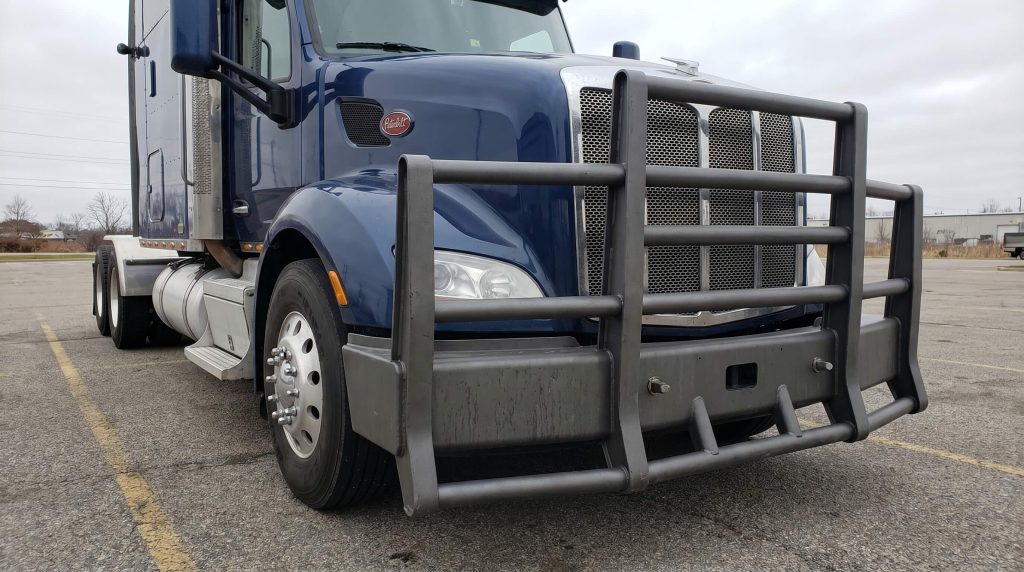
5-Axis Machining Advantages
- Reduces multiple setups and cumulative alignment errors
- Allows complex organic shapes and undercuts for OEM and aftermarket designs
- Improves surface finish and reduces manual post-processing
| Machine Type | Setup Count | Accuracy Risk |
|---|---|---|
| 3-Axis | Multiple | High |
| 3+2 Axis | Fewer | Moderate |
| Full 5-Axis | Single | Minimal |
Quality Verification
CMM and 3D Scanning:
- Validate dimensions against CAD models
- Ensure bolt-hole alignment and frame fit for Moose Bumpers
| Tool | Precision | Best Use |
|---|---|---|
| Digital Calipers | ±0.02 mm | Quick checks |
| Bridge CMM | ±0.001 mm | Critical mounting points |
| 3D Laser Scanner | ±0.01 mm | Complex curved bumpers |
FAQs
Can I machine aluminum bumpers without coolant?
- Specialized coatings and air blasts allow dry machining in green production.
How to prevent aluminum from sticking to tools?
- Use polished carbide tools, positive rake angles, and consistent lubrication.
Can the same tools be used for steel and aluminum?
- No, aluminum requires softer metal tooling to avoid clogging and poor surface finish.
Best aluminum grade for marine or road-salt exposure?
- 5052 or 6061 recommended for corrosion resistance.
Mirror finish from CNC?
- PCD tools at high spindle speeds achieve near-mirror finish, reducing polishing steps.
In conclusion, aluminum CNC machining provides the precision, strength, and durability required for modern Moose Bumpers and heavy-duty truck protection systems. By carefully selecting alloys, optimizing cutting and post-processing methods, and implementing advanced 5-axis machining and quality verification, manufacturers can ensure consistent performance, superior corrosion resistance, and seamless integration with vehicle systems. For tailored OEM or fleet solutions, contact Brontec today to enhance your fleet’s front-end protection.