
To choose the right moose bumper for your Freightliner, you must evaluate your fleet’s specific operational environment, material weight limitations, and structural mounting requirements. Picture hauling a heavy load at highway speeds through a dark, foggy northern highway when a 1,500-pound moose suddenly steps into your path. Without proper front-end protection, this high-speed wildlife collision will instantly crush your radiator, destroy your engine, and leave your truck stranded with catastrophic repair bills. By installing a premium moose bumper for Freightliner Cascadia, you safeguard your critical front-end assemblies, prevent devastating road delays, and protect your drivers.
Why buy a moose bumper for Freightliner Cascadia?
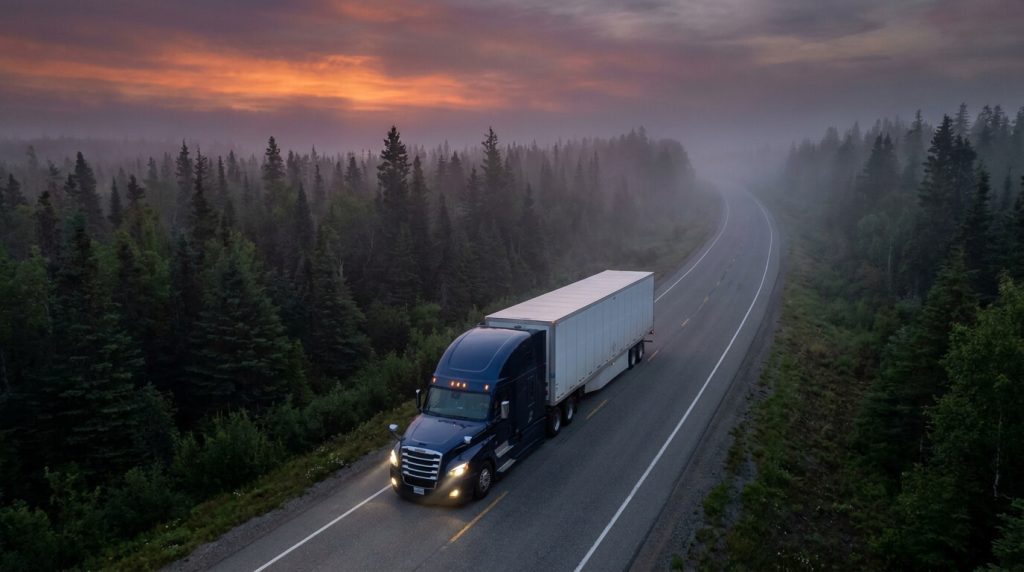
Purchasing a moose bumper for Freightliner Cascadia is a vital strategic investment because it shields your vehicle’s highly vulnerable front-end cooling components from devastating wildlife strikes. When you run long-haul routes across northern regions, a sudden animal impact can immediately disable your truck and leave your driver stranded. This protective structural shield absorbs the initial blow and deflects major impact forces away from the engine bay.
Investing in high-grade protection ensures that your fleet remains operational and avoids the compounding costs of emergency towing and cargo delays. Think of it as a robust insurance policy that actively works on every highway mile you travel. By fortifying your bumper, you prevent expensive mechanical rebuilds and safeguard your bottom line.
What are the financial costs of a collision?
Let’s face it: the true expense of striking a 1,500-pound animal at highway speed extends far beyond a simple repair bill. When you factor in emergency towing, missed delivery windows, and potential cargo spoilage, a single incident can cost your company tens of thousands of dollars.
Furthermore, structural damage to your radiator often leads to immediate engine overheating and permanent thermal damage. You must evaluate these severe compounding financial risks:
- Tow bills and immediate roadside recovery fees.
- Upfront cost of replacement radiators and OEM body parts.
- Lost revenue from truck downtime and driver scheduling disruptions.
How does armor protect your cooling package?
Why does this matter? Because your Cascadia’s radiator, charge air cooler, and air conditioning condenser are positioned directly behind the factory plastic bumper with zero structural protection. Thick front-end armor acts as a physical barrier that absorbs impact energy and prevents your radiator from being crushed.
Standard road debris and animal strikes will instantly puncture these thin-walled aluminum cooling tubes, causing complete fluid loss. You can prevent this failure with a guard that:
- Deflects heavy impact forces outward.
- Shields fragile aluminum cores from direct punctures.
- Maintains the structural integrity of the front frame assembly.
Key Takeaway: Fortifying your truck’s front end guarantees that a sudden animal strike will not compromise your cooling system or halt your operations.
| Impact Protection Metric | Factory OEM Bumper | Heavy-Duty Bumper Guard |
|---|---|---|
| Energy Absorption | Minimal (Crushes easily) | High (Deforms to absorb load) |
| Component Protection | None (Radiator exposed) | Complete frontal shield |
| Post-Strike Driveability | 0% (Immediate shutdown) | 95% (Drive to repair shop) |
This comparison matrix highlights how upgrading your frontal defense prevents complete system failure and allows your truck to remain driveable after an impact.
How strong is a moose bumper for Freightliner Cascadia?
Evaluating how strong a moose bumper for Freightliner Cascadia actually is requires looking closely at material engineering, structural design, and raw yield strength. High-grade protection guards are built utilizing advanced structural alloys that deliver exceptional impact deflection performance without overloading your front steer axle. Under extreme forces, these bumpers are engineered to bend slightly to absorb kinetic energy, preventing that energy from transferring to your chassis.
These systems undergo rigorous finite element analysis (FEA) to simulate real-world animal collisions. This engineering validation ensures that the guard can withstand massive static and dynamic loads during a collision.
How does aluminum compare to steel?
Think about it: carrying unnecessary weight on your front axle directly reduces your payload capacity and increases your daily fuel burn. While heavy structural steel offers massive raw yield strength, marine-grade aluminum alloys deliver a superior strength-to-weight ratio that doesn’t compromise your efficiency.
If you choose high-strength aluminum, you get a bumper that matches steel’s protective qualities at a fraction of the physical weight. You will benefit from these critical mechanical differences:
- Weight reduction of up to 50% compared to carbon steel options.
- Yield strength of up to 40,000 PSI with specialized heat treatment.
- Natural oxide layer that resists corrosion from road salts.
Why is 6061-T6 aluminum the fleet standard?
The best part? Choosing 6061-T6 structural aluminum ensures that your guard retains its structural integrity in freezing temperatures without becoming brittle. This specific alloy is extensively heat-treated and aged to deliver maximum tensile strength and durability under severe commercial abuse.
When you choose this material, you select a B2B fleet standard proven to survive the harshest northern routes. Your fleet will benefit from key characteristics:
- Maintenance of excellent structural ductility in sub-zero environments.
- Clean, deep-penetration welds that resist cracking.
- High oxide barriers that prevent rust propagation.
Key Takeaway: Opting for premium 6061-T6 aluminum guarantees your trucks receive maximum structural protection without sacrificing fuel economy or payload limits.
| Material Characteristic | Mild Carbon Steel | 6061-T6 Aluminum Alloy |
|---|---|---|
| Tensile Strength | 36,000 PSI | 40,000 PSI |
| Average Unit Weight | 400 lbs | 210 lbs |
| Cold-Weather Ductility | Low (Becomes brittle) | High (Maintains flexibility) |
This structural comparison table details why premium aluminum is the optimal choice for fleets balancing weight restrictions with maximum impact resistance.
How to mount a moose bumper for Freightliner Cascadia?
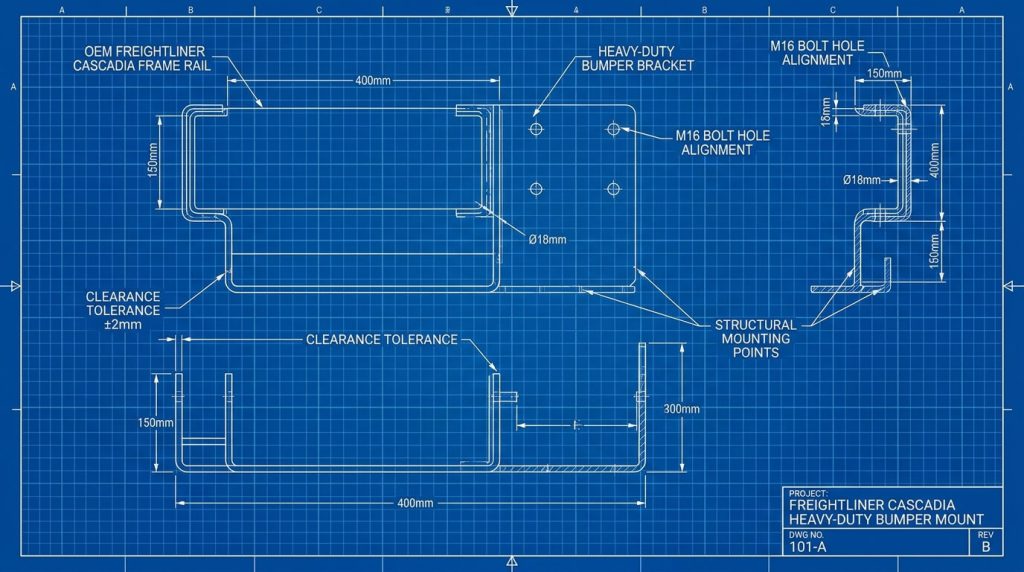
To correctly install a moose bumper for Freightliner Cascadia, you must utilize heavy-duty steel mounting brackets that bolt directly into the truck’s factory tow receiver ports. This secure structural connection ensures that the immense kinetic energy of a collision is distributed safely across your chassis frame rails. Properly engineered mounting kits completely eliminate the need for dangerous drilling or welding on your factory-tempered steel frame.
Using high-tensile fasteners and precision-machined brackets guarantees a perfect fit that alignment technicians can verify during scheduled maintenance. Ensuring a tight, rattle-free connection prevents micro-vibrations from fatiguing your mounting brackets over hundreds of thousands of miles.
Are factory tow ports sufficient for mounting?
Here is the kicker: utilizing Freightliner’s engineered tow receiver ports is the only way to mount heavy-duty guards without voiding your manufacturer chassis warranty. These mounting points are structurally reinforced to handle extreme loads, making them the perfect anchor for your protective bumper.
When you mount your guard using these factory locations, you simplify the installation process and ensure a secure, engineered fit. You should verify that your mounting kits offer:
- Complete compatibility with existing high-strength chassis bolt holes.
- Easy alignment with the Cascadia’s front-end geometry.
- Quick-release pins that speed up initial assembly times.
Should you weld mounting brackets to the frame?
Let’s face it: welding directly onto your truck’s high-strength steel frame rails is a critical mistake that can lead to catastrophic structural failure. High-temperature welding alters the metallurgy of the factory steel, creating weak spots prone to cracking under everyday road vibrations.
You must always insist on a 100% bolt-on installation using grade-8 hardware to maintain structural integrity. This prevents several major operational issues:
- Damage to the heat-treated properties of the frame rails.
- Compliance failures with OEM structural design standards.
- Difficulties when replacing damaged components after an accident.
Key Takeaway: Securing your guard with a dedicated bolt-on bracket system protects both your radiator and your factory chassis warranty.
| Mounting Method | Structural Weld-On | Bolt-On (Tow Ports) |
|---|---|---|
| OEM Warranty Safety | Voids chassis warranty | Fully compliant |
| Installation Time | 6 – 8 Hours (Welding/Painting) | Under 1 Hour (Simple tools) |
| Fatigue Resistance | Low (Welds crack over time) | High (Grade-8 bolts absorb flex) |
This mounting comparison details the operational and warranty advantages of choosing engineered bolt-on brackets over permanent weld-on alternatives.
Who welds your moose bumper for Freightliner Cascadia?
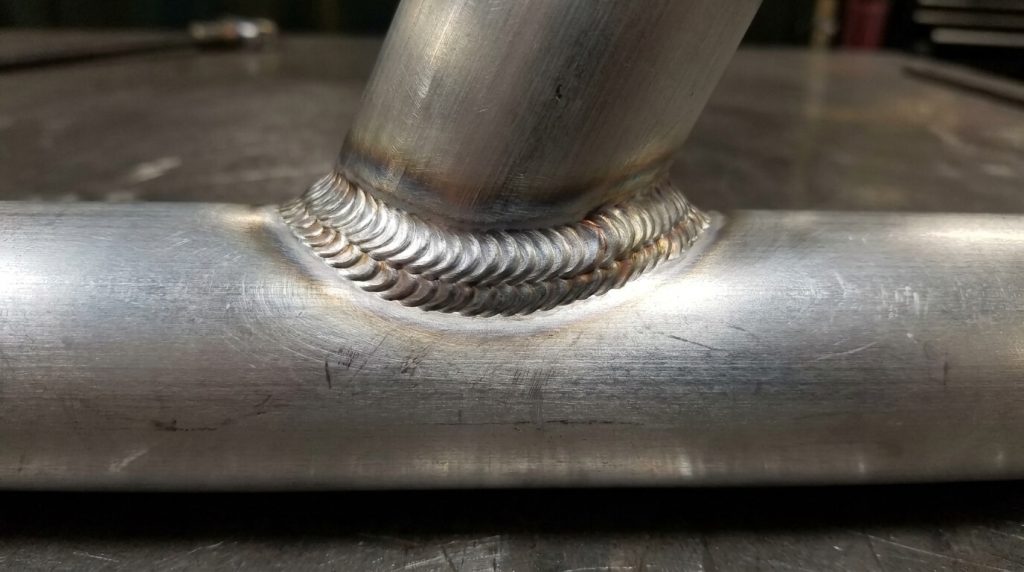
Finding out who welds your moose bumper for Freightliner Cascadia is critical because the quality of the structural welds directly determines whether the guard survives a major highway collision. Premium commercial-grade bumpers are welded by certified, highly experienced technicians utilizing advanced double-pass TIG or MIG welding processes. Clean, deep-penetration welds ensure that the tubular uprights do not shear off or crack at the joints when subjected to a high-energy animal impact.
Poorly welded joints will fail under stress, rendering the entire guard useless when you need it most. Inspecting weld consistency and verifying structural certifications is an essential part of evaluating any manufacturing partner.
Why do double-pass welds matter?
Think about it: a single-pass weld might look acceptable on the surface, but it often lacks the deep penetration needed to handle extreme torsional loads. Professional double-pass TIG welding adds an extra layer of structural filler metal to eliminate internal voids and micro-cracking.
If you want maximum durability on rough logging roads, you need welds that are engineered to withstand continuous commercial abuse. Double-pass welding provides:
- Clean, uniform finishes that resist environmental corrosion.
- Maximum fatigue resistance under high vibration.
- Increased overall joint strength by up to 40%.
Are robotic welds superior to manual welds?
But wait, there’s more: robotic welding systems deliver unmatched consistency across large-scale production runs, ensuring every single bumper meets exact dimensional tolerances. However, manual welding by a certified artisan is still required for complex, multi-angle joints where automated systems cannot easily reach.
A balanced combination of automated precision and human expertise yields the highest-quality structural assemblies for your fleet. You should look for:
- Automated precision on long structural seams.
- Manual verification of joint fitment by certified weld inspectors.
- ISO-certified quality control checks on all completed units.
Key Takeaway: Choosing a manufacturer that utilizes certified, double-pass welding techniques ensures your bumper will not break apart under impact.
| Welding Method | Standard Single-Pass MIG | Double-Pass TIG / Robotic |
|---|---|---|
| Joint Penetration | Moderate (Sufficient for light duty) | Maximum (Engineered for high impact) |
| Micro-Crack Risk | Higher (Rapid cooling stresses) | Extremely low (Controlled heat input) |
| Weld Durability | Standard commercial life | Heavy-duty lifetime warranty |
The welding specifications table highlights the clear structural superiority of double-pass TIG and robotic welds for long-haul fleet applications.
How secure is a moose bumper for Freightliner Cascadia?
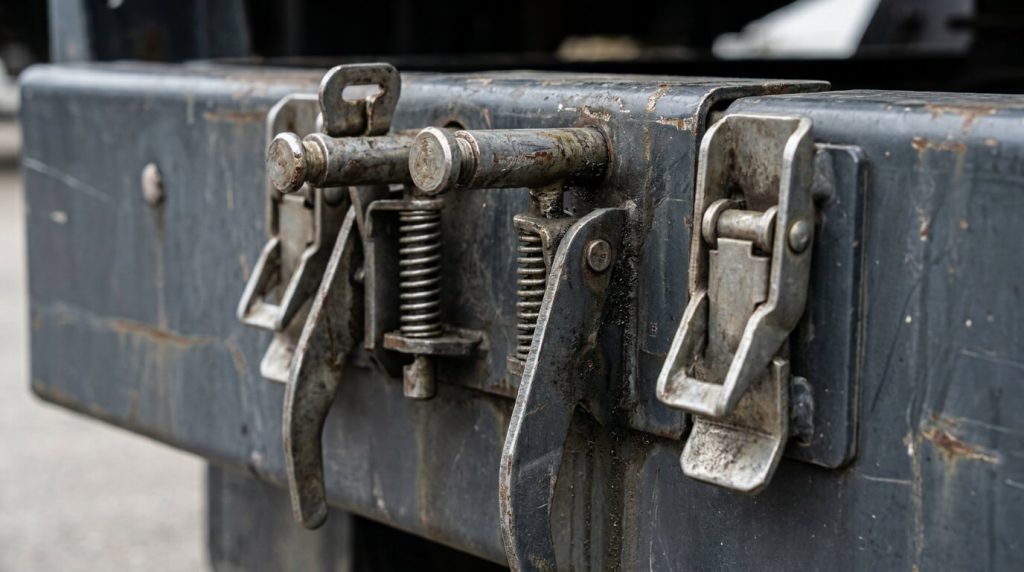
The security of your moose bumper for Freightliner Cascadia rests entirely on the design of its heavy-duty locking pins and quick-release latch mechanisms. These critical components must lock the bumper firmly in place during high-speed transit while allowing you to tilt it forward for easy engine access. High-tensile steel pins prevent the guard from rattling, shifting, or vibrating loose over rough highway terrain.
A sloppy, low-quality locking mechanism will quickly wear down, causing distracting cab noise and potential latch failures. Ensuring your guard features secure, spring-loaded locking pins is vital for maintaining driver confidence and vehicle safety.
Do dual locking pins prevent vibration?
Let’s face it: continuous road vibration is the silent enemy of commercial truck accessories, slowly fatiguing metal joints over time. By utilizing dual, precision-fit locking pins on either side of the guard, you distribute structural tension evenly and eliminate distracting metal rattling.
When you drive a Cascadia equipped with a dual-pin system, you immediately notice a quieter, more stable ride on the highway. This setup prevents key wear points:
- Diagonal flexing of the bumper frame.
- Mechanical wear on mounting brackets and pivot hinges.
- Unintended latches loosening over rough terrain.
How do quick-release latches improve safety?
The best part? Spring-loaded quick-release latches ensure that your guard remains locked shut even during a high-speed collision. These dual-redundant locking systems require deliberate physical pressure to open, preventing accidental folding while your truck is moving.
If you want to ensure total road safety, selecting a bumper with spring-loaded latches is critical. This design offers:
- Positive locks under severe impact forces.
- Fast, tool-free access to your engine bay.
- Corrosion-resistant internal springs for long-term reliability.
Key Takeaway: Utilizing dual-stage locking pins and quick-release latches keeps your bumper securely closed under all highway conditions.
| Locking System Type | Single Center Latch | Dual Spring-Loaded Pins |
|---|---|---|
| Rattle Prevention | Low (Allows guard twist) | Maximum (Locks both outer uprights) |
| Impact Shear Resistance | Moderate (Single point failure) | High (Dual high-tensile steel pins) |
| Opening Convenience | Standard (Often requires tools) | Fast (Tool-free, under 30 seconds) |
This locking mechanism comparison details why dual-pin systems provide superior structural safety and daily operational convenience.
Is a heavy moose bumper for Freightliner Cascadia legal?
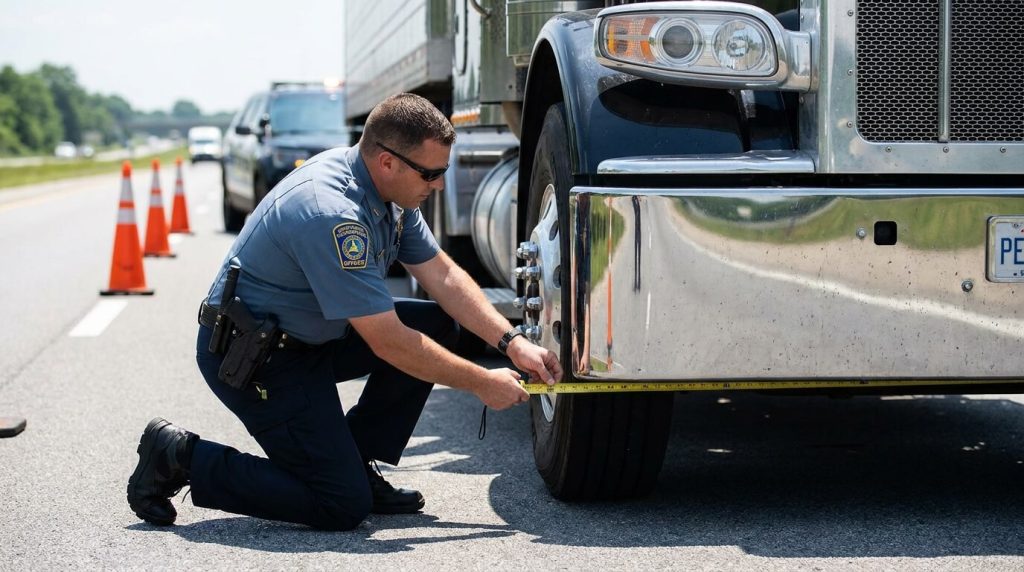
Yes, a modern moose bumper for Freightliner Cascadia is fully legal as long as its physical dimensions conform strictly to federal and state highway regulations. Under Federal Motor Carrier Safety Regulations (FMCSR) Part 393.203, front-end safety devices must not obstruct your truck’s forward lighting, turn signals, or safety sensors. Furthermore, the overall width of the installed guard must never exceed the maximum allowable 102-inch vehicle width limit.
Operating a non-compliant truck can result in immediate roadside DOT fines, failed inspections, and costly out-of-service orders. To protect your fleet from regulatory issues, you must select guards designed to comply with North American safety standards.
Does the guard block headlight visibility?
Why does this matter? Because DOT inspectors will immediately fine your drivers if your protective bars cover more than a legal percentage of your headlight beam. Premium guards are engineered with precise bar spacing and cutouts that align perfectly with the Cascadia’s unique LED headlight clusters.
When you run these compliant designs, you ensure full nighttime illumination and total regulatory compliance at scale. This allows your drivers to avoid:
- Costly headlights-blocked safety violations.
- Reduced night vision on unlit secondary roads.
- Frequent beam adjustment and bulb alignment issues.
How does width limit compliance work?
Think about it: a guard that extends too far outward will snag roadside obstacles and instantly fail commercial width inspections. To keep your fleet moving, you must verify that your wrap-around bumpers stay within the maximum 102-inch vehicle boundary.
Choosing an OEM-specified design guarantees that your truck remains completely legal on all interstate highways. This provides:
- Legal clearances on narrow, single-lane bridges.
- Protection for your fenders without extending past your side mirrors.
- Fast clearance at roadside DOT dimensional inspections.
Key Takeaway: Investing in a legally compliant guard keeps your drivers moving without costly DOT delays or safety citations.
| Regulatory Parameter | Standard Aftermarket Guard | Compliant OEM-Spec Guard |
|---|---|---|
| Maximum Width Limit | Variable (May exceed 102 inches) | Guaranteed Under 102 Inches |
| Headlight Blockage | High risk (Generic bar placement) | 0% Blockage (Engineered cutouts) |
| DOT Compliance Status | Subject to inspection scrutiny | Pre-validated for North American highways |
This regulatory compliance table outlines the essential design features required to pass strict DOT and state-level safety inspections.
How to clear a moose bumper for Freightliner Cascadia?
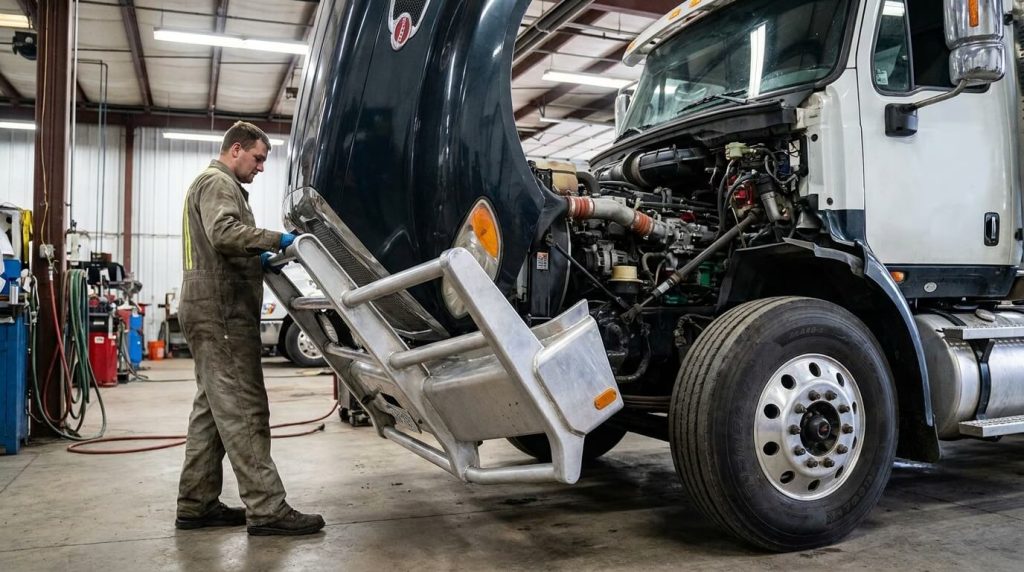
To clear a moose bumper for Freightliner Cascadia during routine engine maintenance, you simply disengage the locking pins and fold the entire assembly forward. This user-friendly tilt design provides your mechanics with unimpeded, 100% access to the engine bay, oil dipstick, and fluid reservoirs. A poorly engineered guard that remains fixed in place forces technicians to struggle with tight spaces, significantly increasing your shop’s labor times.
By integrating high-strength steel pivot hinges and lightweight aluminum tubes, the folding process becomes safe and easy for a single person to perform. Ensuring your guard tilts smoothly is a major factor in reducing routine maintenance downtime.
Does a fold-down design speed up service?
Here is the kicker: fleet mechanics hate working on trucks with fixed front-end guards because it turns simple tasks like changing belts or air filters into time-consuming struggles. A high-quality fold-down guard can be lowered in under thirty seconds, allowing your technicians to start working on the engine immediately.
If you want to optimize your maintenance shop’s efficiency, choosing a tilt-style bumper is an absolute necessity. You will immediately improve shop workflow by:
- Reducing scheduled oil change and inspection times.
- Saving your mechanics from back strain and awkward reaching.
- Eliminating the need to completely unbolt the guard during repairs.
How to prevent pivot hinge wear?
Think about it: a folding guard is only as reliable as its pivot points, which must endure heavy road spray, dirt, and de-icing chemicals. Utilizing greaseable bronze bushings or stainless steel pivot pins ensures that your hinges swing smoothly for years without seizing.
When you perform quarterly PM services, you must apply fresh grease to these pivot hinges to maintain easy operation. This simple step keeps your equipment:
- Free from binding and metal-on-metal wear.
- Easy to operate for a single driver or technician.
- Protected against internal rust and debris accumulation.
Key Takeaway: Selecting a fold-down guard with greaseable hinges maximizes mechanical access while keeping your scheduled service times to a minimum.
| Service Parameter | Fixed-Style Grille Guard | Fold-Down Utility Guard |
|---|---|---|
| Engine Bay Access | Restricted (Requires guard removal) | Full Access (Bumper tilts 90 degrees) |
| Tilt Time required | 30 – 45 Minutes (Unbolting) | Under 30 Seconds (Pin release) |
| Hinge Life-Cycle | N/A (Solid mount) | Lifetime (Greaseable bronze bushings) |
The maintenance accessibility comparison table details how folding designs reduce mechanic frustration and streamline engine service.
Does a sleek moose bumper for Freightliner Cascadia save fuel?
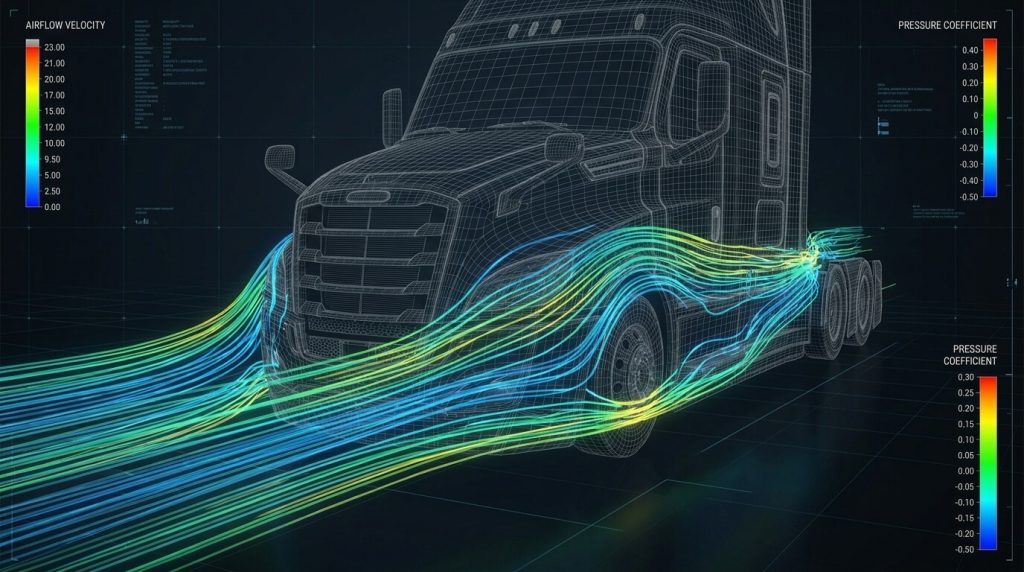
Yes, a sleek moose bumper for Freightliner Cascadia can actually save fuel compared to older, flat-faced aftermarket designs that disrupt your truck’s aerodynamic profile. Modern, high-performance bumpers feature swept-back aerodynamic shapes that mirror the Cascadia’s factory low-drag coefficient. By directing oncoming wind smoothly around the tractor’s front fenders, these guards minimize drag and prevent fuel efficiency losses.
Older, box-style steel guards act like vertical wind walls, causing significant drag penalties and driving up your fuel expenses. Choosing a swept-back aluminum guard protects both your cooling system and your daily operating budget.
Can aerodynamic shaping reduce wind drag?
Why does this matter? Because commercial fleets spend thousands of dollars annually on fuel, and even a minor 1% increase in aerodynamic drag can add up to substantial extra costs over a year. Swept-back vertical uprights and contoured horizontal tubes are specifically engineered to slice through the air with minimal resistance.
When you equip your trucks with these aerodynamic profiles, you protect your bottom line from high fuel burn. A sleek profile ensures:
- Smooth airflow wrapping around your front fenders.
- Reduced drag coefficients compared to flat-fender designs.
- Complete preservation of your tractor’s fuel-efficiency ratings.
How does bumper weight affect fuel MPG?
Think about it: carrying an extra 450 pounds of steel on your nose puts continuous stress on your steer tires and increases rolling resistance. Lightweight aluminum bumpers weigh around 200 pounds, minimizing fuel efficiency penalties and maximizing your cargo capacity.
If you want to keep your operating expenses as low as possible, reducing front axle weight is key. Light bumpers help you by:
- Reducing steer tire wear and alignment issues.
- Minimizing your truck’s daily diesel consumption.
- Increasing legal cargo capacity on weight-sensitive runs.
Key Takeaway: Choosing a swept-back, lightweight aluminum guard protects your engine without hurting your fleet’s fuel economy.
| Design Profile Class | Aerodynamic Drag Impact | Front Axle Weight | Annual Fuel Cost Delta |
|---|---|---|---|
| Flat-Faced Steel Guard | +1.8% Drag | ~420 lbs | +$1,200 (Increased burn) |
| Sleek Swept-Back Aluminum | +0.2% Drag | ~210 lbs | Negligible (Under $150) |
This aerodynamic and weight impact matrix illustrates how selecting a modern swept-back aluminum bumper protects your fleet’s fuel economy.
Where to source a moose bumper for Freightliner Cascadia?
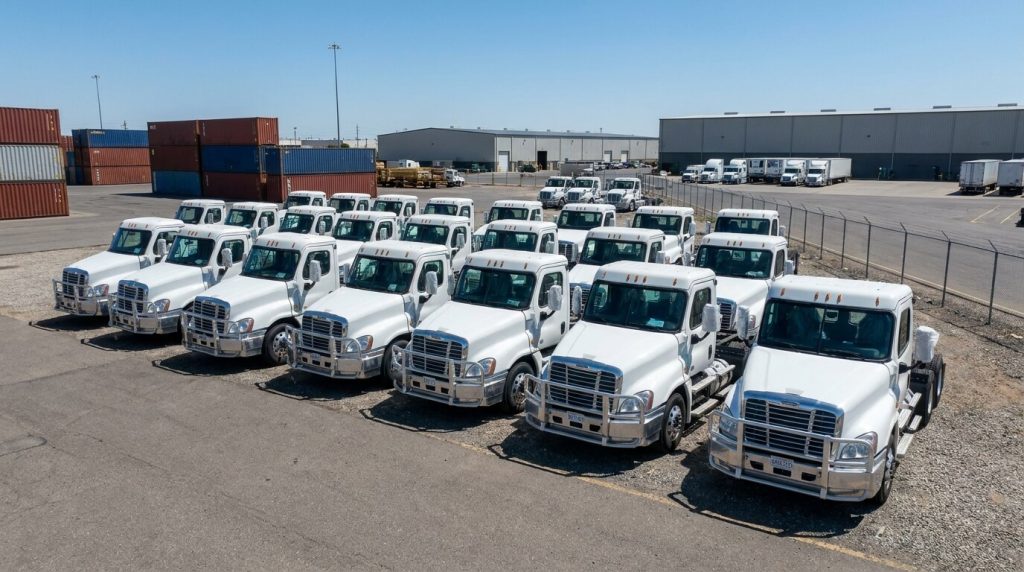
Sourcing your moose bumper for Freightliner Cascadia directly from a specialized B2B OEM/ODM manufacturer is the best way to get premium custom protection at factory-direct pricing. This sourcing model allows you to bypass expensive distributor markups and work directly with engineers who can customize the guard to your exact fleet requirements. Direct manufacturing ensures strict quality control, consistent material standards, and custom branding opportunities for your entire fleet.
By ordering factory-direct, you gain access to comprehensive custom fabrication capabilities that generic aftermarket brands simply cannot offer. This collaborative engineering approach guarantees that your bumpers fit perfectly right out of the shipping crate.
Why order directly from an OEM/ODM?
Here is the kicker: buying directly from an established OEM/ODM manufacturer gives you total control over the raw materials and welding standards used in your bumpers. You are not stuck buying generic, off-the-shelf guards that may not fit your specific regional routes or safety sensor packages.
When you partner directly with the factory, you can request custom mounting specs and material configurations tailored for your fleet. This direct purchasing approach helps you:
- Eliminate middleman markups for significant volume cost savings.
- Adjust bracket dimensions for custom hauling configurations.
- Communicate directly with design engineers for fast modifications.
How does build-to-print engineering work?
But wait, there’s more: a build-to-print manufacturer can take your fleet’s custom 2D or 3D CAD drawings and fabricate guards to your exact specifications. This advanced capability is perfect for major transport fleets that require integrated toolboxes, custom tow hooks, or specific mounting tolerances.
If you have unique fleet requirements, working with a custom engineering team ensures a flawless integration. This specialized workflow offers:
- Translation of your exact operational needs into physical products.
- Advanced laser cutting and CNC bending for high dimensional precision.
- Comprehensive testing of structural fatigue points.
Key Takeaway: Sourcing factory-direct from a specialized B2B manufacturer ensures you receive custom-engineered, premium bumpers at a highly competitive price.
| Sourcing Pathway | Local Retail Distributor | Direct OEM/ODM Manufacturer |
|---|---|---|
| Unit Pricing | High (Includes distributor markups) | Low (Factory-direct wholesale pricing) |
| Customization | None (Stock designs only) | Infinite (Build-to-print capabilities) |
| Technical Support | Limited (Retail staff) | Direct access to design engineers |
The sourcing pathway analysis table details why fleet managers save money and receive superior products by ordering direct from the manufacturer.
What features top a moose bumper for Freightliner Cascadia?
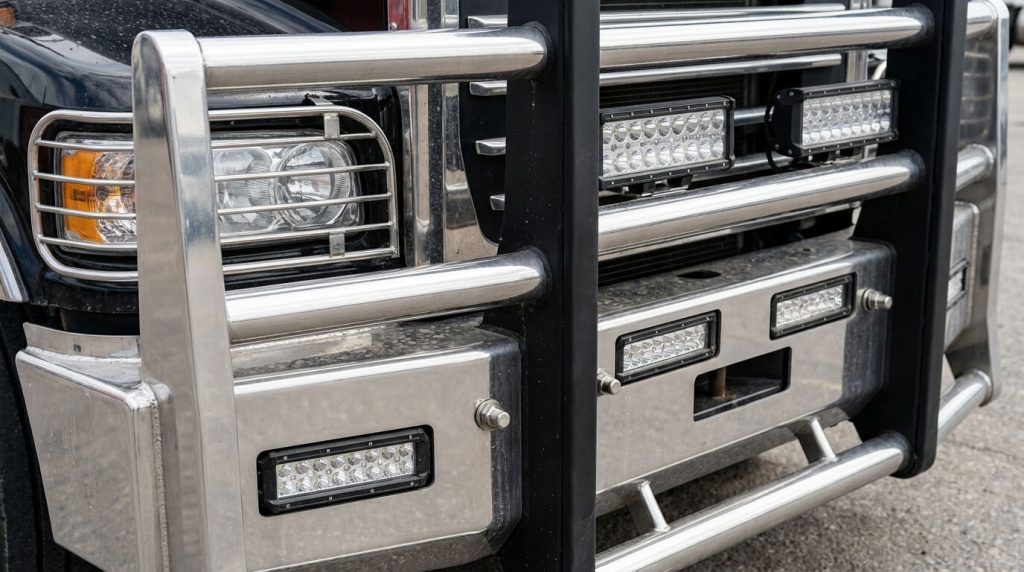
The best features to look for on a premium moose bumper for Freightliner Cascadia include integrated LED lighting systems, dual high-strength tow pins, and built-in sensor window cutouts. These advanced additions ensure that your safety accessories do not interfere with your truck’s modern collision-avoidance radar or factory safety systems. Furthermore, integrating high-output LED light bars directly into your guard provides maximum visibility during dark, winter-weather operations.
Choosing a fully featured guard improves your driver safety while maintaining the complete utility of your Cascadia’s front-end systems. You must invest in accessories that complement, rather than restrict, your truck’s built-in technology.
Should you integrate LED lighting systems?
Let’s face it: standard truck headlights often fall short when you are navigating dark, remote logging roads in dense northern forests. Integrating high-intensity LED light bars directly into the bumper structure provides powerful, focused illumination right where your drivers need it most.
When you improve night-driving visibility, you dramatically reduce driver eye strain and increase wildlife reaction times. This valuable lighting upgrade provides:
- Ultra-bright, wide-angle illumination for dark secondary highways.
- Secure protection of lighting assemblies inside the steel frame.
- Improved road presence and visibility for oncoming vehicles.
How do dual tow pins improve utility?
The best part? Having heavy-duty dual tow pins integrated directly into your bumper core means you never have to remove the guard to secure a tow hook. These internal structural pins are rated for extreme towing loads, allowing tow operators to recover your truck quickly and safely.
If you get stuck in deep snow or mud, these integrated pins save your crew valuable time and effort. Tow pins provide several advantages:
- Immediate recovery points without unbolting front-end accessories.
- Balanced load distribution across both frame rails during hard pulls.
- Cast-steel durability that resists bending or deformation.
Key Takeaway: Selecting a bumper with integrated LED lighting and heavy-duty tow pins maximizes your fleet’s daily utility and nocturnal safety.
| Advanced Bumper Feature | Standard Utility Benefit | Impact on Fleet Operations |
|---|---|---|
| Integrated LED Channels | High-output nighttime illumination | Drastically reduces driver fatigue and animal strikes |
| Dual Internal Tow Pins | Immediate heavy-duty tow access | Speeds up recovery and minimizes tow setup costs |
| Radar Sensor Cutouts | Complete safety system compatibility | Prevents modern collision-mitigation system errors |
This technical features matrix highlights how advanced bumper integrations improve your fleet’s safety, utility, and road compliance.
Conclusion
Protecting your Class 8 trucks from the severe structural and financial devastation of a high-speed wildlife collision is a critical step in maintaining maximum fleet uptime and driver safety on North American highways. By choosing a precision-engineered, lightweight aluminum guard, you shield your vital cooling systems, maintain compliance with federal highway regulations, and preserve your truck’s aerodynamic efficiency. Let our experienced engineering team design the ultimate front-end defense system tailored specifically to your B2B logistics fleet. Contact us today to receive a customized build-to-print quote that secures your vehicles, protects your drivers, and drives your business forward with unmatched road resilience. Let’s pave a safer, more profitable path for every commercial mile ahead.
Strategic Fleet FAQ
Can I install this guard without voiding my OEM truck warranty?
Yes, installing an engineered bolt-on bumper does not void your factory Freightliner warranty. Under the Magnuson-Moss Warranty Act, vehicle manufacturers cannot legally void your chassis warranty for installing high-quality aftermarket accessories, provided you utilize the factory tow receiver ports and do not weld or drill directly into the high-strength chassis frame rails.
What’s the best material option for extreme winter logging routes?
Premium 6061-T6 aluminum is the absolute best material choice for cold-weather operations. While stainless steel is highly rust-resistant, high-strength 6061-T6 aluminum undergoes specialized heat treatment to achieve steel-like impact absorption at one-third of the weight, and it retains its structural ductility in freezing temperatures without cracking or becoming brittle.
How do I know if my guard will interfere with collision-avoidance radar?
You can verify radar compatibility by ensuring your bumper features precision-engineered sensor cutouts that align with the Detroit Assurance safety suite. Premium manufacturers design specific window openings in the front metal mesh to allow the radar signals and cameras to pass through completely unobstructed, preventing false collision warnings or automatic engine de-rates.
Can I lower the bumper quickly if I need roadside mechanical service?
Yes, you can lower the bumper in under thirty seconds thanks to the quick-release lock pin system. The folding bumper design utilizes heavy-duty steel pivot hinges and spring-loaded locking pins, allowing a single driver or technician to quickly tilt the guard forward for complete, unimpeded access to the entire engine compartment.