
Estimating the true semi truck grille guard ROI requires looking beyond the initial purchase price and potential repair savings. For North American fleet operators, the real financial impact of a front-end collision includes damaged radiators, towing expenses, driver downtime, and lost operating revenue. However, the value of a grille guard also depends on collision frequency, installation costs, and how effectively it reduces damage. By comparing these factors with historical fleet data, operators can estimate potential savings, calculate a realistic return on investment, and determine whether front-end protection makes financial sense.
Why Calculate ROI for Front-End Commercial Equipment?
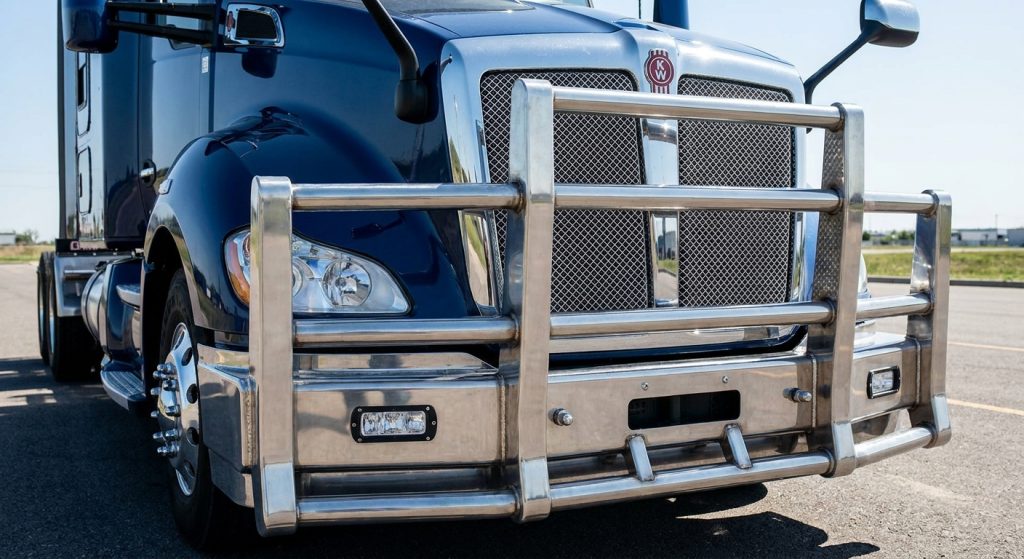
Calculating the financial return of commercial protection equipment establishes whether proactive asset hardware reduces long-term operational expenditure across your fleet. Measuring semi truck grille guard ROI enables fleet managers to transition from reactive maintenance spending to proactive risk prevention strategies.
When you evaluate high-mileage freight routes, unpredictable road hazards create continuous financial liabilities for your business. Understanding the exact payback schedule empowers executive management to allocate equipment capital effectively.
What Are the Primary Front-End Vulnerabilities?
Commercial truck cabs house vital mechanical components directly behind lightweight cosmetic bumper shells. Look: a moderate forward impact will compromise structural cooling systems and engine components long before structural chassis damage occurs.
- Radiator and Intercooler core ruptures leading to instant loss of coolant and thermal engine seizure.
- Steering linkage damage causing loss of vehicle control and secondary frame damage.
- Air intake system breaches introducing road debris straight into turbocharger turbines.
Protecting these vulnerable clusters ensures that minor impact events do not escalate into catastrophic powertrain failures out on the interstate.
How Do Unexpected Collision Expenses Accumulate?
Unplanned front-end accidents incur multiple compounding expenses beyond basic body shop paint and body work. Think about it: a standard roadside collision triggers a chain reaction of financial drains on your balance sheet.
- Heavy wrecker emergency towing fees across long distances.
- Daily driver layover stipends and hotel accommodation costs.
- Unfulfilled contract penalties for delayed freight deliveries.
When you add up these secondary costs, the physical repair invoice represents only a fraction of the total incident loss.
Key Takeaway: Evaluating your upfront protection costs against cumulative incident liabilities protects operational cash flow and keeps your freight moving without unexpected budget disruptions.
| Cost Element | Without Protection | With Protective Guard | Financial Difference |
|---|---|---|---|
| Mechanical Repairs | $10,000 – $16,000 | $0 – $500 | -$15,500 |
| Emergency Towing | $1,500 – $3,000 | $0 | -$3,000 |
| Fleet Downtime (4 Days) | $1,792 – $4,800 | $0 | -$4,800 |
| Total Incident Expense | $13,292 – $23,800 | $0 – $500 | -$23,300 |
Proactive asset preservation eliminates unbudgeted roadside expenses and maintains consistent profit margins across long-haul freight operations.
How Do Front-End Repairs Impact Fleet ROI?
Front-end repairs directly reduce overall fleet profitability by diverting working capital toward unscheduled mechanics and replacement OEM body panels. Analyzing your long-term semi truck grille guard ROI proves that unmitigated repair bills permanently lower operating margins per mile.
Every dollar spent on avoidable component replacement is a dollar removed from fleet expansion and driver compensation budgets. Minimizing workshop time protects your working capital and preserves revenue generation capacity.
What Mechanical Parts Experience Common Damage?
Highway strikes crush light aluminum bumpers directly into fragile engine bay components. Here’s why: factory truck bumpers are designed primarily for aerodynamics rather than heavy impact defense.
- Engine Radiators: Core tubes crack under light impact, draining coolant instantly.
- Air Conditioning Condensers: Thin aluminum fins collapse, causing complete HVAC failure.
- Charge Air Coolers: Internal pressure seals fail, causing immediate engine power degradation.
Replacing these three core units alone can easily push mechanical shop labor and part costs into five figures.
What Is the Financial Impact of Body Shop Downtime?
When your Class 8 tractor sits inside a body shop, its fixed overhead costs continue to accrue without generating revenue. The truth? A parked truck actively destroys your fleet’s daily net margin.
- Daily lost gross revenue averages $450 to $1,200 per vehicle.
- Ongoing truck lease payments remain due regardless of operational status.
- Driver retention rates drop when equipment downtime reduces per-mile pay.
Preventing body shop visits keeps your drivers earning and your equipment generating gross margin every operating hour.
Key Takeaway: Safeguarding critical engine bay assemblies preserves mechanical uptime, preventing expensive multi-day shop repair cycles that destroy vehicle profitability.
| Damage Category | Average Component Cost | Estimated Labor Hours | Total Cost Impact |
|---|---|---|---|
| Radiator & Cooling Array | $4,500 | 12 Hours | $6,300 |
| Bumper & Hood Assembly | $5,500 | 16 Hours | $7,900 |
| Steering & Suspension | $2,800 | 8 Hours | $4,000 |
| Total Mechanical Loss | $12,800 | 36 Hours | $18,200 |
Eliminating repair labor and structural part expenses ensures your fleet maintains predictable operating margins under harsh road conditions.
What Are the Direct Costs of Wildlife Strikes?
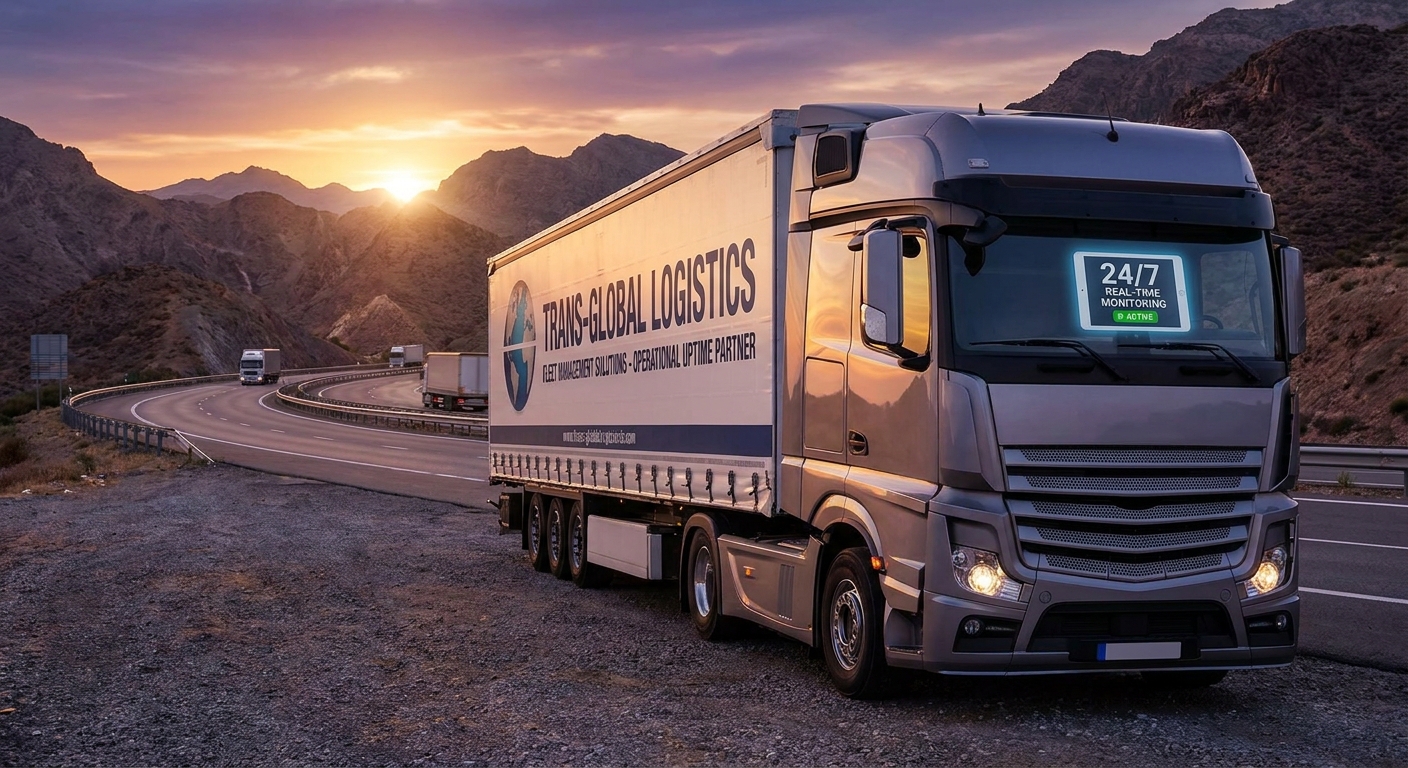
Direct wildlife strike costs encompass immediate emergency towing, component replacement, and high-priority mechanical labor needed to restore vehicle mobility. Calculating your accurate semi truck grille guard ROI requires documenting historical animal strike severity on northern and rural routes.
A high-speed animal strike transfers tremendous kinetic energy into the front cross-member, destroying delicate cooling packs. Deploying structural front defense converts catastrophic animal impacts into minor cosmetic events.
How Much Does Structural Radiator Damage Cost?
A breached radiator instantly compromises engine operating temperatures, causing total engine shutdown on remote routes. Here’s the deal: operating an overheated diesel engine for even sixty seconds can destroy cylinder heads and block structures.
- New OEM radiator assemblies cost between $2,500 and $4,500.
- Thermal coolant fluid refills and disposal fees add $400.
- Specialized diesel mechanic shop rates range from $120 to $180 per hour.
Preventing radiator puncture keeps engine oil and coolant temperatures within safe operating thresholds during animal strikes.
Why Are Towing and Recovery Fees So High?
Dispatched heavy-duty wrecker services charge premium rates to haul disabled Class 8 tractors off interstate highways. Consider this: tow operators charge base hookup rates plus aggressive mileage surcharges.
- Heavy wrecker base hookup fees start around $1,000.
- Highway mileage surcharges average $15 to $25 per loaded mile.
- After-hours and holiday dispatch surcharges double base operational costs.
Eliminating emergency towing dependencies keeps your haulers moving under their own power to scheduled maintenance facilities.
Key Takeaway: Heavy-duty front defense prevents catastrophic cooling system breaches, eliminating thousands of dollars in emergency wrecker charges and severe thermal engine damage.
| Incident Variable | Unprotected Animal Strike | Protected Animal Strike | Fleet Cost Savings |
|---|---|---|---|
| Radiator Replacement | $3,800 | $0 | -$3,800 |
| Wrecker Towing (80 Miles) | $2,600 | $0 | -$2,600 |
| Engine Thermal Damage | $8,500 | $0 | -$8,500 |
| Total Financial Exposure | $14,900 | $0 | -$14,900 |
Shielding fragile cooling systems preserves core engine integrity and prevents compounding mechanical recovery expenses across rural freight lanes.
How Do Safety Sensors Affect Repair Budgets?

Safety sensor damage dramatically increases front-end repair invoices due to costly electronic radar arrays and mandatory recalibration procedures. Accounting for advanced electronic system defense is crucial when measuring accurate semi truck grille guard ROI across modern Class 8 vehicle platforms.
Collision avoidance technology relies on delicate forward-facing sensors embedded directly inside modern bumper structures. Protecting these delicate electronic sensor housings prevents minor collisions from escalating into major electrical system repair jobs.
What Is the Cost of Sensor Recalibration?
Modern collision mitigation systems require specialized target alignment tools and certified software engineers to recalibrate sensors post-impact. Look: off-center radar modules disable cruise control and automated emergency braking features entirely.
- Diagnostic scanning and system fault isolation cost $350 per instance.
- Dealer-only physical radar re-aiming procedures average $800 to $1,500.
- Mandatory test driving and target acquisition validation add labor hours.
Maintaining factory sensor orientation reduces post-impact calibration costs and eliminates lengthy dealer service queue times.
Can Front Impact Damage Modern Radar Arrays?
A direct impact directly shatters outer mounting brackets and destroys internal circuit boards within modern radar pods. The bottom line? Sensor array hardware replacement represents a major percentage of modern bumper repair costs.
- Replacement forward radar sensor modules cost $1,800 to $2,800 each.
- Wiring harness replacement and pinning labor cost $600.
- Front bumper camera lens assemblies cost $900 per unit.
Shielding sensor assemblies behind engineered protection bars keeps safety systems intact and fully operational during minor impact events.
Key Takeaway: Defending forward radar arrays and safety camera suites avoids complex dealership recalibrations and preserves advanced driver assistance functionalities.
| Component / Service | Replacement Cost | Calibration Cost | Total Expense |
|---|---|---|---|
| Forward Radar Module | $2,400 | $1,200 | $3,600 |
| Lane Tracking Camera | $950 | $650 | $1,600 |
| Proximity Sensor Suite | $800 | $400 | $1,200 |
| Total Technology Cost | $4,150 | $2,250 | $6,400 |
Protecting electronic safety suites avoids expensive dealer-only diagnostic procedures and keeps emergency collision mitigation online continuously.
What Formulas Estimate Total Strike Expenses?
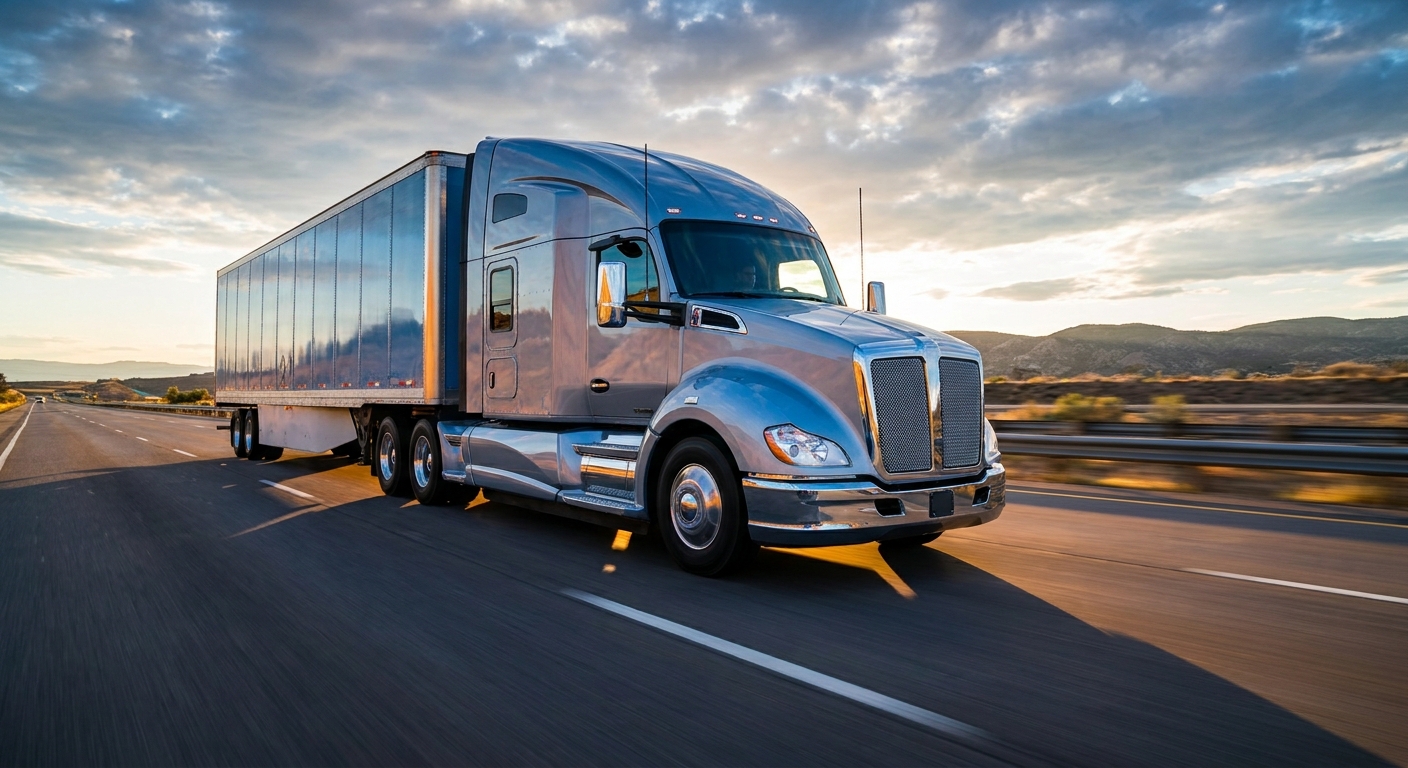
Estimating total strike expenses involves combining mechanical part bills, tow charges, driver stipends, and total daily downtime losses into a single financial formula. Applying precise mathematical models reveals how high your true semi truck grille guard ROI reaches after a single road incident.
Fleet managers must look beyond basic body shop estimates to capture the true total cost of front-end accidents. Using standardized mathematical formulas allows you to present clear risk metrics to corporate executive teams.
How Do You Calculate Daily Vehicle Revenue Loss?
Calculating daily vehicle revenue loss requires determining your fleet’s average gross revenue per truck per day minus variable fuel expenses. Here’s why: fixed asset costs accrue continuously regardless of whether the tractor moves freight.
- Multiply average daily loaded mileage by your fleet’s average rate-per-mile.
- Subtract avoided variable operating expenses such as diesel fuel and road tolls.
- Add daily fixed costs including vehicle insurance, licensing, and lease amortization.
Using this balanced equation reveals the exact profit loss incurred for every 24-hour period your tractor spends parked inside a repair facility.
How Do You Measure Net Financial Incident Savings?
Measuring net financial incident savings requires subtracting the initial hardware purchase price from your estimated total strike cost. Think about it: hardware costs represent a single capital outlay that yields recurring risk protection for years.
- Total Strike Cost = Towing + Parts/Labor + Sensor Calibration + (Daily Lost Revenue × Days Down).
- Net Incident Savings = Total Strike Cost – Protection Hardware Cost.
- First-Year Return = (Net Incident Savings / Protection Hardware Cost) × 100.
This direct formula clearly proves how quickly heavy-duty front protection delivers net positive financial value to your operation.
Key Takeaway: Applying rigorous cost formulas reveals that bumper protection hardware yields immediate positive returns by preventing compound revenue losses.
| Financial Variable | Baseline Formula | Sample Fleet Calculation | Net Financial Result |
|---|---|---|---|
| Total Strike Exposure | Towing + Repairs + Downtime | $2,500 + $11,000 + $3,200 | $16,700 Liability |
| Equipment Investment | Front Guard Hardware Cost | $1,800 Single Purchase | $1,800 Capital Expense |
| Net Incident Savings | Total Liability – Guard Cost | $16,700 – $1,800 | $14,900 Direct Savings |
| Percentage ROI | (Savings / Investment) × 100 | ($14,900 / $1,800) × 100 | 827% Net ROI |
Standardizing your financial calculations demonstrates clear capital protection benefits to executive leadership and fleet account managers.
How Does a Grille Guard Prevent Fleet Downtime?
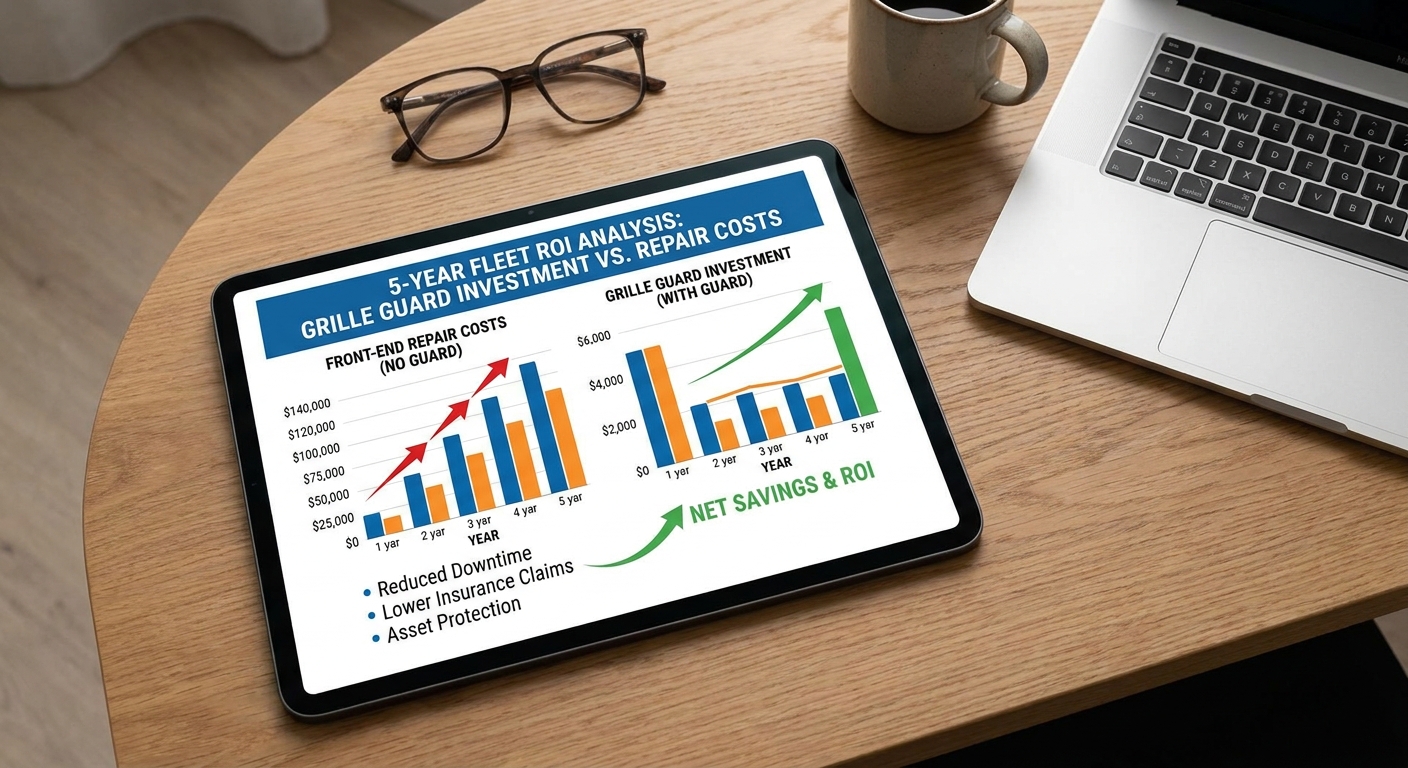
A heavy-duty front guard prevents fleet downtime by absorbing severe impact energy and deflecting road hazards away from critical engine bay assemblies. Real-world fleet metrics highlight how maximizing your semi truck grille guard ROI keeps tractors operating on schedule.
Maintaining continuous operation protects customer satisfaction and keeps revenue flowing steadily. When a bumper guard deflects an animal impact, your driver continues to their destination without interrupting route delivery schedules.
How Do Steel and Aluminum Absorb Impact Force?
Engineered metal protection systems distribute localized collision forces across high-strength structural mounting points. Here’s the deal: structural cross-tubing channels kinetic force into the steel chassis frame rather than crushing thin cooling cores.
- High-Tensile Steel: Delivers maximum rigidity and force distribution during heavy wildlife impacts.
- Structural Aluminum Alloys: Offers exceptional strength-to-weight ratios to preserve front axle load limits.
- Internal Reinforcement Gussets: Prevents frame mounting bracket twisting under off-center impacts.
Utilizing premium metallurgical profiles prevents metal deformation from penetrating the inner radiator compartment.
Can Structural Upgrades Prevent Roadside Stranding?
Installing heavy-duty impact defense ensures your truck remains drivable immediately following minor and moderate collision events. The truth? Drivability post-impact is the single primary factor in preventing massive operational downtime.
- Intact radiator packs retain engine coolant and maintain normal operating temperatures.
- Protected headlights and signal lamps maintain legal compliance for night driving.
- Intact bumper geometry allows drivers to navigate safely off highways to terminals.
Keeping your tractors self-drivable eliminates roadside emergency dispatches and avoids long delays at out-of-network repair shops.
Key Takeaway: Deflecting road debris and animal impacts preserves vehicle drivability, keeping freight moving and eliminating multi-day shop downtime.
| Operating Metric | Standard Bumper | Heavy-Duty Protection | Operational Benefit |
|---|---|---|---|
| Drivability Post-Impact | Severe Leak / Disabled | Drivable / Intact | Zero Towing Required |
| Days in Repair Workshop | 4 to 7 Business Days | 0 Days (In-Service) | 100% Revenue Retention |
| Route Delivery Completion | Delayed / Contract Penalty | On-Time Arrival | Customer Satisfaction |
| Emergency Roadside Assistance | Required Dispatch | Not Required | $2,000+ Fee Avoidance |
Preventing chassis immobilizations ensures uninterrupted logistics operations across your regional and long-haul transportation networks.
How Do Material Choices Change Your Fleet ROI?
Material selection impacts return calculations by altering upfront purchasing costs, total vehicle payload capacities, and long-term fuel consumption metrics. Balancing material durability with total mass optimizes semi truck grille guard ROI across high-mileage commercial routes.
Choosing between heavy-gauge steel and marine-grade aluminum requires analyzing your specific duty cycles and route topographies. Matching structural specifications to your operational needs ensures maximum durability without incurring unnecessary fuel expenses.
Is High-Strength Steel or Aluminum More Cost-Effective?
High-strength steel provides maximum impact defense at a lower initial cost, whereas marine-grade aluminum reduces total unsprung weight. Look: analyzing route geography helps dictate which material yields higher long-term value.
- Steel Protection Systems: Lower initial purchase price; maximum yield strength for heavy wildlife zones.
- Aluminum Protection Systems: Higher initial purchase price; lighter weight maximizes payload capacity.
- Powder-Coated Finishes: Protects steel units against road salt, rust, and environmental corrosion.
Selecting the appropriate material profile protects your upfront capital while delivering necessary environmental and impact protection.
How Does Added Guard Weight Impact Fuel Economy?
Adding structural weight to the front axle increases overall rolling resistance and slightly adjusts total fuel consumption figures over thousands of operating miles. Consider this: modern aerodynamic aluminum designs minimize drag and rolling resistance penalties.
- Aluminum guards add only 80 to 120 pounds to the front steering axle.
- Premium aerodynamic contouring maintains smooth airflow around cab skirts.
- Minor fuel costs are completely offset by avoiding a single front-end collision.
Proper aerodynamic contouring keeps fuel consumption virtually identical to factory aerodynamic bumper setups.
Key Takeaway: Selecting the proper material profile balances initial capital expenditure against ongoing payload capacity and route durability requirements.
| Material Feature | High-Strength Steel | Marine-Grade Aluminum | Fleet Financial Impact |
|---|---|---|---|
| Upfront Capital Cost | Lower Initial Investment | Higher Initial Investment | Steel saves ~30% upfront |
| Average Weight | 150 – 220 lbs | 80 – 120 lbs | Aluminum saves ~100 lbs |
| Corrosion Resistance | Requires Powder Coating | Natural Oxide Protection | Aluminum lowers maintenance |
| Impact Force Rating | Extreme Impact Defense | High Impact Defense | Both prevent major repairs |
Optimizing metal selection ensures your protective hardware meets structural durability targets without creating unnecessary weight penalties.
What Long-Term Financial Metrics Should You Track?
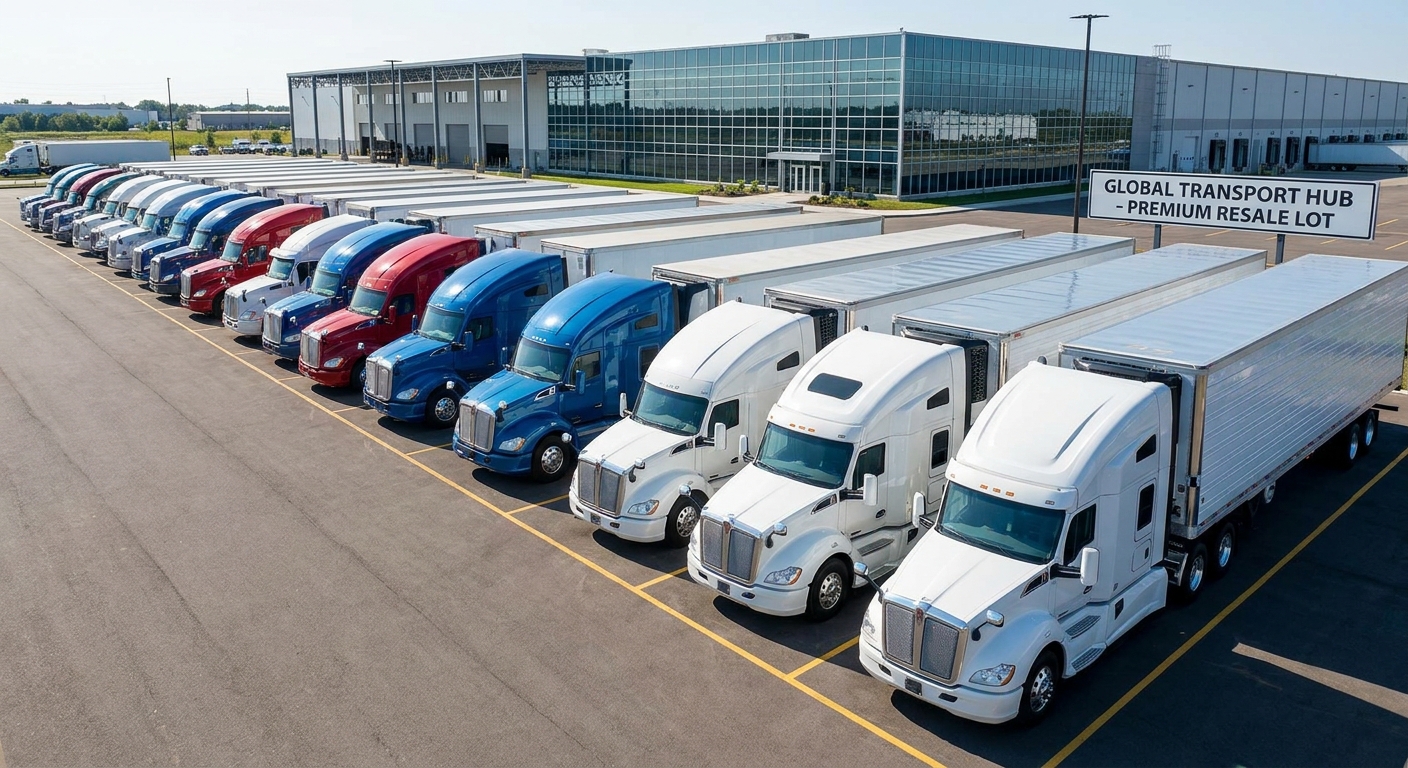
Long-term metrics include residual vehicle resale values, lower insurance claim frequencies, and reduced unscheduled fleet operational expenditures. Tracking comprehensive performance data confirms that high semi truck grille guard ROI extends across the entire lifecycle of your trucks.
Monitoring long-term asset metrics allows fleet executives to evaluate total cost of ownership across multi-year operational cycles. Documenting lower maintenance costs helps justify standardizing protective hardware across all regional terminals.
How Does Protection Equipment Affect Resale Value?
Tractors featuring clean, undamaged front cabs and immaculate original paint command premium prices in second-hand commercial equipment markets. Here’s why: buyers pay more for fleet vehicles that demonstrate rigorous preventive maintenance histories.
- Undamaged front frame rails and cross-members preserve structural integrity.
- Factory paint and OEM hood alignment signal meticulous fleet care.
- Preserved engine bay wiring harnesses prevent future electrical shorts for second owners.
Installing protective guards preserves original OEM factory panel alignment and surface condition throughout the vehicle’s operational lifecycle.
Can Protective Equipment Reduce Insurance Premiums?
Fewer reported collision claims and lowered comprehensive damage payouts improve your fleet safety score with underwriting insurance carriers. The bottom line? Demonstrating proactive risk mitigation reduces commercial liability premiums.
- Decreased loss frequency metrics prevent annual premium adjustments.
- Maintaining high collision deductibles becomes viable when physical damage is minimized.
- Proactive hardware installation qualifies fleets for comprehensive safety discounts.
Lowering overall claims history helps protect your fleet against rising commercial transport insurance premiums.
Key Takeaway: Preserving factory front-end condition drives higher trade-in values and maintains favorable insurance risk ratings across your fleet operations.
| Lifecycle Metric | Fleet Without Guards | Fleet With Protective Guards | Long-Term Advantage |
|---|---|---|---|
| 5-Year Claim Frequency | 3 to 5 Claims / Unit | 0 to 1 Claims / Unit | Lower Insurance Risk |
| Average Resale Premium | Baseline Market Value | +$2,500 – $4,000 Premium | Higher Asset Recovery |
| Cumulative Maintenance | High Unscheduled Spend | Controlled Scheduled Spend | Stable Cash Flow |
| Total Ownership Cost | Elevated Baseline | Minimized Lifetime Spend | Superior Operational Margin |
Tracking secondary financial returns reveals that front-end protection hardware generates positive economic returns across every operational year.
How Do Custom Fitments Maximize Equipment Savings?
Custom fitments maximize equipment savings by ensuring perfect frame alignment, eliminating structural vibration wear, and facilitating rapid bolt-on installation procedures. Precision fitments guarantee that semi truck grille guard ROI is not eroded by installation modifications or bracket failures.
Improperly fitted aftermarket bumpers create dangerous structural stress points that can fatigue vehicle frame rails over time. Choosing custom-engineered, model-specific fitments ensures optimal force distribution during high-speed highway collisions.
Why Is Precision Fitment Critical for Collision Defense?
Direct frame-mounted brackets transfer energy directly into heavy steel chassis rails rather than weak engine mounts or sheet metal. Here’s the deal: precise bracket placement prevents the guard itself from buckling backward into the radiator during an impact.
- Model-specific brackets utilize existing factory frame mounting holes.
- Zero-drill mounting preserves factory chassis warranties and anti-corrosion coatings.
- Correct structural clearances prevent interference with hood tilt mechanisms.
Proper structural clearance ensures mechanics maintain full engine access for routine oil checks and scheduled servicing.
How Do Factory Mounting Jigs Guarantee Durability?
Utilizing precision robotic manufacturing jigs guarantees millimeter-accurate mounting hole alignment for every single batch produced. The truth? Manufacturing accuracy eliminates installation modifications during fleet retrofits.
- Precision CNC laser cutting ensures perfectly smooth mounting surfaces.
- CMM dimensional verification eliminates frame alignment variations.
- AWS-certified weld joints deliver uniform structural load capacity.
Standardized mounting geometry speeds up installation times, lowering labor shop hours per vehicle retrofit.
Key Takeaway: Precision-engineered bolt-on fitments protect frame integrity, simplify routine engine maintenance, and eliminate bracket metal fatigue.
| Fitment Dimension | Generic Aftermarket Guard | Precision-Engineered Guard | Operational Impact |
|---|---|---|---|
| Frame Mounting Method | Universal Brackets (Drill) | Model-Specific (No-Drill) | Preserves Frame Warranty |
| Installation Time | 4 to 6 Hours | 1 to 2 Hours | Lowers Installation Labor |
| Hood Tilt Clearance | Restricted / Rubbing | Unobstructed Access | Fast Engine Serviceability |
| Impact Energy Transfer | Concentrated / Weak | Distributed / Frame-Anchored | Eliminates Secondary Damage |
Investing in exact-fit structural hardware ensures fast installation while safeguarding structural frame rails from impact stress points.
How Do You Justify Grille Guard Costs to Executives?
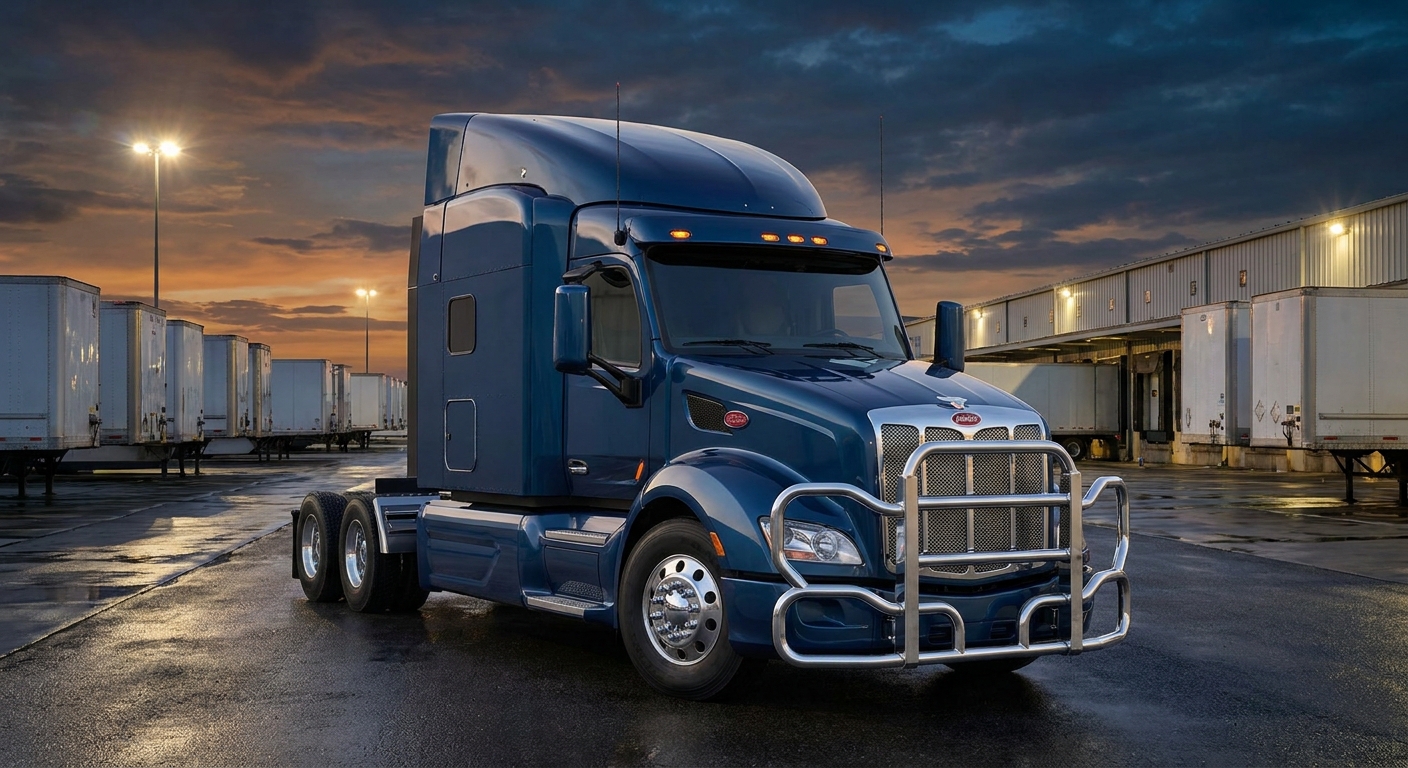
Justifying equipment costs requires presenting concrete risk-reduction data, immediate payback timelines, and documented total cost of ownership reductions to financial officers. Demonstrating a fast payback schedule validates your proposed semi truck grille guard ROI as a capital-preserving decision.
Chief Financial Officers evaluate capital investments based on risk mitigation, balance sheet protection, and payback speed. Presenting real-world incident cost comparisons transforms front-end protection from an optional accessory into an essential fleet investment.
How Do You Build a Capital Expenditure Case?
Building a compelling financial business case requires pairing historical fleet incident costs with future risk avoidance projections. Think about it: showing executives that a single prevented strike covers hardware costs across multiple tractors makes approval straightforward.
- Compile historical body shop invoices, towing expenses, and downtime logs.
- Compare cumulative repair expenditures against fleet-wide hardware installation costs.
- Highlight risk insulation against volatile freight delay penalties and driver turnover.
Presenting quantified fleet maintenance metrics proves that protective hardware actively safeguards operating cash flow.
What Is the Payback Period for Fleet Upgrades?
The payback period for commercial bumper guards is achieved immediately upon the very first deflected road hazard or animal impact. Consider this: avoiding a single $15,000 repair bill immediately recoups hardware costs across eight tractors.
- Single-strike payback models achieve 100% capital recovery instantly.
- Multi-year fleet deployments yield recurring financial savings year after year.
- Preserved operational uptime stabilizes monthly freight delivery revenue.
Rapid capital recovery cycles make front-end protection one of the highest-yielding physical assets in fleet logistics.
Key Takeaway: Presenting clear risk mitigation metrics and rapid payback data helps corporate executives recognize the clear balance sheet benefits of fleet protection equipment.
| Proposal Metric | Unprotected Fleet Model | Protected Fleet Capital Plan | Executive Value Advantage |
|---|---|---|---|
| Capital Allocation | $0 Upfront Hardware | $1,800 / Vehicle Hardware | Controlled Capital Asset |
| Unscheduled Expense Risk | High Risk ($15,000+ / Incident) | Low Risk ($0 – $500 / Incident) | Protected Profit Margin |
| Capital Payback Horizon | Infinite Risk Liability | Immediate (1st Avoided Collision) | Rapid Capital Recovery |
| Multi-Year Net ROI | Negative ROI (Repair Drag) | 500%+ Net Financial Yield | Long-Term Balance Growth |
Standardizing protective equipment transforms unpredictable maintenance liabilities into reliable, multi-year asset performance across long-haul transport operations.
Capitalize on Heavy-Duty Asset Protection Today
Unscheduled front-end collisions and costly animal strikes directly drain operating capital through mechanical repairs, heavy wrecker towing, sensor recalibration, and revenue-destroying downtime. Modern fleet management demands a shift from reactive body shop spending to proactive structural defense. By deploying precision-engineered, frame-mounted protective hardware across your Class 8 tractors, you secure long-term operational uptime and eliminate unbudgeted maintenance liabilities across every freight lane.
Engineered to exceed North American transportation standards, Brontec manufactures heavy-duty moose bumpers and commercial grille guards that deliver maximum impact distribution, precision vehicle fitment, and robust corrosion resistance. Our ISO-certified production facilities utilize state-of-the-art CNC laser cutting, CMM dimensional verification, and AWS-certified structural welding to guarantee seamless bolt-on installation and uncompromised frame defense. Protect your operational balance sheet, keep your drivers earning, and preserve your commercial fleet investment—contact us today to receive a custom OEM quote for your commercial vehicles.
Frequently Asked Questions
Can I install grille guards without voiding my OEM vehicle warranty?
Yes, high-quality grille guards utilize model-specific, custom-engineered mounting brackets that bolt directly into existing factory frame mounting points without drilling or structural frame modification. Because zero frame alterations are required, factory chassis and vehicle warranties remain completely intact while maintaining full accessibility for routine engine service.
What’s the best material choice between high-strength steel and aluminum for my fleet?
The best choice depends entirely on your specific route geography, regional wildlife exposure, and payload sensitivity. High-strength steel delivers maximum impact resistance and yield strength at a lower initial cost, making it ideal for severe wildlife zones, while marine-grade aluminum alloys reduce unsprung front axle weight by approximately 50%, maximizing payload capacity and preserving fuel economy.
How do I know if grille guards are compatible with modern collision-avoidance radar systems?
Modern grille guards are designed specifically around modern factory sensor suites, featuring engineered center cutouts, low-profile horizontal bars, and specialized mounting locations that keep forward-facing radar arrays and camera lenses unobstructed. Selecting a precision-fit guard engineered for your specific vehicle platform guarantees that emergency automated braking and adaptive cruise control systems operate flawlessly.