
Improving fleet reliability starts with preventing the unexpected damage that takes trucks off the road. Heavy duty truck guards provide a proactive layer of front-end protection against wildlife strikes, road debris, and other impact hazards that can damage radiators, cooling systems, and other critical components. By reducing the risk of collision-related repairs and unplanned downtime, properly engineered truck guards help fleets keep more vehicles in service, maintain delivery schedules, and improve day-to-day operational reliability.
Why buy heavy duty truck guards today?
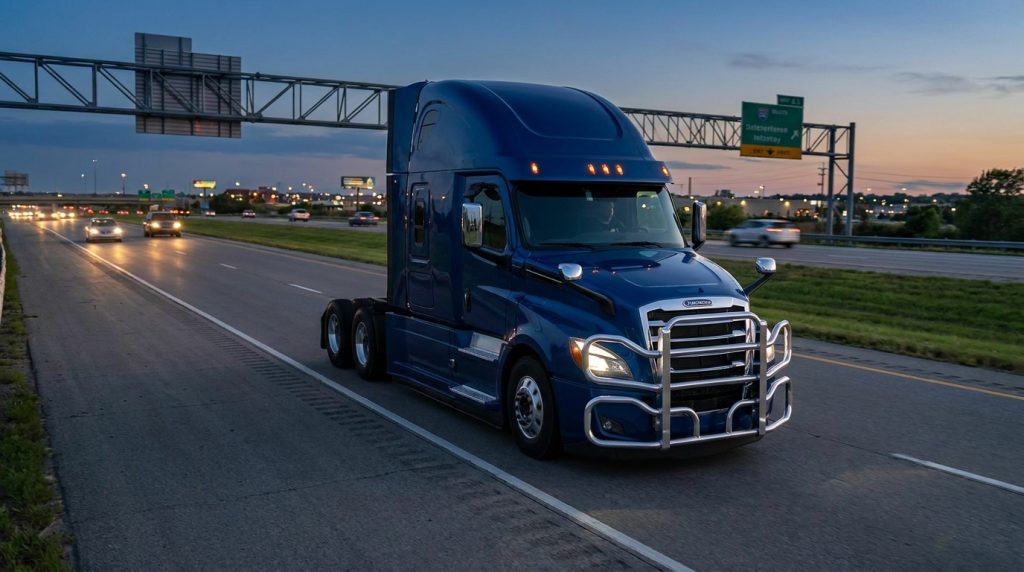
Fleets buy heavy duty truck guards today to safeguard their vehicles against escalating repair costs, rising insurance premiums, and unpredictable road hazards. Standardizing front-end protection has become an essential strategy for modern fleet managers looking to stabilize operational budgets. By investing in these physical barriers, you insulate your company from the immediate financial fallout of wildlife strikes and debris impacts.
Operating without these structural defenses leaves your expensive trucks vulnerable to minor accidents that can easily lead to thousands of dollars in damages. Furthermore, the rising cost of OEM replacement parts means that even a small collision can quickly blow past your insurance deductible.
What are the rising costs of road collisions?
Think about it: a single front-end collision can instantly destroy your radiator, bumper, and hood. If you do not have adequate physical armor, you face astronomical towing fees and compounding secondary repair bills. Here is a list of common components compromised during a standard front-end collision:
- The radiator and charge air cooler.
- Advanced driver-assistance system (ADAS) radar sensors.
- The fiberglass hood and headlight assemblies.
But that is only half the story. The downtime associated with waiting for these complex parts can paralyze your operations for weeks on end. Key Takeaway: Standardizing high-quality front-end protection shielding mitigates the severe financial impacts of physical damage, preserving your fleet’s daily cash flow.
| Risk Metric | Without Guard Protection | With Guard Protection |
|---|---|---|
| Primary Bumper Damage | $5,000 – $12,000 (Crushed radiator, bumper, and hood) | $0 – $300 (Minor superficial scuffs) |
| ADAS Sensor Recovery | $1,500 – $3,000 (Full replacement & recalibration) | $0 (Sensor housing remains protected) |
| Secondary Towing Fees | $2,000 – $4,500 (Remote highway towing required) | $0 (Truck remains completely drivable) |
This comparison demonstrates how proactive physical shielding completely eliminates compounding post-accident recovery costs.
How do heavy duty truck guards reduce cost?

Heavy duty truck guards reduce operational costs by preventing expensive component damage, lowering insurance claim frequencies, and preserving long-term asset resale value. When you equip your vehicles with these rugged bumpers, you establish a permanent defense against costly front-end repairs. This proactive measure keeps your hard-earned capital in your business rather than handing it over to repair shops.
Additionally, maintaining a low accident-claim rate helps you negotiate much better terms with commercial insurance underwriters. By demonstrating a serious commitment to physical risk mitigation, your fleet becomes a highly attractive risk profile.
Can you lower your insurance premiums?
Here is the kicker: insurance companies constantly analyze your fleet’s loss ratios and claim history when calculating annual premiums. If your trucks are constantly in the shop for minor animal strikes, your rates will inevitably skyrocket. Here are three ways physical guards protect your bottom line:
- Eliminate frequent low-value insurance claims.
- Help you maintain a clean loss-run report.
- Allow you to opt for higher, more cost-effective deductibles.
Lower claim frequencies lead to compounding long-term savings that keep your operational margins incredibly healthy. Key Takeaway: Utilizing durable front-end protection secures lower insurance premiums and shields your business from unpredictable out-of-pocket repair costs.
| Financial Metric | Standard Fleet Vehicle | Guard-Protected Vehicle |
|---|---|---|
| Annual Deductible Outlay | High (Multiple claims for road debris damage) | Low (Zero claims; bumper absorbs impact forces) |
| Asset Resale Valuation | Reduced (Due to structural repairs and paint matching) | Premium (Original OEM panels remain in perfect condition) |
| Auxiliary Loss Exposure | $4,000+ per event (Cargo transfers and hotel stays) | $0 (The route is completed without disruption) |
Investing in front-end protection secures stable insurance rates while safeguarding your vehicles’ long-term residual value.
Do heavy duty truck guards prevent downtime?
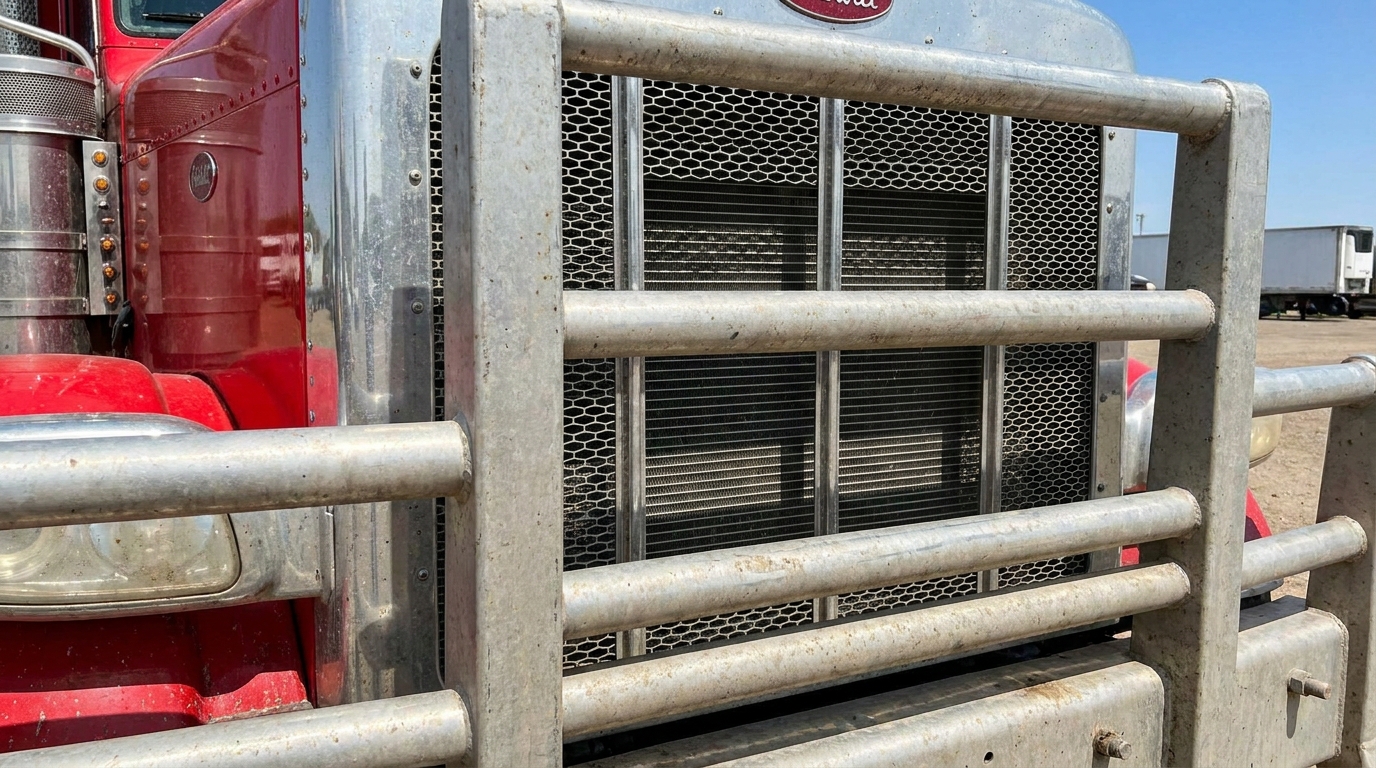
Yes, deploying heavy duty truck guards prevents unscheduled equipment downtime by ensuring your vehicles remain completely drivable after a front-end impact. When a truck is sidelined in the repair shop, it stops generating revenue while its fixed overhead costs continue to accumulate. By preventing damage to your cooling package, these guards allow your drivers to complete their routes safely.
Keeping your trucks on the road is especially critical when dealing with tight supply chains and strict delivery windows. Even a single day of unexpected downtime can disrupt your entire shipping schedule and damage key customer relationships.
How do they protect the radiator?
Let’s face it: the radiator is the most vulnerable and critical component situated at the very front of your truck’s engine bay. A single piece of flying road debris or a small animal can easily puncture the core, causing immediate coolant loss. To prevent this, physical guards provide an impenetrable shield:
- Thick structural tubes block direct debris penetration.
- The guard deflects animal impacts away from the cooling pack.
- Robust mounting systems prevent the bumper from folding inward.
A protected cooling system means your driver can simply drive away from an impact instead of waiting hours for an expensive tow truck. Key Takeaway: Protecting your cooling package ensures constant route reliability, shielding your fleet from the devastating costs of unscheduled downtime.
| Operational Metric | Standard Front End | Guard-Shielded Front End |
|---|---|---|
| Average Days Out of Service | 5 to 12 business days (Waiting on parts) | 0 days (Truck remains fully operational) |
| Cooling System Survival Rate | Under 20% during animal collisions | Over 98% during high-energy impacts |
| SLA Delivery Success Rate | 0% (Requires expensive secondary recovery) | 100% (The shipment arrives safely on time) |
Preserving cooling system integrity keeps your assets active and eliminates expensive freight recovery operations.
Are heavy duty truck guards safety essentials?
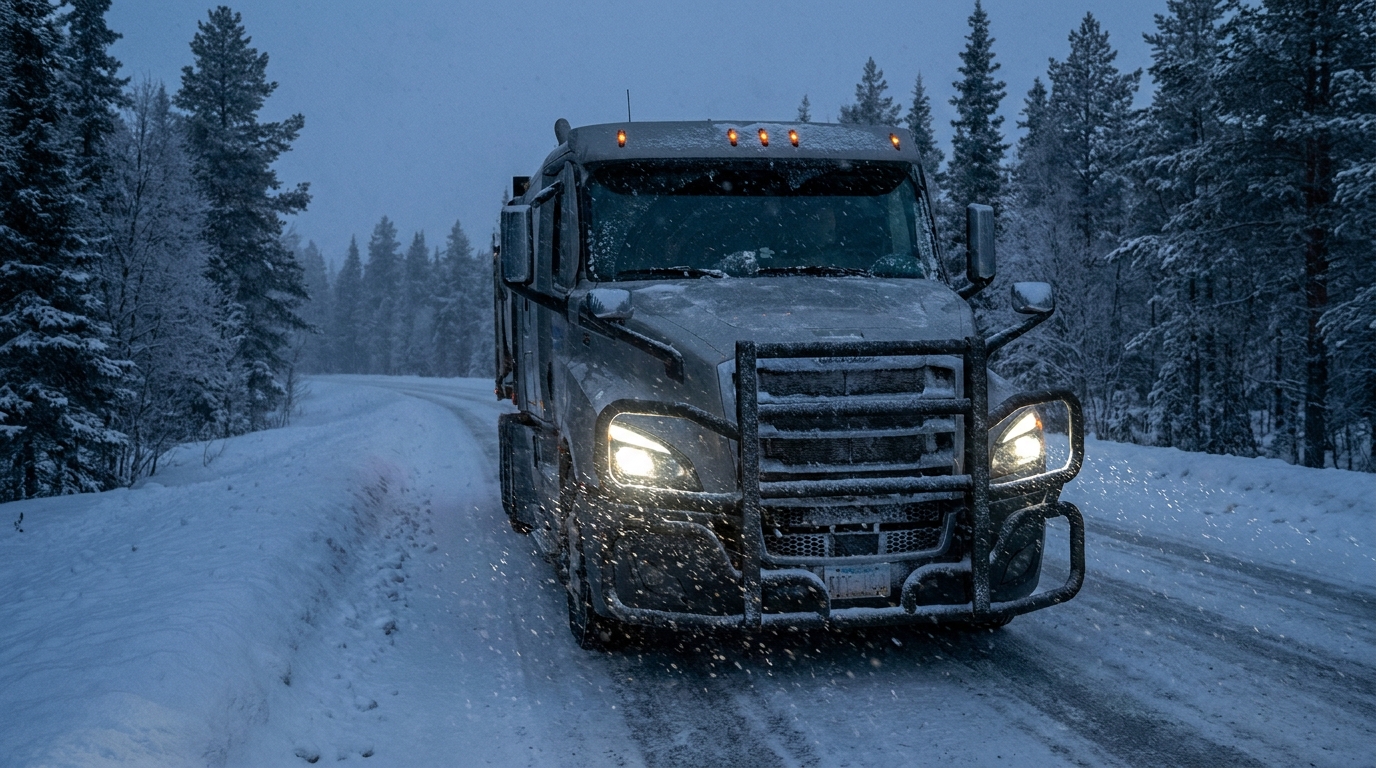
Yes, heavy duty truck guards are safety essentials because they maintain the structural integrity of the driver’s cab and prevent loss of steering control during collisions. Protecting your drivers from harm is the most important responsibility of any fleet operator. These heavy-duty barriers are designed to absorb and redirect extreme impact forces, keeping the passenger compartment secure.
By preventing front-end body panels from crumpling back into the wheels, guards also help your drivers maintain full control of the vehicle post-impact. This crucial split-second stability can prevent a minor animal strike from turning into a catastrophic rollover accident.
Can they protect driver lives?
Think about it: during a high-speed collision with a large animal like a moose, the impact can easily push the hood through the windshield. A tall, rugged guard acts as a physical deflector, pushing the animal down and away from the cab area. Consider these vital safety benefits:
- Prevents dangerous cabin intrusions during animal strikes.
- Safeguards vital steering linkages from bending or jamming.
- Protects the front steer tires from being punctured by sharp body metal.
Providing your drivers with this level of physical security dramatically improves their confidence and job satisfaction on dark night routes. Key Takeaway: Installing heavy-duty front-end armor acts as a critical safety shield, protecting both your drivers’ lives and your valuable equipment.
| Safety Metric | Standard Fleet Vehicle | Guard-Equipped Vehicle |
|---|---|---|
| Windshield Intrusion Risk | High (Animal can slide up the sloped hood) | Low (Impact force is deflected downward) |
| Steering Linkage Protection | Vulnerable to severe crushing and binding | Isolated behind structural mounting plates |
| Driver Stress Levels | High (Constant anxiety during night runs) | Low (Peace of mind from physical protection) |
Standardizing front-end armor is a vital duty-of-care practice that dramatically enhances driver safety and vehicle stability.
Who needs heavy duty truck guards most?
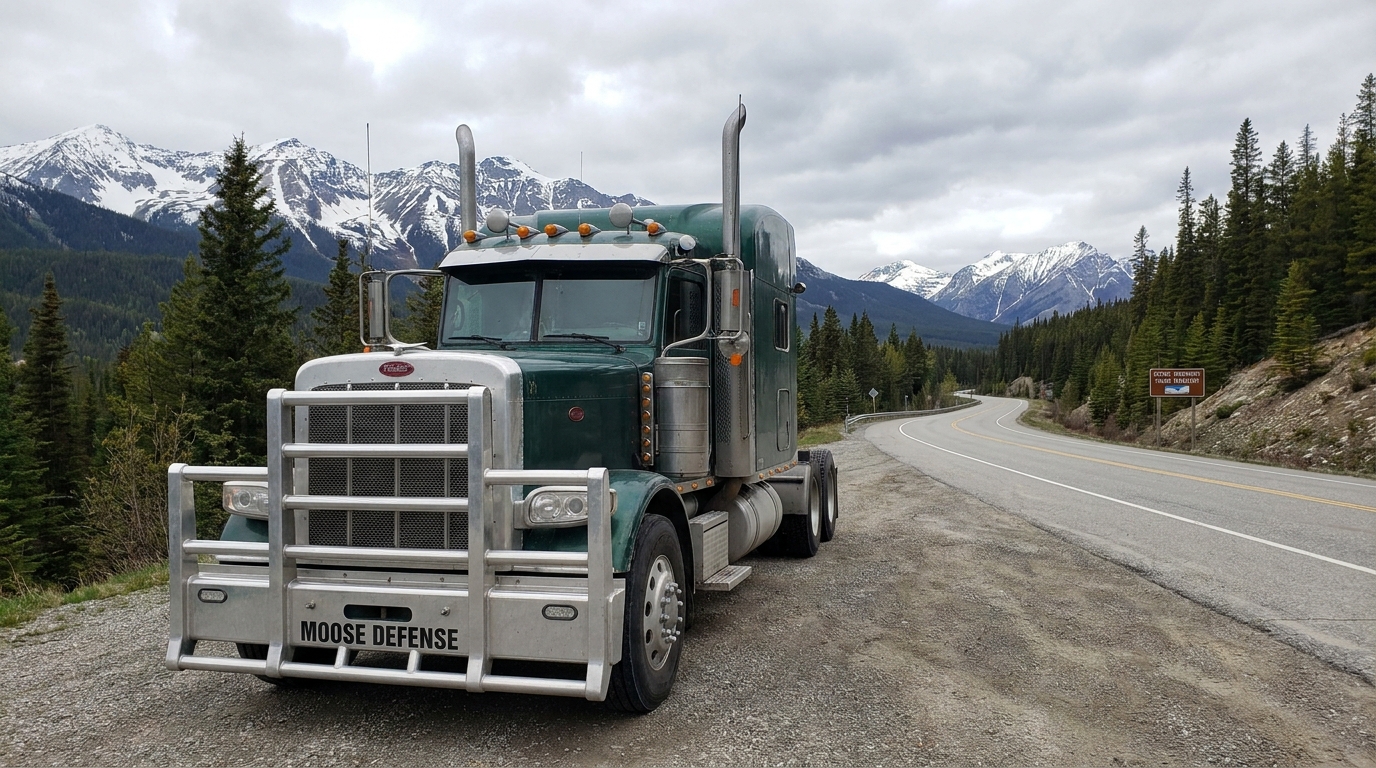
Operators running high-mileage highway routes, northern freight lines, and remote logging operations need heavy duty truck guards the most. If your vehicles operate in environments with dense wildlife populations or poorly maintained roads, physical protection is non-negotiable. Matching your specific route hazards to the right level of armor is key to optimizing fleet defense.
Long-haul carriers covering vast distances at night are also at a much higher statistical risk of experiencing a collision. For these fleets, an unprotected front end represents a ticking financial time bomb.
Do northern fleets face higher risks?
But here is the catch: northern routes and logging roads present some of the most unforgiving driving conditions in North America. Between freezing temperatures, loose gravel, and massive moose populations, your trucks face constant physical threats. Here is why rugged routes demand heavy-duty armor:
- Remote locations mean towing assistance is hours away.
- Extremely cold weather makes plastic bumper assemblies brittle and fragile.
- Moose and elk strikes carry massive kinetic energy that destroys standard grilles.
A single remote collision can cost you double in recovery fees compared to a highway incident. Key Takeaway: Equipping your high-risk regional assets with tailored front-end armor is the smartest way to secure remote operations and control recovery costs.
| Route Hazard Profile | Unprotected High-Risk Route | Protected High-Risk Route |
|---|---|---|
| Northern Remote Recovery | Extremely Expensive (Delayed support, high tow costs) | Highly Manageable (Rig remains fully drivable to shop) |
| Debris Impact Damage | Severe (Punctured coolers, cracked lenses) | Negligible (Debris is deflected harmlessly away) |
| Emergency Logistics Plan | Required (Immediate cargo transloading needed) | Unnecessary (The driver completes the delivery) |
Deploying robust physical armor on high-risk routes converts remote operational threats into minor, non-disruptive events.
Where are heavy duty truck guards deployed?
Heavy duty truck guards are deployed directly onto the vehicle’s steel chassis frame rails to ensure maximum structural strength and energy distribution. To withstand high-energy impacts, these barriers cannot rely on weak plastic bumper mounts. By securing the guard directly to the truck’s structural skeleton, you ensure that collision forces are safely distributed away from the engine.
This direct-to-frame mounting system is what separates professional-grade truck guards from cheap cosmetic accessories. It provides the rigid foundation needed to absorb massive kinetic energy without buckling inward.
Is frame mounting essential?
Think about it: direct frame mounting transfers the energy directly into the truck’s heavy-duty chassis rails instead of letting it crumple flimsy body panels. Understanding this mechanical relationship helps you appreciate the engineering behind high-impact survival. Consider these three physical mechanics:
- Utilizes the strongest structural point on the vehicle.
- Prevents localized body damage by spreading the impact load.
- Allows the guard to serve as a reliable recovery point if needed.
You must also ensure that the brackets do not interfere with the truck’s factory crumple zones. Key Takeaway: Direct chassis mounting is critical for structural integrity, ensuring that impact forces are safely managed by your truck’s heavy steel frame.
| Mechanical Metric | Body-Mounted Accessory | Frame-Mounted Guard |
|---|---|---|
| Impact Energy Path | Transferred into fragile cooling pack and hood | Distributed harmlessly along the steel chassis rails |
| Structural Integrity | Low (Folds easily under moderate impact forces) | Maximum (Absorbs high-energy collisions without buckling) |
| Maintenance Access | Difficult (Often requires complete removal to open hood) | Simple (Utilizes quick-tilt mechanisms for fast access) |
Securing physical armor directly to the chassis frame ensures maximum energy absorption and protects fragile engine components.
How to select heavy duty truck guards?
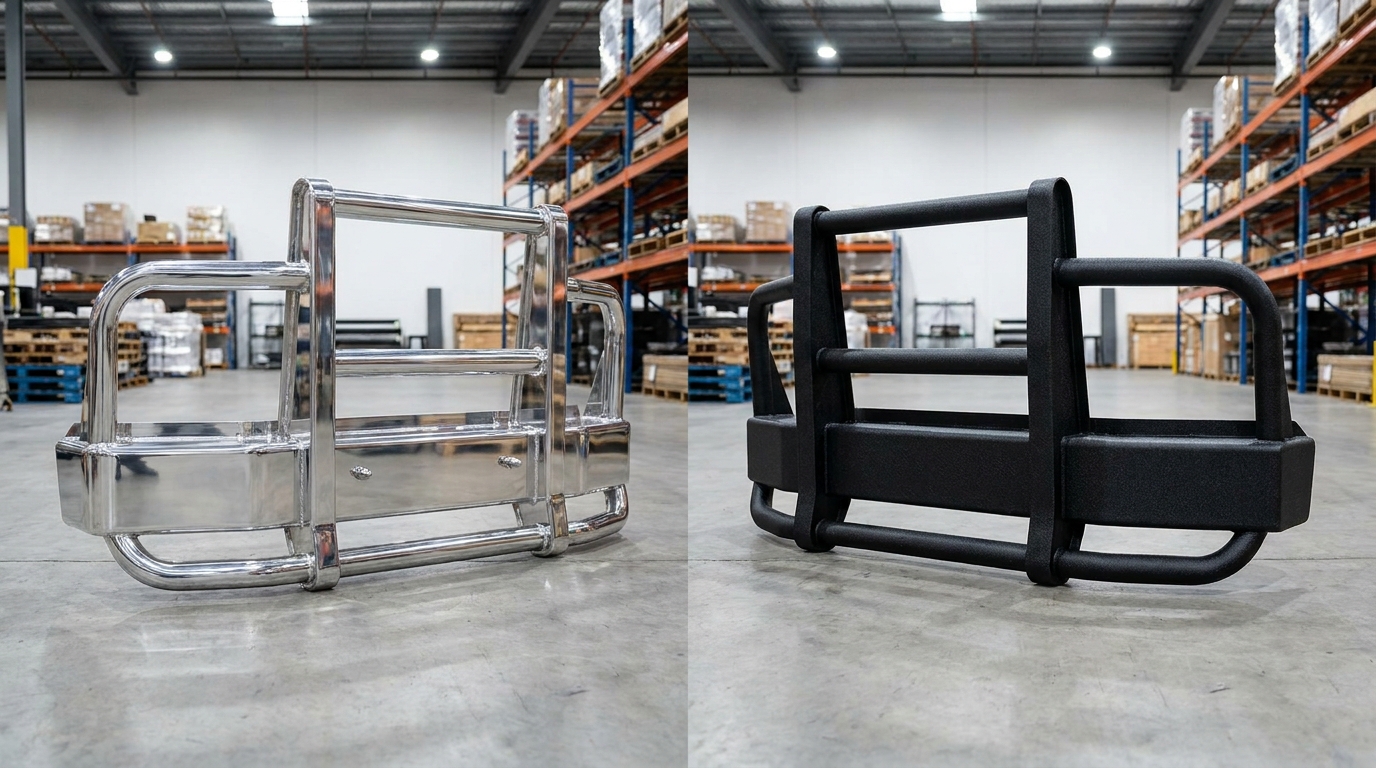
Selecting the ideal heavy duty truck guards requires balancing structural material strength, overall axle weight, and the specific terrain your fleet covers. Fleet managers must carefully weigh these technical factors to avoid overloading the front steer axle. Choosing the right material ensures you get the protection you need without sacrificing fuel efficiency.
For example, lightweight aluminum alloys offer exceptional strength-to-weight ratios, making them perfect for weight-sensitive highway haulers. On the other hand, heavy steel is often preferred for severe-duty off-road environments where maximum brute force is required.
Aluminum or steel?
Let’s face it: your choice of material directly affects your truck’s payload capacity, fuel economy, and long-term maintenance costs. Understanding the differences between these materials helps you make an informed decision for your fleet. Here are the key points to keep in mind:
- Aluminum guards are lightweight, reducing front axle wear and preserving fuel.
- Stainless steel provides maximum resistance to repeated low-speed impacts.
- High-quality coatings are essential to prevent corrosion on steel components.
But that is only half the story. You must also ensure that the selected guard features a reliable, easy-to-use tilting mechanism for quick engine access. Key Takeaway: Selecting the correct guard material balances payload requirements with physical defense, keeping your trucks legal, efficient, and fully protected.
| Selection Factor | High-Tensile Aluminum Alloy | Heavy-Duty Stainless Steel |
|---|---|---|
| Average Weight Impact | 110 to 180 lbs (Preserves front axle capacity) | 260 to 400 lbs (Significantly heavier option) |
| Corrosion Resistance | Excellent (Naturally forms a protective oxide layer) | Good (Requires regular polishing or robust coating) |
| Best Operational Fit | Long-haul highway transport and weight-sensitive loads | Severe off-road construction and mining applications |
Matching guard material chemistry to your specific duty cycle optimizes both vehicle weight distribution and physical durability.
Are heavy duty truck guards compatible?
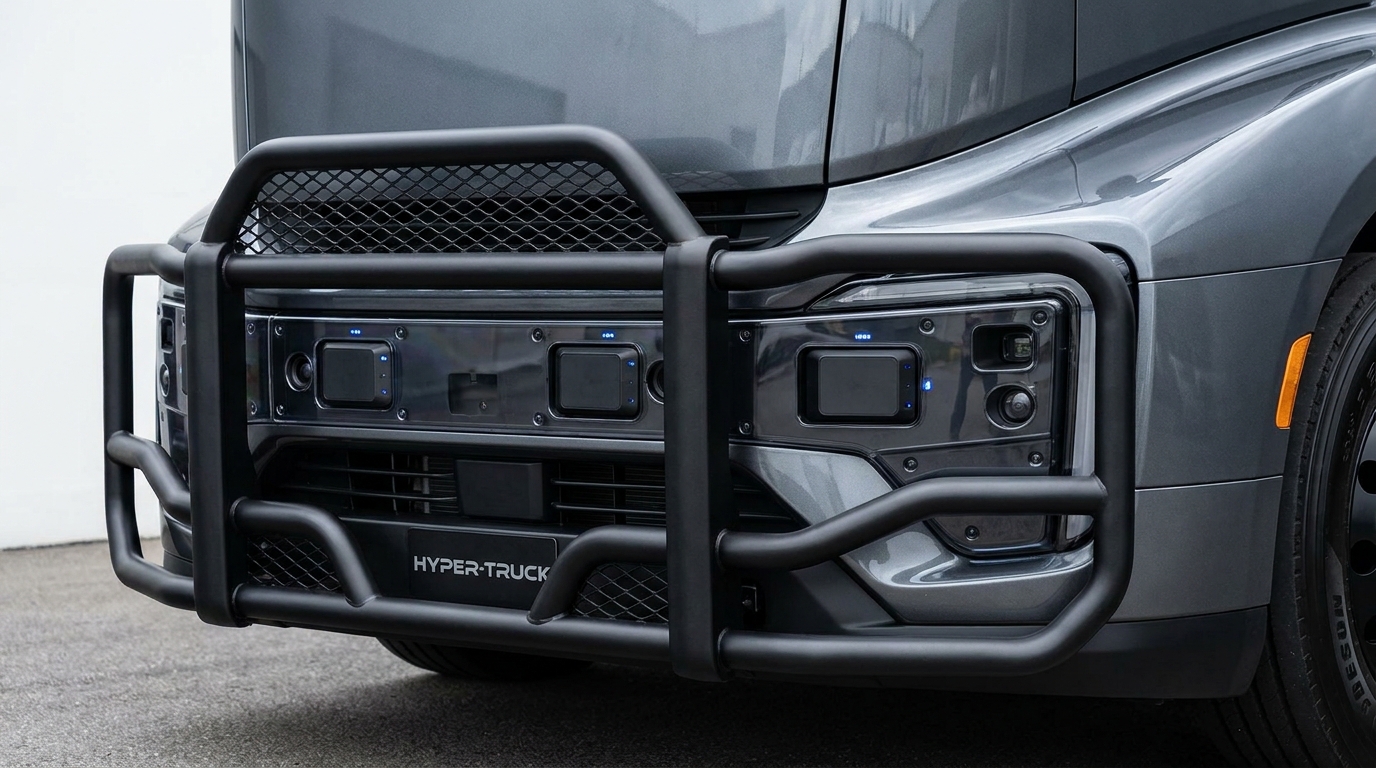
Yes, advanced heavy duty truck guards are fully compatible with modern collision mitigation sensors, radar units, and aerodynamic truck bodies. Modern trucks are complex computers on wheels, requiring clear lines of sight for advanced safety systems. Leading manufacturers design their physical defenses to integrate seamlessly with these sensitive technologies.
By using precise cutouts and custom mounting brackets, these guards ensure that your automated braking and lane-departure systems remain fully calibrated. This means you do not have to choose between physical protection and digital safety.
Do sensors still work?
Here is the kicker: collision mitigation sensors rely on radar waves to detect vehicles ahead, and any metal obstruction will trigger immediate system faults. High-quality guards feature engineered openings that leave the radar’s field of view completely clear. Consider these key integration features:
- Pre-drilled mounting locations for OEM radar sensors.
- Engineered grilles that do not block engine cooling airflow.
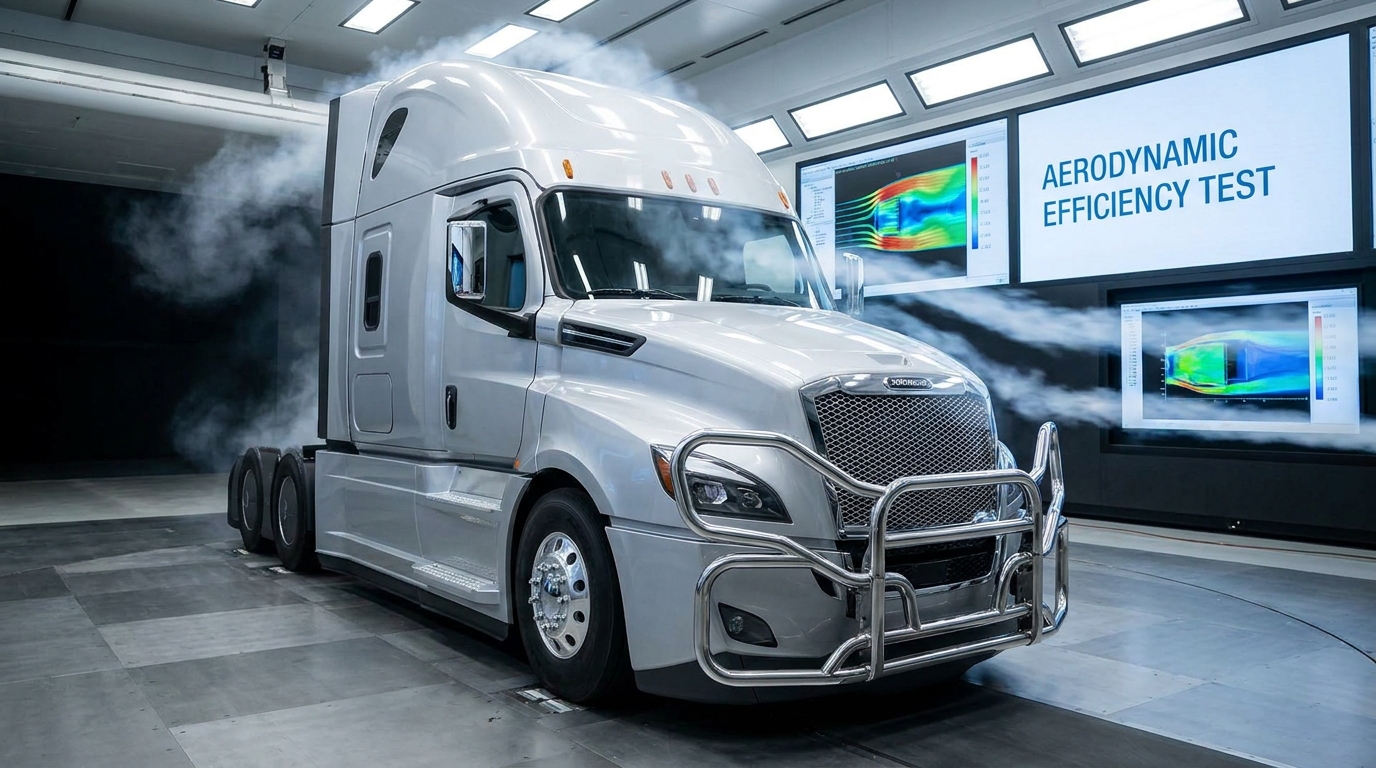
- Aerodynamic contours that minimize wind resistance and noise.
A compatible guard keeps your digital safety systems active while providing a rugged physical shield. Key Takeaway: Specifying ADAS-compatible guards ensures that your physical defenses work in perfect harmony with your vehicle’s electronic safety systems.
| Integration Metric | Cheap Non-Compatible Guard | Premium Engineered Guard |
|---|---|---|
| Radar Functionality | Triggers frequent false alarms and sensor faults | Operates perfectly within factory calibration limits |
| Radiator Airflow Rate | Restricts vital cooling air, increasing engine temps | Maintains over 95% of OEM-specified volumetric airflow |
| Aerodynamic Efficiency | Increases wind resistance, reducing fuel economy | Contoured design maintains optimal aerodynamic efficiency |
Choosing engineered, sensor-compatible guards ensures your advanced digital safety systems remain active and fully functional.
What makes heavy duty truck guards durable?
The durability of heavy duty truck guards is determined by the quality of the raw alloys, precision AWS-certified welding, and advanced structural engineering. Investing in cheap, poorly manufactured bumpers often leads to premature cracking and rust. High-quality construction guarantees that your investment will withstand the punishing reality of daily commercial operations.
From the thickness of the tubular walls to the strength of the structural joints, every detail matters when absorbing a high-energy collision. A truly durable guard is built to handle multiple impacts over its lifetime.
How are they manufactured?
But here is the catch: premium manufacturers use state-of-the-art CNC bending and laser cutting to ensure perfect consistency and fitment across every unit. If you choose a guard that relies on sub-standard manual welding, structural weak points will inevitably fail. Look for these essential manufacturing standards:
- Heavy-gauge tubular walls that resist severe denting.
- AWS-certified structural welding for maximum joint strength.
- Multi-stage corrosion-resistant surface coatings.
High-quality raw materials ensure the guard can bend without fracturing, absorbing energy during catastrophic collisions. Key Takeaway: Insisting on high manufacturing standards guarantees that your front-end armor will survive extreme real-world impacts and protect your assets.
| Manufacturing Metric | Entry-Level Utility Guard | Premium Industrial Guard |
|---|---|---|
| Tubular Wall Gauge | Thin 2.0mm steel (Prone to severe denting) | Heavy-duty 5.0mm structural alloy tubing |
| Welding Standards | Standard commercial welds with potential porosity | AWS structural welding certification |
| Anti-Corrosion Finish | Standard liquid paint (Chips and rusts quickly) | Multi-stage powder coating or marine-grade polish |
Inspecting raw material thickness and welding certifications guarantees your physical guards are built for extreme durability.
How to resolve heavy duty truck guards FAQs?
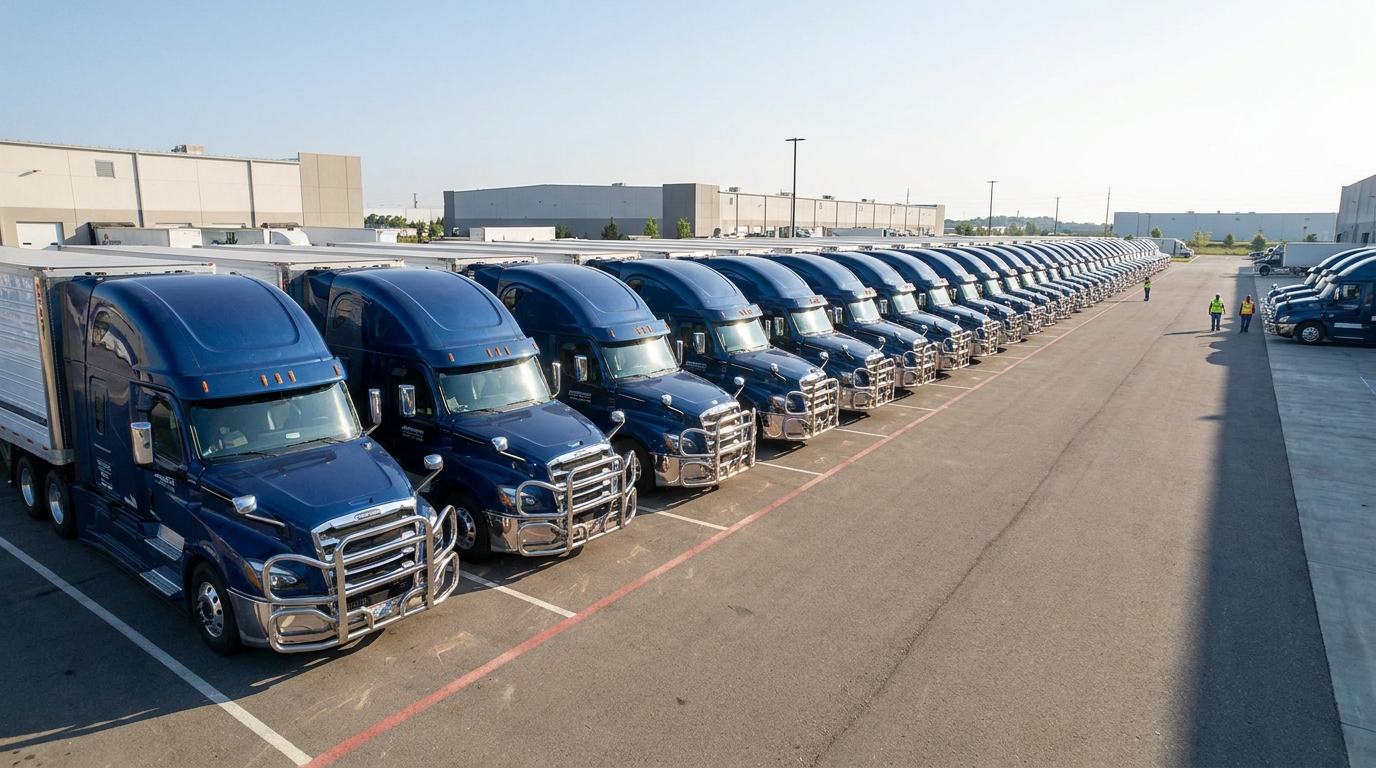
Resolving common questions about heavy duty truck guards helps fleet managers select the absolute best protection systems for their specific operational requirements. Understanding the technical specifications, compatibility requirements, and installation procedures ensures a smooth rollout across your entire fleet. This knowledge empowers you to make highly informed purchasing decisions that yield immediate risk-reduction benefits.
By addressing these common inquiries upfront, we help you eliminate confusion and streamline your procurement process. Here are the answers to the most frequent questions we receive from commercial fleet operators.
Can I protect aerodynamic trucks?
Think about it: you might worry that mounting structural armor on aerodynamic tractors will hurt your fuel economy. Fortunately, leading manufacturers design these components with swept-back, contoured profiles that follow your vehicle’s clean aerodynamic lines. Here are three key aerodynamic features to look for:
- Swept-back outer uprights that follow the hood profile.
- Low-profile mounting brackets that reduce under-chassis turbulence.
- Integrated air-dam openings to optimize ground-effect aerodynamics.
Can I install guards on aerodynamic tractors? Yes, you can absolutely install these guards on aerodynamic trucks without losing fuel efficiency. What’s the best material for extreme cold? High-tensile, marine-grade aluminum is the superior choice for freezing northern climates because it retains flexibility.
How do I know if my safety systems are clear?
Let’s face it: maintaining clear lines of sight for your truck’s advanced driver-assistance systems (ADAS) is absolutely vital for highway safety. If you install an improperly designed barrier, you risk blocking your front-facing radar sensors and triggering frequent dashboard faults. Consider these vital system checks before making your purchase:
- Choose guards with pre-engineered, radar-compatible cutouts.
- Verify sensor alignment and field-of-view clearance post-installation.
- Consult manufacturer integration guides for specific truck models.
How do I know if my ADAS sensors are clear? You can verify this easily by choosing guards with pre-engineered, radar-compatible cutouts. Can I reuse a guard after an animal strike? No, you should not reuse a guard because the metal has likely experienced internal material fatigue.
How do I choose between guard styles?
But here is the catch: choosing the right level of coverage depends heavily on your specific regional routes and wildlife hazards. If your trucks run remote lanes at night, you need a different level of protection than standard interstate transport. Keep these style considerations in mind for your fleet:
- Full-bumper replacements are essential for severe, high-risk regional wildlife lanes.
- Standard grille guards offer excellent, cost-effective defense for highway-only operations.
- Quick-tilt mounting systems are required to ensure mechanics maintain easy engine access.
How do I know if my fleet needs full bumpers or grille guards? You must evaluate your routes and choose a full-bumper replacement for high-risk, northern lines, or a standard grille guard for low-exposure interstate hauling. Key Takeaway: Resolving these core technical questions ensures your fleet selects the most effective, compatible, and durable front-end protection available.
Conclusion: Securing Your Fleet’s Future
Standardizing front-end protection across your fleet is a powerful way to mitigate physical risk, lower operational costs, and keep your drivers safe. By installing high-quality, frame-mounted bumpers on your Class 8 trucks, you build an ironclad defense against unpredictable road hazards. If you are ready to secure your assets and maximize your uptime, contact us today to explore our premium OEM and fleet standardization programs.
At Brontec, we specialize in manufacturing elite-grade moose bumpers and grille guards engineered to withstand the harshest environments. Our precision-designed physical armor protects your vehicles, secures your cargo, and keeps your transport operations running on schedule. Let us help you pave a safer, more resilient path forward on every mile of the open road.