
Yes, investing in a high-quality moose guard for semi truck absolutely pays for itself by preventing catastrophic front-end damage, avoiding expensive towing fees, and eliminating devastating operational downtime. Picture yourself navigating a desolate, snow-dusted highway at midnight when a sudden obstacle emerges directly in your high beams. Without structural armor, that single split-second encounter triggers a cascade of thousands of dollars in mechanical repairs, sky-high towing bills, and weeks of lost revenue while your truck sits idle in a shop. Equipping your vehicle with a premium protective shield changes this equation entirely, transforming unpredictable road hazards into minor, manageable events.
Why invest in a moose guard for semi truck?
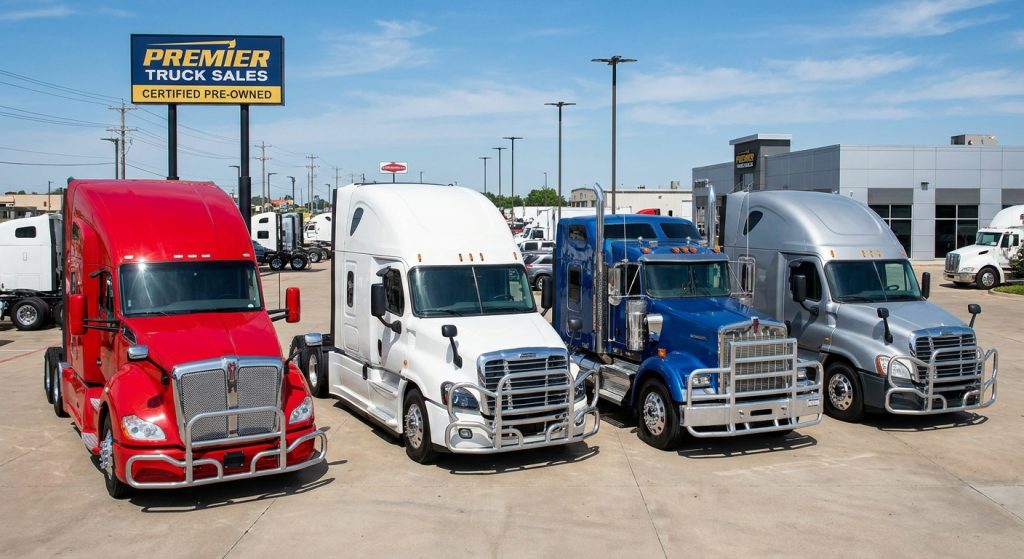
You need to invest in a front-end shield because it guards your heavy machinery against catastrophic structural destruction. Operating without a heavy-duty moose guard for semi truck exposes your engine block and cooling system to devastating impacts. A single collision can easily rupture your radiator, leaving you stranded on remote corridors. By installing proper defense, you protect both your driver’s safety and your bottom line.
What are the primary collision risks on northern routes?
Let’s face it: navigating remote northern routes puts you in direct path of massive wildlife like moose or elk. Because of their high center of gravity, a collision at highway speeds can crush your grille and push heavy debris directly into the cabin.
- Structural Collapse: High-impact forces immediately disable the cooling pack.
- Severe Thermal Stress: Instant coolant loss can seize your engine within seconds.
- Safety Hazards: Deflected debris risks breaching your windshield and injuring your driver.
Key Takeaway: Installing a heavy-duty front guard protects high-value drivetrain components, transforming unpredictable wildlife hazards into minor operational blips.
| Cost Comparison Metric | Unprotected Truck | Protected with Guard |
|---|---|---|
| Average Towing Expenses | $1,500 – $4,500 | $0 (Drivable) |
| Parts & Cooling Package | $4,000 – $8,000 | $0 – $500 |
| Estimated Total Repair Cost | $10,200 – $22,000+ | $0 – $1,100 |
This comparative analysis demonstrates how a single avoided wildlife strike fully pays back your initial capital expenditure.
How does a moose guard for semi truck save money?
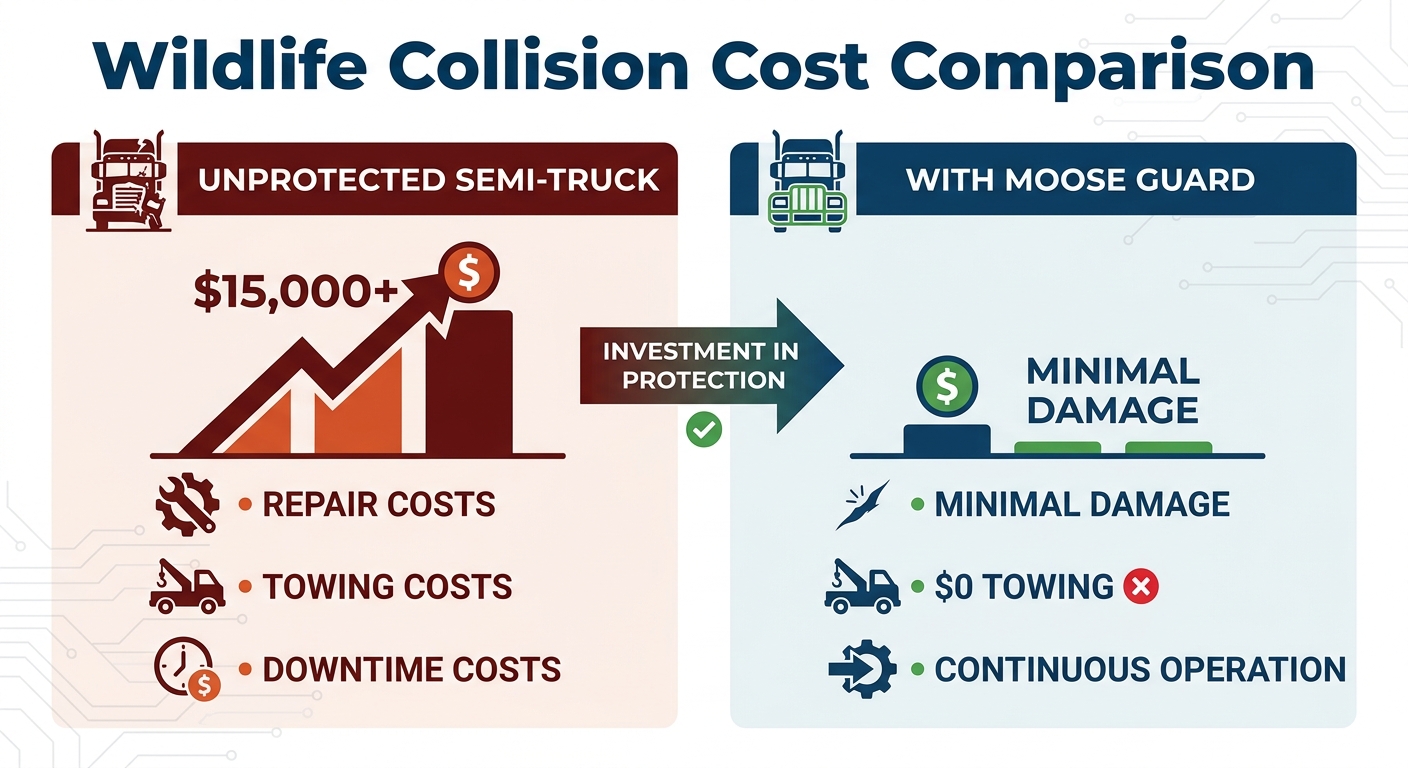
This protective accessory saves you money by preventing costly downtime and safeguarding your fleet’s insurance loss runs. By absorbing massive impact energy and transferring it to the vehicle frame, a moose guard for semi truck prevents catastrophic mechanical failures. This ensures your vehicle remains completely operational and avoids high-stress towing scenarios. Over time, the accumulated savings from avoided repairs directly boost your operational margins.
How does downtime mitigation protect contract SLAs?
Think about it: every day your commercial truck sits idle in a repair shop is a day of lost freight revenue. Strict Service Level Agreements (SLAs) often penalize late shipments, compounding your financial losses.
- Contractual Protection: Avoid severe late-delivery penalties and protect shipping accounts.
- Driver Retention: Prevent driver turnover by keeping your operators moving and earning.
- Secondary Cargo Transport: Eliminate the massive expense of dispatching recovery trucks.
Key Takeaway: Shielding your fleet preserves logistics contract payouts, keeps drivers happy on the road, and stabilizes your operational insurance loss records.
| 5-Year Financial Outlook | Standard OEM Bumper | Premium Guard Installed |
|---|---|---|
| Estimated Claim Incidents | 2.4 claims per tractor | 0.2 claims per tractor |
| Out-of-Pocket Deductibles | $7,200 average total | $0 average total |
| Annual Insurance Premium Rate | 8% to 15% escalation | 0% to 3% stable flat-rate |
Evaluating these long-term insurance trends reveals that front-end protection acts as a high-return policy for your balance sheet.
What specs define a tough moose guard for semi truck?
The toughness of a guard is defined by high-tensile materials, certified welding, and robust structural mounting brackets. When selecting a moose guard for semi truck, understanding metallurgical properties is crucial to ensuring reliable impact performance. Standard designs often fail under stress due to thin metals or subpar joint connections. A truly resilient guard distributes collision energy evenly across the chassis frame without buckling.
Why does metal grade dictate field performance?
Here is the thing: the specific grade of aluminum or steel determines whether your guard springs back after an impact or folds into your hood. Commercial-grade builds leverage premium materials to optimize both weight and tensile strength.
- High-Tensile Aluminum: 6061-T6 aircraft-grade aluminum offers an elite strength-to-weight ratio.
- Heavy-Wall Tubing: Utilizing 3-inch to 4-inch outer diameter structures resists deep buckling.
- High-Yield Stainless Steel: 304 stainless steel delivers maximum strength and structural rigidity.
Key Takeaway: Specifying premium alloys and heavy-wall tubing prevents the bumper from collapsing backward into fragile engine components during a strike.
| Engineering Metric | Premium 304 Stainless | Aircraft-Grade 6061-T6 Aluminum |
|---|---|---|
| Structural Yield Strength | 215 – 290 MPa | 240 – 276 MPa |
| Weight Added to Axle | Moderate to High (120-180 lbs) | Ultra-lightweight (75-110 lbs) |
| Corrosion Resistance | Excellent (No coating needed) | High (Polished or powder-coated) |
Reviewing these mechanical properties helps you match the perfect guard material to your regional payload and weight requirements.
How does a moose guard for semi truck protect cooling?
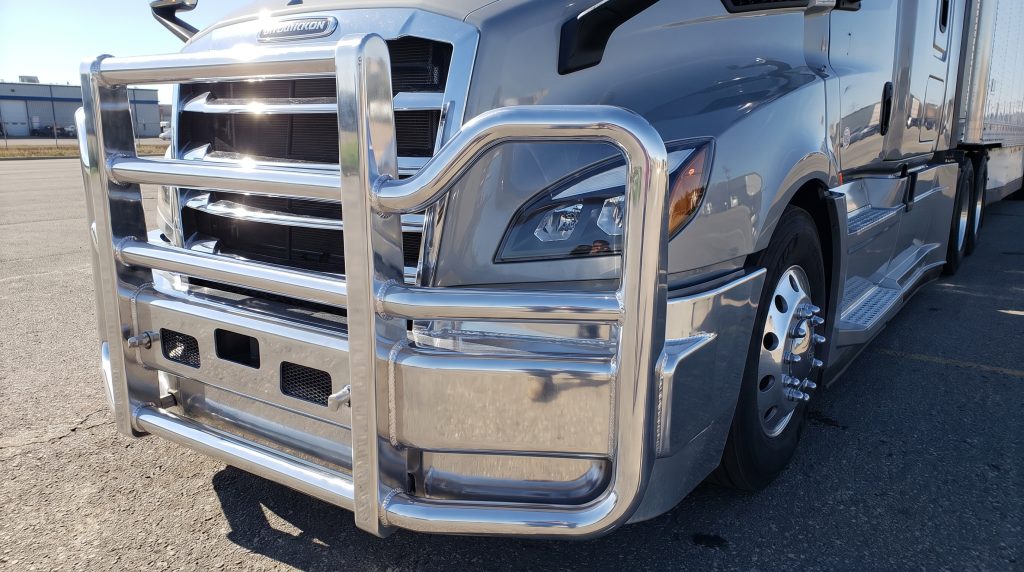
High-quality guards maintain cooling performance by pairing physical impact armor with aerodynamic, open-grid spacing. A poorly designed moose guard for semi truck can choke your engine by restricting airflow, leading to severe thermal stress. Modern engineers utilize computational fluid dynamics to verify that wind passes smoothly through the guard. This design ensures your cooling package receives maximum airflow even during heavy hauling climbs.
What is the risk of restricted engine airflow?
But that is not all: choking your radiator forces your truck’s electronic control unit to automatically limit engine horsepower. This protective derate drops your vehicle speed, causing hazardous driving situations on steep highways.
- Engine Power Derates: ECU safety overrides can leave you crawling up mountain passes.
- Overworked Fan Clutches: Constant cooling fan engagement drains valuable engine power.
- High Fuel Consumption: Restricting airflow indirectly increases your fleet’s fuel burn rates.
Key Takeaway: Aerodynamically optimized grids protect your radiator from flying debris without triggering costly electronic engine power derates.
| Grill Configuration | Airflow Efficiency | Engine Temperature Delta | Fan Clutch Duty Cycle |
|---|---|---|---|
| Bare OEM Grille Only | 100% (Baseline) | Standard Operating Temp | Normal standard cycle |
| Aero-Spaced Guard | 96% – 98% | +1.5°C (Safe margin) | Standard cycle |
| Flat-Bar Utility Guard | 78% – 83% | +6.0°C (Derate risk) | High duty cycle |
Choosing an aerodynamically advanced grille design guarantees that thermal performance is never compromised for physical protection.
Can a steel moose guard for semi truck lower fuel costs?
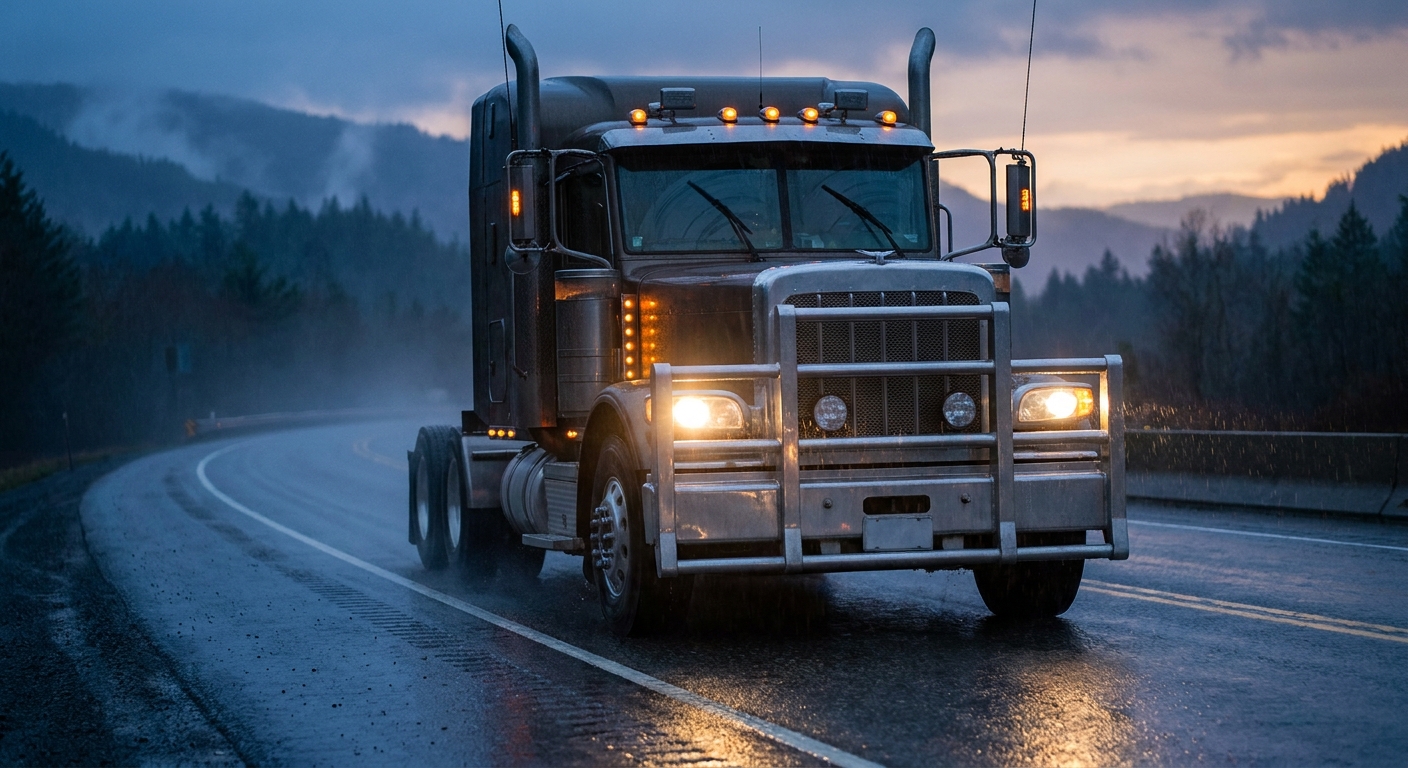
Yes, a guard can actually preserve fuel efficiency by incorporating aerodynamic wrap-around styling that channels air smoothly around your tractor. Using an aerodynamic moose guard for semi truck minimizes the turbulent drag pockets created at the front corners of your vehicle. Lightweight materials further ensure that adding front-end protection does not cause weight-related fuel penalties. This aerodynamic optimization maintains your truck’s engineered fuel economy over thousands of highway miles.
Do wrap-around contours reduce wind drag?
Think about it: flat-faced bumpers act like sails, creating massive aerodynamic drag on the open highway. High-end protective guards are swept back to blend seamlessly with modern, aerodynamic tractor hoods.
- Wind Deflection: Swept tubes direct high-velocity air smoothly past front tires.
- Low Drag Coefficients: Contour-matched profiles maintain factory aerodynamic specs.
- Payload Capacity: Ultra-lightweight alloys keep your front axle weight within legal limits.
Key Takeaway: Aerodynamically sculpted guards protect your front end while maintaining your tractor’s optimal fuel economy and payload margins.
| Guard Geometry Type | Drag Coefficient Impact | Axle Weight Added | Estimated Fuel Impact (120k mi) |
|---|---|---|---|
| Curved Aero Aluminum | +0.2% | +85 lbs | Negligible change (<$50/year) |
| Swept-Back Heavy Steel | +0.8% | +165 lbs | +$140/year |
| Flat-Faced Utility Steel | +1.8% | +195 lbs | +$320/year |
This data proves that selecting an aerodynamically contoured guard prevents safety gear from acting as a drag on your fuel wallet.
Why do logging fleets need a moose guard for semi truck?

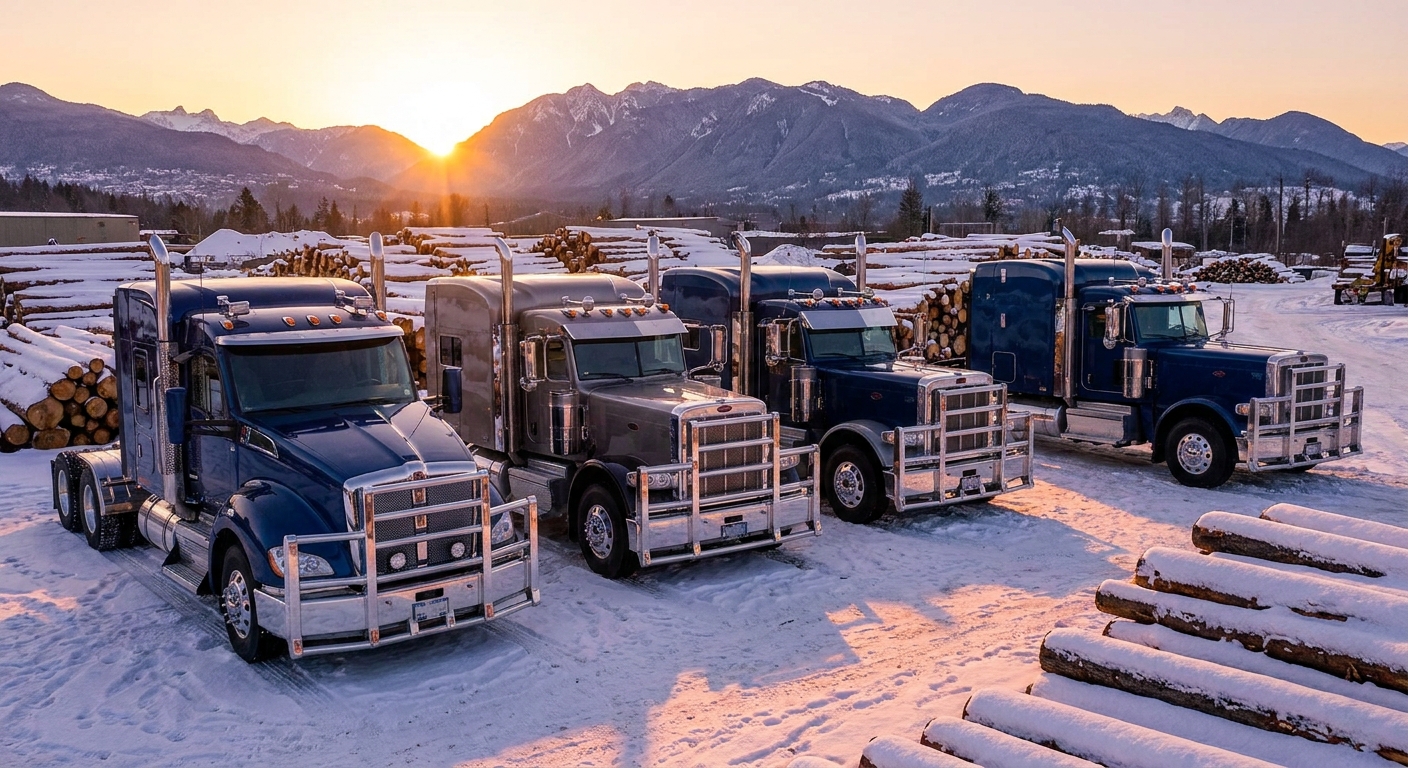
Logging and forestry transport operations require these guards to handle severe off-road debris, branch strikes, and high-frequency road vibrations. Operating in unpaved wilderness corridors without a rugged moose guard for semi truck invites immediate mechanical downtime. Constant shaking on rough haul roads quickly cracks low-grade manual welds on standard bumpers. Professional logging-grade guards are engineered to withstand continuous mechanical stress and heavy debris impacts.
What are the unique hazards of forestry transport?
Here is the thing: forestry routes are unforgiving and present constant physical threats to your cooling package and headlights. From low-hanging branches to flying gravel, your truck needs a heavy-duty shield to survive.
- Branch Sweeps: Heavy-gauge tubing shields costly LED assemblies from branch strikes.
- Pebble Deflection: High-density lower meshes prevent small stones from puncturing cores.
- Weld Durability: Multi-axis computerized welding stops vibration-induced stress fractures.
Key Takeaway: Severe-duty forestry guards prevent weld fatigue under intense off-road vibrations while protecting your headlights and cooling systems from dense brush.
| Forestry Guard Metric | Standard Highway Spec | Forestry Logging Grade Spec |
|---|---|---|
| Direct Impact Resistance | 10,000 – 15,000 lbs | 30,000+ lbs (Reinforced structure) |
| Vibration Protection | Standard poly-bushings | High-frequency dual-bushing dampers |
| Hood Access Design | Spring-assisted fold | Severe-duty pull-pin rapid hinges |
Equipping your vehicles with specialized forestry-grade protection ensures your trucks stay moving through the most brutal terrain.
How is a quality moose guard for semi truck manufactured?
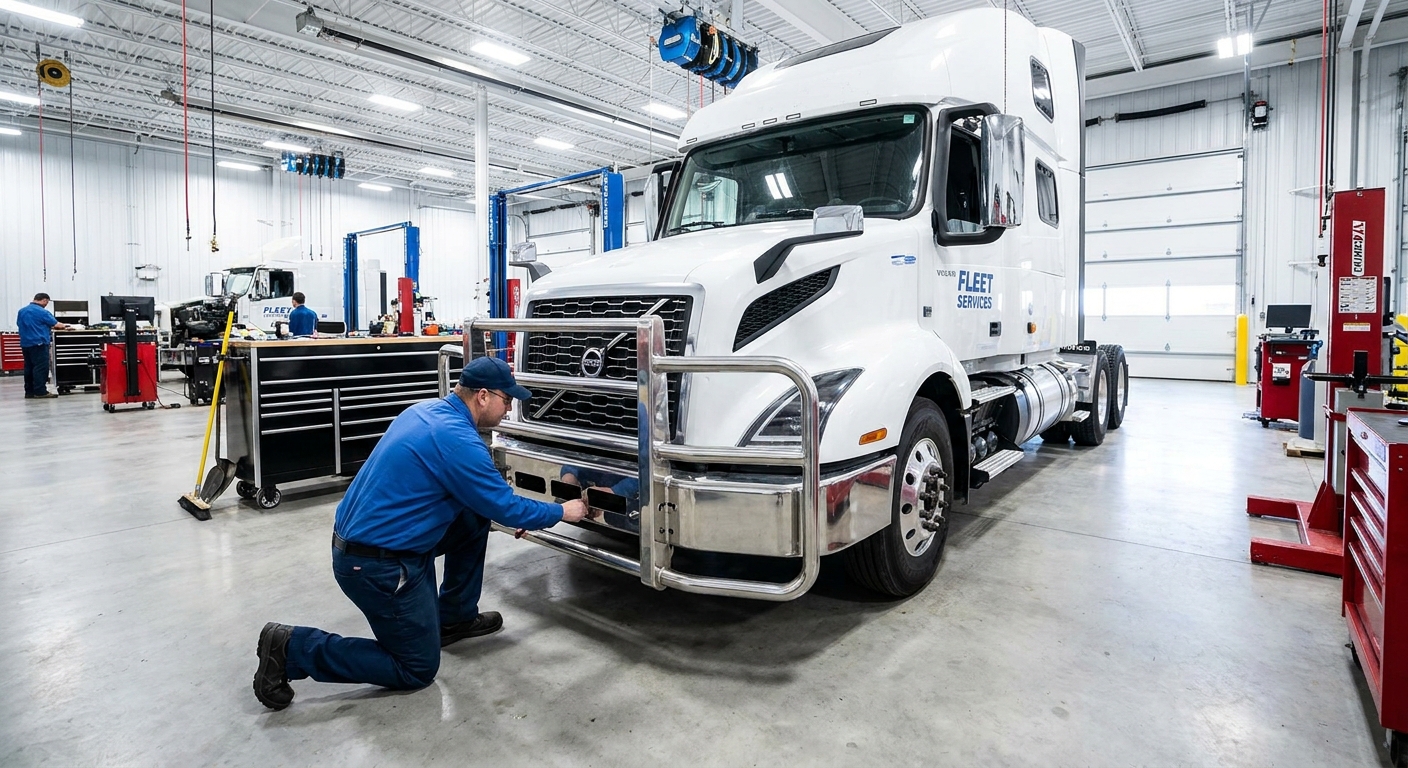
Premium guards are manufactured in advanced facilities utilizing CNC rotary tube bending, robotic welding, and master check-jigs to eliminate physical defects. Sourcing a certified moose guard for semi truck ensures that your safety equipment is built to exact, repeatable tolerances. Human error in manual welding often creates weak points that fail during high-impact collisions. Computerized automation locks in consistent weld penetration and structural strength across every production run.
Why does automated fabrication outperform manual welding?
But that is not all: automated production guarantees that the guard you buy today has the exact same structural integrity as the prototype. Every bend and joint is digitally verified to ensure perfect alignment.
- Robotic MIG/TIG: Ensures uniform weld penetration and eliminates heat-affected weaknesses.
- CNC Precision: Mandrel tube benders maintain wall thickness and structural strength.
- Master Checking Jigs: Every guard undergoes strict physical fitment tests before shipping.
Key Takeaway: Computerized robotic welding and CNC fabrication eliminate structural variances, ensuring absolute reliability when a real-world impact occurs.
| Manufacturing Process | Certified Automated Production | Local Manual Fabricator |
|---|---|---|
| Dimensional Tolerance | Strict ±0.5 mm control | Variable ±5.0 mm to ±10.0 mm |
| Welding Quality | Automated, deep gas-shield fusion | Manual arc (highly variable) |
| Fitment Assurance | Master-model verification check | Visual check only (risk of misalignment) |
Investing in automated, precision-manufactured safety equipment guarantees flawless field installations and long-term durability.
Does a heavy-duty moose guard for semi truck fit easily?
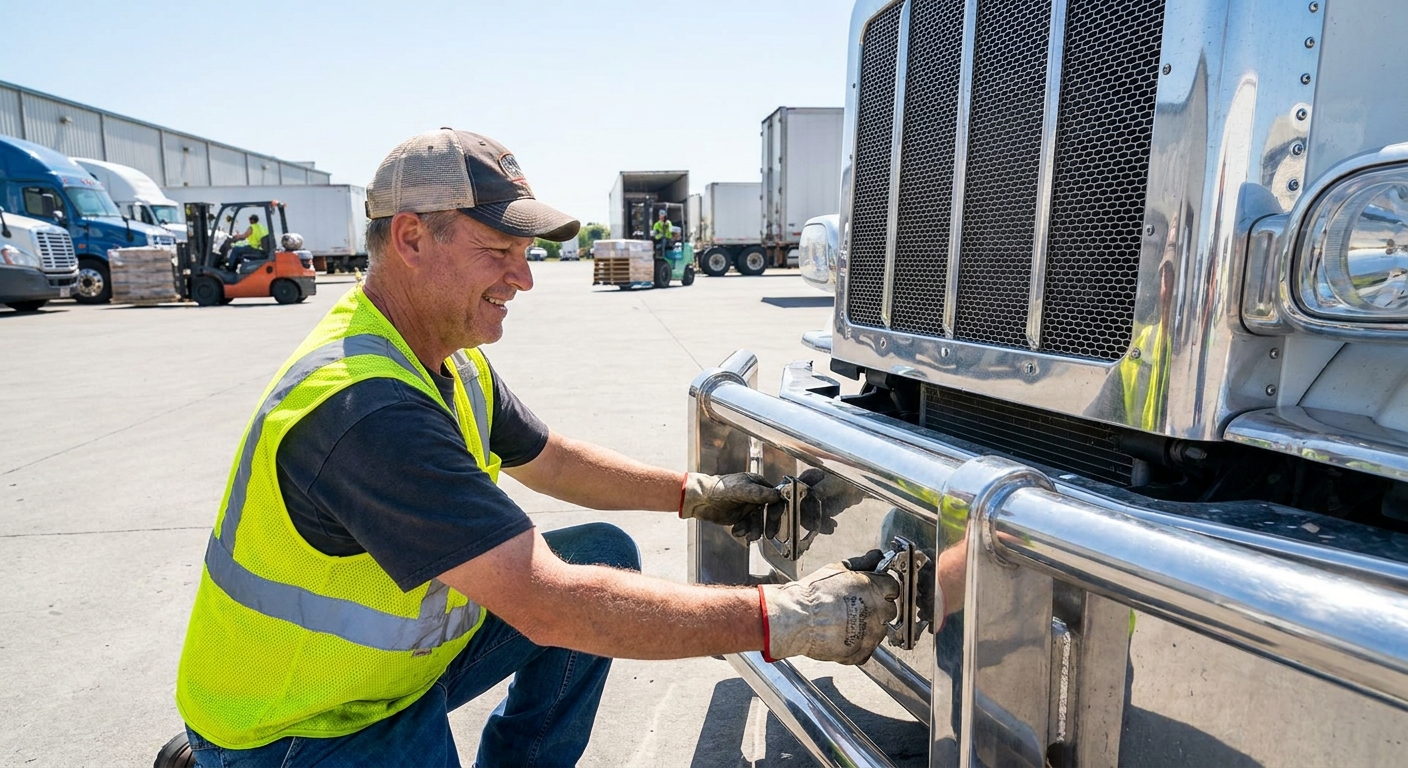
Yes, high-quality protective guards are engineered to fit easily by utilizing direct-bolt, model-specific mounting brackets. Installing a well-engineered moose guard for semi truck requires absolutely no frame drilling, welding, or modifications. These customized bracket designs slide straight into your tractor’s pre-existing factory frame holes. This straightforward installation process keeps your fleet’s structural frame warranties completely intact.
How does a bolt-on bracket system simplify maintenance?
Let’s face it: your mechanics’ time is extremely valuable, and they should not be wasting hours custom-fitting guards. Direct-bolt brackets cut installation time down to minutes, while functional hinges speed up pre-trip checks.
- Rapid Deployment: Mechanics can complete an entire installation in under 45 minutes.
- Quick-Access Hinging: Easy fold-down pins allow drivers to lower the guard in seconds.
- Zero Frame Rusting: Avoiding drilling prevents structural corrosion from developing.
Key Takeaway: Vehicle-specific brackets guarantee rapid, hassle-free installation and preserve easy hood access for daily fluid checks.
| Installation Metric | Direct-Bolt Engineered Mounts | Universal Weld-On Guard |
|---|---|---|
| Average Install Time | 30 to 45 minutes | 4 to 6 hours (High labor costs) |
| Reversibility Profile | 100% removable and reusable | Permanent (Requires torch cutting) |
| Frame Integrity | No modifications (Preserves warranty) | Damaged (Drilled or welded) |
Using model-specific mounting systems protects your truck frames while drastically reducing labor costs during fleet-wide rollouts.
How does a custom moose guard for semi truck manage risk?
Custom guards manage operational risk by integrating seamlessly with modern driver assistance safety sensors. By choosing a custom moose guard for semi truck, you ensure that your active safety systems operate without physical interference. Off-the-shelf, non-compatible guards can easily block radar waves, leading to dangerous sensor errors. Specifying a customized, radar-compatible design keeps all critical electronic safety measures active.
How do guards maintain active ADAS functionality?
Think about it: collision mitigation systems rely on forward-looking sensors to trigger emergency braking. Premium safety guards include certified cutouts and mounting points that never block these delicate radar patterns.
- Radar Compatibility: Dedicated sensor cutouts prevent false warning triggers.
- Certified Geometries: Engineered layout preserves exact camera field-of-view limits.
- Fleet Standardization: Custom setups accommodate multi-brand tractor configurations.
Key Takeaway: Co-developing guards with custom sensor integrations allows your fleet to utilize advanced safety technologies without compromising physical armor.
| Feature Profile | Off-the-Shelf Guard | Custom Radar-Compatible Guard |
|---|---|---|
| Active ADAS Operation | Risk of false braking triggers | 100% active, certified calibration |
| Heavy Duty Tow Pins | Often blocked or inaccessible | Fully integrated, easy access |
| Branding Integration | Standard silver/grey finish | Custom powder coating match |
Developing custom, technology-integrated guards ensures that physical armor and electronic safety work together to protect your drivers.
What is asked about a moose guard for semi truck?

Fleet buyers and owner-operators frequently raise questions about compatibility, maintenance, and structural longevity. Sourcing a reliable moose guard for semi truck means addressing critical queries about operational wear and payload impact. To help guide your purchasing decisions, we have compiled the most common inquiries from experienced transportation managers. These answers highlight how modern engineering has solved historical issues with safety accessories.
What are the primary concerns of fleet managers?
But that is not all: understanding structural lifespan, warranty impacts, and practical daily use is key to making a sound investment. Modern, premium designs have directly addressed these points.
- Maintenance Simplicity: Fold-down hinges mean zero interference with under-hood maintenance.
- Lifespan Expectations: Corrosion-resistant metals are built to outlast your truck’s fleet lifecycle.
- Safety Integration: Seamless integration ensures radar sensors maintain complete highway coverage.
Key Takeaway: Selecting a well-researched, premium protective bumper guarantees long-term durability and trouble-free fleet integration.
| Procurement Metric | Standard Steel Bumpers | Premium Safety Guard |
|---|---|---|
| Average Lifespan | 2 to 3 years (Rust risk) | 10+ years (Outlasts vehicle) |
| Maintenance Frequency | Frequent structural alignment | Annual bushing lubrication check |
| Residual Resale Value | Negligible impact | High (Protects hood and grille) |
Reviewing these critical fleet concerns confirms that a high-quality bumper guard is a durable asset that holds its value.
Synthesizing Fleet Savings & Strategic Action
Protecting your fleet from unpredictable road hazards is key to securing your bottom-line profitability and keeping your logistics commitments intact. By preventing devastating front-end damage, avoiding massive towing fees, and eliminating operational downtime, high-quality collision protection proves to be a self-funding business strategy. Whether you manage a large-scale commercial fleet or a single heavy-duty logging truck, we offer the engineered structural armor required to transform hazardous routes into safe, predictable runs. To safeguard your investments and find the perfect defense system for your vehicles, contact us today for a comprehensive engineering consultation. Our vision is to empower transportation networks across North America with unbreakable physical security that keeps freight on schedule and every driver safe on the open road.
Frequently Asked Questions
Can I install a front-end bumper guard without drilling into my truck frame?
Yes, you can install these guards without drilling. The engineered brackets use factory frame holes, saving install time and protecting your frame from corrosion.
What’s the best material to choose for wildlife strike protection?
Aircraft-grade aluminum is the optimal choice for weight-sensitive fleets. It provides excellent impact absorption at roughly half the weight of traditional steel, preserving your payload capacity.
How do I know if the safety guard will interfere with my collision mitigation sensors?
Yes, you can ensure zero interference by selecting a certified radar-compatible guard. These models include custom cutout brackets designed to preserve clear sensor sightlines.
Can I easily tilt my truck hood with a heavy guard installed?
Yes, you can easily open your hood in seconds. Premium systems feature dual-action fold-down tilt mechanisms with robust pull-pins for rapid engine access.