
When choosing a front-end protection system, long-haul drivers prioritize structural impact strength, platform-specific fitment, easy engine access, and long-term durability to protect their rigs. Operating a Class 8 truck over thousands of miles exposes you to sudden animal strikes and unpredictable road hazards that can instantly disable your vehicle. A single deer strike or flying tire retread can puncture your radiator, leave you stranded in a remote corridor with no cell service, and cost you thousands of dollars in towing, repairs, and lost cargo revenue. Installing a premium truck guard for long haul shields your engine compartment, minimizes operational downtime, and secures your livelihood.
Why buy a truck guard for long haul routes?
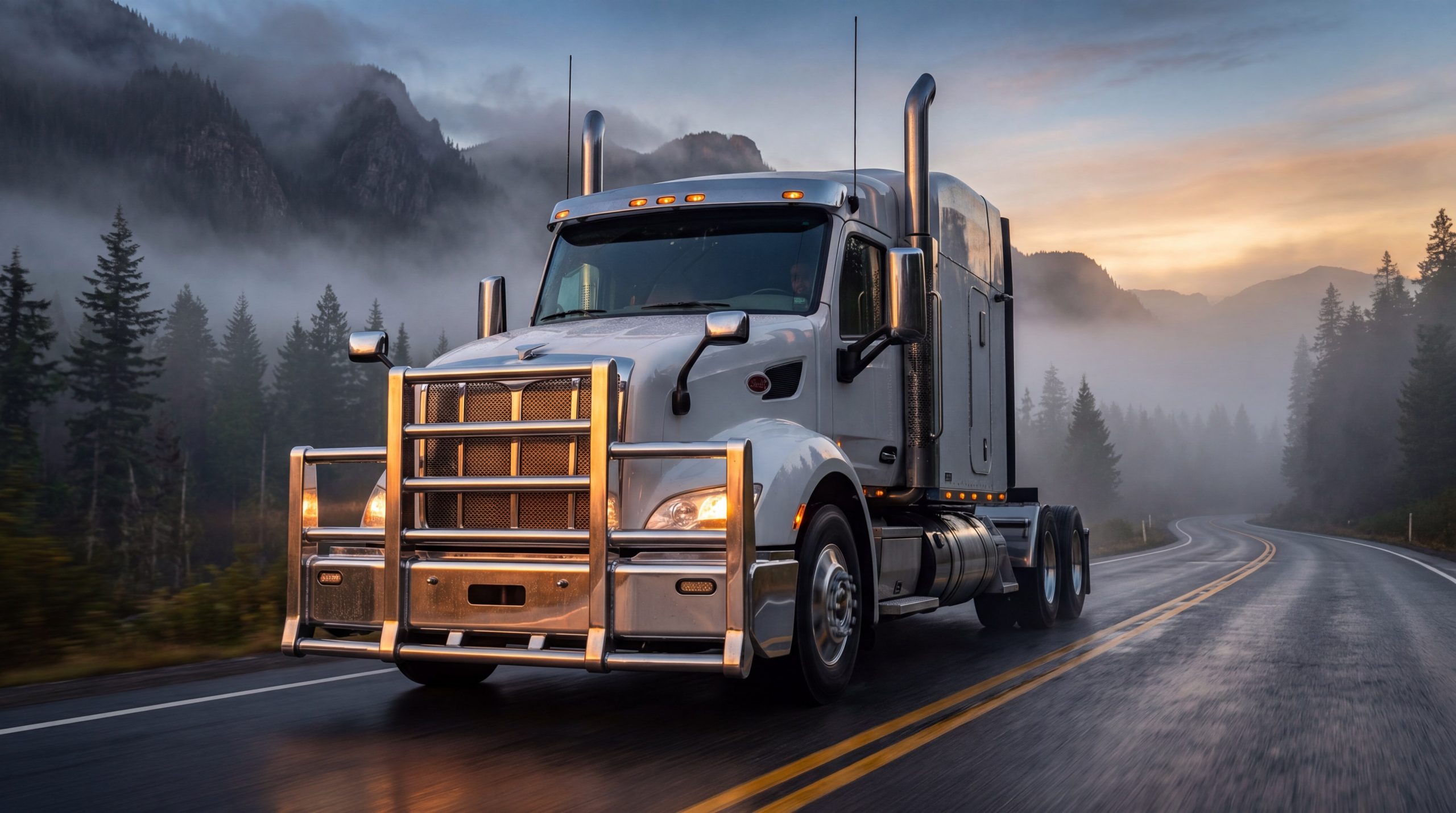
You need to invest in a truck guard for long haul routes because it shields your vehicle’s delicate front-end from severe wildlife strikes, high-speed road debris, and unexpected highway collisions. Protecting these vulnerable areas ensures your truck remains drivable after an impact.
Assessing Your Route-Specific Road Hazards
Every highway route presents its own set of dangers, ranging from loose gravel to dropped cargo. Think about it: regional city delivery routes rarely face the high-speed impacts common on long-distance runs.
- Regional runs operate at lower average speeds.
- Long-haul runs demand heavy-duty defense systems.
Crossing through northern states and Canadian provinces means driving directly through active wildlife migration paths. Look at the facts: a collision with a 1,000-pound animal at highway speed will easily bypass your factory plastic bumper.
- Animal strikes cause catastrophic structural failure.
- Debris punctures the cooling package instantly.
The key takeaway is that active wildlife defense protects both driver safety and fleet profitability. Installing robust front-end barriers ensures your rig can absorb massive impact forces and keep moving toward its destination by optimizing defense setups for Long-Haul Highway Fleets.
| Operational Area | Primary Threat | Recommended Protection Level |
|---|---|---|
| Interstate Highways | Flying tire treads, road debris | Medium (Standard Grille Guard) |
| Remote Backcountry Routes | Large wildlife (Deer, Moose) | High (Heavy-Duty Moose Bumper) |
Evaluating your route geography helps you select the exact level of protection your vehicle requires to stay operational.
How does a truck guard for long haul save money?
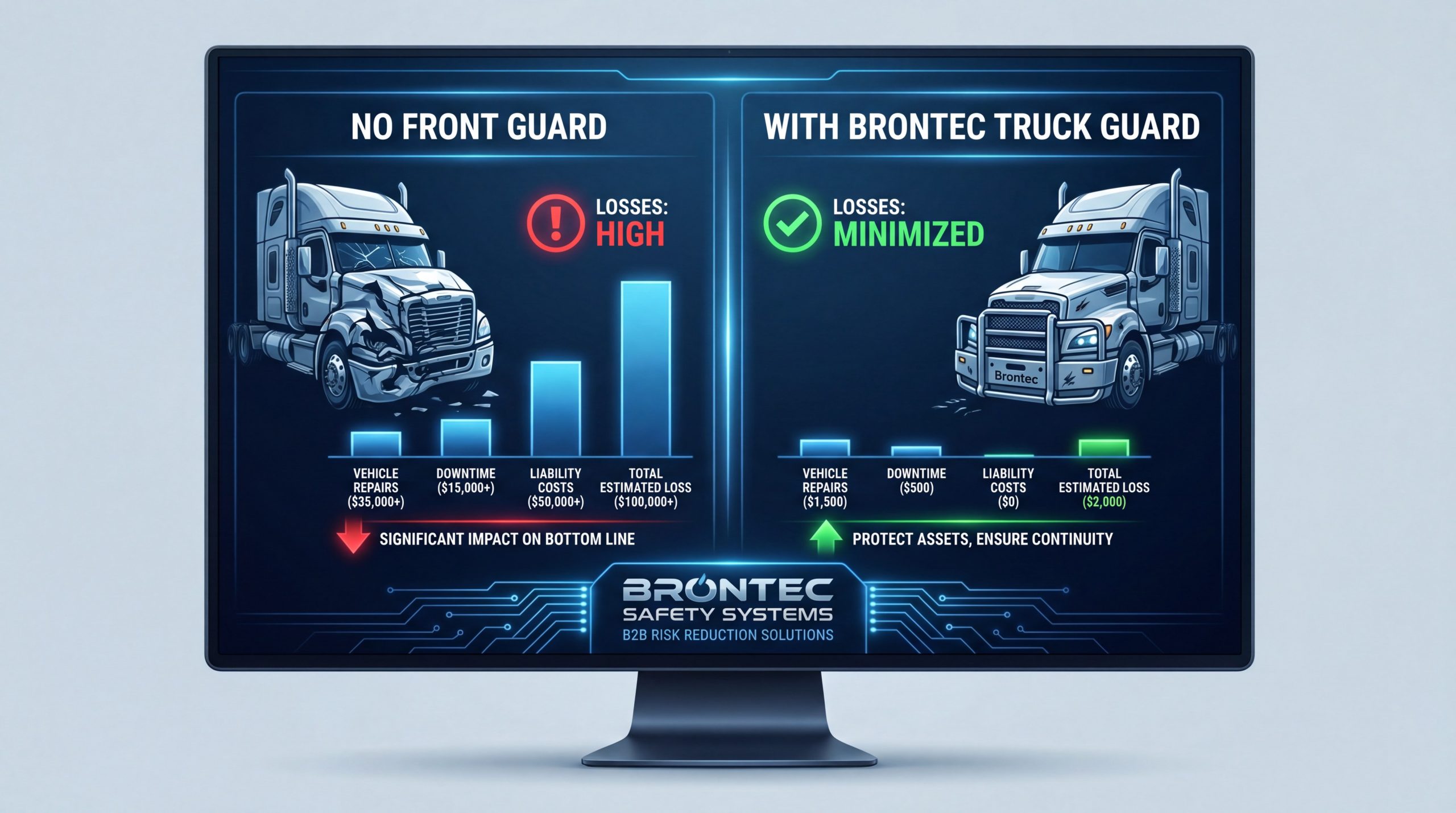
A premium truck guard for long haul saves you money by preventing devastating front-end damage that leads to expensive radiator replacements, mechanical labor bills, and costly towing fees. Avoiding just one collision pays for the guard assembly immediately.
Preventing Costly Radiator and Engine Damage
Your truck’s cooling package is highly vulnerable to even minor front-end collisions. Here is the thing: a punctured radiator can cause immediate engine overheating and permanent damage.
- Radiators and charge air coolers are expensive to replace.
- Overheating leads to catastrophic engine block failures.
Maximizing ROI Through Front-End Cost Reduction
Every dollar saved on collision repairs directly improves your bottom-line profitability. The truth is: front-end protection is an investment that pays for itself after a single avoided incident.
- Avoid costly towing and recovery fees.
- Eliminate high emergency roadside repair surcharges.
The key takeaway is that high-strength guards transform potentially devastating tow-away accidents into minor, manageable incidents. You can review the documented financial results in our Front-End Cost Reduction Case Study to see how this financial safety net keeps your operational capital secure and your trucks running on schedule.
| Expense Type | Cost Without Protection | Cost With Brontec Guard |
|---|---|---|
| Emergency Towing | $3,000+ | $0 |
| Radiator & Engine Repairs | $8,500+ | $0 |
| Revenue Loss from Downtime | $4,000+ | $0 |
The financial data shows that structural protection mitigates heavy capital expenditure risks during your highway runs.
What truck guard for long haul handles wildlife?
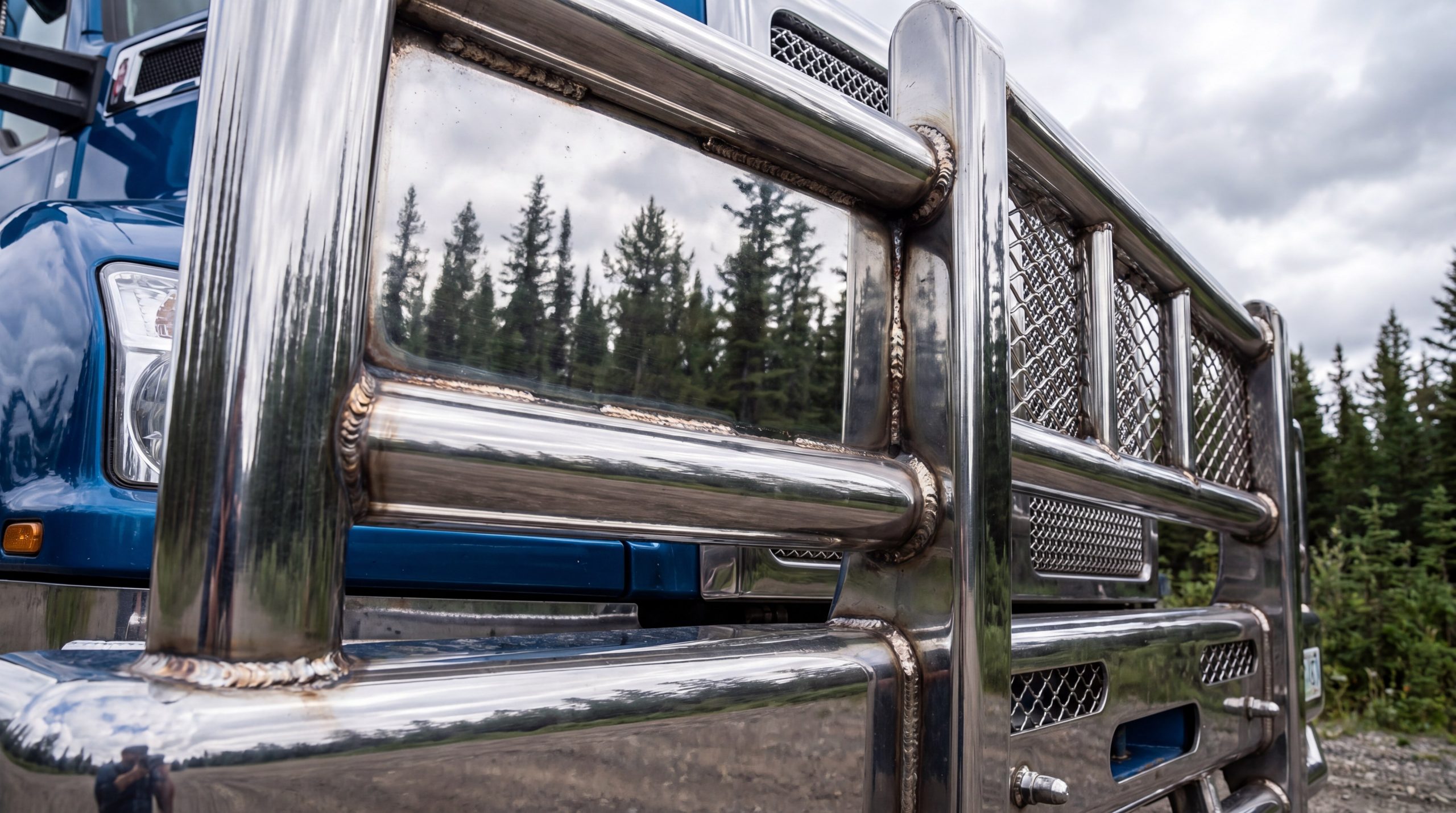
A heavy-duty truck guard for long haul handles wildlife encounters by utilizing energy-absorbing steel or aluminum structures designed to deflect massive impact forces away from the engine cab. This design preserves the steering axle and prevents structural alignment issues.
Heavy-Duty Moose Bumpers for Extreme Impact
Large animals like moose and elk present an extreme threat to highway trucks. Look at this: our structural Moose Bumpers are specifically engineered to withstand these severe impacts.
- Boxed-channel construction provides maximum structural stiffness.
- Internal bracing prevents the guard from collapsing backward.
Streamlined Grille Guards for Standard Protection
Not every route requires a full-size moose bumper to stay safe. But wait, there is more: high-tensile tubular Grille Guards offer excellent protection against deer and road debris.
- Tubular designs offer excellent aerodynamic efficiency.
- High-strength alloys keep total bumper weight low.
The key takeaway is that matching your bumper style to your regional hazard level optimizes both weight and safety. Selecting the appropriate guard ensures your rig stays secure without carrying unnecessary weight.
| Guard Style | Best Environmental Match | Key Engineering Benefit |
|---|---|---|
| Moose Bumper | Heavy forests, northern wildlife corridors | Maximum impact absorption and deflection |
| Grille Guard | Highway corridors, light debris zones | Lightweight protection and aerodynamic efficiency |
Choosing between a full-size bumper or a sleek tubular guard allows you to balance weight limits and structural defense perfectly.
Is a truck guard for long haul easy to access?
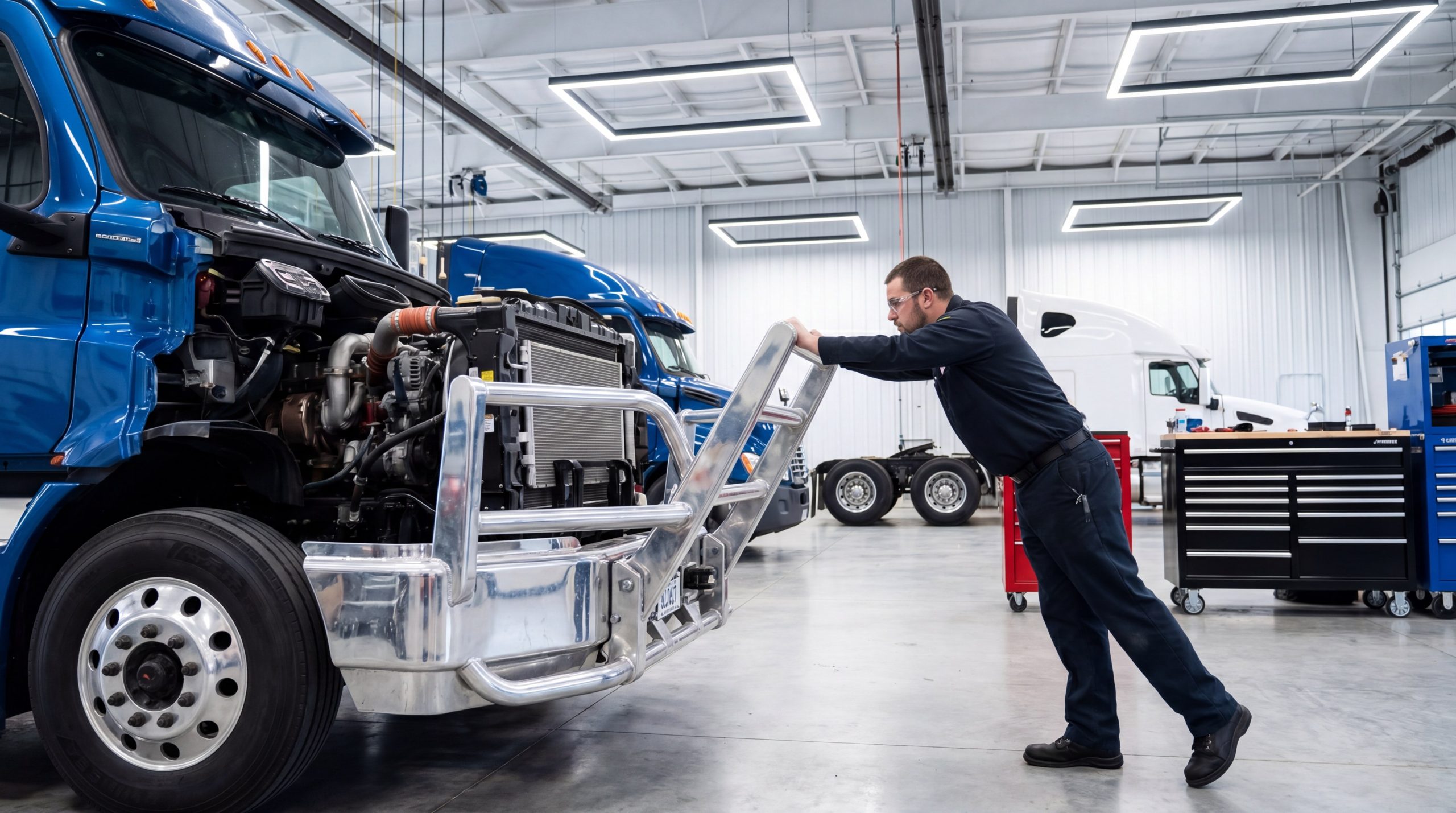
An engineered truck guard for long haul is remarkably easy to access because it features built-in tilt mechanisms that allow for quick, single-handed engine bay access during inspections. Drivers do not need to struggle with heavy tools to perform daily fluid checks.
Seamless Tilt Mechanisms for Daily Pre-Trip Checks
Performing daily safety checks is essential for maintaining your rig’s reliability. Think about it: a heavy guard that requires tools to open will only delay your pre-trip inspection.
- Quick-release latches open in seconds without tools.
- Spring-assisted hinges reduce the physical lifting force required.
Minimizing Maintenance Shop Overhead
Shop labor hours can quickly drain your maintenance budget. In other words: a guard that blocks engine access increases your mechanic’s labor time.
- Easy tilt designs allow fast access to belts and hoses.
- Eliminating guard removal keeps service times short.
The key takeaway is that user-friendly tilt mechanisms prevent unnecessary maintenance delays and extra labor fees. Investing in an accessible guard design keeps your scheduled maintenance quick and cost-effective.
| Mechanism Feature | Operator Benefit | Maintenance Impact |
|---|---|---|
| Quick-Release Latches | Tool-free opening | Speeds up daily inspections |
| Assist Springs | Reduced physical lifting | Lowers risk of operator injury |
| Standard Pivot Hinges | Full engine bay exposure | Minimizes technician labor hours |
Fast mechanical access ensures your truck undergoes thorough inspections and swift servicing without any unnecessary downtime.
Which truck guard for long haul fits your rig?
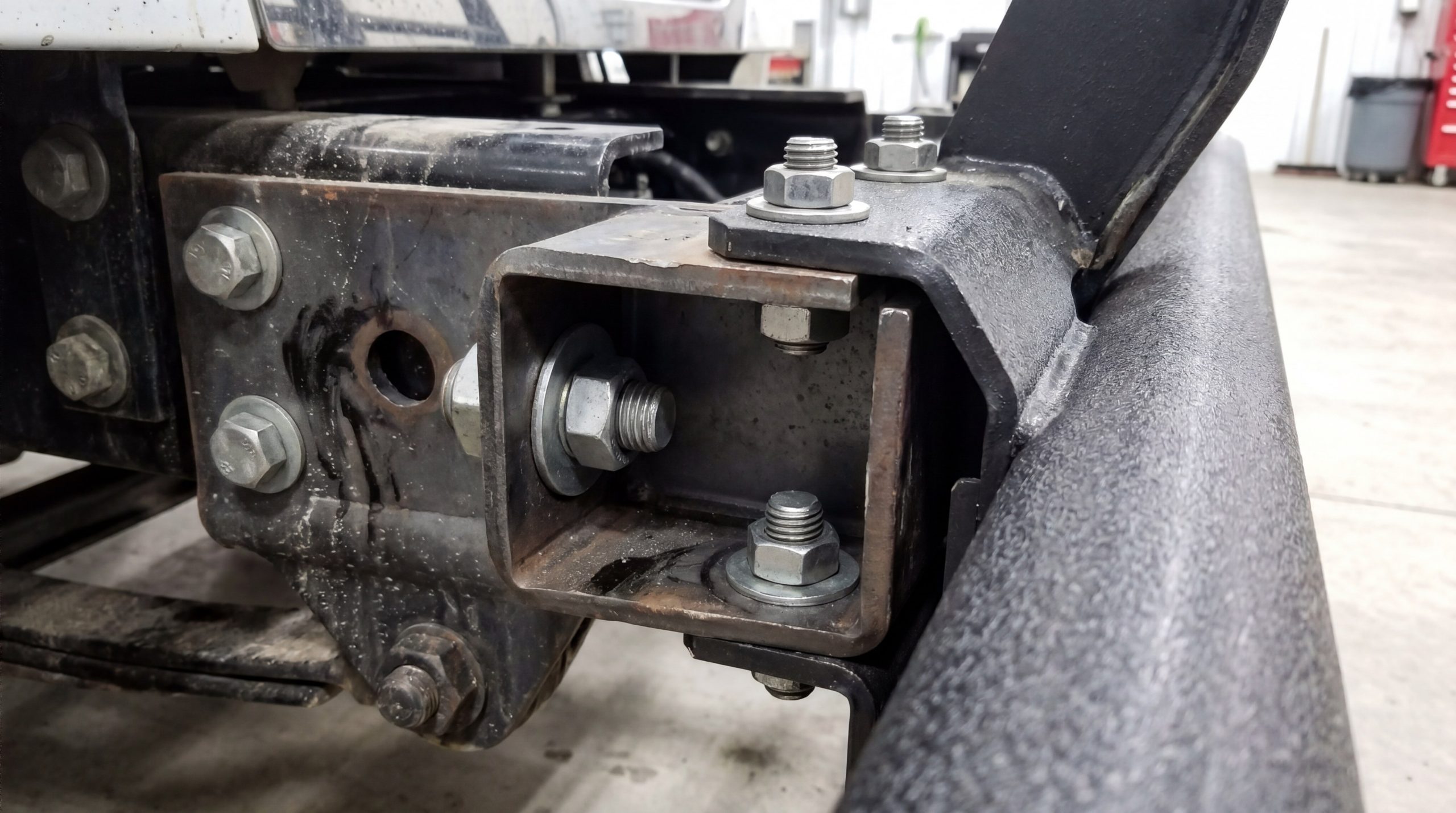
The best truck guard for long haul fits your rig by utilizing vehicle-specific mounting brackets that bolt directly into your truck chassis’s existing tow receiver ports. This custom fitment eliminates structural vibrations and prevents damage to your frame.
The Critical Need for Platform-Specific Custom Fitment
Universal guards often cause severe structural issues due to poor alignment. Look: a poorly fitted guard vibrates constantly and causes structural fatigue on your chassis.
- Custom-engineered frames match your specific truck model.
- Vibration-dampening mounting systems prevent ongoing wear.
Verifying OEM Mounting Holes and Clearances
Installing your new guard should not require modifying your truck’s chassis. That is why: precision engineering guarantees a perfect bolt-on fit using factory-drilled holes.
- Zero drilling is required during installation.
- Perfect clearances allow full hood tilt cycles.
The key takeaway is that platform-specific fitment guarantees an easy installation and rattle-free performance over thousands of miles. Choosing a model-matched guard secures your investment without altering your factory truck frame.
| Fitment Parameter | Precision Metric | Operational Benefit |
|---|---|---|
| Bracket Alignment | 100% bolt-on compatibility | Eliminates chassis drilling or modifications |
| Hood Clearance | Complete tilt range | Allows unimpeded engine compartment access |
| Structural Integrity | Zero-vibration mounting | Prevents fatigue wear on mounting points |
Verifying direct compatibility with your truck’s specific model ensures a secure, worry-free installation that protects your warranty.
Does a truck guard for long haul affect safety?
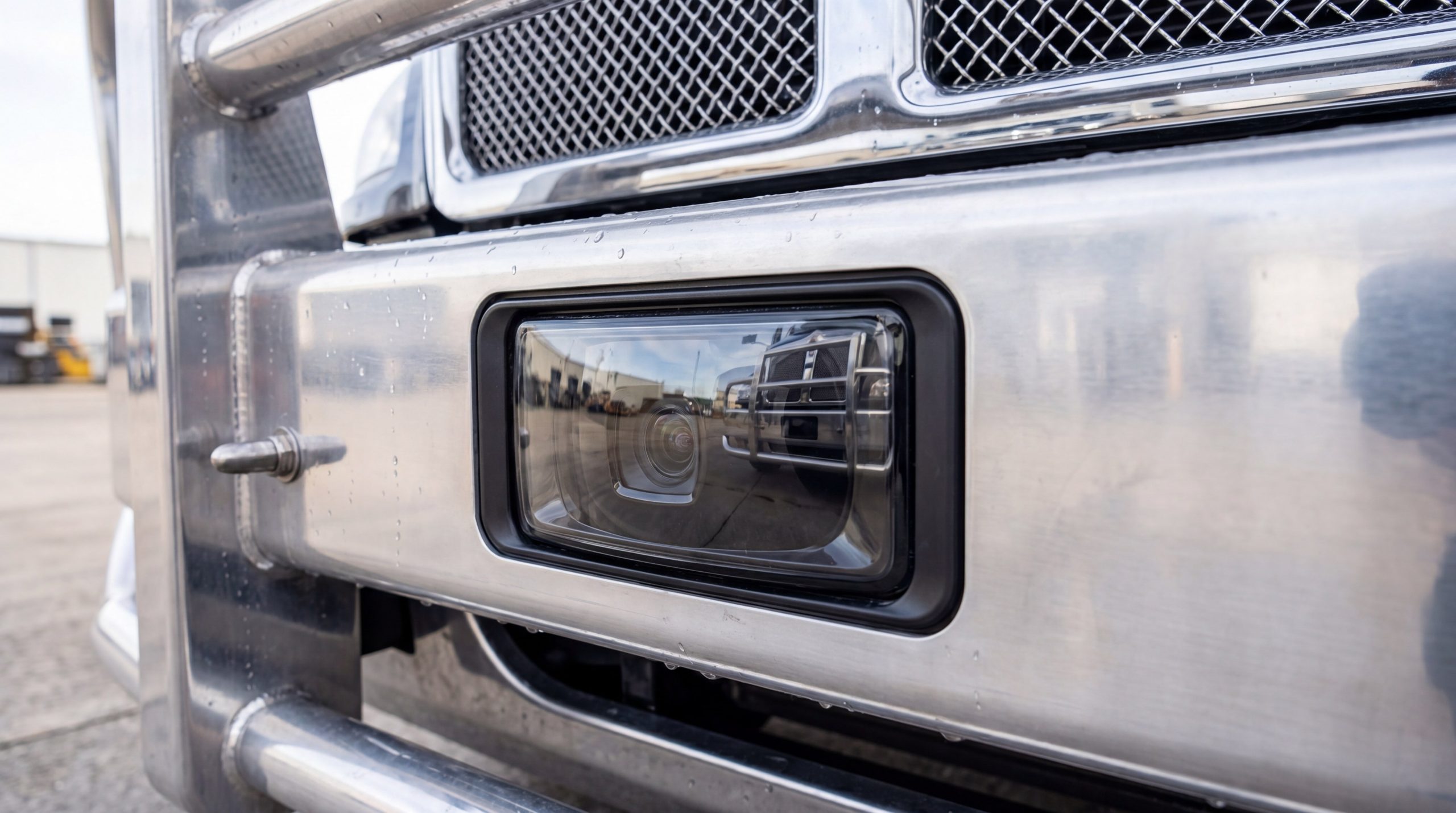
A properly engineered truck guard for long haul actively enhances safety by absorbing collision energy while keeping critical advanced safety sensors completely unobstructed. This ensures your active driver assistance systems continue to function reliably.
Integration with Advanced Collision Avoidance Systems
Modern trucks rely on bumper-mounted sensors to run advanced collision avoidance systems. Think about it: a poorly designed bumper can block these radars and trigger false emergency braking.
- Custom sensor cutouts keep your radar unobstructed.
- Integrated mounting brackets preserve your camera’s field of view.
Structural Integrity and Energy Dissipation
The physics of a high-speed collision require excellent force distribution. The bottom line? A high-quality guard must transfer impact energy safely down your chassis frame.
- High-strength welds absorb severe impact forces.
- Chassis mounting prevents energy from buckling your cabin floor.
The key takeaway is that advanced engineering prevents collision forces from crushing your engine block or steering box. This structural safety keeps you in control of your rig even during sudden highway impacts.
| Safety System | Guard Design Feature | Operational Result |
|---|---|---|
| Radar & CAS | Precision cutouts | Zero sensor interference or false braking |
| Cabin Structure | Frame-rail mounting | Impact energy safely bypassed away from driver |
| Steering Assembly | Energy deflection geometry | Protects steering axle and tires from locking |
Integrating structural protection with electronic safety systems ensures complete coverage for your truck and driver.
What finish is best on a truck guard for long haul?
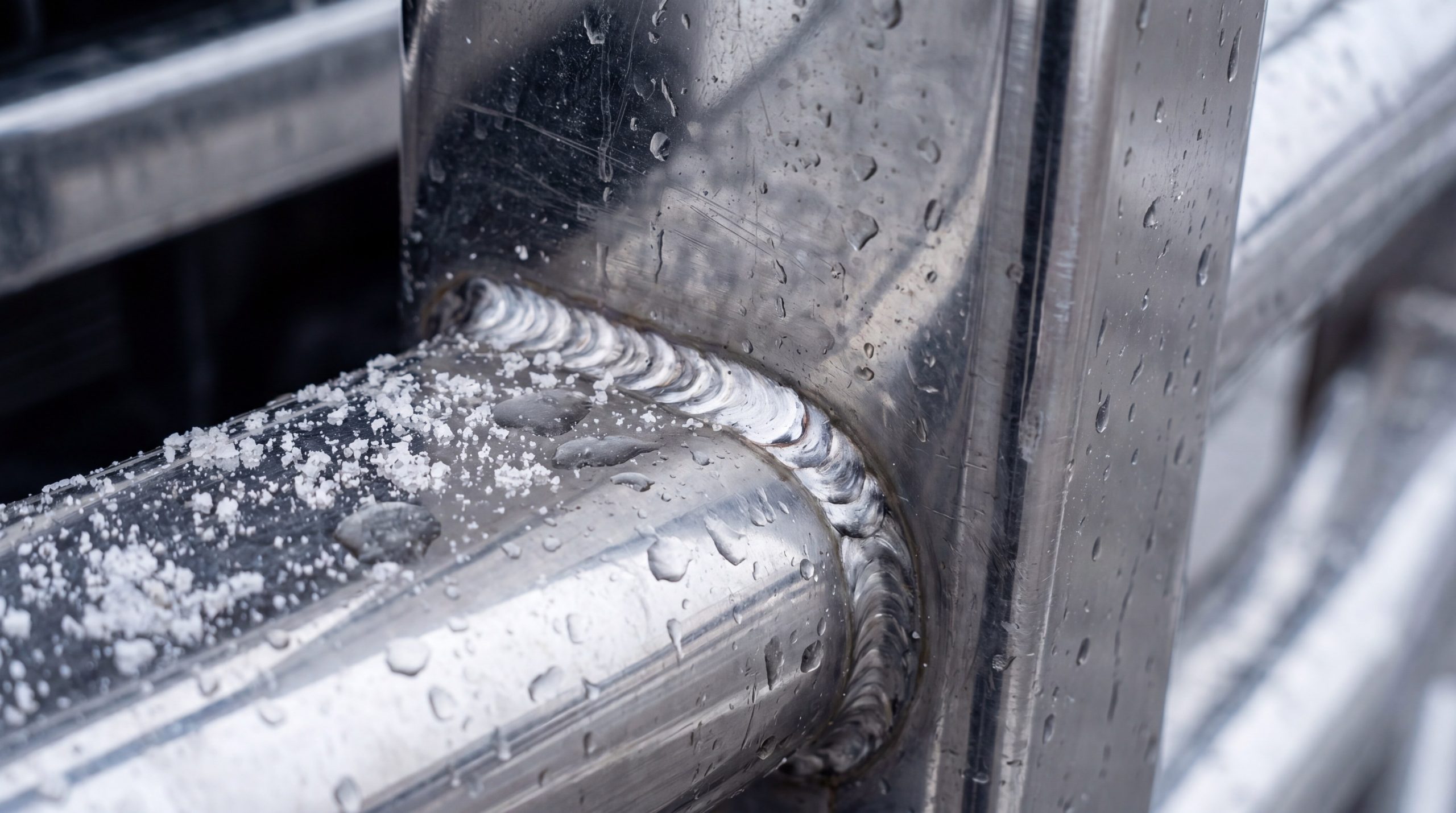
The best finish on a truck guard for long haul operations depends on your climate, but marine-grade polished stainless steel and high-durability powder coating offer the finest balance of corrosion resistance and clean aesthetics. Choosing the right finish keeps your rig looking professional in all weather conditions.
Polished vs. Satin Stainless Steel Performance
Stainless steel is the premium choice for drivers who demand lasting durability and style. But wait, there is more: 304 marine-grade stainless steel actively fights off harsh winter de-icing chemicals.
- Polished stainless steel provides a premium, mirror-like finish.
- Satin stainless steel hides minor scratches and reduces road glare.
High-Durability Powder Coating and Maintenance Upkeep
Powder coating is a popular option for operators who prefer an industrial appearance. Look at this: a multi-stage powder coat creates a durable barrier against rocks and salt.
- Industrial black powder coating requires very low maintenance.
- Minor chips are easily touched up with standard spray paint.
The key takeaway is that choosing the right finish saves you hours of cleaning and prevents rust damage. A highly durable surface coating ensures your truck maintains its professional look and resale value.
| Finish Type | Visual Aesthetic | Maintenance Intensity | Best Suited For | Corrosion Resistance |
|---|---|---|---|---|
| Polished Stainless | High-mirror chrome shine | Moderate (requires periodic polishing) | Owner-operators, show trucks, brand flagships | Exceptional (304 Grade) |
| Satin Stainless | Low-glare brushed metallic | Low (hides scuffs and minor road grime) | Regional fleets, mixed-use trucks | Exceptional (304 Grade) |
| Black Powder Coat | Industrial matte/semi-gloss black | Low (easy wash, simple spray touch-ups) | Harsh winter routes, construction fleets | High (barrier-protected) |
Selecting a finish that matches your regional weather patterns minimizes maintenance labor while keeping your fleet looking pristine.
Can a truck guard for long haul lower downtime?
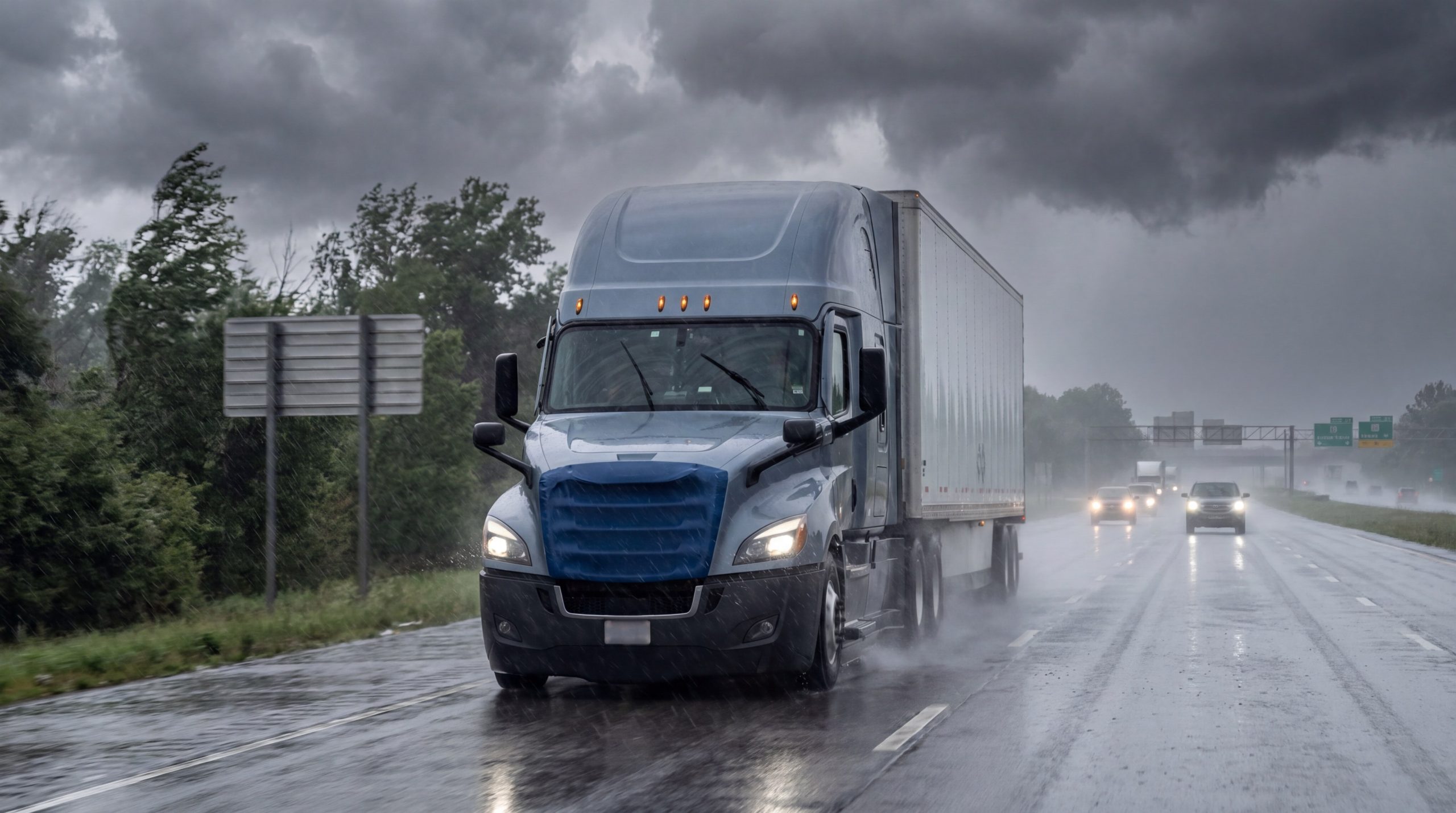
A robust truck guard for long haul significantly lowers downtime by allowing you to drive away from minor collisions that would otherwise require emergency towing and heavy repairs. Keeping your truck on the road ensures you meet delivery deadlines consistently.
Eliminating Roadside Stranding Events
Getting stranded on a remote northern highway can ruin your delivery schedule. Look: a tow truck can take hours or even days to reach remote wilderness corridors.
- Guards turn major towing events into simple drive-away situations.
- You avoid being stranded in dangerous, freezing environments.
Lessons from Real-World Fleet Case Studies
Real-world data shows a massive reduction in fleet downtime when using front-end protection. The truth is: heavy-duty guards protect your profits across the most demanding industries.
- Fleets report up to a ninety percent reduction in tow-away accidents.
- Specialized teams like Logging Fleets rely on guards to survive wilderness routes.
The key takeaway is that preventing tow-away incidents keeps your trucks on the road and making money. Reducing roadside emergencies translates directly into higher operational uptime and better customer satisfaction.
| Industry Application | Primary Hazard | Operational Downtime Impact |
|---|---|---|
| Line-Haul Shipping | Deer strikes, tire retreads | Reduced by 85% with bumper guards |
| Logging & Forestry | Tree branches, deep ruts | Kept at near-zero with heavy bumpers |
| Remote Northern Transport | Large moose, extreme ice debris | Eliminated stranded-truck towing delays |
The evidence shows that heavy-duty protection keeps fleets moving through the most hostile environments without costly interruptions.
Is a steel or aluminum truck guard for long haul best?
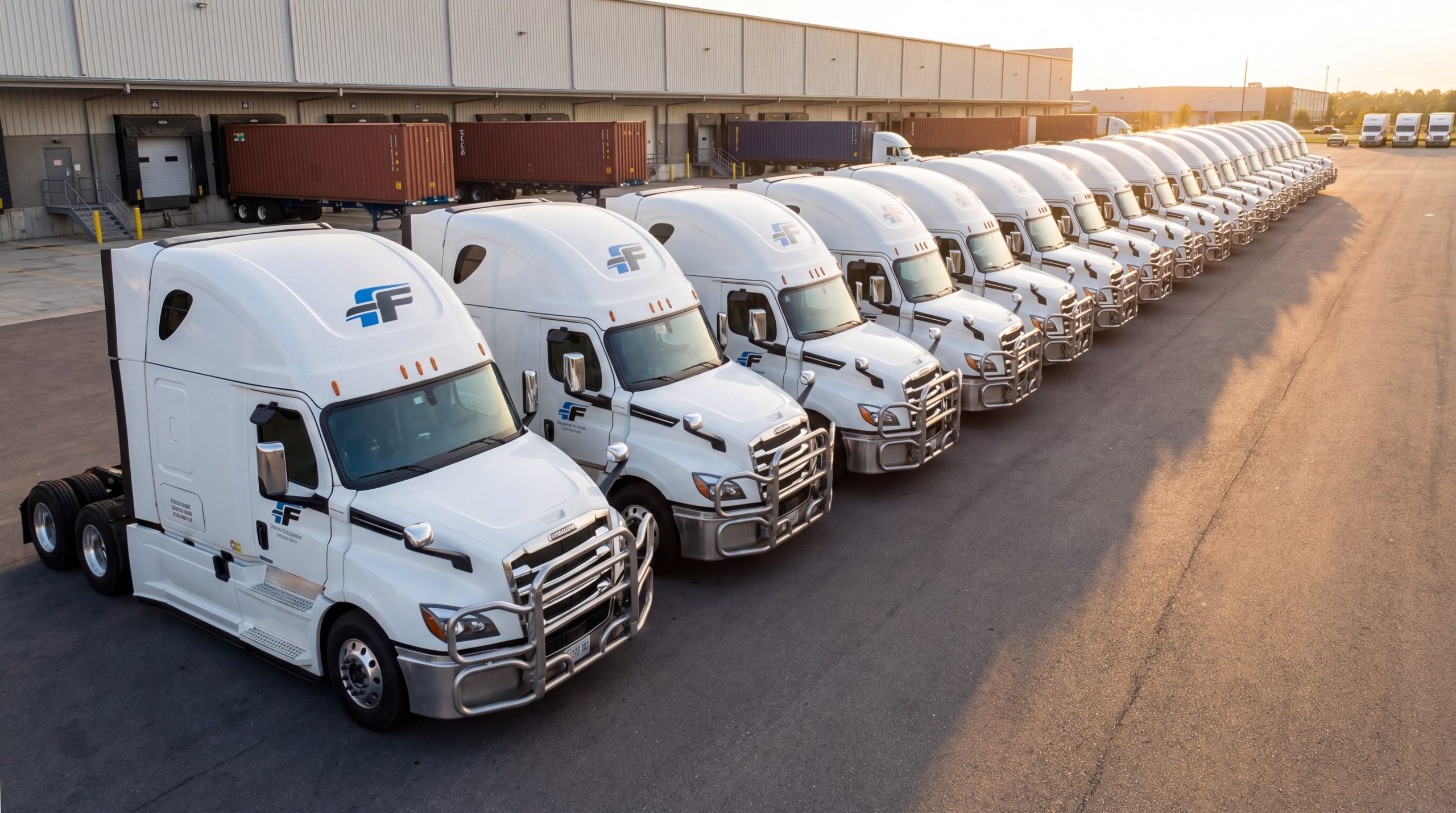
Deciding whether a steel or aluminum truck guard for long haul is best depends on your specific balance of brute impact resistance and front-axle weight limitations. Both materials offer distinct engineering advantages depending on your operational focus.
Assessing the Weight and Strength Trade-Offs
Your truck’s front axle weight rating (GAWR) limits the amount of gear you can carry. Think about it: choosing a guard that is too heavy can wear down your steering tires and lower fuel mileage.
- Steel guards offer maximum, unyielding impact resistance.
- Aluminum alloys provide incredible strength at a fraction of the weight.
Tailoring Material Choices to Fleet Applications
Different applications require specific material properties to optimize performance. In other words: severe-service fleets need different materials than standard highway carriers.
- Heavy steel bumpers suit severe forestry and off-road heavy-haul applications.
- High-tensile aluminum guards are ideal for long-distance line-haul transport.
The key takeaway is that selecting the right material keeps your rig safe without compromising fuel efficiency or tire life. Choosing aluminum for interstate runs and steel for severe off-road service maximizes your equipment’s value.
| Guard Material | Structural Tensile Strength | Weight Footprint | Best Operational Application |
|---|---|---|---|
| Heavy-Gauge Steel | Extreme (Maximum yield strength) | Heavy (Impacts front tire wear) | Heavy-haul, forestry, severe off-road work |
| Structural Aluminum | High (Engineered alloy design) | Lightweight (Optimizes fuel economy) | Interstate line-haul, general cargo transport |
Evaluating your payload targets and primary road conditions guides you to the ideal material for your fleet.
Where should you buy a truck guard for long haul?
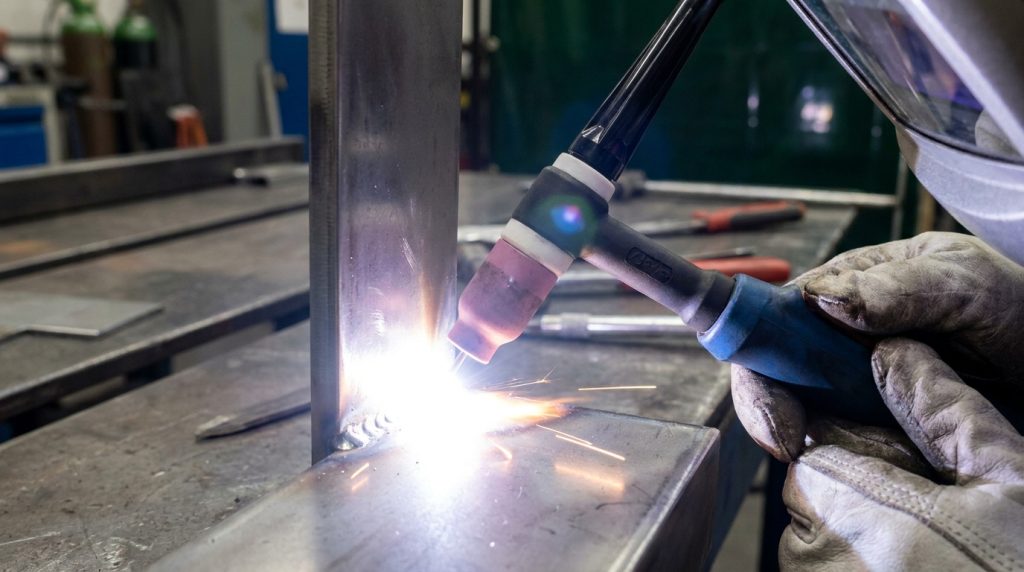
You should buy a truck guard for long haul from an ISO 9001 certified manufacturer that performs rigorous physical testing to ensure consistent fitment and extreme impact durability. Working with a certified manufacturer guarantees your guard will perform flawlessly under pressure.
Selecting Manufacturers with ISO-Certified Quality Controls
Consistent manufacturing quality is crucial when choosing front-end protection. Look at this: a cheap, poorly welded bumper will easily shear or fail during a major impact.
- ISO-certified factories utilize precise robotic laser cutting systems.
- Certified welders ensure high-stress joints handle maximum loads.
Establishing Reliable OEM and Fleet Partnerships
Large commercial fleets need predictable lead times and reliable spare parts support. The bottom line? Partnering with an established manufacturer simplifies fleet management across multiple truck brands.
- Standardized designs ensure consistent fitment for multi-brand fleets.
- Professional engineering teams can design custom protection packages.
The key takeaway is that buying from an ISO-certified manufacturer guarantees long-term product support and reliable quality. Partnering with Brontec ensures your entire fleet is equipped with premium, life-saving protection.
| Manufacturer Standard | Engineering Practice | Fleet Benefit |
|---|---|---|
| ISO 9001 Certification | Robotic laser cuts, certified welding | Consistent, defect-free bumper builds |
| Platform-Specific CAD | Model-matched mounting frames | 100% bolt-on fit without drilling |
| Fleet Support Network | Standardized spare parts inventory | Fast replacement and minimal downtime |
Securing your equipment from a certified manufacturer ensures your fleet benefits from professional engineering and reliable structural support.
When you run hard miles across the continent, protecting your Class 8 truck from sudden collisions is the smartest way to safeguard your livelihood. Our team provides heavy-duty moose bumpers and streamlined grille guards engineered to defend your radiator, protect your safety sensors, and keep you on schedule. To learn how we can customize high-impact protection systems for your entire fleet, contact us today to speak with our engineering specialists.
Frequently Asked Questions
What is the best truck guard for long haul fleets running northern routes?
An integrated Moose Bumper built from high-tensile steel or heavy-gauge structural aluminum is your best option. These robust systems provide maximum vertical and horizontal protection, shielding not only the central radiator core but also vital steering components and outer fenders from heavy wildlife impacts.
Can I install a heavy-duty moose bumper on a truck equipped with radar?
Yes, you can absolutely do this. Modern premium front-end guards are specifically engineered to accommodate OEM radar systems (such as Detroit Assurance or Bendix Wingman). When purchasing, choose a model configured with precision-cut sensor windows to ensure the radar’s field of view remains entirely unobstructed.
How do I know if my truck guard for long haul requires custom drilling?
No custom drilling is required if you purchase a model-matched guard. High-quality systems designed for specific Class 8 truck platforms are engineered as 100% bolt-on assemblies. They utilize your truck’s existing factory-drilled tow receiver ports, preserving your OEM chassis warranty.
What is the best finish option for long-haul trucks operating in road salt?
Polished or satin 304 marine-grade stainless steel is the optimal choice for high-corrosion environments. This premium alloy contains high levels of nickel and chromium, which actively prevent rust, pitting, and structural degradation caused by winter road salt and liquid brine chemicals.
Yes, many commercial insurers do recognize front-end protection as a powerful risk-mitigation tool. By installing guards that actively prevent catastrophic radiator punctures and tow-away damage, fleets can significantly lower their comprehensive claim history, leading to better long-term insurance rates.