
Choosing between a moose bumper, deer guard, and grille guard comes down to matching your route’s wildlife risks with the right balance of structural protection, vehicle weight, and upfront cost. Imagine hauling a heavy load through a dark, remote corridor at midnight when a massive animal suddenly steps out into your headlights. One split-second strike can instantly shatter your truck’s radiator, smash your headlights, and ruin your engine, leaving you stranded on the side of a highway. This nightmare scenario does not just cause severe damage to your tractor; it completely threatens your livelihood through weeks of unpaid downtime and expensive tow bills while fixed payments continue to pile up. To protect your investment and maintain maximum road uptime, finding the perfect moose bumper vs deer guard system provides the ultimate defensive shield for your commercial vehicle.
What is the main structural difference between moose bumper vs deer guard?
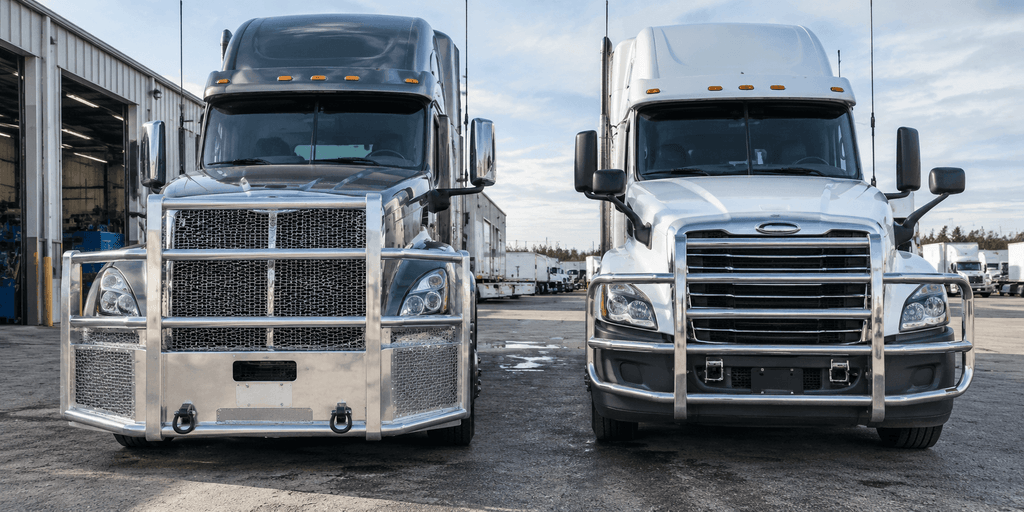
The main structural difference between these guards lies in how a heavy-duty moose bumper vs deer guard is mounted directly to your truck chassis or original bumper structure. Full-face moose bumpers completely replace your original factory bumper with a reinforced, multi-point frame connection designed for maximum structural rigidity. In contrast, auxiliary deer guards and lightweight grille guards mount directly over your existing bumper assembly using adapter brackets.
Understanding these structural mount differences is critical for selecting the defense system your truck actually needs. While direct frame-replacement guards disperse severe impact energy across the entire tractor frame, lighter guards are built primarily to deflect smaller road debris. Choosing the wrong setup can result in a guard collapsing inward and causing severe secondary engine compartment damage.
How does frame mounting compare to bracket adapters?
When you choose a direct-to-frame mounting system, you are securing your truck with the strongest mechanical connection possible. Here is why this matters: a rigid frame mount acts as an extension of your truck’s chassis, transferring massive kinetic energy away from your vulnerable engine block during a severe crash. If you rely on basic bracket adapters, the impact force is concentrated on smaller mounting points that can easily shear off.
To ensure your commercial vehicle survives a major collision intact, you need to look at how these structures are braced. High-quality heavy-duty guards utilize solid structural bracing and tension-locking latches that completely eliminate highway vibrations. Consider these essential mounting features when upgrading your truck’s front-end defense:
- Direct-to-frame steel plates that absorb extreme horizontal kinetic forces.
- Double-tension latch mechanisms to maintain structural alignment on rough roads.
- Sacrificial crumple zones built to protect your high-tensile truck chassis.
Key Takeaway: Selecting a direct-to-frame mounted protection system ensures that severe road impacts are safely absorbed by your truck’s chassis, saving you from catastrophic radiator and engine destruction.
| Guard Type | Mounting Method | Impact Energy Absorption | Best Suited For |
|---|---|---|---|
| Moose Bumper | Full Frame-Replacement | Maximum (Up to 120 kJ) | Northern Remote Highways |
| Deer Guard | Tow-Hook Bracket | Moderate (Up to 60 kJ) | Interstate Highway Lanes |
| Grille Guard | Bumper Mount | Low (Up to 20 kJ) | Urban Delivery Routes |
This structural hierarchy clearly demonstrates how frame-replacement bumpers outperform standard bolt-on guards in extreme collision scenarios.
When is a heavy-duty moose bumper absolutely necessary?

A heavy-duty moose bumper is absolutely necessary instead of a standard guard when you operate in northern wildlife corridors where choosing a moose bumper vs deer guard is a matter of surviving a high-speed collision with a 1,500-pound animal. Operating in remote territories without front-end defense is an extremely risky gamble for owner-operators. Standard truck hoods and grilles provide zero protection against massive wildlife, and a collision in these areas often results in total vehicle loss.
By reinforcing your tractor’s nose with thick-walled metal, you can confidently navigate remote routes in any season. Towing fees and extended downtime in northern territories can easily exceed thousands of dollars. Installing a heavy-duty bumper mitigates these operational risks completely, providing total security on cold, dark highways.
Why do massive animal strikes require full structural armor?
When a truck strikes a massive animal at highway speeds, the physics of the collision are incredibly devastating. Think about it: a mature moose has long legs that elevate its heavy torso directly inline with your truck’s hood and windshield. Standard lightweight guards will simply fold under this concentrated mass, pushing directly into your radiator and cooling lines.
You must utilize structural vertical posts and heavy upper-bar deflector shields to physically block this high-level impact. These thick alloy walls absorb horizontal forces and push the mass down and away from your cab. Make sure your defense system includes these crucial heavy-impact components:
- Thick structural plate construction designed to resist heavy impact punctures.
- Reinforced vertical uprights that protect your radiator from direct collapse.
- Upper-bar debris shields that deflect high-level wildlife mass away from your hood.
Key Takeaway: Equipping your rig with a full-face structural bumper is the only reliable way to survive high-speed collisions with large wildlife and avoid immediate truck write-offs.
| Wildlife Threat | Animal Mass | Required Defense | Critical Protective Feature |
|---|---|---|---|
| Moose / Elk | 1,000 – 1,500 lbs | Moose Bumper | Heavy-gauge vertical uprights and plate |
| Deer / Antelope | 150 – 300 lbs | Deer Guard | Tubular high-tensile steel frame |
| Minor Debris | Under 50 lbs | Grille Guard | Lightweight mesh or horizontal bars |
The physical weight of the animal threat dictates the structural strength required to keep your truck running after an impact.
Should you choose a deer guard for standard highway routes?
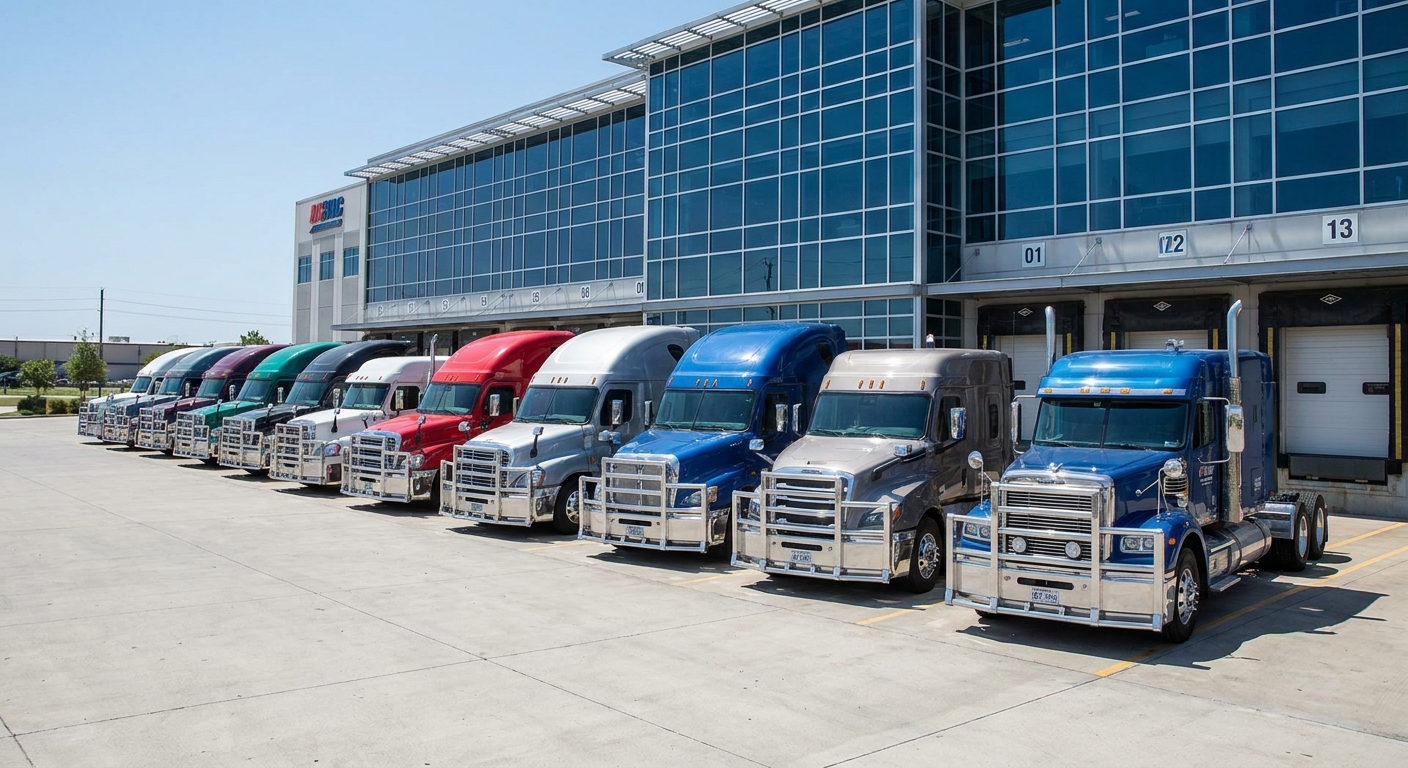
You should choose a dedicated deer guard for standard highway routes where smaller animal strikes are the primary hazard and comparing a moose bumper vs deer guard shows a lighter profile is best. For major transport fleets operating across domestic lanes, these guards are the ideal practical compromise. They offer a strong physical barrier to keep your radiator safe during early-morning deer strikes while maintaining your truck’s aerodynamics.
This balance of safety and highway efficiency makes them highly popular for interstate haulers. Modern guards preserve the clean aerodynamic lines of long-haul highway tractors, ensuring your fuel economy is not compromised. Additionally, these guards fold down easily, allowing quick access to the engine compartment for routine pre-trip inspections.
Can lightweight tube guards survive highway speed impacts?
You might wonder if a tubular steel guard has the strength to withstand a highway-speed animal strike. But that is not all: high-tensile stainless steel tubing is engineered to deflect impact energy around your tractor’s front end rather than absorbing it statically. This clever deflection technique keeps your cooling package completely intact during high-speed collisions.
To get the absolute best performance on the open road, you should look for guards built from heavy-wall stainless steel. These models combine high-strength steel tubing with convenient fold-down hinges for easy maintenance access. Consider these primary highway guard specifications before making your choice:
- High-polished stainless steel tubing that resists harsh winter de-icing chemicals.
- Built-in hinge systems that tilt forward for rapid engine hood access.
- High-clearance frame mounts that preserve your standard highway ground clearance.
Key Takeaway: A high-quality steel deer guard keeps your long-haul tractor safe from expensive radiator repairs during highway deer strikes without hurting your fuel efficiency.
| Highway Guard Type | Material Base | Average Weight | Primary Benefit |
|---|---|---|---|
| High-Tensile Tube | 304 Stainless Steel | 130 – 160 lbs | Complete corrosion resistance and impact deflection |
| Mild Steel Coated | Powder-Coated Steel | 150 – 180 lbs | Budget-friendly pricing with moderate rust defense |
| Aluminum Tube | Alloy Tubing | 90 – 110 lbs | Ultra-lightweight build for maximum steer axle capacity |
Choosing high-grade stainless steel ensures your highway guard resists environmental wear while maintaining its structural strength.
Is a light grille guard enough for metro delivery trucks?
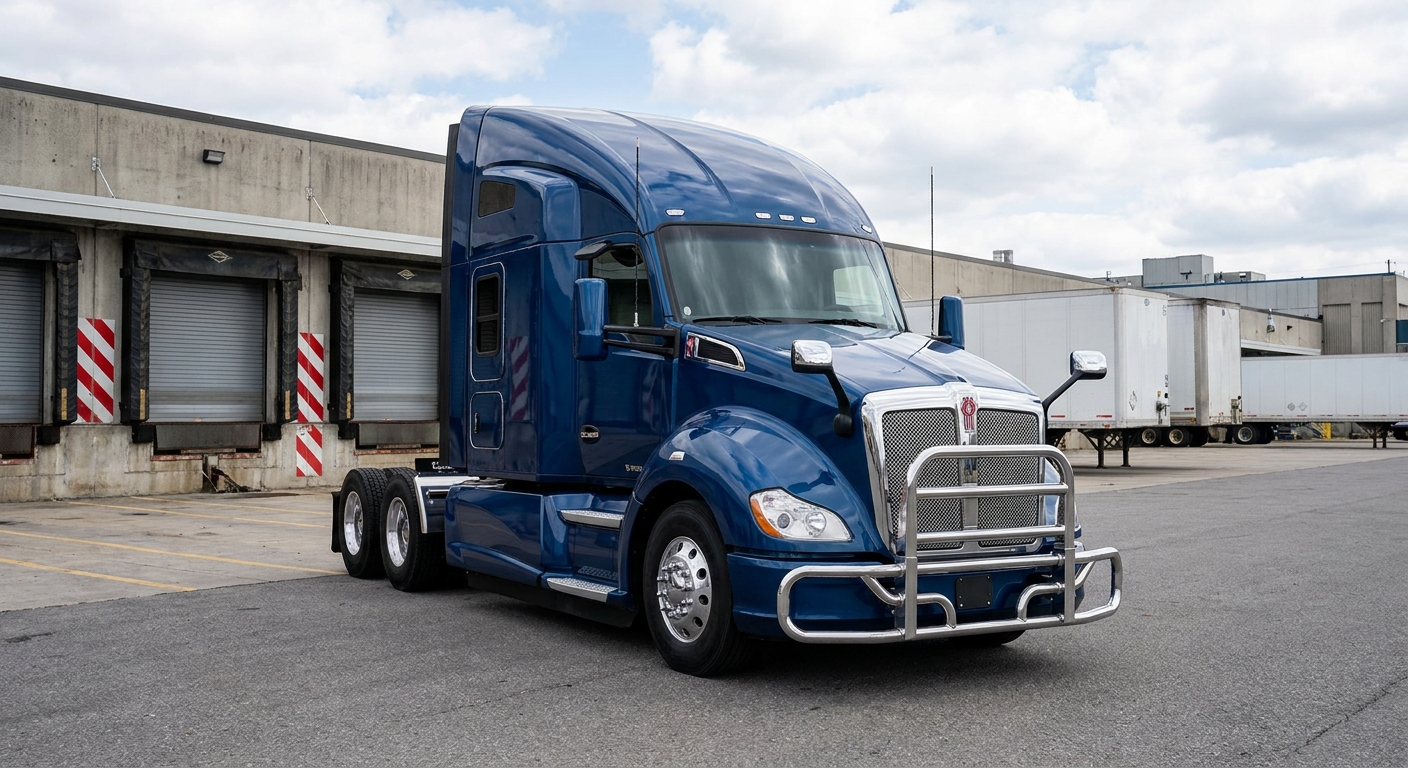
A light grille guard is often enough for metro delivery trucks because regional lanes do not present high-risk animal hazards, meaning you do not need the maximum protection of a moose bumper vs deer guard. In crowded distribution terminals and urban alleys, tight maneuvering often leads to low-speed bumps and backing incidents. These minor impacts can easily crack your expensive plastic grille inserts, damage your headlights, and trigger costly shop visits.
Having a basic physical guard acts as a valuable insurance policy for regional fleets. It safeguards delicate grille inserts, radar sensors, and chrome trim from low-speed warehouse yard impacts. For regional operations, it serves as an extremely cost-effective risk management tool.
Do yard scrapes and dock bumps justify lighter armor?
Regional operations require agile vehicles that can navigate narrow spaces without carrying unnecessary structural weight. Let’s face it: you do not need a massive steel bumper when your biggest threats are backing trailers and tight warehouse yards. A lightweight guard provides the exact level of defensive armor needed to stop minor scrapes from sidelining your truck.
You will save significant time and money by preventing these minor, cosmetic bumper repairs from escalating. These simple systems bolt directly onto your factory bumper structure in under an hour without requiring heavy shop equipment. Make sure you select a guard that offers these city-friendly features:
- Ultra-lightweight frame designs that have zero impact on your payload capacity.
- Basic bolt-on brackets that mount to your existing factory bumper mounts.
- Full protective coverage for your expensive headlight assemblies and front trim.
Key Takeaway: A lightweight grille guard provides cost-effective, practical protection against minor yard scrapes, saving your regional fleet from expensive cosmetic repair bills.
| Hazard Class | Protective Shielding | Expected Component Damage |
|---|---|---|
| Dock Bump (< 5 mph) | Fully Protected | No damage to your radiator or plastic grille |
| Debris Strike (Highway) | Sacrificial Deflection | Moderate guard bending but your engine stays safe |
| Wildlife Collision | Structural Failure | High risk of severe radiator and hood damage |
This breakdown highlights how lightweight guards excel at low-speed protection but are unsuitable for heavy wildlife corridors.
Why does material quality impact bumper lifetime value?
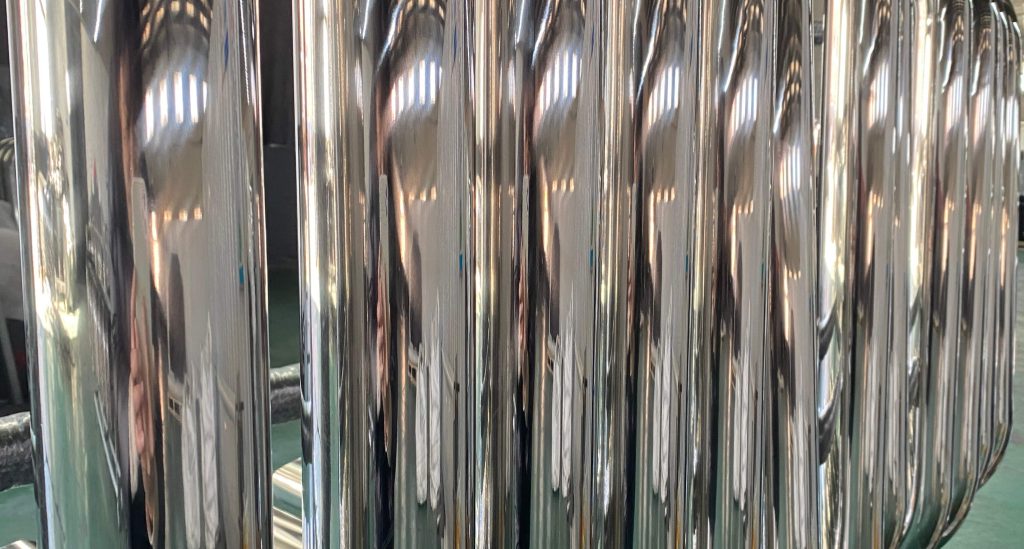
Material quality directly impacts bumper lifetime value because choosing premium metals when comparing a moose bumper vs deer guard prevents structural failures from road salt corrosion. Harsh winter de-icing chemicals and road moisture will aggressively attack any unprotected metal surfaces on your truck’s front end. If your bumper’s protective welds or coatings fail, rust will weaken the brackets and cause structural failure during an impact.
Utilizing premium, corrosion-resistant materials protects your initial investment and guarantees long-term durability on the road. High-grade alloys resist aggressive road chemicals, ensuring the guard remains structurally reliable for years. This durability ensures your front-end safety accessories outlast the operating life of the tractor itself.
How do marine aluminum and stainless steel fight rust?
When you drive through harsh winter conditions, your truck’s front end is constantly pelted with corrosive chemical de-icers. Think about it: a rusted weld or bracket can fail under the slightest mechanical stress, turning your safety guard into a hazard. Marine-grade aluminum and 304 stainless steel naturally develop protective oxide layers that prevent rust from penetrating the metal core.
To ensure your guard survives years of harsh winter service, you need to examine the quality of its structural joints. High-penetration TIG welding creates seamless, uniform bonds that prevent moisture from creeping into the internal seams. Look for these essential manufacturing details when purchasing your next guard:
- Precision TIG welding patterns that deliver maximum structural joint strength.
- Anodized aluminum or polished stainless finishes that completely block oxidation.
- Heavy-duty mounting hardware that resists stress-corrosion cracking over time.
Key Takeaway: Choosing corrosion-resistant marine-grade alloys or polished stainless steel ensures your front-end armor outlasts your truck, delivering maximum long-term investment value.
| Material Option | Corrosion Resistance | Average Useful Lifespan | Maintenance Required |
|---|---|---|---|
| Marine-Grade Aluminum | Outstanding | 10+ Years | Minimal (Occasional wash) |
| 304 Stainless Steel | High | 8 – 10 Years | Low (Seasonal polishing) |
| Powder-Coated Steel | Moderate | 5 – 7 Years | High (Frequent paint touch-ups) |
The material durability metrics confirm that premium alloys dramatically reduce long-term maintenance costs and prevent early structural failure.
Are there major mounting problems with heavy bumpers?
You can completely avoid major mounting problems with heavy bumpers by selecting a moose bumper vs deer guard kit designed to bolt directly into your truck’s factory frame holes. A properly designed mounting bracket is engineered to transfer impact forces evenly across your truck’s heavy frame rails. If your mounting brackets are too thin or poorly aligned, they will buckle instantly, pushing the guard back into your hood and compounding your repair costs.
Investing in model-specific, professionally engineered mounting hardware prevents these alignment issues entirely. Cheap brackets may bend easily, pushing the guard into the hood and compounding repair costs. Choosing professional, engineered mounting systems prevents these alignment and structural issues.
Can you tilt the guard quickly for engine bay maintenance?
You cannot afford to let your front-end guard slow you down during routine pre-trip inspections or engine maintenance. Here is the deal: high-quality guards feature built-in, spring-assisted hinge systems that allow you to fold the bumper forward in seconds. This smart design ensures you maintain complete, unobstructed access to your engine bay without using any specialized shop tools.
To guarantee your daily operational efficiency, you should select a guard with heavy-duty, quick-release locking latches. These latches keep the bumper rigidly secure while driving, yet tilt forward effortlessly in the shop. Ensure your mounting system includes these vital ease-of-use features:
- Quick-release latching pins that allow tool-free, rapid hood tilting.
- Polyurethane vibration-dampening pads that eliminate highway rattle and wear.
- Precision-machined steel hinge pins designed for smooth, long-term operation.
Key Takeaway: Opting for a model-specific hinged mounting system gives you the perfect combination of maximum chassis protection and rapid, tool-free engine maintenance access.
| Bumper Mount Type | Frame Drilling Required? | Average Installation Time | Maintenance Access |
|---|---|---|---|
| Hinged Frame Mount | No (Uses Factory Holes) | 1.5 – 2 Hours | Excellent (Quick-fold design) |
| Bracket Tow Mount | No (Uses Tow Hook Ports) | 45 – 60 Minutes | Good (Basic tilt-forward pin) |
| Direct Bumper Mount | No (Bolts to Stock Bumper) | 30 – 45 Minutes | Limited (Static installation) |
This mounting configuration guide demonstrates that engineered hinged systems maximize convenience without sacrificing mounting strength.
How do front-end guards affect modern safety sensors?
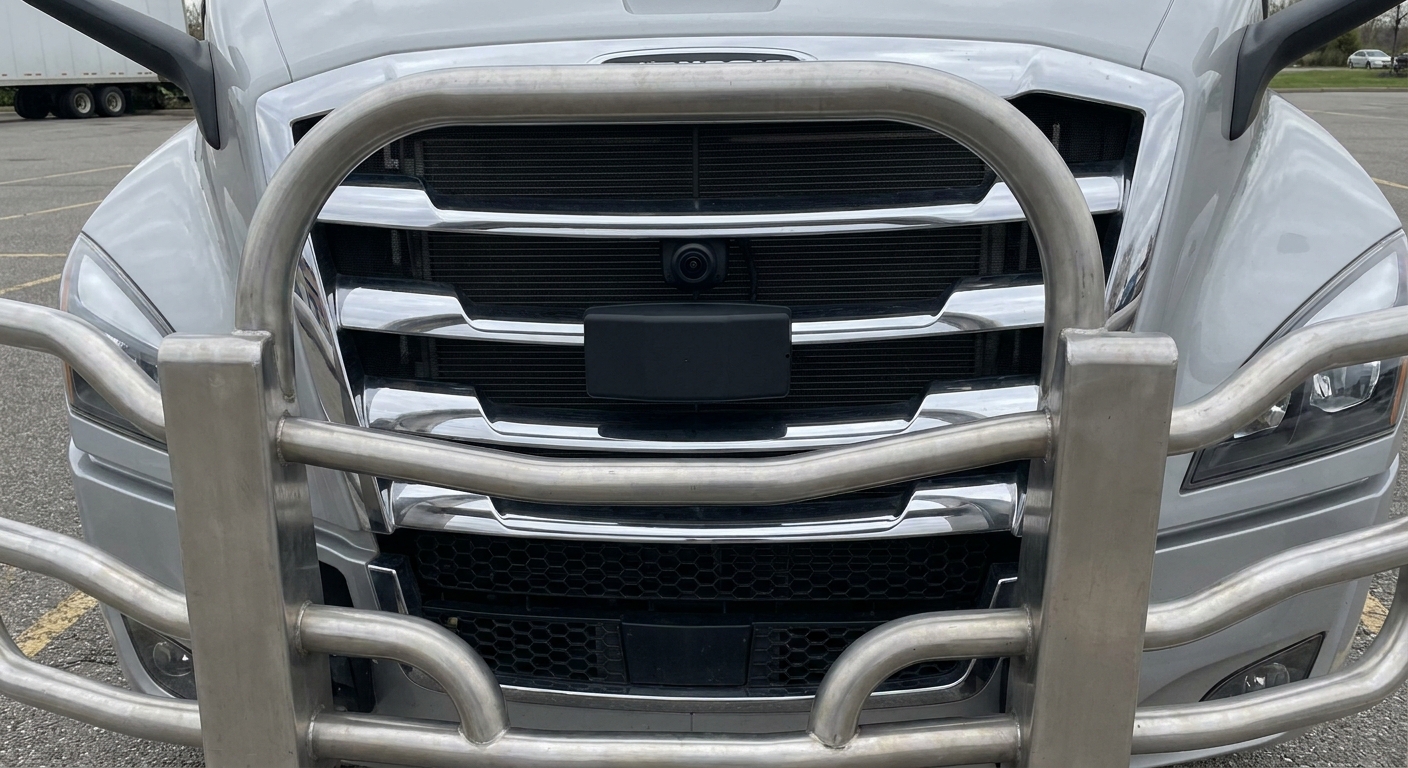
Modern front-end guards are engineered with precision radar brackets to ensure that choosing a moose bumper vs deer guard does not interfere with your active safety sensors. High-quality bumpers integrate custom sensor mounts and camera windows directly into their structural framework. Protecting your physical truck front end should never come at the expense of your electronic safety systems.
Selecting a poorly planned guard will disrupt your safety electronics, triggering dashboard errors and disabling automated braking features. Modern front-end guards are specifically designed with precision cutouts to ensure your truck’s radar sensors and adaptive cruise control systems remain fully functional and calibrated.
Will radar systems and forward cameras stay calibrated?
You might worry that adding metal bars in front of your grille will interfere with your automated safety sensors. But that is not all: precision-engineered bumpers feature factory-matched sensor brackets that position your radar units at the exact height and angle required by the OEM manufacturer. This careful alignment prevents any sensor blind spots or system calibration faults.
To ensure your truck stays fully compliant with factory safety standards, you should choose guards that are certified for sensor compatibility. These models undergo extensive physical testing to prove they do not block radar waves or camera visibility. Look for these essential sensor-friendly features when buying:
- Pre-drilled radar brackets that align perfectly with factory safety sensors.
- Custom camera cutouts that protect your lens without blocking its field of view.
- Non-reflective guard finishes that prevent false radar signals or laser scattering.
Key Takeaway: Selecting a sensor-compatible front-end guard keeps your truck’s advanced electronic driver aids working flawlessly while providing robust physical protection.
| Guard Design | Radar Sensor Compatibility | Camera View Impact | Calibration Requirements |
|---|---|---|---|
| Engineered Sensor Guard | 100% Compatible | None (Custom Cutout) | Standard OEM baseline |
| Universal Tube Guard | Blockage Risk | High (Blocks Lower Lens) | Difficult recalibration |
| No Front Guard | 100% Compatible | None | Standard OEM baseline |
This comparison illustrates that choosing an engineered, model-specific design is essential to keeping your truck’s safety systems fully active.
What maintenance is required to prevent guard corrosion?
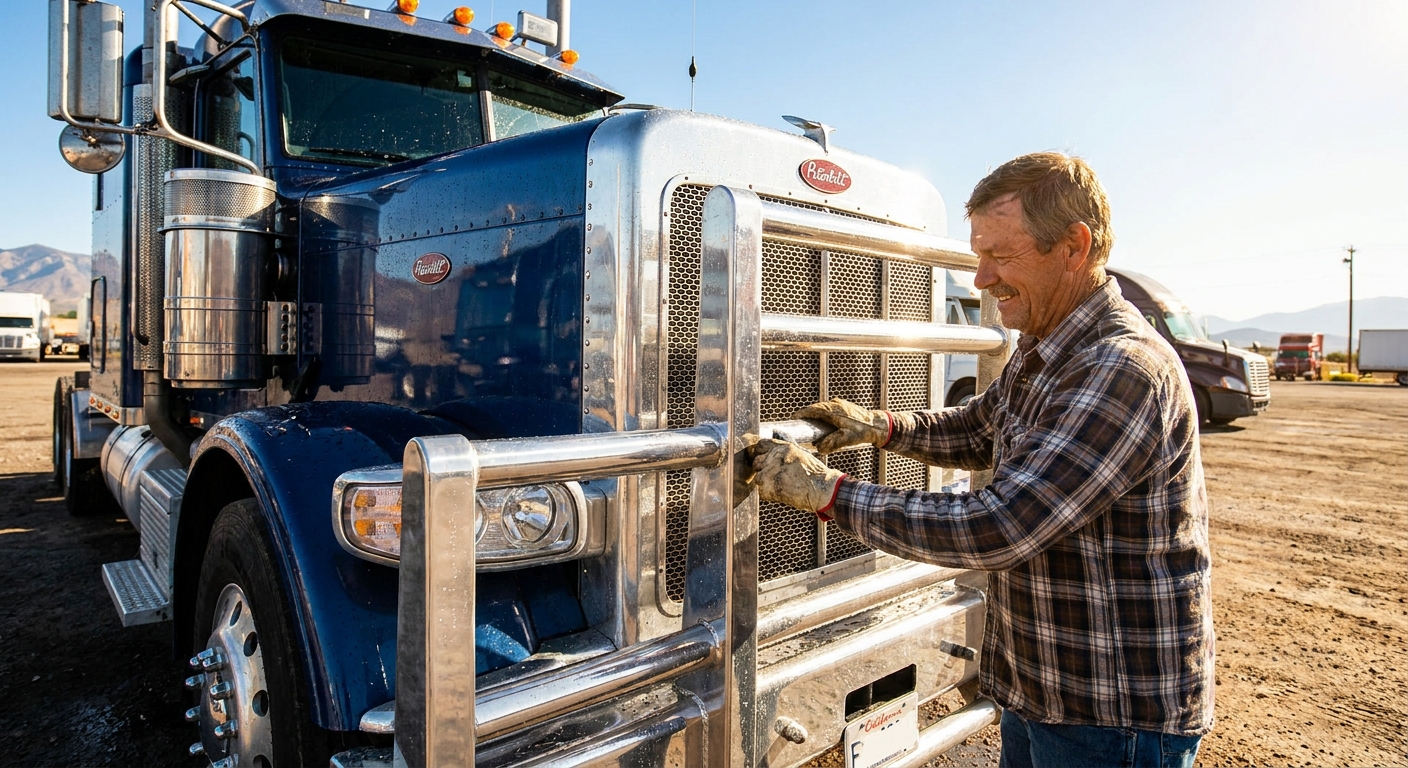
Preventing front-end corrosion requires regular washing and polishing, especially when comparing a moose bumper vs deer guard that is constantly exposed to aggressive winter road salts. Chemical de-icers are highly aggressive and will eventually break down basic powder coatings and painted surfaces. Once rust starts to form on your guard’s brackets or hinges, it will slowly eat into the structural welds and compromise their strength.
Maintaining your front-end protection requires regular rinsing and seasonal polishing to wash away corrosive road de-icers and prevent salt oxidation on your steel tube assemblies. Even premium alloys can develop pitting and surface stains if corrosive road salts are left to sit on the metal for long periods.
How does road salt degrade your front-end steel tubes?
When you travel through winter weather, road salt spray continuously blankets your truck’s front end, creeping into every tiny metal crevice. Think about it: a small chip in your powder coating can quickly turn into a bubbling rust spot that weakens your entire steel frame. Regular rinsing with fresh water and applying a protective polish prevents these corrosive chemicals from bonding with the metal.
To maintain the professional look and structural strength of your truck, you should inspect your guard’s mounting hardware and latching mechanisms regularly. Lubricating your hinges and checking your mounting bolts keeps your system operating smoothly in all temperatures. Follow these simple maintenance steps to protect your guard:
- Wash the bumper with clean, high-pressure water after every winter road trip.
- Apply a high-quality metal polish twice a year to maintain your guard’s protective shine.
- Inspect and lubricate your quick-release hinges and latching pins every autumn.
Key Takeaway: Setting up a regular wash and polish routine preserves your guard’s structural strength and professional look, securing high resale value for your truck.
| Maintenance Step | Frequency Required | Primary Operational Benefit | Recommended Materials |
|---|---|---|---|
| Salt Spray Wash | Weekly (Winter Season) | Prevents chemical pitting and rust | High-pressure warm water |
| Alloy Polish | Semi-Annually | Restores protective metal oxide layer | Premium aluminum/steel polish |
| Hinge Lubrication | Every 6 Months | Keeps folding mechanism smooth | Marine-grade grease / WD-40 |
This proactive maintenance guide highlights how simple cleaning steps can extend the useful lifespan of your front-end armor.
Does front-end weight significantly affect fuel economy?
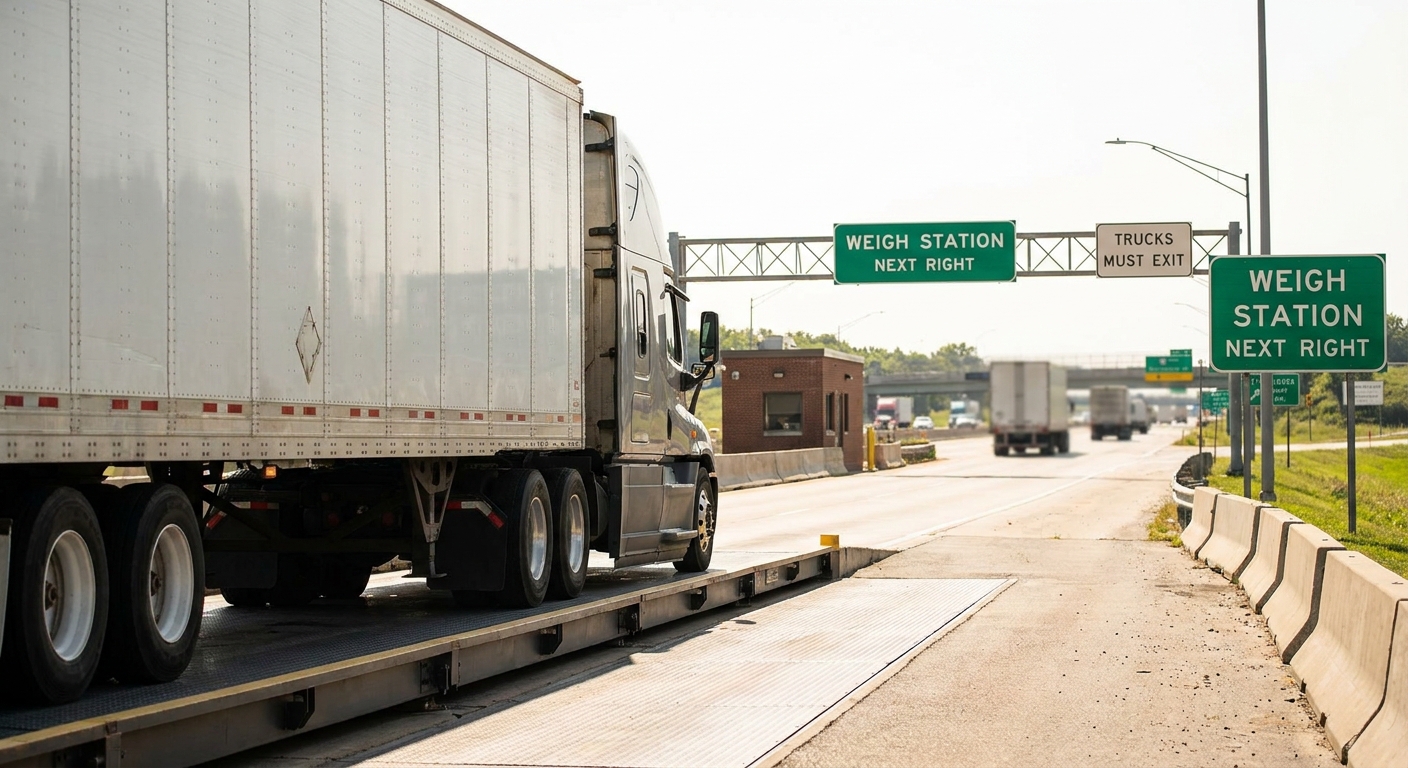
Front-end weight does not significantly hurt your fuel economy if you select a lightweight alloy design when comparing a moose bumper vs deer guard. Excessive weight on your front end can also increase steer tire wear and alter your vehicle’s overall weight balance. By opting for high-strength aluminum instead of heavy steel, you can protect your truck’s cooling system without paying a continuous price at the fuel pump.
Adding a front-end guard does not significantly hurt your fuel economy if you choose a lightweight marine-grade aluminum frame. While heavy structural steel bumpers can add up to 350 pounds to your steer axle, modern aluminum alloys deliver the same immense protection at a fraction of the weight.
How can lightweight alloy designs save money at the pump?
You know that keeping your operating costs low is critical to surviving in today’s highly competitive trucking industry. Here is why this matters: adding a heavy steel guard to your truck’s nose increases rolling resistance and forces your engine to work harder. Lightweight aluminum alloys provide the perfect engineering solution, delivering maximum structural protection without the heavy fuel penalty.
To get the absolute best fuel economy, you should select guards that feature sleek, aerodynamic contouring. These modern aerodynamic frames channel air smoothly around your truck’s front end, reducing wind drag at highway speeds. Consider these primary weight and fuel-saving features when selecting your guard:
- High-strength aluminum construction that reduces overall bumper weight by 40%.
- Sleek, aerodynamic frame designs that minimize wind resistance on the highway.
- Hollow-tube engineering in highway deer guards to protect while saving weight.
Key Takeaway: Investing in a premium, lightweight aluminum guard gives you heavy-duty front-end protection while preserving your fuel economy and saving steer tire wear.
| Guard Material | Average Weight | Fuel Economy Impact | Steer Tire Wear Rate |
|---|---|---|---|
| Premium Aluminum | 180 – 220 lbs | Negligible (< 0.1%) | Standard factory wear |
| 304 Stainless Steel | 130 – 160 lbs | Negligible | Standard factory wear |
| Heavy-Duty Steel | 300 – 350 lbs | Minor (0.5% – 1.0%) | Accelerated steer tire wear |
The weight and fuel metrics prove that high-strength aluminum alloys are the smartest investment for payload-sensitive fleets.
How do fleet managers calculate actual investment ROI?

Fleet managers calculate actual investment ROI by analyzing how a moose bumper vs deer guard prevents expensive tractor downtime from a single highway animal collision. Sidelined trucks produce zero revenue while driver pay, insurance, and truck payments continue to accumulate as fixed costs. By installing durable front-end protection, fleets keep their trucks on the road, securing their delivery schedules and protecting their margins.
Fleet managers calculate the actual ROI of front-end guards by comparing the one-time accessory cost against the catastrophic losses of a single high-speed wildlife collision. Preventing just one radiator replacement and its associated downtime instantly pays for the entire fleet’s safety upgrades.
Does minimizing asset downtime justify upfront expenses?
When you analyze the true cost of a front-end collision, you quickly see that the physical repair bill is only a small part of the total damage. Think about it: a sidelined highway tractor can easily cost your business over a thousand dollars a day in lost freight revenue and missed shipping deadlines. Preventing that downtime through a reliable front-end guard easily justifies the upfront equipment investment.
To secure the absolute highest return on your safety investment, you should look at how front-end protection stabilizes your overall operating costs. This preventive defense keeps your insurance loss-run history clean, helping you control premium costs and preserve your assets’ resale values. Check out these crucial financial benefits of equipping your fleet with guards:
- Immediate payback of your equipment cost during the very first deflected road hazard.
- Sustained fleet utilization by completely eliminating unscheduled front-end repair downtime.
- Sustained asset resale values by protecting your truck’s hood and grille from scratches.
Key Takeaway: Installing front-end protection is a highly effective way to stabilize your fleet’s operating costs, protect your drivers, and secure maximum road uptime.
| Financial Cost Category | Unprotected Tractor (Strike) | Protected Tractor (Strike) | Total Money Saved |
|---|---|---|---|
| Physical Repairs | $12,500 (Radiator/Hood) | $0 (Bumper Deflected Force) | $12,500 |
| Towing & Recovery | $1,800 (Remote Highway) | $0 (Truck Driven Away) | $1,800 |
| Revenue Lost (7 Days) | $8,400 (Sidelined Asset) | $0 (Zero Days Lost) | $8,400 |
This financial comparison proves that the cost of an unprotected impact far outweighs the upfront investment in premium front-end armor.
Frequently Asked Questions
Can I install a moose bumper on any model of commercial semi-truck?
Yes, but you must select a model-specific bumper to ensure a perfect fit. Because truck frame structures, hood shapes, and headlight locations vary widely by manufacturer, there is no such thing as a universal moose bumper. Leading manufacturers engineer custom mounting kits designed for major truck models to guarantee a secure, direct-to-frame connection.
What’s the best material for a balance of front-end strength and fuel economy?
Marine-grade aluminum alloy is the absolute best material for balancing high-impact strength with fuel efficiency. This premium alloy offers structural strength comparable to carbon steel while reducing the bumper’s total weight by up to 40%. This weight reduction helps keep your steer axle balanced, minimizes tire wear, and maintains maximum fuel efficiency on long highway runs.
How do I know if my truck’s safety sensors will work with a deer guard?
Yes, they will work perfectly if you choose a guard designed specifically for sensor integration. Modern, high-quality bumper guards are engineered with custom brackets and open sensor windows to ensure radar-based collision avoidance and adaptive cruise control systems remain unblocked. Always check that the guard model is certified to maintain factory sensor calibration before installation.
Can I install these front-end guards myself, or is a professional shop required?
Yes, you can complete the installation yourself if you have the proper tools, but professional installation is highly recommended for heavy-duty bumpers. While lighter deer guards and grille guards can be bolted on in under an hour with basic hand tools, heavy frame-replacement moose bumpers require proper lifting gear and specific torque ratings to ensure maximum crash protection and chassis alignment.
How do I know if my shipping routes require a full moose bumper?
You should choose a full-face moose bumper if your regular driving routes cross through remote, northern, or heavily wooded wildlife corridors. If you frequently drive through areas with high moose or elk populations during dawn or nighttime hours, the high risk of a massive 1,500-pound animal strike makes maximum structural protection an absolute necessity for your truck’s survival.
Complete Fleet Protection
Protecting your commercial vehicle from devastating road hazards keeps your deliveries on schedule and secures your hard-earned revenue. Choosing between a moose bumper, deer guard, and grille guard comes down to matching your route’s wildlife risks with the right balance of structural protection, vehicle weight, and upfront cost. Whether you need a heavy-duty frame-replacement bumper for remote northern routes or a sleek stainless steel guard for highway lanes, Brontec’s precision-engineered truck and trailer accessories provide the ultimate defensive armor. Our premium marine-grade aluminum and polished stainless steel guards are custom-designed to keep your rigs on the road, protecting both your drivers and your bottom line. If you are ready to upgrade your truck’s defense and protect your fleet from costly downtime, contact us today to find the perfect engineered bumper for your rigs.