
Choosing the right front-end protection for your rig requires aligning your specific route hazards and truck configuration with either a lightweight, tow-receiver-mounted grille guard or a heavy-duty, frame-integrated bumper. Imagine driving down a dark, remote corridor with an active wildlife population when suddenly an animal leaps into your path. This classic highway nightmare is exactly why equipping your fleet with a custom-engineered deer guard for semi truck is so vital. A sudden front-end collision does more than just bend metal or crack plastic; it ruins your cooling system, shatters headlights, causes massive repair bills, and leaves your driver stranded in a dangerous location. By installing premium structural protection, you shield vital components, prevent catastrophic mechanical failures, and keep your business running smoothly without costly interruptions.
Why is deer g critical for your fleet?
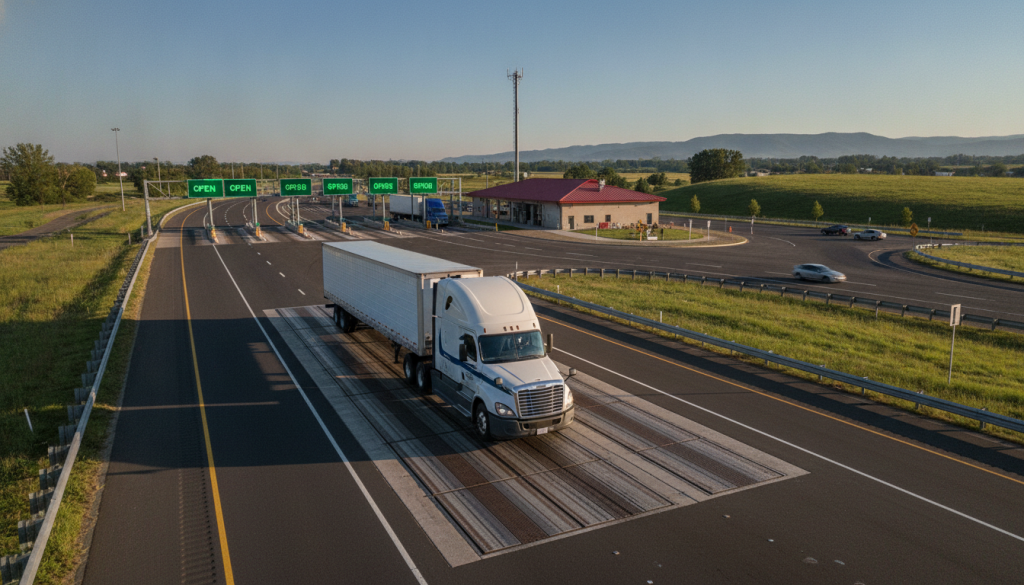
Implementing a highly resilient front-end defense system is paramount because preventing severe mechanical damage to your engine compartment directly preserves your fleet’s operational uptime. Installing a heavy-duty deer guard for semi truck transforms your vehicle’s front end from a vulnerable point of failure into a rigid shield capable of dispersing high-velocity kinetic forces away from fragile core components.
Beyond physical protection, these assemblies serve as an indispensable risk-management asset. By reinforcing your tractor’s structural profile, you proactively mitigate secondary financial losses, bolster driver safety confidence, and ensure that minor wildlife encounters do not cascade into catastrophic road service events.
What is the true cost of front-end collisions?
You might look at a bumper as just another line-item expense, but that is a short-sighted perspective. Let’s face it: the cost of a single collision is exponentially higher than the initial investment in front-end protection.
When an animal strike or road debris impacts an unprotected rig, the financial damage spreads far beyond a broken grille. You have to account for towing, parts, labor, and the devastating impact of delayed cargo on your shipper relationships.
- Emergency Towing: Heavy-duty towing and recovery fees range from $1,500 to $4,000+ per incident.
- Cooling Package: OEM radiator, charge air cooler, and condenser replacement costs run between $4,500 and $7,000.
- Body & Hood: Exterior body panels, hood restoration, and paint labor can easily exceed $12,000.
- Downtime Losses: Average fleet downtime losses range from $1,000 to $1,800 per day of inactive operation.
| Collision Metric | Unprotected Truck | Protected Truck |
|---|---|---|
| Cooling System Damage | Complete Destruction / Rupture | Zero Damage (Impact Absorbed) |
| Average Repair Timeline | 5 to 14 Business Days | 0 to 1 Business Day (Inspection Only) |
| Operational Downtime Cost | High ($5,000 – $25,000+) | Extremely Minimal ($0 – $500) |
| Towing Requirements | Mandatory Flatbed/Wrecker Service | Driveable (Saves Towing Fees) |
Analyzing these metrics reveals that proactive mitigation prevents catastrophic financial exposure from minor highway incidents.
Key Takeaway: Front-end protection acts as a high-value insurance policy, turning potential multi-thousand-dollar towing and downtime disasters into minor, non-disruptive events.
How do you assess wildlife risks on your routes?
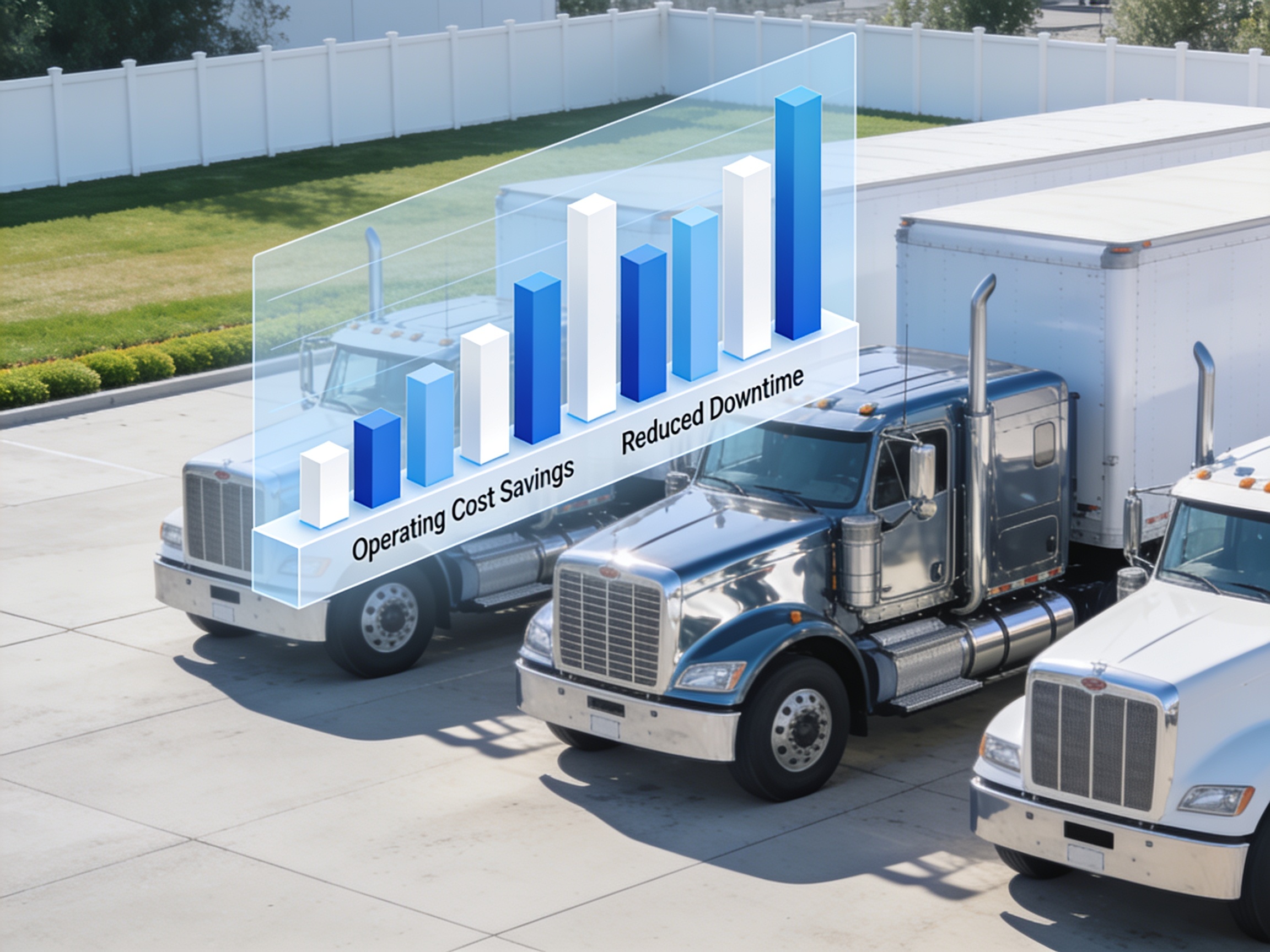
Correctly identifying the wildlife hazards along your shipping lanes allows you to choose a bumper setup that matches the physical demands of your operating environment. A premium deer guard for semi truck must be chosen based on the local fauna’s physical mass, as a guard designed to deflect a standard whitetail deer will yield under the severe force generated by an adult moose or elk.
Fleet managers must carefully evaluate seasonal migration patterns, route geography, and driver incident reports. Standard interstate lanes operating through highly populated agricultural zones present high-frequency, lower-mass hazards, whereas remote northern regions require heavy structural defenses.
How does wildlife mass dictate bumper specifications?
You must understand the physics of kinetic energy during animal strikes to select the correct guard. Think about it: a high-speed collision with an animal generates forces that can instantly crumple weak metals.
If you primarily traverse routes with light wildlife, your guard requirements differ significantly from those running where large game is common. Designing your defenses around the most severe hazard ensures your trucks keep moving.
- Light Hazards (Whitetail Deer, Hogs): 150 to 350 lbs; requires rigid vertical and horizontal tube protection to block localized radiator punctures.
- Medium Hazards (Elk, Mule Deer): 400 to 800 lbs; demands augmented internal gussets and thicker outer tubing to absorb high-velocity strikes.
- Severe Hazards (Moose, Mature Cattle): 900 to 1,500+ lbs; requires frame-integrated structural bumpers with full wrapping profiles.
| Target Animal | Average Weight | Primary Structural Risk | Minimum Bumper Thickness |
|---|---|---|---|
| Whitetail Deer | 150 – 300 lbs | Broken Headlights & Grille Damage | 3.0″ Tubing (Stainless/Aluminum) |
| Wild Hogs | 200 – 500 lbs | Low-Underbelly & Steering Gear Damage | Reinforced Lower Rake Guard |
| Elk / Moose | 800 – 1,500 lbs | Rollover Hazard, Crushed Radiator & Hood | 4.0″ Tubing with Baluster Bracing |
This risk-assessment matrix serves as a blueprint for aligning structural yield strength with real-world kinetic forces.
Key Takeaway: Matching your bumper’s yield strength to the maximum animal weight found on your route is critical to avoiding structural collapse during an impact.
Should you choose a bumper or a grille guard?
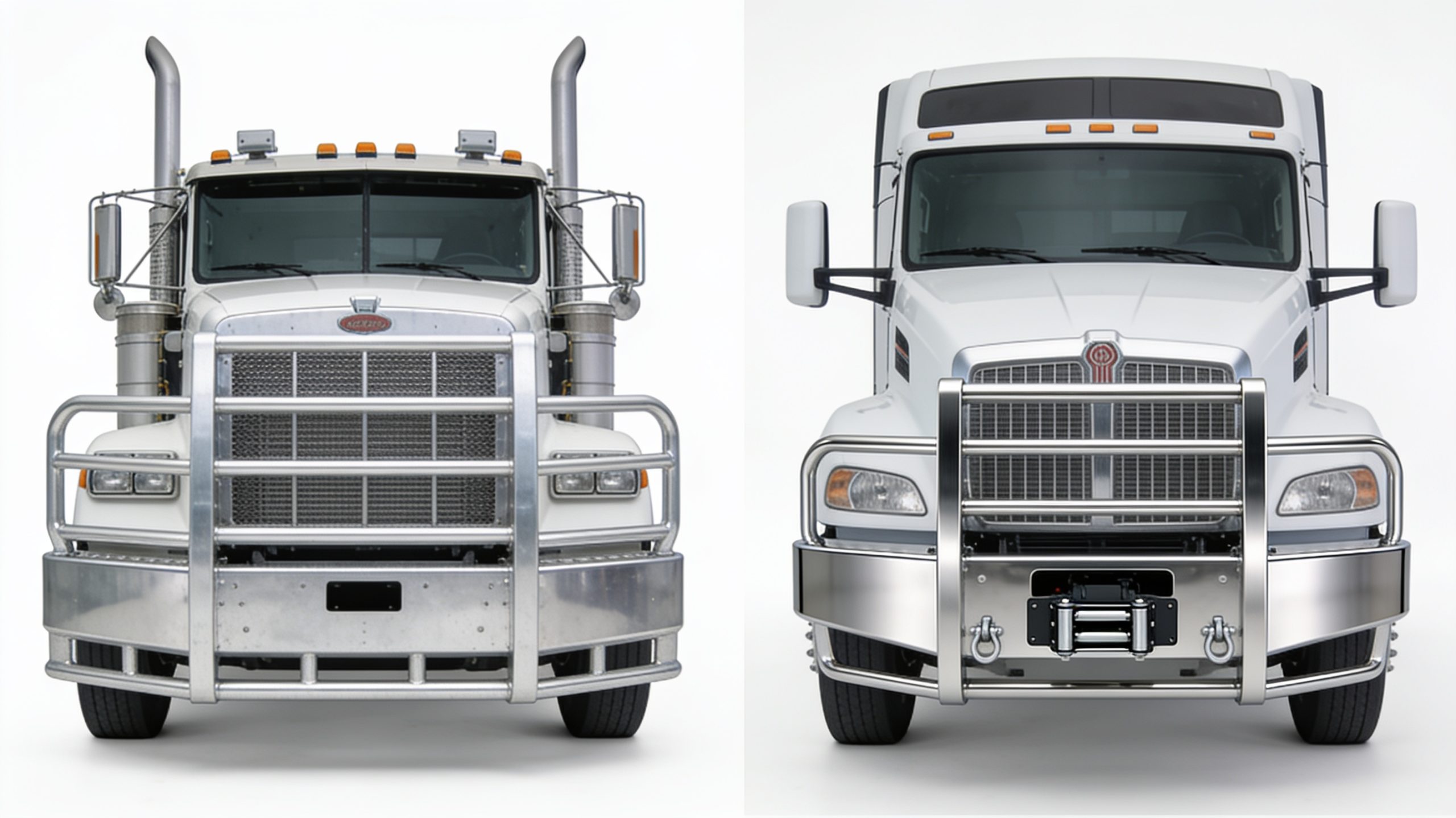
Deciding between a full replacement bumper and a modular grille guard depends on your operational priorities, budget, and desired level of defense. A complete deer guard for semi truck system can be configured as a quick-mount grille guard to block highway debris, or as an integrated replacement bumper for comprehensive protection.
While grille guards are easier to install and transfer between trucks, full-width replacement bumpers offer superior strength and complete wrap-around coverage. They protect not just the radiator, but also the headlights, fenders, and steering gear.
What are the benefits of a full-width bumper?
You should look at the wrap-around outer ears and robust mounting systems of full bumpers if you want maximum peace of mind. Here is the kicker: a full replacement bumper provides unmatched defensive coverage that can save your entire front end.
By choosing a bumper that replaces the OEM factory unit, you gain a massive structural shield. This setup is essential if you run off-highway access roads or face extreme collision risks.
- Fender Protection: Wraps completely around the front corners to shield valuable headlight assemblies and fiberglass fenders.
- Integrated Tow Pulls: Maintains easy access to heavy-duty recovery points without compromising structural coverage.
- Underbelly Shielding: Features lower rake plates to protect critical steering linkages and coolant hoses.
When is a standard grille guard sufficient?
You might find that a lighter grille guard is perfect for standard highway operations where weight is a key consideration. Think about it: a high-quality grille guard still provides excellent center-line defense.
If you want to compare moose and deer protection to see which configuration fits your budget, analyzing route risks is your best starting point. Grille guards keep costs low while securing your most critical engine components.
- Fast Installation: Mounts directly to the existing front tow receivers without complex frame modifications.
- Weight Efficiency: Minimizes added front-axle weight, making it highly attractive for weight-sensitive operations.
| Feature Category | Full Replacement Bumper | Modular Grille Guard |
|---|---|---|
| Coverage Area | Full Hood, Fenders, Headlights, Undercarriage | Center Radiator, Grille, Main Headlights |
| Mounting Mechanism | Frame-Integrated Brackets | Tow-Receiver Mounts |
| Average Weight | 300 – 500 lbs (Premium Aluminum Alloy) | 150 – 210 lbs (Stainless Steel) |
| Installation Complexity | Moderate (Professional Shop Recommended) | Simple (Bolts directly onto Tow Receivers) |
Selecting the right configuration requires balancing complete structural coverage against operational weight limits.
Key Takeaway: Replacement bumpers offer maximum protection for high-risk operations, while grille guards provide lightweight, cost-effective defense for standard highway fleets.
Which materials offer the best impact resistance?
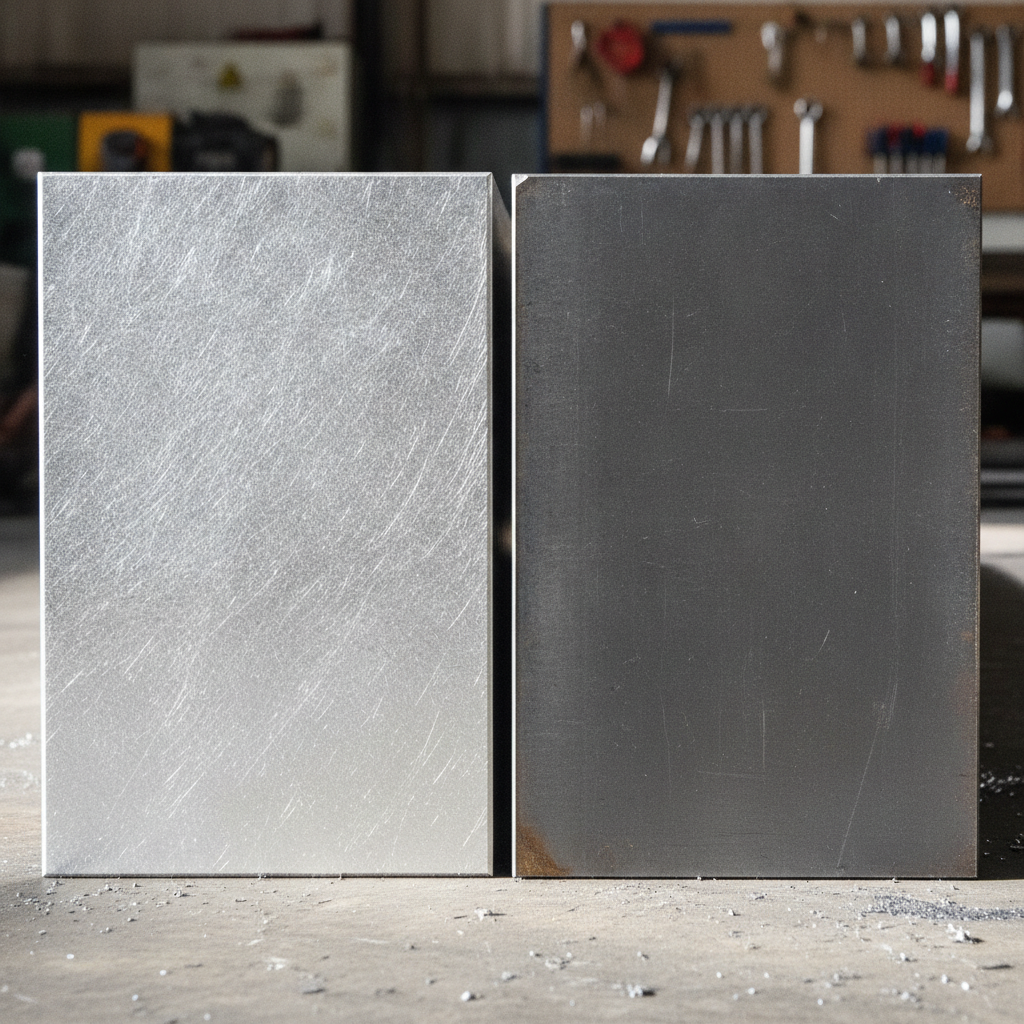
Selecting the right material is essential to balancing maximum impact strength with the front-axle weight limits of your truck. Choosing a high-tensile deer guard for semi truck manufactured from structural-grade aluminum alloy ensures that your rig gains robust impact defense without adding excess front-axle weight.
Metallurgy affects both how well a guard handles cold weather and how long it lasts in harsh climates. Premium marine-grade aluminum and high-tensile stainless steel maintain structural integrity across extreme temperature swings, resisting road-salt corrosion and rust.
Why is marine-grade aluminum highly valued?
You can save fuel and axle wear by choosing lightweight marine-grade alloys that don’t sacrifice strength. You might be wondering: how can aluminum compete with steel for heavy-duty protection?
The answer lies in advanced engineering and heat treatment. High-tensile aluminum alloys possess incredible structural properties that allow them to absorb and dissipate massive impact forces.
- Tensile Strength: Delivers comparable yield strength to structural steel while weighing up to 50% less.
- Corrosion Resistance: Develops a self-healing oxide layer that completely resists winter chemicals and road salts.
- Axle Loading: Lowers front-axle stress, extending the life of your steer tires and suspension components.
| Material Type | Tensile Strength | Weight Rating | Corrosion Resistance | Lifetime Maintenance |
|---|---|---|---|---|
| Marine-Grade Aluminum | Very High | Excellent (Lightweight) | Outstanding | Minimal (Occasional Wash) |
| 304 Stainless Steel | High | Moderate (Heavier) | Excellent | Low (Polished Finish) |
| Coated Mild Steel | High | Poor (Extremely Heavy) | Moderate (Requires Coating) | High (Rusts if chipped) |
Investing in superior metallurgy minimizes long-term rust-induced structural failures on harsh winter routes.
Key Takeaway: Choosing marine-grade aluminum provides the perfect balance of lightweight fuel efficiency and extreme impact resistance.
How does mounting style affect guard performance?
The way your bumper mounts to your truck’s chassis determines how effectively it transfers and dissipates heavy impact forces. An engineered deer guard for semi truck relies on rigid structural mounting brackets to direct the kinetic energy of a crash into the heavy steel frame rails, bypassing fragile body panels.
Weak mounting styles can cause a bumper to fold back into the hood during an impact, turning a minor animal strike into a major mechanical failure. Direct frame-rail mounting ensures that the bumper remains rigid and aligned, even under severe forces.
What makes frame-integrated mounting superior?
You want a mounting system that can handle severe dynamic loads without bending or shearing. It gets better: direct-to-frame mounting creates a continuous structural path that protects the radiator and hood.
When you mount directly to the chassis, you ensure the guard performs exactly as the engineers intended. This setup prevents the guard from vibrating, rattling, or coming loose over millions of highway miles.
- Energy Dissipation: Routes impact force directly into the high-strength truck frame rails, preventing radiator damage.
- Vibration Elimination: Eliminates the common highway shaking seen in cheaply built aftermarket mounting brackets.
- Structural Alignment: Maintains perfect spacing between the bumper and the hood, even during heavy off-road use.
| Mounting Attribute | Frame-Integrated Brackets | Tow-Receiver Pin Mounting |
|---|---|---|
| Impact Energy Transfer | Directly to structural chassis rails | Localized to tow receiver pins |
| Vibration Dampening | Outstanding (Zero Highway Shaking) | Moderate (May require adjustments) |
| Reversibility | Semi-Permanent (Bolt-On installation) | Fast Removal (Pin-Release system) |
| Chassis Protection | Maximum (Prevents bumper folding) | High (Excellent for standard strikes) |
Ensuring structural load paths terminate directly at the main frame rails is critical for severe impact mitigation.
Key Takeaway: Strong mounting brackets are just as important as the bumper itself; direct frame integration ensures your safety guard works exactly as engineered.
Will front-end protection affect truck sensors?
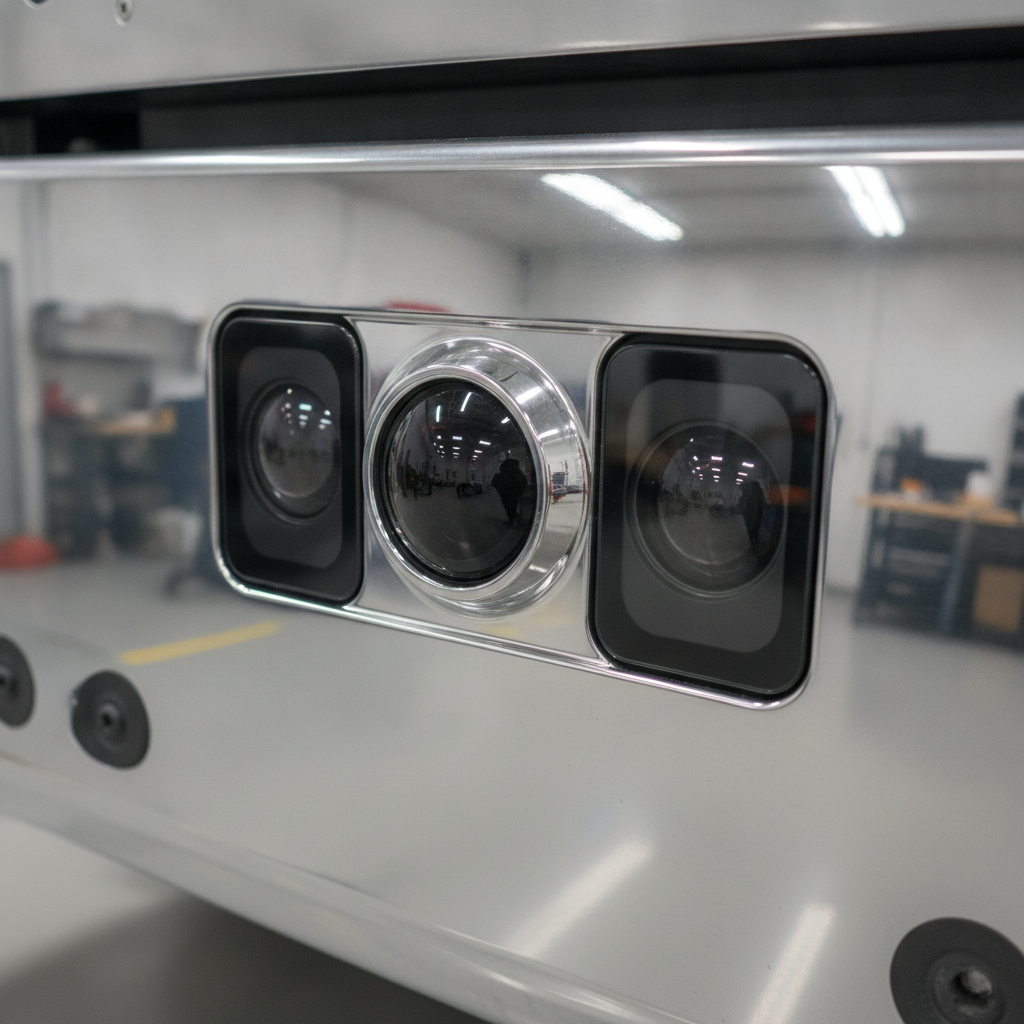
Modern front-end protection must be carefully designed to integrate with your truck’s advanced safety electronics without causing sensor errors. A professional-grade deer guard for semi truck is built with precise clearances, ensuring that forward-facing radar and cameras can operate without obstruction.
Simple aftermarket guards often block radar fields of view, leading to sensor faults and disabling active driver-assist systems. OEM-grade designs include dedicated openings and mounting spots to keep these systems working properly.
How are guards designed for radar compatibility?
You must verify that your active safety systems remain fully functional after installing front-end armor. Best of all: properly engineered radar windows allow the signal path to remain clear.
Protecting these sensors from stone chips and minor impacts saves you from expensive recalibration costs down the road. High-quality guard designs make sure you never have to trade physical safety for electronic protection.
- Signal Clearance: Uses specialized cutouts and spacing to prevent metallic interference with radar waves.
- Vibration Dampening: Keeps sensor brackets isolated from road vibrations to prevent false emergency braking.
- Sensor Shielding: Encloses fragile sensor housings in recessed cavities to guard against direct rock strikes.
| Sensor System | Primary Hazard | Bumper Design Solution | Sensor Status |
|---|---|---|---|
| Collision Avoidance Radar | Signal Blockage / Metal Obstruction | Engineered Open Center Windows | Fully Operational |
| Lane Departure Cameras | Hood Flex / Bumper Vibration | Vibration-Isolated Frame Brackets | Unaffected |
| Forward Dash Cameras | Blocked Field of View | Low-Profile Upper Tubing Alignment | Clear Sightline |
Modern fleet protection must achieve seamless electronic integration to preserve advanced driver assistance functions.
Key Takeaway: High-quality design keeps your drivers safe by combining physical protection with fully functioning electronic collision safety systems.
How do welding standards influence guard strength?
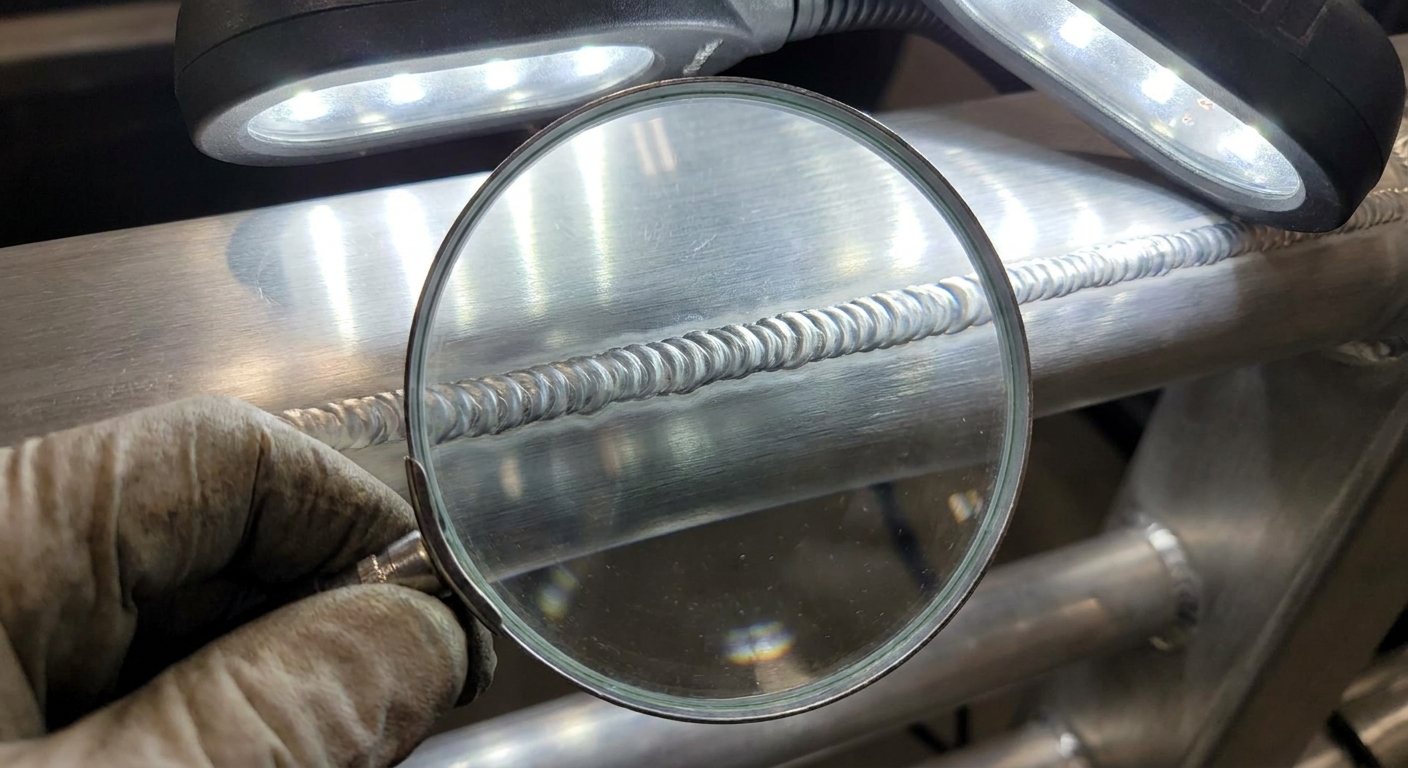
The ultimate strength of any protective bumper depends on the quality and precision of its welded joints. An impact-ready deer guard for semi truck relies on professional, high-precision TIG welding to prevent joint cracking during heavy impacts and cold weather.
High-quality welding techniques create seamless, consistent connections that distribute impact forces evenly across the bumper. This high-precision approach prevents cracking along the heat-affected zone, ensuring the bumper stands up to years of real-world use.
What is a stacked dime weld bead?
You can easily spot premium metal fabrication by examining the uniformity of the weld joints. Think about it: a stacked dime TIG weld bead isn’t just about clean looks; it represents perfect thermal fusion and maximum structural integrity.
Inferior welds often hide structural voids that fail under the sudden stress of an animal collision. Choosing a guard welded by expert craftsmen ensures that the metal is fused deeply all the way through the joint.
- Uniform Penetration: Fuses structural aluminum tubing deep into the base plates for unmatched weld strength.
- Stress Distribution: Eliminates localized stress points where high impact forces could cause a sudden tear.
- Extreme Weather Durability: Prevents the weld from becoming brittle and cracking under sub-zero temperatures.
| Welding Standard | Premium TIG (Stacked Dime) | Standard Mass-Production MIG |
|---|---|---|
| Joint Strength | Maximum (Full structural fusion) | Moderate (Higher risk of cold-lap welds) |
| Aesthetic Quality | Clean, highly polished look | Rough, needs extra grinding |
| Cold-Weather Durability | Outstanding (Does not become brittle) | Moderate (Prone to cracking under high stress) |
| Weld Uniformity | Extremely High (Controlled manually) | Variable (Fast, automated production) |
The structural integrity of custom-fabricated protection systems relies directly on the precision and consistency of its joined welds.
Key Takeaway: A bumper is only as strong as its weakest weld; choosing premium TIG-welded construction guarantees long-term durability.
Does the weight of a guard impact your fuel economy?
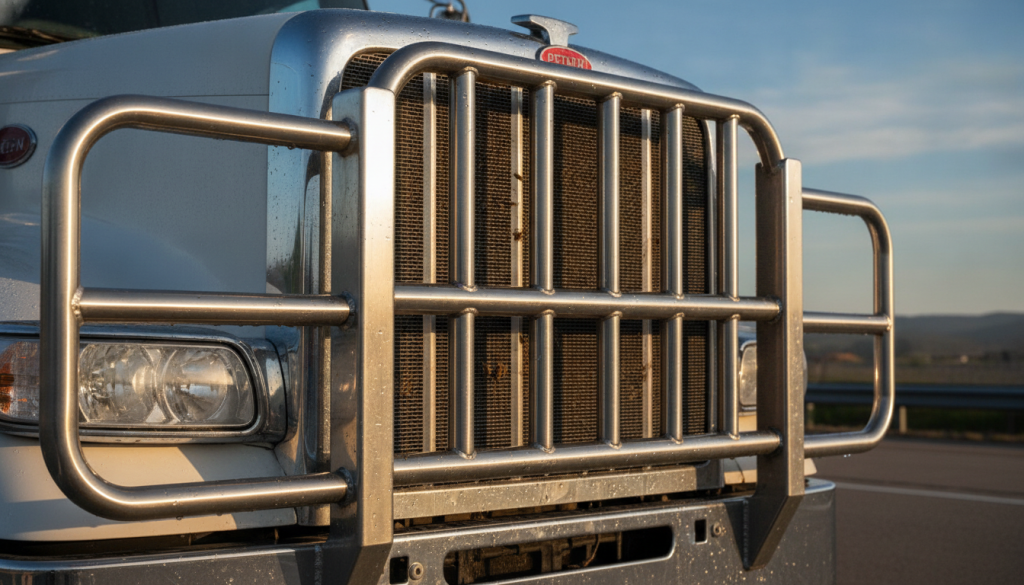
While adding front-end protection does increase your vehicle’s static weight, choosing a smart design can minimize any impact on fuel efficiency. Modern deer guard for semi truck systems use high-strength aluminum alloys to provide maximum protection while keeping weight low, protecting your fuel mileage.
Aerodynamics plays a much larger role in fuel economy than structural weight on the highway. A well-designed, aerodynamic guard redirects airflow smoothly around your truck’s cab, balancing out the weight of the metal.
How do engineers optimize strength-to-weight ratios?
You don’t have to choose between protecting your rig and maintaining a high fuel-mileage average. Let’s be honest: smart engineering distributes metal only where it is needed to absorb impact.
By using high-strength alloys and geometric profiles, manufacturers can shed unnecessary pounds without losing protective power. This ensures your operations remain profitable on every haul.
- Geometric Ribbing: Adds structural folds and bends that increase strength without requiring thicker plates.
- Hollow-Box Uprights: Uses hollow vertical box structures that provide extreme rigidity at a fraction of solid weight.
- Tapered Top Bars: Shaves weight from the upper assembly where major structural loads are less frequent.
| Guard Class | Average Weight Range | Aerodynamic Profile | Estimated Fuel Impact |
|---|---|---|---|
| Ultra-Light Aluminum Guard | 120 – 170 lbs | Sleek, swept-back bars | Under 0.05% change |
| Heavy-Duty Aluminum Bumper | 280 – 380 lbs | Integrated wind-deflecting shapes | Negligible (Balanced by aero gains) |
| Heavy-Duty Steel Bumper | 500 – 750+ lbs | Boxy, high-drag design | 0.5% – 1.2% reduction |
A minimal, calculated weight increase is a highly cost-effective trade-off for absolute peace of mind against collision-induced downtime.
Key Takeaway: Lightweight structural engineering delivers extreme impact protection without sacrificing haul capacity or fuel efficiency.
How do latch designs optimize daily maintenance?
A smart, functional front guard should never slow down your daily pre-trip inspections or routine maintenance. A high-quality deer guard for semi truck features robust, quick-release latching mechanisms that allow your drivers to tilt the hood quickly and easily.
Hard-to-use latch systems can discourage drivers from doing thorough pre-trip checks, creating safety risks. Using heavy-duty spring-loaded slam-latches keeps the bumper secure on the highway while allowing quick access in the shop.
What are the benefits of slam-latch mechanisms?
You can save hours of maintenance labor over the year by having a guard that opens instantly. Believe it or not: some guards require multiple tools just to tilt the hood.
If you want to optimize your fleet’s daily routine, investing in user-friendly latches and integrated step tool box systems is an absolute necessity. Quick hood access means inspections actually get done every single day.
- Tool-Free Release: Allows drivers to disengage and fold down the guard with a simple manual pull pin.
- Slam-to-Lock: Features automatic mechanical locking when you lift the guard back up into place.
- Wear-Prevention Pins: Includes rubber vibration dampeners to prevent metal-on-metal wear at pivot joints.
| Latch System Type | Opening Speed | Required Tooling | Locking Security | Maintenance Needs |
|---|---|---|---|---|
| Quick-Release Slam Latch | Under 10 Seconds | None (Single Hand Pulled) | Extremely High (Auto-Lock) | Low (Periodic cleaning) |
| Double Grip Latch Pin | Under 20 Seconds | None (Pull Pin System) | High (Manual Pin Lock) | Low (Inspect pins) |
| Bolt-On Plate Bracket | 5 to 10 Minutes | Impact Wrench / Hand Tools | High (Bolted) | Moderate (Thread check) |
Integrating high-efficiency latch mechanisms directly enhances fleet maintenance compliance and operational workflow.
Key Takeaway: High-quality latch systems make daily safety checks easy, keeping your fleet compliant and running smoothly.
How do you calculate the return on your investment?
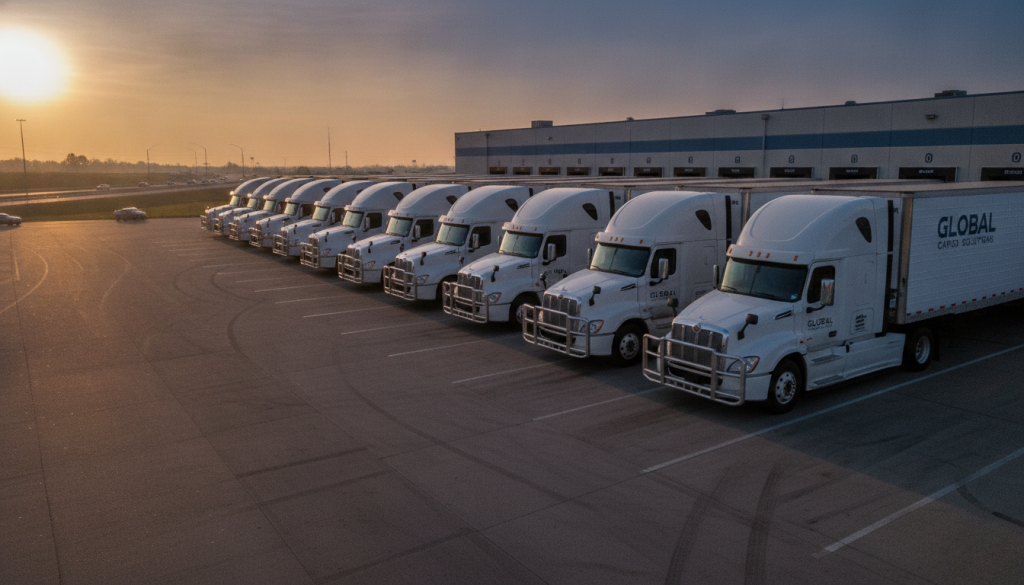
Calculating the return on your front-end protection is a simple matter of comparing the cost of the guard with the high price of accident repairs. Purchasing a premium deer guard for semi truck shifts your fleet from reactive collision repairs to proactive, long-term capital preservation.
For fleets running regional or long-haul routes, a single avoided animal strike pays for the entire cost of the bumper. Over several years, this investment protects your bottom line, keeps insurance deductibles low, and maintains high resale value for your trucks.
What is the ROI timeline for fleet protection?
You should look at the numbers over a multi-year timeline to see the true cost benefits. Here is the bottom line: a high-quality bumper stops minor highway incidents from eating your profit margins.
If you want to increase organization and protect other accessories, incorporating heavy-duty tool box setups and tire chain hanger racks further shields your fleet assets. Expanding your fleet’s protective envelope pays dividends in resale value and insurance savings.
- Instant Payback: One avoided deer strike completely offsets the initial capital cost of the guard.
- Stable Insurance: Minimizes expensive insurance deductibles and protects your policy from premium increases.
- CSA Scores: Keeps your CSA safety scores perfect by avoiding highway accident reporting and clean tow records.
| Operational Cost Category | Standard Unprotected Fleet | Engineered Protected Fleet |
|---|---|---|
| Yearly Bumper/Grille Capital Cost | $0 (Base Setup) | $1,200 – $3,500 (One-time asset cost) |
| Average Collision Repair Cost/Year | $8,500 – $18,000+ | $0 (Bumper absorbs strike damage) |
| Average Annual Downtime per Tractor | 6 to 12 Working Days | Under 1 Working Day |
| Insurance Claim Adjustments | Premium Increases Expected | Clean Claims Record / Stable Premiums |
The capital return on rugged front-end protection is immediately realized at the point of the first avoided wildlife strike.
Key Takeaway: Front-end protection is a high-yield risk-management tool that pays for itself by preventing expensive collision damage.
Conclusion
Protecting your trucks from wildlife strikes, expensive road debris, and costly downtime is easy when you choose the right front-end protection system. As a direct-factory manufacturer with over ten years of heavy-duty truck protection experience, we specialize in high-precision, build-to-print moose bumpers, custom grille guards, and specialized tool boxes built for the North American market. We believe that structural protection should never be sacrificed for cheap cosmetics or cut corners. Every truck deserves OEM-grade, precision-welded armor built to handle real-world highway hazards. To protect your drivers and your bottom line, contact us today to talk with an engineer, request a custom quote, or start your fleet OEM program.
Frequently Asked Questions
Can I install a heavy-duty bumper on my truck if it has a collision avoidance system?
Yes, you can. Premium modern bumpers are specifically engineered with precision radar and camera windows that allow advanced safety sensors to function seamlessly without interference. These designs match standard OEM sensor layouts, keeping your collision avoidance and adaptive cruise control systems fully active and functional.
What’s the best material to choose for a balance of strength and fuel economy?
Marine-grade aluminum is the absolute best choice. It provides exceptional tensile strength and energy dissipation while remaining incredibly lightweight, minimizing front-axle weight loading. This high-strength-to-weight ratio allows you to maximize your payload and protect fuel mileage while gaining rugged impact defense.
How do I know if my fleet needs a frame-integrated bumper instead of a grille guard?
You need a frame-integrated bumper if your routes consistently cross high-risk wildlife corridors or heavy industrial environments. If your trucks frequently run regional routes with high populations of deer, elk, or moose, or access off-road logging or construction sites, the extra strength of frame-mounting is necessary. For standard, highway-only long-haul trucks, a grille guard is usually sufficient.
Can I transfer my tow-receiver mounted grille guard to another truck model in my fleet?
Yes, you can, provided the target truck shares a compatible tow-receiver configuration and front-end geometry. This modular capability makes grille guards highly flexible for multi-truck fleets, allowing you to easily swap protection as you update or change your vehicles.
What’s the best way to verify perfect weld quality on a custom-manufactured truck guard?
Look for uniform “stacked dime” weld profiles. Consistent TIG welds indicate exceptional penetration and joint structural integrity, guaranteeing that the guard will not fracture under violent impacts. High-quality welds show proper manufacturing standards and long-term durability.