
Choosing a step tool box over a traditional model is the single most effective upgrade for fleets looking to maximize storage accessibility without sacrificing frame space or climbing safety. Imagine climbing onto a wet deck plate in freezing weather to grab a heavy set of chains. You struggle against a narrow opening, scrape your knuckles, and waste precious minutes on the shoulder of a busy highway. Upgrading your rig with a heavy-duty step tool box provides both a safe, high-traction ladder and an incredibly spacious, easy-to-access storage locker.
What Is a Big Mouth Step Box?
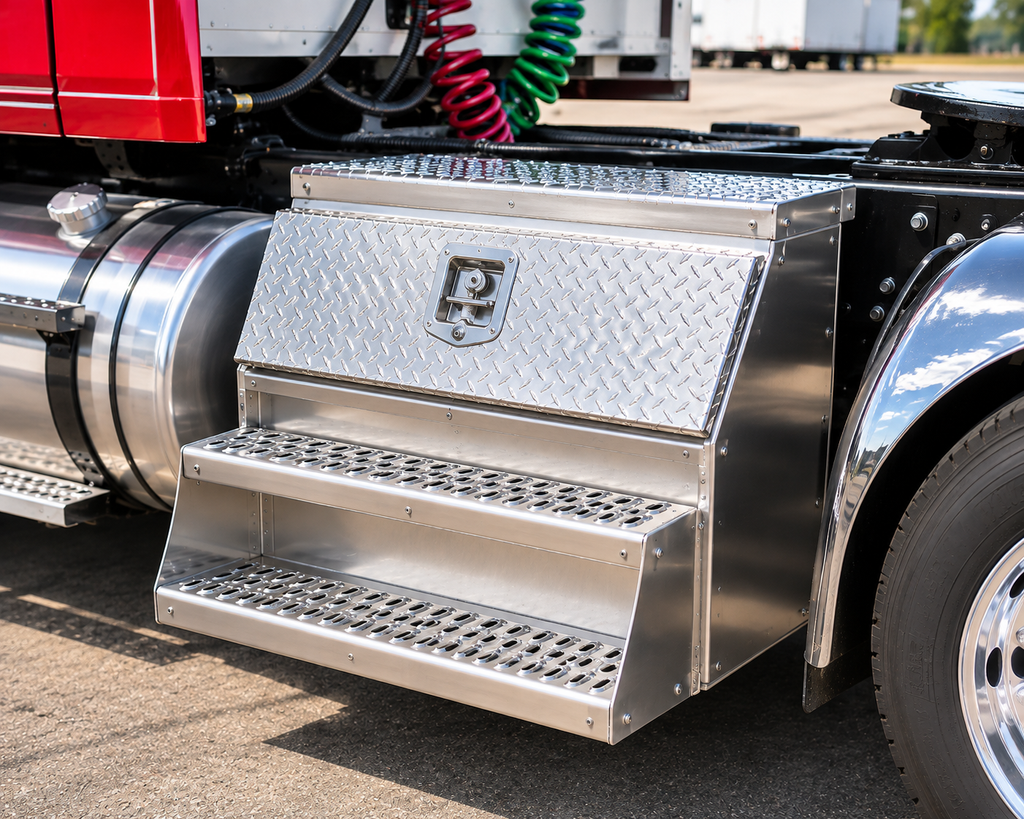
A Big Mouth step box is a dual-purpose frame-mounted storage unit designed with an innovative wrap-around lid that cuts away the upper frame corner to expand the door opening. This specialized step tool box combines heavy-duty climbing steps with an incredibly open, unobstructed cargo vault.
By merging deck plate access with spacious utility, it eliminates the cargo bottlenecks common to flatbed trailers. This design allows operators to manage heavy rigging directly from the ground.
How Does the Wrap-Around Lid Work?
Traditional cargo boxes force you to load tools through a restrictive flat front opening. The wrap-around lid addresses this by integrating the top surface and the front face into a single pivoting door.
Here is why this matters:
When you unlatch the box, the entire upper-front corner swings up and out of the way. This layout lets you drop oversized items straight down into the storage cavity rather than sliding them horizontally.
- Angled access path: Dramatically increases vertical clearance.
- Top tread step: The reinforced lid serves as a heavy-duty platform.
- Direct ground sightlines: Operators can see every item inside without kneeling.
Key Takeaway: The wrap-around design maximizes cargo entry clearance, allowing operators to transition smoothly between climbing and loading with zero wasted effort.
| Access Feature | Standard Box Construction | Big Mouth Wrap-Around Design |
|---|---|---|
| Opening Type | Flat vertical door | Dual-angle wrap-around lid |
| Loading Direction | Horizontal slide-in | Vertical drop-in & slide-in |
| Visual Clarity | Restricted front-only view | Full overhead visibility |
This physical comparison shows how the angled entry profile eliminates dead zones where small parts often get lost.
Why Do Traditional Step Boxes Fail?
Traditional step boxes fail because their narrow, rectangular openings make it highly difficult to retrieve heavy, bulky road tools. Fleet operators frequently struggle to maneuver wide chains or binders through the restrictive front profile of a standard step tool box.
This narrow design forces you into awkward lifting postures that increase fatigue. Over time, the constant friction of sliding heavy equipment against sharp metal edges damages both the box and your gear.
What Strains the Operator’s Back?
Let’s face it:
Lifting a heavy set of frozen tire chains is difficult enough on its own. When you have to stand far back from the frame rail to clear a fold-down door, you put massive rotational torque on your lower back.
Traditional units place a heavy drop-down door directly in front of your feet. This barrier forces you to lean forward at a dangerous angle while holding dozens of pounds of wet steel.
- Footpath obstruction: The drop-down door blocks your natural standing position.
- Reduced leverage: Leaning forward reduces your physical lifting power.
- Increased muscle strain: Awkward angles spike the risk of sudden injury.
Key Takeaway: Eliminating the physical barriers of traditional doors directly decreases driver fatigue and lowers the risk of costly roadside back injuries.
| Ergonomic Factor | Traditional Drop-Door Setup | Modern High-Clearance Design |
|---|---|---|
| Standing Distance | 12 to 18 inches away | Directly adjacent to the frame |
| Back Strain Risk | High due to forward lean | Low due to upright lifting posture |
| Foot Clearance | Blocked by open door | Completely unobstructed |
This data highlights how moving the door barrier allows the operator to lift with their legs rather than straining their lower back.
How Do These Two Step Box Styles Compare?
While both styles share the same structural mounting footprint and high-traction steps, they differ fundamentally in how their doors open and how much usable space they expose. A traditional step tool box relies on a vertical faceplate door, whereas the modern cutaway style opens from the top and front simultaneously.
Choosing between them requires balancing simple, lightweight utility against advanced ergonomic storage. The right style will directly impact how quickly and safely your crew can deploy road gear.
Which Layout Optimizes Daily Operations?
Think about it:
Every minute your truck spends parked on the shoulder is a minute of lost revenue. If your drivers have to struggle to locate tools buried in a dark box, those delays quickly add up.
The modern open-concept design exposes the entire cargo compartment at once. Drivers can quickly identify and grab the exact tool they need without digging through layers of gear.
- Fast visual inventory: See everything inside at a single glance.
- Organized compartments: Side-by-side storage is easy to maintain.
- Less clutter buildup: Open layouts prevent debris from collecting in blind corners.
Key Takeaway: Upgrading to a modern layout boosts daily productivity by streamlining gear organization and slashing retrieval times.
| Operational Variable | Traditional Step Box | Big Mouth Step Box |
|---|---|---|
| Door Access Angle | 90-degree front vertical | 180-degree front and overhead |
| Tool Retrieval Speed | Slow (requires searching) | Fast (direct line of sight) |
| Compartment Access | Blind spots in upper corners | 100% accessible volume |
The comparison shows that the 180-degree opening completely eliminates the blind storage spots common to older box styles.
Which Box Design Maximizes Opening Size?
The Big Mouth step box maximizes opening size by cutting away the upper metal frame to expand the physical doorway by fifty percent. This specialized step tool box transforms a narrow slot into a massive, three-dimensional entry portal.
By reclaiming the top corner of the box, it removes the vertical drop barrier entirely. This structural layout makes it easy to drop bulky blocks, jacks, and heavy chains straight down into the box.
Why Does a Wider Aperture Matter?
But wait, there’s more:
A larger opening does not just make loading easier; it also prevents damage to your hands and equipment. Standard boxes often force you to squeeze wide tools through tight spaces, scraping your knuckles.
With a fifty percent larger opening, you have plenty of room to maneuver. Even the bulkiest flatbed rigging slides in smoothly without catching on the door frame.
- Zero hand scraping: Safe clearance for gloved hands.
- No jammed cargo: Bulky items fit without needing to be angled.
- Safer winter operations: Easily load stiff, frozen ropes and chains.
Key Takeaway: Maximizing the doorway size provides the clearance needed to handle bulky cargo safely, protecting both the operator and the equipment.
| Width Model | Standard Door Area (Sq. In.) | Big Mouth Door Area (Sq. In.) | Net Gain |
|---|---|---|---|
| 12-Inch Box | 144 Sq. In. | 216 Sq. In. | +50% |
| 18-Inch Box | 216 Sq. In. | 324 Sq. In. | +50% |
| 24-Inch Box | 288 Sq. In. | 432 Sq. In. | +50% |
This mathematical gain proves that cutting back the top frame significantly increases usable clearance across all box sizes.
Why Does Door Swing Direction Matter?
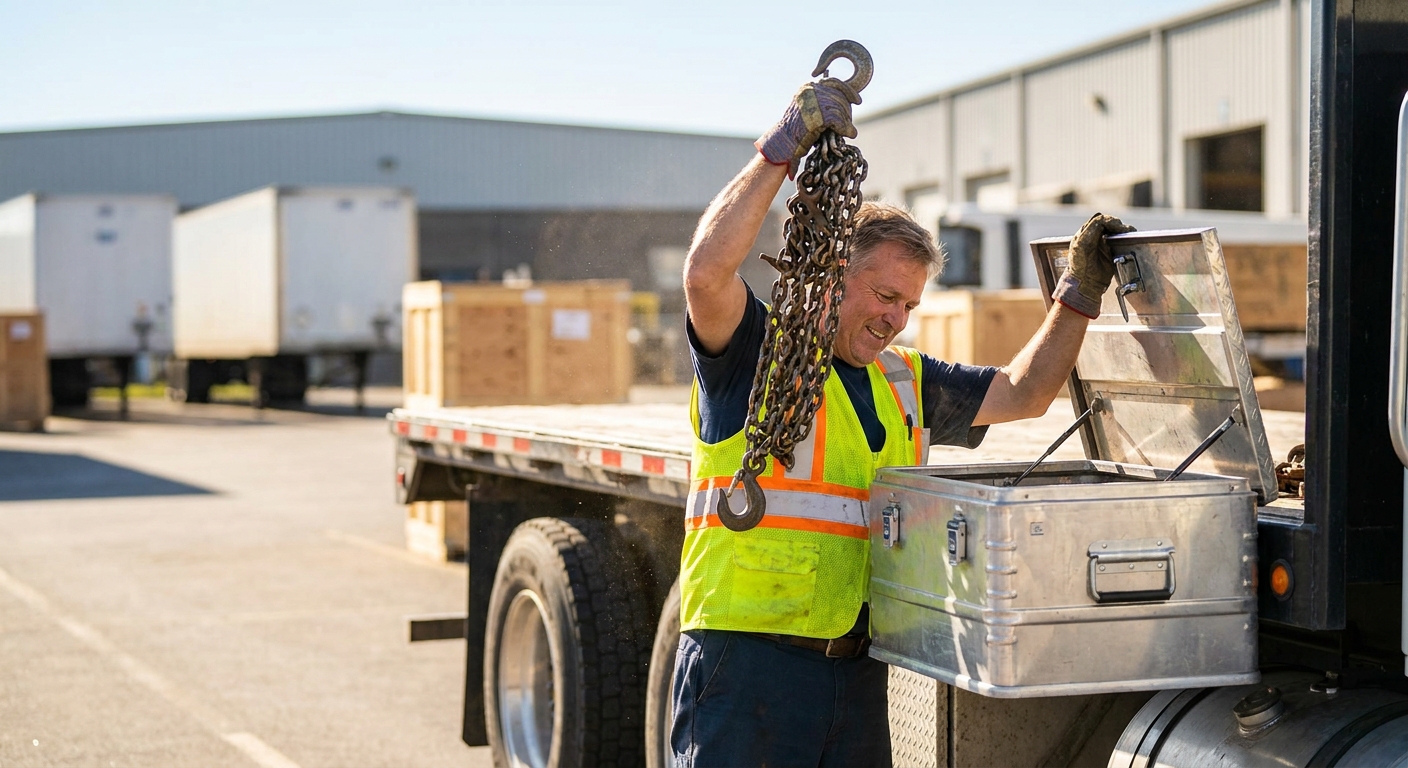
Door swing direction determines how close you can stand to the truck frame and whether sudden wind gusts pose a safety hazard. Traditional bottom-hinged doors swing down to block your path, whereas the upward-swinging lid of a modern step tool box moves completely out of your workspace.
Keeping the active workspace clear is essential for maintaining natural body mechanics during heavy lifts. Upward door movement allows you to step right up to the frame for maximum leverage.
Is an Upward-Swinging Door Safe?
But that’s not all.
You might worry that a heavy, top-hinged door could slam shut on your hands in high winds. To prevent this, the modern design features gas shocks or over-center hinges that lock the lid securely in place.
This specialized safety system ensures the door remains wide open even on steep highway slopes. You can focus entirely on loading your gear without worrying about a falling lid.
- Over-center lock angles: Keep the lid open past ninety degrees.
- Hands-free loading: No need to hold the door open while working.
- Pinch-point protection: Recessed hinges prevent accidental finger pinches.
Key Takeaway: Upward-opening lids clear the active loading zone, giving drivers an unobstructed path to lift heavy gear safely.
| Safety Parameter | Downward-Swinging Door | Upward-Swinging Lid |
|---|---|---|
| Leg Room | Constrained by open door | Completely open and clear |
| Wind Security | Rely on gravity only | Over-center mechanical lock |
| Hinge Stress | High (vulnerable to cargo) | Low (recessed top-mount) |
The comparison shows how moving the door upward improves safety and ergonomics by clearing the ground workspace.
Are Step Box Materials and Build Identical?
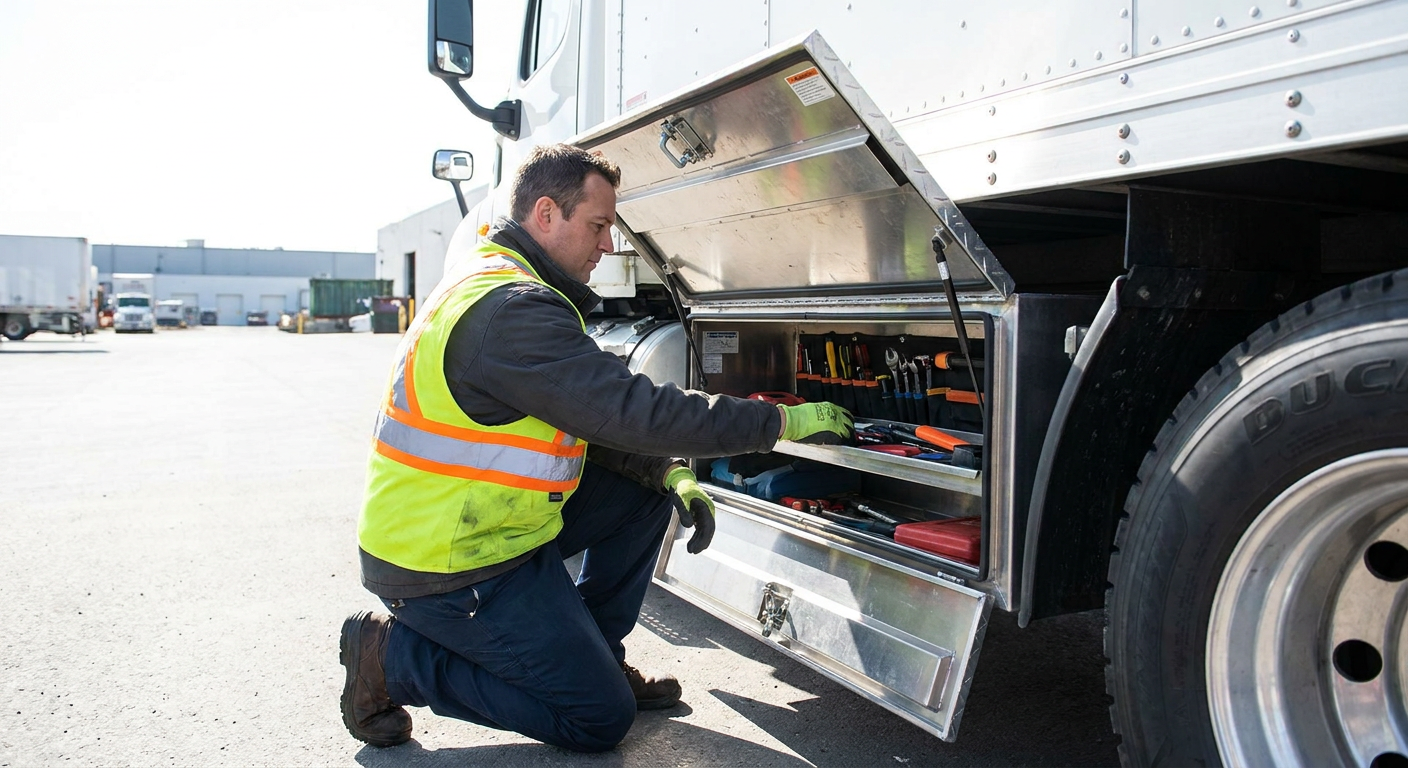
Yes, both styles are crafted from high-grade, marine-grade aluminum to deliver exceptional corrosion resistance and high structural durability. A premium step tool box uses thick aluminum alloy plates and continuous TIG welds to withstand severe highway vibrations.
However, the modern cutaway design features extra internal reinforcement channels to compensate for its wider opening. This specialized engineering ensures the structural integrity of the steps is never compromised under heavy loads.
What Makes the Weld Quality Crucial?
Let’s face it:
Road vibrations can slowly tear cheap welds apart over time. That is why premium units feature continuous, robotic TIG welds along every structural seam.
These robust welds prevent micro-cracking and keep the box perfectly square, ensuring the door matches its seal for a lifetime of heavy use.
- Marine-grade aluminum: Resists road salts and chemical wear.
- Continuous TIG welding: Eliminates weak points along the seams.
- Internal stiffeners: Protect the frame from bending under load.
Key Takeaway: Investing in premium marine-grade aluminum and continuous TIG welds guarantees your step box will handle years of harsh road abuse without cracking.
| Material Standard | Traditional Design Model | Reinforced Big Mouth Model |
|---|---|---|
| Aluminum Grade | 5052-H32 heavy-duty sheet | 5052-H32 heavy-duty sheet |
| Weld Style | Continuous TIG welding | Continuous TIG with corner gussets |
| Step Load Capacity | 350 lbs standard rating | 350 lbs with internal brace |
This structural comparison proves that both designs offer top-tier durability, though the Big Mouth features extra bracing to support its larger door.
How Does Weather Protection Compare?

Weather protection differs because the multi-angle door of the Big Mouth box requires a more complex, continuous sealing channel than the flat perimeter of a traditional step tool box. Keeping rain, snow, and corrosive road spray out of your cargo area is critical to preventing tool rust and keeping straps dry.
To ensure a tight seal, modern designs use heavy-duty neoprene gaskets mounted in recessed channels. This layout keeps the seal protected from direct contact with heavy tools during loading.
How Do Gaskets Prevent Water Leaks?
Here is why this matters:
Water pooling inside your box can ruin expensive straps, rust binders, and cause tools to freeze together in winter. A premium weather seal must compress evenly along the entire door perimeter to keep moisture out.
The modern recessed channel design prevents the gasket from being pinched or torn during daily loading. This means your gear stays dry and ready for action in any weather.
- Automotive-grade neoprene: Remains flexible in extreme cold.
- Recessed sealing channels: Protect the gasket from impact damage.
- Full-perimeter compression: Prevents water from creeping in under highway winds.
Key Takeaway: Heavy-duty neoprene seals in recessed channels keep moisture and road grime out, protecting your tools from rust and winter freeze-ups.
| Seal Component | Flat Vertical Door | Multi-Angle Wrap-Around Door |
|---|---|---|
| Gasket Material | Standard closed-cell foam | High-compression hollow neoprene |
| Channel Design | Flat edge mount | Recessed multi-angle path |
| Moisture Resistance | Good under standard conditions | Outstanding under high-speed spray |
This seal analysis shows how advanced, multi-angle recessed gaskets provide superior protection against high-speed road spray.
How Does Mounting Change Between Designs?
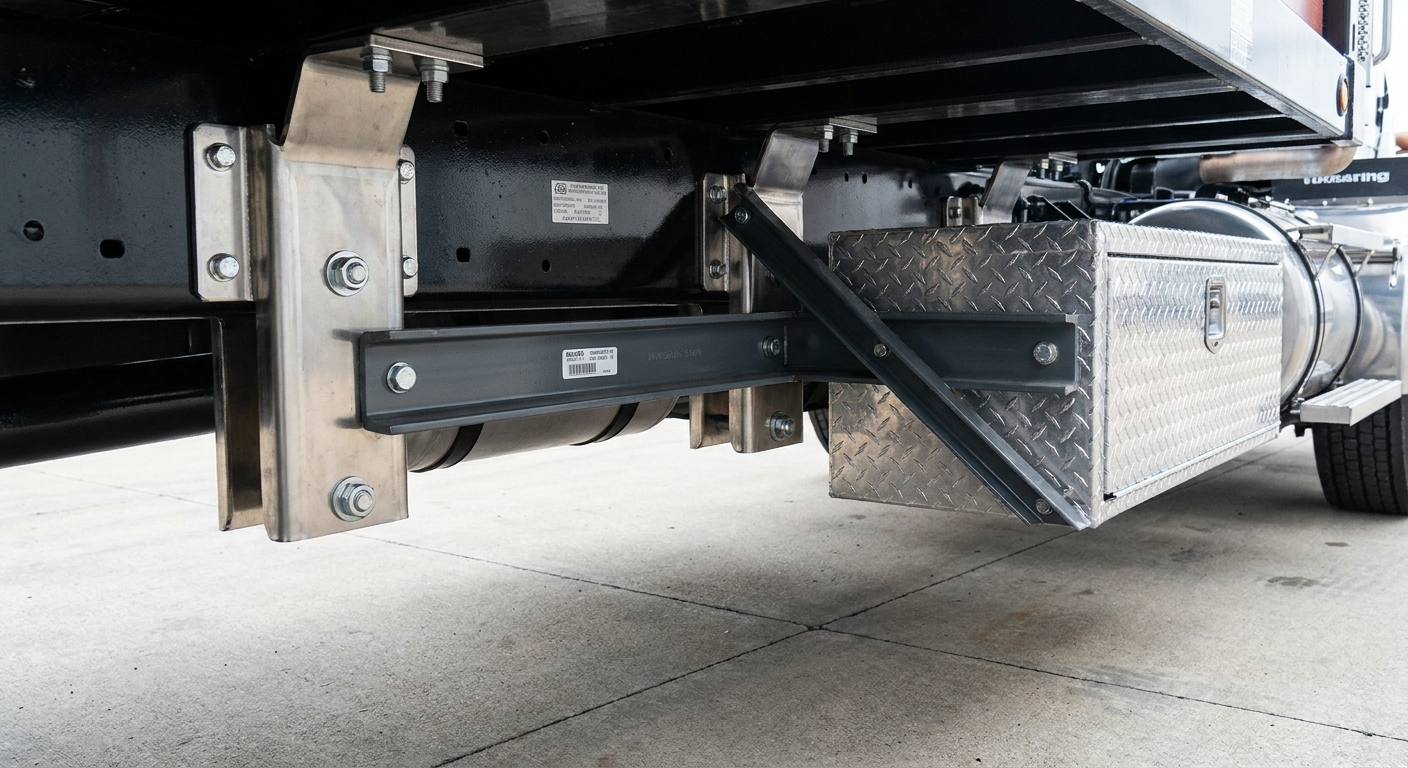
Mounting procedures remain completely identical because both designs utilize the same heavy-duty frame bracket layouts and universal mounting hardware. Upgrading to a newer step tool box requires zero custom modifications or specialized tools for your fleet mechanics.
Both styles bolt directly onto standard truck frame rails using heavy-duty steel or aluminum L-brackets. This universal fit allows you to easily swap out older boxes without spending extra money on installation.
Is Installation Simple and Fast?
Think about it:
Nobody wants to waste hours in the shop drilling custom holes and fabricating brackets. Because these step boxes use industry-standard mounting patterns, the installation is a simple bolt-on process.
Your team can have the old box off and the new, wide-opening model installed in under two hours. This fast swap minimizes shop time and gets your trucks back on the road making money.
- Universal L-bracket fit: Works with standard industry hardware.
- Pre-drilled mounting tracks: Speed up the installation process.
- Flexible rail positioning: Easily slide the box to your preferred spot.
Key Takeaway: Standardized mounting channels make upgrading your fleet storage fast and hassle-free, keeping installation costs to a minimum.
| Installation Parameter | Traditional Step Box | Big Mouth Step Box |
|---|---|---|
| Bracket Compatibility | Standard Heavy-Duty L-Style | Standard Heavy-Duty L-Style |
| Installation Time | Roughly 1.5 hours | Roughly 1.5 hours |
| Required Hardware | Grade 8 mounting bolts | Grade 8 mounting bolts |
This specifications table highlights that upgrading your boxes requires no extra installation time or custom parts.
What Are the Safety Risks of Box Design?
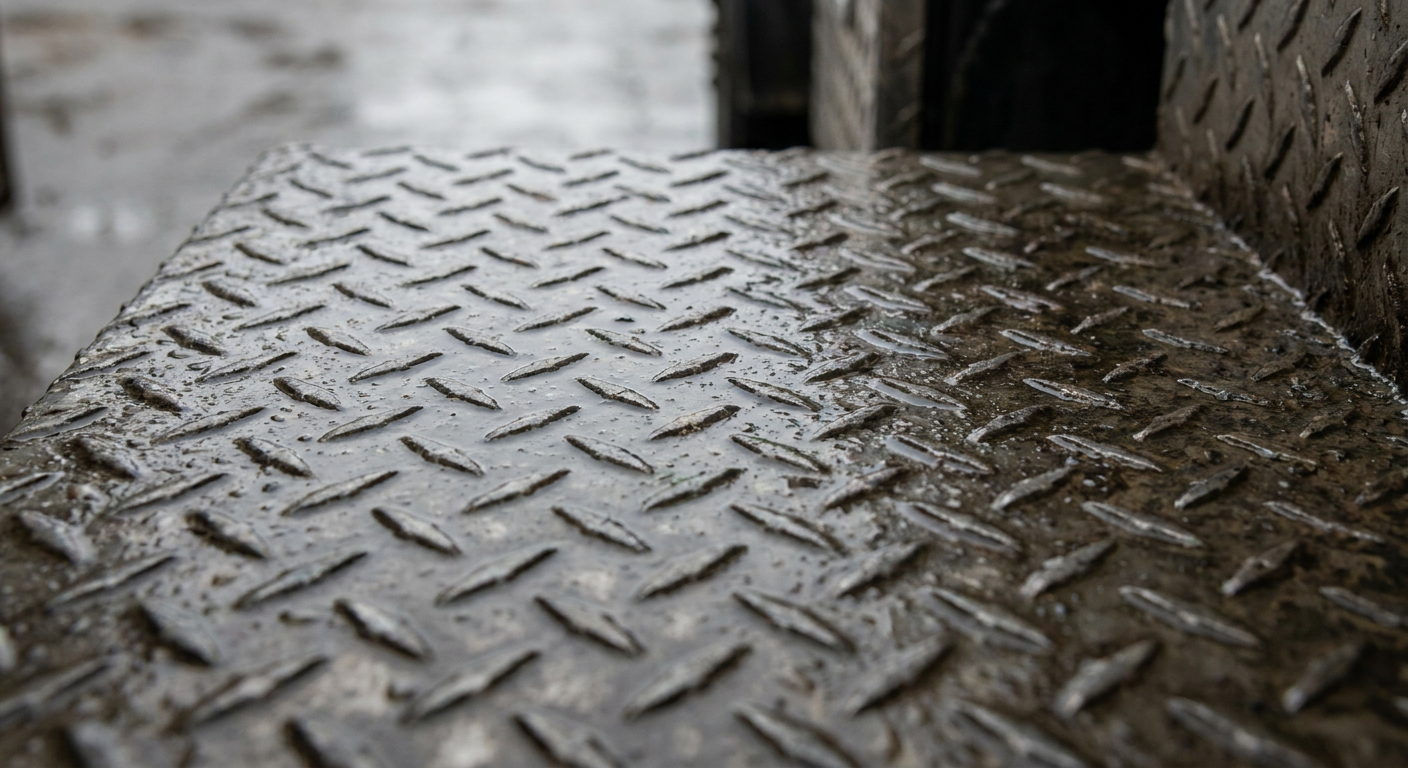
The main safety risks involve slips on wet steps and fingers getting pinched by heavy doors during high-wind operations. Choosing a step tool box with aggressive, self-cleaning safety treads and over-center locking hinges prevents these common and costly workplace injuries.
Standard flat steps can quickly become slick when coated with water, mud, or ice. Heavy doors that lack proper support can also swing shut unexpectedly, causing severe hand injuries.
How Do Open-Drain Treads Keep You Safe?
Let’s face it:
Climbing onto a truck deck in the pouring rain or snow is always a slip hazard. If your steps are flat and solid, water pools on the surface and quickly freezes into ice.
Aggressive, punched-traction safety treads solve this problem by letting mud, ice, and water fall straight through. This self-cleaning design ensures your boots get a solid grip in any weather.
- Punched grip ridges: Provide high-traction multidirectional hold.
- Self-cleaning design: Let water, snow, and mud drain away instantly.
- Over-center lid balance: Prevents sudden door closures in high winds.
Key Takeaway: High-traction steps and wind-resistant safety hinges protect your drivers from painful falls and finger-pinch injuries, reducing worker compensation claims.
| Hazard Category | Basic Solid Diamond Plate | Punched Open-Drain Tread |
|---|---|---|
| Wet Grip Rating | Standard (can get slick) | Outstanding (maximum grip) |
| Ice Accumulation | High (water pools on surface) | Low (water drains through) |
| Door Closure Risk | High (drop-down door can swing) | Low (over-center balance lock) |
This performance matrix shows why open-drain safety treads are essential for preventing slips during wet-weather work.
Is the Pricing Difference Justifiable?
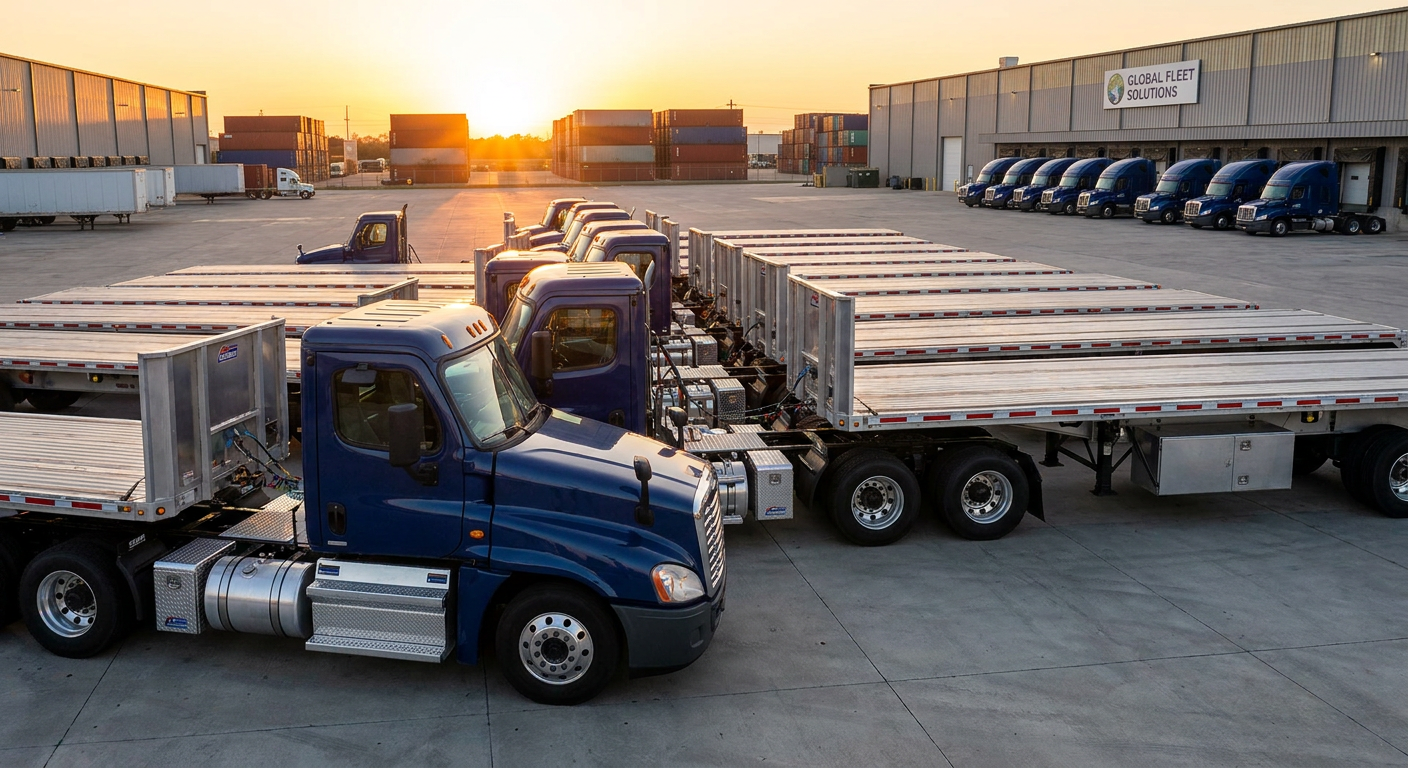
Yes, the slightly higher price of a modern wide-opening design is fully justified by the massive savings you get from fewer driver injuries and faster loading times. Investing in an ergonomic step tool box pays for itself by reducing costly downtime and worker compensation claims.
While traditional boxes are cheaper upfront, their narrow openings and awkward lift angles lead to higher fatigue. Over a few years, those minor delays and injury risks can end up costing you much more.
What Is the Real Return on Investment?
But that’s not all.
Saving a few dollars on a basic box is a poor trade-off if a driver pulls a back muscle trying to pull a heavy chain out of a narrow opening. Preventing just one minor injury easily covers the cost difference for your entire fleet.
Faster loading times also mean your trucks spend more time on the road making money. These small daily efficiency gains add up to big savings over the life of your fleet.
- Fewer injury claims: Lower worker compensation and insurance costs.
- Faster load times: Save valuable hours every single week.
- Long-lasting value: Heavy-duty materials resist wear for years.
Key Takeaway: The minor upfront cost of a wide-opening step box is quickly returned through better driver safety, faster loading, and long-term durability.
| Cost/Benefit Category | Standard Utility Option | Premium Wide-Opening Option |
|---|---|---|
| Upfront Cost | Baseline | Moderate Premium (~15% increase) |
| Load Time (Daily) | 8 Minutes | 3 Minutes (Saves ~30 hrs/year) |
| Injury Risk | Higher (bending & straining) | Extremely Low (ergonomic path) |
This financial model proves that investing in ergonomic cargo access pays off quickly through better safety and daily time savings.
Choosing Your Next Step Box
Choosing the right frame-mounted storage is a critical decision for any fleet looking to balance safety and efficiency. Standard box designs with narrow doors often cause frustration, slow load times, and unnecessary muscle strains. Upgrading to a premium, wide-opening step box solves these challenges by giving you 50% more opening space and an overhead door that stays completely out of your way. This simple upgrade lets your drivers stand closer, lift heavy gear with less effort, and easily see everything inside at a single glance. If you are ready to make your fleet safer, faster, and more productive, contact us today for a heavy-duty storage solution engineered for the road ahead.
Frequently Asked Questions
Can I use my existing frame brackets to install a newer style step tool box?
Yes, you can. Because both step box designs use standard, universal mounting channels, you can easily mount a newer, wide-opening box on your existing L-brackets without having to make any custom modifications or buy extra hardware.
What’s the best way to maintain the hinges and seals on an upward-opening box?
The best way is to periodically lubricate the stainless steel pins. Simply spray them with a high-quality lubricant every few months and wipe down the rubber weather seals to remove any road dirt, grit, or salt buildup.
How do I know if a step tool box will fit my truck frame?
You can know by measuring your available frame rail space. Since these boxes share identical mounting footprints with traditional models, any standard truck frame that fits a traditional step box will easily accommodate a model of the same width.
Can heavy wind blow the top-hinged door closed while I am working?
No, it cannot. The upward-opening door is engineered to swing well past its vertical balance point when opened fully. This smart over-center design keeps the door safely and securely open, even in high winds or on steep slopes.