
Specifying a heavy-duty diamond plate finish is undeniably the best choice for commercial truck toolboxes because it offers superior structural rigidity, slip resistance, and damage camouflage compared to smooth aluminum. If you manage a fleet, you already know that constant tool degradation, payload penalties, and structural failures can heavily drain your operational budget. Standard smooth accessories frequently warp or crack under severe highway vibrations, leaving your expensive tools and equipment completely vulnerable to theft and harsh weather. Upgrading to an aluminum diamond plate tool box immediately resolves these pain points by offering an incredibly durable, high-ROI solution that secures your tools and keeps them perfectly dry.
Why choose an aluminum diamond plate tool box for fleets?
You should choose an aluminum diamond plate tool box for your fleet because it delivers unmatched structural durability, excellent corrosion resistance, and a textured finish that conceals daily work wear. Fleet logistics operations require robust hardware that survives demanding off-road conditions and highway transport without structural breakdown. Standardizing your fleet with high-performance aluminum storage assets minimizes long-term repair costs while keeping vital technician tools safe. By choosing specialized aluminum alloys over carbon steel, you eliminate corrosion fatigue and prevent premature replacement cycles.
What are the B2B fleet benefits?
When you manage commercial logistics, every minute of downtime directly eats into your bottom line. Investing in premium diamond plate cargo storage means your drivers spend less time dealing with jammed latch mechanisms or water-logged tool compartments.
Here is the kicker:
- Tare Weight Reductions: Shifting away from heavy steel boxes increases your cargo margins.
- Safety Compliance: Non-slip diamond surfaces protect workers climbing on truck frames.
- Anti-Theft Features: Heavy-duty reinforced walls prevent rapid break-ins at job sites.
Standardizing storage across regional haulers
Standardizing your fleet accessories simplifies maintenance scheduling and makes training highly uniform for your technicians. When every vehicle utilizes the same dependable layout, organizing and auditing corporate assets becomes a frictionless process.
Think about it:
- Identical Lock Keying: Fleet keys can be keyed alike for quick service access.
- Predictable Payload Calculations: Consistent tare weights streamline shipping manifest planning.
- Interchangeable Mounting Parts: Simplifies bracket stocking in your central maintenance depot.
How do fleet managers calculate long-term ROI?
Calculating accurate asset ROI requires you to look beyond the initial purchase price and evaluate total lifecycle costs. A cheaper alternative that requires constant weld repairs and rust treatments will quickly outcost a high-quality product.
Let’s face it:
- Zero Paint Maintenance: You save hundreds of dollars by avoiding rust-preventative coatings.
- High Scrap Recovery: Aluminum retains significant material value at its eventual end-of-life.
- Reduced Cargo Damage: Mold-free, dry interiors prevent expensive electrical tool failures.
Key Takeaway: Choosing a premium diamond plate box over carbon steel dramatically reduces ongoing maintenance costs while extending the working life of your fleet accessories.
| Metric | Premium Aluminum Diamond Plate Box | Standard Painted Carbon Steel Box |
|---|---|---|
| Average Useful Life | 10+ Years (Zero rust degradation) | 3 – 5 Years (Vulnerable to paint flaking) |
| Maintenance Frequency | Annual hinge/latch lubrication | Bi-annual rust treatment & touch-up paint |
| End-of-Life Residual Value | High (Highly recyclable aluminum alloy) | Negligible (Degraded scrap steel value) |
Evaluating these key metrics reveals how modern fleet managers successfully protect corporate budgets against repetitive replacement cycles.
How does an aluminum diamond plate tool box improve payload?
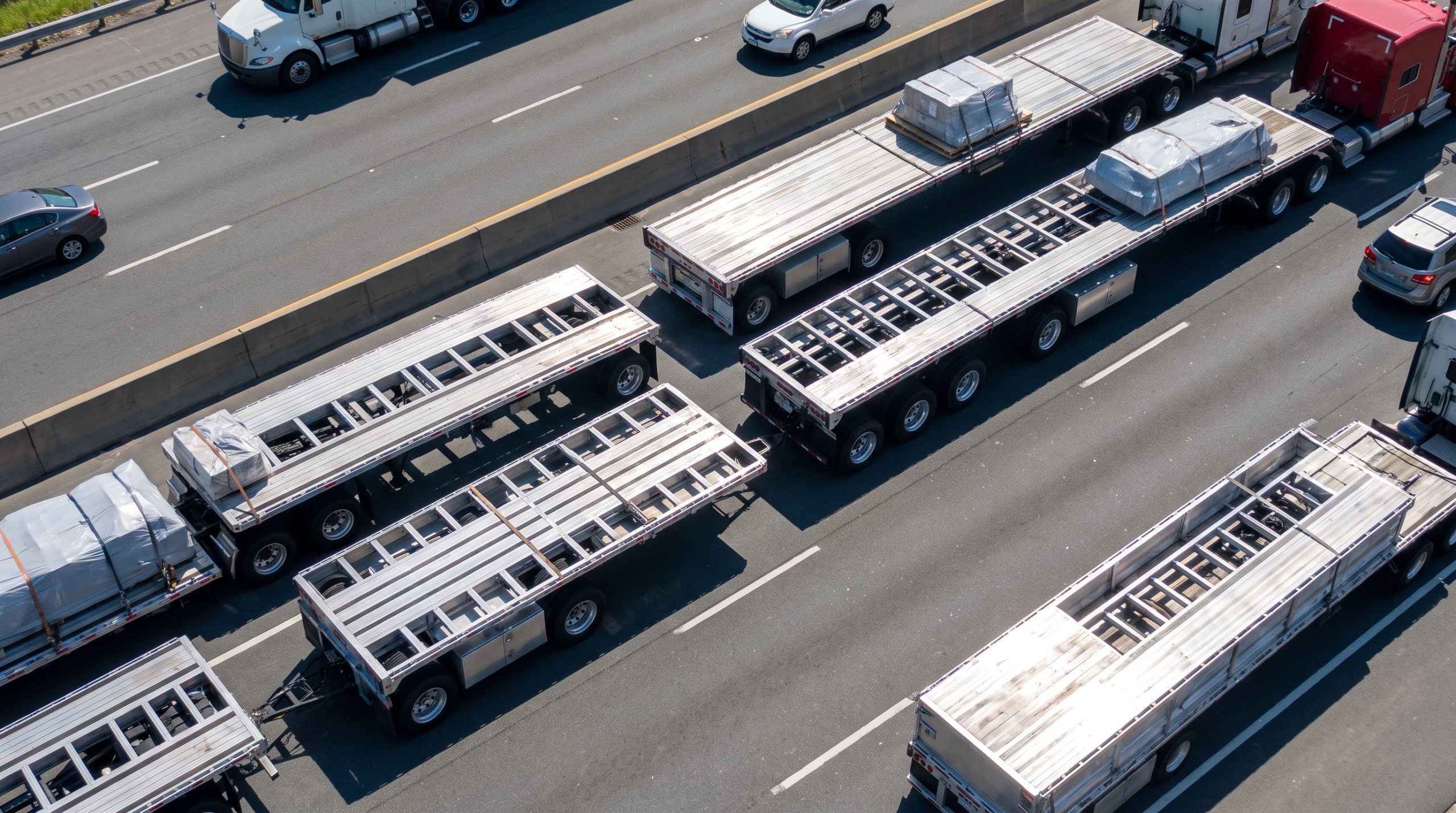
An aluminum diamond plate tool box improves payload capacity by weighing up to sixty percent less than steel alternatives of the same structural volume. By implementing a lightweight accessory strategy, you preserve valuable gross vehicle weight capacity for revenue-generating cargo. Reading through a comprehensive class-8 aluminum tool storage guide shows how fleet operators optimize their frame rails for legal axle distributions. Selecting high-grade aluminum materials ensures your vehicles remain lean, efficient, and fully compliant on the scales.
The physics of tare weight reduction
When you trim dead weight from your truck chassis, you are directly modifying the physics of fuel burn and load distribution. Lightweight structural alloys offer the same tensile strength as basic carbon steels without the massive burden of excess mass.
Here is the kicker:
- Less Frame Strain: Reducing accessory weight minimizes structural stress on chassis mount points.
- Improved Axle Balance: Lightweight boxes allow you to balance payloads more effectively.
- Shorter Stopping Distances: Lower overall vehicle mass reduces kinetic energy during emergency braking.
How does lower weight impact fuel economy?
Every pound you eliminate from your fleet vehicles directly translates to a reduction in rolling resistance and engine workloads. Over hundreds of thousands of highway miles, these minor weight savings compound into massive fuel cost reductions.
The truth is:
- Lower Rolling Resistance: Less tire friction means your engines run more efficiently.
- Reduced CO2 Footprints: Consuming less fuel helps you meet strict corporate environmental goals.
- Lower Component Wear: Light vehicles experience less wear on suspension and brake parts.
Maximizing freight capacity per trip
Maximizing your cargo limits per run is the most direct way to increase transport revenue and optimize driver logs. Swapping heavy steel accessories for lightweight alternatives lets you load more cargo without exceeding legal highway limits.
But that’s not all:
- Fewer Overall Trips: Carrying more per run reduces the total routes you must schedule.
- Higher Revenue Ceilings: You can bid on heavy freight contracts with confidence.
- Optimized Fleet Efficiency: Fewer empty backhauls mean greater profitability for your dispatch team.
Key Takeaway: Minimizing accessory tare weight allows logistics operators to maximize cargo limits without exceeding legal axle limits.
| Construction Material | Empty Storage System Tare Weight | Permissible Freight Cargo Capacity | Annual Fuel Cost Delta |
|---|---|---|---|
| 3/16″ Structural Steel | 240 lbs | Base baseline limit | Baseline fuel burn rate |
| 1/8″ Diamond Plate Aluminum | 95 lbs | +145 lbs additional cargo capacity | -1.2% average fuel savings |
Analyzing these physical metrics demonstrates how minor weight reductions systematically drive greater transport efficiency across long-haul highway routes.
What makes an aluminum diamond plate tool box highly secure?
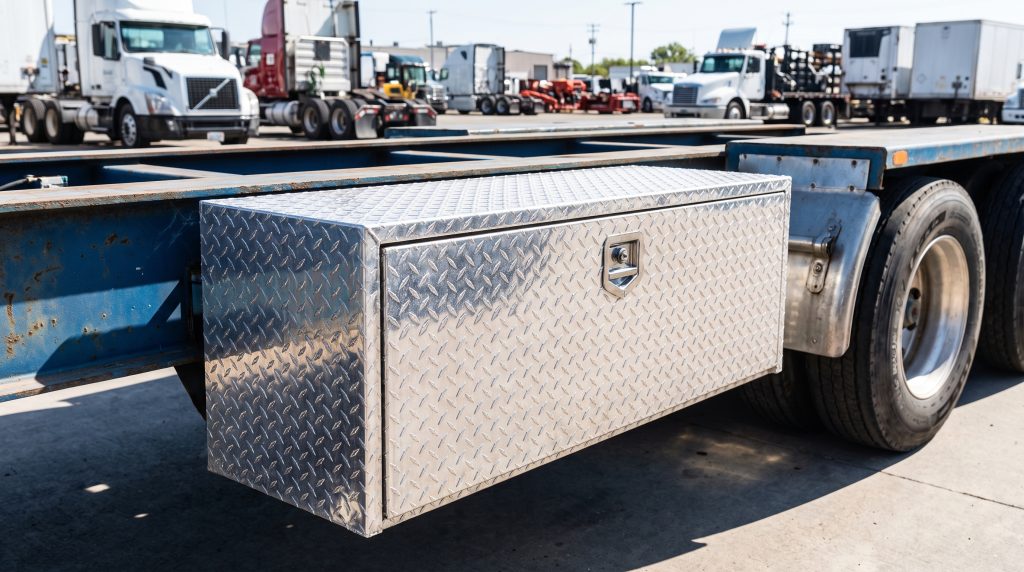
An aluminum diamond plate tool box is highly secure because it features heavy-duty reinforced latching points, thick-gauge structural panels, and tamper-resistant hidden hinge systems. Job sites and shipping depots are prime targets for opportunistic theft, meaning your storage equipment must stand up to physical attacks. Modern locking hardware combined with structural reinforcement ensures that unauthorized entry attempts fail. Rest assured, your expensive fleet investments remain shielded from lock-picking and pry-bar maneuvers.
Heavy-duty locking mechanisms for cargo protection
Your storage box is only as strong as its lock, which is why choosing high-security latches is so critical. Professional fleet accessories utilize premium materials like marine-grade stainless steel to ensure that locking assemblies never fail or jam.
Let’s face it:
- Rotary T-Latches: These latches compress the lid gasket tightly to resist physical prying.
- Dual-Stage Locks: Key cylinders are recessed to prevent drilling and hammering attacks.
- Internal Linkage Shields: Metal barriers protect lock rods from being manipulated through gaps.
Why are tamper-proof hinges critical?
If a thief cannot bypass the lock, they will target the hinge side of your storage box next. Standard external hinges are easily ground off or pried apart, exposing your entire inventory of specialized tools.
Think about it:
- Full-Length Piano Hinges: Continuous metal hinges distribute leverage forces evenly.
- Internal Mount Systems: Concealed hinges leave zero exposed fasteners for thieves to target.
- Interlocking Lid Welds: High-strength welds prevent the lid from being twisted or bent away.
How do reinforced lids prevent break-ins?
Lids with integrated structural ribs and double-walled construction offer incredible resistance to physical bending and deformation. Reinforced framing prevents thieves from using standard pry bars to gain leverage on the corners of your storage box.
But that’s not all:
- Rigid Foam Cores: Insulated lids resist denting and prevent the metal from flexing under impact.
- Tight Lid-to-Box Tolerances: Minimal gaps ensure that crowbars cannot find purchase.
- Beveled Corner Profiles: Deflect blows and slide away from direct hammer impacts.
Key Takeaway: High-grade security locks and reinforced lid designs reduce insurance liability by actively preventing tool theft on unsecured jobsites.
| Latch Type | Force Resistance Rating | Tamper-Proof Level | Key Features |
|---|---|---|---|
| Single-Point Rotary T-Latch | High (500+ lbs of shear force) | Excellent (Flush mounted, shielded barrel) | Ergonomic grip, dual-stage compression latch |
| Dual-Point Paddle Latch | Medium-High (350 lbs) | Very Good (Protected interior mechanism) | Easy glove-friendly actuation, adjustable |
Investigating these robust defense features reveals why heavy-duty security systems are mandatory for maintaining secure field operations.
Where is an aluminum diamond plate tool box best mounted?
An aluminum diamond plate tool box is best mounted where it minimizes aerodynamic drag, maintains a low vehicle center of gravity, and remains highly accessible to your technicians. Popular options include frame-rail underbody mounts, truck bed crossovers, and flatbed trailer tongue configurations. When designing your fleet setup, exploring top-tier trailer accessories ensures you choose compatible mounting hardware for secure integration. Finding the ideal location prevents tire clearance issues and protects your equipment from dynamic road hazards.
Underbody mounting for low-center-of-gravity
Positioning heavy storage boxes along your trailer’s frame rails keeps weight low and frees up valuable deck space for freight. This configuration is ideal for heavy rigging, chains, and recovery gear that technicians need to access quickly.
The truth is:
- Lower Center of Gravity: Keeps your vehicles stable on winding roads or during high-wind transit.
- Clear Deck Spaces: Maximizes the cargo area on flatbeds and step-deck trailers.
- Debris Protection: Keeps heavy chains shielded from rain, mud, and corrosive winter road chemicals.
Should you mount boxes on the A-frame tongue?
Utilizing the dead space on your trailer’s A-frame tongue is an incredibly efficient way to store diagnostic gear and tie-down straps. However, you must carefully calculate your towing vehicle’s turning radius to prevent jackknife damage during sharp maneuvers.
Here is the kicker:
- Aerodynamic Advantage: Tucking boxes behind the cab minimizes drag and fuel burn.
- Easy Ergonomics: Technicians can reach vital tools without bending down or climbing onto flatbed decks.
- Balanced Towing: Adding weight to the tongue helps stabilize light trailers against sway.
Flatbed and headache rack configurations
Vertical bulkhead storage behind the truck cab offers excellent protection and keeps long-handled tools neatly organized. These vertical storage systems are perfect for heavy-duty service rigs and forestry trailers that require specialized gear arrays.
Think about it:
- High Visibility: Keeps tools at eye level, which speeds up search and retrieval times.
- Winch Integration: Headache racks can easily integrate chain hangers and hydraulic lines.
- Protected Cab Area: Acts as a physical barrier to stop heavy shifting cargo from puncturing the cab.
Key Takeaway: Selecting the proper mounting configuration maintains optimal vehicle dynamics and maximizes deck space.
| Mounting Location | Primary Advantage | Clearance & Angle Considerations | Best Suited Cargo |
|---|---|---|---|
| Underbody Chassis | Clears deck cargo space | Critical ground clearance check required | Heavy rigging gear, chains, jacks |
| Trailer Tongue | Uses dead space efficiently | Must verify towing vehicle turning radius | Diagnostic equipment, ratchets |
| Headache Rack | Excellent ergonomic access | Increases vertical wind resistance profile | Delicate components, tool rolls |
Evaluating these spatial variables allows you to plan highly efficient and safe trailer storage layouts.
How does an aluminum diamond plate tool box resist weather?
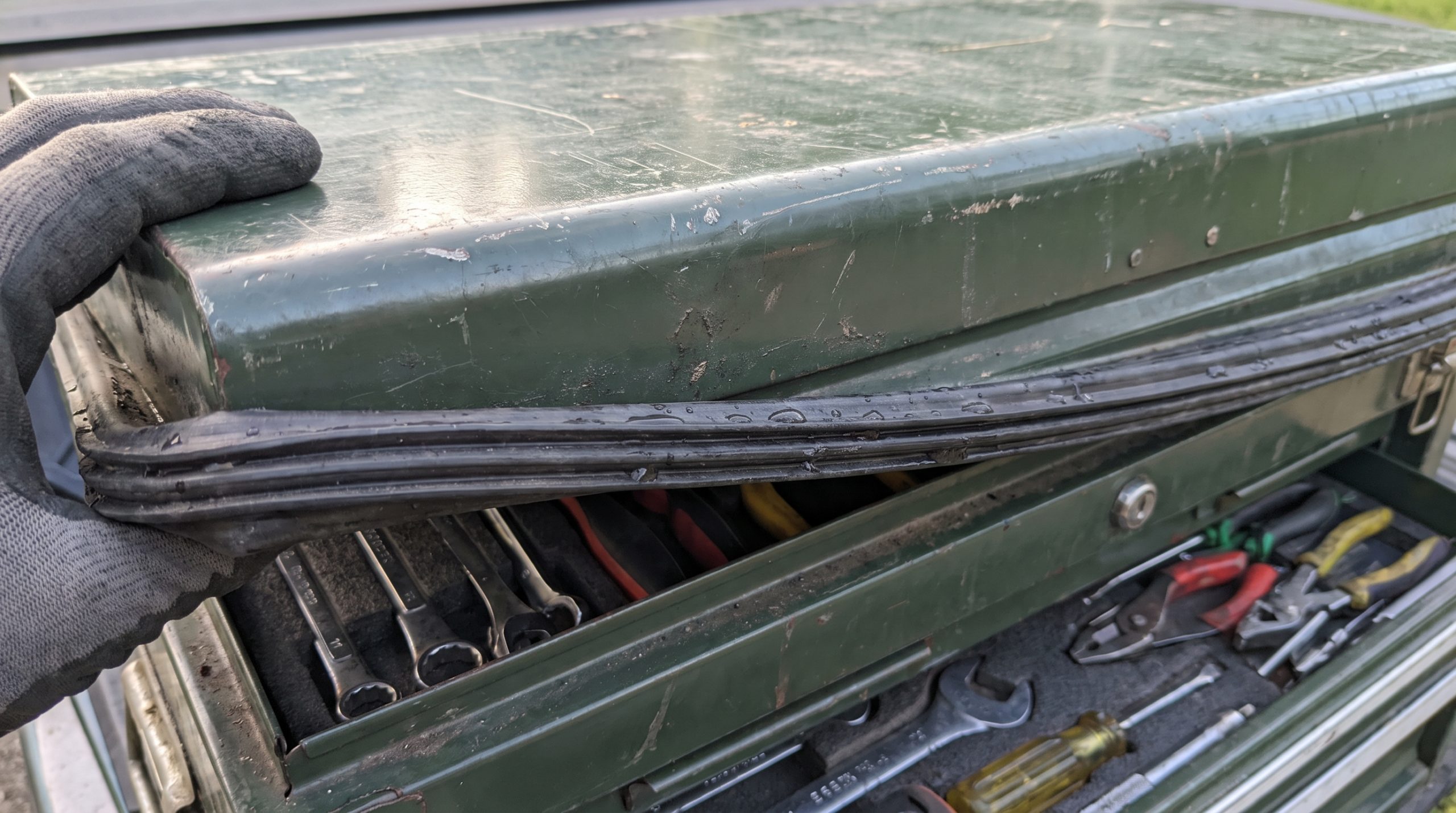
An aluminum diamond plate tool box resists severe weather through the use of continuous automotive-grade bulb gaskets, beveled rain gutters, and overlapping lid designs. Driving through heavy rainstorms and salty winter roads creates high-pressure water spray that will penetrate cheap, unsealed storage units. Premium engineering ensures that moisture is channeled away from open seals and drained safely out onto the road surface. By using highly durable seal materials, you keep your valuable interior tools completely dry and rust-free.
The role of automotive-grade rubber seals
High-performance rubber seals act as the final defense line against moisture, dust, and corrosive highway road salts. Over time, cheap foam seals dry out and crack, whereas automotive-grade EPDM sponge rubber retains its elastic memory for years.
Let’s face it:
- EPDM Compression: Black bulb seals compress perfectly to fill any manufacturing tolerances.
- Continuous Glue Channels: Prevents seals from peeling away at the corners during extreme heat.
- Closed-Cell Structures: Stop moisture from soaking into the gasket itself and breeding mold.
What is the benefit of a built-in rain channel?
An integrated rain channel runs around the perimeter of the box opening, acting like a gutter to divert water away. This clever design prevents pooling water from sitting on top of the compressed rubber seal when you open the lid.
Think about it:
- Water Redirection: Directs running water down the sides of the box and off the vehicle.
- Debris Clearance: Prevents dirt, sand, and pine needles from clogging your locking mechanisms.
- Dry Access: Ensures water does not drip inside when technicians open the box during heavy rain.
Preventing moisture ingress in marine environments
Saltwater environments accelerate the corrosion of electrical tools and hardware, making highly protective weather seals absolutely mandatory. Marine-grade construction details stop salt-laden air from penetrating your cabinets and degrading delicate digital testing gear.
But that’s not all:
- Sealed Keyholes: Rubber caps shield locking mechanisms from direct saltwater splash.
- Internal Condensation Plugs: One-way vents allow internal moisture to escape while blocking liquid water.
- Seamless Corner Welds: High-grade robotic welding eliminates microscopic pinholes that leak under pressure.
Key Takeaway: Heavy-duty weather seals protect sensitive pneumatic and electrical diagnostic gear from corrosive road spray.
| Seal Material | Temperature Rating | UV Ozone Resistance | Sealing Performance |
|---|---|---|---|
| EPDM Sponge Rubber | -40°F to 257°F | Superior (Resists dry rot) | Excellent (High elastic recovery) |
| Standard Neoprene | -30°F to 200°F | Moderate (Prone to cracking) | Good (Moderate memory retention) |
Sourcing boxes with robust environmental defenses guarantees that your tools perform perfectly in any climate or region.
Why customize an aluminum diamond plate tool box design?
You should customize an aluminum diamond plate tool box design because off-the-shelf catalog models rarely accommodate the specific dimensional restrictions and specialized tooling of professional commercial fleets. Every logistics operator has unique cargo dimensions, tool arrangements, and chassis clearance constraints that require precise engineering solutions. Partnering with a manufacturer for custom trailer solutions allows you to design custom partitions, integrated charging ports, and optimized mounting kits. This custom approach ensures perfect space utilization, maximum technician efficiency, and a sleek appearance for your brand.
Tailoring internal shelving and dividers
Standard open-cavity toolboxes inevitably become cluttered heaps where tools slide around and scratch each other during transit. Custom internal dividers and slide-out trays ensure every specialized tool has its own dedicated place.
The truth is:
- Saves Search Time: Technicians immediately find what they need, boosting service call speeds.
- Prevents Tool Friction: Keeping diagnostic gear isolated prevents costly recalibration and repair bills.
- Adjustable Shelf Slots: Let you reconfigure internal layouts as your fleet equipment needs change.
How do custom sizes optimize fleet-specific tools?
Tailoring the outer dimensions of your box allows you to utilize tight frame clearances that standard products would block. This is highly beneficial for custom dump trucks, heavy cranes, and lowboy trailers with limited rail space.
Here is the kicker:
- Maximize Unused Spaces: Turn tight chassis corners into valuable weather-tight storage compartments.
- Zero-Interference Clearance: Custom geometric angles prevent tires and hydraulic pistons from striking the box.
- Perfect Tool Length Fits: Ensure long jack stands and heavy breaker bars fit without angling.
Incorporating custom branding and finishes
Your fleet vehicles are rolling billboards, so customizing their appearance with high-quality powder coatings is an investment in your corporate image. Matte black, gloss white, and custom color-matched finishes ensure your storage accessories match your corporate paint schemes.
Let’s face it:
- Brand Uniformity: Helps your company project a professional image to potential industrial clients.
- Extra Corrosion Barriers: Powder coating adds a tough layer of protection against abrasive road gravel.
- Reduced Blind Spots: Matte coatings eliminate the sun glare that can blind passing drivers.
Key Takeaway: Tailored internal geometry ensures field technicians retrieve tools rapidly, directly reducing downtime on service calls.
| Storage Factor | Catalog Stock Box | Custom Engineered Box |
|---|---|---|
| Space Utilization | Standard dimensions leave empty gaps | Calculated millimetric fitment to chassis |
| Interior Organization | Single open cavity (Cluttered) | Modular shelving, integrated tool pegs |
| Branding Options | Polished bare metal finish only | Optional powder coats matching fleet livery |
These comparative advantages highlight why moving from stock accessories to custom designs pays major dividends for growing fleets.
What thickness should an aluminum diamond plate tool box be?
Your aluminum diamond plate tool box should have a material thickness of at least 0.125 inches (one-eighth of an inch) for heavy-duty fleet operations, while light-duty personal trucks can safely utilize 0.063-inch thick alloys. Choosing the proper material thickness is critical for absorbing heavy road impacts and supporting the weight of dense steel tools. Thinner metal panels will eventually crack at the weld joints under heavy vibrations, leaving your gear unsecured. Investing in heavy-duty structural metal gauges ensures your storage hardware remains robust for years to come.
Understanding sheet metal gauge standards
Understanding thickness standards helps you avoid buying cheap, thin-walled storage units that buckle under minor heavy payloads. Metal thickness in B2B procurement is typically measured in decimal inches or standard gauge units.
But that’s not all:
- Decimal Precision: Purchasing by decimal inch thickness eliminates confusion between steel and aluminum gauges.
- Weight Considerations: Thicker metal plates weigh more, meaning you must balance strength against tare weight goals.
- Fabrication Integrity: Heavy-gauge aluminum allows for deeper, stronger penetration welds during assembly.
Why is 0.125-inch aluminum the fleet standard?
Heavy-duty Class-8 truck operations subject accessories to extreme torsional twisting and constant gravel impacts. Heavy 0.125-inch marine-grade 5052-H32 aluminum is widely considered the industry standard for commercial fleet durability.
Think about it:
- Weld Joint Strength: Thicker sheets allow for strong, full-penetration robotic welds.
- High Impact Resistance: 0.125-inch plating resists heavy stone impacts and shifting heavy chains.
- Structural Self-Support: Eliminates the need for heavy internal steel reinforcement frames.
Choosing between light-duty and heavy-duty gauges
Choosing the correct sheet metal thickness depends heavily on what cargo your trucks carry and the roads they travel. While lighter-gauge boxes work well for light service vans, heavy-haul trailers demand maximum heavy-duty plating.
Here is the kicker:
- 0.063-inch (Light): Ideal for light items like straps, rain gear, and standard hand tools.
- 0.080-inch (Medium): Great balance of weight and durability for mid-sized commercial fleets.
- 0.125-inch (Heavy): Essential for frame-rail mounts, heavy chains, and high-vibration off-road vehicles.
Key Takeaway: Matching material gauge to expected cargo weight prevents structural fatigue and warping over years of transit.
| Material Thickness | Yield Strength (Est. PSI) | Weight per Sq. Ft. | Recommended Fleet Application |
|---|---|---|---|
| 0.063″ (Light Gauge) | 16,000 – 18,000 | ~1.1 lbs | Residential light duty, non-load storage |
| 0.080″ (Medium Gauge) | 20,000 – 22,000 | ~1.4 lbs | Mid-size service trucks, general dry tools |
| 0.125″ (Heavy Gauge) | 24,000 – 28,000 | ~2.1 lbs | Over-the-road Class-8, extreme vibration |
Evaluating these structural thresholds helps logistics engineers choose the ideal balance between accessory weight and long-term durability.
How do you clean an aluminum diamond plate tool box?
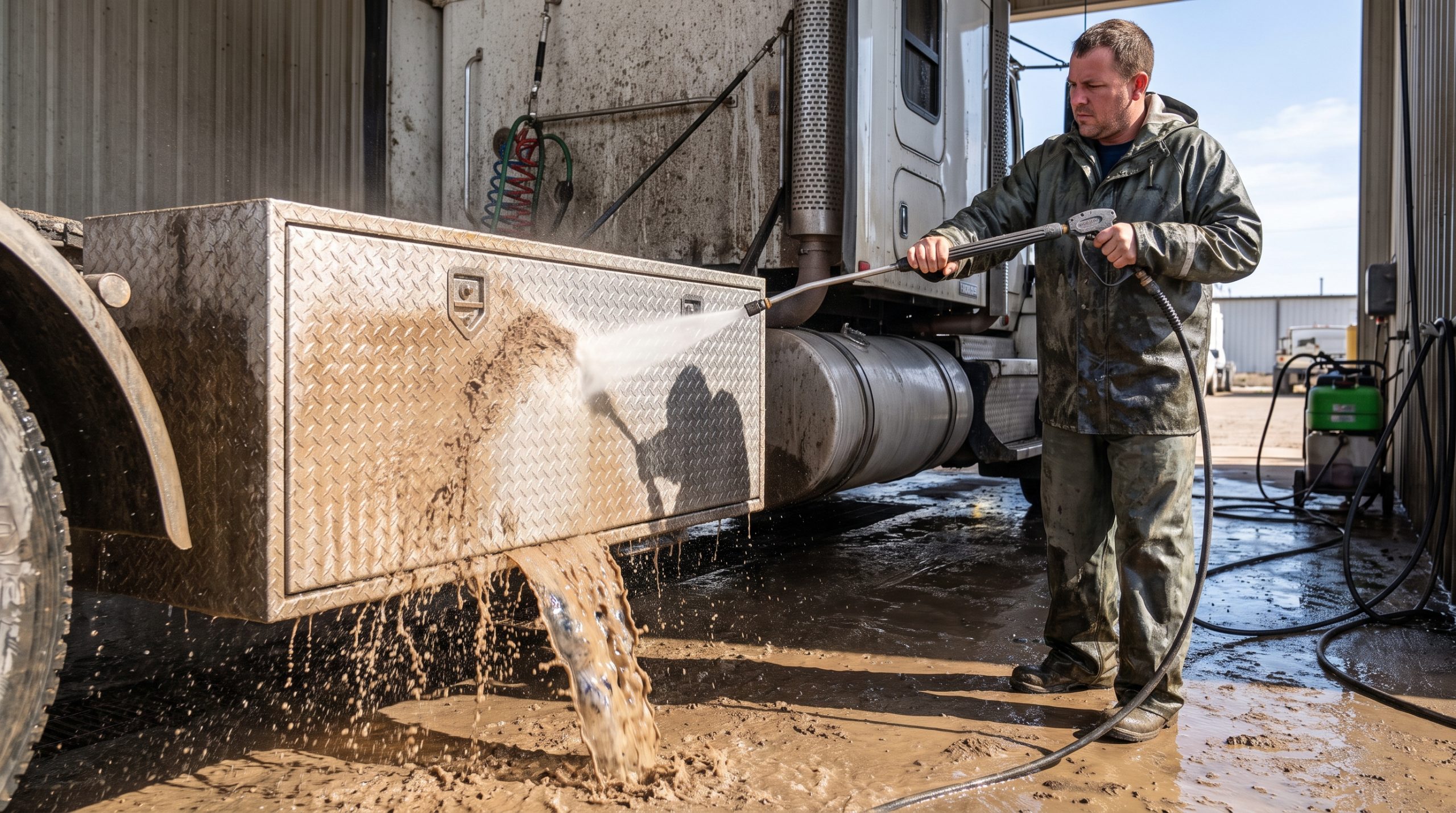
You can clean an aluminum diamond plate tool box by using warm water, non-acidic soap, and a soft-bristled brush to remove road grime, grease, and salt buildup safely. Over time, road salts and winter treatments chemically attack bare metal surfaces, leading to oxidation and dullness. Understanding advanced manufacturing capabilities helps you appreciate how precision-welded, corrosion-resistant metals respond to regular washdowns and detailing. Maintaining clean accessories not only preserves their corporate look but also prevents dirt from wearing out rubber gaskets and locks.
Removing road grime and salt buildup
Winter road salts are highly corrosive, meaning regular cleaning is crucial to stop metal oxidation from developing on your boxes. Thorough rinsing is especially critical around the hinges and lock cylinders where salt accumulates.
The truth is:
- Weekly Winter Rinses: Prevents corrosive brines from etching into the aluminum alloy’s surface.
- Low-Pressure Washing: Soft, warm-water spray removes thick road grime without damaging rubber seals.
- Hinges and Crevice Focus: Flushing dirt out of pivot points keeps your doors operating smoothly.
What are the best non-abrasive cleaners?
Using harsh, highly acidic chemicals or abrasive scouring pads will permanently dull the metal and leave micro-scratches. You should always opt for gentle, pH-balanced soaps or citrus-based degreasers for safe cleaning.
Let’s face it:
- Mild Dish Soaps: Remove heavy oils and grease without etching or damaging polished finishes.
- Soft-Bristled Nylon Brushes: Safely clean out the deep crevices of the raised diamond plate pattern.
- Microfiber Towels: Wipe polished surfaces clean without leaving behind lint or unsightly swirl marks.
Restoring oxidized diamond plate back to a mirror finish
If your boxes have become dull and oxidized, using a dedicated aluminum metal polish can restore them to a bright, shiny finish. This process removes the thin layer of oxide build-up, protecting the underlying metal and keeping your fleet looking brand new.
Here is the kicker:
- Acid-Free Polishes: Safely restore the deep metallic shine without risking chemical pitting.
- Rotary Buffing Pads: Speed up detailing times when you are cleaning large commercial fleets.
- Protective Polymer Waxes: Seal polished metal to keep salt and road grime from adhering in the future.
Key Takeaway: Routine maintenance schedules preserve aluminum aesthetics and protect corporate fleet branding standards.
| Cleaning Type | Recommended Frequency | Approved Chemistry | Prohibited Chemistry / Methods |
|---|---|---|---|
| Routine Rinse | Weekly (Winter) / Monthly | Low-pressure warm water | Hard bristles, high-pressure steam |
| De-Greasing | As needed | Mild dish soap, citrus-based degreaser | Bleach, chlorinated solvents |
| Oxidation Removal | Bi-annually | Acid-free aluminum metal polish | Steel wool brushes (causes rust spots) |
Establishing a strict cleaning routine keeps your fleet equipment performing and looking professional through years of demanding service.
Why is an aluminum diamond plate tool box cost-effective?
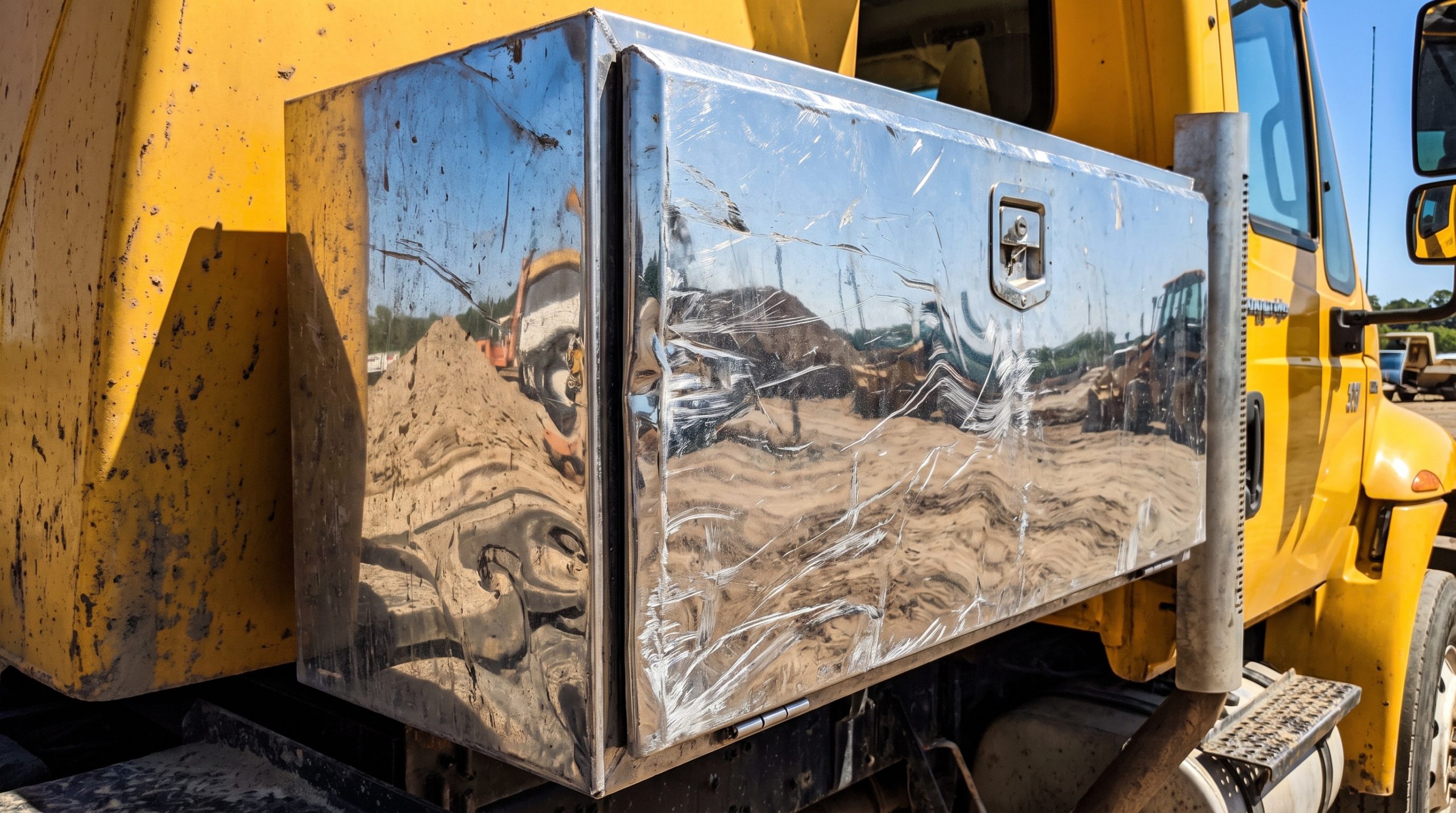
An aluminum diamond plate tool box is highly cost-effective because its naturally long service life, lack of rust, and low maintenance needs yield a much lower total cost of ownership compared to steel. While carbon steel boxes have a lower initial price tag, they frequently require expensive repainting, rust treatments, and eventual replacement. Choosing high-performance aluminum allows you to avoid these repetitive repair costs entirely, keeping your operations streamlined and highly profitable. Over a standard ten-year truck lifecycle, the financial savings on fleet maintenance are incredibly clear.
Comparing upfront cost vs. life-cycle expenses
Looking at the initial purchase price alone leads to poor procurement choices that drain fleet budgets over time. You should always factor in maintenance, downtime, and replacement rates when calculating the true cost of truck accessories.
Think about it:
- Lower Replacement Rates: One high-quality aluminum box easily outlasts two or three cheap steel models.
- No Painting Expenses: Saves you hundreds of dollars in sandblasting and repainting costs over the years.
- Zero Maintenance Downtime: Keeping your vehicles on the road instead of in the repair shop boosts profits.
How does corrosion resistance impact resale value?
When it is time to retire or upgrade your trucks, having clean, rust-free accessories significantly increases your vehicle resale value. Buyers are willing to pay a premium for used equipment that features durable, well-maintained aluminum storage systems.
But that’s not all:
- Appealing Aesthetics: Clean, polished aluminum makes your entire vehicle look well-maintained.
- Reusable Assets: You can easily transfer durable aluminum boxes to new trucks in your fleet.
- High Scrap Value: Old aluminum storage units retain high material recycling value at the end of their lives.
Why does diamond patterning reduce dent visibility?
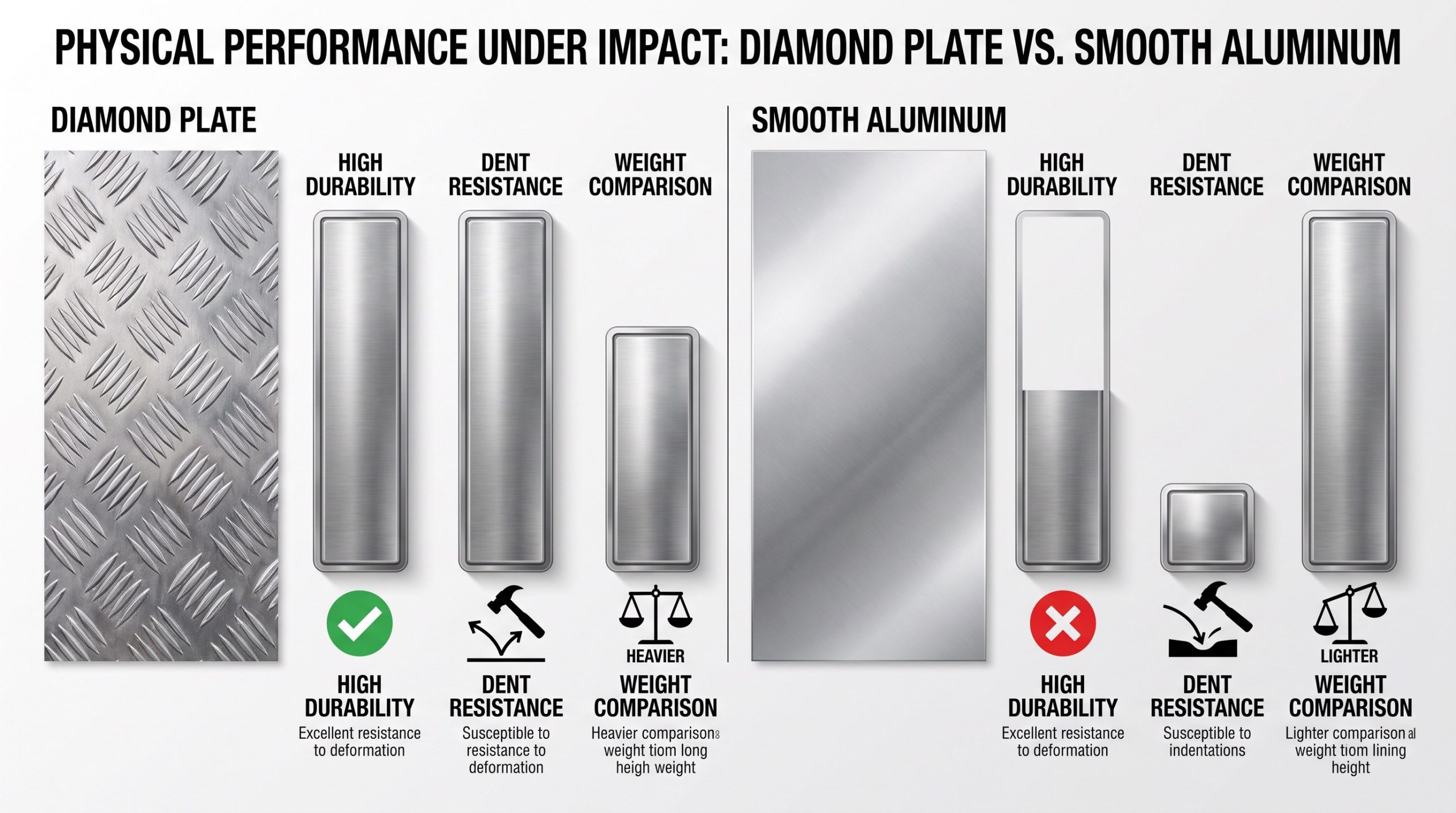
Standard smooth metal sheets function like mirrors, making every minor scratch, scuff, and dent stand out immediately. In contrast, the raised checker pattern of diamond plate naturally camouflages surface damage, keeping your box looking new.
The truth is:
- Light Deflection: Raised surfaces scatter light rays, making dents incredibly hard to see.
- Impact Dispersion: Checker points help deflect minor tool strikes away from flat metal panels.
- Work-Ready Look: Hides scuffs from heavy steel tools, ensuring your fleet looks highly professional.
Key Takeaway: A higher initial investment in aluminum pays dividends by bypassing the rust, refinishing, and replacement cycles of steel.
| Cost Category (10-Year Lifecycle) | Premium Aluminum Diamond Plate Box | Painted Carbon Steel Box |
|---|---|---|
| Initial Acquisition Cost | $600 | $350 |
| Maintenance & Repainting | $50 (lubricants only) | $300 (rust arrestors, paint, labor) |
| Replacement Cost (At Year 5) | $0 (still fully structural) | $350 (plus removal & re-installation labor) |
| Net 10-Year TCO | $650 | $1,100 |
Analyzing these lifecycle costs reveals why investing in premium materials remains the most financially responsible choice for commercial fleets.
How do you spec an aluminum diamond plate tool box order?
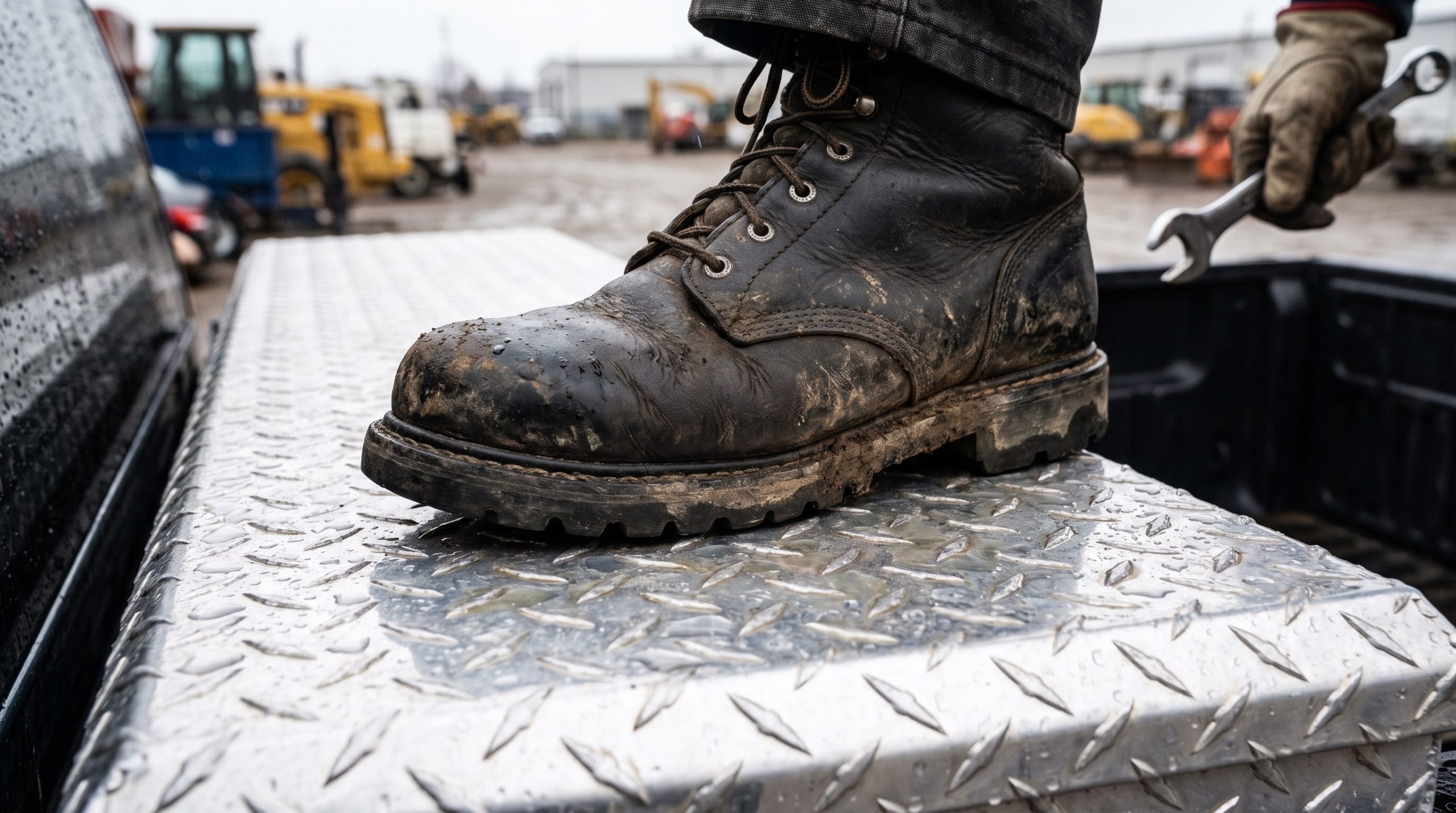
You can spec an aluminum diamond plate tool box order by calculating your trailer’s frame dimensions, selecting the ideal material thickness, and determining which lock assemblies match your security needs. Procurement managers must carefully assess clearance constraints and worker access requirements to prevent installation conflicts on the line. Outlining these key details in a standardized checklist ensures your fabricator delivers compatible, fleet-ready equipment. Aligning early on these specifications guarantees a smooth procurement process with zero fitment surprises.
Calculating the total dimensional volume needed
To select the perfect box, you must first calculate the size and weight of the tools your crews carry daily. Purchasing a box that is too small leads to cluttered organization, while choosing one that is too large wastes payload capacity.
Here is the kicker:
- Measure Your Longest Tools: Ensure long jacks, pry bars, and specialized wrenches fit comfortably.
- Check Cab Clearance: Crossover boxes must not block your rear window view or hit fifth-wheel pins.
- Plan for Expansion: Allow for ten to fifteen percent extra storage space to accommodate future tools.
What accessories and hardware upgrades to select?
Upgrading your order with heavy-duty gas struts, premium handles, and LED interior lighting can dramatically improve daily technician safety and efficiency. These small upgrades speed up operations and ensure your tools remain secure in all working conditions.
Let’s face it:
- Gas-Assisted Struts: Enable easy, hands-free opening and prevent heavy lids from slamming down.
- Recessed Compression Latches: Protect lock cylinders and allow easy opening with heavy work gloves on.
- Integrated Tool Trays: Keep small screws, electrical connectors, and diagnostic adapters perfectly organized.
Working with fabricators for custom fleet orders
Providing detailed CAD drawings and clear material specifications allows your fabricating partner to deliver perfect units with rapid turnaround times. Clear communication during the design phase eliminates mistakes and ensures your fleet remains on schedule.
Think about it:
- Standardized Keying: Request identical key cuts across all boxes to streamline lock management.
- Verify Welding Specs: Ensure full penetration welds to prevent joint failures under severe vibrations.
- Batch Delivery Schedules: Coordinate delivery with your vehicle upfitting team to optimize warehouse space.
Key Takeaway: Early alignment on design specifications ensures custom box builds seamlessly integrate with existing truck and trailer fleets.
| Ordering Step | Key Specification Metric | Expected Technical Standard |
|---|---|---|
| 1. Chassis Check | Clearance, frame width, axle travel | 2″ safety buffer from dynamic tires |
| 2. Material Spec | Base alloy grade, sheet thickness | 0.125-inch marine-grade 5052-H32 |
| 3. Security Selection | Latch mechanism, key profiles | Stainless steel heavy-duty T-handle latch |
| 4. Integration Needs | Ventilation vents, cable pass-throughs | IP66-rated gasketed ports |
Using this systematic procurement checklist helps B2B buyers purchase top-tier storage systems that deliver outstanding lifecycle performance.
B2B Frequently Asked Questions
- Can I mount this tool box on a dynamic trailer tongue?
Yes, you can safely mount a high-quality box on a dynamic trailer tongue. However, because tongues are subject to severe road vibration and direct gravel impact, you must specify a box made from at least 0.125-inch thick structural diamond plate. - What’s the best way to prevent aluminum galvanic corrosion?
Installing non-conductive isolation barriers is the absolute best way to prevent galvanic corrosion. Always use rubber washers, EPDM gaskets, or high-molecular-weight polyethylene (HMWPE) spacers between your aluminum box and any steel chassis mount points. - How do I know if my fleet needs a custom-engineered box?
You need a custom-engineered box if standard catalog models cannot accommodate your unique chassis dimensions or specialized tooling. Custom builds optimize interior space, protect delicate diagnostic equipment, and reduce vehicle downtime. - Can I paint or powder coat my diamond plate aluminum?
Yes, you can successfully paint or powder coat diamond plate aluminum. To ensure long-lasting adhesion on non-porous metal, the surface must undergo a thorough preparation process including acid-etching primers or chromate conversion coatings. - What’s the best way to seal mounting bolts against leaks?
Using neoprene-bonded steel sealing washers is the most effective way to seal mounting bolts against water leaks. For maximum weatherproofing, you should also apply a professional polyurethane marine sealant around all bolt threads during installation.
Conclusion & Action Guidelines
Selecting the right storage solution goes beyond simple catalog buying; it requires matching material thicknesses, locking mechanisms, and mounting options to your fleet’s specific operational demands. Specifying a premium diamond plate box successfully resolves the challenges of accessory warping, water ingress, and tool theft on unsecured job sites. Our engineering team specializes in designing highly durable, custom-fit storage solutions that protect your valuable assets and maximize cargo margins. To find out how our commercial-grade engineering services can improve your fleet’s efficiency, contact us today to schedule a consultation with our application design specialists.