
Buying a high-quality trailer tool box requires you to consider its storage capacity, heavy-duty material durability, locking security, and chassis mounting options to ensure maximum road safety. Flatbed operators frequently face the frustration of storing heavy transport chains, straps, and tensioning binders loosely on open decks or crammed behind seats in cramped truck cabs. Exposure to raw highway elements quickly rots expensive cargo straps, rusts metal binders, and invites cargo theft during overnight truck stops. This constant worry of ruined cargo and compromised safety is eliminated when you invest in a highly resilient trailer tool box, which provides a secure, weatherproof home for your essential cargo control supplies.
Why buy a trailer tool box?
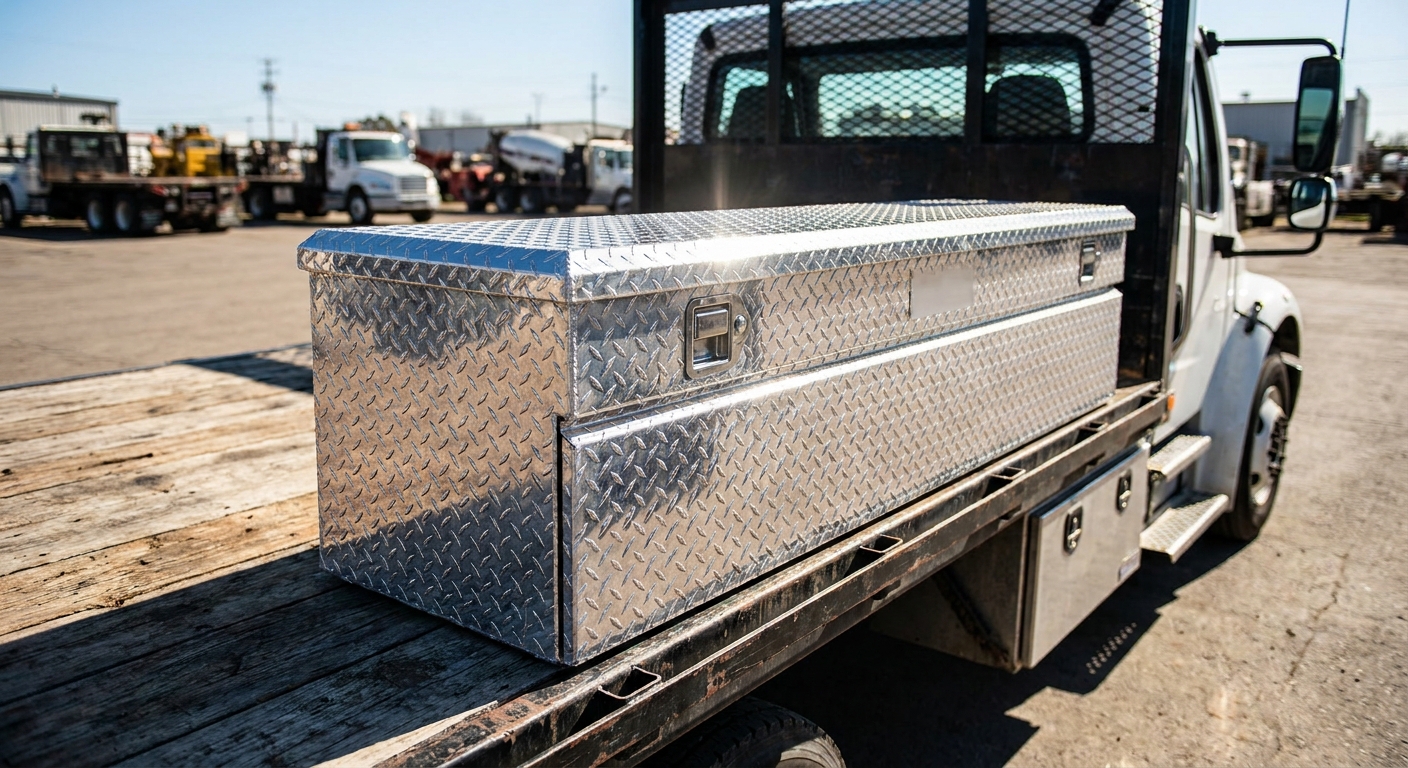
Buying a trailer tool box is essential because it provides secure, organized, and weather-resistant storage for valuable cargo-securing straps, chains, and transport tools. Without dedicated exterior lockable compartments, flatbed operators struggle to manage their expensive gear, leading to accelerated wear. By upgrading to a high-quality trailer tool box, you protect your operational efficiency and ensure your logistics workflow remains seamless on the road.
Maximizing Flatbed Storage Capacity
Here is the deal: when you are managing heavy flatbed cargo control supplies like winches, straps, and chains, a lack of dedicated storage leads to massive inefficiency. You need a centralized location to protect your gear and keep the flatbed deck completely clear for oversized payloads.
- Organizes your ratchets, straps, and binders systematically.
- Saves you time during cargo loading and unloading cycles.
- Keeps your vehicle cab clutter-free and highly comfortable.
Protecting Cargo Supplies and Gear
Think about it: if you leave your high-value cargo straps exposed to raw UV rays and corrosive road spray, they will rot and fail during transit. You are looking at expensive replacement costs and potential safety fines if your gear degrades on the highway.
- Shields heavy straps from moisture and sunlight damage.
- Secures expensive binders against potential theft.
- Preserves your equipment in a dry, safe environment.
Key Takeaway: Upgrading to a premium exterior storage unit ensures your tensioning tools, chains, and straps remain secure, clean, and ready to deploy under any road conditions.
| Storage Goal | Without Exterior Storage | With Trailer Tool Box |
|---|---|---|
| Gear Protection | High risk of weathering | 100% dry and enclosed |
| Fleet Productivity | Time lost searching cab | Instant ground-level access |
| Operational Safety | Risk of loose hazards on bed | Zero shifting road hazards |
This performance breakdown shows how external cabinets directly protect expensive gear from rotting due to road salts and solar exposure.
Where should you mount a trailer tool box?
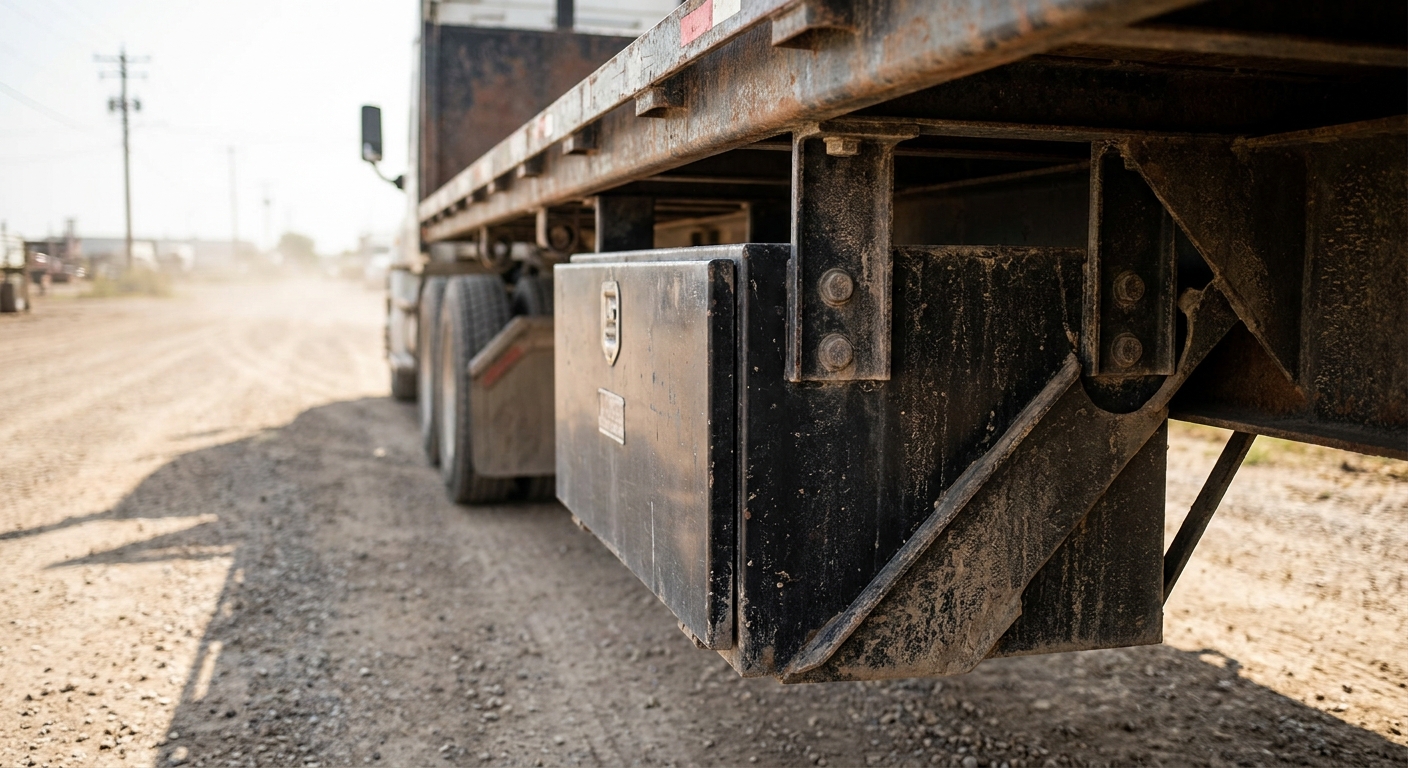
You should mount a trailer tool box in locations that maximize your specific flatbed trailer deck space and road clearances, such as under the chassis frame, on the trailer tongue, or as a dual-purpose side-step. Choosing the right location keeps your heavy cargo control supplies highly accessible during side-loading operations without taking up valuable shipping room. Ultimately, selecting the perfect chassis position for your trailer tool box determines how smoothly you can load and secure cargo every single day.
Underbody Mounting for Low-Profile Needs
Want to know the real secret? Underbody mounting utilizes the open chassis space beneath your flatbed frame, which keeps your deck clear for wide loads. You can slide your cargo easily without hitting bulky storage obstacles that stand on the deck.
- Lowers the trailer center of gravity for better handling.
- Protects your storage from forklift damage during loading.
- Frees up valuable deck space for extra revenue.
Tongue and Gooseneck Positions Explained
But that is not all. If you run smaller utility trailers or heavy gooseneck configurations, mounting a box on the trailer tongue is highly practical. You get quick, chest-level access to your hand tools and safety straps without crawling under the chassis.
- Secures gear on otherwise wasted trailer tongue space.
- Ensures excellent road clearance on sloped driveways.
- Provides easy access for quick cargo adjustments.
Key Takeaway: Strategic mounting matches your truck configuration to preserve space, protect the container from mechanical impacts, and improve overall driver ergonomics.
| Mounting Position | Ground Clearance | Space Efficiency | Best For |
|---|---|---|---|
| Underbody Frame | Medium | Excellent (Deck clear) | Commercial flatbeds |
| Trailer Tongue | High | Good (Uses dead space) | Light utility trailers |
| Gooseneck Side | Very High | Excellent | Heavy multi-axle trailers |
Choosing the underbody mount maximizes available deck area while protecting structural frames from side-loading impacts.
What sizes fit your trailer tool box?
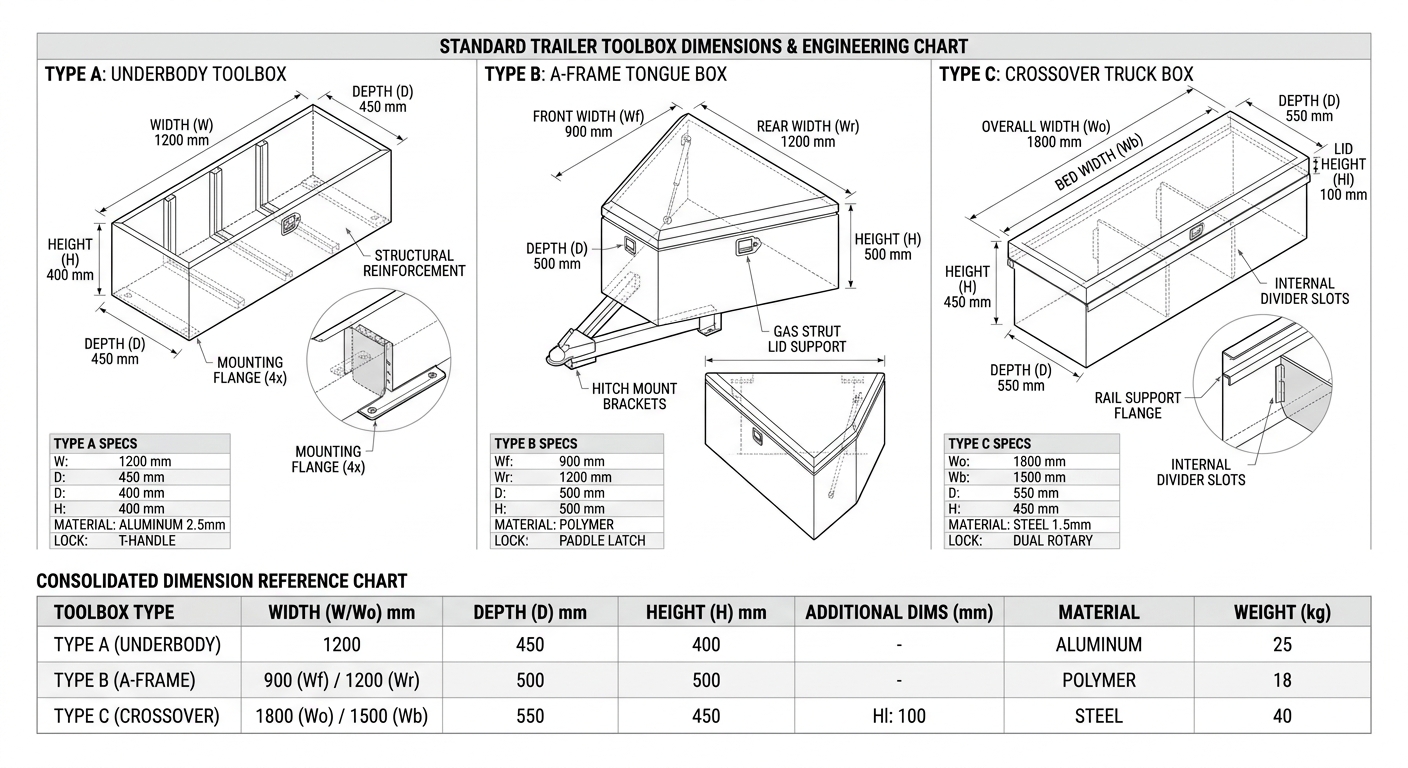
Fitting the right sizes for your trailer tool box depends on measuring your available frame clearance and matching that volume to your fleet’s heavy tarp and chain securement payloads. A box that is too small forces drivers to cram and potentially damage expensive vinyl lumber tarps, while an oversized unit risks exceeding road weight limits or causing clearance strikes. Choosing the precise footprint of your trailer tool box maximizes storage utility while maintaining safe axle load distribution.
Matching Dimensions to Fleet Trailers
Think about it: you must carefully measure your trailer’s frame dimensions before purchasing storage to avoid clearance issues. If you choose a box that is too deep, you might strike road debris or tires during tight highway turns.
- Measures frame depth to ensure proper bracket fitment.
- Checks tire clearance to prevent rubbing during transport.
- Saves you from expensive return shipping costs.
Sizing Up for Heavy-Duty Tarps
Here is the kicker: storing cold-weather vinyl tarps requires massive storage volume, so you must select a larger box size to avoid tearing the fabric on inner weld seams. If you purchase an undersized unit, you will waste valuable operational time struggling to pack stiff tarps.
- Accommodates heavy 18-ounce lumber tarps easily.
- Prevents fabric punctures from sharp metal corners.
- Ensures fast storage after completing your haul.
Key Takeaway: Right-sizing your storage layout ensures you have adequate room for bulky winter tarps while keeping the box within safe structural axle limits.
| Payload Type | Required Minimum Size | Best Dimension Setup | Capacity Goal |
|---|---|---|---|
| Hand Tools & Straps | 24″ x 18″ x 18″ | Compact, low weight | Daily securement gear |
| Chains & Binders | 36″ x 24″ x 24″ | Medium-duty steel | Heavy transport metal |
| Lumber Tarps | 48″ x 24″ x 24″ | Large-volume aluminum | Dual heavy vinyl tarps |
This dimension matrix proves that matching cargo volume prevents excessive material wear and optimizes axle payload distribution.
Which metal is best for a trailer tool box?
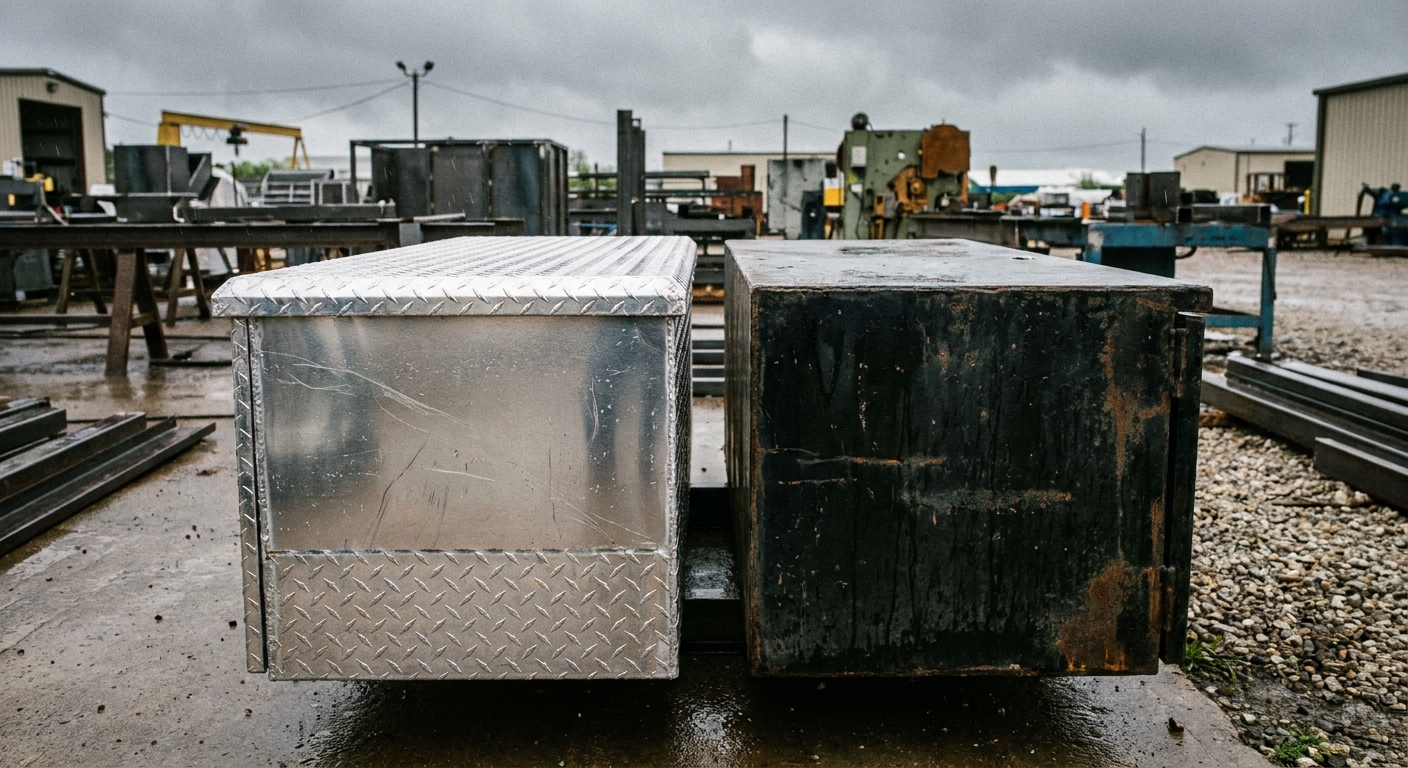
The best metal for your trailer tool box is marine-grade aluminum if you prioritize weight savings, though heavy steel remains unmatched for extreme impact resistance. Aluminum significantly reduces fuel consumption and stays free from surface rust, whereas steel provides maximum structural toughness for heavy industrial hauls. Balancing these metallurgy characteristics ensures that your trailer tool box withstands road debris and harsh winter salts.
High-Grade Aluminum vs. Heavy Steel
Here is the deal: aluminum offers immense fuel savings because it reduces your gross vehicle weight significantly compared to steel. However, if your fleet handles rugged gravel or heavy metal scrap, you might require the sheer dent resistance of heavy steel doors.
- Aluminum saves you weight and prevents rust.
- Steel resists heavy, daily physical abuse.
- Marine-grade alloys endure harsh coastal air.
Evaluating Polyethylene Alternatives
But that is not all. If you are hauling lighter utility payloads, high-density polyethylene options offer a lightweight, cost-effective alternative. They will not rust or dent, but you must remember that plastic lacks the heavy-duty security and structural load ratings of metal.
- Eliminates all corrosion risks permanently.
- Reduces initial procurement costs for small fleets.
- Requires minimal physical maintenance.
Key Takeaway: Selecting the right metallurgy involves a critical trade-off between weight-driven fuel savings and heavy-duty impact durability.
| Material Type | Weight Level | Corrosion Resistance | Impact Strength |
|---|---|---|---|
| Marine Aluminum | Very Lightweight | Outstanding (Natural) | Medium-High |
| Heavy-Duty Steel | Heavy | Moderate (Requires coat) | Maximum |
| Polyethylene | Ultra-Lightweight | Perfect | Low-Medium |
This structural comparison demonstrates how lightweight aluminum helps fleets optimize fuel efficiency without sacrificing essential structural integrity.
How secure is your trailer tool box?

Securing your trailer tool box requires heavy-duty locking mechanisms like industrial whale-tail compression locks and multi-point internal deadbolt rods. Standard padlocks are easily bypassed by thieves with bolt cutters, leading to devastating cargo loss and operational delays during overnight stops. Investing in high-security latch options on your trailer tool box actively protects thousands of dollars in commercial securement gear.
Upgrading to Whale Tail and Paddle Locks
Want to know the real secret? Standard padlocks are prime targets for opportunistic thieves at highway truck stops, so you must upgrade to flush-mounted whale-tail locks. These locks compress the door tightly, leaving zero gaps for a crowbar to pry the latch open.
- Compresses the door seal to block pry-bar access.
- Provides flush fitting to prevent snagging on tree branches.
- Protects your internal cargo supplies from theft.
Why Heavy-Duty Deadbolts Deter Theft
Here is the kicker: a multi-point internal deadbolt locking rod secures the top, middle, and bottom of the box door simultaneously. When you lock this mechanism, the door becomes an impenetrable wall that resists heavy sledgehammer strikes.
- Locks the door at multiple structural points.
- Deter thieves with visible heavy-duty construction.
- Keeps your peace of mind intact during overnight stays.
Key Takeaway: Implementing dual whale-tail locks or internal deadbolt rods prevents costly cargo supply losses and keeps your transport schedules on track.
| Lock Type | Security Grade | Weather Resistance | Maintenance Needed |
|---|---|---|---|
| Whale Tail | High | Excellent (Sealed cover) | Low (Periodic grease) |
| Paddle Latch | Medium | Good | Medium |
| Padlock Hasps | Low | Poor (Exposed) | High (Prone to rust) |
This locking data indicates that flush-mounted, compression-style latching is the most effective defense against mechanical leverage attacks.
Can weather ruin a trailer tool box?
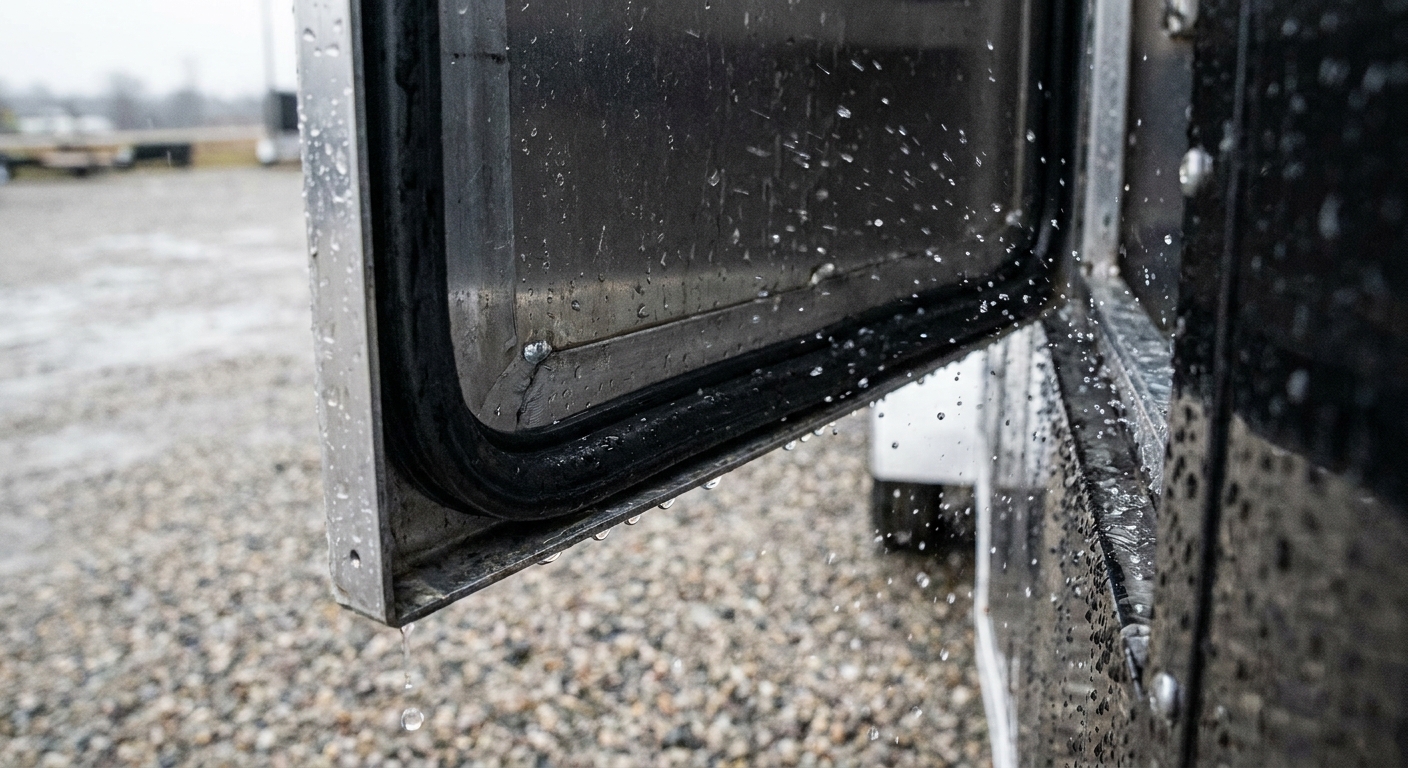
Harsh weather can easily ruin a trailer tool box and its internal contents if the storage unit lacks automotive-grade rubber seals and continuous robotic welds. Road spray, salt water, and melting ice will find any pinhole gap, soaking straps and seizing expensive chain tensioning binders over time. Protecting your gear from dynamic moisture requires a rugged trailer tool box designed with premium hydrophobic barriers.
The Role of Automotive Rubber Seals
Think about it: if you purchase storage that lacks high-quality EPDM hollow-bulb gaskets, high-speed road spray will leak inside. You will open your compartment to find soaked cargo straps, rusted chains, and moldy tarps that are completely ruined.
- EPDM gaskets compress tightly to block pressurized water.
- Resists ozone cracking during extreme summer heat.
- Keeps your delicate tools dry and rust-free.
Continuous Welds and Impenetrable Seams
Here is the deal: cheaply made utility boxes often rely on simple spot welds that easily crack under vibration, letting moisture seep through. You must look for continuous robotic TIG welds that create a fully sealed, unified metallic structure.
- Prevents seam splitting over rough, bumpy highways.
- Creates a fully waterproof barrier against road grime.
- Ensures long-term structural longevity for your rig.
Key Takeaway: Specifying automotive-grade rubber seals and continuous robotic welding protects your equipment from moisture, mold, and premature corrosion.
| Sealing Element | Foam Tape Seal | EPDM Bulb Gasket |
|---|---|---|
| Moisture Exclusion | Poor (Absorbs water) | 100% Waterproof |
| Vibration Tolerance | Low (Peels off quickly) | High (Firmly channel-mounted) |
| Lifespan | Less than 1 year | 5+ years under heavy road salt |
This seal analysis shows that EPDM bulb gaskets are vital for keeping high-pressure highway water spray out of critical storage cavities.
Why does design matter for a trailer tool box?
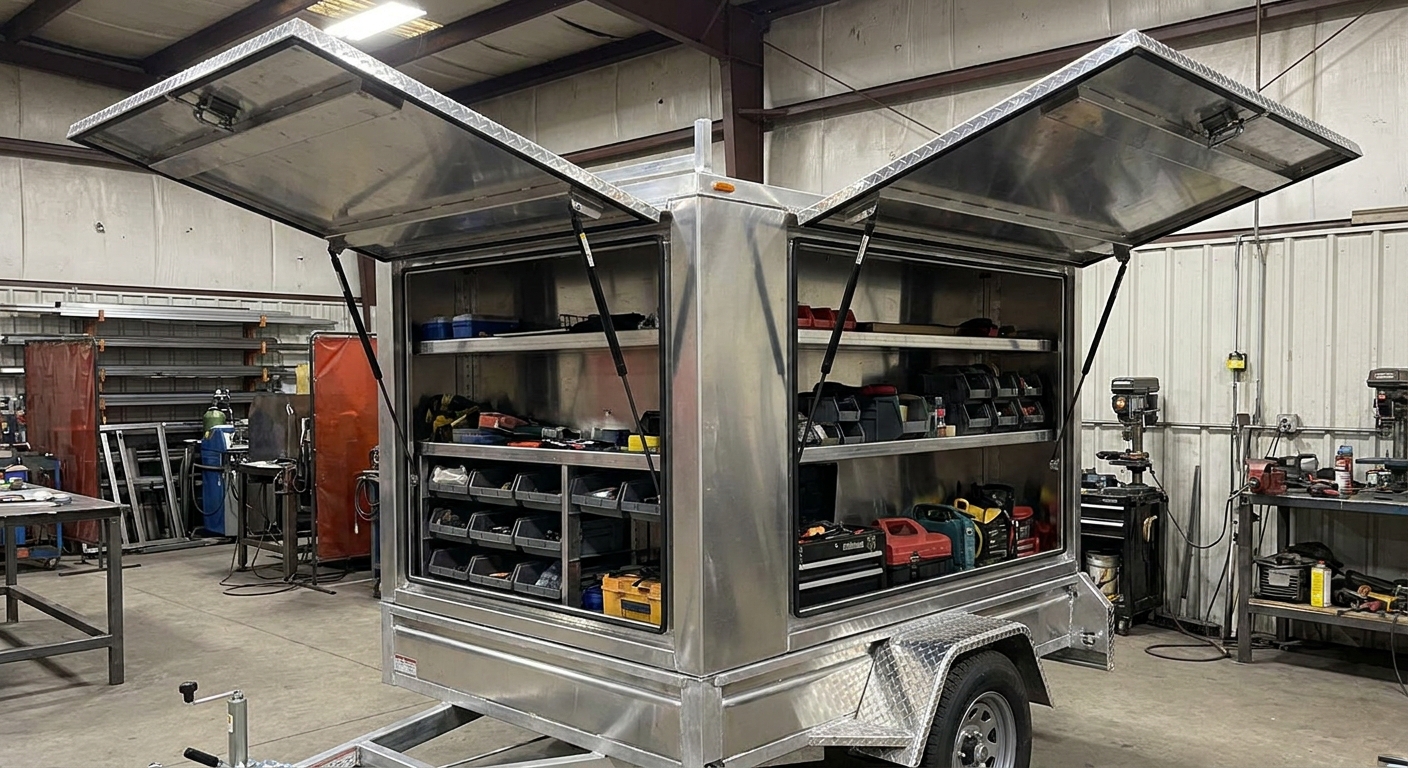
Design matters for your trailer tool box because door orientation, opening styles, and step-box features directly control how safely and quickly your drivers load heavy gear. Double-door designs permit hassle-free access to wide tarps, while standard single doors often create tight pinch points and cause handling fatigue. Specifying an ergonomic layout for your trailer tool box improves daily yard productivity and reduces driver injury rates.
Double-Door Configurations for Wide Load
Want to know the real secret? Trying to squeeze a wide, rigid cargo coil rack through a tiny single-door opening is a recipe for back strain. You need a double-door configuration with a removable center post to slide heavy, wide securement items inside effortlessly.
- Provides a massive horizontal opening for wide gear.
- Saves you from awkward lifting angles and injuries.
- Speeds up your trailer packing process significantly.
Step-Box Design for Multi-Level Access
But that is not all. If you choose a dual-purpose step-box, you combine heavy tool storage with a secure physical step to climb onto the flatbed deck. You avoid purchasing separate ladders, which saves you both frame space and fleet procurement budget.
- Offers a slip-resistant step surface for fleet safety.
- Saves chassis space by combining two functions.
- Reduces driver fall risks during daily cargo inspections.
Key Takeaway: Specifying wide double doors or safety-focused step layouts increases operational efficiency and lowers the risk of workplace injuries on the road.
| Design Feature | Double-Door | Step-Box Combo |
|---|---|---|
| Primary Value | Maximum access opening | Multi-functional safety |
| Ergonomic Benefit | Reduces lifting strain | Prevents slips and falls |
| Space Saved | Large internal storage volume | Clears frame space |
This comparison highlights how multi-functional designs reduce loading times while actively keeping flatbed logistics teams safe.
How do you install a trailer tool box?
Installing a trailer tool box successfully requires using heavy steel mounting brackets that are rated for the box’s full payload and bolted directly to the chassis frame flanges. Improperly mounted boxes can crack the trailer frame, void manufacturer warranties, or detach entirely at highway speeds. Securing your trailer tool box with heavy-duty mounting hardware is a non-negotiable step to maintain absolute road safety.
Weld-On vs. Bolt-On Mounting Brackets
Here is the kicker: bolt-on brackets allow you to easily replace or relocate your storage box without damaging the trailer’s structural steel. However, if you run extreme off-road hauls, weld-on mounts provide the ultimate, permanent physical connection to your frame.
- Bolt-on mounts allow easy transfers to new fleet rigs.
- Weld-on mounts eliminate loose mounting bolt concerns.
- High-grade steel brackets distribute heavy payloads safely.
Ensuring Frame Compatibility and Safety
Think about it: you must never drill holes too close to high-stress trailer frame flanges, or you risk causing catastrophic structural failure under heavy loads. Always consult specialized engineering guidelines to ensure your brackets support the fully loaded storage weight safely.
- Protects your trailer frame from cracking.
- Keeps your vehicle compliant with DOT safety laws.
- Ensures mounting bolts remain tight under vibration.
Key Takeaway: Correct bracket installation using graded hardware prevents road accidents and ensures your trailer warranty remains valid.
| Installation Aspect | Bolt-On Installation | Weld-On Installation |
|---|---|---|
| Skill Level Needed | Basic mechanical skills | Certified professional welder |
| Time Commitment | 1 to 2 hours | 2 to 3 hours plus cooling |
| Structural Flexibility | High (Easily adjustable) | Zero (Permanent positioning) |
This comparative installation data reveals that bolt-on mounts offer the best versatility for expanding commercial fleets.
What accessories pair with a trailer tool box?
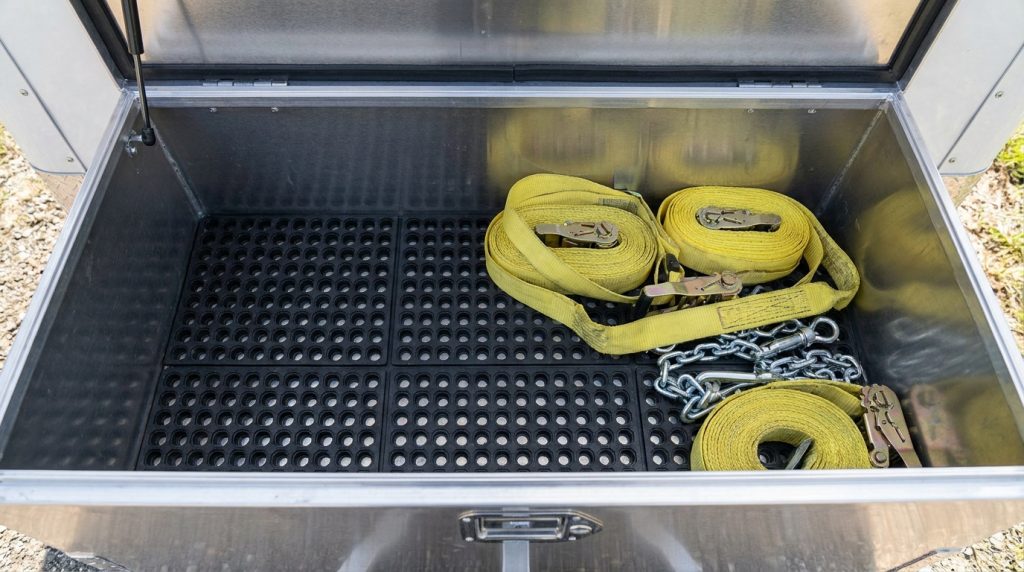
The best accessories to pair with your trailer tool box include self-draining anti-slip floor mats, sliding chain hangers, and replacement EPDM rubber gaskets. Interior organizational tools prevent heavy steel binders from sliding around and punching dents into the outer aluminum walls during travel. Equipping your trailer tool box with these utility additions prolongs the service life of both your storage container and your securement accessories.
Anti-Slip Drainage Mats for Safe Storage
Here is the deal: if you toss raw metal chains and wet cargo straps directly onto aluminum floors, they will slide around, denting the outer walls. You must lay interlocking rubber drainage mats to let moisture flow underneath, keeping your tools dry and rust-free.
- Prevents tools from sliding during sudden highway stops.
- Drains water to stop mold from rotting cargo straps.
- Protects aluminum walls from heavy metal impacts.
Heavy-Duty Chain Hangers and Organizers
But that is not all. Digging through a tangled pile of heavy steel transport chains is a frustrating waste of your valuable driving hours. Installing heavy-duty sliding chain hangers lets you grab the exact securement link you need in seconds.
- Keeps your transport chains organized and tangle-free.
- Reduces loading prep time for faster departures.
- Optimizes the vertical storage space in your cabinet.
Key Takeaway: Pairing your storage with interlocking drainage mats and chain hangers speeds up securement times and prevents heavy internal tool damage.
| Accessory Item | Primary Utility | Material Base | Operational Impact |
|---|---|---|---|
| Interlocking Mats | Prevents sliding and pooling | Heavy rubber | Protects box floor |
| Chain Hangers | Organizes heavy chains | Carbon steel | Speeds up cargo securement |
| EPDM Spare Seals | Guarantees weatherproofing | Automotive rubber | Prevents unexpected leaks |
This accessory performance matrix demonstrates how simple organizational add-ons actively protect and extend your storage hardware’s life.
How to choose your final trailer tool box?
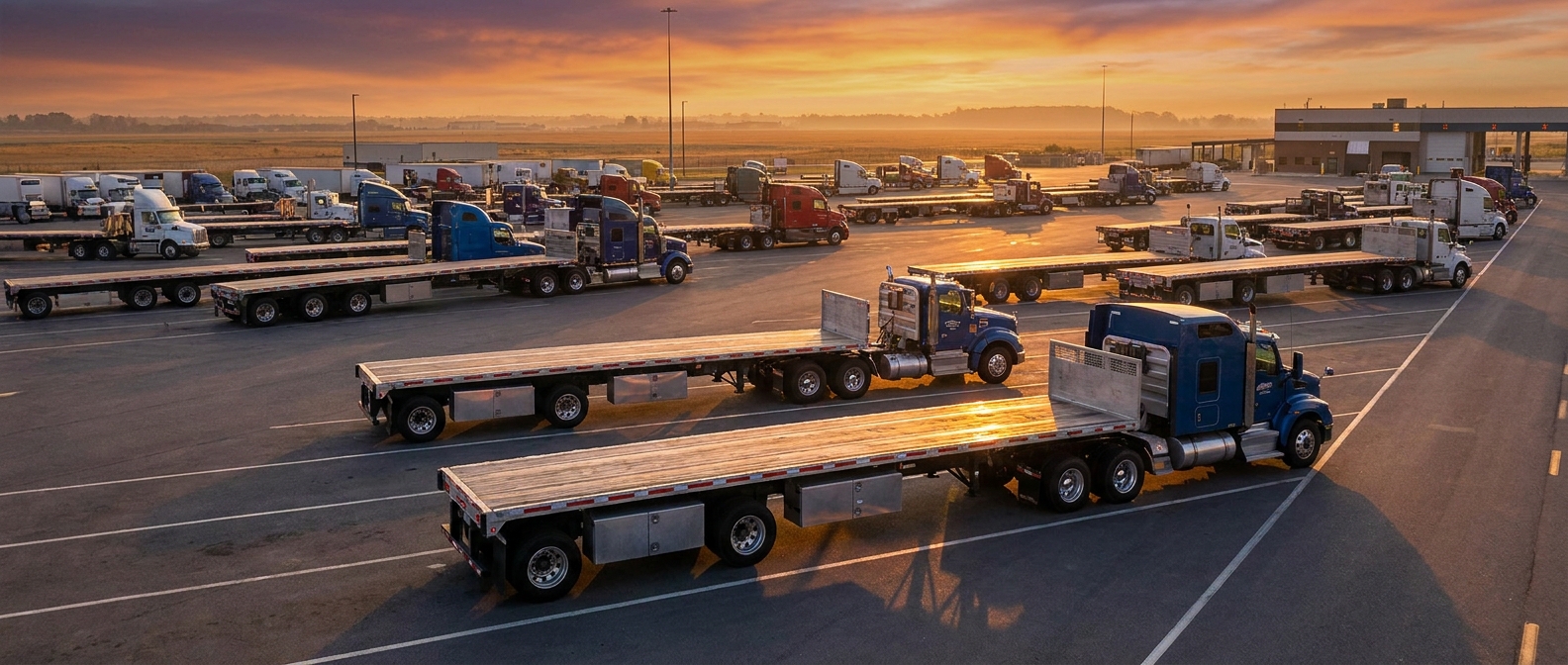
Choosing your final trailer tool box involves matching your cargo hauling dimensions, material durability requirements, and security levels against your fleet’s long-term budget. Fleet operators who invest in high-grade metallurgy and heavy locks save thousands of dollars by preventing cargo damage and structural container failures. Carefully calculating these variables ensures you select a highly resilient trailer tool box that protects your flatbed investments.
Assessing Your Fleet’s Volume Demands
Think about it: you must calculate the exact volume of your daily cargo securement straps, heavy chains, and tarps before purchasing. If you choose an undersized model, you will end up wasting valuable space inside your driver cab.
- Estimates the maximum payload volume your fleet carries.
- Ensures you have enough room for thick winter tarps.
- Saves you from buying multiple smaller cabinets.
Balancing Initial Cost vs. Long-Term Value
Want to know the real secret? Buying cheap, thin-walled utility boxes might save you money upfront, but they will quickly warp, leak, and crack on rough roads. Investing in high-grade aluminum and heavy stainless steel locking mechanisms pays off in long-term durability and lower repair costs.
- Reduces fleet replacement costs over five to ten years.
- Shields high-value securement tools from persistent theft.
- Withstands constant exposure to severe winter highway salts.
Key Takeaway: Selecting a premium, heavy-duty storage cabinet ensures your cargo gear remains dry and secure, maximizing your fleet’s daily road safety and operational efficiency.
| Selection Metric | Light-Duty Utility Box | Premium Commercial Box |
|---|---|---|
| Initial Cost | Low upfront price | Moderate to high investment |
| Service Lifespan | 1 to 2 years under load | 10+ years on commercial rigs |
| Security Level | Poor (Thin metal locks) | Maximum (Heavy deadbolt whale-tails) |
This return-on-investment comparison shows how premium manufacturing materials prevent unexpected field failures and secure your logistics assets.
Secure your trailer, protect your cargo control supplies, and upgrade your logistics efficiency with a premium, engineered containment system. Don’t compromise road safety or let unorganized gear delay your departures—take complete control of your fleet’s storage security and material longevity. To get custom engineering options, competitive volume pricing, and expert guidance on your heavy-duty truck protection systems, reach out and contact us today for a free technical consultation. We are dedicated to providing commercial-grade, built-to-last protection gear that empowers fleets across North America to haul safely and operate with absolute confidence.
Frequently Asked Questions
Can I mount an aluminum utility box on a steel trailer frame?
Yes, you can. However, you must use durable neoprene washers or specialized zinc-plated mounting brackets between the steel frame and the aluminum toolbox. Placing these non-conductive barriers at the physical contact points actively prevents galvanic corrosion from weakening either of the metals over time.
What is the best way to prevent my trailer tool box lock from freezing in winter?
It depends on your local weather conditions, but using a lock that features an integrated rubber dust cap is your most effective defense. Regularly applying a graphite spray or silicone-based lock lubricant into the keyhole before freezing temperatures arrive will prevent moisture from gathering and turning into solid ice.
How do I know if my flatbed trailer requires underbody or tongue storage?
It depends on your cargo deck length and trailer tongue clearance. If you transport long, overhanging loads that require every inch of deck space, underbody mounting is the ideal choice to keep the upper bed completely clear. If you operate a light utility trailer, tongue mounting provides the easiest ground-level tool access.
Is high-density polyethylene stronger than aluminum for commercial fleet storage?
Absolutely not. While polyethylene is completely rust-proof and lightweight, it lacks the physical impact strength and structural load-bearing capacity of high-grade marine aluminum. For heavy commercial hauling with loose chains and metal binders, aluminum or heavy-duty steel cabinets are essential to prevent structural cracking.
Can a leaking rubber door gasket ruin my cargo transport straps?
Yes, it can. When high-speed highway road spray bypasses a worn or cheap door seal, moisture pools inside the box, causing mold and mildew to actively rot your heavy polyester cargo straps. Replacing damaged gaskets with automotive-grade, channel-mounted EPDM bulb seals is critical to keep your securement gear dry and reliable.