
Truck crashes are expensive because they combine high-velocity kinetic energy with complex mechanical systems and significant operational downtime. Imagine driving through a remote corridor when a sudden obstacle leads to a catastrophic impact. The immediate scene is one of chaos: steam rises from a punctured radiator, shattered fiberglass litters the road, and the crushing weight of financial loss settles in as you realize your primary revenue generator is now immobilized. This stress ripples through your entire business, from mounting repair bills to the threat of missed delivery contracts. However, the path to a solution begins with the implementation of heavy-duty protection and a data-driven understanding of the semi truck damage cost associated with modern commercial transport.
What is the average semi truck damage cost?
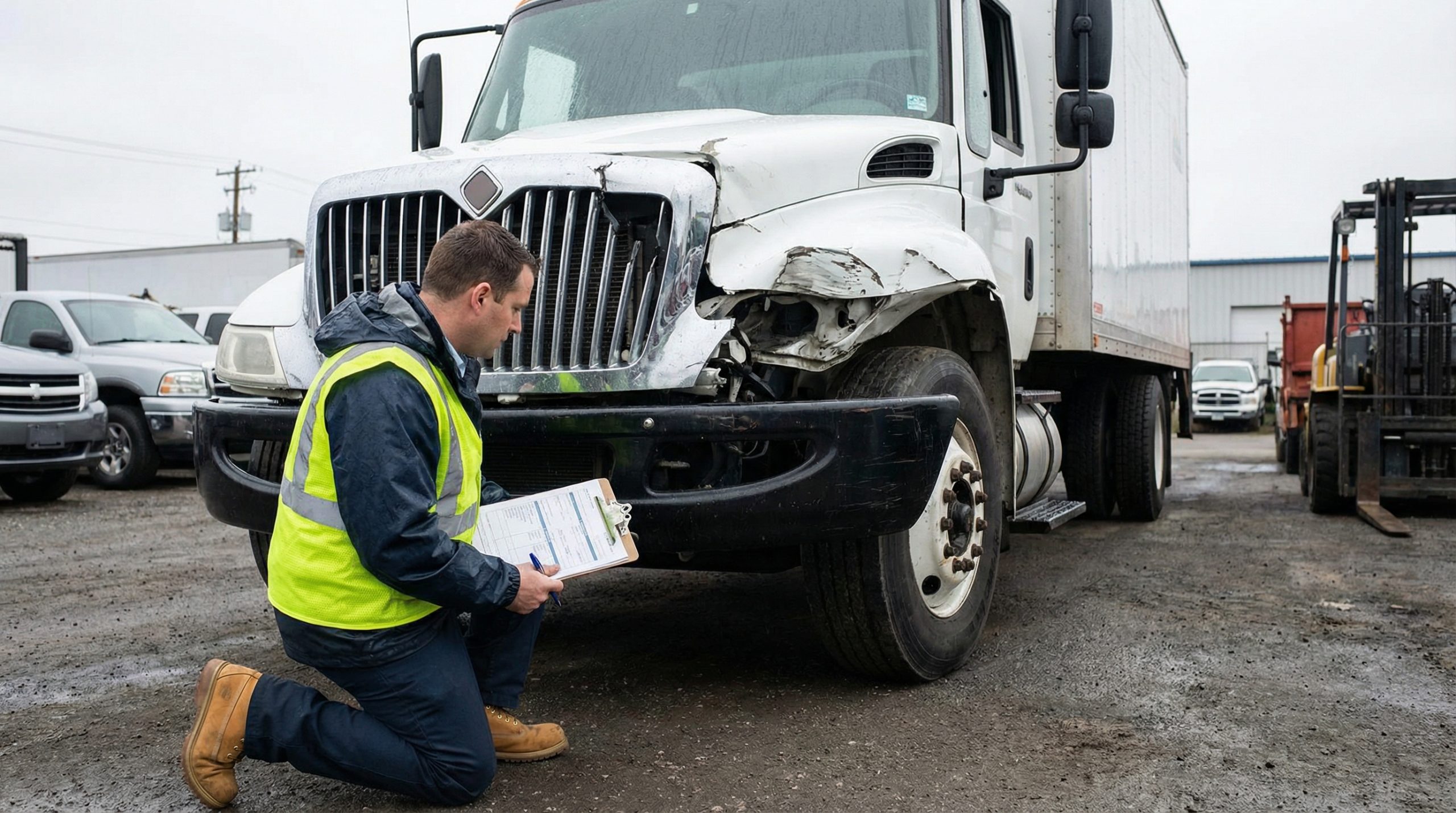
The average semi truck damage cost typically ranges between $5,000 and $15,000 for minor to moderate collisions, though severe structural impacts can easily exceed $30,000. This baseline assumes the replacement of standard aesthetic components and minor mechanical sensors without deep structural warping.
Repair Estimates for Common Front-End Collisions
When you review a repair invoice, you will find that specialized labor often matches the high cost of heavy-duty parts.
Here is the kicker:
The precision required to align modern composite hoods and LED lighting systems has driven labor hours significantly higher over the last decade.
- Replacement Bumpers: $800 – $2,500 based on chrome or composite materials.
- Headlight Units: $600 – $1,400 per side for high-efficiency LED assemblies.
- Grille Inserts: $500 – $1,800 depending on OEM specifications.
Key Takeaway: Even a “minor” parking lot incident can trigger a multi-thousand dollar repair bill due to the premium cost of Class 8 vehicle components.
| Damage Severity | Estimated Part Cost | Estimated Labor | Total Cost Range |
|---|---|---|---|
| Cosmetic Only | $1,500 – $3,500 | $1,200 – $2,500 | $2,700 – $6,000 |
| Minor Impact | $4,500 – $8,000 | $3,500 – $6,000 | $8,000 – $14,000 |
Analytical Note: High-end composite materials and integrated sensors are the primary multipliers in modern repair quotes.
How does wildlife impact semi truck damage cost?
Wildlife strikes are a primary driver of high semi truck damage cost because they frequently compromise the cooling system located directly behind the grille. An animal strike at highway speeds often pushes the bumper into the radiator and charge air cooler, resulting in immediate fluid loss.
The Hidden Expenses of High-Speed Animal Strikes
You might assume a deer strike is merely a bodywork issue that can wait for a scheduled service.
But that’s not all.
A single impact that breaches the cooling module will lead to total engine overheating and a “dead on road” situation within minutes.
- Radiator Punctures: Forces an expensive emergency tow and immediate part replacement.
- Intercooler Damage: Causes immediate loss of turbo boost and engine efficiency.
- Cooling Fan Failure: Shattered blades can penetrate other engine components upon impact.
Key Takeaway: Animal strikes often create “invisible” damage to internal modules that causes more long-term financial harm than the visible body damage.
| Component | Repair Action | Estimated Cost |
|---|---|---|
| Radiator | Full Replacement | $2,800 – $4,500 |
| Charge Air Cooler | Replacement | $2,000 – $3,500 |
Analytical Note: Cooling system integrity is the most critical factor in determining if a truck remains drivable after a front-end impact.
Does speed affect your semi truck damage cost?
Your speed at the moment of impact is the most significant multiplier for your semi truck damage cost due to the laws of kinetic energy. Impacts at highway speeds often move past the “crumple zone” of the bumper and begin to inflict damage on the frame and engine mounts.
Kinetic Energy and Structural Repair Variables
Does speed really change the outcome of a typical collision?
Wait until you see the data.
Doubling your speed from 30 mph to 60 mph actually quadruples the destructive energy your truck’s front end must absorb.
- Frame Misalignment: Correcting a twisted frame requires massive hydraulic racks and high labor fees.
- Engine Setback: High-velocity impacts can shift the engine, damaging the transmission housing.
- Steering Linkage: Components like tie rods and steering boxes frequently fail under high loads.
Key Takeaway: High-speed collisions often transition from “repairs” to “total losses” because the cost to certify a straightened frame exceeds the vehicle’s value.
| Speed at Impact | Likely Damage Depth | Estimated Cost |
|---|---|---|
| 15-25 MPH | Bumper & Lights | $3,500 – $8,000 |
| 45+ MPH | Frame & Engine | $25,000 – $50,000+ |
Analytical Note: Speed-related damage often involves safety certifications that complicate the return-to-service timeline.
What parts drive up semi truck damage cost?
Technological components like radar sensors for collision avoidance and high-efficiency LED modules are the main items that drive up the semi truck damage cost. These sensitive electronics are often mounted in the most vulnerable positions, meaning even a small tap can require a full system recalibration.
Technology and Lighting Restoration Fees
You need to realize that modern trucks are rolling computers rather than simple iron machines.
Here is the kicker:
Replacing a broken radar sensor isn’t just a “bolt-on” job; it requires specialized OEM software to ensure safety systems function correctly.
- Collision Avoidance Sensors: $1,200 – $3,000 including calibration.
- Adaptive Cruise Hardware: Highly sensitive to alignment shifts.
- Premium LED Hood Lights: Significant price increase over traditional halogen bulbs.
Key Takeaway: The shift toward advanced driver-assistance systems (ADAS) has effectively doubled the cost of “standard” front-end repairs.
| Part Category | Average Part Price | Labor Intensity |
|---|---|---|
| ADAS Sensors | $1,500 – $3,500 | High (Needs Software) |
| LED Assemblies | $800 – $1,500 | Low (Plug & Play) |
Analytical Note: Integrating electronics into the front fascia makes even cosmetic repairs a technical challenge for shops.
Can guards reduce your semi truck damage cost?

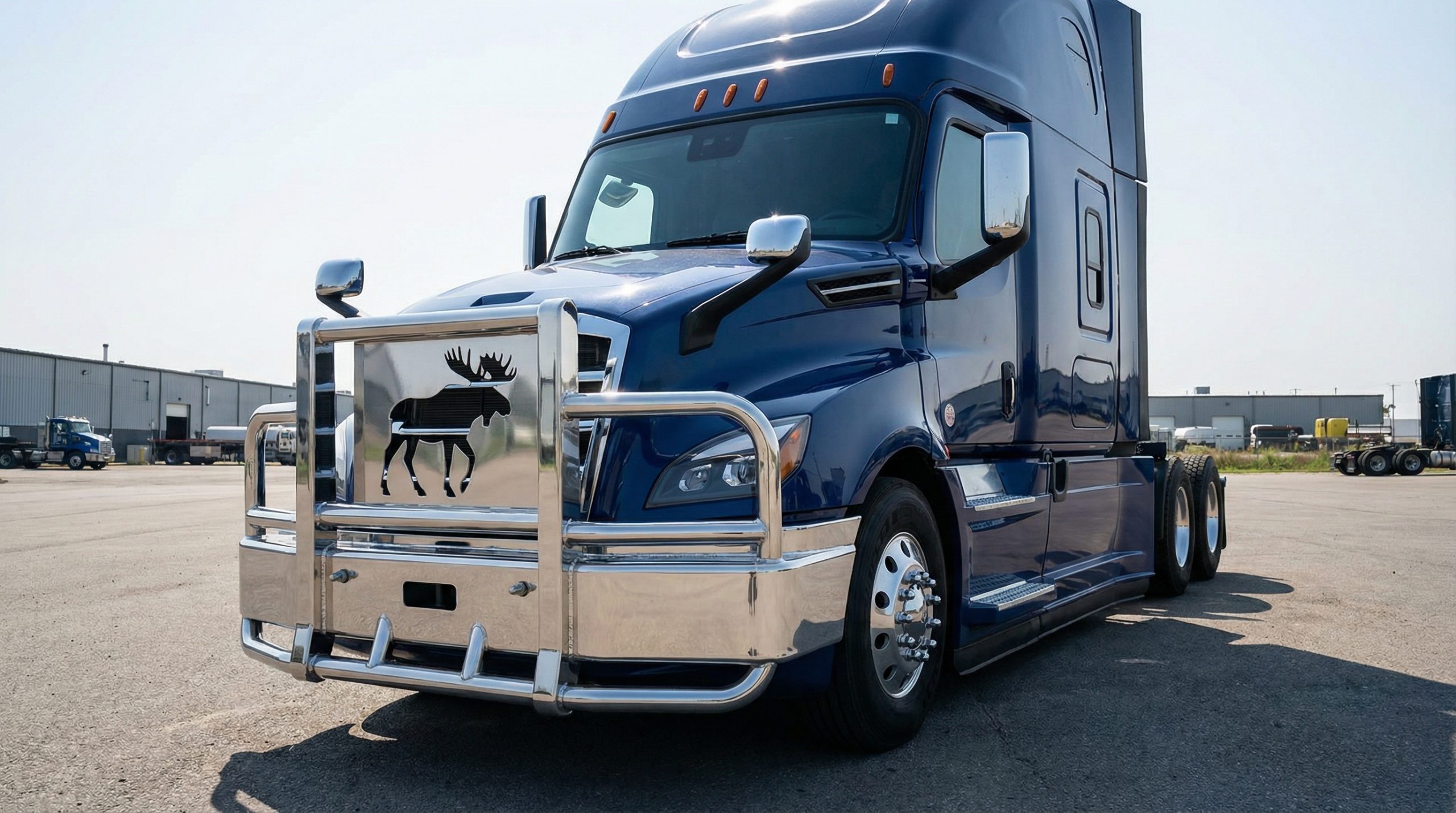
Investing in high-quality bumper protection is the most effective way to lower your semi truck damage cost by deflecting impact energy into the frame rails. A structural guard acts as a sacrificial shield, ensuring that an animal strike doesn’t lead to radiator failure or expensive hood replacement.
ROI Analysis of Front-End Protection Systems
Is the upfront spending on a guard truly worth the expense?
The return on investment is clear.
One avoided radiator replacement and the associated towing fees typically pay for the entire cost of a heavy-duty bumper.
- Reduced Downtime: Guards often keep the truck drivable, allowing it to finish the delivery.
- Hood Preservation: Protecting the expensive fiberglass hood saves thousands in bodywork.
- Insurance Stability: Preventing claims helps maintain lower annual premiums for the fleet.
Key Takeaway: Front-end protection should be viewed as an insurance policy that pays out the moment your truck encounters a highway hazard.
| Protection Level | Upfront Cost | Potential Savings |
|---|---|---|
| No Guard | $0 | $0 |
| Heavy-Duty Guard | $2,500 – $5,500 | $10,000 – $25,000 |
Analytical Note: Proactive fleet managers use guards to transform “total loss” accidents into minor bumper replacements.
How does downtime affect semi truck damage cost?
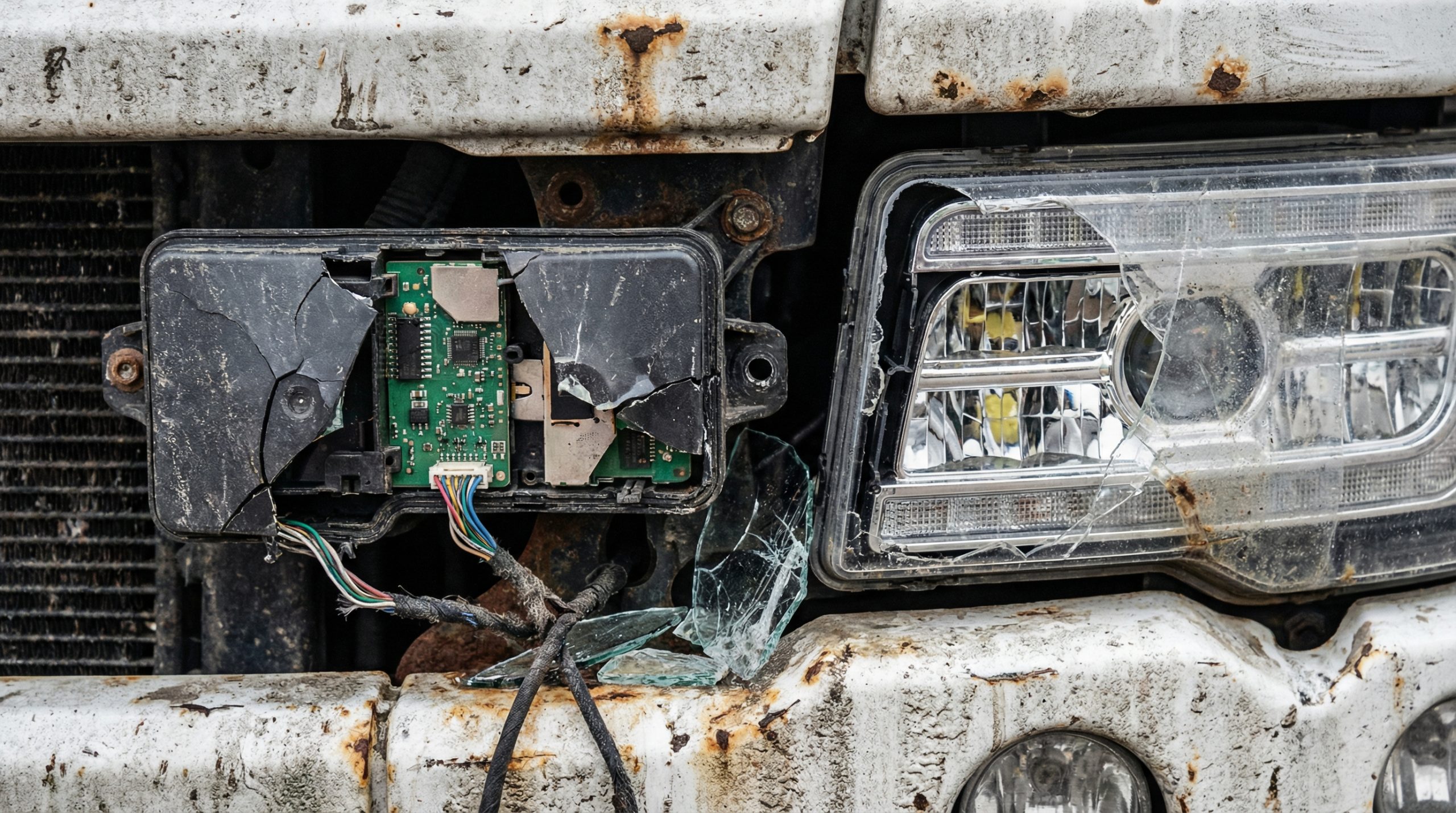
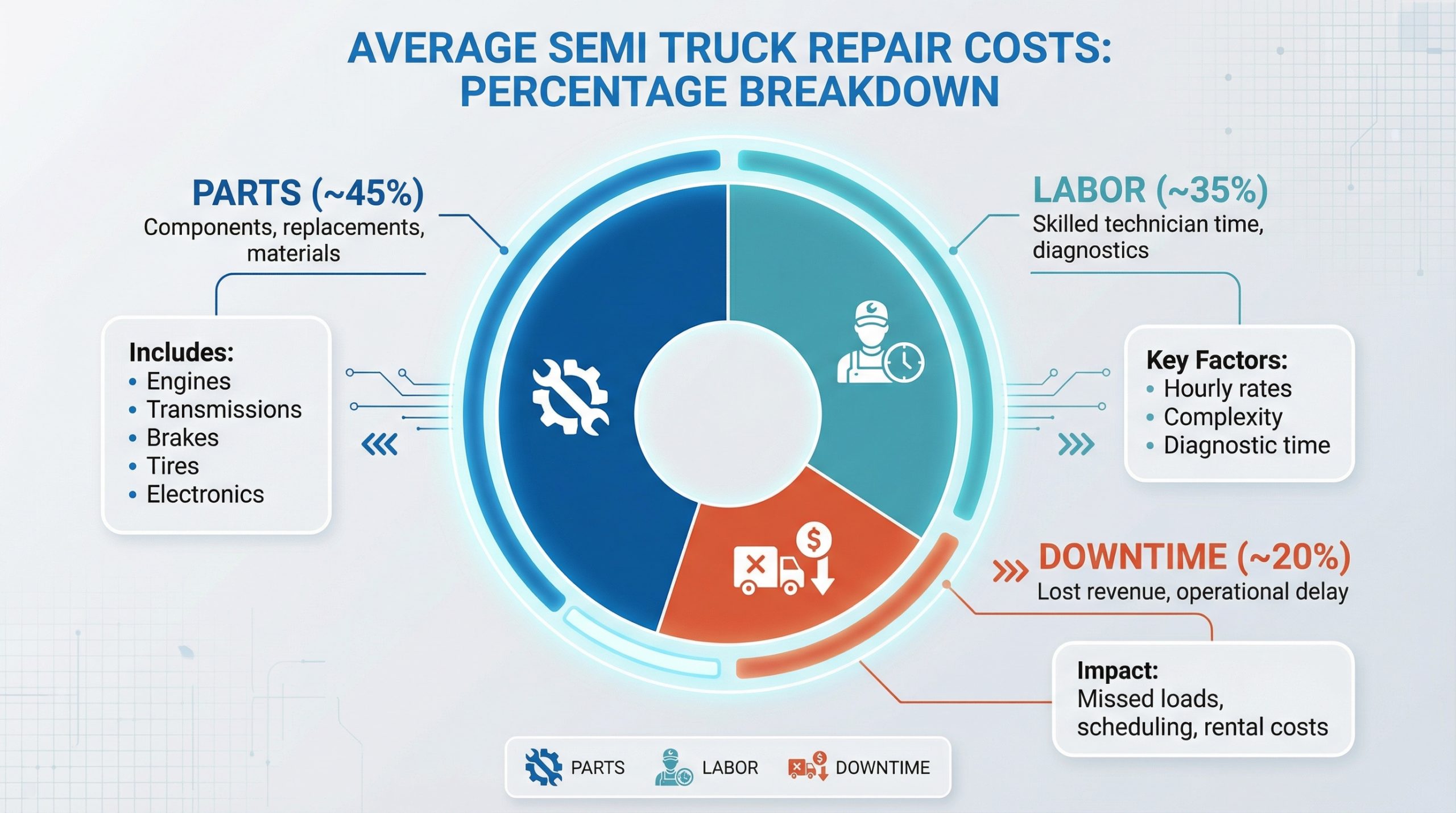
The “soft” semi truck damage cost associated with downtime can actually exceed the physical price of the repair parts in many scenarios. For an owner-operator or fleet, a truck that isn’t moving is losing between $800 and $1,200 in gross daily revenue, making speed of semi truck damage cost recovery essential.
Daily Revenue Loss from Collision Repairs
How long can your business afford to have a truck in the shop?
The reality is painful.
Extended shop stays often lead to driver shortages as operators seek work with fleets that have functional equipment.
- Opportunity Cost: Missing out on high-paying spot market freight.
- Contract Penalties: Fines from customers for failing to meet dedicated lane requirements.
- Driver Turnover: The high cost of recruiting new drivers after an accident-related layoff.
Key Takeaway: Minimizing downtime through preventative protection is often more financially impactful than the cost of the repair hardware itself.
| Days Out of Service | Lost Revenue Est. | Fixed Costs (Ins/Permits) | Total Downtime Impact |
|---|---|---|---|
| 5 Days | $5,000 | $750 | $5,750 |
| 14 Days | $14,000 | $2,100 | $16,100 |
Analytical Note: Rapid parts availability and “bolt-on” guard solutions are the keys to minimizing downtime.
Why is the total semi truck damage cost so high?
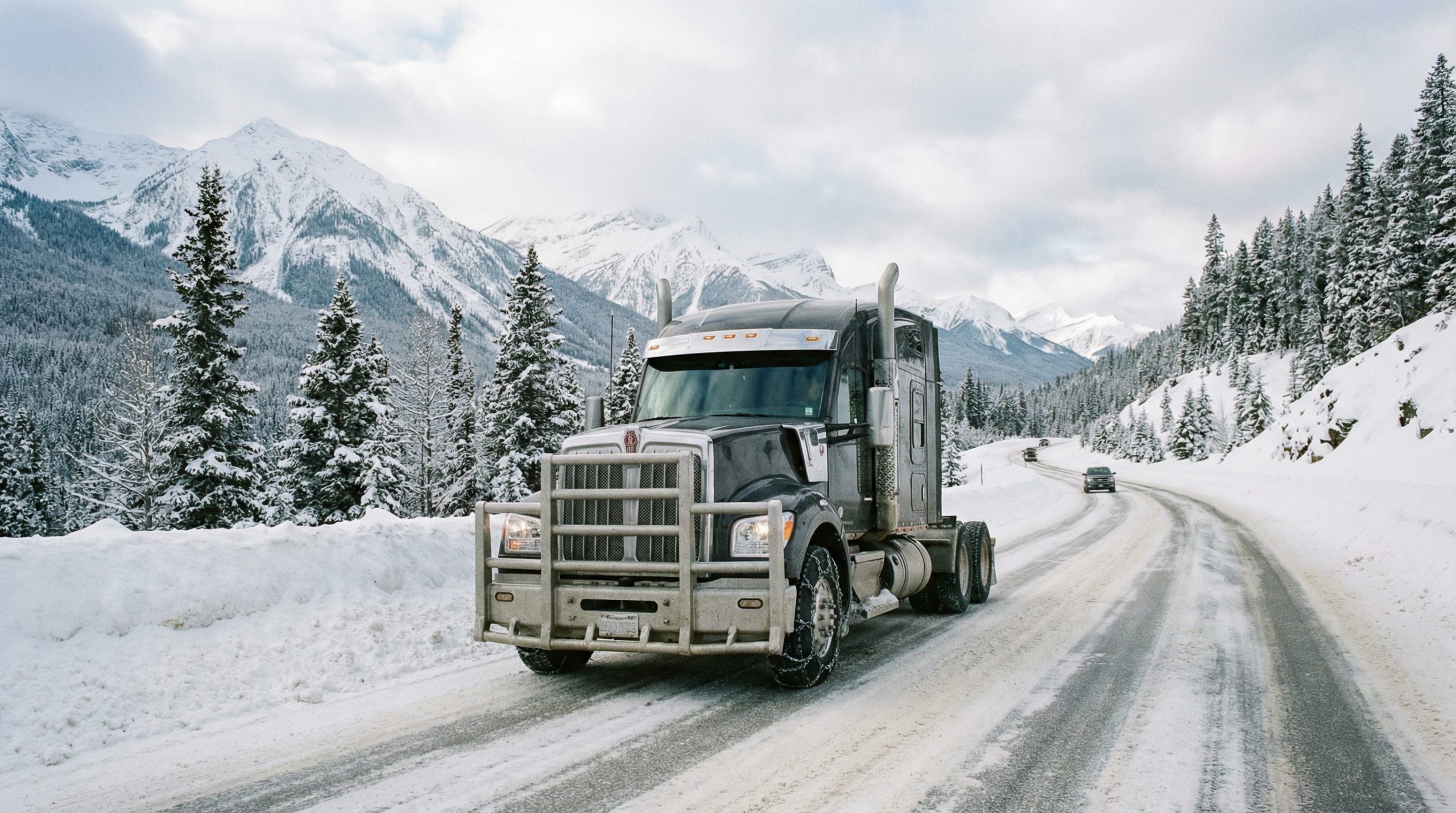
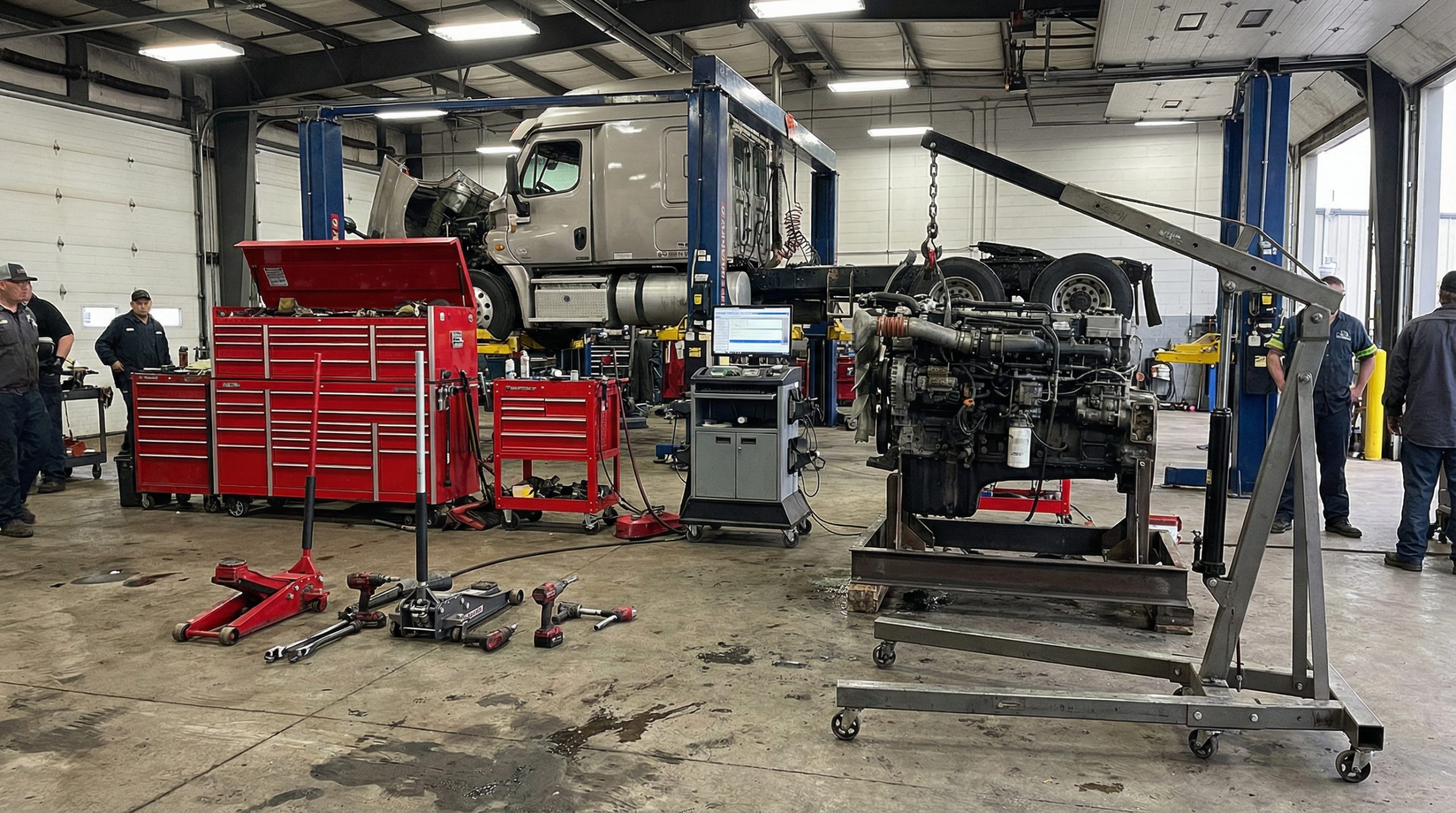
The total semi truck damage cost is driven by the specialized labor and compliance standards required to return a commercial vehicle to the road. You aren’t just paying for components; you are paying for the certification that an 80,000-pound vehicle is safe for high-speed public transport.
Labor Rates and Compliance Verification
Why does a commercial body shop charge so much more than a passenger car shop?
Here is why.
Technicians must be certified in composite repair and heavy-duty frame alignment using million-dollar diagnostic equipment.
- Shop Overhead: Large bays and high-capacity lifts increase hourly rates.
- Paint Tech Precision: Matching custom fleet colors on massive surface areas is labor-intensive.
- Regulatory Pressure: Ensuring every sensor meets DOT and manufacturer safety standards.
Key Takeaway: High costs reflect the precision engineering and legal liability involved in commercial trucking repairs.
| Service Item | Avg. Hourly Rate | Typical Duration |
|---|---|---|
| Diagnostic/Scan | $180 – $250 | 2 – 4 hours |
| Body/Frame Work | $140 – $200 | 20 – 60 hours |
Analytical Note: Regulatory compliance is a non-negotiable expense that keeps fleet costs elevated.
Does insurance cover the semi truck damage cost?
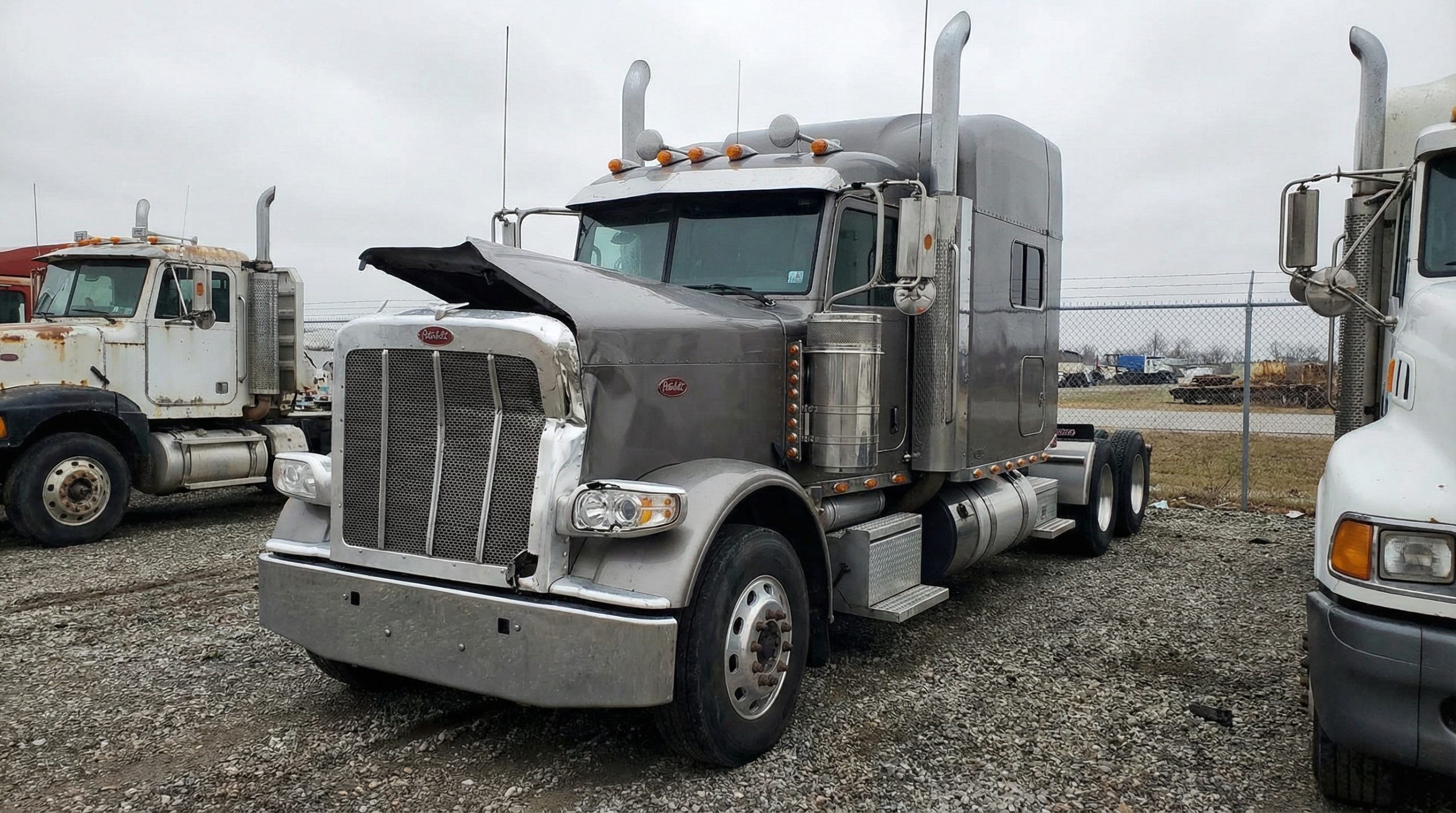
While commercial insurance usually covers a significant portion of the semi truck damage cost, the long-term impact on your premiums and deductibles must be carefully calculated. In many cases, minor front-end incidents are better handled outside of insurance to maintain a clean loss-run report for the fleet.
Deductibles and Future Premium Increases
Think insurance is the “painless” way to handle an accident?
Wait a minute.
A $5,000 deductible combined with a 20% premium hike over several years can make a “covered” claim extremely expensive.
- Claims History: Frequent small claims can lead to non-renewal of your policy.
- Immediate Cash Flow: Insurance doesn’t cover the upfront money needed for tows or rentals.
- Depreciated Value: A major documented accident lowers the truck’s ultimate trade-in value.
Key Takeaway: Use insurance only for catastrophic losses, and rely on heavy-duty protection to self-insure against minor collisions.
| Claim Amount | Deductible | Premium Impact (3yr) | Total Business Cost |
|---|---|---|---|
| $8,000 | $2,500 | $2,400 | $4,900 |
| $25,000 | $2,500 | $7,500 | $10,000 |
Analytical Note: High-quality bumpers effectively “buy out” the risk of small, costly insurance claims.
How to calculate your semi truck damage cost?
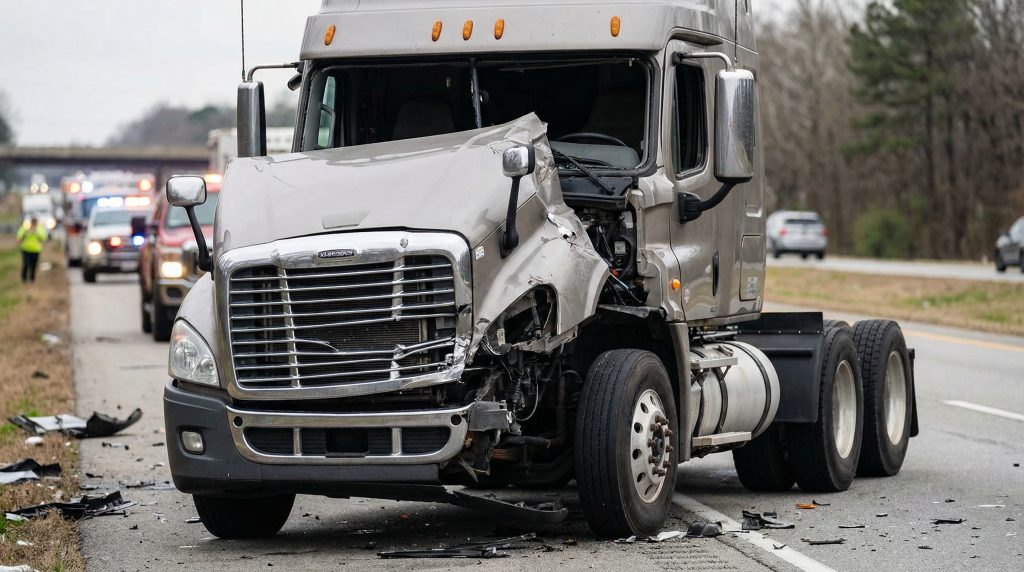
Calculating your total semi truck damage cost requires looking beyond the repair shop’s estimate to include towing, storage, and lost freight revenue. To get an accurate figure, you must account for every dollar that leaves your operation because the truck was sidelined.
Creating a Comprehensive Damage Inventory
Don’t forget to include the “invisible” numbers that don’t show up on a repair bill.
You have to look closer.
Total Cost = (Parts + Labor) + (Towing + Storage) + (Lost Daily Revenue × Days Down) + (Future Insurance Adjustments).
- Emergency Towing: Often ranges from $500 to $2,500 depending on distance and severity.
- Cargo Recovery: Costs associated with transferring a load to another unit.
- Detention Fees: Penalties for late arrivals at customer warehouses.
Key Takeaway: Most fleet managers underestimate the real cost of a collision by 40% because they ignore the revenue-loss side of the equation.
| Expense Category | Primary Cost | Secondary Cost |
|---|---|---|
| Immediate | Repair Bill | Towing/Cleanup |
| Operational | Lost Freight | Driver Detention |
Analytical Note: Comprehensive calculation is the only way to justify the procurement of protective equipment.
Can you lower your semi truck damage cost?
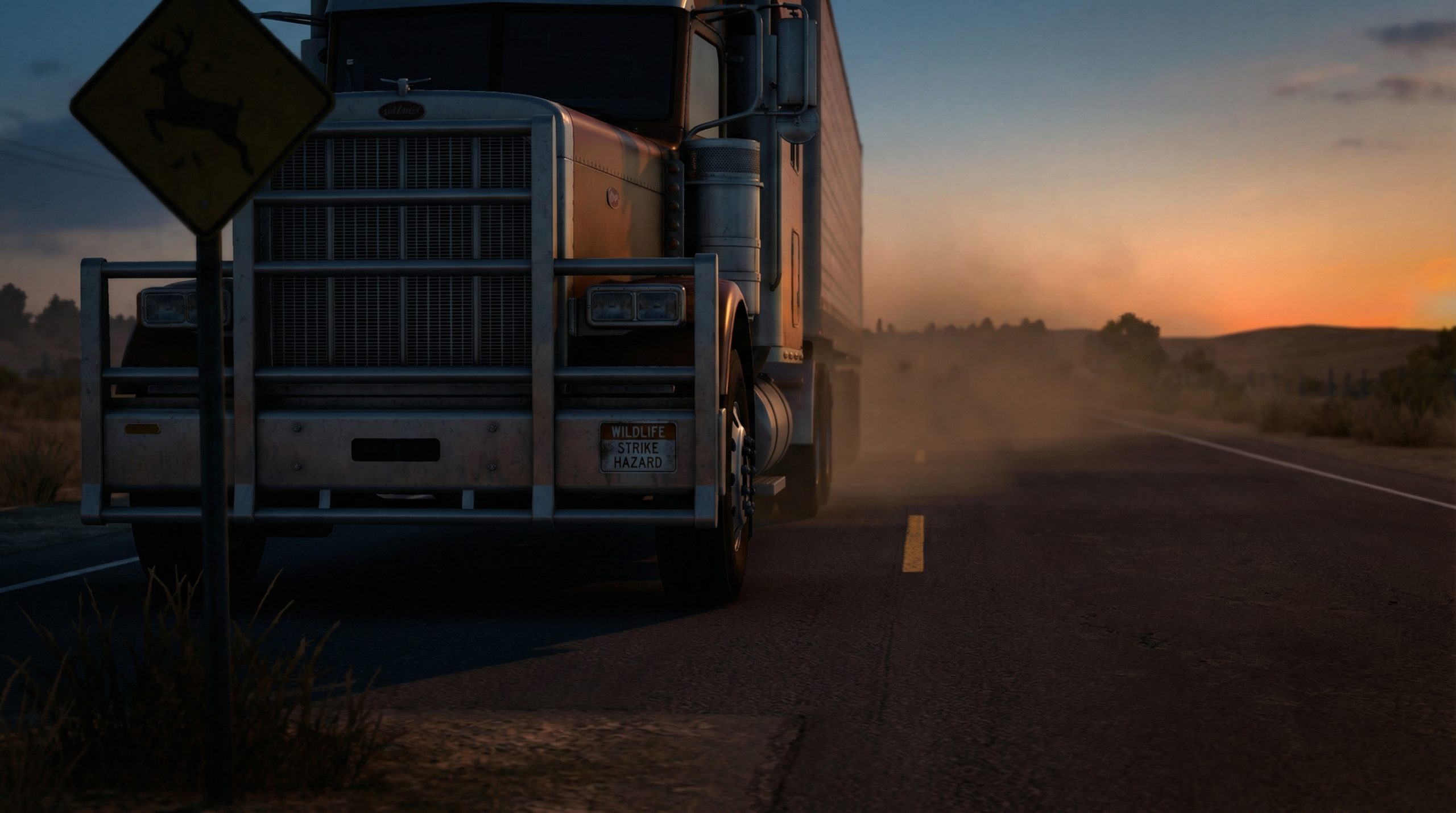
The most effective way to lower your semi truck damage cost is to move from a reactive maintenance mindset to a proactive protection strategy by standardizing bumper guards. This transition ensures that an unavoidable highway incident results in a cosmetic fix rather than a catastrophic mechanical failure.
Proactive Strategies for Fleet Financial Safety
How do the most profitable fleets minimize their crash-related expenses?
It’s no secret.
They standardize heavy-duty front protection across their entire inventory to ensure that a single animal strike doesn’t take a high-value asset off the road.
- OEM Standardization: Install guards during the pre-delivery phase of new equipment.
- Driver Awareness Training: Educate operators on wildlife corridors and high-risk zones.
- Structural Upgrades: Replace weak factory bumpers with high-tensile steel or aluminum guards.
Key Takeaway: Real savings are found in preventing energy from reaching the engine and cooling systems in the first place.
| Strategy Type | Implementation cost | Long-Term Effectiveness |
|---|---|---|
| Training | Low | Moderate |
| Structural Guards | Moderate/High | Maximum |
Analytical Note: Front-end protection is the most cost-effective physical “firewall” for truck profitability.
*
Conclusion: Safeguarding Your Performance
The true cost of truck crashes in the United States goes far beyond simple physical repairs; it challenges the very continuity of your logistics operations. By understanding the deep financial impact of downtime, technological complexities, and structural damage, you can make smarter decisions about fleet protection. At Brontec, our vision for road safety is built on engineering resilience into every truck, ensuring that the front end—your vehicle’s most vulnerable point—becomes its strongest asset. If you are ready to protect your margins and eliminate the volatility of accident expenses, contact us today to find a protection solution that fits your specific fleet needs.
*
Semi Truck Damage Cost | FAQ
Can I repair a fiberglass hood myself to save on costs?
Concise Judgment: No, specialized structural repair is required. Fiberglass on Class 8 trucks is subject to extreme wind pressure and vibration; DIY patches often fail and lead to more expensive replacement needs later on.
What’s the best way to prevent radiator damage during an animal strike?
Concise Judgment: Installing a heavy-duty moose bumper or structural grille guard. These guards are engineered to absorb the initial impact and distribute the kinetic energy into the frame rails, keeping the cooling module intact.
How do I know if my frame is bent after a front-end impact?
Concise Judgment: Look for door misalignment or unusual tire wear immediately. If the truck “crabs” down the road or the hood latches no longer align perfectly, you must take it to a shop with a laser alignment system for verification.
Can I still drive my truck with a damaged grille?
Concise Judgment: Only for short distances after a thorough inspection. A damaged grille can restrict airflow to the radiator, and loose components may pose a hazard to other drivers or violate DOT safety regulations.
What is the fastest way to get a repair estimate for an insurance claim?
Concise Judgment: Submit high-resolution photos to a certified commercial body shop. Modern estimators can use digital imaging to provide a preliminary ballpark figure, which allows you to start the insurance and part-ordering process immediately.