
Winter leaves behind more than just memories of freezing hauls; it leaves a trail of destructive road salt, ice damage, and mechanical fatigue that can sideline your operations when you least expect it. Ignoring the silent wear and tear accumulated during the cold months is a gamble that leads to catastrophic roadside failures and inflated repair bills. By implementing a comprehensive spring maintenance checklist for trucks , you can identify vulnerabilities before they turn into downtime, ensuring your fleet remains profitable.
Is Winter Grime Hiding Serious Damage Under Your Rig?
A thorough cleaning is the foundational step of any spring maintenance checklist for trucks because you cannot inspect what you cannot see. Road salt and chemical de-icers are highly corrosive, often hiding in the crevices of your undercarriage where they slowly eat away at metal components.
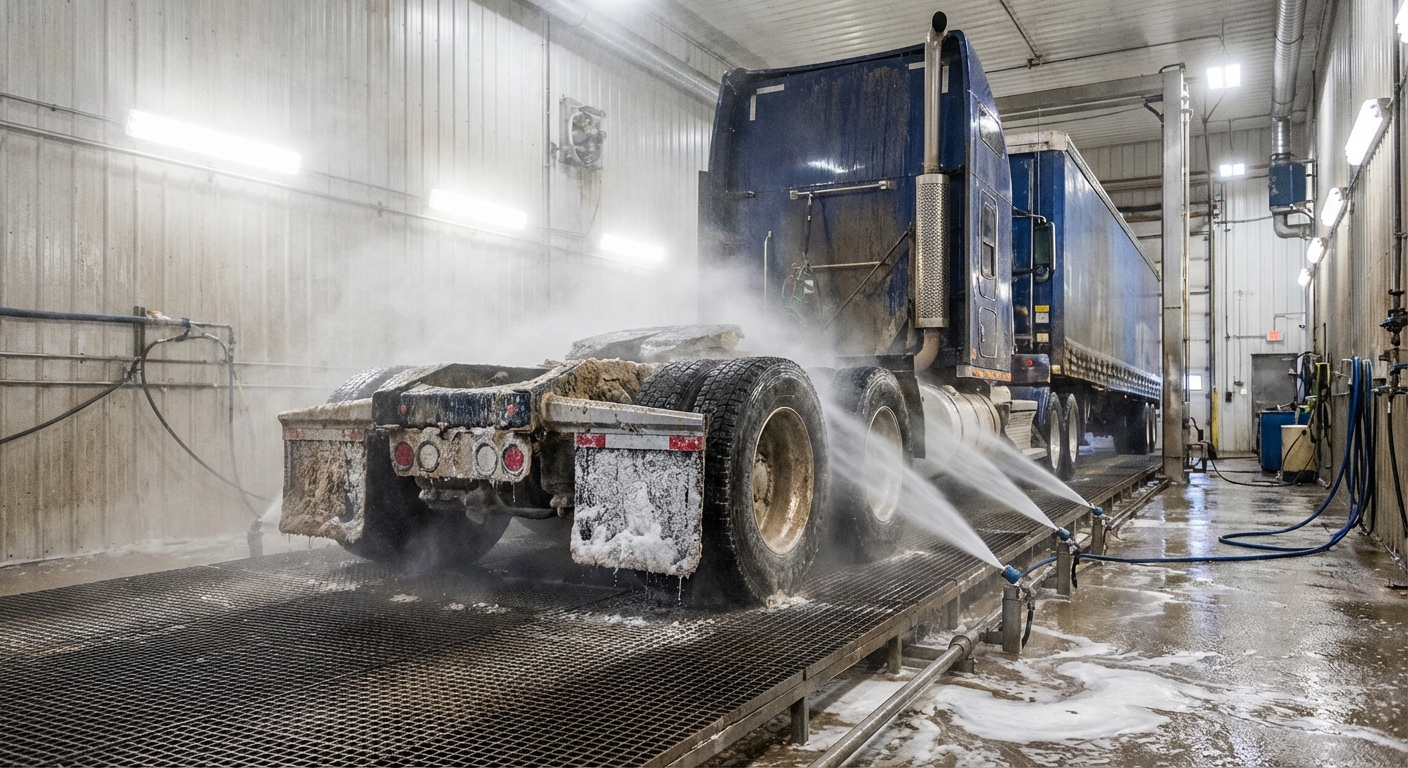
Should you prioritize high-pressure undercarriage washing?
Cleaning the undercarriage is mandatory to prevent rust from compromising your frame and fuel lines. High-pressure water removes salt deposits that standard rain exposure simply cannot reach.
- Focus on the wheel wells.
- Blast the area around the air tanks.
- Clean behind front-end protection guards.
- Rinse the suspension mounting points.
How do you effectively remove corrosive road salt?
Removing salt requires more than a quick rinse; you need specialized detergents to neutralize the chemicals. It is common knowledge that salt attracts moisture, which accelerates the oxidation process on bare metal surfaces.
And that is just the beginning.
Key Takeaway
| Action Item | Method | Primary Benefit | |
|---|---|---|---|
| Undercarriage Blast | High-pressure spray | Prevents structural rust | |
| Salt Neutralization | Chemical wash | Stops metal oxidation | |
| Visual Inspection | Post-wash review | Identifies hidden leaks |
This systematic cleaning ensures that subsequent inspections are accurate and not obscured by winter debris.
Have You Checked Your Frame for Invisible Stress Cracks?
Your frame is the backbone of your rig, and the first part of your spring maintenance checklist for trucks involves looking for structural fatigue caused by frozen, uneven roads. The transition from freezing temperatures to spring warmth can cause metal to expand and contract, potentially worsening existing hairline fractures.
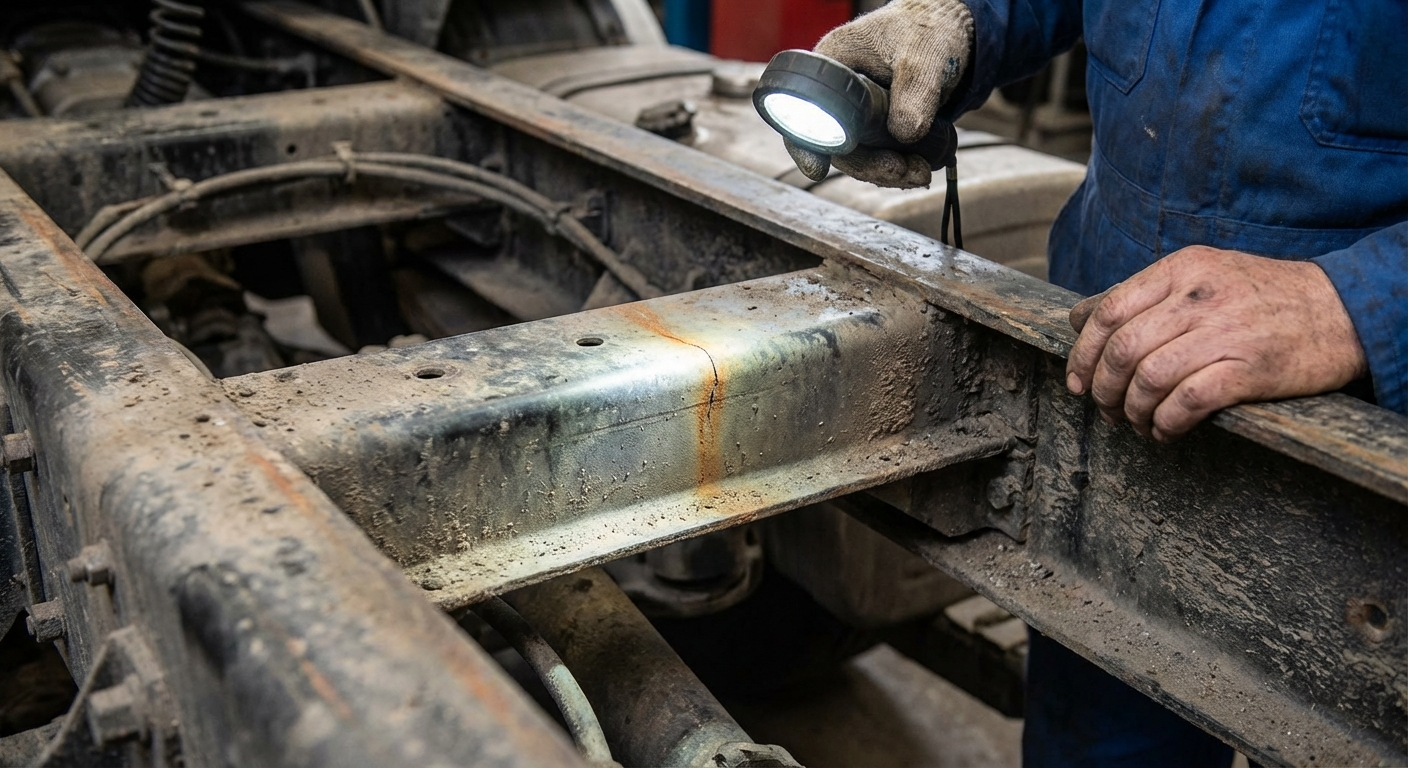
Where are the most common spots for frame rust?
Inspect the areas where cross-members join the main rails, as these joints trap moisture and salt. Rust in these locations can weaken the chassis and lead to catastrophic failure under heavy loads.
- Look for flaking paint or orange streaks.
- Check for sagging in the side rails.
- Monitor the area around the kingpin plate.
How do you identify structural fatigue?
Think of it this way. A hairline crack today is a broken frame tomorrow, especially when hauling maximum gross weight. Use a flashlight to search for small fissures around bolt holes or weld joints.
Key Takeaway
| Inspection Zone | Danger Sign | Maintenance Action | |
|---|---|---|---|
| Weld Joints | Hairline cracks | Professional weld repair | |
| Cross-Members | Excessive rust | Sanding and recoating | |
| Bolt Holes | Elongation/Wearing | Tightening or replacement |
Identifying these structural weaknesses early prevents expensive emergency repairs and keeps your rig safely on the highway.
Are Your Tires Ready for Changing Spring Conditions?
Fluctuating temperatures directly impact tire pressure, making tires a critical entry in your spring maintenance checklist for trucks . Winter driving often leads to uneven wear patterns that must be corrected before you hit the high speeds of spring hauling.
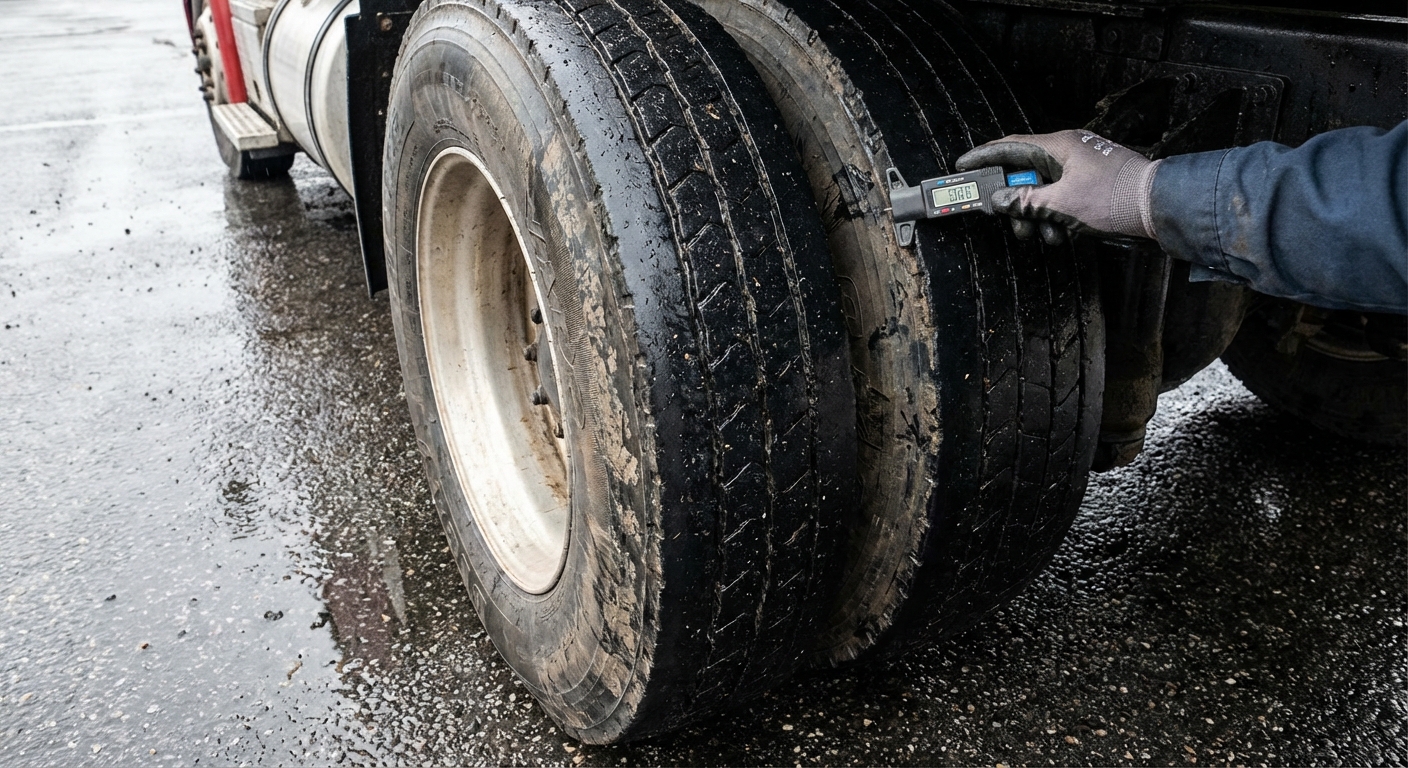
Is your tread depth sufficient for wet traction?
You need a minimum tread depth of 4/32-inch on steer tires to maintain grip on rain-slicked spring roads. Checking this regularly prevents hydroplaning and ensures your truck stops exactly when you need it to.
- Use a digital depth gauge.
- Check multiple points on the tire.
- Look for “flat spots” from winter skidding.
- Verify the inner dual tires match the outer.
Why is correct PSI more important in the spring?
As the air warms up, the pressure inside your tires rises, which can lead to over-inflation if not adjusted. This results in a smaller contact patch and increased wear on the center of the tread.
Here is the kicker.
Key Takeaway
| Tire Metric | Spring Standard | Operational Impact | |
|---|---|---|---|
| Steer Tread | 4/32-inch minimum | Wet road safety | |
| Drive Tread | 2/32-inch minimum | Traction and fuel economy | |
| Air Pressure | Manufacturer Spec | Reduced blowout risk |
Maintaining strict tire standards is the fastest way to improve your fleet’s fuel efficiency and overall safety profile.
Is Your Suspension System Compromising Handling Safety?
Heavy winter loads and potholes can beat your suspension into submission, which is why it belongs on your spring maintenance checklist for trucks. A compromised suspension doesn’t just make for a rough ride; it causes rapid tire wear and unpredictable handling.
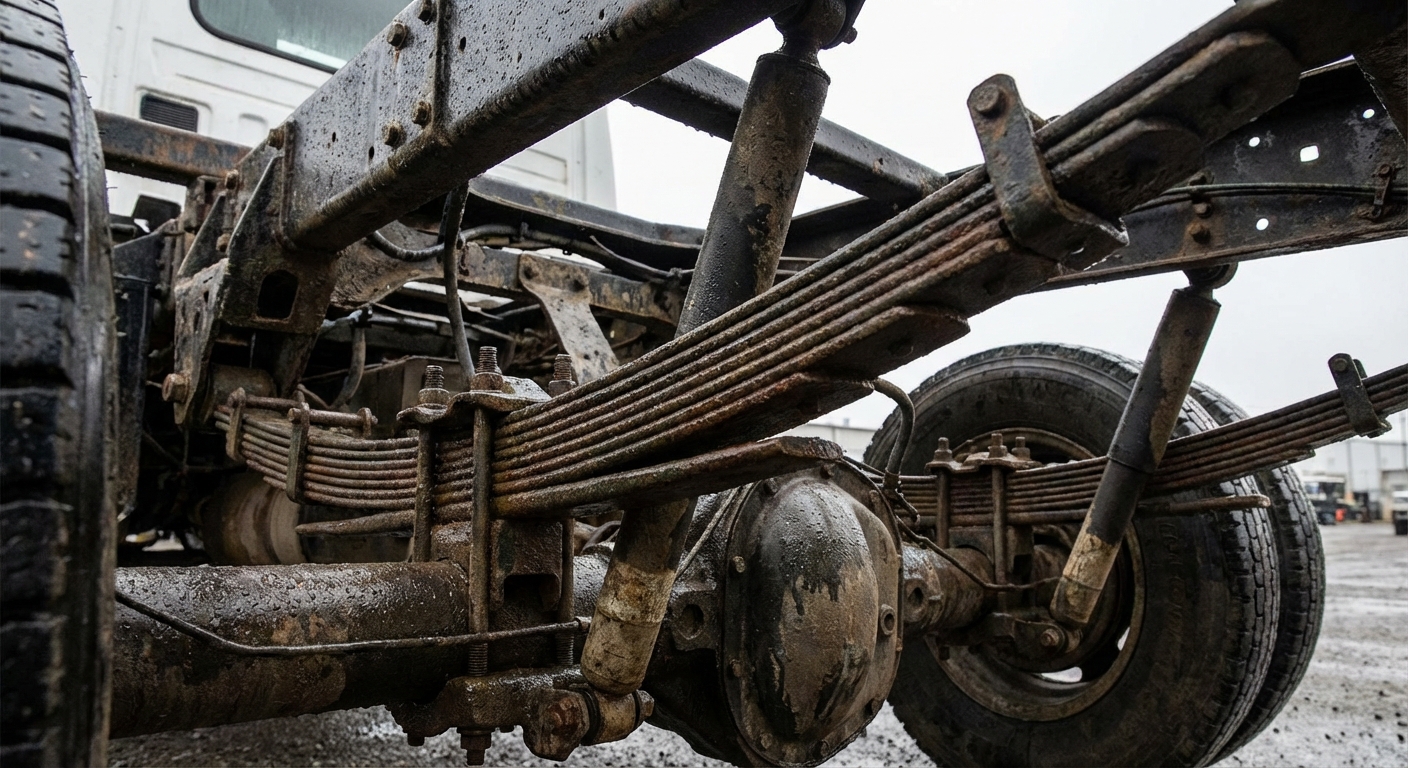
Have you checked your leaf springs for fractures?
Winter grit gets between the leaves, causing friction and eventual snapping of the metal bands. You must visually inspect each spring for gaps, shifts, or broken components that could collapse.
- Check for leaning or uneven ride height.
- Look for shiny spots indicating metal-on-metal rubbing.
- Inspect the U-bolts for tightness.
Are worn bushings causing your axle to drift?
The truth is, worn bushings are the silent killers of alignment. If your truck pulls to one side, those rubber or polyurethane components likely perished during the sub-zero winter temperatures.
Key Takeaway
| Component | Failure Sign | Necessary Repair | |
|---|---|---|---|
| Leaf Springs | Cracks or gaps | Complete spring replacement | |
| Shock Absorbers | Fluid leaking | Replace in pairs | |
| Air Bags | Dry rot or hissing | Immediate bag replacement |
Proactive suspension care ensures your cargo remains stable and your truck responds correctly to every steering input.
Can Your Braking System Handle Sudden Rain Storms?
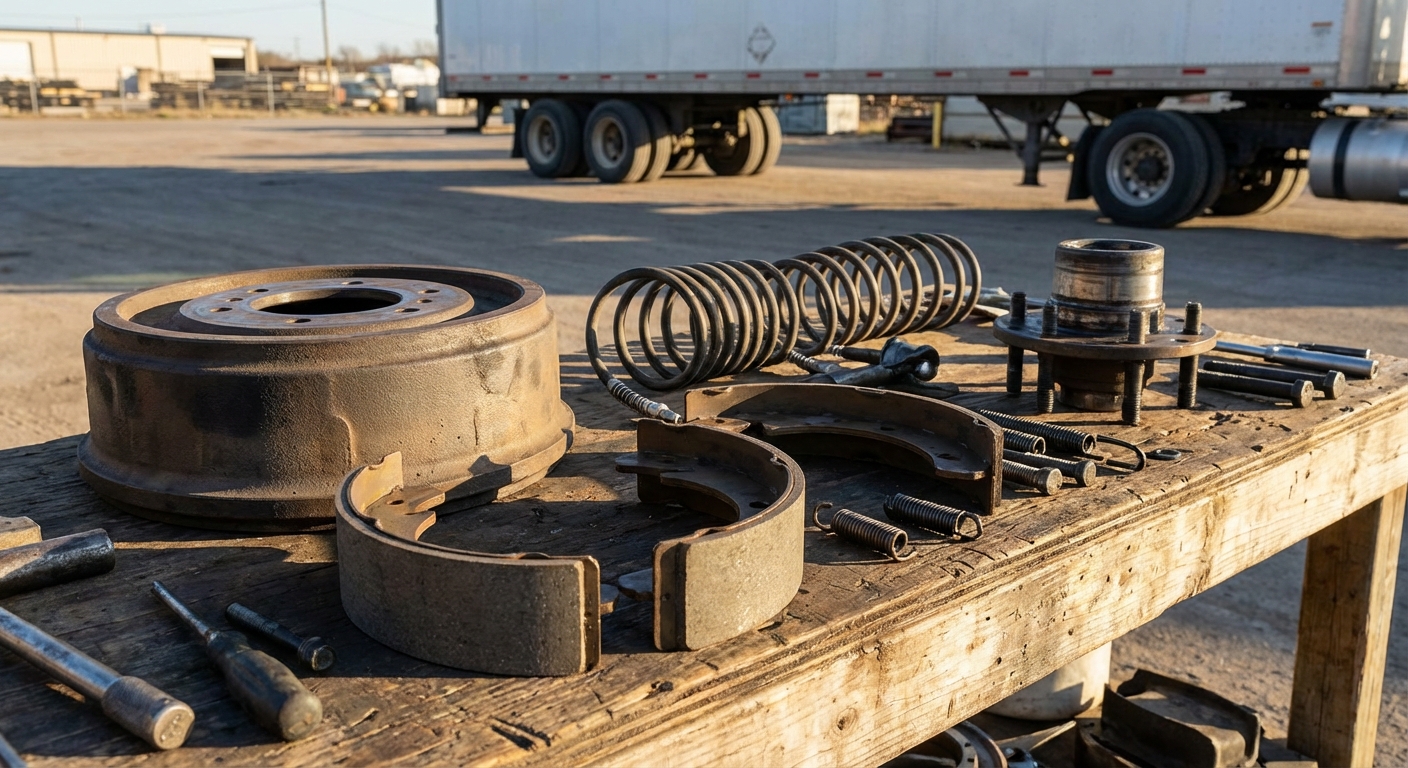
Moisture is the primary enemy of air brakes, and your spring maintenance checklist for trucks must address the condensation that accumulates during the thaw. Corroded drums and cracked pads are major safety hazards that can lead to brake fade or lock-up.
Is there residual moisture in your air tanks?
You must drain your air tanks daily in the spring to remove the “sludge” created by temperature cycles. If moisture reaches the valves, it can freeze or cause internal corrosion that leads to brake failure.
- Open the drain valves fully.
- Look for oil in the discharged air.
- Check the air dryer cartridge.
- Listen for air leaks when applied.
Are your brake drums showing heat cracks?
When it comes to stopping power, the drum surface must be smooth and free of deep heat checks. If you notice cracks larger than a fingernail, the drum’s structural integrity is compromised and it must be replaced.
You won’t believe how fast brakes can degrade.
Key Takeaway
| Brake Part | Inspection Point | Safety Threshold | |
|---|---|---|---|
| Brake Pads | Thickness | Replace if below 1/4 inch | |
| Brake Drums | Surface condition | Replace if cracked through | |
| Air Lines | Connection points | No visible leaks or fraying |
A fully serviced braking system is your last line of defense against the unpredictable hazards of heavy spring traffic.
Are Corroded Connections Putting Your Electronics at Risk?
Electrical issues are the most frequent cause of “ghost” malfunctions, making them a top priority for your spring maintenance checklist for trucks. Road chemicals penetrate connector housings, leading to green corrosion that dims lights and triggers false sensor codes.
Have you cleaned the winter salt from your light markers?
Check every exterior light to ensure the seals are intact and moisture hasn’t entered the housing. Salt buildup on the lens can reduce visibility, which is dangerous during spring’s frequent fog and heavy rain.
- Verify all high-beam and low-beam bulbs.
- Check the trailer pigtail for corrosion.
- Clean the battery terminals thoroughly.
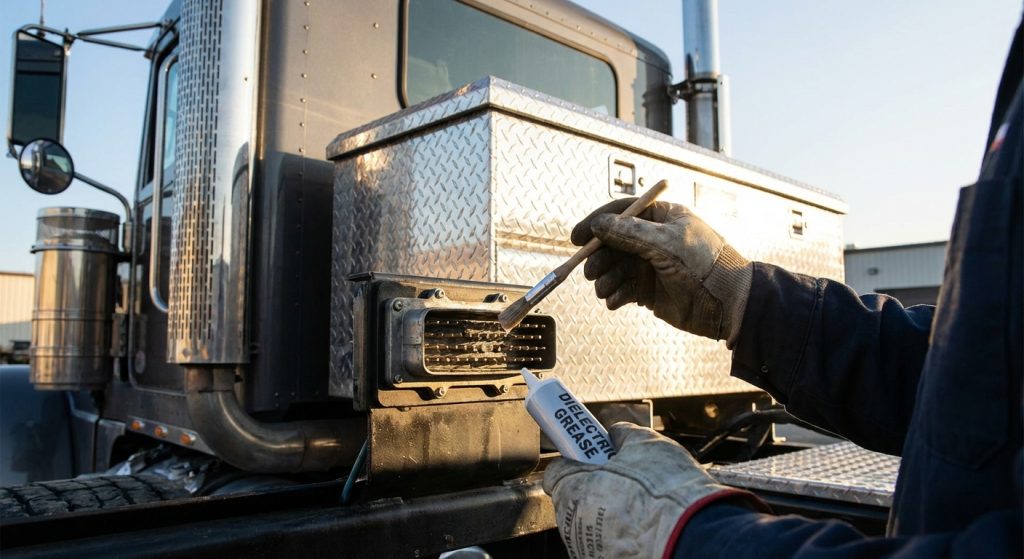
How do you protect connections from spring moisture?
It gets better. Using dielectric grease on all electrical connections creates a waterproof barrier that prevents the “green death” of corrosion. This simple step can save you thousands in diagnostic fees later in the year.
Key Takeaway
| Connection | Common Issue | Preventive Measure | |
|---|---|---|---|
| Battery Terminals | Acid buildup | Wire brush and protector | |
| Trailer Pigtail | Pin corrosion | Dielectric grease application | |
| ABS Sensors | Salt interference | Clean and reset sensor |
Reliable electronics are the only way to ensure your ELD and safety sensors function correctly throughout the long haul.
When Was the Last Time You Greased Critical Parts?
Lubrication often runs dry after a harsh winter, making it a vital component of the spring maintenance checklist for trucks . Fresh grease purges the grit and water that settled into your fittings during the snow season, preventing rapid mechanical wear.
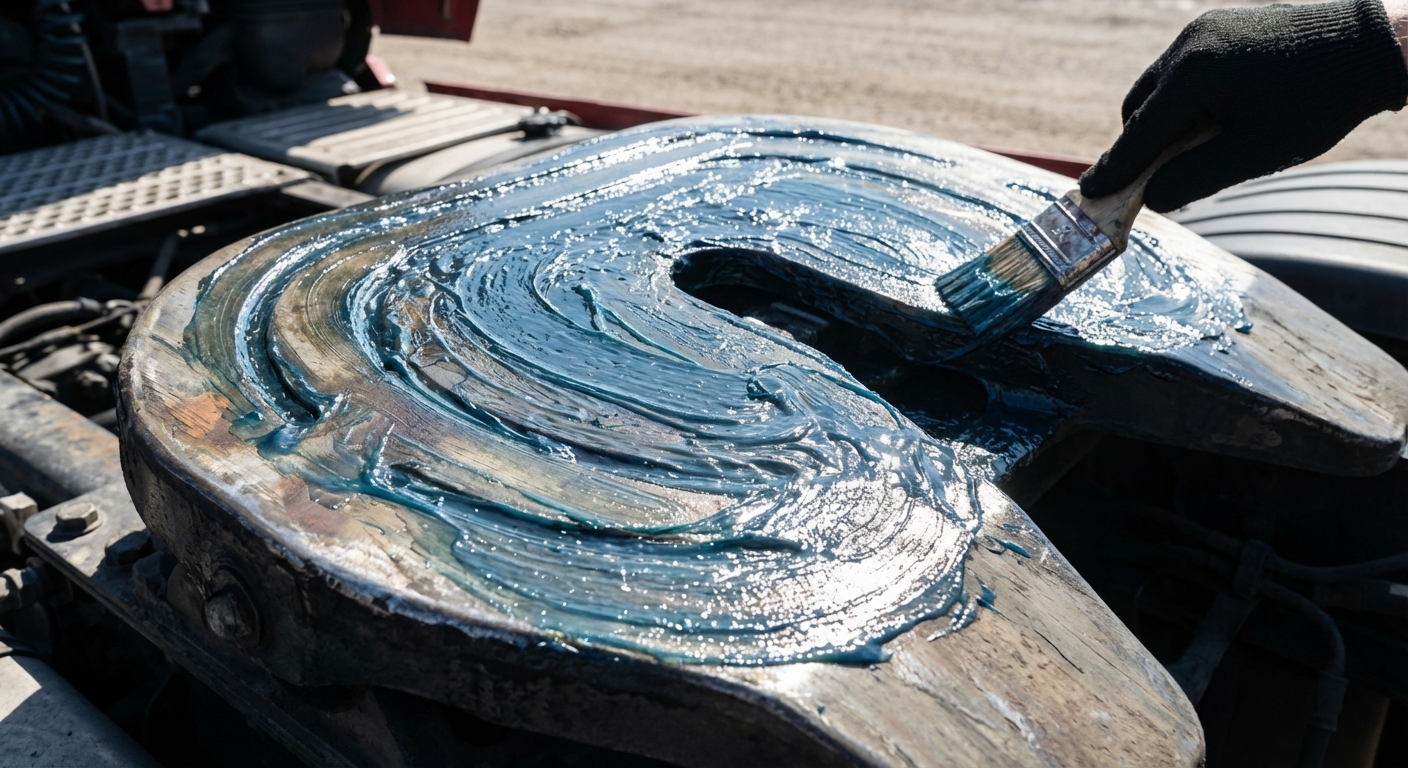
Is your fifth wheel properly re-lubricated?
You need to degrease the fifth wheel plate entirely to inspect for cracks before applying a fresh layer of heavy-duty grease. This ensures smooth trailer coupling and prevents the “binding” that can make turning difficult.
- Wipe away old, gritty grease.
- Apply a thick, even layer of new lube.
- Check the locking jaw mechanism.
- Lubricate the release handle.
Are your landing gear cranks moving smoothly?
But wait, there’s more to grease than just the chassis. The landing gear on your trailer often seizes up after sitting in the snow, requiring you to pump fresh grease into the gearbox for easy operation.
Key Takeaway
| Lube Point | Frequency | Benefit | |
|---|---|---|---|
| Fifth Wheel | Every 30,000 miles | Smooth turning/coupling | |
| U-Joints | Every oil change | Driveline vibration prevention | |
| Kingpin | Seasonal | Improved steering response |
Regular lubrication is the cheapest form of insurance you can buy against premature component failure and mechanical downtime.
Is Hidden Moisture Rotting Your Cab from the Inside?
The interior of your truck is your home, and the spring maintenance checklist for trucks must include the cabin environment. Melting snow from winter boots often seeps under floor mats, leading to mold, mildew, and structural floorboard rot.
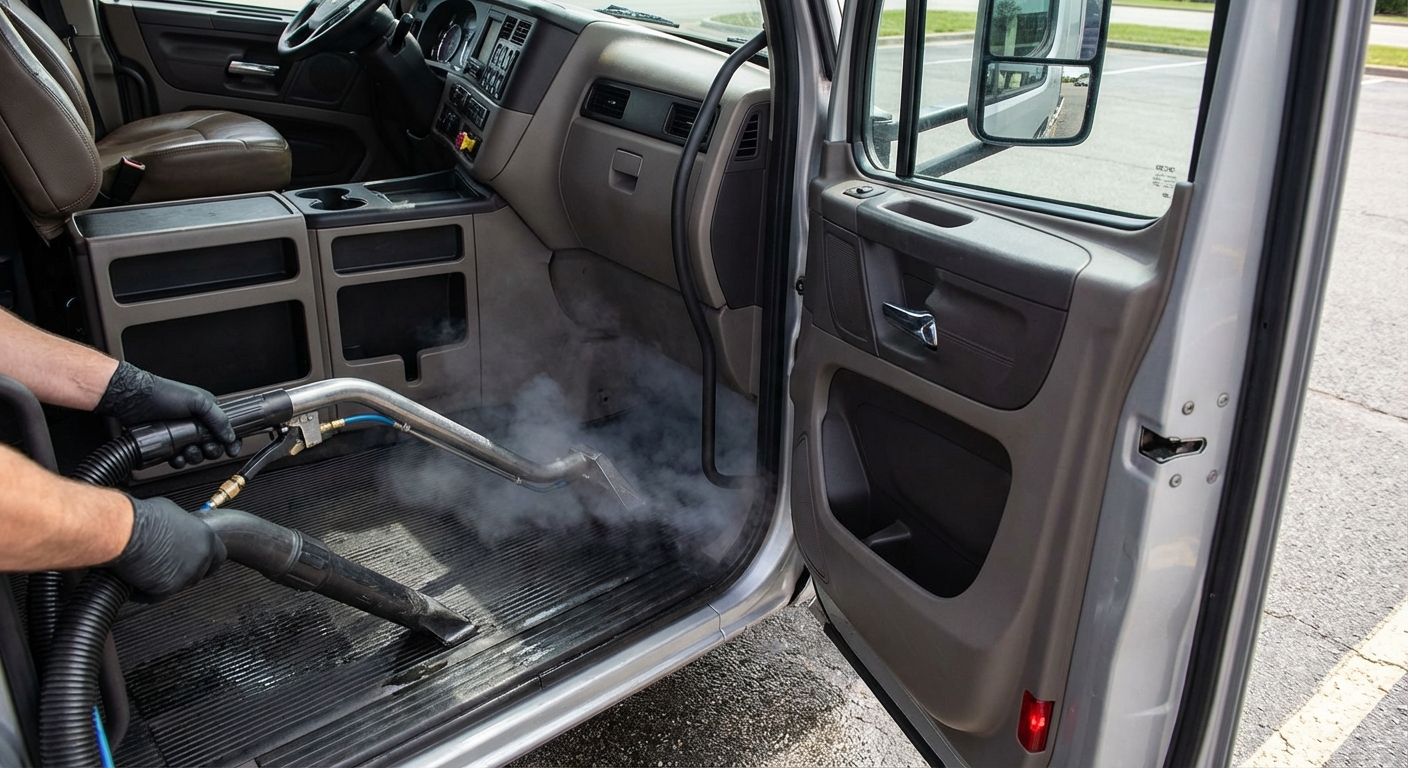
Is there mold growing in damp cab corners?
Lift up your floor mats and check the carpet or rubber flooring for soft spots or a musty smell. Trapped moisture doesn’t just damage the truck; it can lead to respiratory issues for the driver over long periods.
- Vacuum out all winter salt and sand.
- Use a steam cleaner on the upholstery.
- Check for leaks around door seals.
Have you replaced your cabin air filter?
You need to breathe clean air, but winter debris often clogs the HVAC filters. Replacing these filters ensures your air conditioning works efficiently when the first heatwave of the season arrives.
Think of it as a fresh start.
Key Takeaway
| Interior Area | Inspection Need | Cleaning Step | |
|---|---|---|---|
| Floorboards | Moisture/Rot | Dry thoroughly and disinfect | |
| HVAC Filters | Clogging/Dust | Replace with high-HEPA filter | |
| Seat Upholstery | Salt stains | Deep clean and protect |
A clean, dry cab improves driver morale and preserves the resale value of your equipment by preventing interior degradation.
Are Worn Seals Letting Rain Damage Your Cargo?
Ensuring your cargo stays dry during heavy April showers is a major goal of the spring maintenance checklist for trucks . Cold weather causes rubber gaskets to shrink and crack, creating gaps that allow water intrusion during transit.
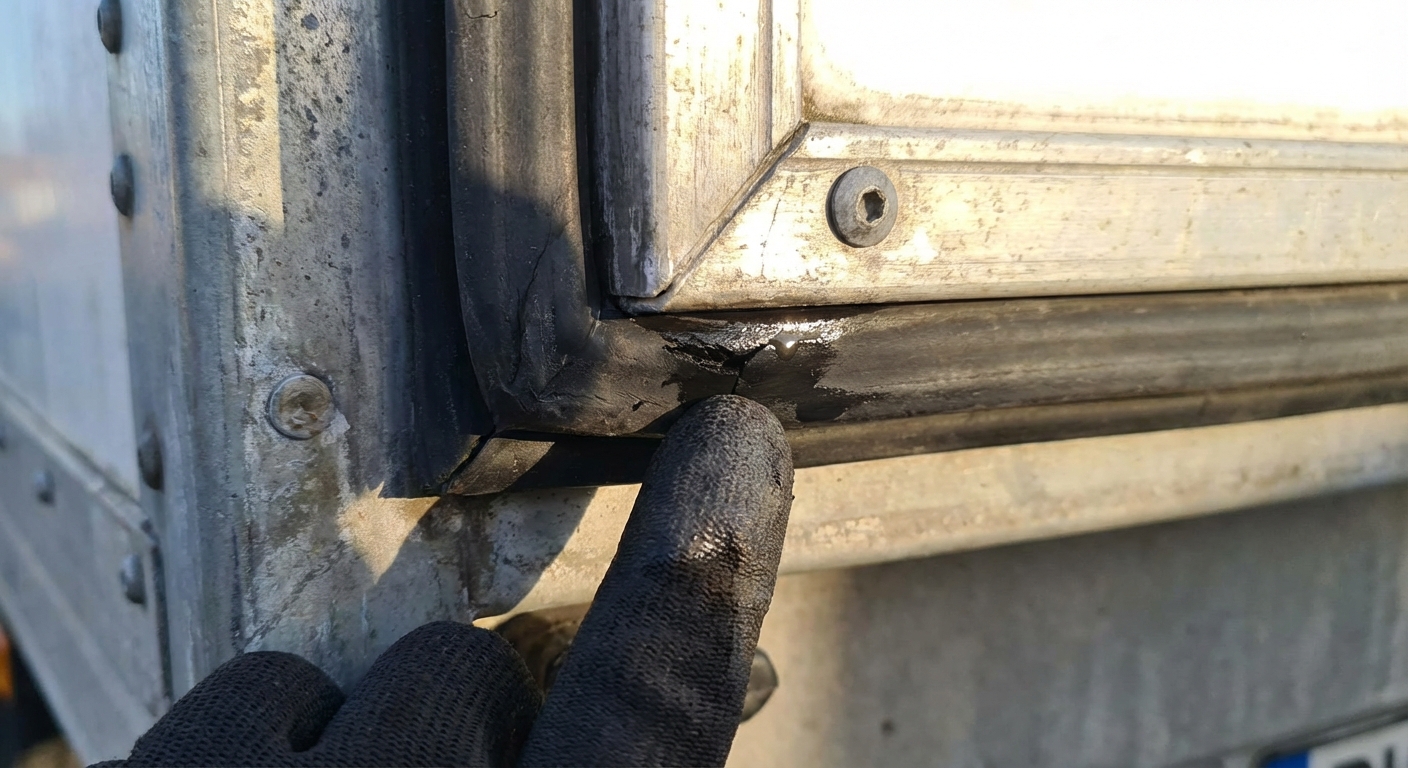
Are your trailer door seals showing dry rot?
Inspect the perimeter of your rear and side doors for any brittle or missing rubber. If you can see light coming through when the doors are closed, you can be certain that rain will find its way inside.
- Feel for brittle or hard rubber.
- Look for separation at the corners.
- Check the threshold plate for damage.
- Verify the latching pressure is tight.
Do your side doors operate smoothly?
Actually, the hinges are just as important as the seals. Winter salt can seize door hinges, leading to bent frames or torn gaskets when you try to force them open during a delivery.
Key Takeaway
| Seal Location | Sign of Failure | Solution | |
|---|---|---|---|
| Rear Barn Doors | Light visible inside | Replace gasket set | |
| Side Doors | Binding/Sticking | Lubricate hinges/adjust latch | |
| Roof Caps | Water stains on ceiling | Apply marine-grade sealant |
Securing your trailer against moisture protects your reputation and prevents costly freight damage claims from your customers.
Is Your Compliance Paperwork Ready for a New Season?
The final part of your spring maintenance checklist for trucks is an administrative audit. Mechanical perfection means nothing if an expired tag or an outdated inspection sticker results in a DOT shutdown at a weigh station.

Check the dates on your annual federal inspection stickers and your state registration. It is easy to lose track during the busy winter months, but a new season is the perfect time to reset your compliance calendar.
- Verify the Annual FMCSA Inspection.
- Check ELD firmware for updates.
- Confirm insurance cards are current.
Are your documents physically present in the cab?
It sounds simple, but missing paperwork is a top reason for roadside citations. Ensure that every driver has a physical or accessible digital copy of all permits and registrations required for their specific routes.
This is the final hurdle.
Key Takeaway
| Document | Verification Step | Compliance Status | |
|---|---|---|---|
| Annual Inspection | Check expiration date | Valid for 12 months | |
| Insurance Card | Confirm current policy | Must be in-cab | |
| Permit Book | Check state-specific tags | All routes covered |
Keeping your paperwork as organized as your engine ensures you stay on the road and out of the inspection bay.
Frequently Asked Questions
Can I perform a spring maintenance check myself?Yes, for many visual items. While a professional mechanic should handle brake internal measurements and axle alignments, drivers can easily check tread depth, light operation, and fluid levels to stay proactive.
What is the best way to prevent undercarriage rust?The best method is thorough washing. Use a high-pressure undercarriage wash immediately following the last salt application of the season to remove corrosive chemicals before they bond to the metal.
Should I change my oil specifically for spring?It is highly recommended. Winter idling and cold starts create moisture and fuel dilution in your oil, so starting the spring season with fresh lubricant protects your engine from high-temperature wear.
How often should I grease my fifth wheel?Ideally, every 30,000 miles. However, you should degrease and re-lube it as part of your spring maintenance to remove the grit and salt that accumulate during the winter months.
What’s the most overlooked spring maintenance item?Cabin air filters and door seals. Most drivers focus on the engine, but failing to check interior filters and trailer gaskets can lead to driver fatigue and ruined cargo during spring rains.
Don’t let winter damage dictate your uptime this year. Taking these steps now ensures your fleet remains safe, efficient, and profitable through the busy months ahead. If you have questions about upgrading your fleet’s protection or need custom engineering support, please contact us today for expert assistance.