
Automotive welding techniques encompass a range of specialized thermal joining processes, including MIG, TIG, and laser welding, designed to create high-strength structural bonds between metal components. Many fleet managers face escalating repair costs due to substandard aftermarket protection failing during minor wildlife collisions. A single failure in a structural joint can turn a simple moose strike into a catastrophic mechanical loss, sidelining your truck for weeks and draining your revenue. Implementing high-penetration welding methods for truck guards from Brontec ensures your fleet remains operational and protected under the most extreme North American road conditions.
Why are welding methods for truck guards critical for safety?
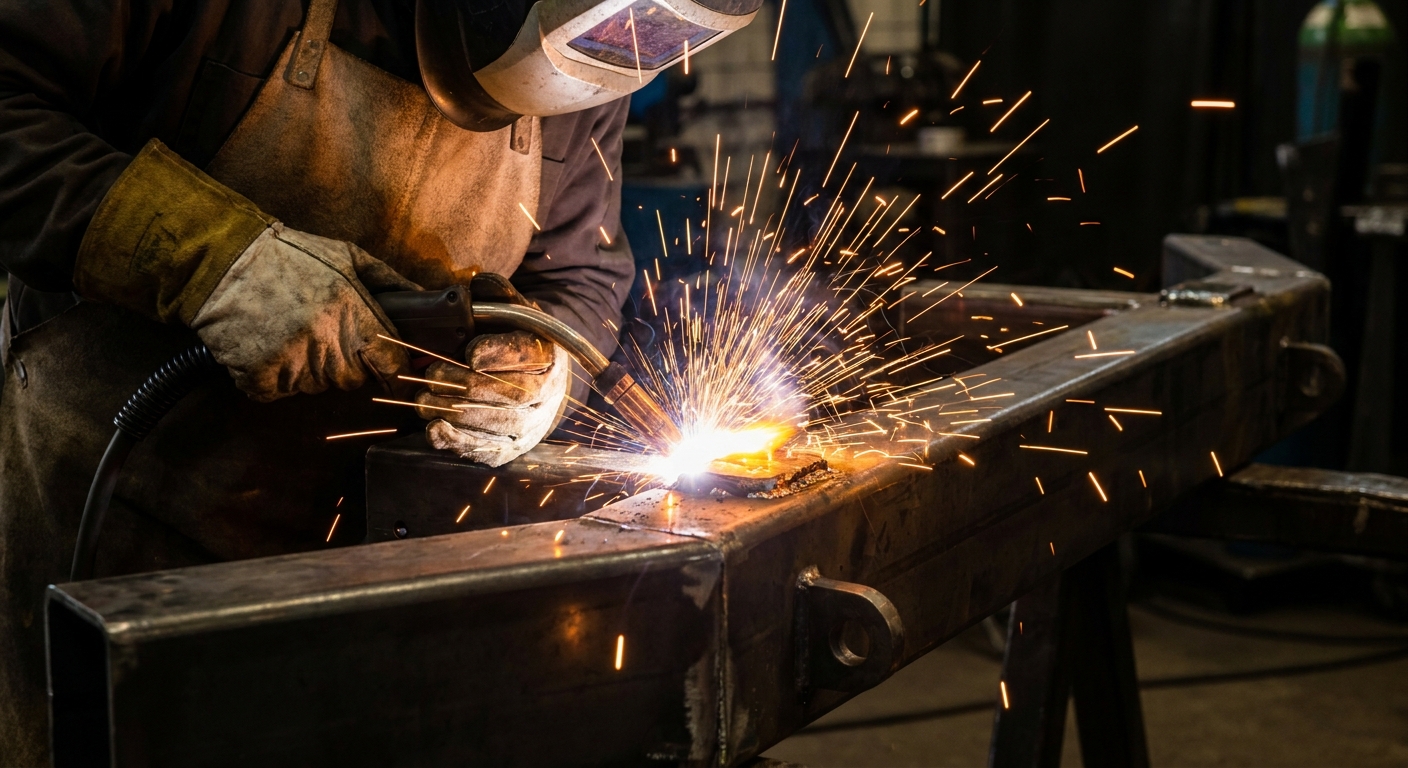
Structural welding methods for truck guards are the primary line of defense that keeps the vehicle’s cooling and engine systems intact during a wildlife collision. You rely on these joints to withstand extreme kinetic energy without snapping or shearing. When you use AWS-certified techniques, the guard acts as a unified energy-absorption unit rather than a collection of separate parts.
Does weld penetration affect impact survival?
The structural frame of your bumper must be able to distribute force without suffering from joint fatigue. High-penetration welds ensure that the metal-to-metal bond is deep enough to resist the sudden shock of a Class 8 impact.
Believe it or not:
- Deep fusion prevents the guard from folding inward toward the engine.
- Consistent beads eliminate the stress points where cracks typically begin.
- Structural integrity remains high even in sub-zero northern temperatures.
How do frames handle road vibration?
Heavy transport vehicles travel thousands of miles on corrugated roads, making fatigue resistance a top priority. Proper welding techniques prevent the guard from rattling loose or developing hairline fractures over time.
Here is the kicker:
- Automated welding ensures every joint is identical for fleet-wide reliability.
- Reinforced gussets add a second layer of protection at high-stress mounting points.
- Smooth transitions between tubes and plates reduce wind resistance and vibration.
Key Takeaway: Certified welding turns raw steel and aluminum into a life-saving shield that protects both the driver and the truck’s mechanical assets.
| Safety Factor | Welding Requirement | Fleet Benefit |
|---|---|---|
| Impact Strength | Deep Penetration | Prevents engine/radiator damage |
| Vibration Resistance | Consistent Fusion | Reduces long-term maintenance costs |
| Structural Rigidity | AWS Certification | Guarantees performance in collisions |
Certified welding ensures that your protection equipment never becomes the weakest link during a high-stakes emergency.
How do welding methods for truck guards utilize RSW technology?
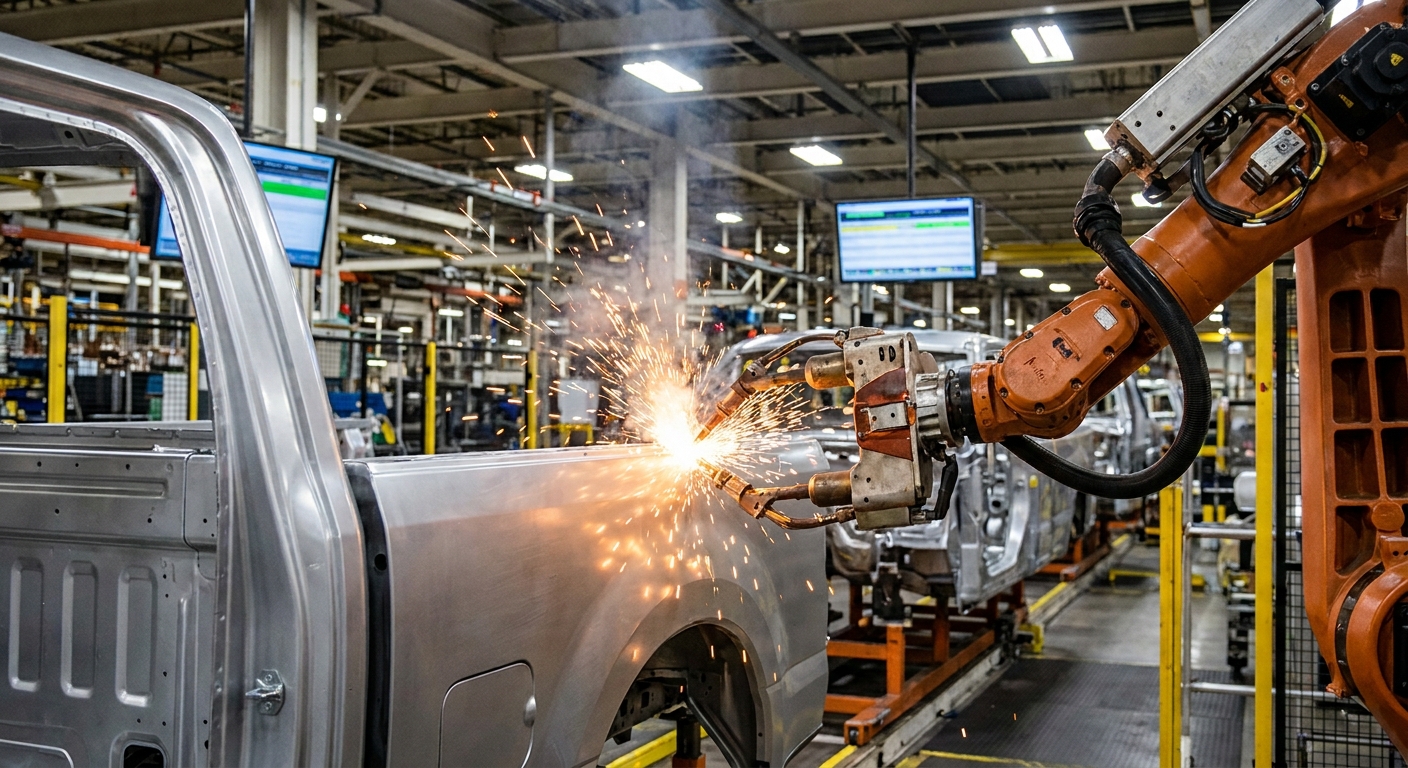
Resistance Spot Welding (RSW) welding methods for truck guards are used primarily to join thin-gauge body panels and internal reinforcements with incredible speed. You can achieve a strong bond in less than a second without the need for filler metals or extensive surface preparation. This process creates a “nugget” joint that is ideal for overlapping materials.
Is spot welding effective for lightweight guards?
RSW is the preferred choice when you need to attach decorative covers or internal baffles to the main guard frame. It allows you to maintain a clean exterior look while providing a secure internal connection.
But wait, there is more:
- The process produces zero smoke or spatter, reducing post-weld cleanup.
- It is highly repeatable, making it perfect for high-volume OEM production.
- Lower total energy consumption makes it an environmentally friendly manufacturing option.
Can RSW prevent material warping?
Because the heat is applied for such a short duration, the metal surrounding the joint stays relatively cool. You avoid the unsightly warping and distortion that often occurs with traditional arc welding on thinner sheets.
Think about this:
- Specialized rollers can create continuous seam welds for liquid-tight seals.
- Precision controls allow for the welding of high-strength, thin-gauge alloys.
- Rapid cooling prevents the metal from losing its hardened properties.
Key Takeaway: RSW provides an efficient and distortion-free solution for assembling the complex, multi-layered components of modern truck guards.
| RSW Advantage | Technical Impact | Production Result |
|---|---|---|
| Low Heat Input | No metal warping | Guaranteed 100% vehicle fitment |
| Rapid Cycle Time | Fast joining | 20-30% faster production lead times |
| No Filler Metal | Lower weight | Improved fuel economy for fleets |
The use of RSW technology ensures that even the most complex guard designs maintain their aerodynamic shape and structural precision.
Why is MIG the standard among welding methods for truck guards?
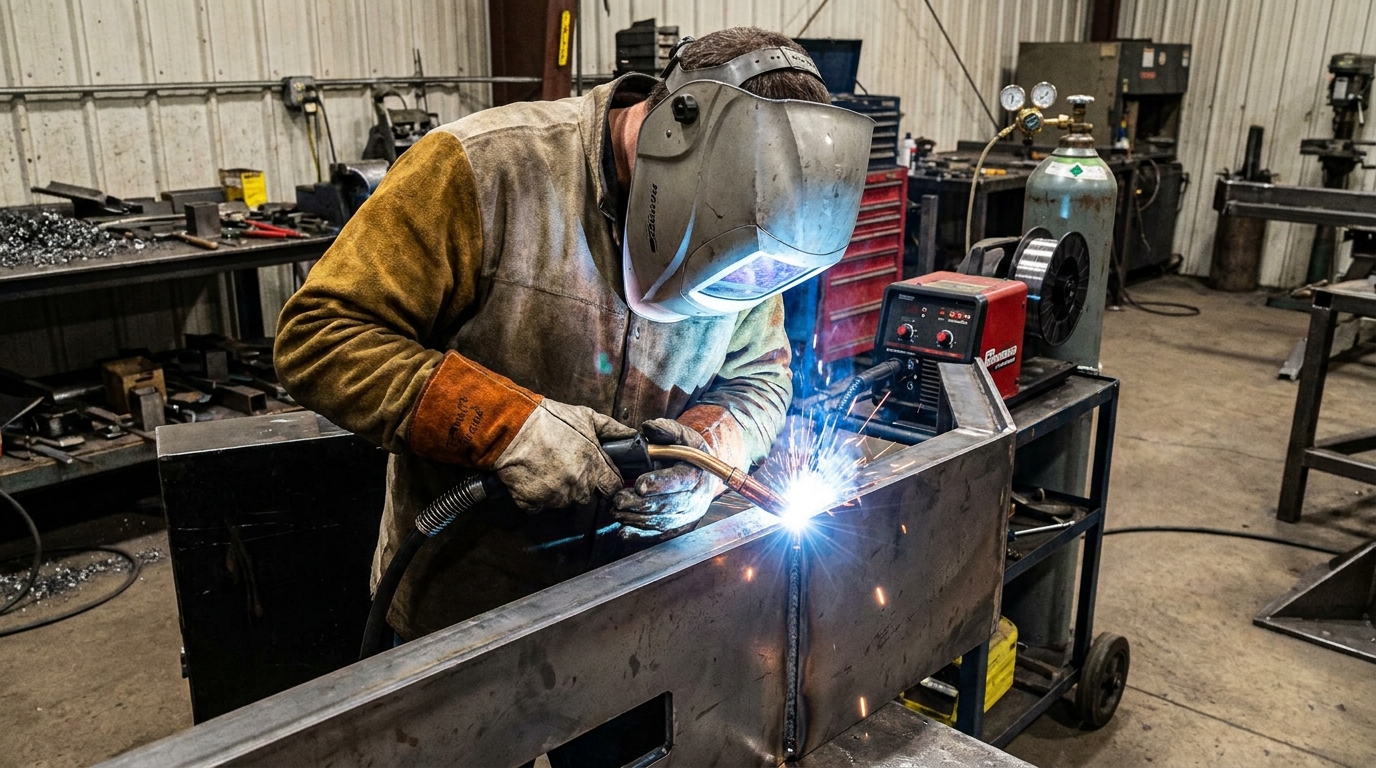
Standard welding methods for truck guards rely on MIG (Gas Metal Arc Welding) because it offers the highest deposition rate for heavy-duty steel and aluminum. You use MIG to build the core structural components where maximum strength and production speed are required. It is the workhorse of the automotive manufacturing industry.
Why is MIG preferred for 5mm materials?
When you are working with the 5mm thick plates used in moose bumpers, you need a process that can provide deep heat and plenty of filler metal. MIG welding allows you to lay down long, strong beads along the main chassis mounts.
The fact is:
- Continuous wire feeding eliminates the need to stop and change electrodes.
- Shielding gases protect the molten pool from atmospheric contamination.
- High travel speeds keep manufacturing costs low and output high.
How does pulsed MIG improve finish quality?
Advanced pulsed MIG technology allows you to weld aluminum guards without the mess of traditional spatter. It provides the same strength as standard MIG but with a much cleaner visual appearance.
Here is the deal:
- Pulsed current reduces the total heat input to prevent burn-through.
- It allows for all-position welding, including difficult overhead joints.
- The finished bead is uniform and requires minimal grinding before coating.
Key Takeaway: MIG welding is the essential process for creating the heavy-duty structural bones of the world’s toughest truck protection systems.
| MIG Variable | Steel Benefit | Aluminum Benefit |
|---|---|---|
| Deposition Rate | High for heavy plates | Moderate for heat control |
| Wire Feeding | Uninterrupted seams | Reduced risk of wire jamming |
| Shielding Gas | Argon/CO2 for penetration | 100% Argon for purity |
MIG welding remains the industry benchmark for joining thick-gauge materials that must survive the rigors of commercial trucking.
Can TIG refine specific welding methods for truck guards?
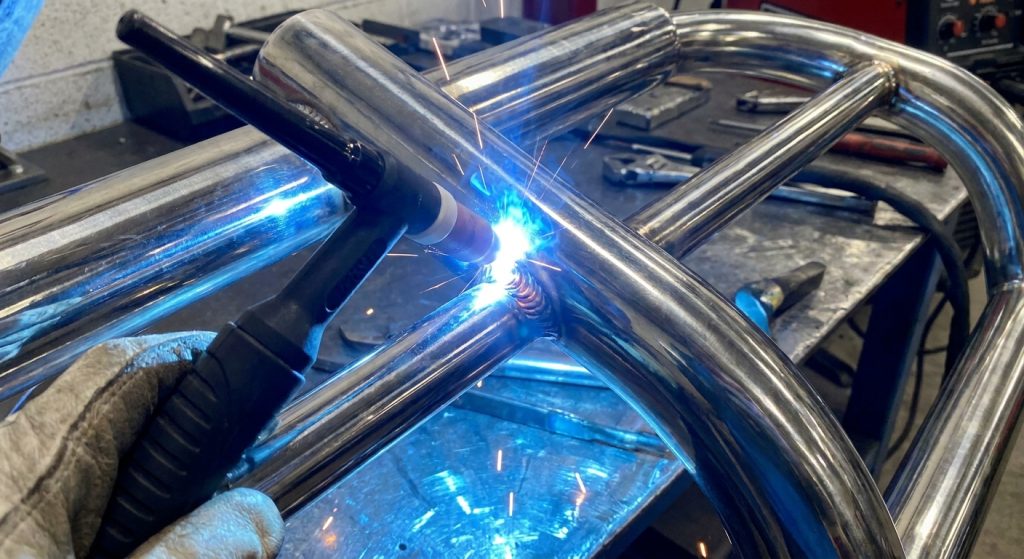
Precision welding methods for truck guards often involve TIG (Gas Tungsten Arc Welding) when aesthetic perfection and surgical accuracy are required. You use TIG for the high-visibility components of stainless steel grille guards where the weld itself becomes a design feature. It provides the ultimate level of control over the weld pool.
Is TIG the best choice for stainless steel?
Stainless steel requires careful heat management to prevent “sugaring” or loss of corrosion resistance. TIG allows you to precisely dial in the temperature, ensuring that the guard remains rust-free for the life of the truck.
You might be wondering:
- The process produces no spatter, protecting the polished finish of the tubes.
- You can weld without filler metal for a perfectly seamless joint.
- High-frequency starts ensure a clean arc every time you pull the trigger.
Does TIG improve suspension mounting?
For critical components like suspension-mounted guards, TIG offers the strength needed without adding excessive bulk. It allows you to create dense, high-quality joints in very confined spaces.
Look at it this way:
- Foot pedal controls allow for real-time heat adjustments during the weld.
- It is the preferred method for high-performance motorsport applications.
- Welders can achieve the “stack of dimes” look that indicates true mastery.
Key Takeaway: TIG welding is the premium choice for high-end truck accessories where visual quality and material integrity are paramount.
| Feature | TIG Performance | Application |
|---|---|---|
| Aesthetic | “Stack of Dimes” | Polished Stainless Steel |
| Control | Extreme Precision | Thin-wall tubular frames |
| Cleanliness | No Smoke/Spatter | Mirror-finish accessories |
By utilizing TIG for visible seams, manufacturers deliver products that look as good as they perform under pressure.
Are stud welding methods for truck guards effective for fasteners?
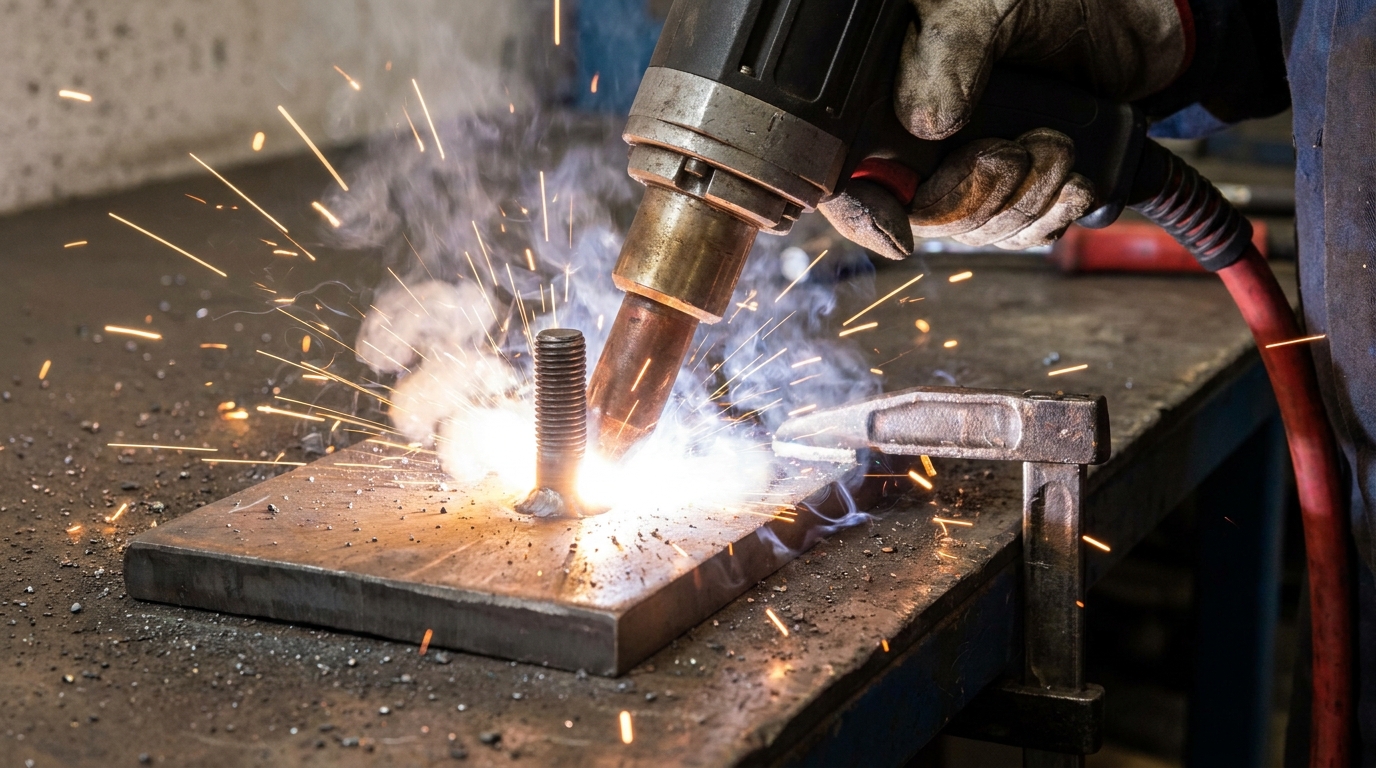
Specialized welding methods for truck guards include stud welding to attach hardware without compromising the main structural tube. You can fuse threaded studs to a bumper surface in a fraction of a second without drilling a single hole. This keeps the internal surfaces of the guard sealed against moisture and road salt.
How does stud welding protect the guard?
Drilling holes creates entry points for corrosion and weakens the tubular structure of a grille guard. Stud welding avoids these issues by creating a full-surface fusion bond that is stronger than the stud itself.
Consider this:
- It allows for the fast installation of internal heat shields and wire clips.
- There is no marking or discoloration on the opposite side of the metal.
- It is perfect for mounting LED light bars and other aftermarket accessories.
Why is this process used for electrical systems?
Modern trucks are packed with sensitive electronics and lighting. Stud welding provides a secure grounding point and a stable mounting platform for the complex wiring harnesses required for these systems.
The bottom line is:
- Fasteners will never vibrate loose, even on the roughest logging roads.
- It replaces slow, manual processes like tapping holes or using rivets.
- High-capacity stud guns can handle fasteners up to 1 inch in diameter.
Key Takeaway: Stud welding is a high-speed assembly technique that preserves the structural integrity and finish of heavy-duty guards.
| Fastener Type | Best Use Case | Assembly Speed |
|---|---|---|
| Threaded Stud | Accessory Mounting | < 0.5 Seconds |
| CD Stud | Thin Sheet Metal | Instant |
| Grounding Stud | Electrical Systems | High Reliability |
Stud welding allows for a cleaner, more robust assembly process that extends the service life of every truck accessory.
How do laser welding methods for truck guards improve precision?
Innovative welding methods for truck guards now incorporate fiber laser technology to achieve tolerances that were previously impossible. You can create incredibly deep and narrow welds that join thick plates with minimal thermal impact on the surrounding metal. This precision is vital for the aerodynamic “bolt-on” components used by major fleets.
Can lasers weld complex tubular frames?
Fiber lasers can be focused into tight corners where a traditional welding torch simply cannot fit. This allows you to design more complex, multi-functional guards that offer better protection without increasing vehicle weight.
Believe it or not:
- Automated laser systems can weld at speeds ten times faster than MIG.
- The process is so accurate that it reduces the need for expensive secondary machining.
- It produces a very narrow heat-affected zone (HAZ), maintaining metal strength.
How does laser cutting improve guard fitment?
Before the welding even begins, high-precision laser cutting ensures that every mounting hole is perfectly aligned. You benefit from a 100% fitment guarantee that makes installation a simple bolt-on process.
Check this out:
- Precision cutting within ±0.5mm eliminates the need for on-site modifications.
- Clean, burr-free edges improve the adhesion of final powder-coat finishes.
- Complex slot-and-tab designs allow for self-aligning assemblies.
Key Takeaway: Laser welding and cutting represent the pinnacle of modern manufacturing, delivering unmatched accuracy and repeatability for fleet protection.
| Technology | Precision Level | Production Speed |
|---|---|---|
| Fiber Laser Welding | Ultra-High | Industry-Leading |
| Laser Cutting | ±0.5mm | High |
| Traditional ARC | Standard | Moderate |
Laser technology ensures that every product coming off the line is a perfect match for the truck it is designed to protect.
Why choose friction stir welding methods for truck guards?
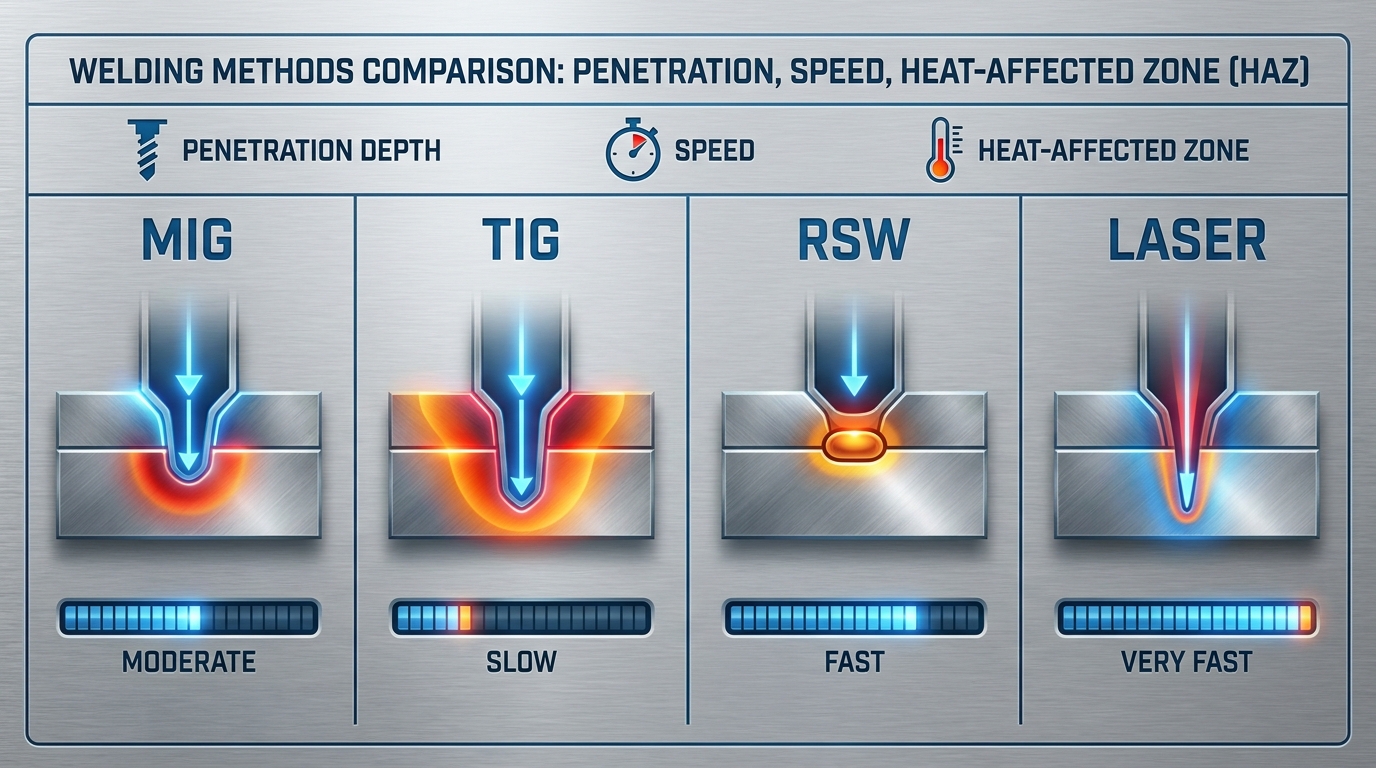
Solid-state welding methods for truck guards like Friction Stir Welding (FSW) are revolutionary for high-strength aluminum applications. You are able to join aluminum plates without ever reaching the melting point, which preserves the original metallurgical properties of the alloy. This is the gold standard for lightweight, northern-fleet protection.
Does FSW prevent metal property changes?
Traditional fusion welding often makes aluminum soft and prone to cracking near the weld seam. FSW avoids this “hot cracking” by using mechanical friction to plasticize and mix the metal into a single, seamless joint.
The secret is:
- FSW joints are typically 90-95% as strong as the base material.
- The process requires no shielding gas, filler wire, or expensive fume extraction.
- It produces a fine-grained microstructure that is incredibly resistant to fatigue.
Is this the best method for northern fleets?
Aluminum bumpers are popular for their weight savings, but they must survive extreme cold and heavy impacts. FSW provides the structural reliability needed for logging fleets and long-haul highway operators in harsh climates.
But wait, there is more:
- Solid-state welds are virtually free of porosity and internal defects.
- It is a highly automated process that removes the risk of human error.
- FSW can join dissimilar metals that are impossible to weld with traditional arcs.
Key Takeaway: Friction stir welding provides the strongest possible bond for aluminum guards, ensuring they remain lightweight yet indestructible.
| Feature | FSW (Solid State) | Traditional ARC (Fusion) |
|---|---|---|
| Joint Strength | 90%+ of base metal | 60-80% of base metal |
| Crack Risk | Zero “Hot Cracking” | Significant in aluminum |
| Porosity | None | Common without care |
Using FSW allows manufacturers to push the limits of aluminum design, providing maximum protection with minimal vehicle weight.
When are brazing welding methods for truck guards used in repair?
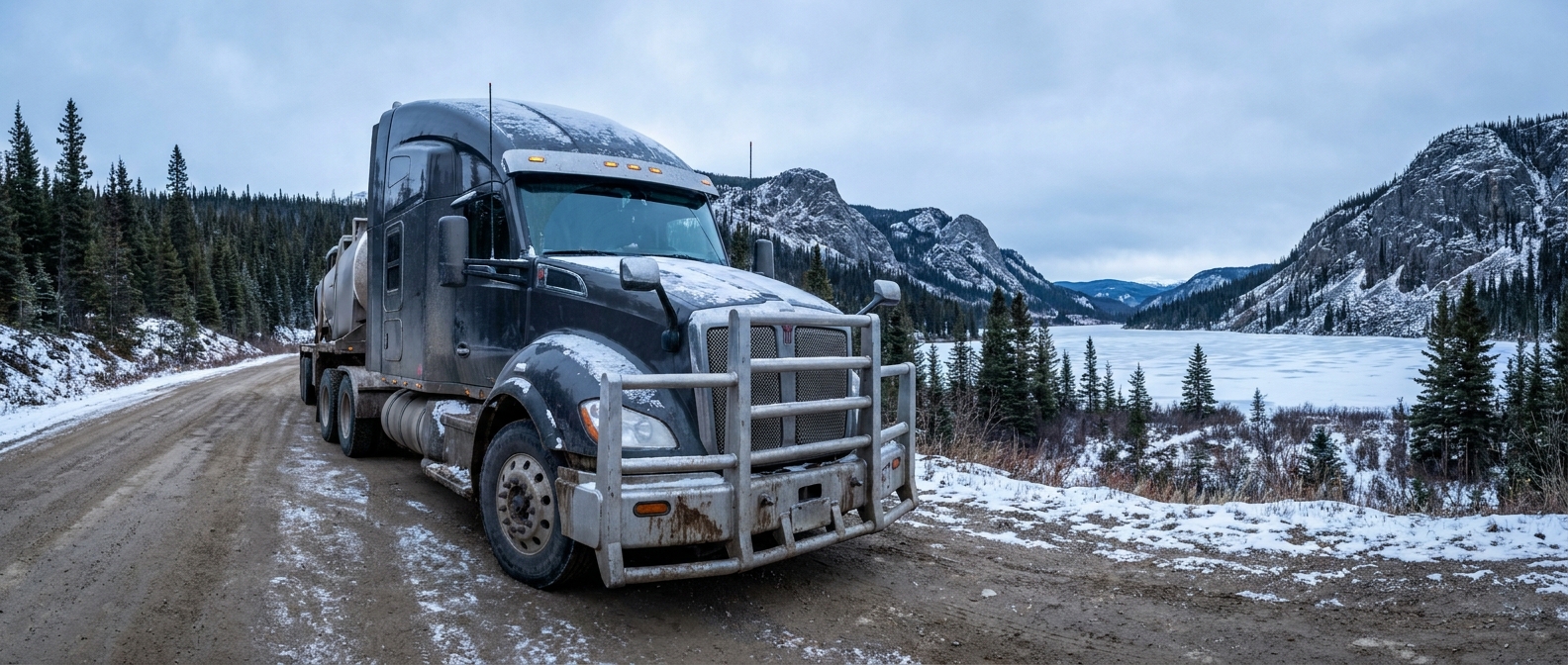
Specialized welding methods for truck guards like brazing are often utilized during the precision repair of high-strength steel components. You use brazing to join metals by melting a filler rod at a lower temperature than the parent metal. This prevents the truck’s frame or bumper from undergoing negative metallurgical changes during a field repair.
Why choose brazing over traditional welding?
Collision repairs often involve high-strength steels (HSS) that become brittle if they are overheated by an arc welder. Brazing provides a strong, reliable joint while keeping the base metal well below its critical transformation temperature.
Here is the deal:
- It creates a liquid-tight seal that is excellent for radiator and fuel tank repairs.
- Capillary action pulls the filler metal into tight gaps for a complete bond.
- It is less likely to damage the surrounding galvanized or powder-coated surfaces.
Does brazing protect the metal’s coating?
Because brazing uses lower heat, you can often perform repairs without stripping large sections of the guard’s protective finish. This is vital for maintaining the long-term corrosion resistance of the equipment.
Think about this:
- Specialized bronze or silver alloys can join steel, copper, and stainless steel.
- It is a preferred method for joining hydraulic lines and air system fittings.
- Modern induction brazing offers highly localized heat for delicate repairs.
Key Takeaway: Brazing is a critical repair technique that ensures high-strength guards maintain their original safety ratings after a collision.
| Property | Brazing | Traditional Welding |
|---|---|---|
| Base Metal Melting | No | Yes |
| Thermal Stress | Low | High |
| Best Application | HSS Repair / Sealing | Primary Fabrication |
Brazing allows fleets to return their equipment to service quickly without sacrificing the structural integrity of the front-end protection.
Which standards verify welding methods for truck guards?
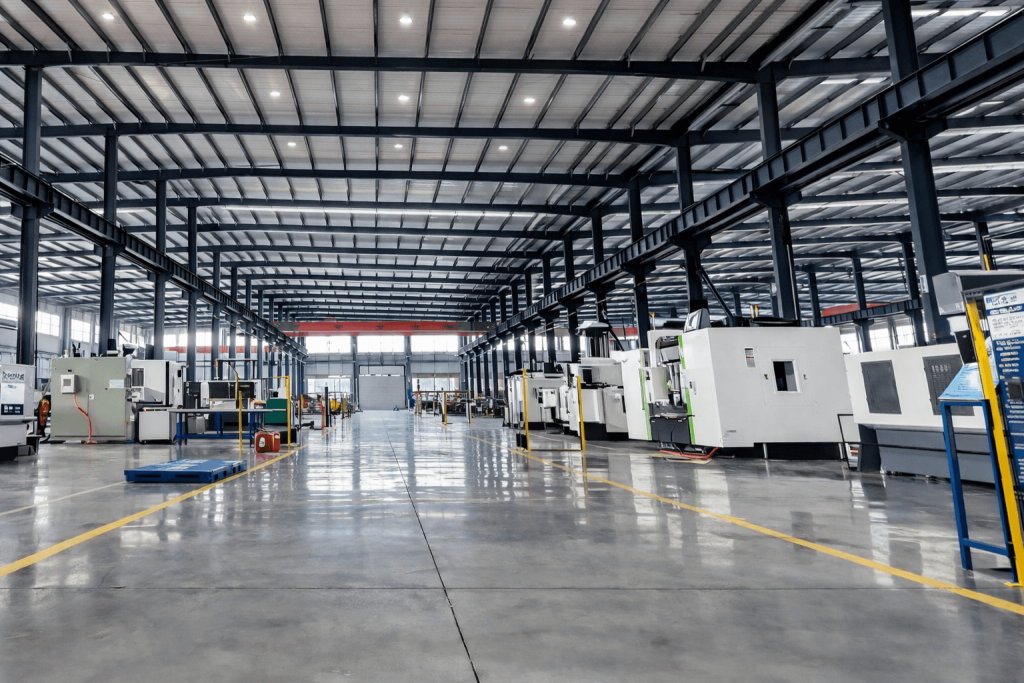
Professional welding methods for truck guards must be verified against rigorous international standards to ensure they will perform in a real-world emergency. You should look for manufacturers who employ AWS-certified welders and follow ISO-certified quality management systems. These standards are the only way to guarantee consistent safety across an entire fleet.
Are AWS-certified welders a necessity?
A welder who is certified by the American Welding Society (AWS) has demonstrated the technical skill required to produce welds with proper penetration and fusion. This certification is your insurance policy against manufacturing defects.
The fact is:
- Certified welders follow documented procedures for every specific joint.
- Regular testing ensures that staff maintain their high skill levels over time.
- It provides a standardized framework for quality across global facilities.
What does non-destructive testing involve?
After the welding is complete, non-destructive testing (NDT) uses technology to “see” inside the metal and find hidden flaws. This ensures that 100% of the products leaving the factory are structurally sound.
Believe it or not:
- Ultrasonic testing uses sound waves to identify internal cracks or porosity.
- Dye penetrant inspections highlight surface cracks that are invisible to the eye.
- Visual inspections by CMM (Coordinate Measuring Machine) verify ±0.5mm tolerances.
Key Takeaway: Stringent certification and multi-stage testing are the only ways to ensure your truck protection equipment is truly collision-worthy.
| Verification Stage | Method Used | Purpose |
|---|---|---|
| Personnel | AWS Certification | Guarantees technical skill |
| Structural Integrity | Ultrasonic / NDT | Finds hidden internal flaws |
| Dimensional Accuracy | CMM Verification | Ensures 100% bolt-on fitment |
By adhering to these standards, manufacturers can deliver protection products that meet or exceed North American DOT and fleet requirements.
What equipment supports welding methods for truck guards?
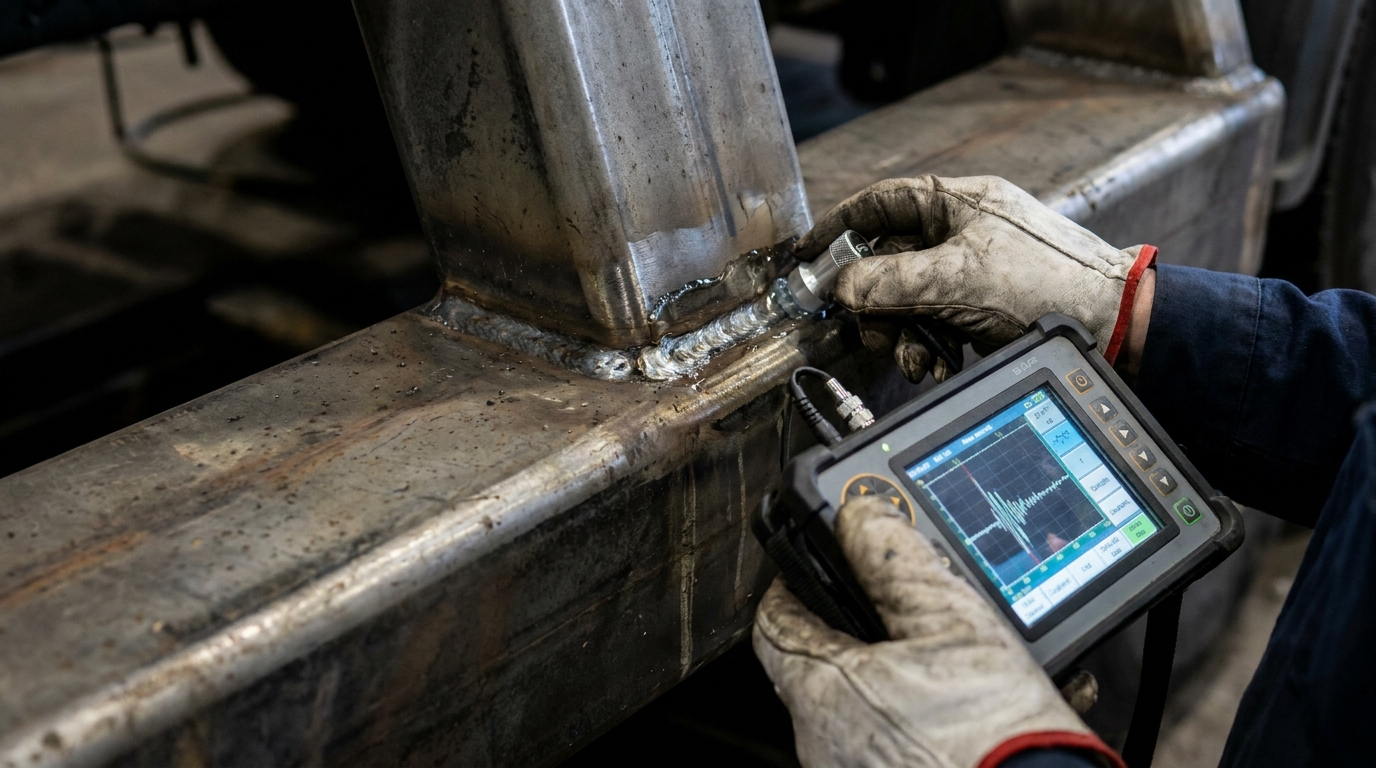
Modern welding methods for truck guards are supported by a vast array of high-tier industrial machinery. You cannot produce a world-class moose bumper with basic workshop tools; it requires a specialized manufacturing ecosystem. From CNC bending to robotic welding cells, every piece of equipment plays a role in the final quality of the guard.
Is CNC bending required for guard production?
To achieve the complex, aerodynamic curves needed for modern Class 8 trucks, you must use high-tonnage CNC press brakes. These machines ensure that every bend is accurate to within half a millimeter.
Think about this:
- CNC repeatability means every guard in your fleet will fit exactly the same.
- Precision bending reduces the internal stress on the metal’s grain structure.
- It allows for the use of thicker, high-strength materials that are difficult to shape.
Why are dedicated welding jigs essential?
Heavy-duty assembly jigs hold the individual components in a rigid “vice” while they are being welded. This prevents the intense heat of the arc from pulling the metal out of alignment.
Here is the deal:
- Jigs ensure that mounting holes are always in the correct location.
- They allow for the fast and consistent assembly of complex guard designs.
- Dedicated fixtures prevent the warping that leads to installation headaches.
Key Takeaway: High-quality truck guards are the result of combining advanced CNC automation with skilled manual craftsmanship.
| Equipment | Core Function | Impact on Quality |
|---|---|---|
| CNC Press Brake | High-Precision Bending | Aerodynamic fitment |
| Robotic Welder | Mass Production Seams | Perfectly consistent beads |
| Precision Jigs | Alignment / Clamping | 100% Bolt-on Guarantee |
The right equipment allows manufacturers to scale production while maintaining the strict quality standards required by the trucking industry.
*
Frequently Asked Questions
- Can I use standard MIG welding for aluminum truck guards?
YES, but it is not recommended without advanced pulse controls. Standard MIG often creates too much heat for aluminum, leading to warping and “hot cracking” that weakens the structural integrity of the guard. - What’s the best welding process for stainless steel grille guards?
TIG WELDING is the industry standard for stainless steel. It provides the highest level of heat control, produces no spatter, and results in the “stack of dimes” aesthetic that is expected on premium truck accessories. - How do I know if a bumper’s welds are truly safe?
VERIFY AWS CERTIFICATION from the manufacturer. Professional-grade moose bumpers should also undergo non-destructive testing (NDT) like ultrasonic or dye penetrant inspections to ensure there are no hidden internal defects. - Can I repair a cracked moose bumper in my own shop?
ONLY IF YOU HAVE CERTIFIED STAFF. High-strength steel and aluminum guards require specific filler metals and heat management techniques, such as brazing or pulsed MIG, to maintain their original crash-worthiness. - What is the standard fitment tolerance for heavy-duty guards?
PROFESSIONAL TOLERANCE IS ±0.5MM. Manufacturers achieve this through a combination of precision laser cutting, CNC bending, and the use of dedicated welding jigs to prevent heat-induced distortion.
*
Conclusion: Engineering A Safer Future For North American Fleets
The structural integrity of your truck’s front-end protection is not just a matter of manufacturing—it is a matter of business survival. By utilizing advanced welding methods for truck guards, you are investing in a proven shield that protects your drivers, your equipment, and your bottom line from the unpredictable hazards of the road. At Brontec, our vision is to set the global benchmark for heavy-duty truck protection through a relentless commitment to engineering excellence and certified manufacturing standards. We don’t just build bumpers; we build the peace of mind that comes from knowing your fleet is ready for anything the highway throws its way.
Ready to upgrade your fleet’s protection with OEM-certified equipment? Contact us today for a custom quote on moose bumpers and grille guards engineered for extreme conditions.