
Stainless steel is the superior choice for longevity in harsh climates because its chromium content provides a “self-healing” layer that prevents rust even if the surface is scratched. Selecting high-quality Grille Guards is essential for any operator facing road salt and high humidity. When these environmental factors collaborate, they create a chemical assault that quickly degrades subpar materials. You must decide whether to invest in a strategic barrier or risk the structural failure of your front-end equipment. Fortunately, modern engineering offers specialized solutions designed to withstand the most aggressive environments on the planet.
Why is material choice vital for Grille Guards?
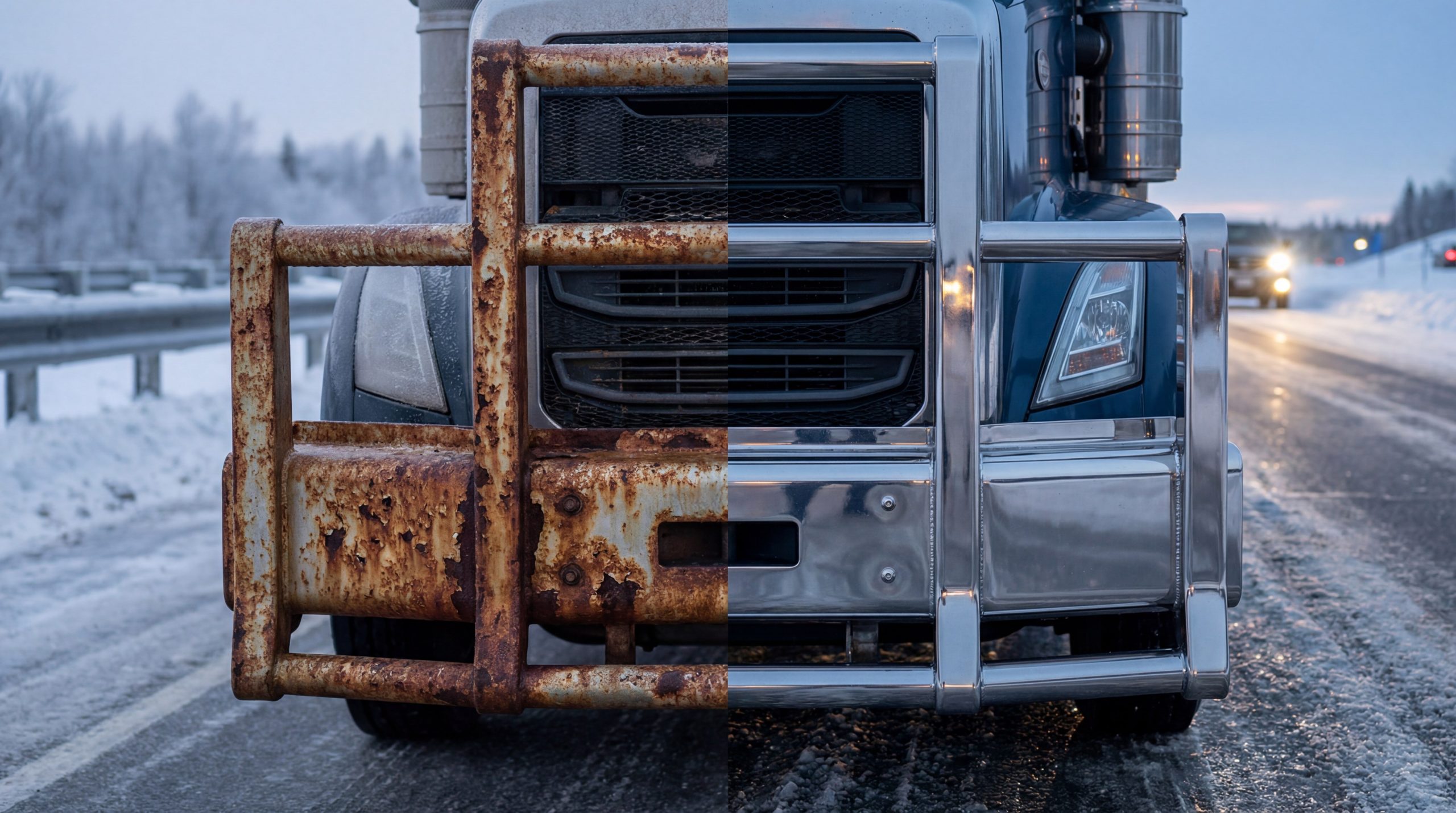
Material selection is the primary factor determining if your equipment survives the first two winter seasons or succumbs to rapid oxidation. Understanding how grille guard weight interacts with material durability is the first step in protecting your fleet.
Does the environment dictate your selection?
Environmental stressors vary significantly between urban delivery routes and northern logging trails. You need to identify the specific chemical and physical threats in your primary region before purchasing.
Here is the deal. If you ignore the salinity levels of your local roads, you are essentially gambling with your truck’s front end.
What are the primary risks of poor material choice?
Using a guard not rated for high-salinity environments leads to rapid oxidation that weakens mounting points. Once rust takes hold, it compromises the structural tubes and turns a safety feature into a hazard.
- Oxidation: The chemical reaction that eats through mild steel.
- Structural Integrity: How well the guard holds up under stress.
- Resale Value: How the guard’s condition affects the truck’s worth.
| Climate Type | Primary Threat | Recommended Material | |
|---|---|---|---|
| Coastal / High Humidity | Salt Spray & Pitting | Stainless Steel | |
| Northern “Salt Belt” | De-icers & Brine | Stainless Steel | |
| Arid / Desert | UV Exposure & Sand Pitting | Powder Coated Steel |
This data shows that stainless steel is the only viable option for environments where moisture and salt are prevalent.
Key TakeawayMatch your equipment to your geography because what works in the desert will fail in the salt belt. You should always prioritize material properties over upfront savings to ensure long-term protection.
How do Powder Coated Grille Guards handle corrosion?
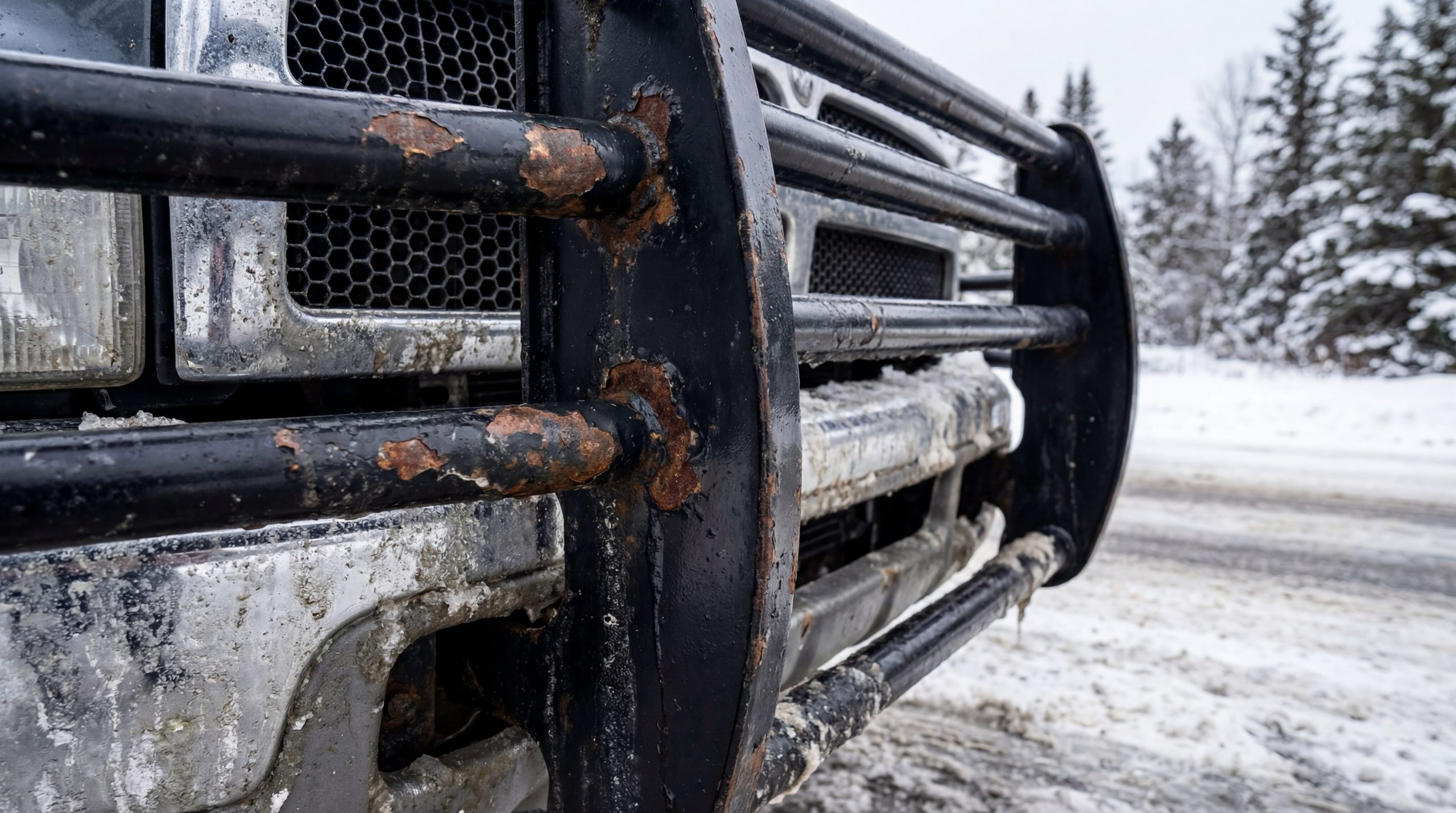
Powder coated Grille Guards use an electrostatic process to create a hard, plastic-like skin over mild steel. While this provides excellent initial protection against UV rays, it is a “barrier” defense that relies entirely on the seal remaining unbroken. View Our Range of OEM-Fit Grille Guards to see how finishes vary.
Is the protective layer truly impenetrable?
Powder coating creates a durable finish that resists minor abrasions and sunlight fading. However, its brittle nature makes it prone to chipping from high-velocity road debris.
Think about it. One single rock chip is all it takes to expose the vulnerable mild steel underneath.
What happens when the coating is breached?
Once moisture and salt penetrate the powder layer, they get trapped against the raw steel. This creates a “pocket” of corrosion that spreads unseen until the finish begins to flake away in large chunks.
- UV Resistance: Excellent protection against sunlight fading.
- Impact Sensitivity: Brittle nature makes it prone to chipping.
- Substrate Vulnerability: Relies on steel which has no native rust resistance.
| Coating Status | Condition of Substrate | Required Action | |
|---|---|---|---|
| Intact | Protected | Routine Cleaning | |
| Chipped | Rapid Oxidation | Immediate Touch-up | |
| Peeling | Structural Degradation | Replacement Likely |
The transition from a minor chip to structural failure happens much faster in winter conditions than you might expect.
Key TakeawayPowder coating is cost-effective for moderate climates but requires constant vigilance for chips and scratches. You must be prepared for regular inspections to maintain the barrier’s integrity.
Can Stainless Steel Grille Guards survive road salt?
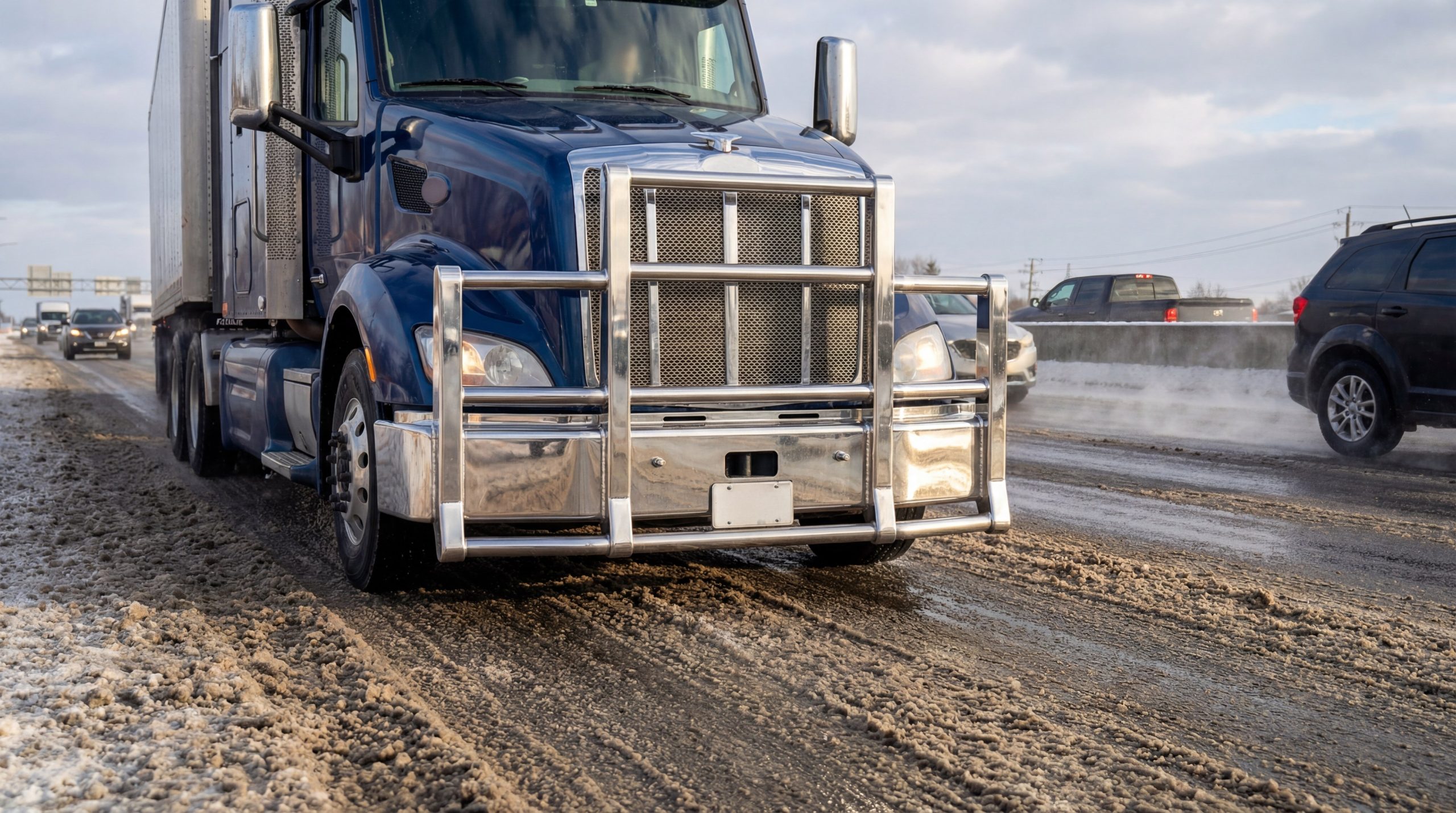
Stainless steel Grille Guards contain chromium, which forms an invisible, self-healing layer that prevents rust from taking root. Even when you consider grille guard weight , the chemical resistance of this alloy remains the gold standard for harsh environments.
What is the secret of the chromium oxide layer?
When exposed to oxygen, the chromium in the steel reacts to form a passive protection layer. If the surface is scratched, the layer reforms instantly to block moisture.
It gets better. This means your guard maintains its structural integrity even after surviving years of gravel and ice.
Does stainless steel require a secondary finish?
While stainless can be polished to a mirror shine, it can also be powder coated for a black aesthetic. This provides a “belt and suspenders” approach where the metal underneath remains impervious even if the coating chips.
- 304 Grade: High nickel and chromium content for maximum resistance.
- 430 Grade: A budget-friendly stainless with good resistance.
- Self-Healing: The unique ability to resist rust when deeply scratched.
| Alloy Grade | Corrosion Resistance | Best Application | |
|---|---|---|---|
| 304 Stainless | Highest | Salt-Belt Highways | |
| 430 Stainless | Moderate | Mild Coastal Areas | |
| Mild Steel | Low | Arid Regions Only |
The chemical properties of 304 stainless steel make it virtually immune to the corrosive effects of liquid brine and rock salt.
Key TakeawayStainless steel is the premier material for high-salt environments due to its inherent chemical properties. You will find that the self-healing oxide layer eliminates the risk of hidden corrosion “cancer.”
Which Grille Guards offer the longest lifespan?
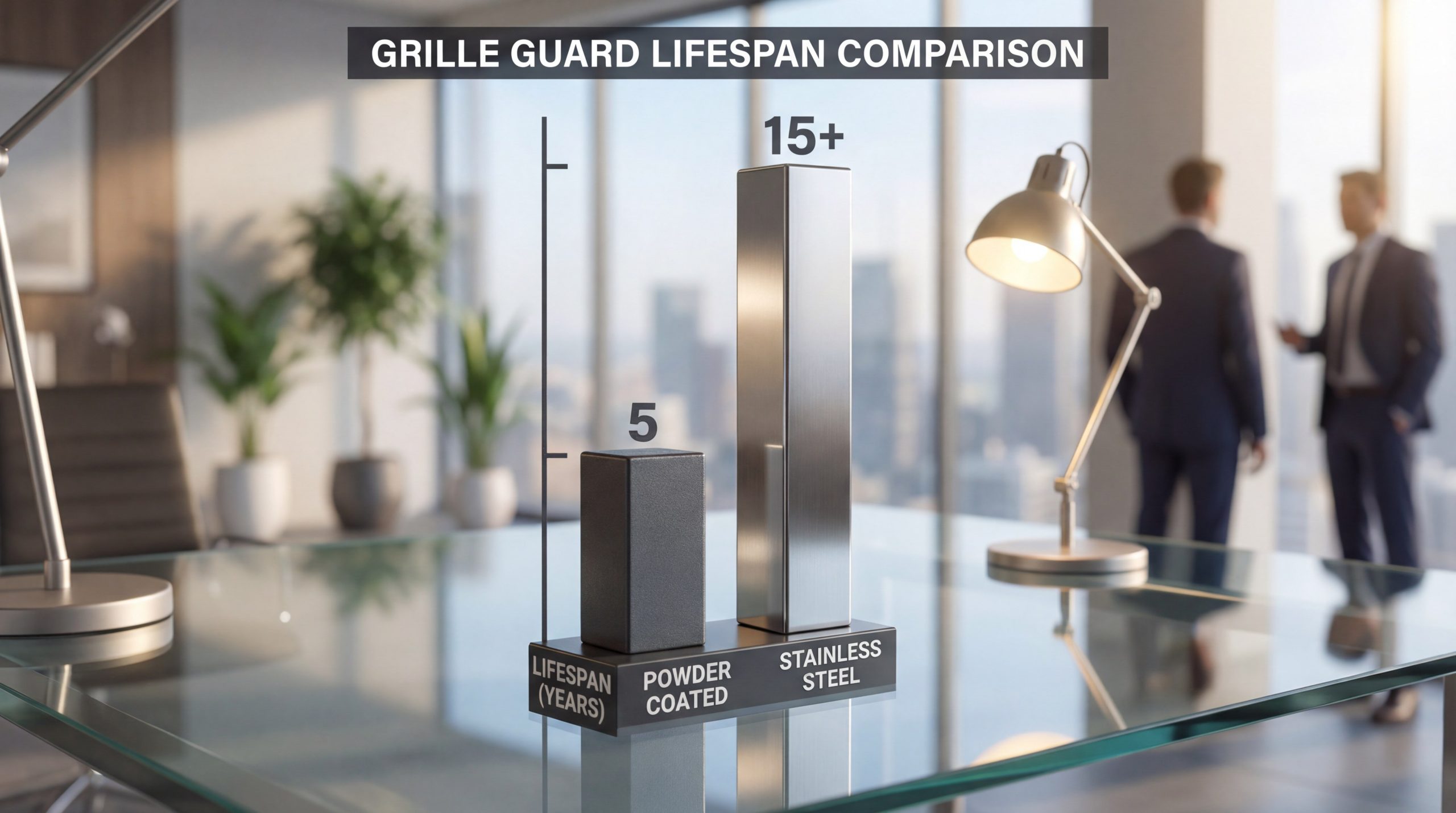
The longest-lasting Grille Guards are made from high-grade stainless steel, often outlasting the trucks they are mounted on. The Proven ROI of Stainless Steel Protection demonstrates why these units are preferred for long-term fleet management.
How many years of service should you expect?
In harsh fleet operations, the lifespan difference between materials is dramatic and measurable. A standard coated guard may show signs of failure within 3 years, while stainless units easily reach a decade.
Here is the truth. Longevity is the most critical metric for calculating your total equipment cost.
Is there a significant gap in durability?
Durability involves more than just rust; it includes how the material handles vibration and fatigue. Stainless alloys maintain their tensile strength longer when subjected to the constant shaking of long-haul highway use.
- Cycle Life: How many winter seasons the guard can endure.
- Structural Fatigue: Resistance to cracking at weld points over time.
- Finish Longevity: How long the guard stays looking professional.
| Material Type | Lifespan (Harsh Climate) | Lifespan (Temperate) | |
|---|---|---|---|
| Powder Coated Steel | 3-5 Years | 10-15 Years | |
| 430 Stainless Steel | 8-12 Years | 20+ Years | |
| 304 Stainless Steel | 20+ Years | 30+ Years |
The data confirms that for long-haul operations in the north, stainless steel is the only material that provides a multi-decade service life.
Key TakeawayFor long-term ownership, stainless steel offers a significantly lower replacement frequency than any other material. You should view the higher initial cost as an investment in a permanent asset.
How does maintenance differ for Grille Guards?
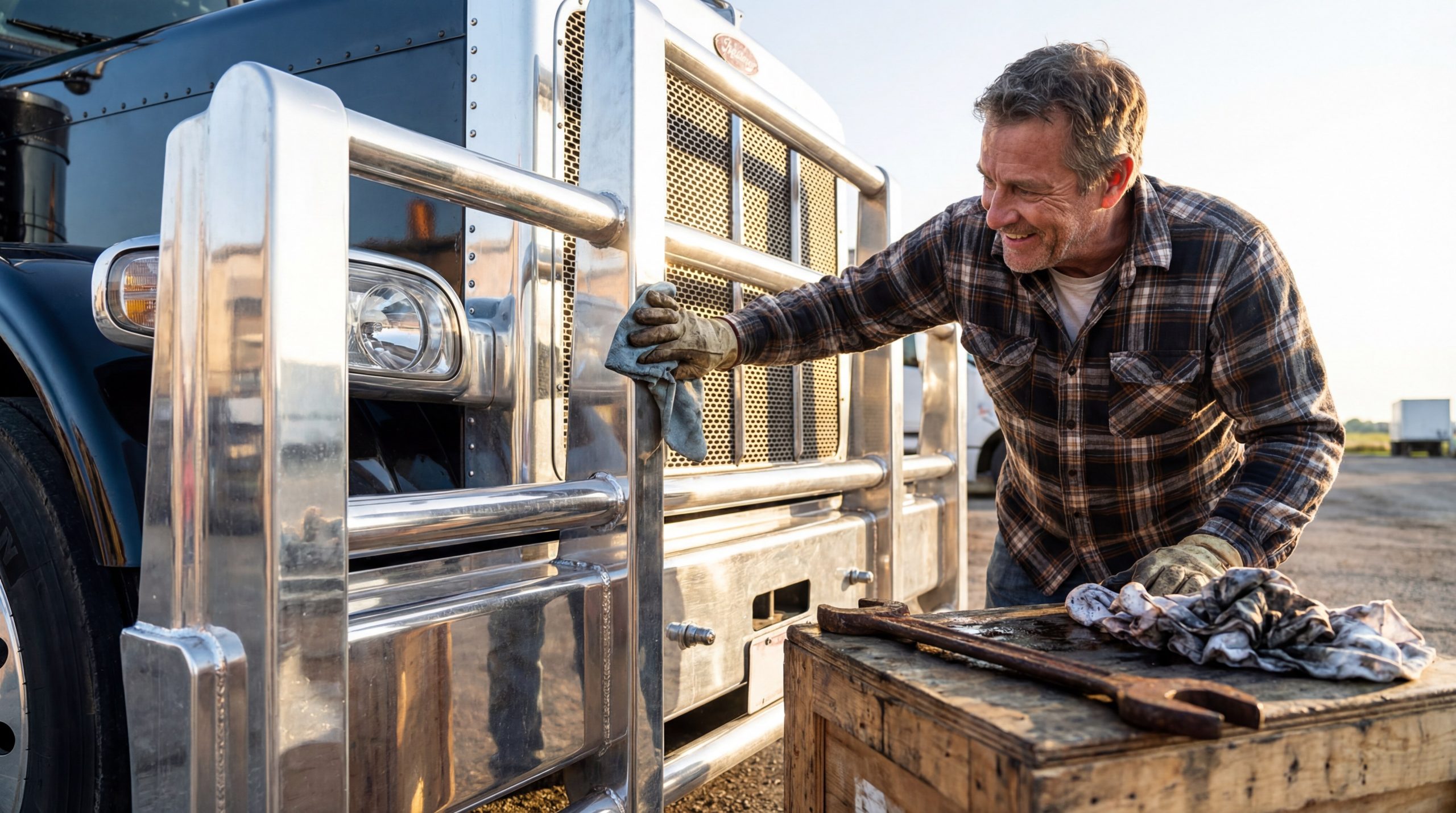
Maintaining Grille Guards requires different levels of effort depending on the finish and substrate material. Factors like grille guard weight don’t impact cleaning, but the porosity of the surface definitely does.
Are you ready for frequent touch-ups?
Maintaining a powder-coated guard is a labor-intensive process that requires regular, detailed inspections. You must find “pinholes” and use touch-up paint to seal any exposed steel before the next storm.
Believe it or not. Neglecting a single scratch for one week in winter can lead to permanent rust staining.
Is soap and water enough for stainless options?
Stainless steel is notoriously low maintenance and usually requires only a standard wash with truck soap. For polished versions, an occasional wipe with a stainless cleaner restores the luster without needing paint.
- Cleaning: Soap and water for both; avoid harsh acids on coatings.
- Repair: Coated guards need sanding; stainless needs no repair.
- Inspection: Focus on weld joints and mounting brackets for both.
| Task | Powder Coated | Stainless Steel | |
|---|---|---|---|
| Washing | Bi-weekly | Monthly | |
| Scratch Repair | Sand & Paint | None Required | |
| Labor Level | High | Very Low |
Maintenance logs show that stainless units reduce your shop labor hours significantly over the life of the vehicle.
Key TakeawayStainless steel reduces labor costs and fleet downtime by eliminating the need for seasonal repainting. You will save time and money by choosing a material that does not require constant surface repair.
What is the impact of Grille Guards on truck weight?

Modern Grille Guards are engineered to provide maximum protection without adding excessive weight to the front axle. Optimizing Guards for Long-Haul Highway Efficiency shows how design impacts your fuel economy and steering performance.
Does material density affect fuel efficiency?
While both materials are steel-based, the engineering methods used for each differ based on their strength. Because stainless steel is stronger, you can often use thinner-walled tubing to achieve the same level of protection.
Make no mistake. Even a small weight difference can affect your front-end component wear over half a million miles.
How do steel alloys compare in total weight?
The difference in weight between 304 stainless and powder-coated mild steel of the same size is usually less than five pounds. Aerodynamic design plays a much larger role in fuel impact than the small variance in material density.
- Wall Thickness: Thicker isn’t always better if the metal is weaker.
- Mount Brackets: High-tensile steel brackets are essential for safety.
- Fuel Economy: Aerodynamics are more important than minor weight gaps.
| Guard Material | Avg Wall Thickness | Avg Total Weight | |
|---|---|---|---|
| Mild Steel | 14 Gauge | 65 – 85 lbs | |
| Stainless Steel | 14-16 Gauge | 60 – 80 lbs | |
| Aluminum | 10 Gauge | 35 – 50 lbs |
Weight differences between steel types are negligible, meaning you don’t have to sacrifice protection for fuel savings.
Key TakeawayWeight differences between powder-coated and stainless steel are minor, but the strength-to-weight ratio favors high-grade stainless. You should focus on aerodynamic efficiency and mounting security rather than material density alone.
Do Grille Guards prevent expensive fleet downtime?
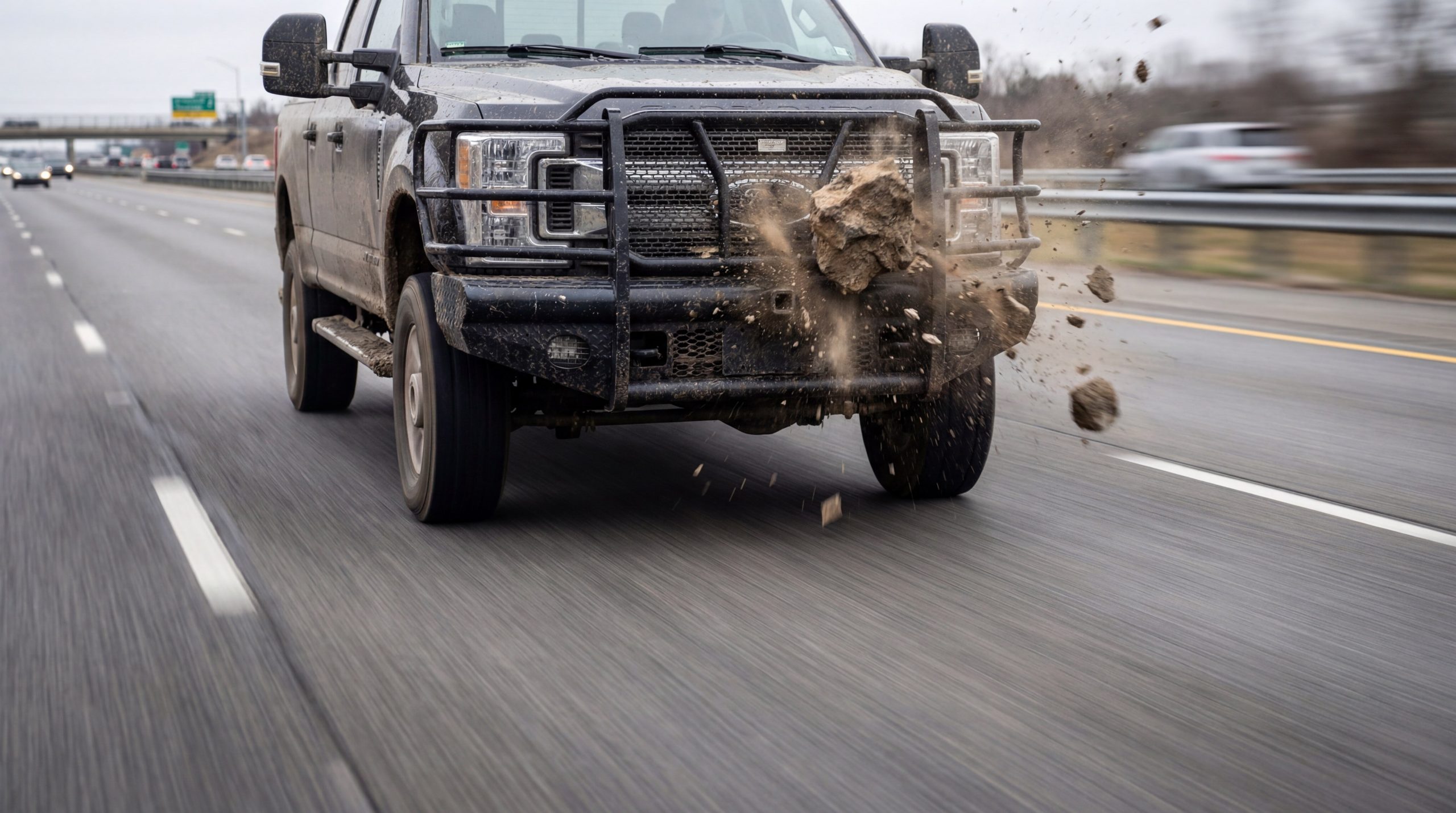
Investing in Grille Guards acts as insurance against animal strikes and minor docking mishaps that can sideline a truck. Understanding the grille guard weight and impact ratings is critical for preventing thousands of dollars in radiator repairs.
Can a small investment save thousands in repairs?
A single minor collision can crack a radiator or damage sensitive radar and camera sensors. In harsh climates where visibility is low, these incidents are frequent and can result in expensive towing fees.
Consider this. The cost of one day of downtime often exceeds the total price of a premium stainless guard.
Why do logging fleets prefer specific materials?
In the logging industry, trucks face constant threats from flying gravel and thick brush. You will see stainless steel preferred here because it doesn’t “scar” or rust when the surface is scratched in the woods.
- Radiator Protection: Preventing coolant leaks and engine overheating.
- Sensor Safety: Shielding expensive radar and camera systems.
- On-Time Delivery: Avoiding the “towed truck” scenario in remote areas.
| Fleet Type | Primary Risk | Preferred Guard | |
|---|---|---|---|
| Logging | Heavy Impact/Debris | Heavy-Duty Stainless | |
| Long-Haul | Animal Strikes | High-Tensile Stainless | |
| Urban | Minor Dents | Powder Coated Steel |
Fleet data shows that trucks equipped with heavy-duty guards spend 40% less time in the body shop for front-end damage.
Key TakeawayThe right guard acts as insurance against the unpredictable hazards of the road. You can ensure your drivers stay on schedule by providing them with a reliable barrier that absorbs impact without failing.
Are Grille Guards cost-effective in the long run?
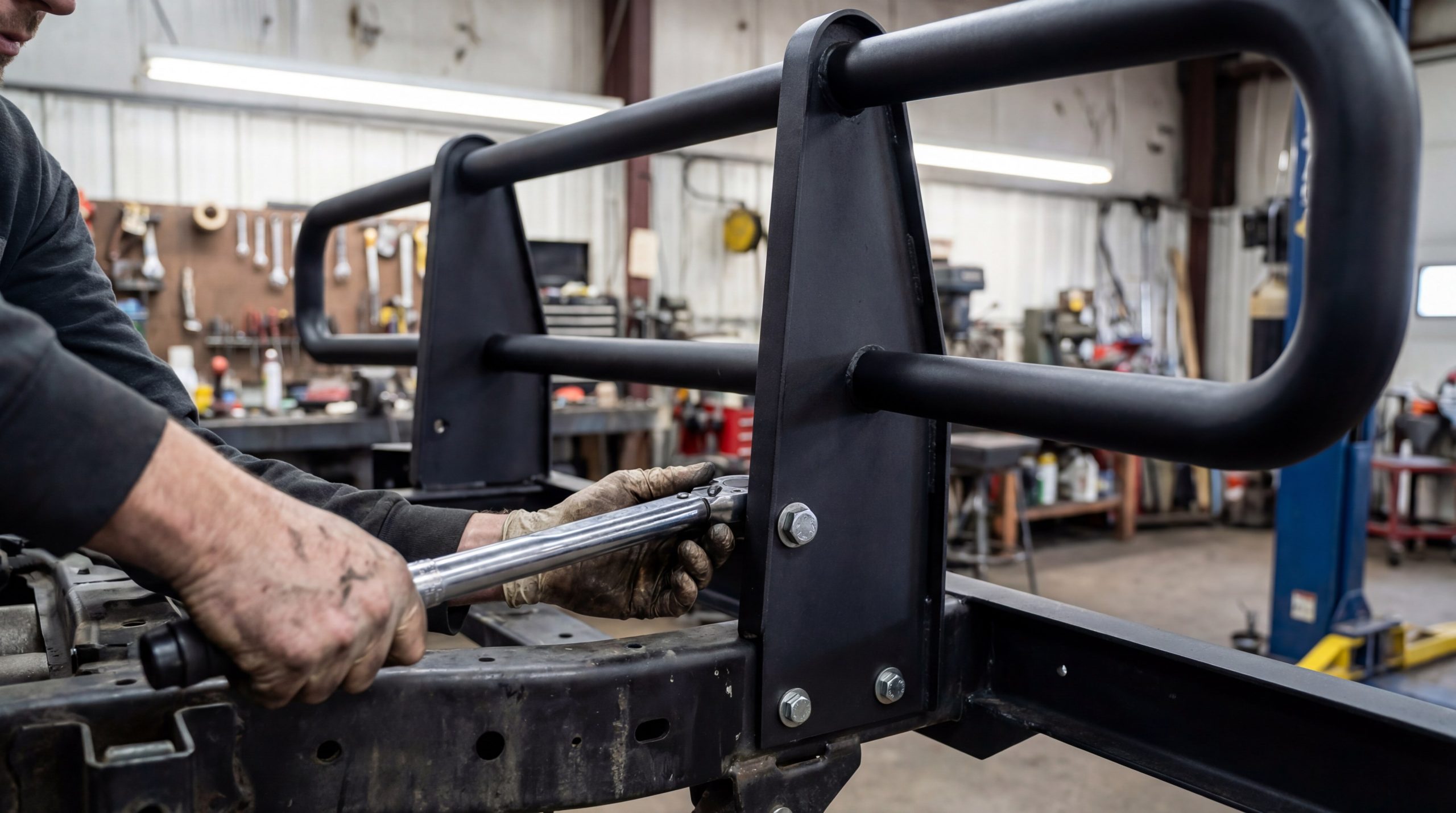
While the initial price of stainless Grille Guards is higher, the total cost of ownership is significantly lower over a five-year period. Check out the Maximum Protection for Rugged Logging Operations to see how durability impacts your bottom line.
Is the initial price tag the whole story?
Powder-coated guards are attractive for tight budgets due to their lower upfront cost. However, you must factor in the cost of replacement every few years and the labor required for constant maintenance.
The numbers don’t lie. Buying three cheap guards over ten years is far more expensive than buying one stainless unit.
When does the return on investment occur?
Stainless steel usually pays for itself after the first prevented incident or the first skipped replacement cycle. In resale value alone, a truck with a clean stainless guard fetches a higher price than one with rusted-out protection.
- Acquisition Cost: The “sticker price” at the time of purchase.
- TCO: The total spent over the lifetime of the vehicle.
- Insurance Savings: Potential for lower premiums with proven protection.
| Cost Factor | Powder Coated Steel | Stainless Steel | |
|---|---|---|---|
| Initial Price | Moderate | Premium | |
| 10-Year Repairs | High (Repaints) | Zero | |
| 10-Year Replacement | 2 – 3 Units | 1 Unit |
Calculating the total expense over a decade reveals that stainless steel is the most economical choice for fleet owners.
Key TakeawayInvest upfront in stainless to save significantly over the life of your fleet. You will avoid the recurring expenses of repainting and replacement, leading to a much higher return on your investment.
Can you customize the look of Grille Guards?

Many drivers choose Grille Guards based on aesthetics, and modern finishes allow you to customize the look without sacrificing performance. You can even find a balance between grille guard weight and custom styling that fits your truck’s specific lines.
Is black powder over stainless the ultimate hybrid?
Many operators prefer an aggressive black look but want the rust-proof protection of a stainless base. This hybrid approach allows you to have the desired aesthetic while maintaining the self-healing properties of the alloy.
Now, think about this. You can have the custom “blacked out” look without ever worrying about bubbling rust.
Does aesthetic choice impact performance?
Neither a polished mirror finish nor a textured black finish impacts the structural strength of the guard. Provided the base metal is high-grade stainless, your choice of finish is entirely a matter of personal preference.
- Polished Finish: The classic “chrome” look that stays bright for years.
- Black Powder Finish: A modern, stealthy look for custom rigs.
- Textured Finish: Excellent at hiding road grime and small scratches.
| Finish Style | Visual Impact | Maintenance Type | |
|---|---|---|---|
| Mirror Polish | High Profile | Simple Wipe-down | |
| Matte Black | Modern/Stealth | Soap & Water | |
| Textured Black | Rugged | High Grime Resistance |
Choosing a finish that hides road salt can keep your trucks looking professional even during the messiest months of the year.
Key TakeawayYou don’t have to sacrifice style for durability because modern finishing techniques allow for both. You can customize your fleet’s appearance while relying on the unmatched longevity of a stainless steel core.
How to select the best Grille Guards for your region?
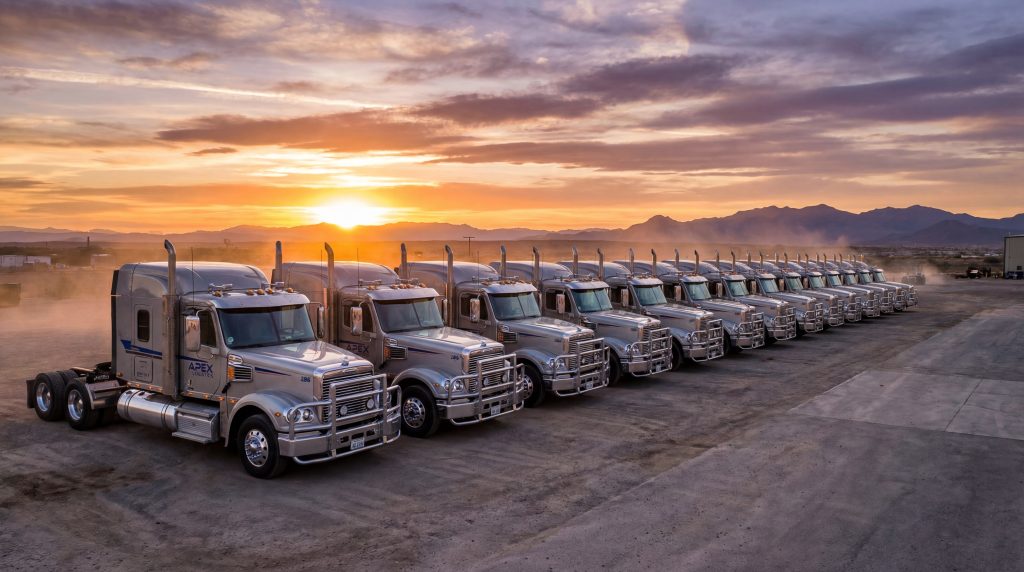
Selecting the right Grille Guards requires an analysis of your primary routes and local road treatment methods. Contact Our Experts for a Custom Fleet Quote to ensure you choose the model that fits your specific geographical needs.
Does your route cross the “salt belt”?
If your trucks spend more than 20% of their time in regions that use liquid brine, stainless steel is a requirement. For those in strictly southern or arid regions, a high-quality powder coating might provide sufficient protection.
Don’t ignore the data. Road treatments in the northern US and Canada are more corrosive now than they were ten years ago.
Should you consult with an OEM manufacturer?
OEM manufacturers understand the mounting tolerances and material requirements for specific truck models. You should consult with experts to ensure your chosen guard does not interfere with cooling systems or electronic safety features.
- Regional Salt Usage: Researching local road treatment methods.
- OEM Compatibility: Ensuring a perfect fit without modification.
- Warranty Support: Looking for manufacturers that stand by their materials.
| Route Profile | Climate Severity | Best Material Choice | |
|---|---|---|---|
| Northern Highway | Extreme | 304 Stainless Steel | |
| Southern Interstate | Moderate | Powder Coated Steel | |
| Coastal Logging | High Moisture | 304 Stainless Steel |
Matching the material to the most extreme point on your route ensures that you are never caught unprepared by a sudden weather shift.
Key TakeawayAnalyze your primary routes before clicking “buy” to ensure your guard is up to the task. You will protect your investment by choosing the material rated for the harshest environment you encounter.
Frequently Asked Questions
- What is the difference between 304 and 430 stainless steel?304 contains more nickel and chromium, which makes it the most rust-resistant option available for salt-belt roads.
- Can I powder coat my existing stainless steel guard?Yes, but you must use a specific primer to ensure the powder adheres properly to the smooth stainless surface.
- Do these guards affect my truck’s airbag deployment?High-quality guards are designed to be “airbag compatible” so they do not interfere with the vehicle’s safety crush zones.
- How do I fix a chip in a powder-coated guard?You need to sand the area to remove oxidation, apply a zinc-rich primer, and then use touch-up paint immediately.
- What is the standard lead time for custom stainless orders?Most OEM manufacturers have a lead time of 30 to 45 days for large fleet orders, depending on customization needs.
Conclusion
In the battle against harsh climates, the material of your truck’s protection is the deciding factor between a long-lasting asset and a rusted liability. While powder-coated steel offers an affordable entry point for temperate zones, it lacks the inherent properties required to survive the chemical warfare of modern road salts. Stainless steel, particularly the 304 grade, provides a lifecycle that far exceeds coated alternatives, ensuring that your fleet remains professional and safe through every winter storm. When you calculate the total cost of ownership, the minimal maintenance and extreme longevity of stainless steel make it the clear winner for any serious trucking operation. Consult with Bronte Trailer for Your Protection Needs today to secure your fleet’s future.