
Choosing the right underbody vs side mount truck tool box is critical for your fleet because it directly impacts your storage efficiency, driver safety, and equipment longevity. You are likely tired of seeing expensive chains and tools rattling loosely in your truck bed or getting damaged by the elements. Poor storage organization leads to damaged equipment, wasted labor time, and unnecessary downtime across daily fleet operations. By selecting the optimal mounting style, you secure your gear and maximize every inch of your vehicle’s potential.
Quick Comparison
| Feature | Underbody Mount | Side Mount |
|---|---|---|
| Primary Benefit | Keeps deck 100% clear | Rapid waist-high access |
| Ground Clearance | Reduced by 12-18 inches | No impact on clearance |
| Installation | Requires heavy brackets | Bolts to bed rails |
| Best For | Flatbeds & Semi-tractors | Pickups & Service trucks |
| Security | High (out of sight) | Moderate (highly visible) |
Which Toolbox Style Is Better Overall?
The “better” style depends entirely on your vehicle type and workflow. If you operate a flatbed or semi-tractor, the underbody mount is superior because it preserves your deck space for oversized cargo. For contractors using pickup trucks who need to grab hand tools dozens of times a day, the side mount style is the winner due to its ergonomic, waist-level accessibility.
Choosing the Right Toolbox Setup for Flatbed Trucks
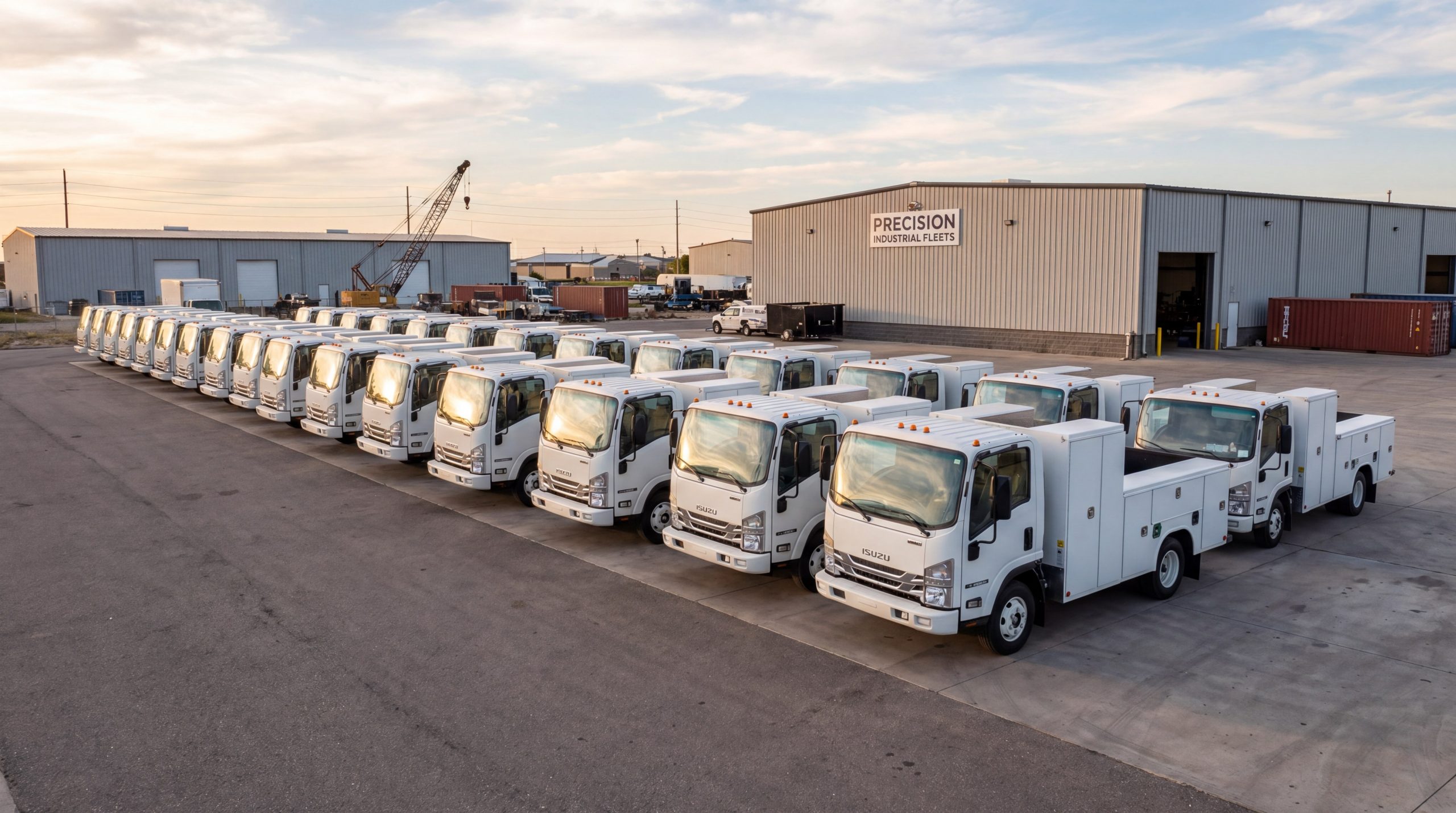
The underbody toolbox configuration is the superior choice for flatbed trucks because it leaves the entire deck clear for oversized cargo. By mounting the box beneath the frame, you ensure that your loading surface remains unobstructed for machinery, timber, or pallets. This setup is a favorite for long-haul operators who cannot afford to lose deck space.
Maximizing Flatbed Deck Efficiency
Every inch of usable flatbed space matters when hauling oversized equipment, pallets, or building materials. When you mount storage above the deck, you limit the types of loads your fleet can carry.
- Keeps the center of gravity low for better handling.
- Protects tools from falling off the open bed.
- Utilizes otherwise wasted space near the chassis.
Fuel Economy Considerations
Keeping the storage below the bed rails can also reduce wind exposure compared to taller crossover-style boxes. This small difference can lead to significant fuel savings across a large fleet over thousands of miles.
| Feature | Underbody Box | Side Mount Box |
|---|---|---|
| Deck Space Impact | Zero | High |
| Ground Clearance | Reduced | Unchanged |
| Accessibility | Side-reach | Top-down |
For fleets hauling oversized cargo or operating flatbeds daily, underbody storage is usually the more practical long-term solution.
Storage Capacity and Usable Bed Space
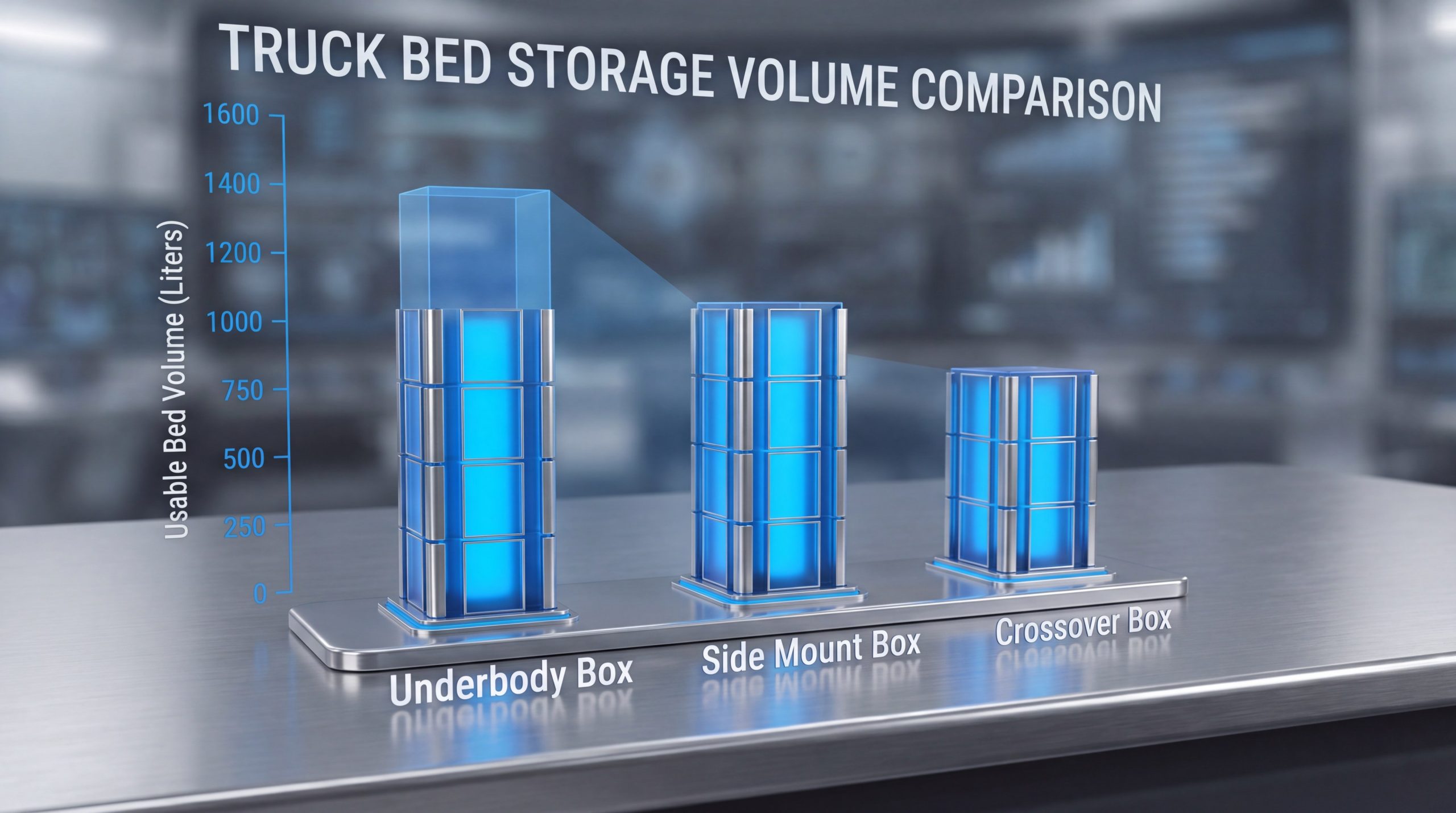
A side-mount toolbox provides easier access to stored equipment but occupies space that would otherwise be available for wide cargo. While underbody boxes offer “bonus” volume outside the bed, side-mounted units are limited by the dimensions of your truck rails. The right choice depends on how often the truck carries oversized cargo versus smaller tools and daily-use equipment.
Understanding Volumetric Storage Needs
Storage capacity should be evaluated alongside the remaining usable bed space. If you frequently haul 4×8 sheets of plywood, a side-mount box might create a pinch point.
- Underbody boxes offer up to 20 cubic feet of “hidden” storage.
- Side mount boxes typically range from 5 to 12 cubic feet.
- Dual underbody setups can double your total carrying capacity.
Managing Deep Toolbox Storage
Deeper underbody boxes may require additional organizers or pull-out trays to prevent tools from getting buried.
| Metric | Underbody | Side Mount |
|---|---|---|
| Avg. Volume (cu ft) | 10-18 | 6-12 |
| Interior Depth | Deep | Shallow |
| Reach Difficulty | Moderate | Low |
Fleets carrying larger binders, chains, or power tools usually benefit more from the deeper storage profile of underbody systems.
Which underbody vs side mount truck tool box has the best seals?
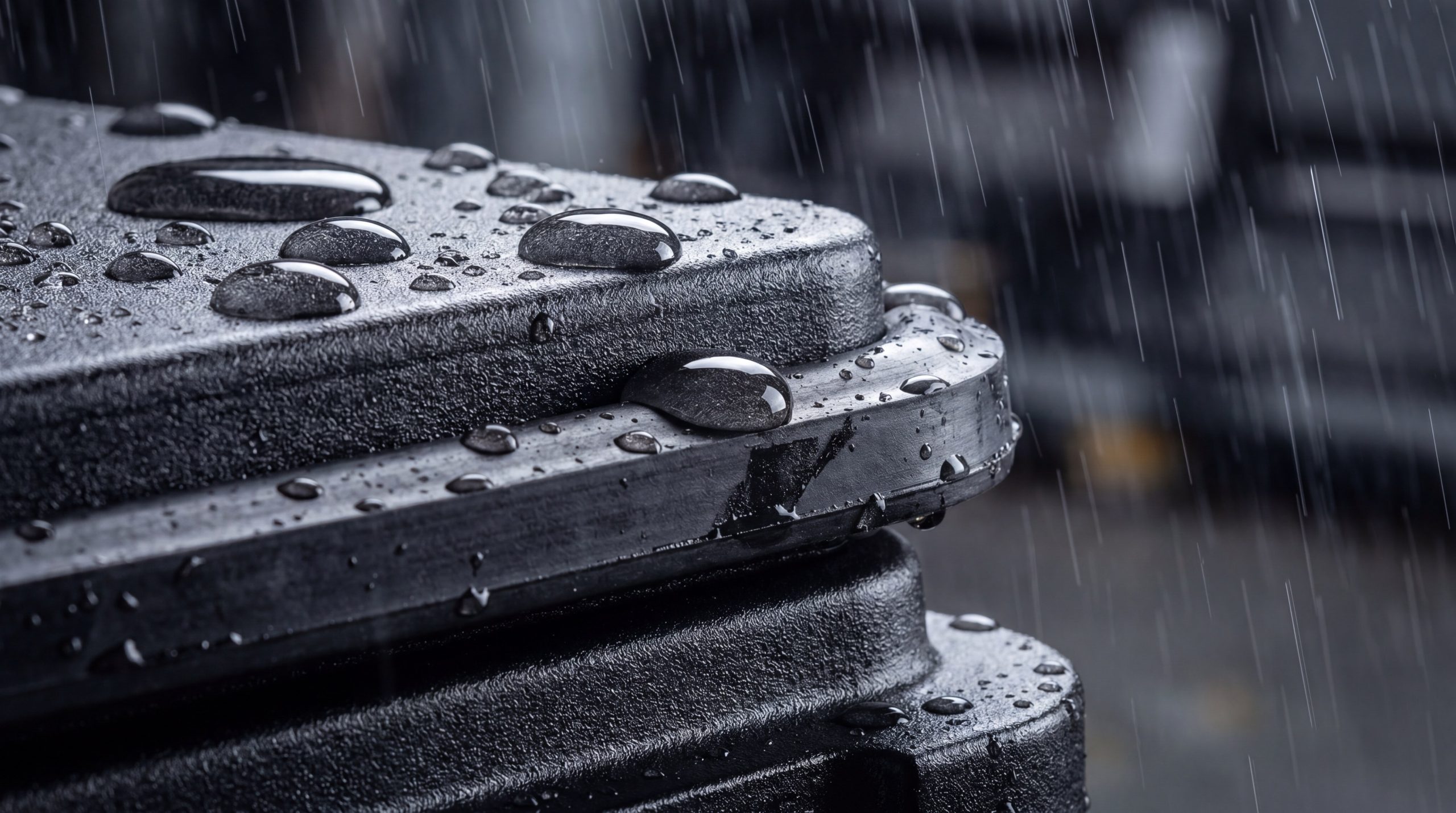
Underbody toolboxes typically require more robust sealing systems because they are exposed to constant road spray and debris. At Brontec, we utilize automotive-grade bulb weatherstripping to ensure your tools stay dry even in monsoon conditions. While side-mount boxes face rain from above, underbody units fight moisture from every angle.
Engineering for Moisture Resistance
Seal performance also depends heavily on proper latch compression and door alignment. High-quality boxes use adjustable strikers to ensure the door compresses the gasket perfectly every time you close it.
- Bulb seals resist compression set over years of use.
- Internal gutters channel water away from the door opening.
- Welded seams prevent moisture seepage at the corners.
- In northern climates, fleet maintenance teams often apply silicone protectant to rubber seals before winter to reduce freezing and gasket cracking. Many fleets also lubricate lock cylinders before cold-weather operation to help prevent salt-related seizure and frozen latch mechanisms.
Long-Term Seal Performance in Harsh Conditions
6061-T6 aluminum construction also helps prevent the corrosion that commonly causes seal failure in lower-grade steel boxes. When the box doesn’t rust, the seal stays seated and effective for the life of the truck.
| Component | Underbody Seal | Side Mount Seal |
|---|---|---|
| Exposure Level | Extreme | Moderate |
| Gasket Type | Heavy-duty Bulb | Standard D-seal |
| Maintenance | High | Low |
A superior seal design is the only thing standing between your expensive power tools and a pool of corrosive road salt.
Which underbody vs side mount truck tool box is more secure?
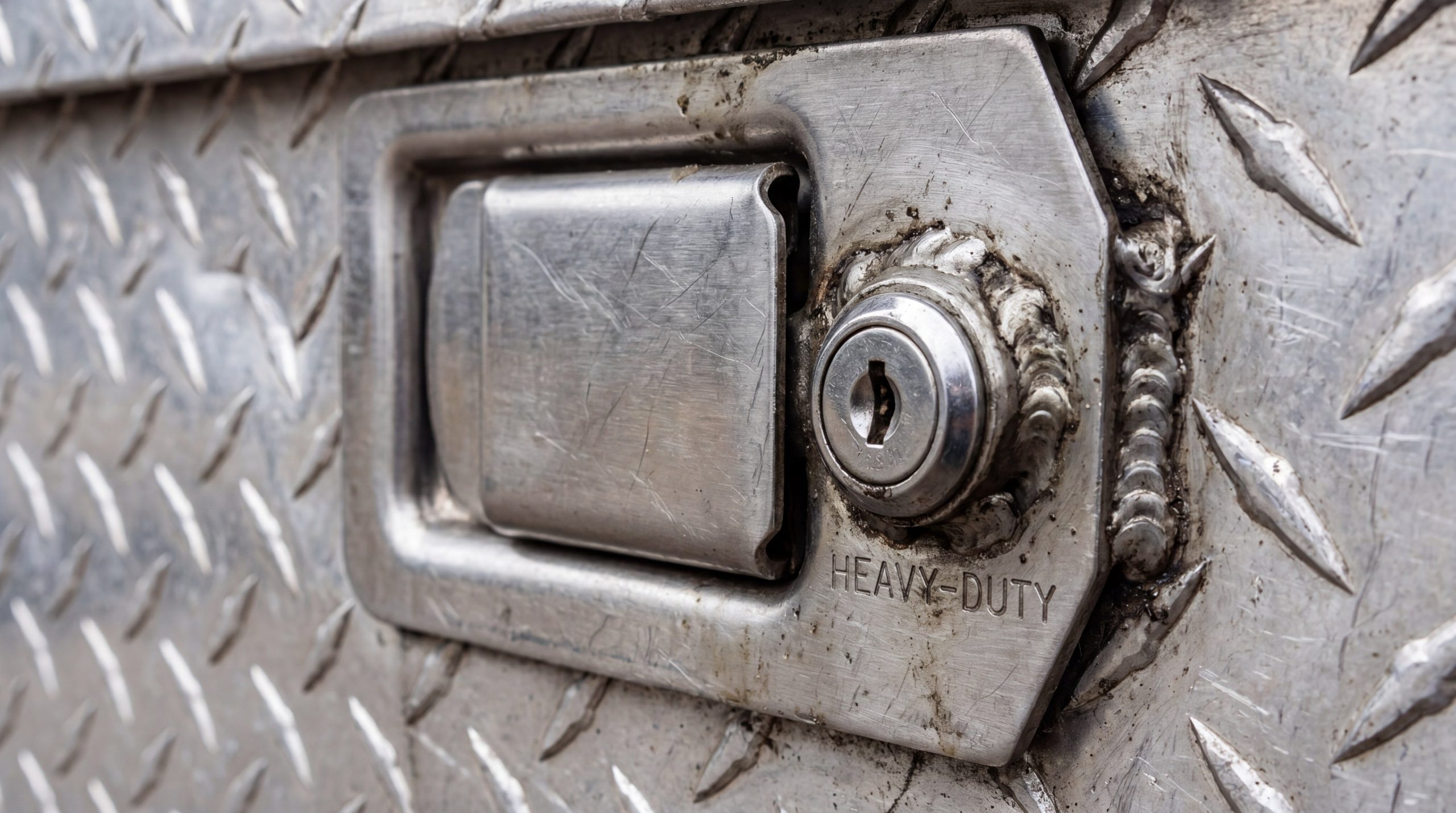
Underbody toolboxes are often considered more secure because they are less visible to opportunistic thieves. A side-mounted box sits at eye level and clearly signals that there may be valuable equipment inside. By keeping your storage low and tucked away, you reduce the “smash and grab” temptation found in urban job sites.
Security Features for Fleet Assets
Most commercial-grade boxes now utilize recessed paddle latches designed to resist tampering and forced entry. These stainless steel latches are designed to withstand both the elements and forced entry attempts.
- Three-point locking systems provide maximum door rigidity.
- Hidden hinges prevent thieves from cutting the door off.
- Reinforced lock housings resist drilling and punching.
Visibility vs Physical Security
Although side-mount boxes are more visible, heavy-duty locking hardware can still provide strong theft resistance. The choice often comes down to whether you prefer “out of sight” or “hard to break.”
| Security Factor | Underbody Box | Side Mount Box |
|---|---|---|
| Visibility | Low | High |
| Latch Type | Heavy-duty Paddle | T-Handle or Paddle |
| Pry Resistance | Excellent | Good |
For fleets operating in urban job sites or unsecured yards, heavy-duty locking hardware is often just as important as the box construction itself.
Does the underbody vs side mount truck tool box need custom brackets?
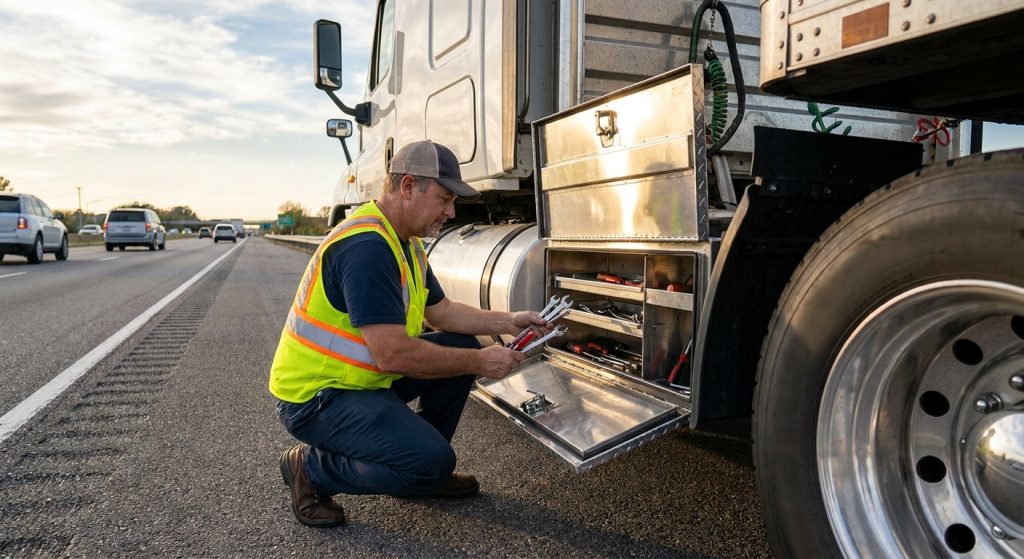
An underbody toolbox almost always requires heavy-duty L-brackets for a safe and secure installation. Unlike side-mount boxes that often rest on the bed rails, underbody units are suspended from the truck’s frame or bed cross-members. This requires precise measurements and high-strength fasteners to handle the dynamic loads of a moving vehicle.
Mastering the Installation Process
Proper bracket sizing and mounting hardware are critical for long-term durability and highway safety.
- Powder-coated steel brackets help protect mounting systems from road salt, moisture, and long-term chassis corrosion.
- Grade 8 mounting hardware is commonly specified for commercial-duty underbody installations because it handles continuous vibration, heavy cargo loads, and long-haul road stress more effectively than standard fasteners.
- Rubber isolators can help reduce vibration, noise, and metal-on-metal wear over time.
Professional vs DIY Installation
Side-mount installations are generally straightforward, while underbody systems often require professional installation and lift access. Ensuring the box is level and has proper clearance from the tires and exhaust is paramount.
| Installation Step | Underbody Mount | Side Mount |
|---|---|---|
| Difficulty | High | Low |
| Time Required | 2-3 Hours | 45 Minutes |
| Specialist Tools | Jacks/Welder | Basic Wrenches |
Professional installation ensures your box stays attached regardless of the terrain or the weight of your equipment. Fleet operators ordering custom underbody systems often request reinforced mounting plates for trucks operating on logging roads, oilfield access routes, or other high-vibration environments.
Which underbody vs side mount truck tool box is best for towing?
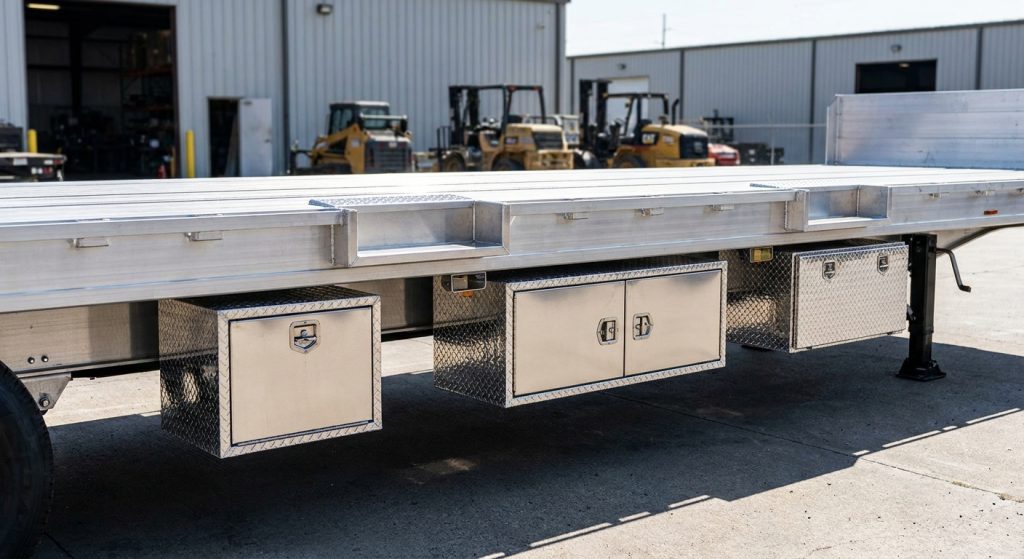
For heavy-duty towing applications, underbody toolboxes are generally preferred because they avoid interference with trailer turning radius and hitch access. If you use a gooseneck or fifth-wheel hitch, side-mounted boxes can sometimes strike the trailer nose during tight maneuvers. This is especially common on short-bed pickups using gooseneck adapters or tight-radius trailer setups. Underbody storage remains completely out of the way, allowing for maximum articulation of the tow vehicle.
Towing Geometry and Clearances
Improper clearance planning can lead to expensive trailer-to-toolbox contact during tight turns or uneven terrain operation. Keeping your tools below the deck height eliminates the risk of “trailer bite” on uneven ground.
- Ideal for semi-tractors with limited frame space.
- Prevents interference with gooseneck hitch handles.
- Allows for shorter trailer tongues in specialized hauling.
Weight Distribution and Stability
Keeping heavy chains and binders lower on the chassis also improves overall towing stability. Most commercial underbody installations maintain 12–15 inches of ground clearance to reduce the risk of bottoming out on uneven job sites, loading ramps, or off-road access roads.
| Towing Factor | Underbody Box | Side Mount Box |
|---|---|---|
| Turning Radius | Unaffected | Potentially Limited |
| Hitch Access | 100% Open | May Block Rails |
| Weight Center | Low | High |
Operators in the recovery and heavy-haul sectors consistently choose underbody mounts to maintain full vehicle functionality.
Is the underbody vs side mount truck tool box better in aluminum?
Choosing aluminum for your underbody vs side mount truck tool box is often the best option for North American fleets. Aluminum offers a strong balance of durability and low weight, which is especially important for half-ton pickups and service bodies operating close to GVWR limits. Reducing accessory weight helps preserve legal payload capacity while improving long-term efficiency. Furthermore, 6061-T6 aluminum provides excellent corrosion resistance for trucks exposed to winter road salt and harsh weather conditions.
Material Science for Fleet Longevity
Aluminum also reduces long-term maintenance because it does not require repainting when scratched. Whether you choose a diamond plate or a smooth polished finish, your fleet will maintain a professional look for years.
- Aluminum is 30-50% lighter than equivalent steel boxes.
- High-yield strength prevents cracking under heavy vibration.
- Recyclable material improves your company’s sustainability profile.
Is steel ever the better choice?
Steel boxes may offer a lower upfront cost, but long-term maintenance and corrosion issues often increase total ownership costs. However, when you factor in the fuel savings from lower weight and the lack of rust, aluminum wins the ROI battle every time.
| Material Property | 6061-T6 Aluminum | Carbon Steel |
|---|---|---|
| Weight | Light | Heavy |
| Rust Resistance | Excellent | Poor |
| Lifetime Cost | Low | High |
Selecting aluminum enclosures is a strategic decision that pays dividends through reduced maintenance and better vehicle performance.
How do you organize an underbody vs side mount truck tool box?
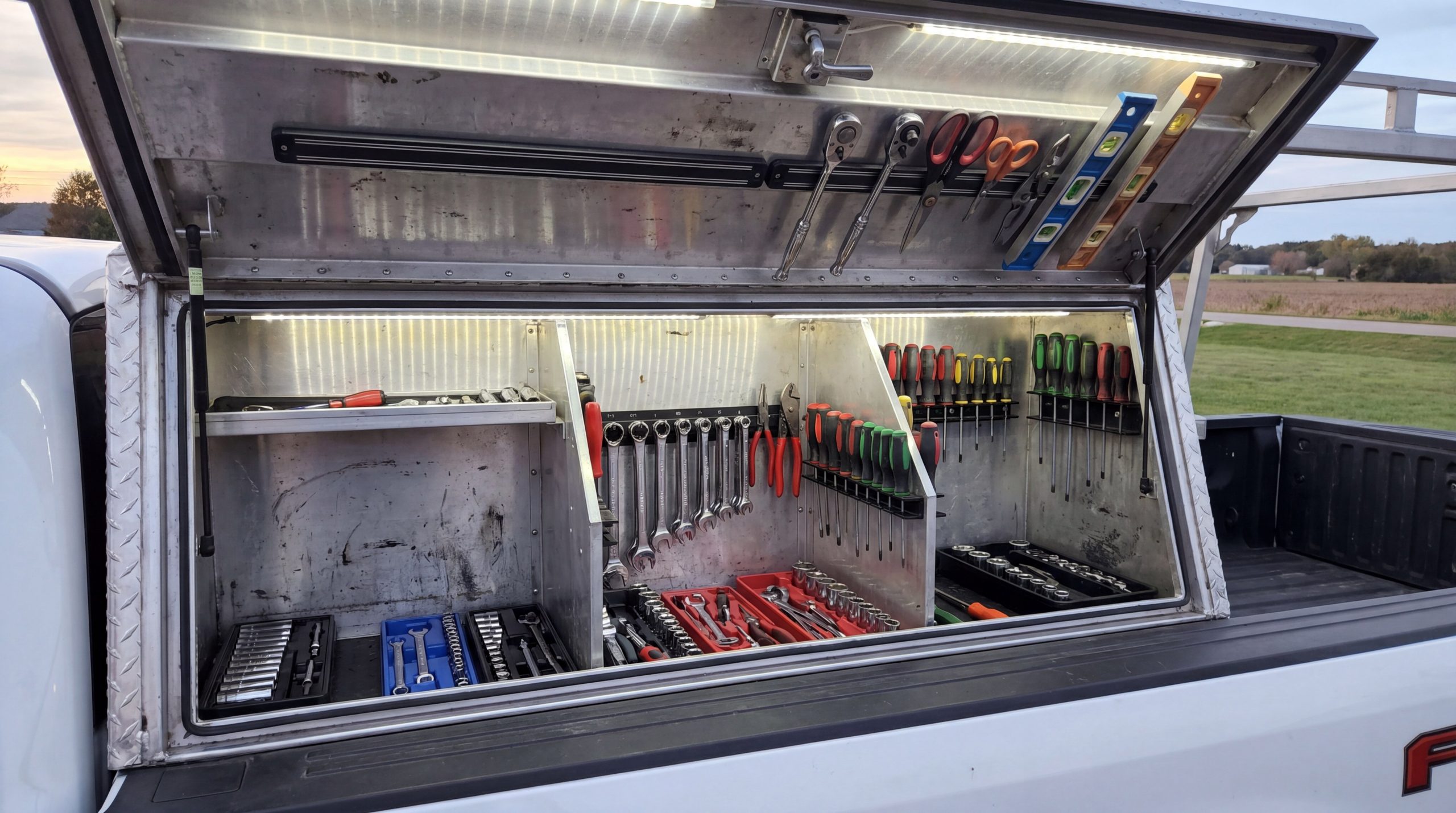
Organization strategies for the underbody vs side mount truck tool box differ based on the orientation of the door and the depth of the compartment. Side-mount boxes often feature built-in trays for small parts, making them ideal for fasteners and hand tools. Underbody boxes benefit from custom dividers or “tote” systems to prevent heavy gear from sliding around during transit.
Optimizing Internal Compartments
Poor internal organization can lead to damaged tools, shifting cargo, and reduced workplace efficiency. When heavy tools shift, they can damage the door latches or cause the truck to handle unpredictably in sharp turns.
- Use magnetic strips for wrench and screwdriver sets.
- Install foam inserts to protect delicate diagnostic equipment.
- Label bins clearly to reduce the “search time” for your crew.
Can you use pull-out drawers?
Many commercial-grade underbody boxes can also be fitted with heavy-duty pull-out drawer systems. This transforms a deep, dark cavity into a highly accessible workshop that brings the tools directly to the operator.
| Org Element | Underbody Best Practice | Side Mount Best Practice |
|---|---|---|
| Small Parts | Labeled Bins | Sliding Trays |
| Large Tools | Floor Anchors | Center Section |
| Safety Gear | Door Nets | Top Reach |
Effective organization turns a simple storage box into a force multiplier for your team’s daily productivity on the job.
Is an underbody vs side mount truck tool box worth the ROI?
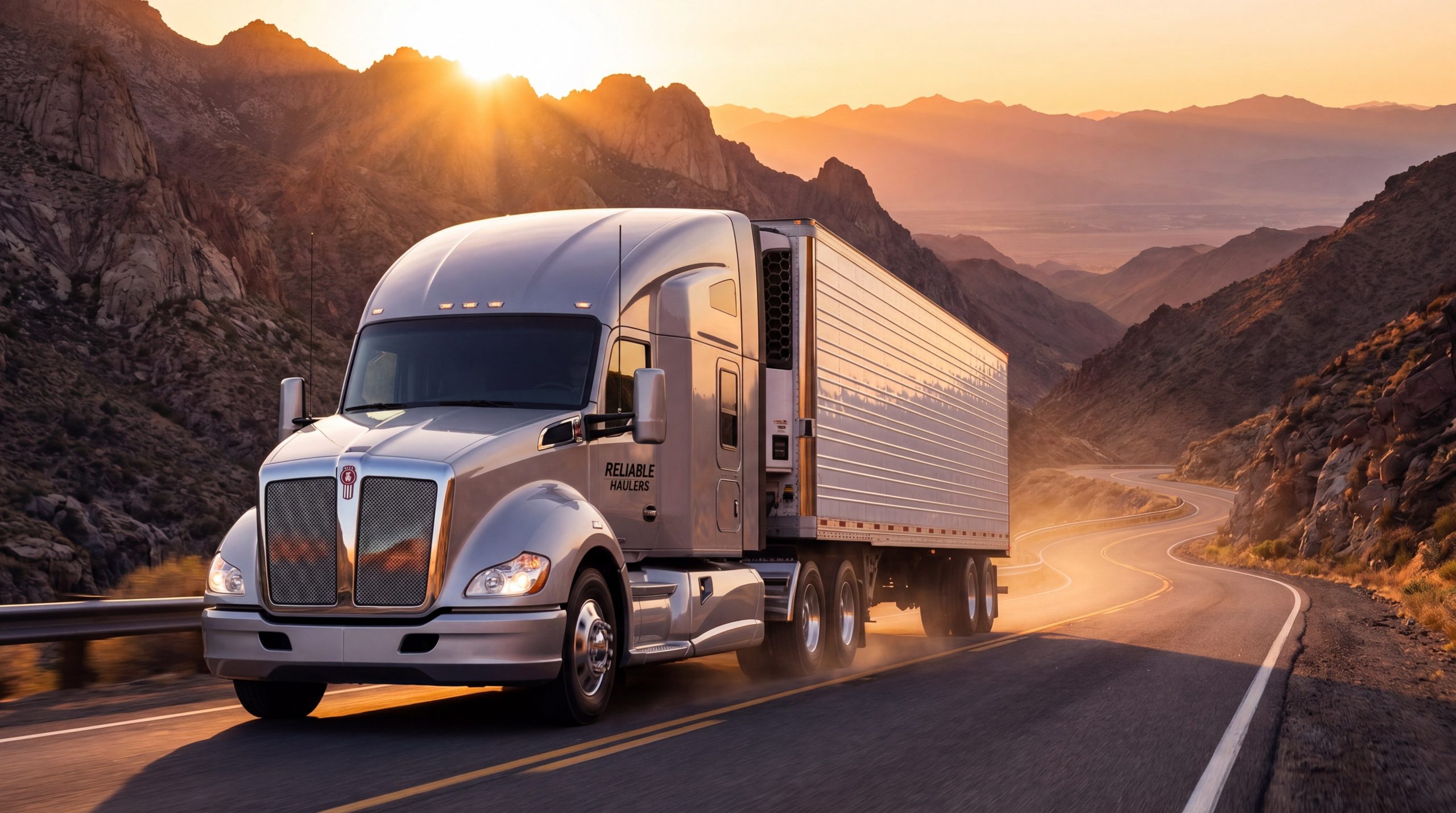
An underbody vs side mount truck tool box is an essential investment for any heavy-duty fleet because it protects your assets from theft, weather damage, and loss. By choosing a durable, weather-sealed aluminum box, you reduce the recurring costs of replacing rusted or damaged tools. At Brontec, we specialize in OEM-grade protection equipment that minimizes downtime and keeps your operators efficient.
Calculating the Long-Term Savings
Downtime caused by damaged or inaccessible tools often costs significantly more than the initial investment in a quality storage system.
- Reduces tool replacement costs by 40% annually.
- Improves driver satisfaction and retention through better gear.
- Increases the resale value of the truck with high-end accessories.
Does it help with compliance?
In some industries, properly secured storage systems are also necessary for safety inspections and transportation compliance.
| ROI Factor | 1-Year Impact | 5-Year Impact |
|---|---|---|
| Tool Protection | $500 Savings | $2,500 Savings |
| Efficiency Gain | 20 Hours Saved | 100 Hours Saved |
| Fleet Image | Improved | Professional Standard |
Quality storage solutions are not just an expense; they are a fundamental component of a profitable and professional trucking operation.
How to choose the right underbody vs side mount truck tool box finish?
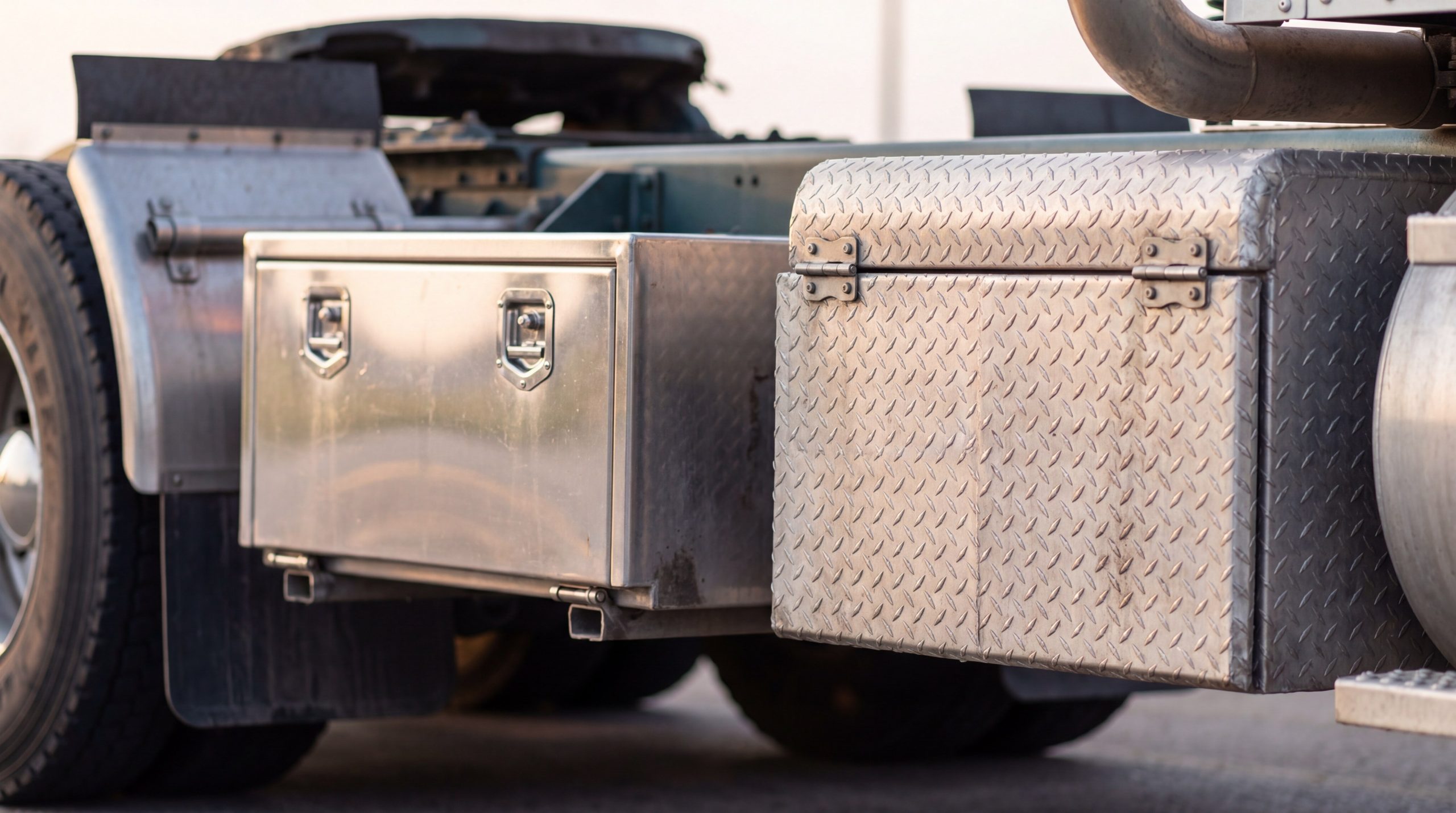
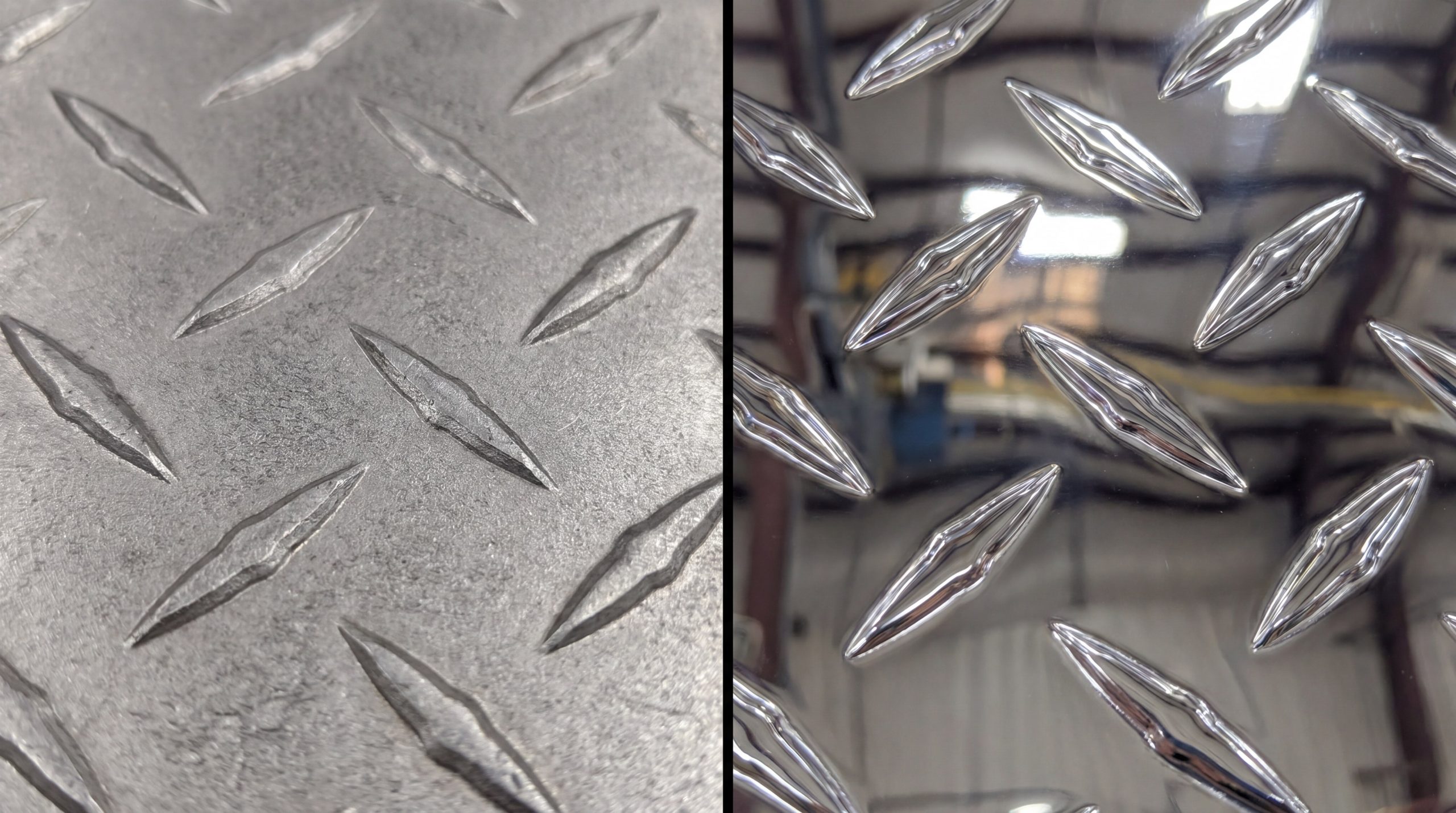
The finish you select for your underbody vs side mount truck tool box affects both the aesthetics of your fleet and the long-term maintenance requirements of the units. Diamond plate is the industry standard because it hides scratches and dings effectively, making it perfect for rugged work environments. Polished smooth aluminum offers a high-end look but requires more frequent cleaning to maintain its mirror-like shine.
Comparing Textures and Coatings
Powder-coated finishes are also available for fleets that want additional corrosion resistance or custom branding colors.
- Diamond Plate: Mask scratches and provides a non-slip surface.
- Smooth Polished: Maximum “show truck” appeal and easy to wipe down.
- Black Powder Coat: Stealthy look and extra protection against oxidation.
Does finish affect durability?
Regardless of finish type, the underlying 6061-T6 aluminum remains the primary defense against corrosion and structural fatigue.
| Finish Type | Maintenance | Durability | Aesthetic |
|---|---|---|---|
| Diamond Plate | Low | Very High | Industrial |
| Polished | High | High | Premium |
| Powder Coat | Medium | Excellent | Custom |
Matching the finish to your truck’s existing trim ensures a cohesive and professional appearance that builds trust with your clients.
OEM Aluminum Toolboxes for Commercial Truck Fleets
Brontec manufactures heavy-duty underbody and side-mount aluminum tool boxes for:
- flatbeds
- semi tractors
- contractor trucks
- utility fleets
- service bodies
Available with custom dimensions, reinforced floors, keyed-alike locks, and commercial-duty mounting hardware.
Contact our engineering team to discuss your next fleet upfit project.
FAQ: Truck Toolbox Installation & Maintenance
Can I install an underbody box on a standard pickup truck?
Yes, but you must ensure there is enough ground clearance between the bottom of the box and the road surface. Most installers also recommend maintaining at least 2–3 inches of clearance from exhaust components to prevent excessive heat buildup near seals and stored equipment.
What is the best material for a tool box in coastal areas?
Polished or powder-coated 6061-T6 aluminum is best because it naturally resists the corrosive effects of salt-heavy air.
How do I know if a side mount box will fit my bed rails?
You must measure the distance between your wheel wells and the bulkhead, ensuring the box length doesn’t interfere with the fuel filler neck.
Can I key all my fleet boxes alike?
Absolutely, most professional-grade boxes can be ordered with matching lock cylinders to simplify key management for your drivers.
What’s the best way to clean a diamond plate tool box?
Use a mild soap and water solution with a soft-bristled brush; avoid acid-based cleaners which can dull the aluminum’s natural luster.